

A cold room, a warm outlet, a vent that never seems to heat the space, or a suspicious patch near a pipe can all leave clues that ordinary cameras can’t show. The Magic makes those temperature differences visible on the phone you already carry, which could save time when you’re deciding what needs a closer look.
What the RISION Magic is
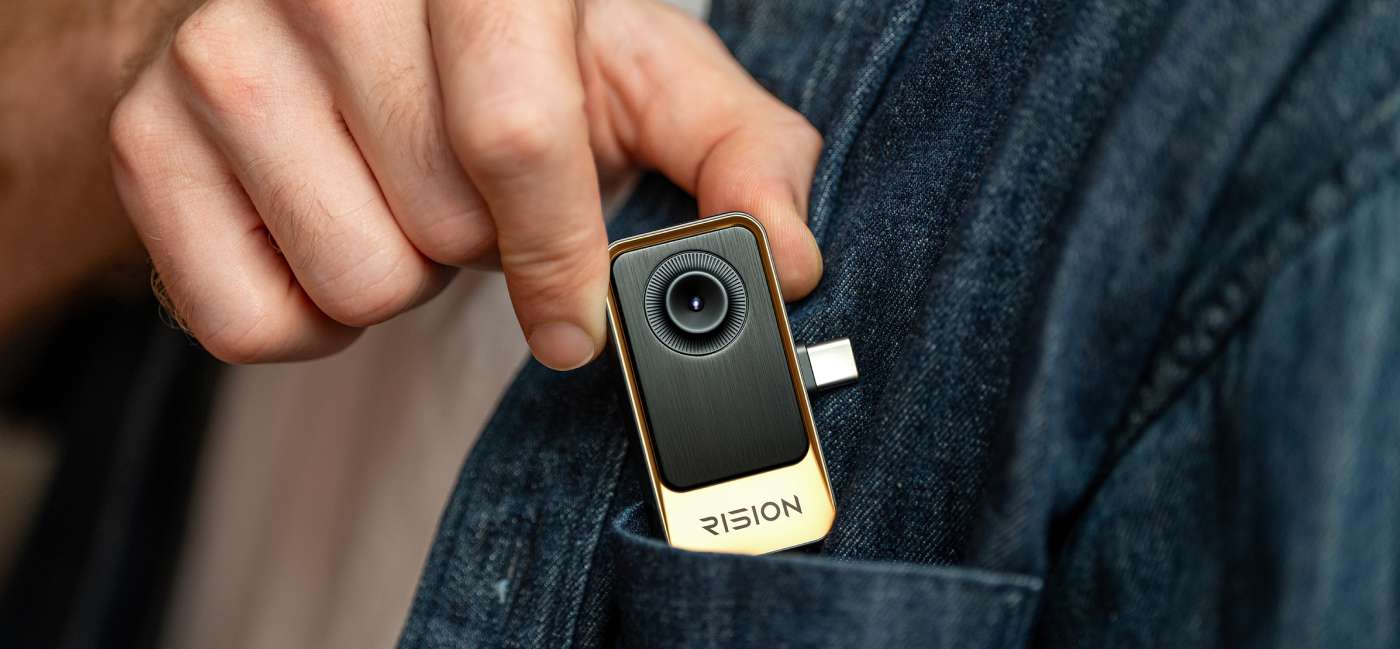
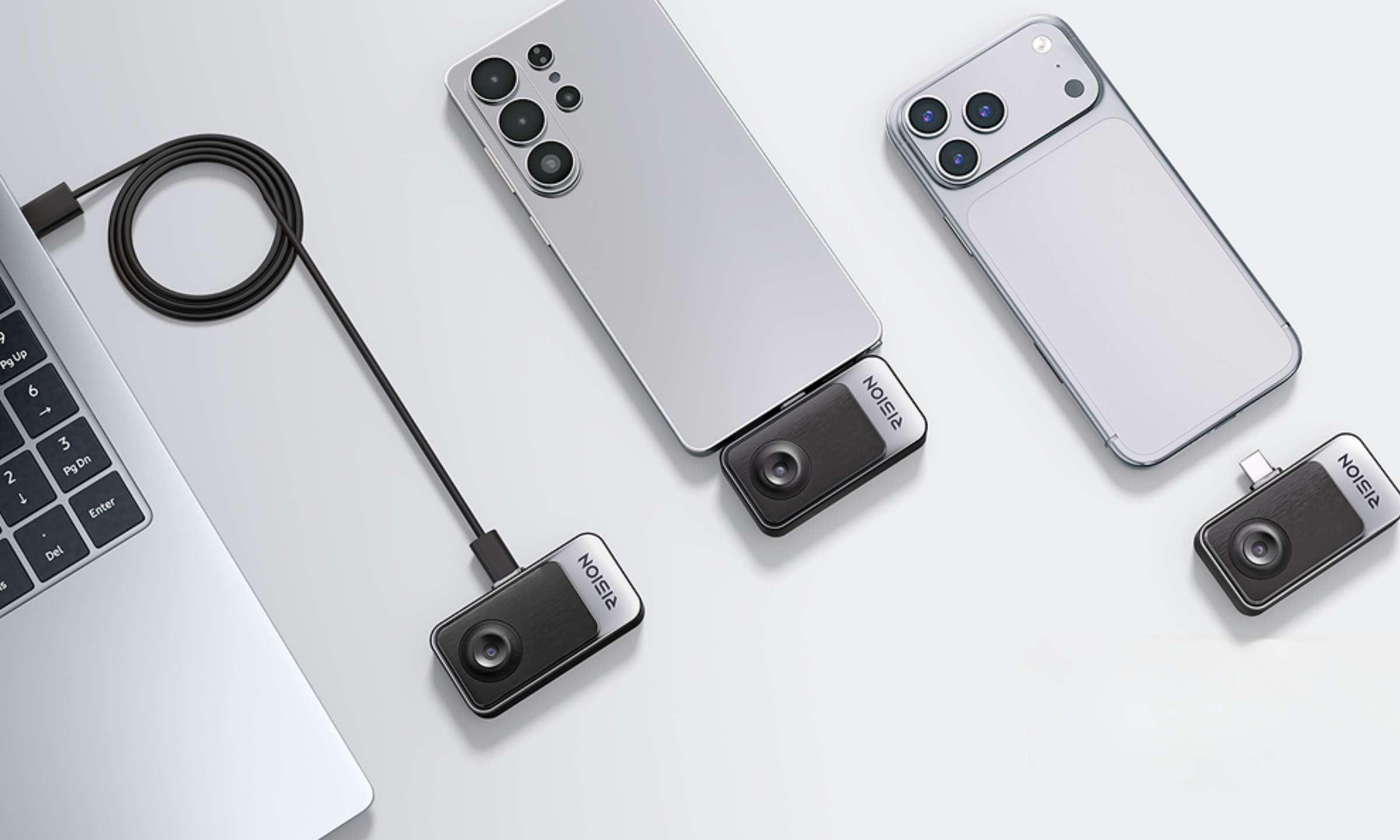
The RISION Magic is a small USB-C thermal camera that uses a connected phone, tablet, or computer as its screen and control surface. It works with iOS, Android, and Windows, runs through the RISION View app, and skips an internal battery by drawing about 0.32 watts from the device it’s plugged into.
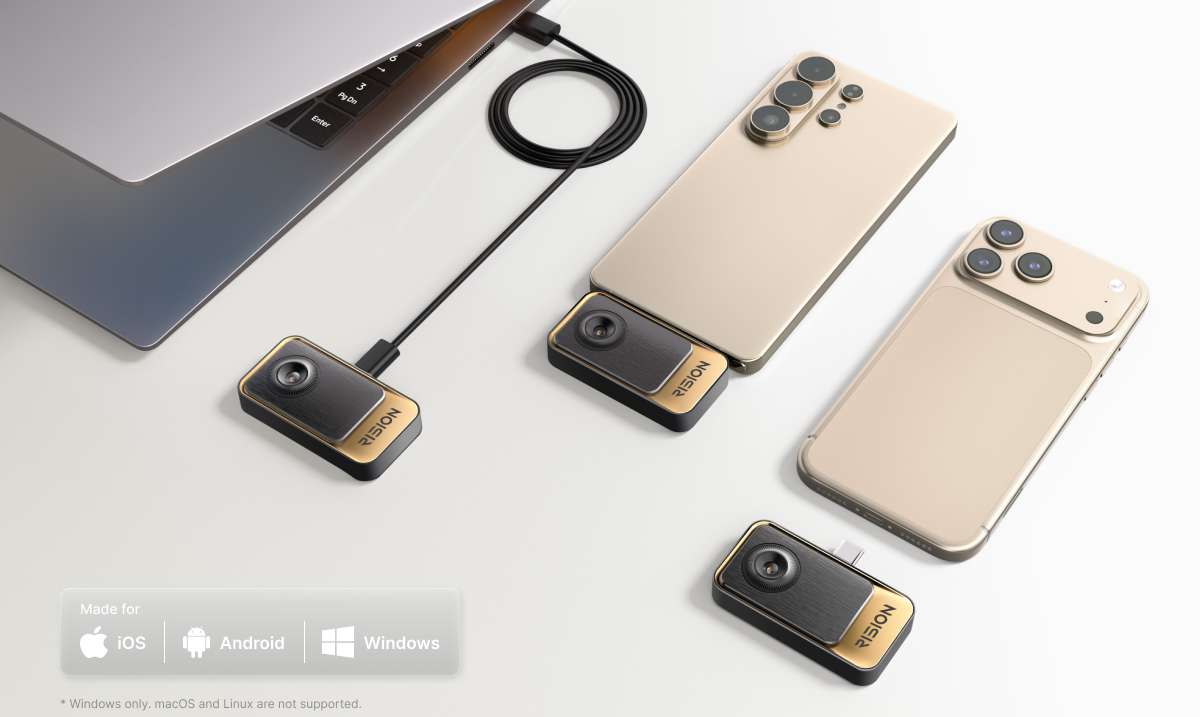
The standard Magic is listed at $139, with a $119 presale price, Aug. 24 delivery timing, and a 30-day return policy. Early bird purchasers can enjoy a 3-year warranty instead of the standard 24-month warranty.
Regular Price: $139
Presale Price: $119
You Save: $20
Where to buy: RISION Magic
Why thermal imaging is useful at home
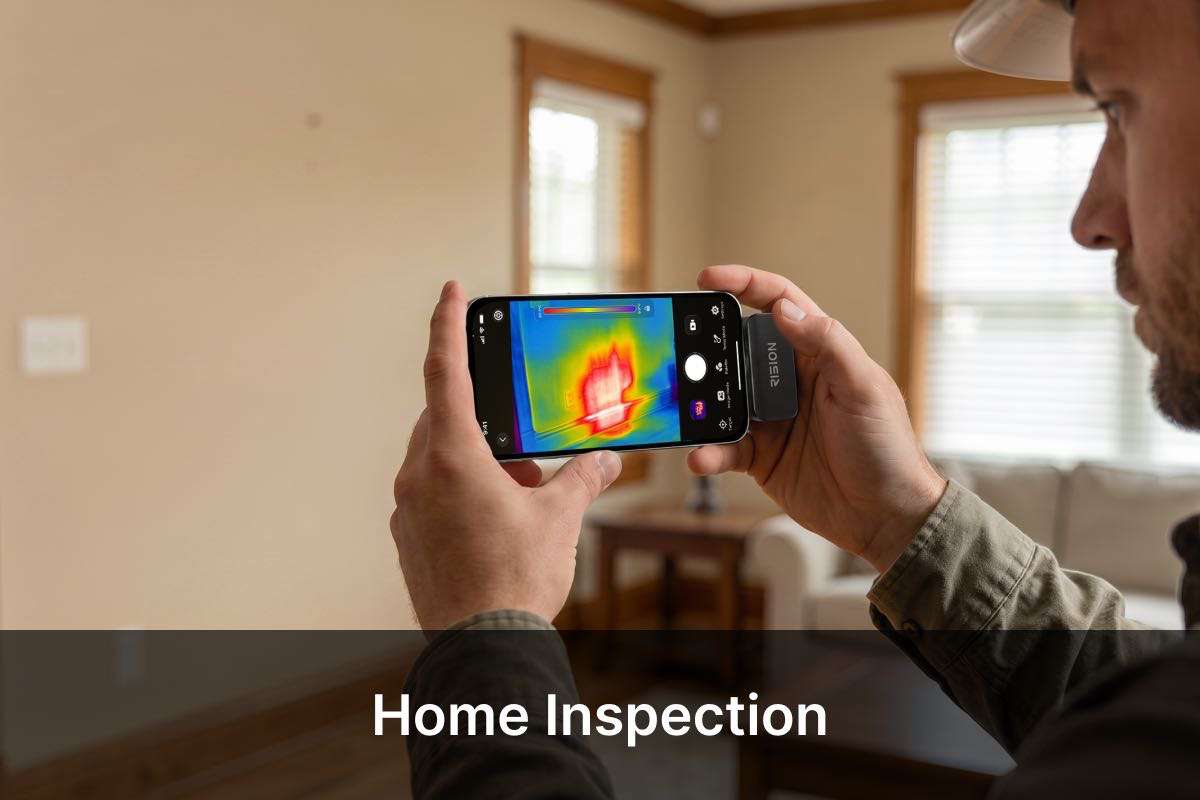
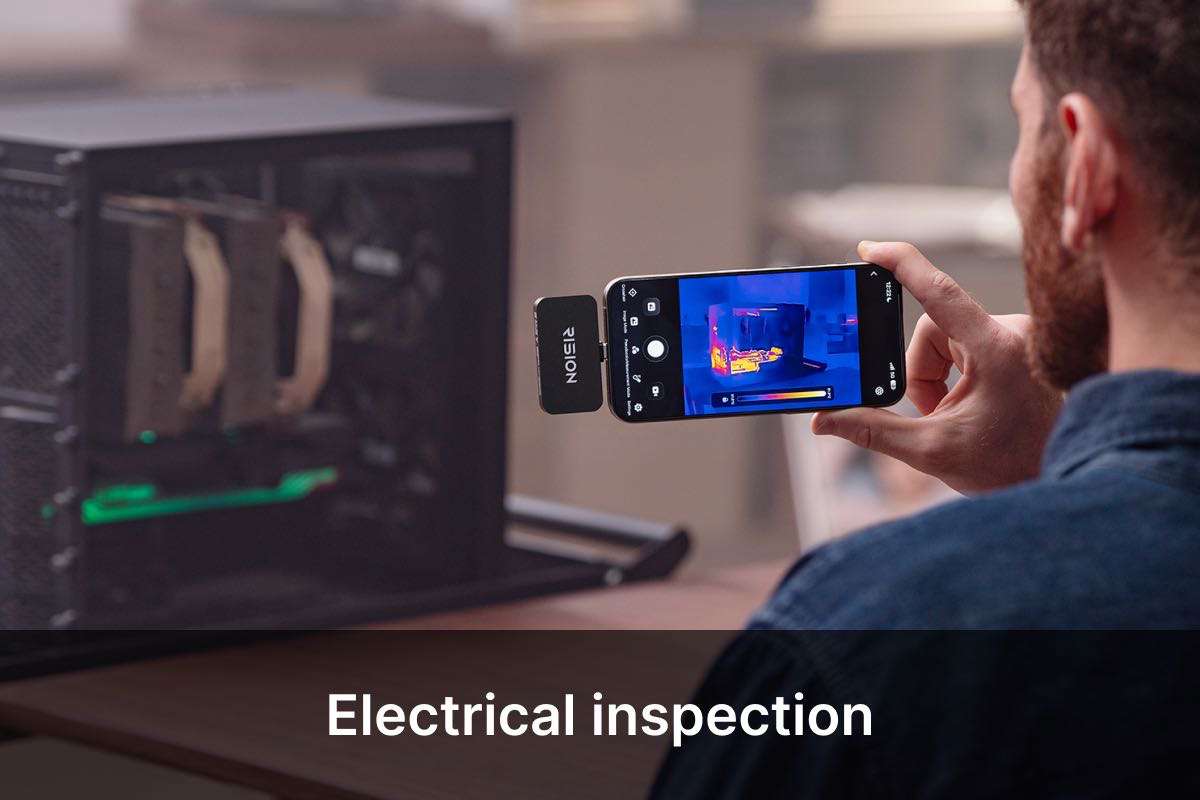
A thermal camera records infrared energy and turns temperature differences into a color image. Around a window or door, a cooler band can suggest air leakage or missing insulation. At an HVAC register, a noticeably different pattern from nearby vents can point to airflow or duct issues. At an electrical panel, an unusual hot spot can justify shutting down the circuit and calling a qualified electrician.
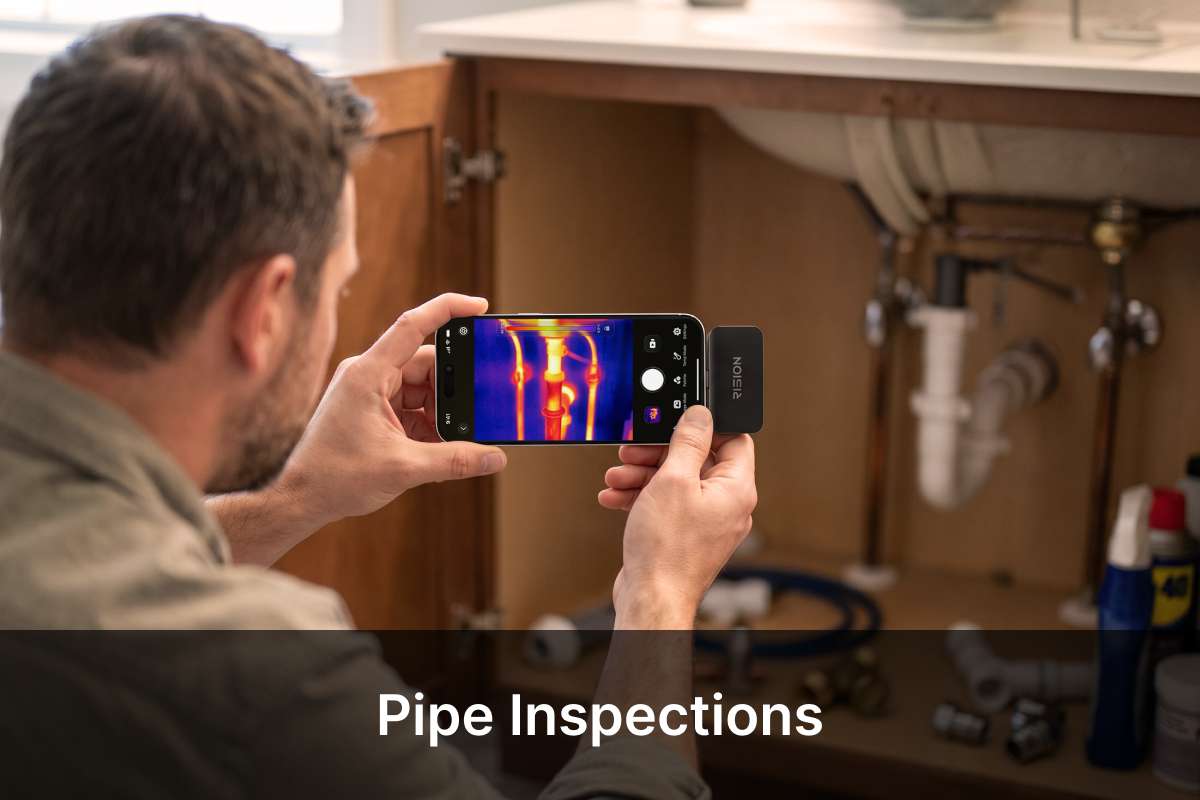
Plumbing is another practical use case. A camera may reveal a temperature trail along a pipe, a cold area associated with a frozen line, or a warmer patch that deserves investigation. It won’t replace a moisture meter or professional inspection, but it can give homeowners a clearer starting point.

What it can help reveal
- Temperature differences around windows, doors, vents, pipes, appliances, and electrical components.
- The area that deserves a closer look before an electrician, HVAC technician, plumber, or inspector arrives.
- Before-and-after evidence after sealing a draft, adjusting airflow, or checking a repair.
- Visual context that can make a contractor conversation easier.
- A safer first look from a distance before anyone touches a hot surface, outlet, panel, or pipe.
The resolution story
The Magic has a native thermal resolution of 160 × 120 and a processed or super-resolved output of 320 × 240. Native resolution is the sensor’s actual pixel grid. The larger output can make edges and patterns easier to inspect on screen, but it’s not the same as capturing the scene with a native 320 × 240 sensor.
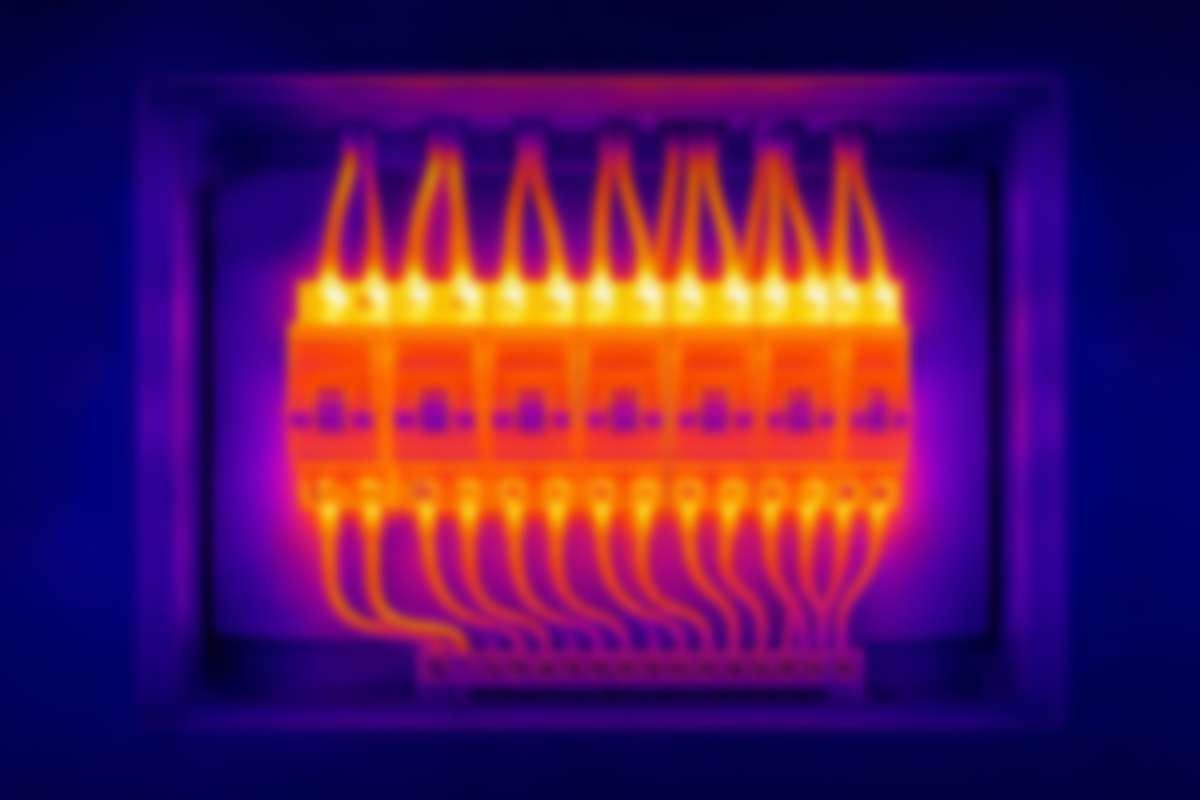
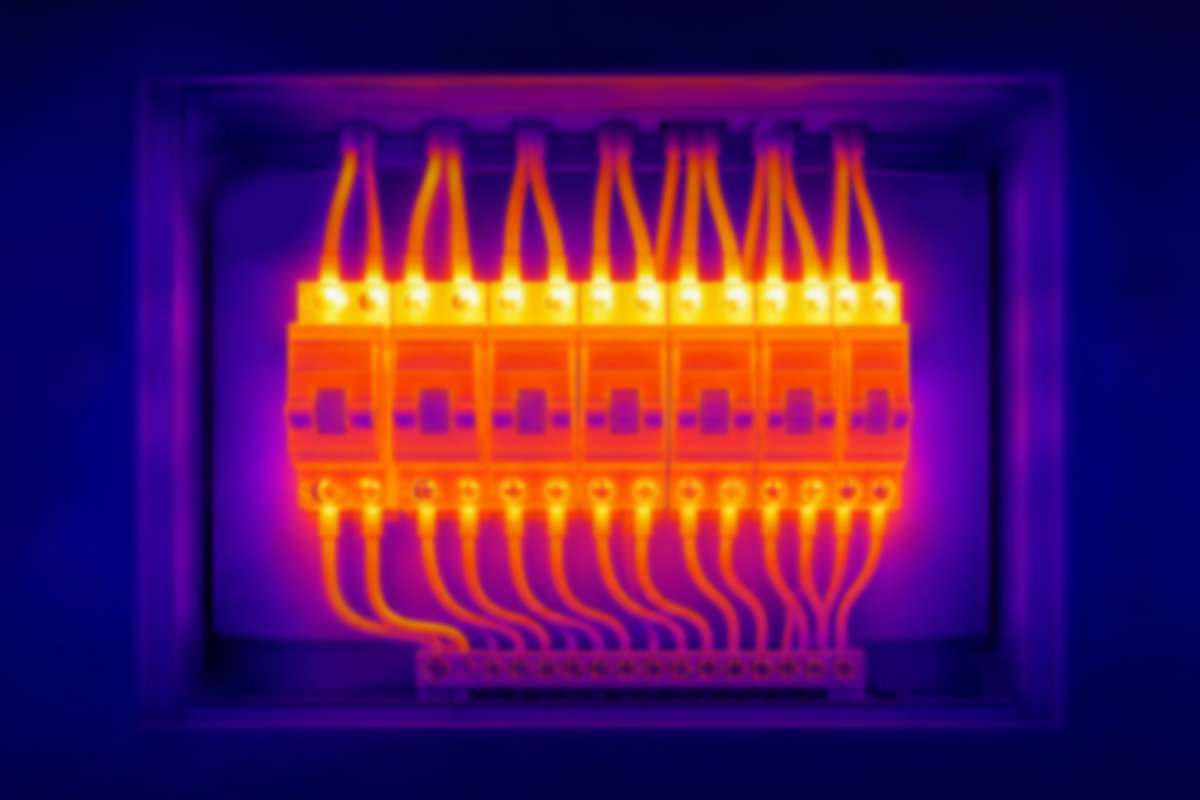
That should be enough for broad homeowner questions such as whether one window is colder than another or whether a breaker connection is warmer than its neighbors. Buyers who want finer detail can step up to the Magic Pro, which raises the native sensor resolution to 256 × 192.
Sensitivity, refresh rate, and temperature accuracy
The Magic’s thermal sensitivity is listed at ≤40 mK NETD, which means it can pick up fairly small temperature differences under the right conditions. That’s useful when you’re scanning a wall, vent, pipe, or panel and looking for a pattern that doesn’t match the surrounding area.
A 25 Hz refresh rate should keep the image moving smoothly as you scan a wall, follow a pipe, or look around a panel.
Temperature accuracy is listed at ±2°C or ±2%. As with any thermal camera, surface readings can shift based on reflections, distance, angle, material, and room conditions, but the spec gives buyers a useful baseline for comparing compact imagers.
AI fusion and the app add useful context
The AI BiSpectrix feature combines thermal and visible-light views, with modes such as dual light, visible light, infrared, and picture-in-picture. That can make it easier to connect a warm patch on the thermal image with the outlet, pipe, vent, or surface you’re actually looking at.
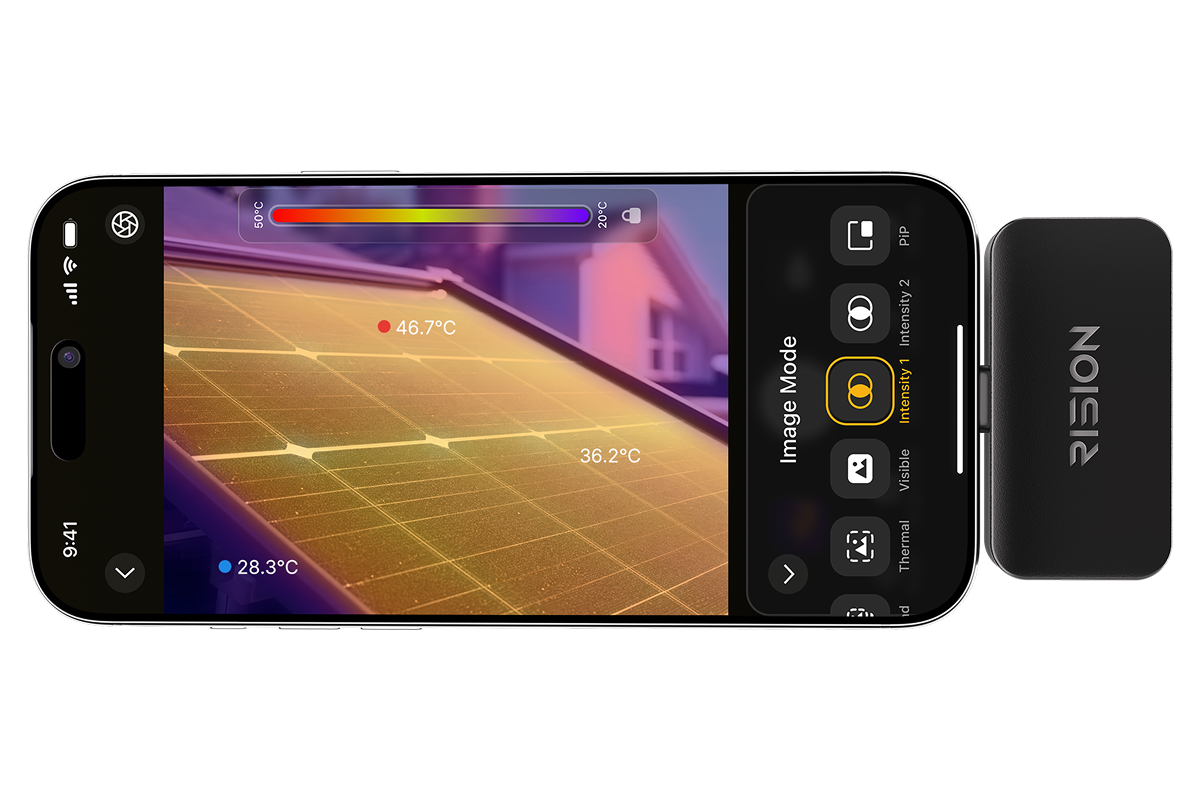
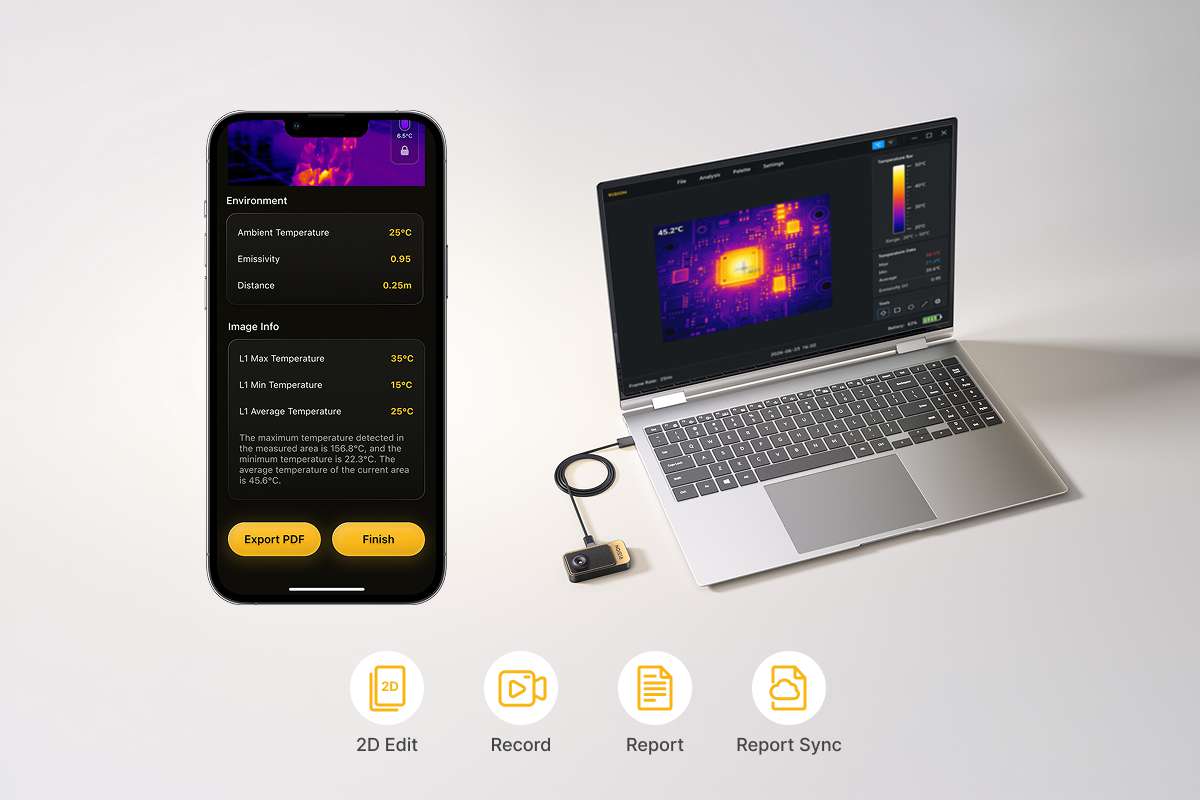
The app includes point, line, and area measurements, temperature waveforms, custom thresholds, PDF reports, GPS and watermark support, and cloud sync. You can save a finding, compare it later, or share it with a contractor without turning a quick check into a complicated inspection project.
Phone attachment versus standalone thermal camera
A phone attachment wins on portability and familiarity. You already carry the display, storage, sharing tools, and report workflow. The Magic also avoids charging a second battery, with a listed runtime of 5 to 8 hours while powered by the connected device.
The main tradeoff is that the phone is part of the setup. A thick case may get in the way of the USB-C connector, and the phone’s battery becomes part of the system. A standalone camera can be easier to handle in some situations, but it costs more or adds another device to carry.
RISION Magic versus Magic Pro
The Magic Pro steps up to $299 with a native 256 × 192 sensor and 512 × 384 super-resolved output. It keeps the same ≤40 mK sensitivity and 25 Hz refresh rate, then adds simultaneous 5-point, 5-line, and 5-area measurement. The standard Magic is the simpler homeowner pick, while the Pro is the better fit for people who want more detail and more measurement tools.
Price: $299
Where to buy: RISION Magic Pro
- Standard Magic: $119 current presale price, $139 regular price, native 160 × 120, super-resolved 320 × 240, ≤40 mK, and 25 Hz. Best fit: occasional homeowner checks and basic troubleshooting.
- Magic Pro: $299, native 256 × 192, super-resolved 512 × 384, ≤40 mK, 25 Hz, and simultaneous 5-point, 5-line, and 5-area measurement. Best fit: more frequent inspections or buyers who need more detail and measurement tools.
Price and availability
The standard Magic is open for presale at $119, down from the regular $139 price, with Aug. 24 delivery timing listed. It works through RISION View and supports iOS, Android, and Windows. As usual with presale product news, checkout price, delivery timing, and compatibility details should get one final look before publication.
Final thoughts
Thermal cameras used to feel like equipment reserved for inspectors, electricians, and HVAC technicians. Using a phone as the screen makes the category easier to approach, while the $139 regular price, or $119 presale price, puts the Magic within reach of homeowners who want useful visual clues before calling in help.
The native 160 × 120 resolution is the main tradeoff, but the phone-powered design, 25 Hz refresh rate, app tools, and super-resolved 320 × 240 output make the package practical for broad household checks. I like it most as a question-finding tool: spot the cold band, hot connection, or unusual pipe pattern, save the image, and decide what comes next.

Gadgeteer Comment Policy - Please read before commenting
RISION Magic at $119 presale is a smart entry point for homeowners who want to track down drafts, check breaker panels, or scan for pipe issues without calling a pro first. The 40mK sensitivity and 25Hz refresh rate are solid for the price, and the AI BiSpectrix overlay makes it way easier to know exactly what you’re looking at compared to the blurry rainbow blobs cheaper sensors give you. If you need more detail, the Magic Pro bumps to native 256×192, but for most home troubleshooting the standard model is plenty.