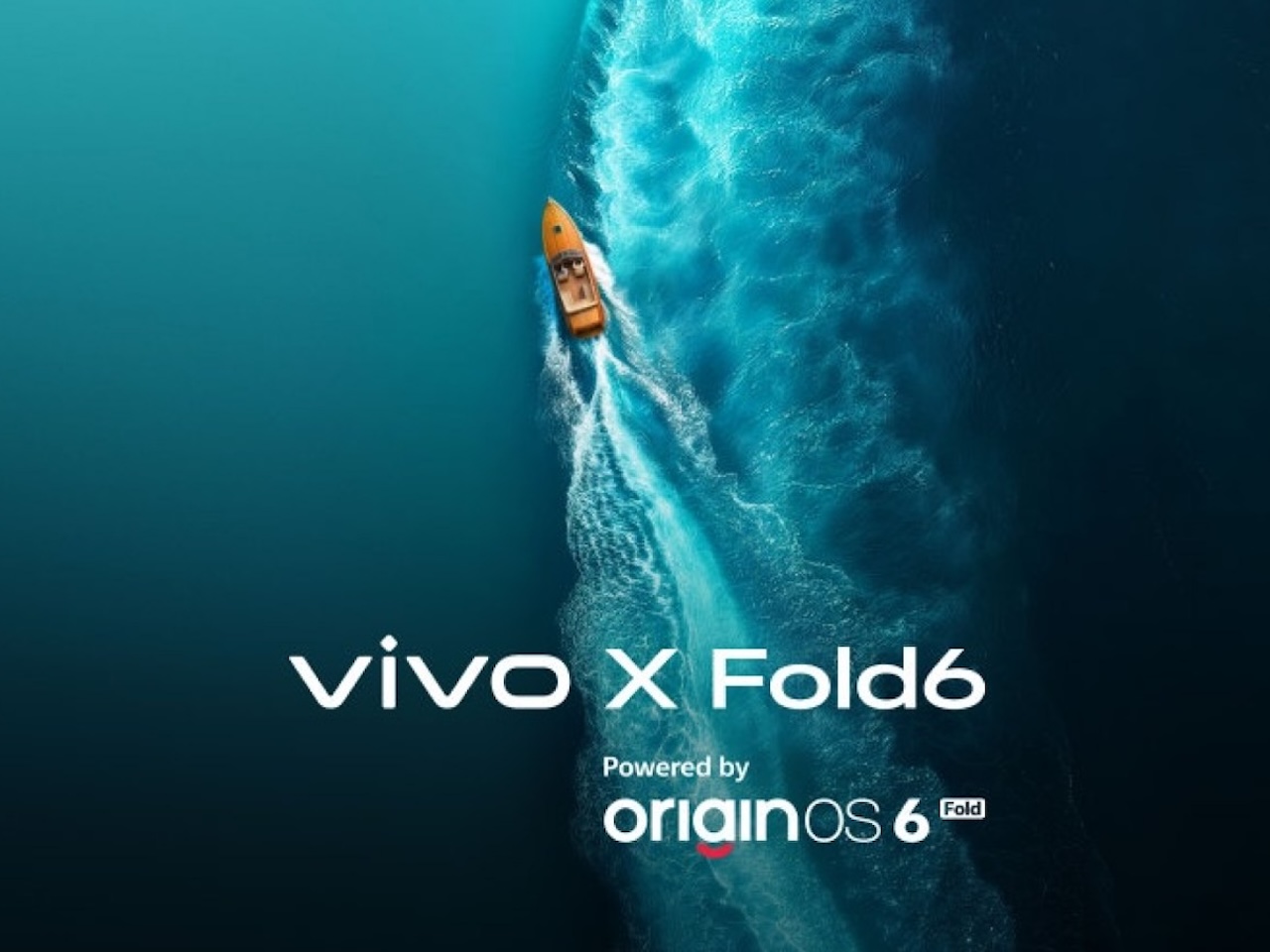
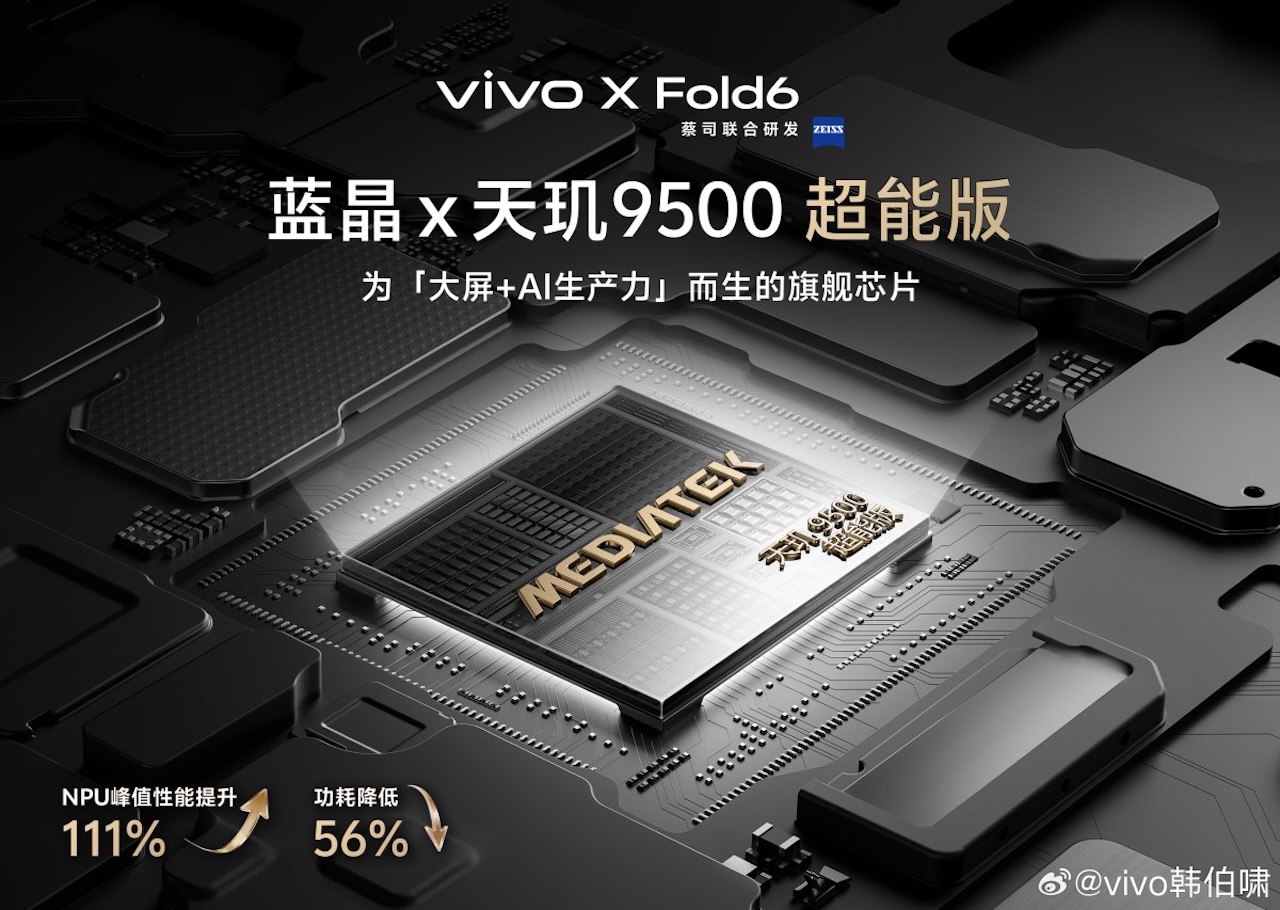
Vivo and MediaTek spent nearly two years co-developing a custom chip for foldable phones, and the first device shipping it is now official. Vivo has confirmed that the upcoming X Fold 6 will run MediaTek’s Dimensity 9500 Super Edition, marking the first time a Vivo X Fold skips Qualcomm entirely. Vivo product manager Han Boxiao made the announcement on Weibo on June 12, 2026, weeks before the phone’s expected China launch later in the month. The same post also named OriginOS 6 Fold as the software, a custom OriginOS build designed for foldable-specific multitasking.
Vivo is calling the Super Edition chipset the real story. The “Super Edition” tag is new, and according to Han Boxiao it brings up to a 111% jump in peak NPU performance, a 56% drop in AI power consumption, and stronger multitasking. The standard Dimensity 9500 already powers the Vivo X300, which we covered in March when it shipped a 200MP Zeiss main in a 6.31-inch body. The X Fold 6 version is the same silicon family pushed harder, with Vivo positioning the NPU jump as a generational leap over its own predecessor silicon. The closest current-gen comparison shoppers can actually buy in the U.S., the Galaxy Z Fold 7, is on sale for $1,599.99.
What the leak says, and what it doesn’t
Vivo has officially confirmed the chipset and the software. Everything else below is from a prior leak and the brand has not put weight behind it yet. Treat it as a probable spec sheet, not a press release.
The leak points to a 200MP primary camera paired with a 50MP zoom camera. Both are unconfirmed, but the 200MP number lines up with the X300 Ultra’s 200MP Zeiss main sensor, which launched in India in May at ₹1,59,999, and matches the resolution of the X300 Pro’s 200MP Zeiss APO telephoto. If the X Fold 6 ships a 200MP main, it would match the Galaxy Z Fold 7 for the highest-resolution main camera in a 2026 book-style foldable, well ahead of the 50MP mains on the Honor Magic V6 and Motorola Razr Fold.
The more interesting number is the battery. The leak puts the X Fold 6 at 7,000mAh, a figure that beats the 6,000mAh cell in the June 2025 X Fold 5 and dwarfs the 4,400mAh pack in Samsung’s current flagship. The 2,600mAh gap between Vivo and Samsung is not a rounding error. On paper, that translates to a full extra day of mixed use, the kind of margin you feel by mid-afternoon on a heavy travel day. But real-world drain on a foldable is dominated by the inner display, and we have not tested this one. Treat the figure as a ceiling, not a guarantee.
How it stacks up against the foldable field
| Phone | Chip | Main camera | Battery | Launched |
|---|---|---|---|---|
| Vivo X Fold 6 (expected) | Dimensity 9500 Super Edition | 200MP (rumored) | 7,000mAh (rumored) | June 2026 (China) |
| Samsung Galaxy Z Fold 7 | Snapdragon 8 Elite | 200MP | 4,400mAh | July 2025 |
| Honor Magic V6 | Snapdragon 8 Elite Gen 5 | 50MP | 6,660mAh | March 2026 |
| Motorola Razr Fold | Snapdragon 8 Gen 5 | 50MP | 6,000mAh | MWC 2026 (unveiled) |
Two patterns jump out. First, Vivo is the only brand in this group putting a MediaTek chip in a book-style foldable in 2026. Every competitor above is on a Snapdragon platform. The Super Edition pitch is a generational NPU jump and foldable-specific tuning, but until someone benchmarks the sustained workload on the inner display, those are Vivo claims, not measured results.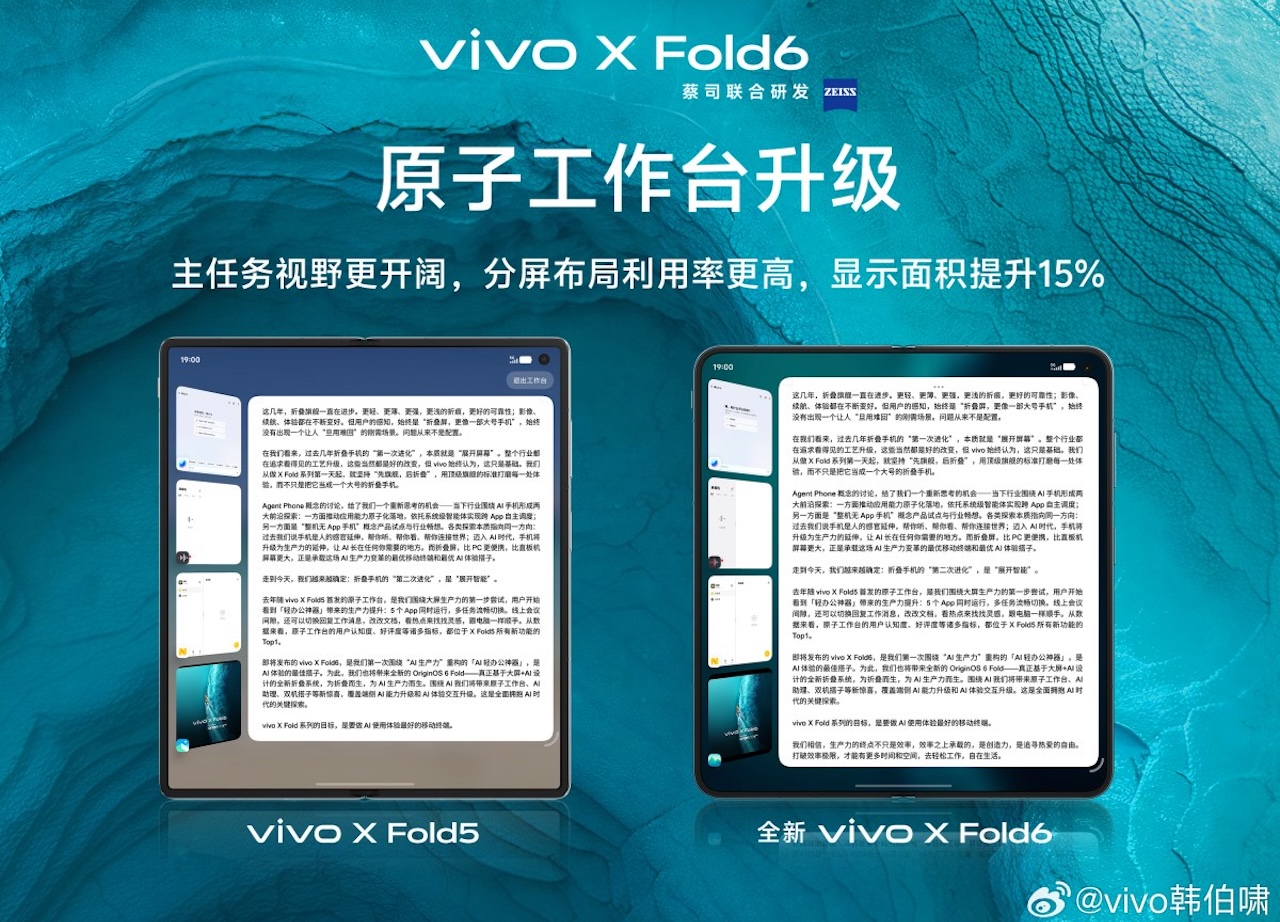
Second, the camera spec sheet is the closest thing to a real Vivo differentiator. Samsung also uses 200MP on the Z Fold 7, but the sensor is shared across the S25 Ultra generation and not a Zeiss-tuned design. The X Fold 6’s 200MP main, if the leak holds, would be the third Zeiss-tuned 200MP main in Vivo’s 2026 lineup, joining the standard X300 and X300 Ultra. For buyers who care about camera tuning, that is a real reason to wait.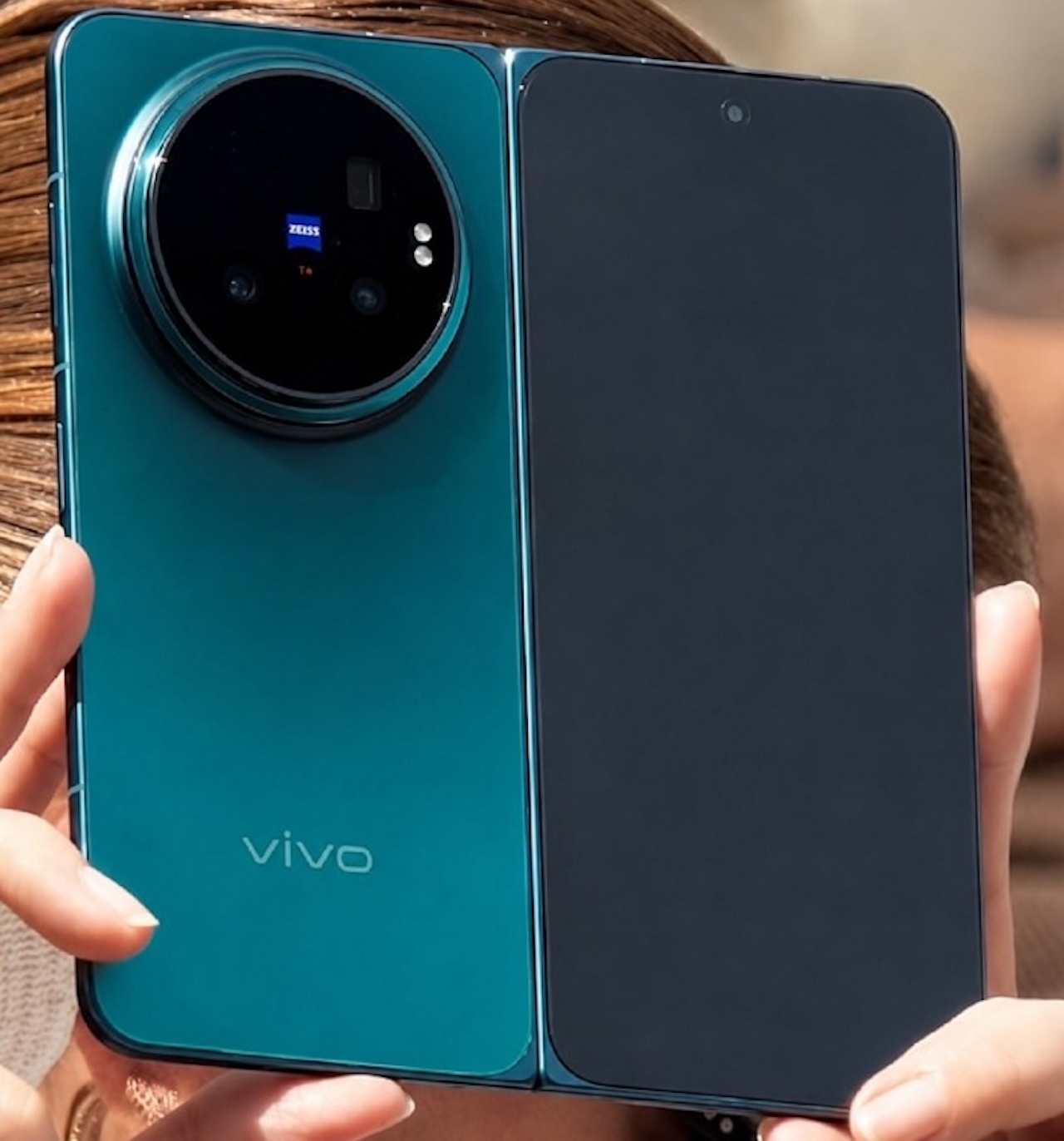
What we don’t know yet
Vivo has not announced a release date, a price, or a global launch window. The China launch is the only confirmed date window, and the brand has historically waited months before bringing X Fold flagships to India, Europe, and Southeast Asia. Expect a similar lag for the X Fold 6.
There is also no word on the inner display size, the hinge design, water resistance rating, or the cover display. The X Fold 6 will likely land near the X Fold 5’s footprint, since shrinking the inner display would erase the productivity pitch that defines the category.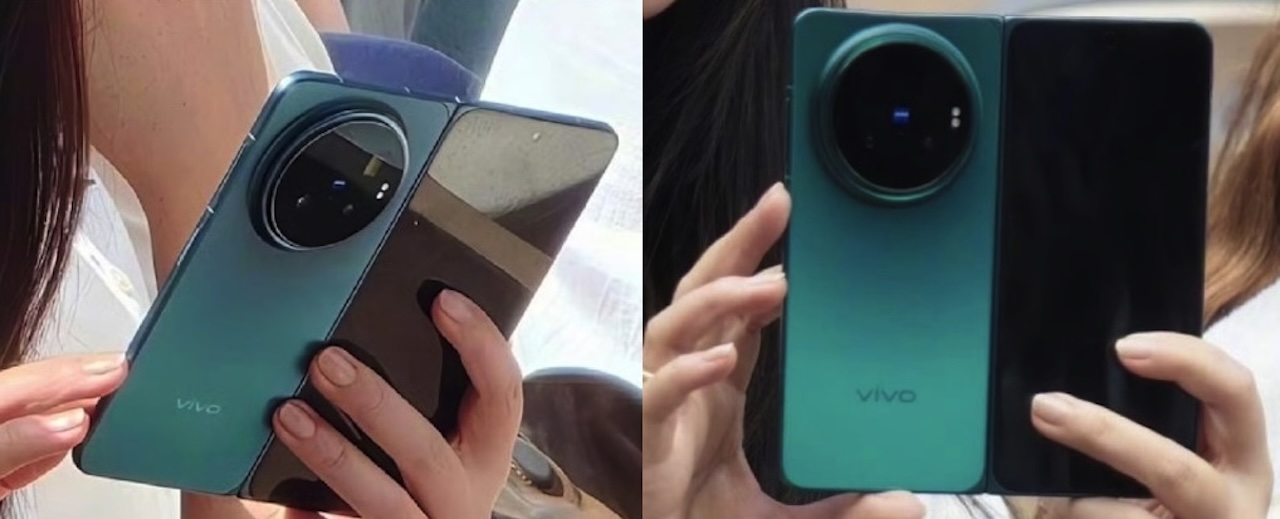
Where things stand
Vivo has confirmed the two facts that matter most for early buyer intent: the chipset and the software. The Dimensity 9500 Super Edition is the first MediaTek silicon in an X Fold flagship, and OriginOS 6 Fold signals that Vivo is investing in foldable-specific software work, not just a candy-bar build stretched across a bigger screen.

For U.S. buyers, the math is simple. The X Fold 6 is not coming to a U.S. carrier. The Galaxy Z Fold 7 is. If you are in the U.S. and shopping today, the Z Fold 7 at $1,599.99 is the book-style foldable you can actually walk into a store and buy. The X Fold 6 is for buyers who can import from China, who already use a Vivo handset, or who care enough about battery life and Zeiss tuning to wait for a global launch window that has not been announced yet. As of June 13, 2026, the only thing confirmed is the silicon and the software. Everything else is a rumor with good sourcing.