If you were waiting for Apple to ship the Siri upgrade it promised in 2024, WWDC 2026 delivered the reset. During the June 8 keynote, Apple unveiled Siri AI, a rebuild of its assistant running on next-generation Apple Foundation Models, custom-built in collaboration with Google and its Gemini models. The company also announced iOS 27, macOS 27 Golden Gate, iPadOS 27, watchOS 27, visionOS 27, and tvOS 27, plus aggressive performance gains. Hardware was a no-show, but the message was clear: Apple is done building its large language models alone.
The keynote ran long, from child safety tools to Liquid Glass tweaks to a custom EQ for AirPods. For the broader read on what Apple’s Google bet means for the iPhone’s future, see our companion analysis. Here are the eight things that actually matter.
1. Siri AI is a complete rebuild, and Apple built it with Google
Siri runs on Apple’s new Foundation Models, built in collaboration with Google and its Gemini models. The models are Apple’s, the partnership is with Google.
A new assistant, not a patch
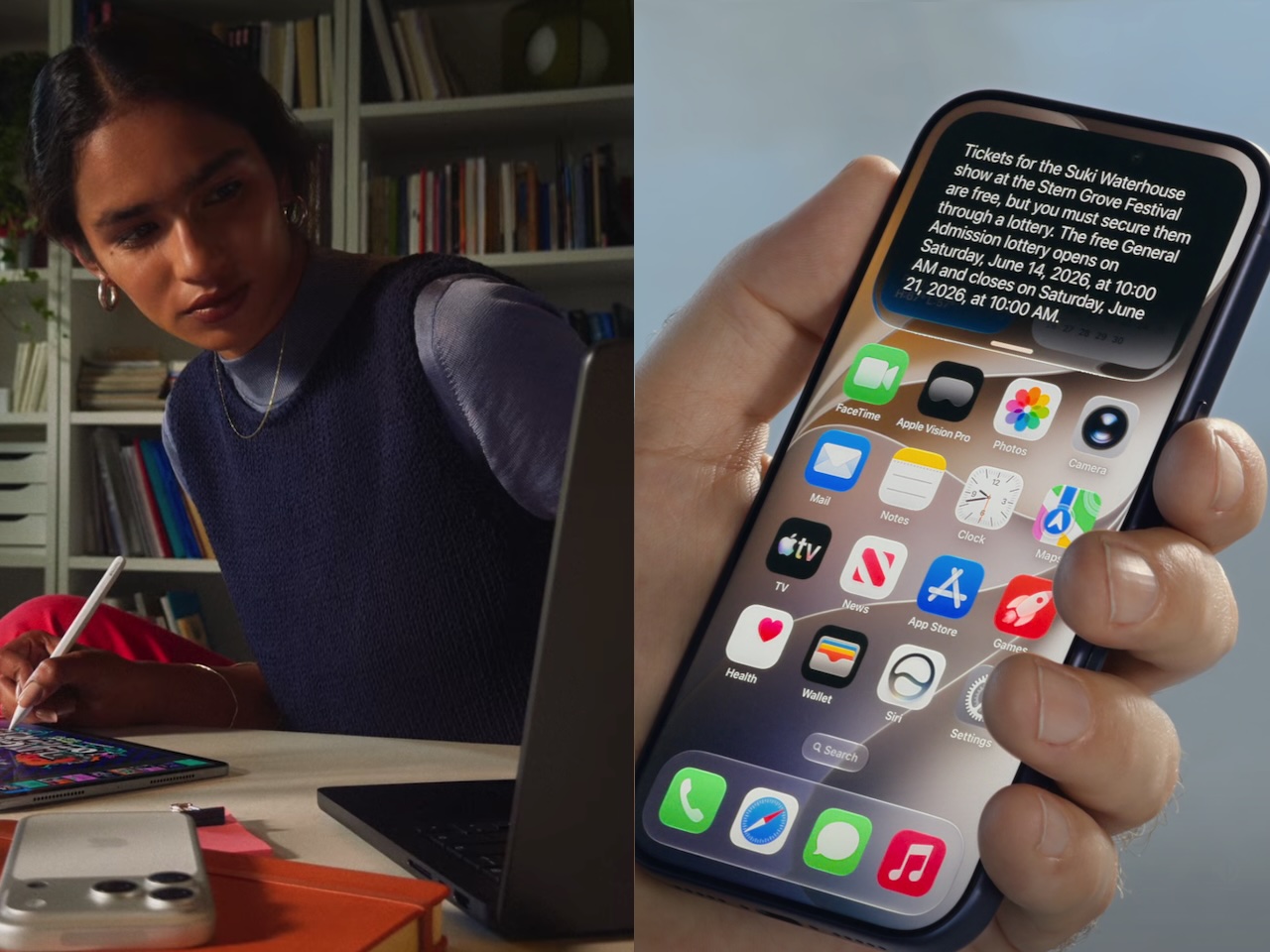
Siri AI is an entirely new assistant that can read your screen, search messages and emails, and chain actions across apps without you repeating context. A dedicated Siri app syncs conversation history through iCloud across iPhone, Mac, and Apple Watch. It also lives inside the Camera app: point your phone at an object and Siri can identify it, pull web results, or split a bill using Apple Cash.
Where Siri AI lives
Siri’s voice has been re-recorded to sound more expressive, with customizable pace on the most powerful on-device tier (iPhone Air, 17 Pro/Pro Max, M4 iPad with 12GB+, M3 Mac with 12GB+, and Vision Pro M5). Swipe down from the Dynamic Island on iPhone. On iPad and Mac, it lives in Spotlight. On Vision Pro, it’s a 3D visualization you place in your space.
Why Apple turned to Google
Apple is playing catch-up to ChatGPT and Google Assistant, and the company knows it. By building its next-generation Foundation Models with Google and its Gemini, Apple gets conversational depth that its previous models alone could not deliver.
Rollout
Siri AI ships later this year as a beta in English only, with more languages to follow. It won’t launch in the EU on iPhone or iPad initially due to the Digital Markets Act, and it won’t be available in China while Apple sorts out local requirements. Mac, Apple Watch, and Vision Pro users in the EU get it at launch.
2. iOS 27 keeps the iPhone 11 alive
Yes, iOS 27 runs on iPhone 11 and later, plus iPhone SE 2nd gen and up.
iOS 27 runs on every iPhone from the 11 onward, meaning Apple isn’t dropping any currently supported phone this cycle. The iPhone 11 launched in 2019, so a seven-year-old device still gets Apple’s latest OS, a quiet win for anyone holding onto older hardware. Apple kept the iPhone 11 alive with iOS 26 too, so this continues the trend.
3. Performance is the non-AI headline
Apple claims app launches up to 30 percent faster, photos up to 70 percent faster, and AirDrop up to 80 percent quicker, all measured against iOS 26.4.2.
Performance is where Apple spent most of its non-AI energy. Apps launch up to 30 percent faster, photos load up to 70 percent faster after capture, and AirDrop transfers are up to 80 percent quicker. The numbers come from Apple’s testing against iOS 26.4.2, so mileage will vary, but the direction is clear.
Other additions: cross-platform iCloud Shared Albums at full resolution, expanded perimenopause and menopause tracking in Health, Safari’s Notify Me for restocks and price drops, automatic tab grouping, and Messages suggestions to create reminders or notes from what you’re texting about.
4. macOS 27 Golden Gate ends the Intel era
macOS 27 Golden Gate is Apple silicon only. macOS 26 Tahoe was the last release to support Intel Macs, and Rosetta ends after this release.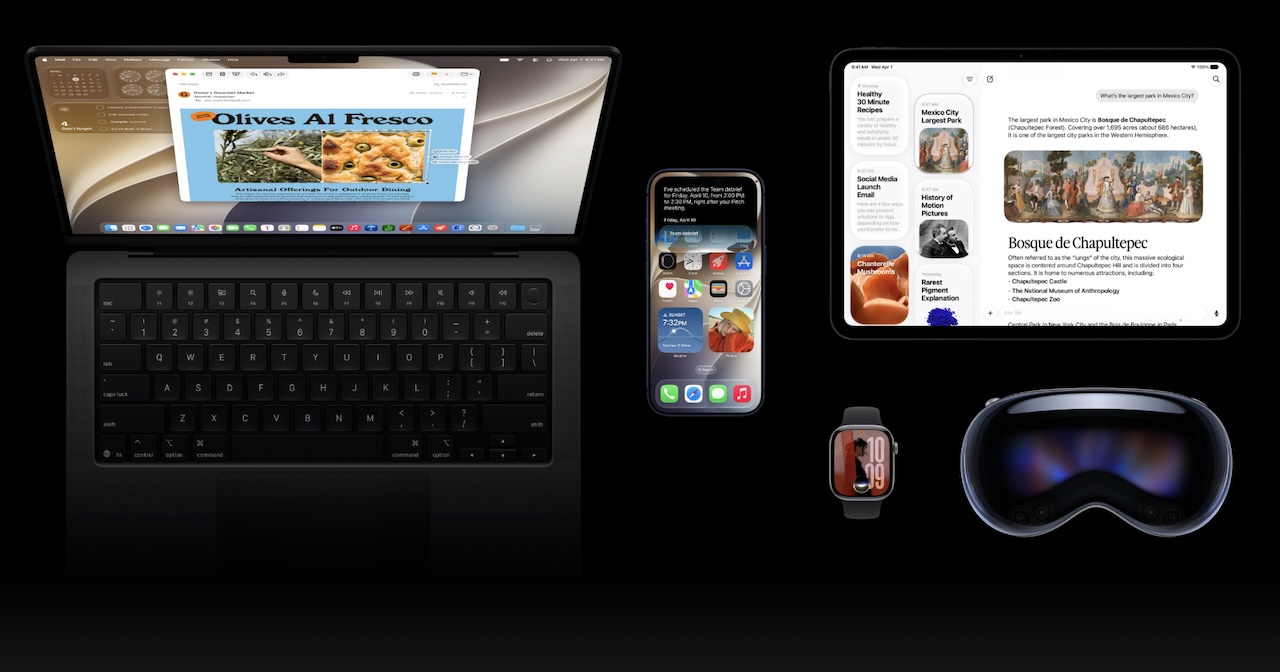
macOS 27 Golden Gate is the first Mac release that runs only on Apple silicon, following through on the cutoff Apple announced at WWDC 2025. Rosetta support for apps also ends after this release. If you’re still on an Intel Mac, you have until this fall to decide whether to upgrade or stay on macOS 26.
The update brings Siri AI through Spotlight, a uniform toolbar, edge-to-edge sidebars, colored sidebar icons, the Liquid Glass opacity slider, and the new child safety tools. Apple gave macOS little stage time, suggesting a consolidation year for the Mac.
5. Apple Intelligence gets a privacy-first architecture, but strict device support
Apple Intelligence and Siri AI require iPhone 16, iPhone 15 Pro or Pro Max, M1 iPads, M1 Macs, Vision Pro, or Apple Watch Series 9 and later.
How the architecture works
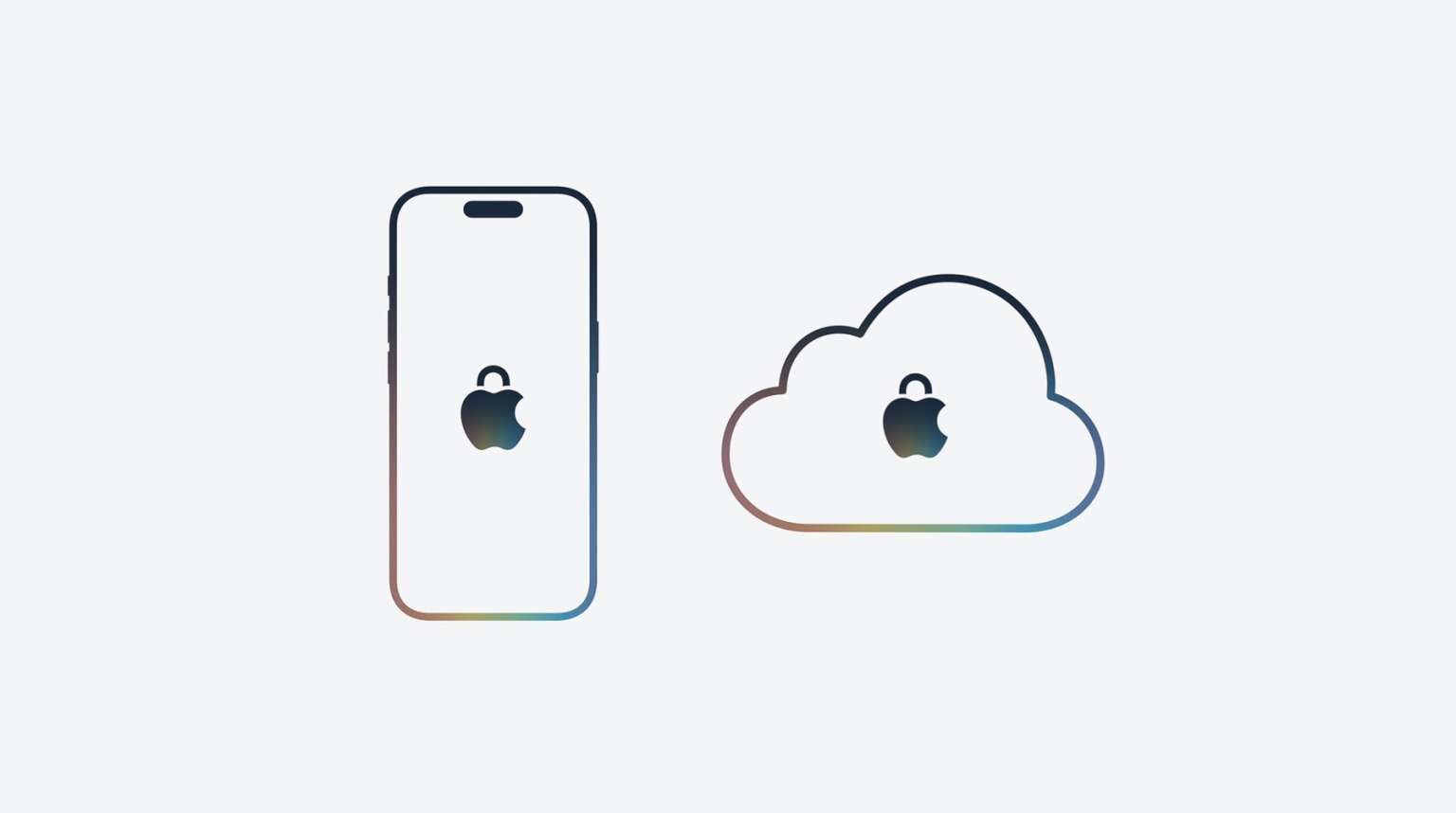
Apple Intelligence processes what it can on-device and sends heavier requests to Private Cloud Compute, which Apple describes as extending the privacy and security of iPhone into the cloud. On-device work happens on Apple silicon, and server-side Foundation Models run under the same security model. That split is how Apple justifies the hardware exclusivity.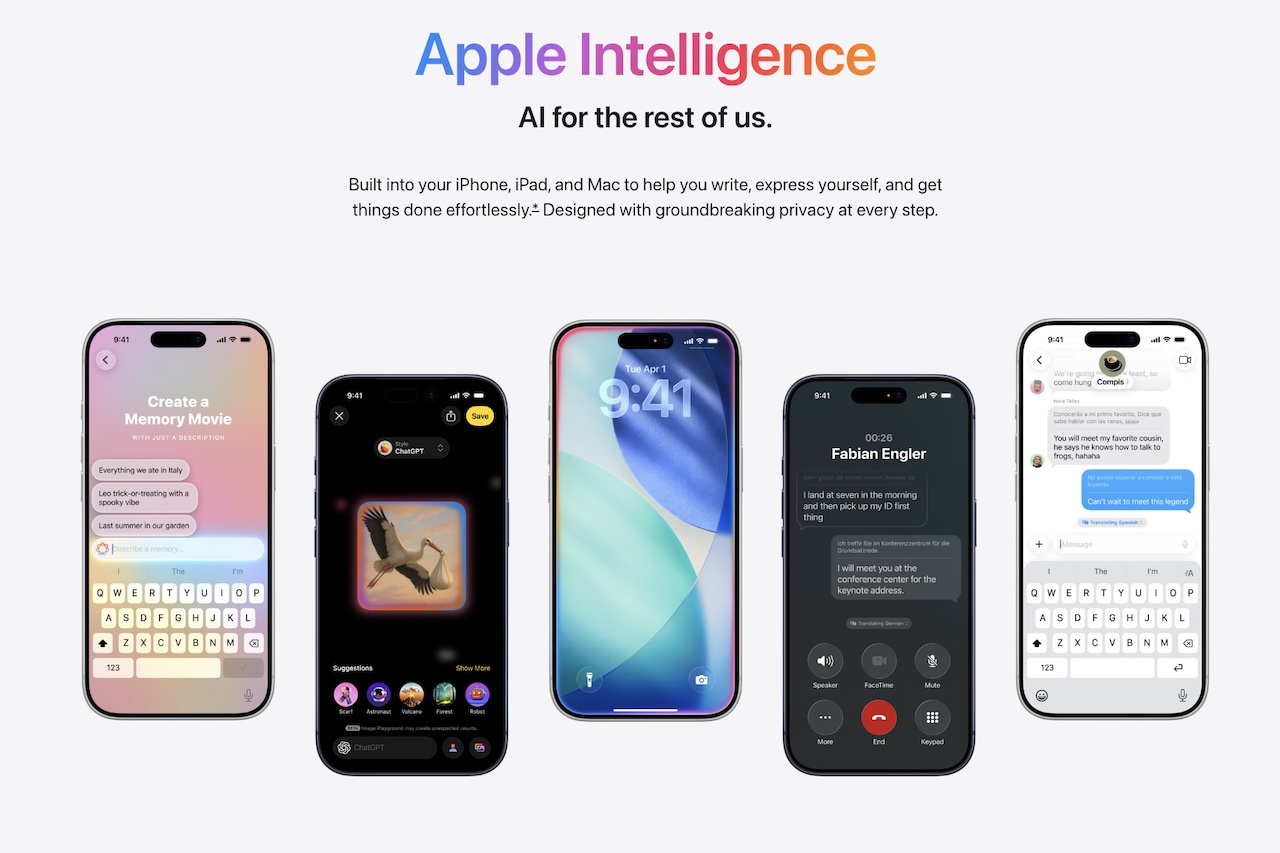
Supported devices
The tradeoff is strict device support. Apple Intelligence and Siri AI require an iPhone 16 or later, iPhone 15 Pro/Pro Max, iPad mini with A17 Pro, M1 iPad or later, MacBook Neo with A18 Pro, M1 Mac or later, Vision Pro, Apple Watch Series 9 or later, Ultra 2 or later, or SE 3 paired with a supported iPhone. iPhone 15 and 15 Plus owners are left out, a frustrating line one generation in.
Usage limits and iCloud+
Some features, including Image Playground generation, carry daily usage limits because they lean on server models. iCloud+ plans get increased access and add Apple Intelligence for compatible Home cameras. Gating intelligence behind a paid tier is a notable shift for a company that usually only charges for storage.
6. Liquid Glass finally gets an opacity slider
A new systemwide slider in iOS 27 and macOS 27 lets you dial Liquid Glass from ultra-clear to fully tinted.
Liquid Glass, the translucent interface Apple introduced in iOS 26, was pretty but polarizing. Many users found it hard to read against busy backgrounds, and on macOS the transparent toolbars and sidebars made apps feel washed out.
iOS 27 and macOS 27 add a systemwide slider that dials Liquid Glass from ultra-clear to fully tinted. App icons are sharper, and Mac brings back a uniform toolbar, edge-to-edge sidebars, and colored sidebar icons. It’s a rare admission from Apple that last year’s redesign needed a dial, not just a toggle.
7. Parental Controls and Screen Time get real tools
New child accounts, Ask to Browse, expanded Communication Safety, and Time Allowances across Entertainment, Games, and Social Media give parents real controls.
Apple spent surprising stage time on child safety, and the updates are substantial. New child accounts, required under 13 and available up to 18, let parents set protections at setup, choose which apps are available, and approve every new Messages, FaceTime, or Phone contact.
 Ask to Browse, alongside the existing Ask to Buy, requires kids to request permission before visiting a new website in Safari, with the request popping up on the parent’s iPhone. Communication Safety, which blurs nudity for users under 18, will now also block gore and violent content in shared images and videos.
Screen Time adds Time Allowances across Entertainment, Games, and Social Media, plus schedule-based access. Apple is working with the American Academy of Pediatrics to adapt its Family Media Plan for Apple products. Parents get usage views across iPhone, iPad, and Mac, plus a new child safety site for setup.
8. AirPods, Apple Watch, and Vision Pro get useful tweaks
Custom EQ for AirPods, a dynamic app grid and consolidated Find My on Apple Watch, and spatial scenes from panoramas on Vision Pro.
AirPods finally get a custom EQ, so you can personalize the sound instead of accepting Apple’s fixed tuning. AirPods Pro 3 also gain expanded GymKit that syncs heart rate data through iPhone during workouts.
Apple Watch gets a dynamic app grid with five Siri-suggested icons, a tap gesture to open Smart Stack widgets, and a consolidated Find My app combining Devices, Items, and People. Vision Pro turns panoramas into spatial scenes for personal Environments, with Wi-Fi up to three times faster. None of these alone justify new hardware, but they address real gaps.
Apple Maps gets an enhanced Flyover mode that uses AI to combine aerial imagery with detail. tvOS 27 was barely mentioned, which tells you where Apple’s TV ambitions currently stand.
Where things stand
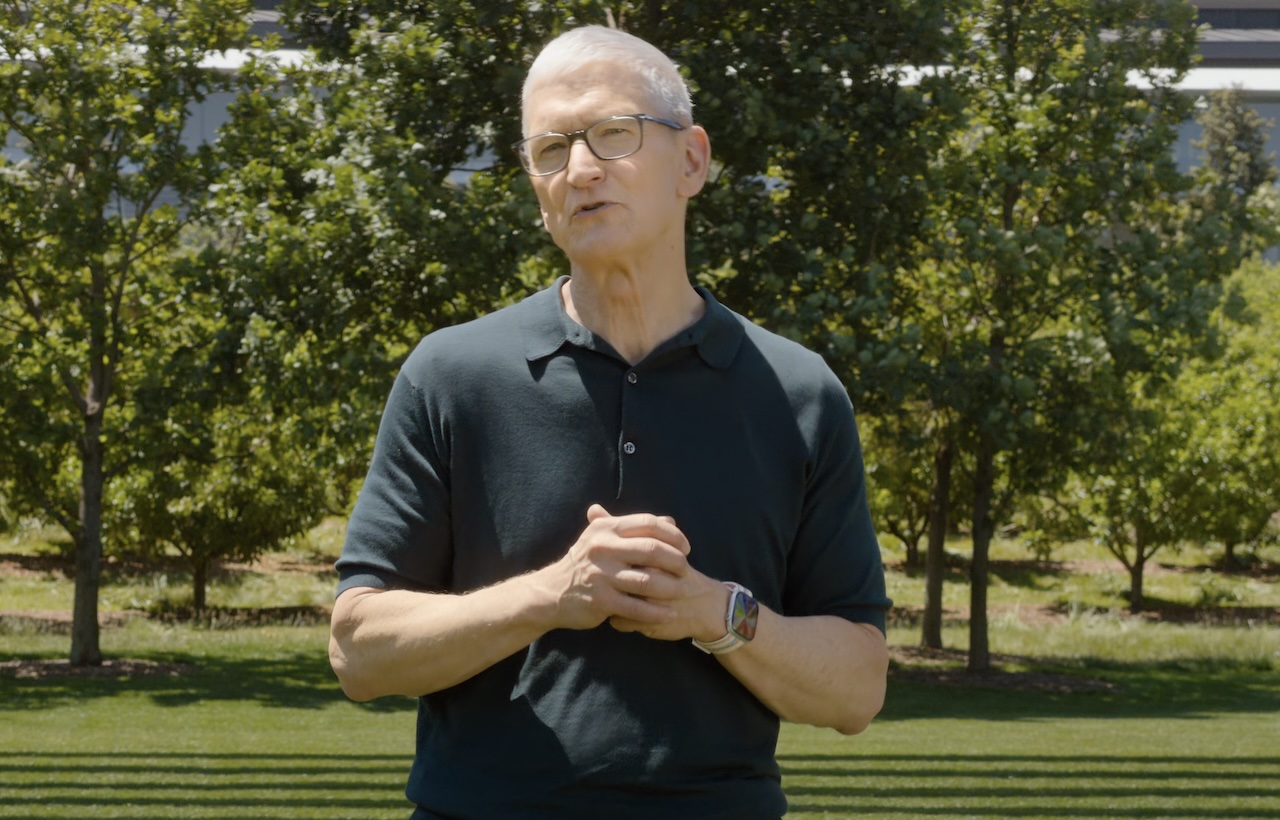 WWDC 2026 was Tim Cook’s last keynote as CEO. Apple announced in April that Cook becomes executive chairman and hardware chief John Ternus takes over as CEO on September 1. We got a software-only show: no new hardware, no foldable, no Vision Pro price cut. Apple is betting its AI catch-up is compelling enough to carry the summer.
Developer betas are out now, public betas arrive in July, and final releases ship this fall. If you’re on compatible hardware, Siri AI is the clearest reason to update. Everything else is polish, performance, and parental controls. After two years of promising an AI revolution, Apple showed its hand by building with Google, betting that architecture matters more than owning every line of the model.