TECNO used its MWC Barcelona 2026 stage to unpack the CAMON 50 series, a three-phone camera lineup that pairs an aggressive spec sheet with AI features designed to do something useful beyond the marketing slide. The CAMON 50 Ultra 5G, CAMON 50 Pro, and standard CAMON 50 all debuted under TECNO’s “Pioneering the Connection of Intelligence” theme, alongside an expanded AIoT ecosystem, a Tonino Lamborghini collaboration stretching across multiple product categories, and a modular concept phone that’s turning heads on the show floor.
It’s a wide spread for one MWC appearance. But the CAMON 50 series is the anchor, and the story it’s telling about practical AI in mid-range phones is worth paying attention to.
Three phones, one camera system, different price lanes
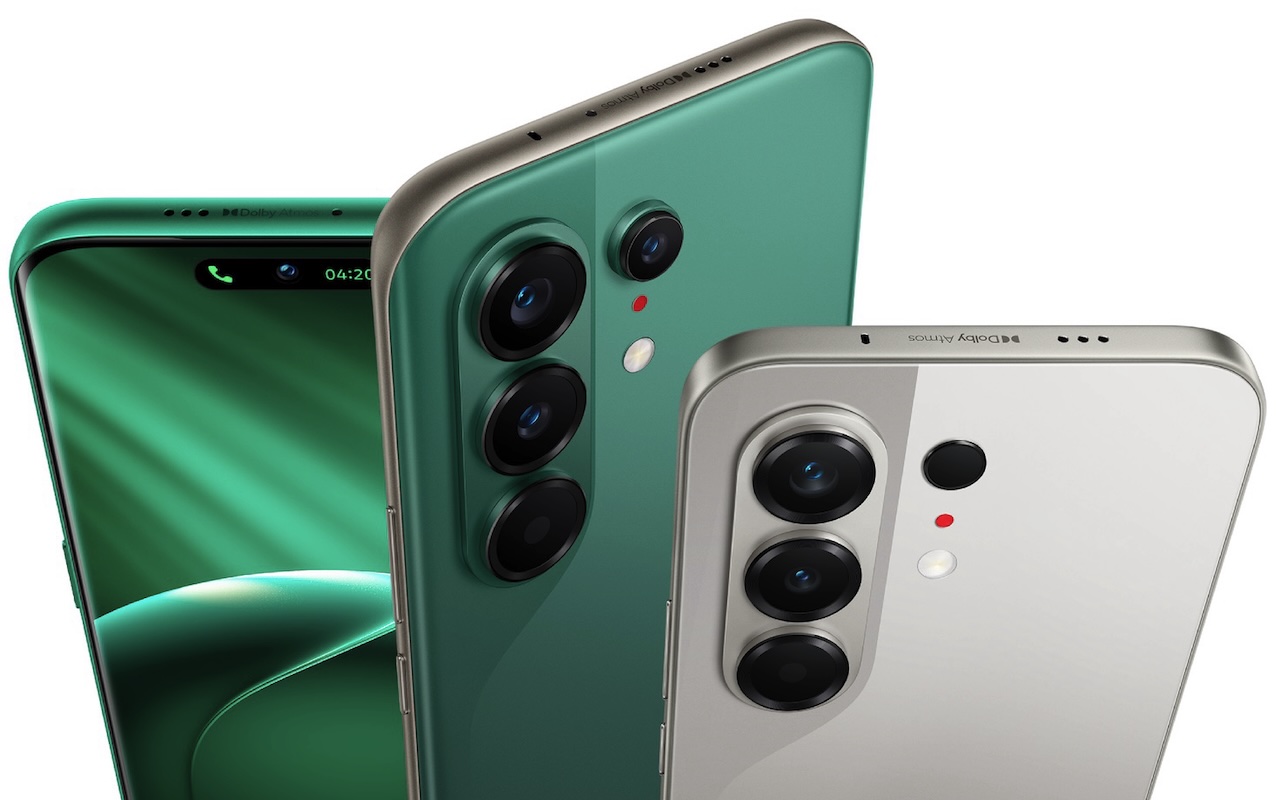
All three Camon 50 models share the same 50MP Sony LYT-700C main sensor, but the Ultra 5G is where the rest of the hardware pulls ahead. An 8MP ultrawide handles the wide shots, and a 50MP telephoto delivers 3x optical zoom for those moments where digital crop won’t cut it. A MediaTek Dimensity 7400 Ultra chipset sits underneath, bringing 5G connectivity and enough processing muscle for TECNO’s AI camera features without crossing into flagship pricing.
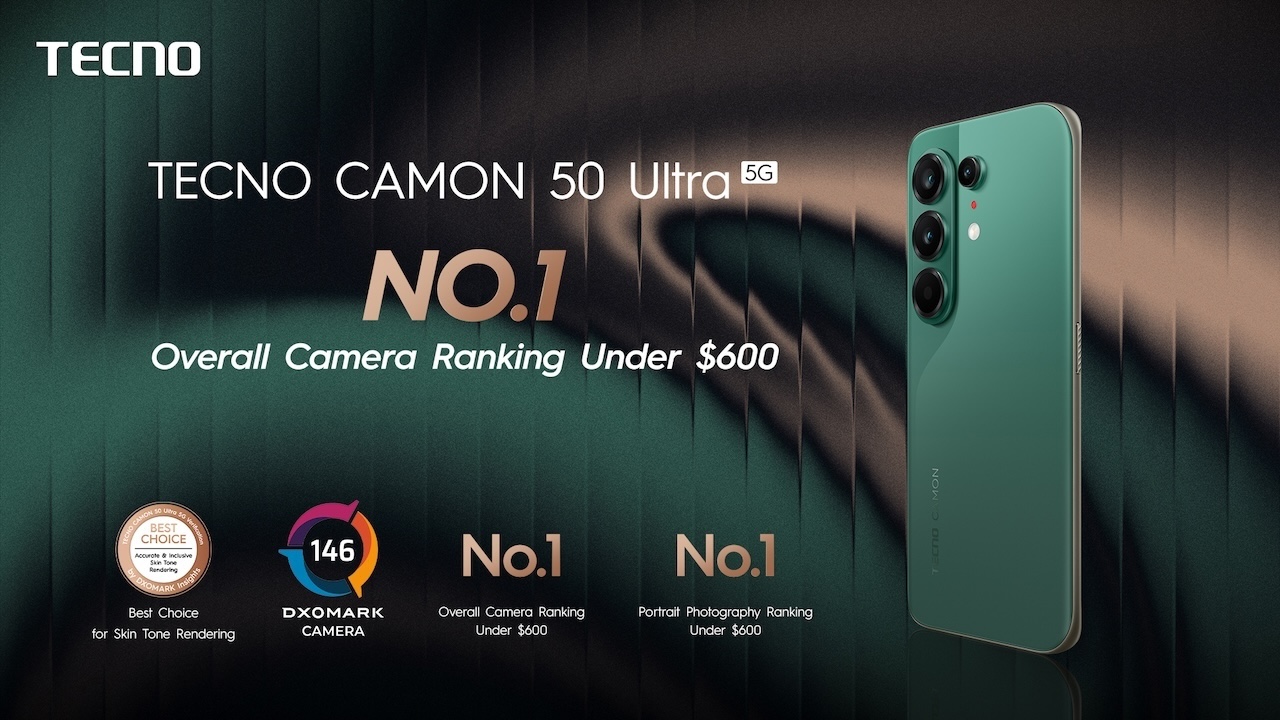
DXOMARK gave the Ultra a score of 146, the highest camera rating for any phone under $600, and recognized it as a top pick for multi-skin tone rendering based on DXOMARK Insights. That’s third-party validation you don’t usually see at this price tier. A 6,500mAh battery with 45W fast charging rounds out the hardware, giving the Ultra genuine all-day endurance without adding noticeable heft. Early reports place the Ultra at around €400 (roughly $467) in the EU, though TECNO hasn’t locked down pricing for other regions yet. The Dimensity 7400 placement tells you where it’s aimed: comfortably below Samsung’s S series, targeting buyers who want real camera hardware without the four-figure commitment.
The CAMON 50 Pro runs a MediaTek Helio G200 Ultimate and keeps the 50MP 3x telephoto from the Ultra, which makes it the most interesting play in the middle of the lineup. Telephoto lenses at mid-range prices aren’t exactly common, and TECNO putting one here gives the Pro a clear identity beyond “slightly cheaper Ultra.” The standard CAMON 50 shares the same Helio G200 Ultimate chip but drops the telephoto entirely, keeping the core software experience for buyers who don’t need the zoom reach.

All three models share a 1.5K 144Hz AMOLED panel, and that’s where TECNO made its smartest call. Instead of using the display as a way to push buyers toward the Ultra, the company locked it in as the baseline across the lineup. You notice it the moment you start swiping through the interface or watching video content. Colors land with real punch, the 144Hz refresh rate keeps everything feeling responsive even on the Helio G200 models, and outdoor brightness holds up without washing out. For anyone cross-shopping against competitors at this price point, that display consistency removes one of the usual compromises.
Where the AI gets interesting
The CAMON 50 series ships with an upgraded version of TECNO’s Ella AI Assistant across all three models. That’s expected at this point for any phone launch in 2026. What’s less expected is the AI Health Assistant, a feature that uses the camera system to measure vitals like heart rate and blood oxygen. It turns the phone into a quick health-check tool, and while it’s easy to be skeptical about camera-based health monitoring, the reality is that millions of people already use their phones as their primary wellness tracker. TECNO is meeting that behavior where it already exists rather than trying to invent a new habit.
AI MindHub is the other piece of the software story that could matter long term. It’s designed to self-organize your files, notes, photos, and media without requiring manual folder structures. The phone sorts content based on context and usage patterns. Anyone who’s scrolled through thousands of unsorted photos knows the problem TECNO is trying to solve here, even if the execution still needs real-world testing before it proves itself out.
OneLeap ties it all together
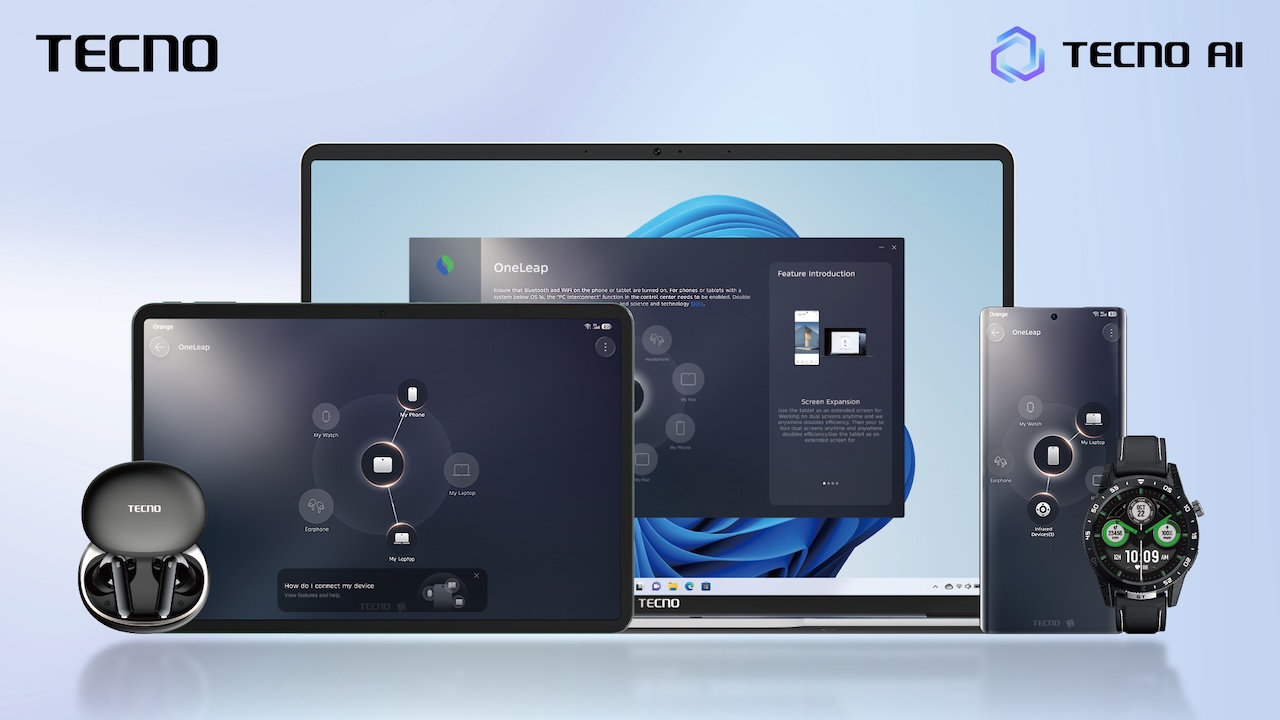
Beyond the phones, TECNO expanded its AIoT ecosystem at MWC with a round of updates to OneLeap, the company’s cross-device transfer and task handoff platform. OneLeap now connects computers, tablets, and smart accessories through HiOS 16, TECNO’s software layer that manages the conversation between all these devices. The pitch covers curated AI experiences for education, wellness, work, and entertainment, and it signals a clear ambition: TECNO wants to be seen as more than a phone company. Whether it can execute on that vision across this many product categories at once is the real test, and MWC 2026 is where that bet becomes public.
The POVA Curve 2 5G landed alongside the ecosystem updates, chasing a completely different buyer. TECNO squeezed an 8,000mAh battery into a body just 7.42mm thin and paired it with 45W fast charging. If battery life is your single biggest frustration with phones, this is a direct answer. The slim profile feels like a genuine engineering flex when you pick it up, and the fact that TECNO can solve that kind of hardware constraint at its price tier says something about where the brand’s manufacturing capabilities sit right now.
Tonino Lamborghini collaboration goes wide
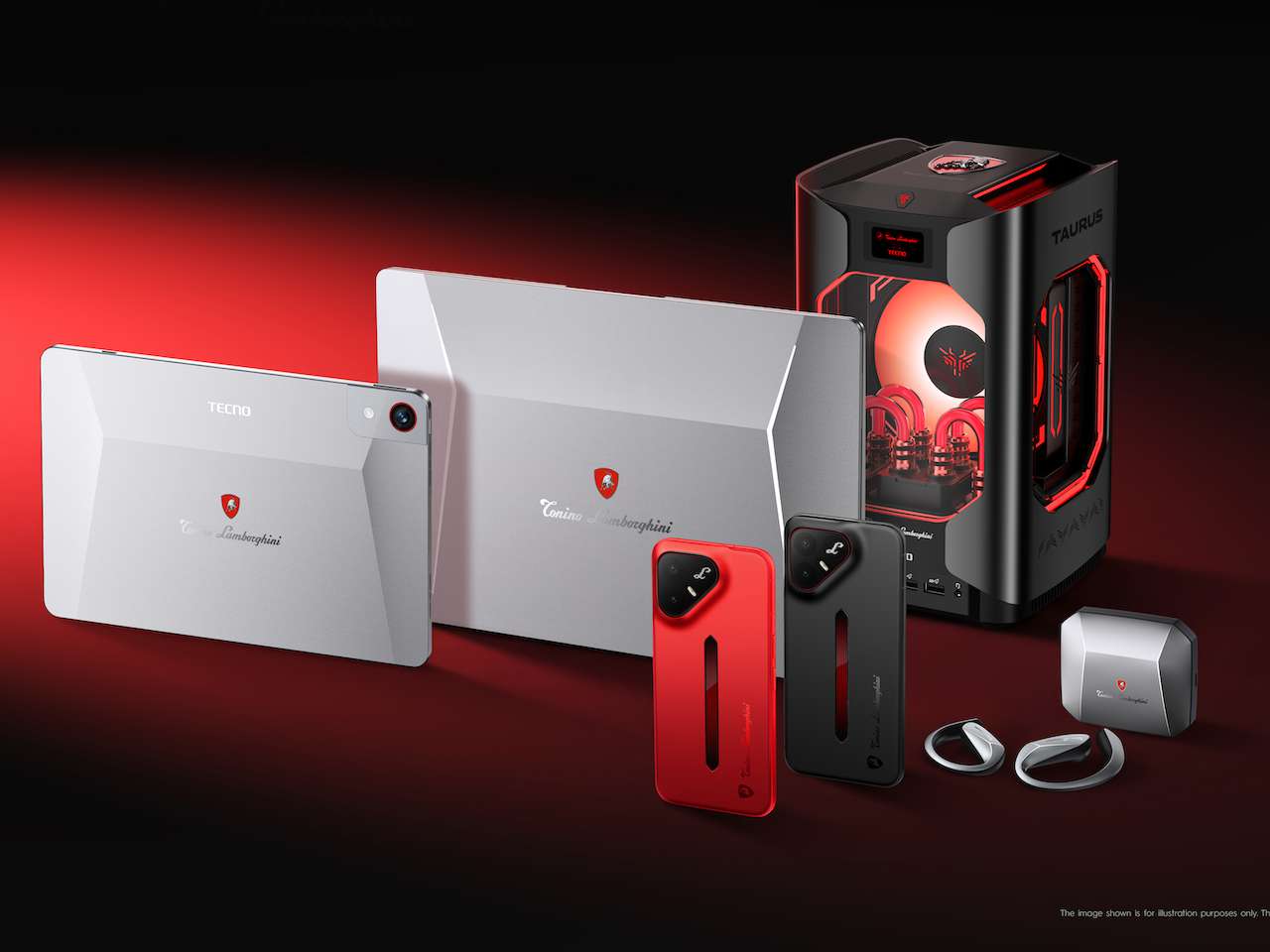
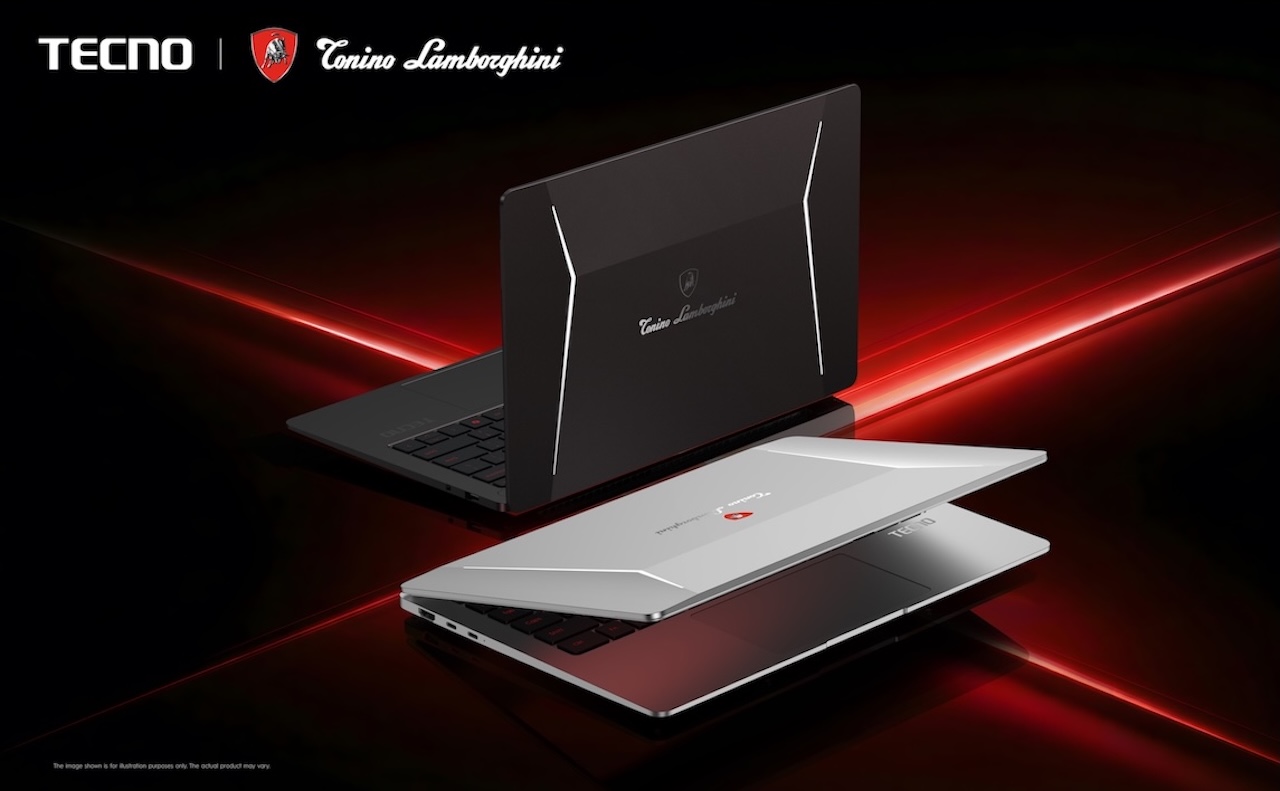
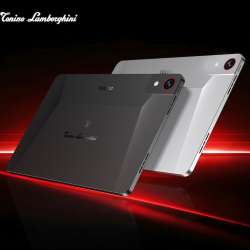
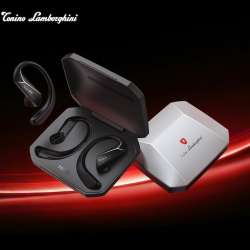
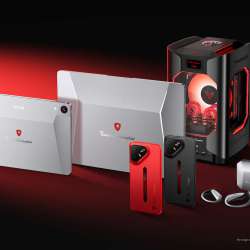
TECNO also revealed a collaboration with Tonino Lamborghini that goes well beyond a co-branded phone. The first wave includes the Tonino Lamborghini TECNO TAURUS, a compact water-cooled gaming PC, alongside a POVA Metal Limited Edition smartphone.
The partnership will eventually extend to Tonino Lamborghini-branded laptops, tablets, and wearables within TECNO’s AIoT portfolio. It’s a move that marries Italian design sensibility with TECNO’s affordable hardware strategy, and the breadth of the collaboration suggests both sides see this as a long-term relationship rather than a quick branding exercise.
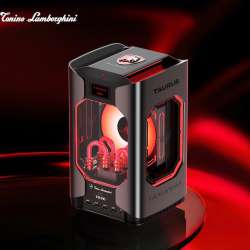
The TAURUS gaming PC is the most tangible piece of the collaboration so far. Built on TECNO’s MEGA MINI G1 Pro platform, it packs water cooling into a compact chassis wrapped in Lamborghini’s angular design language. TECNO hasn’t shared full specs or pricing, but the physical product tells its own story: sharp lines, deliberate ventilation cuts, and a footprint small enough to sit next to a monitor without owning the entire desk. You can tell from the hardware alone that this belongs in a category TECNO hasn’t played in before. That visual gap from the phone lineup is exactly the point.
The modular concept worth bookmarking
TECNO rounded out its MWC presence with a modular phone concept that uses magnetic snap-on modules to extend functionality. A power bank module, a telephoto lens module, and an action camera module all attach to a base unit measuring 4.9mm thin.
TECNO hasn’t committed to a commercial release, and concept phones at trade shows carry an inherent asterisk. But the engineering is compelling on its own terms: a phone thin enough for any pocket that transforms into a more capable device depending on the situation. It’s the kind of forward-looking design statement that makes MWC worth watching, even when most of the products on display are iterative updates.
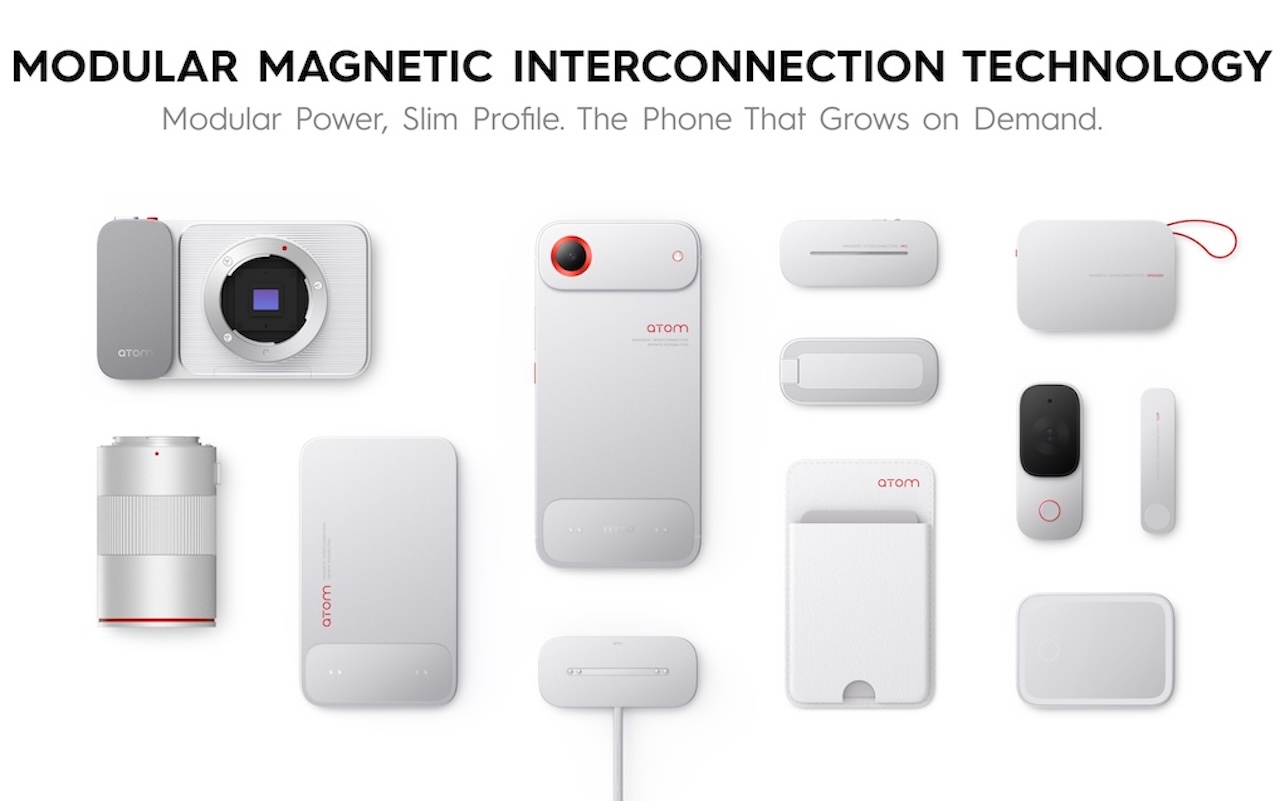
The modular idea isn’t new. LG tried snap-on accessories years ago, and that experiment didn’t survive past a single product cycle. But TECNO’s approach feels further along than most trade show concepts. The magnetic attachment system means you’re not dealing with latches or alignment pins, and each module reportedly keeps the phone’s profile slim without adding obvious bulk. Whether this reaches store shelves is still an open question. Every module on the show floor worked as a functional prototype rather than a sealed display piece, and that level of readiness gives it more credibility than the average concept reveal.
The CAMON 50 Ultra is expected to start at around €400 (roughly $467) in the EU, available in Orange, Green, Purple, and Black. Pricing for the Pro and standard models, along with broader regional availability, hasn’t been locked down yet. TECNO typically rolls out market-specific details closer to each region’s launch window. MWC 2026 continues through March 5 in Barcelona.