
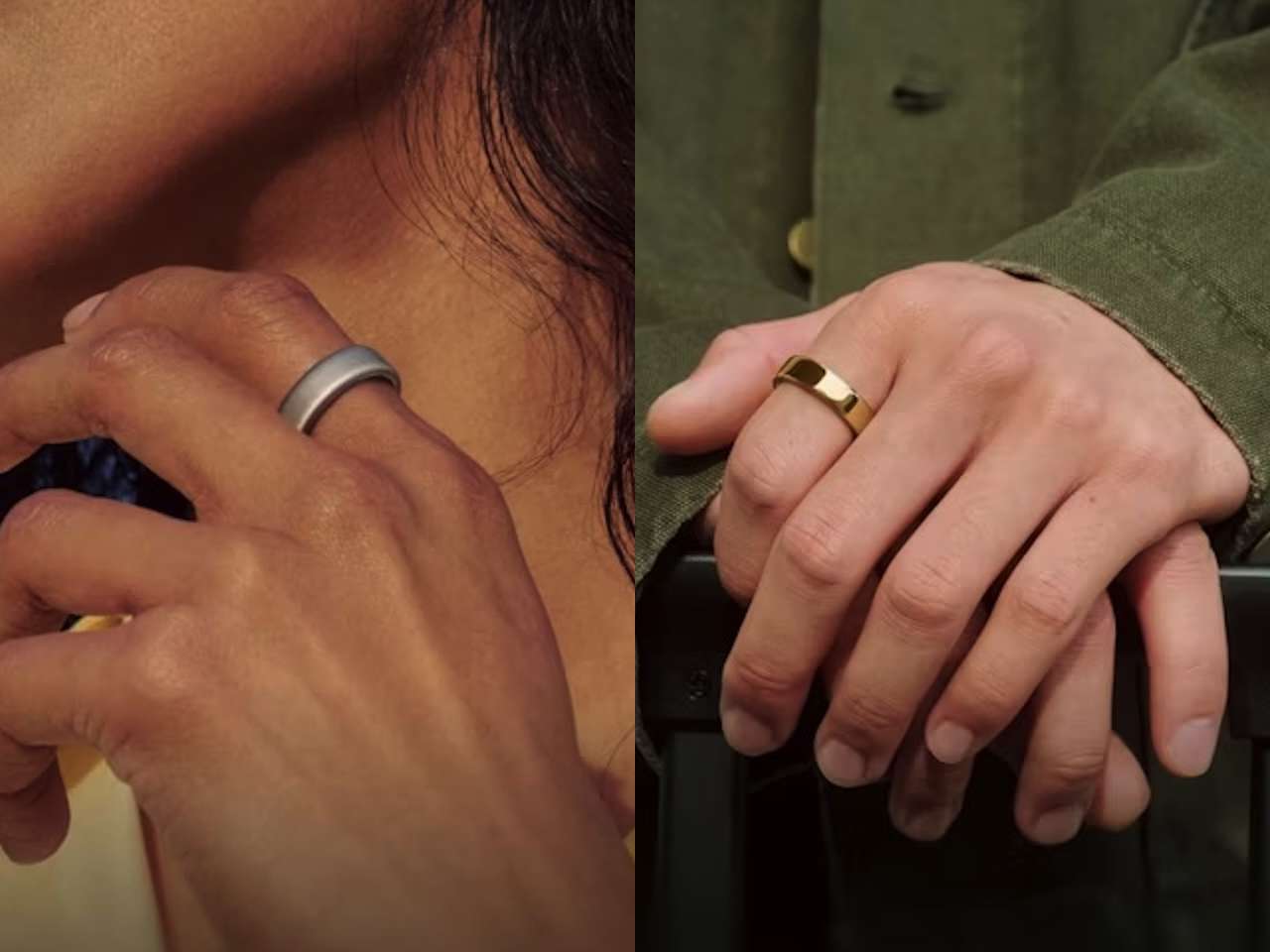
If you’ve skipped smart rings because they felt like a chunky bolt wrapped around your finger, the Oura Ring 5 is the model that finally fixes that complaint. Oura unveiled it last May, opened global pre-orders the same day, and started shipping June 4. The pitch is simple: a ring Oura calls the smallest it’s ever built, now watching your blood pressure trends while you sleep.
Price: From $399
Where to Buy: Amazon
This isn’t a minor refresh. Oura rebuilt the hardware from the inside and stacked on a health platform that pushes the ring closer to medical territory, all while keeping the week-long battery people rely on. If you’d rather wear a screen, our Huawei Watch Fit 5 Pro review covers a strong wrist-based alternative.
What Actually Changed
The headline is the diet. Oura says the Ring 5 is 40 percent smaller by volume than the Ring 4, dropping to 6.09mm wide and 2.28mm thick from the older 7.90mm and 2.88mm. On your hand, that’s the difference between a tech gadget and something closer to a plain wedding band.
Battery life survived the shrink, which is the part that surprised me. Oura rates the Ring 5 at six to nine days per charge depending on size and usage, with a full top-up in roughly 20 to 80 minutes. The titanium body still shrugs off water down to 100m, so showers, pools, and saunas stay fair game.
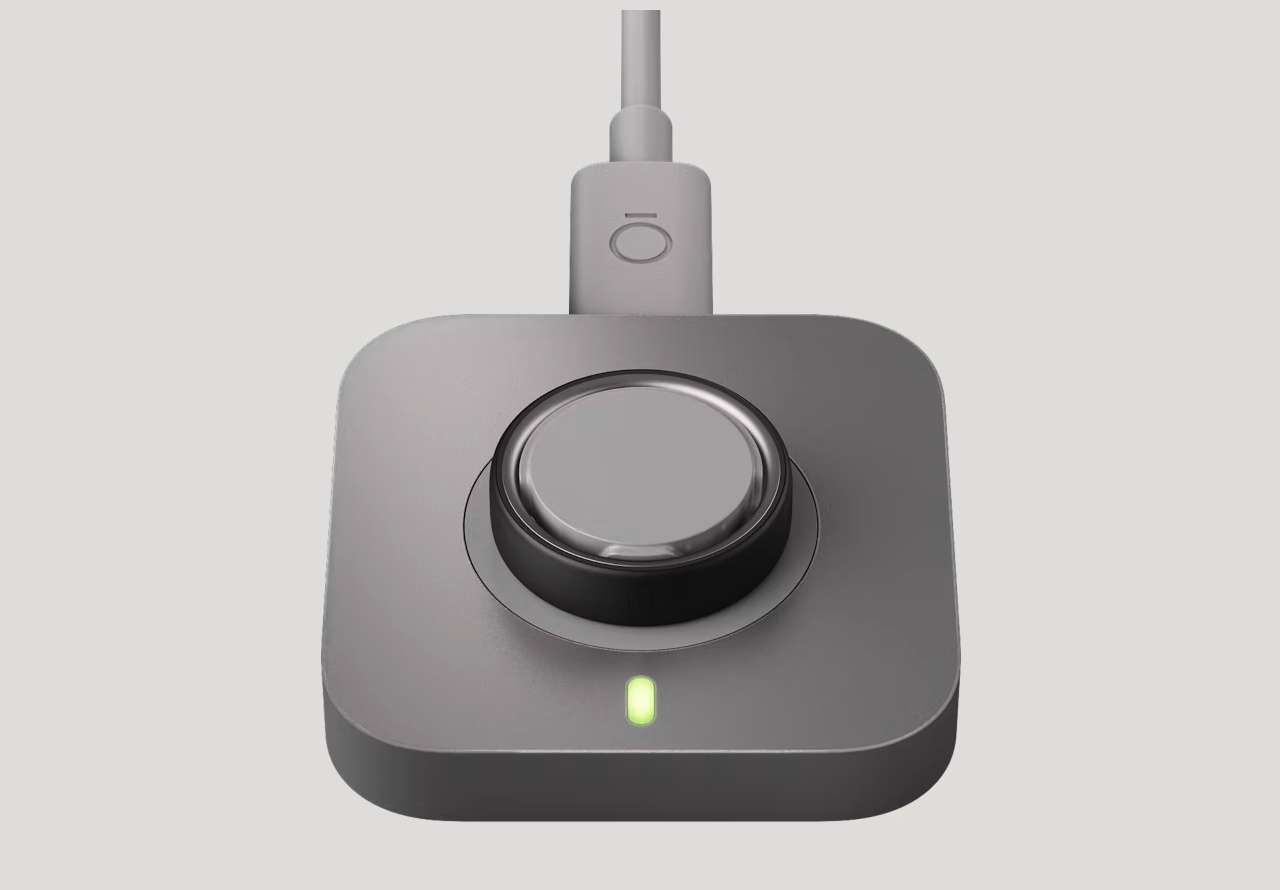
A new $99 Charging Case joins the lineup, holding about a month of backup power and topping up wirelessly. There’s also a Locate feature, so the ring that slips into your gym bag is easier to hunt down.
The Sensor Work Hiding Under the Shell
Smaller usually means weaker, but Oura went the other way on sensing. The company swapped to more powerful LEDs and rebuilt the sensing around 12 stronger signal pathways, betting that stronger light and redesigned sensor domes read more cleanly across different skin tones and finger types.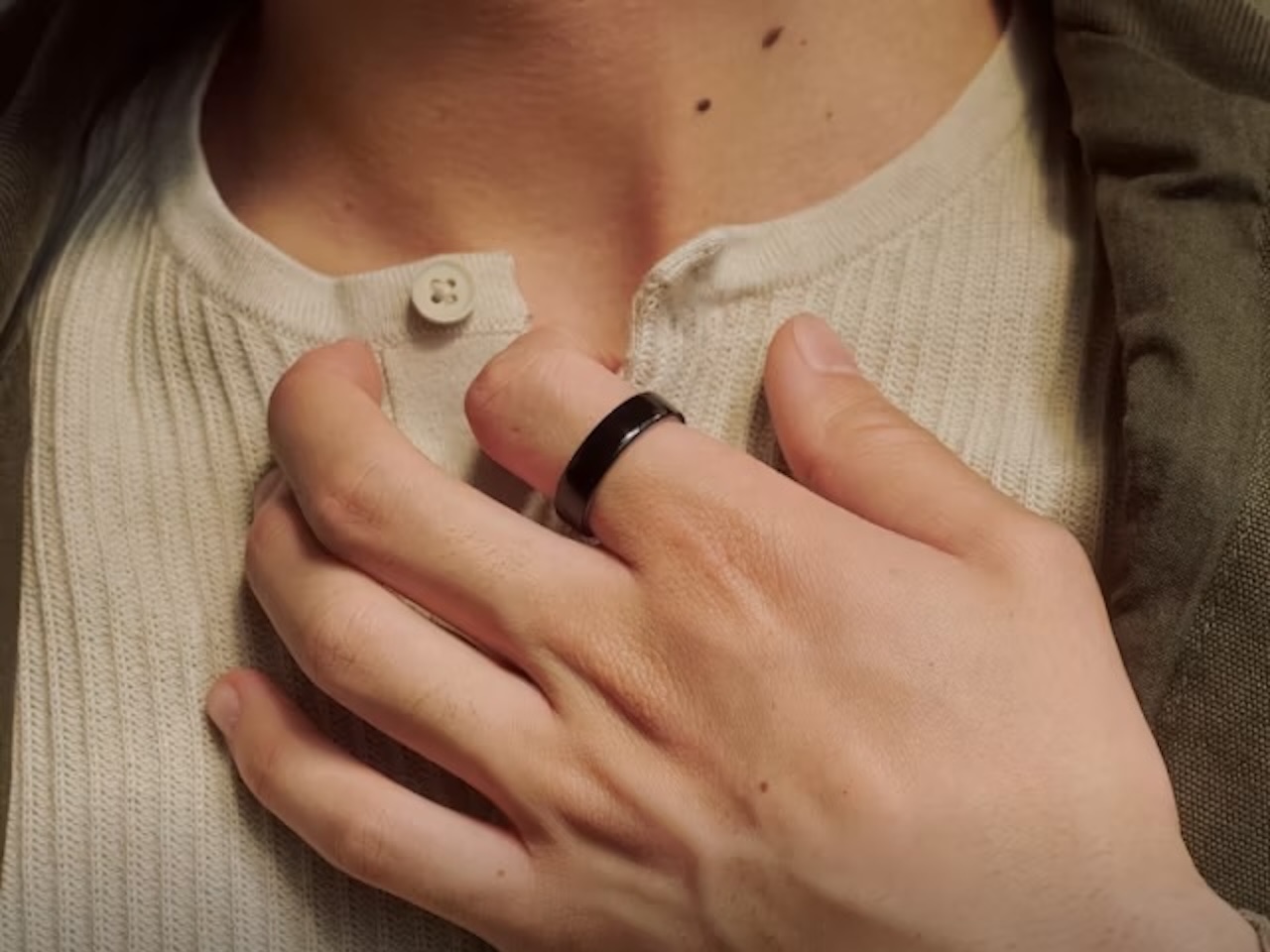
That’s a quiet bet with loud stakes. Smart ring accuracy lives or dies on skin contact, and a slimmer ring that Oura says reads better instead of worse is the kind of engineering flex that earns the “world’s smallest” line Oura keeps repeating.
Health Radar Is the Real Story
Forget the size for a second, because the software is where the Ring 5 gets ambitious. Oura introduced Health Radar, a monitoring layer that builds on its 2024 Symptom Radar, and it launches with two tools that matter.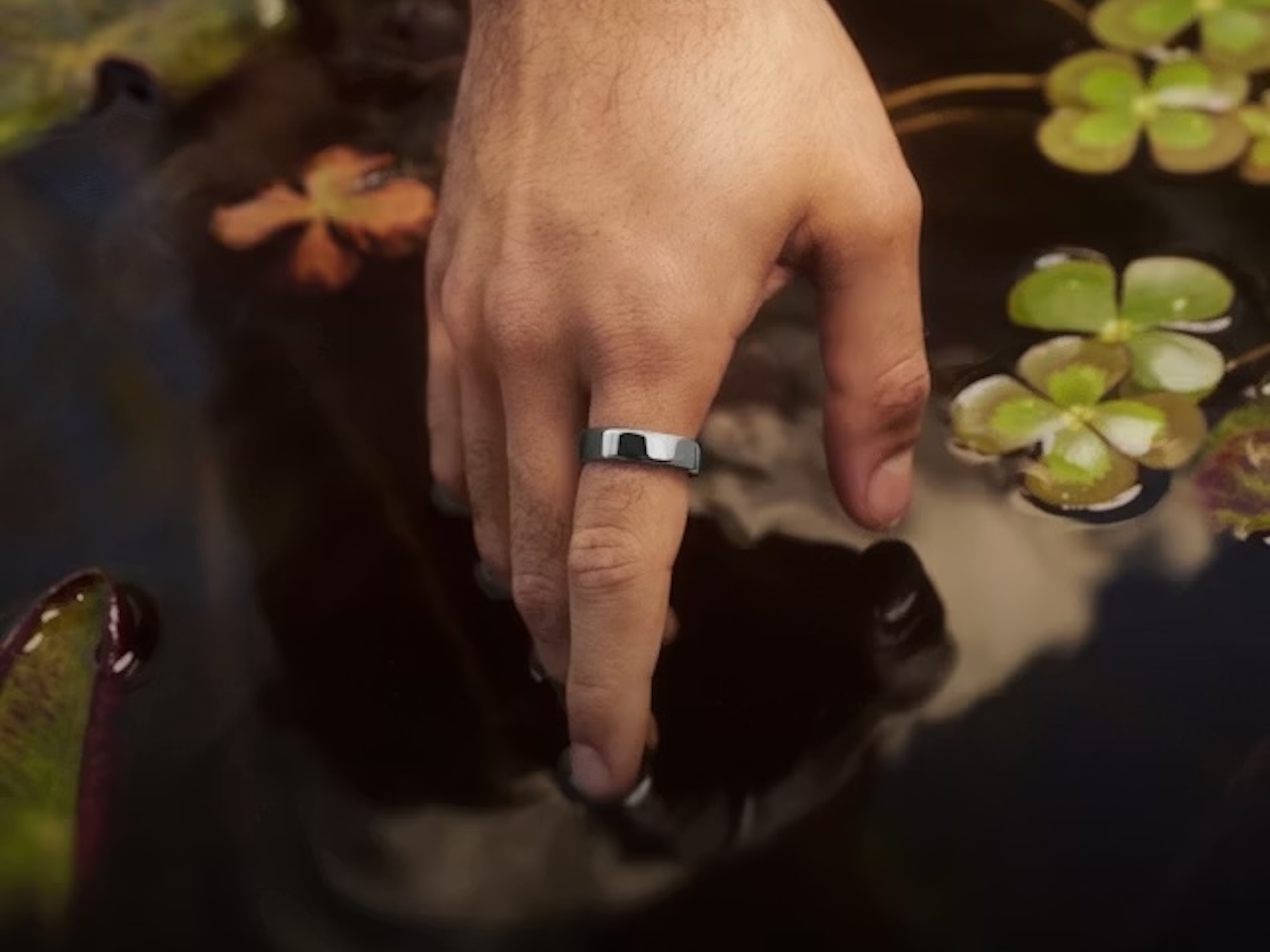
The first is Blood Pressure Signals. It watches overnight for patterns that hint at cardiovascular strain and surfaces nighttime blood pressure trends, which is fresh ground for a ring this small. Oura frames it as trend detection, not a cuff replacement, and that distinction is the clearest way to read any cuffless claim right now.
The second is Nighttime Breathing, a 30-day rolling view of sleep-related breathing disturbances with guidance on when to get checked out. Oura paired it with a ResMed partnership, so members flagging rough breathing patterns can chase a real diagnosis instead of a vague worry.
Put together, these turn the ring from a recovery toy into something that nudges you toward a doctor when the data drifts. Oura is still careful to say the ring isn’t a medical device and isn’t meant to diagnose or treat anything, so it points you toward care rather than replacing it. That’s a real shift for a device you forget you’re wearing.
GLP-1 Tracking Arrives Right on Cue
With GLP-1 medications reshaping how millions approach weight, Oura’s timing is sharp. New GLP-1 Insights let you log doses, track side effects, and watch weight and biometric changes in one place, so the ring becomes a diary for a treatment that demands consistency.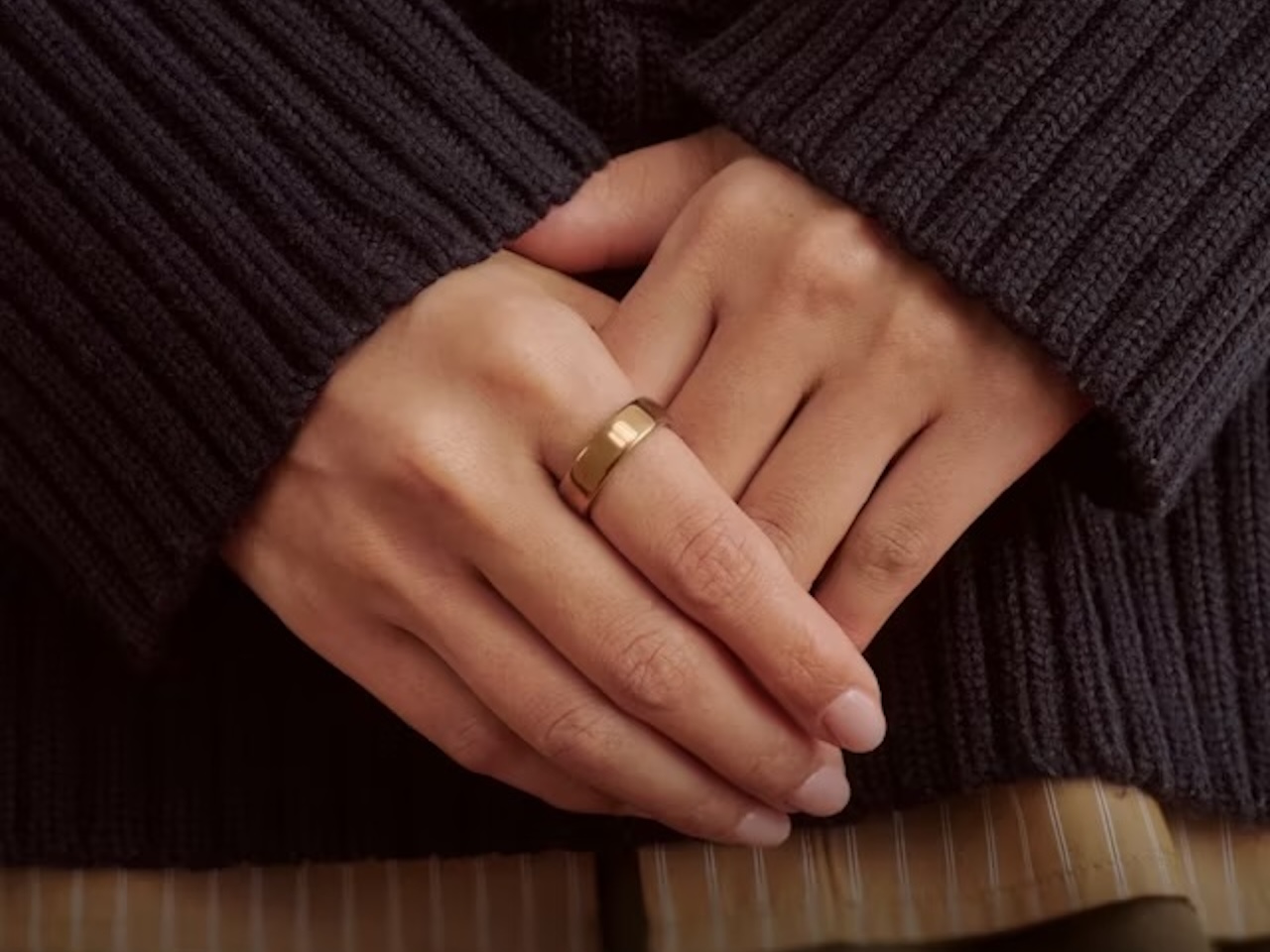
There’s more wiring behind it. US members can now pull diagnosed conditions, medications, lab results, and allergies into Health Records, upload blood biomarker results through Lab Uploads (rolling out globally on June 30), and reach licensed physicians through an in-app Counsel Health tie-in across 43 US states.
Price, Membership, and the Catch
Your wallet pays attention here. The Oura Ring 5 starts at $399 in Silver and Black, climbing to $499 for Gold, Stealth, Brushed Silver, and Deep Rose. The older Ring 4 in ceramic sticks around at $349 if you want in for less.
Then there’s the subscription everyone groans about. Full functionality still needs an Oura Membership at $5.99 a month or $69.99 a year, and yes, you pay that on top of the hardware. The one bit of relief: the ring, the case, and the membership all qualify as HSA and FSA eligible, so pretax dollars can soften the hit.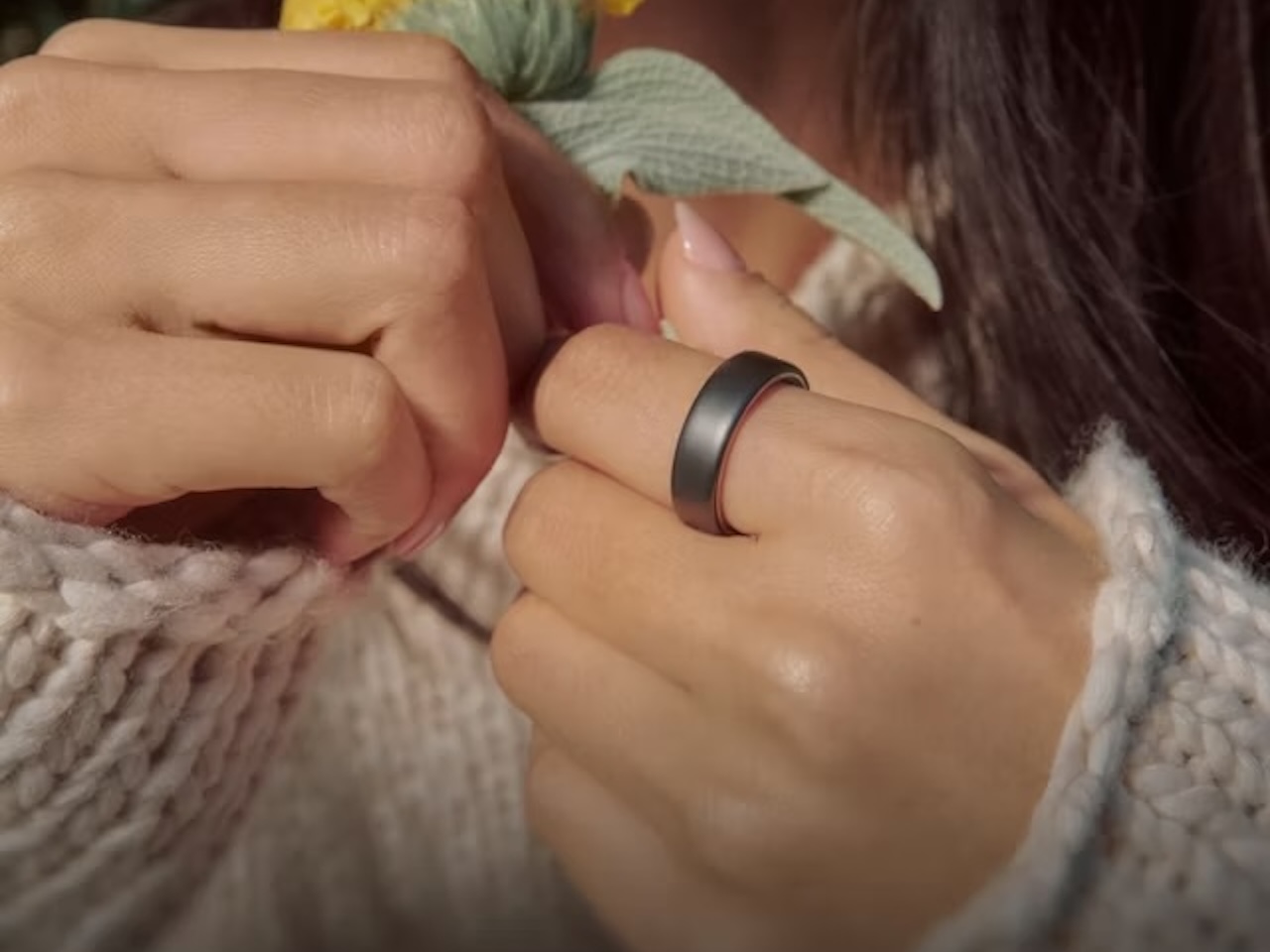
One more wrinkle before you commit. Most of the marquee software, including Health Radar and GLP-1 Insights, rolls out to Gen 3 and later rings too, starting in early June. If you already own a recent Oura, the headline features are coming to you without a new purchase.
Upgrade Now or Hold
If comfort has kept you off smart rings, the slimmer build alone makes the Ring 5 the easiest one to recommend right now. The blood pressure and breathing tools sweeten it, especially if you sleep poorly or already track a heart condition, and our best smart rings guide tracks the rest of the field.



Price: From $399
Where to Buy: Amazon
If you’re already wearing an Oura Ring 3 or Oura Ring 4, the math gets harder, since the best new features are landing on your current ring anyway. Pay $399 plus a subscription for a thinner band, or keep what you’ve got and inherit the software. That’s the call to make.
Auto Amazon Links: No products found.
