A smartwatch on the wrist glows in your face at 2 a.m., gets caught on sleeves, and asks to be charged the moment you’re ready for bed. A ring sits there quietly, reading the same heart-rate variability and skin temperature data, then hands you a sleep score before coffee. That contrast is the reason smart rings stopped being a novelty in 2026 and started showing up on the fingers of people who already own a perfectly good watch.
The catch is that not every smart ring earns the finger space. Some lock the useful metrics behind a subscription. Some can’t survive a week of pool laps. A few still treat fitness as an afterthought to sleep, which feels backwards if you’re paying $300 to $400 for one. The six rings below cover the spread: subscription-heavy flagships, one-time-purchase challengers, women’s-health-first entries, and the new wave of fitness-leaning rings that finally take workout tracking seriously.
This isn’t a ranked list. It’s a fit-finder. Read each entry for the use case it actually serves, then pick the one that maps to your week.
At a glance
| Ring | Price | Battery | Subscription | Best for |
|---|---|---|---|---|
| Oura Ring 4 | $349 | 5 to 8 days | $5.99/mo for full app | Deepest sleep data |
| Samsung Galaxy Ring | $399 | 6 to 7 days | None | Galaxy phone owners |
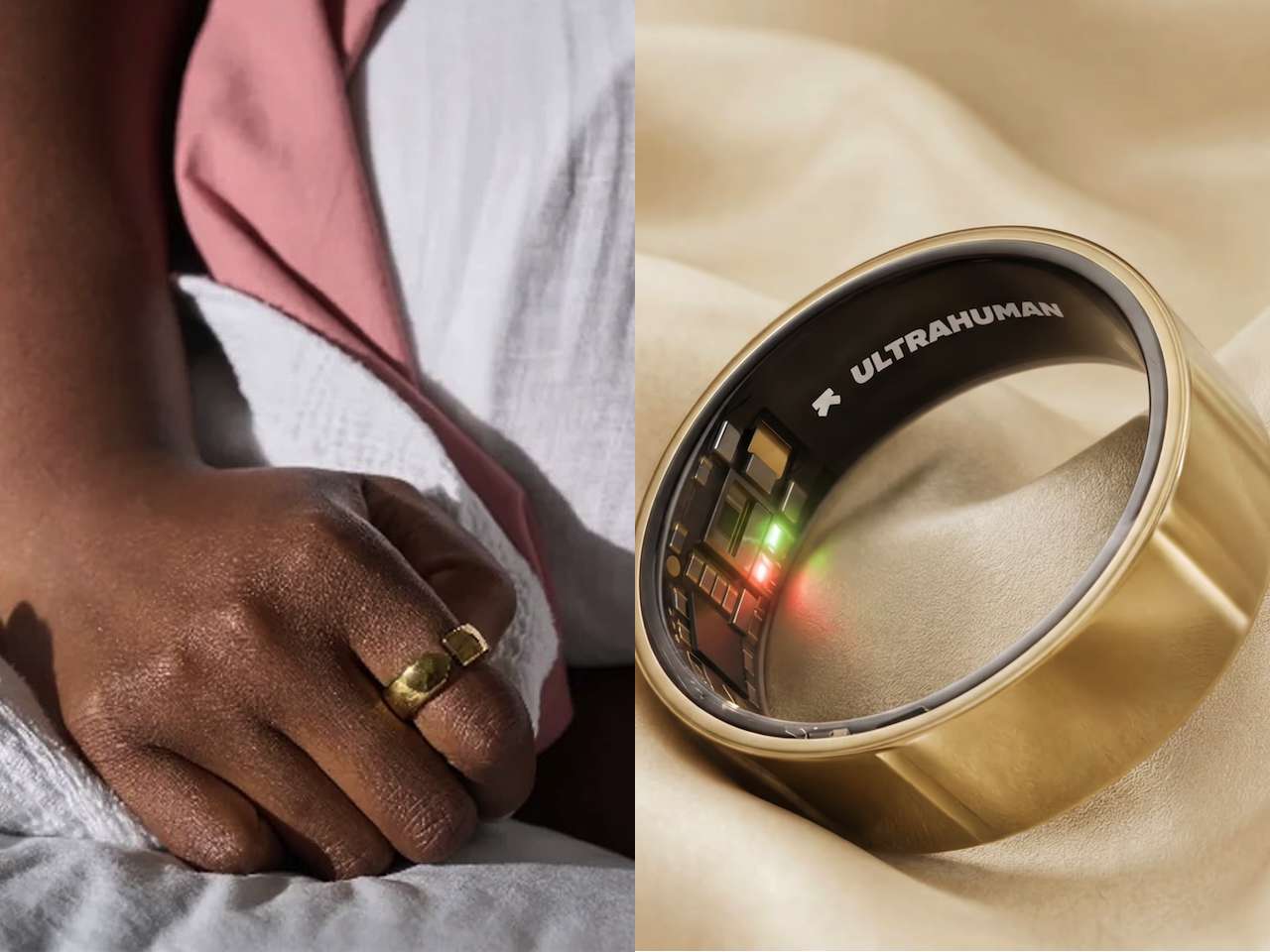
| Ultrahuman Ring AIR | $349 | 4 to 6 days | None | No-subscription Oura alternative |
| RingConn Gen 2 | $299 | 10 to 12 days | None | Longest battery, mid-tier price |
| Amazfit Helio Ring | $149.99 MSRP, $110 on sale | 4 days | None, Zepp Aura free | Fitness-first tracking |
| Movano Evie Ring | $269 | 4 days | None | Women’s health, iOS only |
What a smart ring actually measures
A smart ring is a finger-worn wearable that tracks sleep, heart rate, heart-rate variability, blood oxygen, and skin temperature, then syncs the data to a phone app for a daily readiness or recovery score. The hardware is roughly the same across brands. The software interpretation is where the differences live.
Every ring on this list reads the same core signals from the underside of your finger: heart rate, heart-rate variability, blood oxygen, skin temperature, and movement. The differences live in the software. One ring’s “readiness” score is another’s “recovery” score is another’s “vitality index.” The metric isn’t proprietary. The interpretation is.
Sleep tracking is where rings beat watches outright. Finger arteries sit closer to the surface than wrist arteries, which means a tighter pulse signal and fewer dropouts when you roll over. Fitness tracking is where rings still trail watches, because a finger can’t see your stride cadence or your wrist swing. If you lift, run intervals, or cycle hard, treat the ring’s workout data as supplemental, not authoritative.
Oura Ring 4
 Best for: Sleep obsessives who want the deepest data
Price: $299 (Discounted from $349)
Where to Buy: Amazon
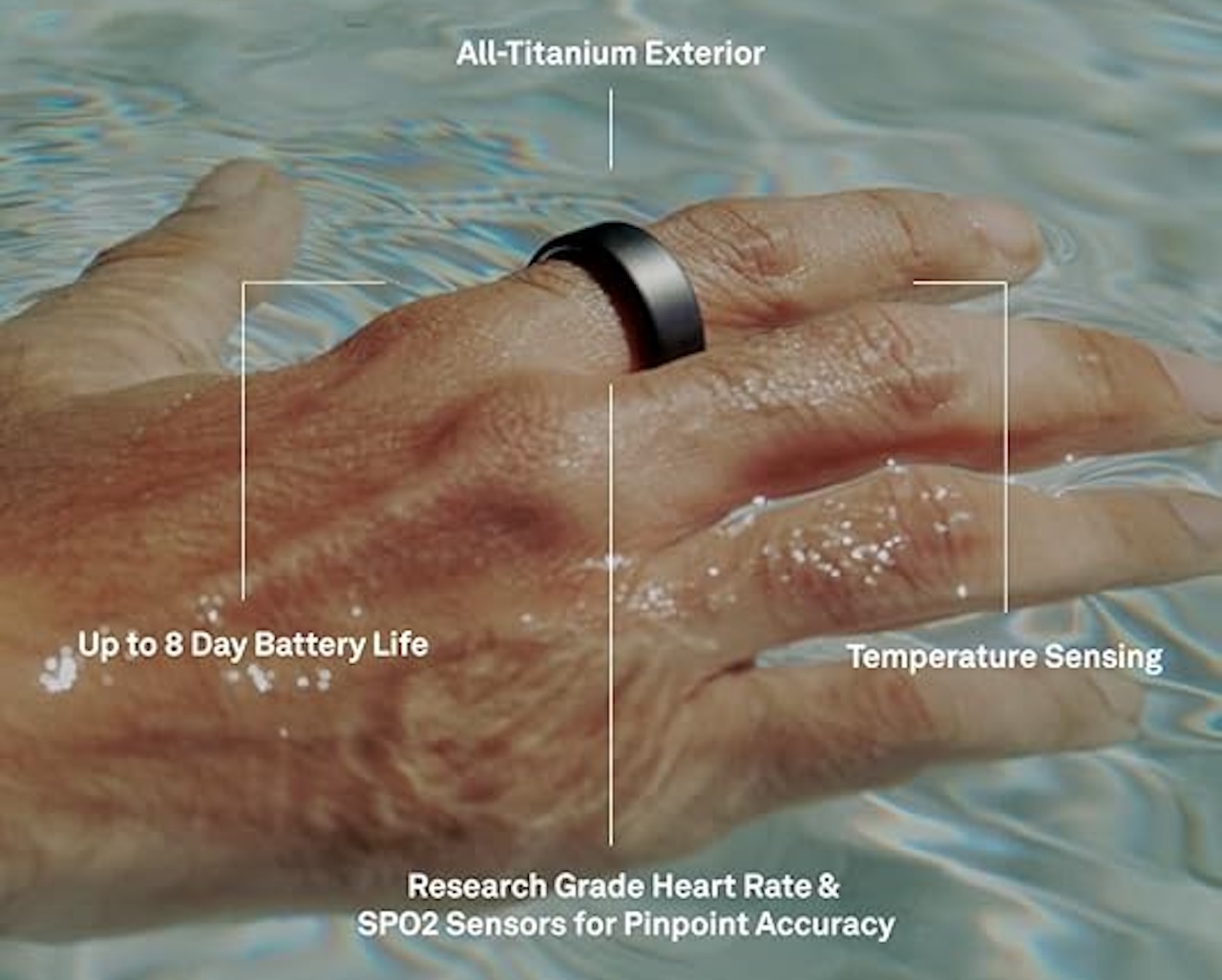
Oura’s still the ring everyone else gets compared to, and the Gen 4 is the cleanest version yet. The inner sensor bumps are recessed instead of protruding, so the ring sits flatter against the finger and stops catching on gloves, and the sizing kit ships with a wider range so you’re less likely to land between sizes.
The sleep staging is the reason to buy in. Oura’s been refining its sleep algorithm longer than any competitor on this list, and it shows in the night-to-night consistency. If you wake up groggy after seven hours, Oura usually has a specific reason ready: late REM, fragmented deep, elevated resting heart rate. The daytime stress tracking is newer and still uneven, but the sleep half of the app is the gold standard.
The cost isn’t the ring. It’s the recurring fee, $5.99 a month, every month, for the dashboard that makes the ring useful. Without the membership, you get a stripped-down view that’s barely worth the hardware cost. Factor the subscription into the buying decision, because the ring as a one-time purchase isn’t really what you’re getting.
Samsung Galaxy Ring
 Best for: Galaxy phone owners who already live in Samsung Health
Price: $234
Where to Buy: Amazon
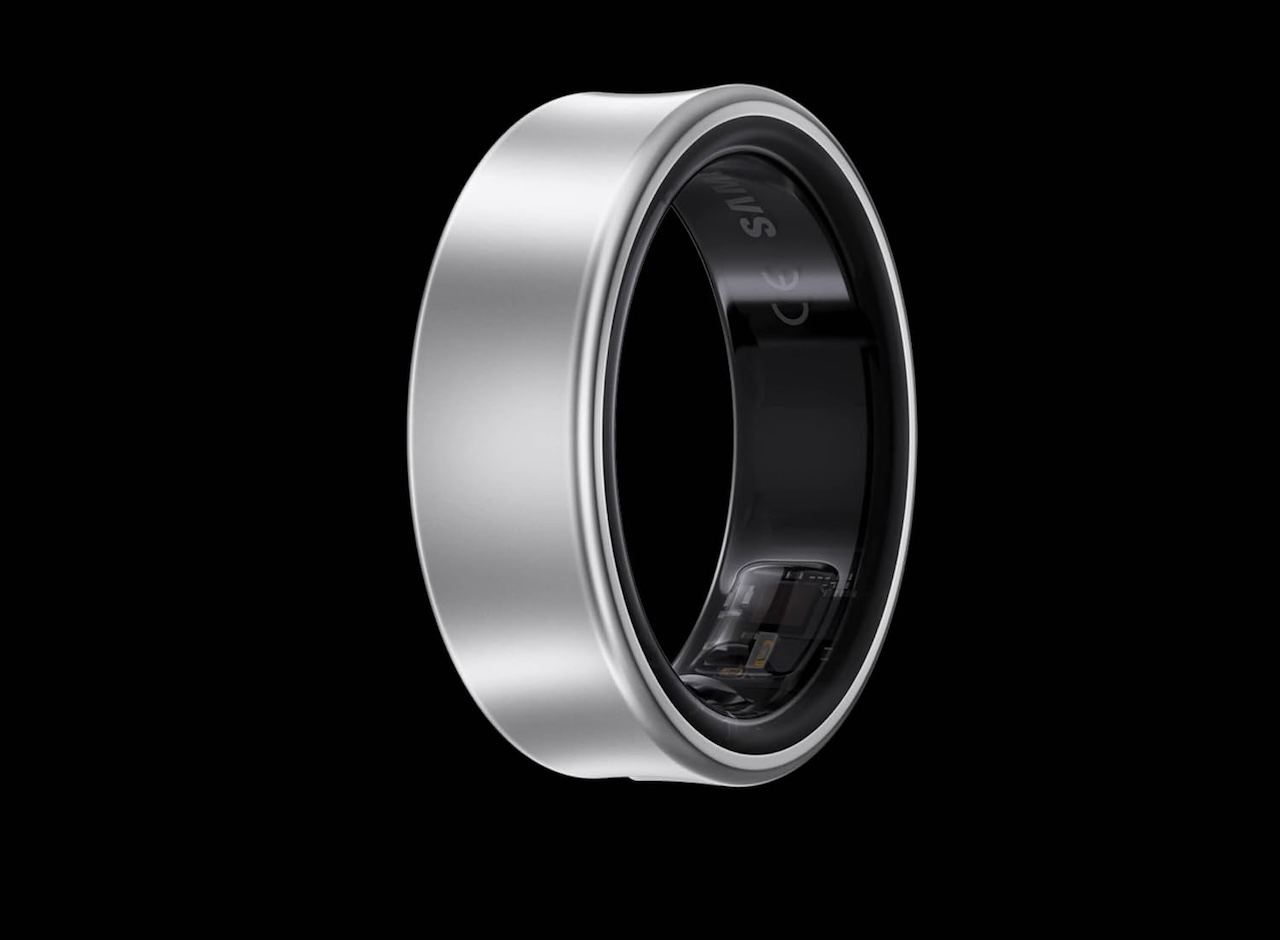
Samsung’s first ring is the closest thing to a no-subscription Oura, and that alone is the headline. The Galaxy Ring feeds into Samsung Health, which means if you also wear a Galaxy Watch, the two devices coordinate: the ring tracks at night, the watch tracks during workouts, and the app stops double-counting.
The Energy Score is Samsung’s answer to Oura’s Readiness, blending sleep, activity, heart-rate variability, and previous-day strain into a single morning number. It’s directionally useful, though the explanation layer underneath isn’t as detailed as Oura’s. The ring itself is the lightest on this list at 2.3 to 3 grams depending on size, which matters more than you’d think after a week of sleeping in it.
The ecosystem lock-in is real. If you’re on iPhone, this ring loses most of its appeal because Samsung Health on iOS doesn’t get the same feature depth as the Android version. Galaxy users get the full picture. Everyone else gets a competent ring with a thinner app.
Ultrahuman Ring AIR
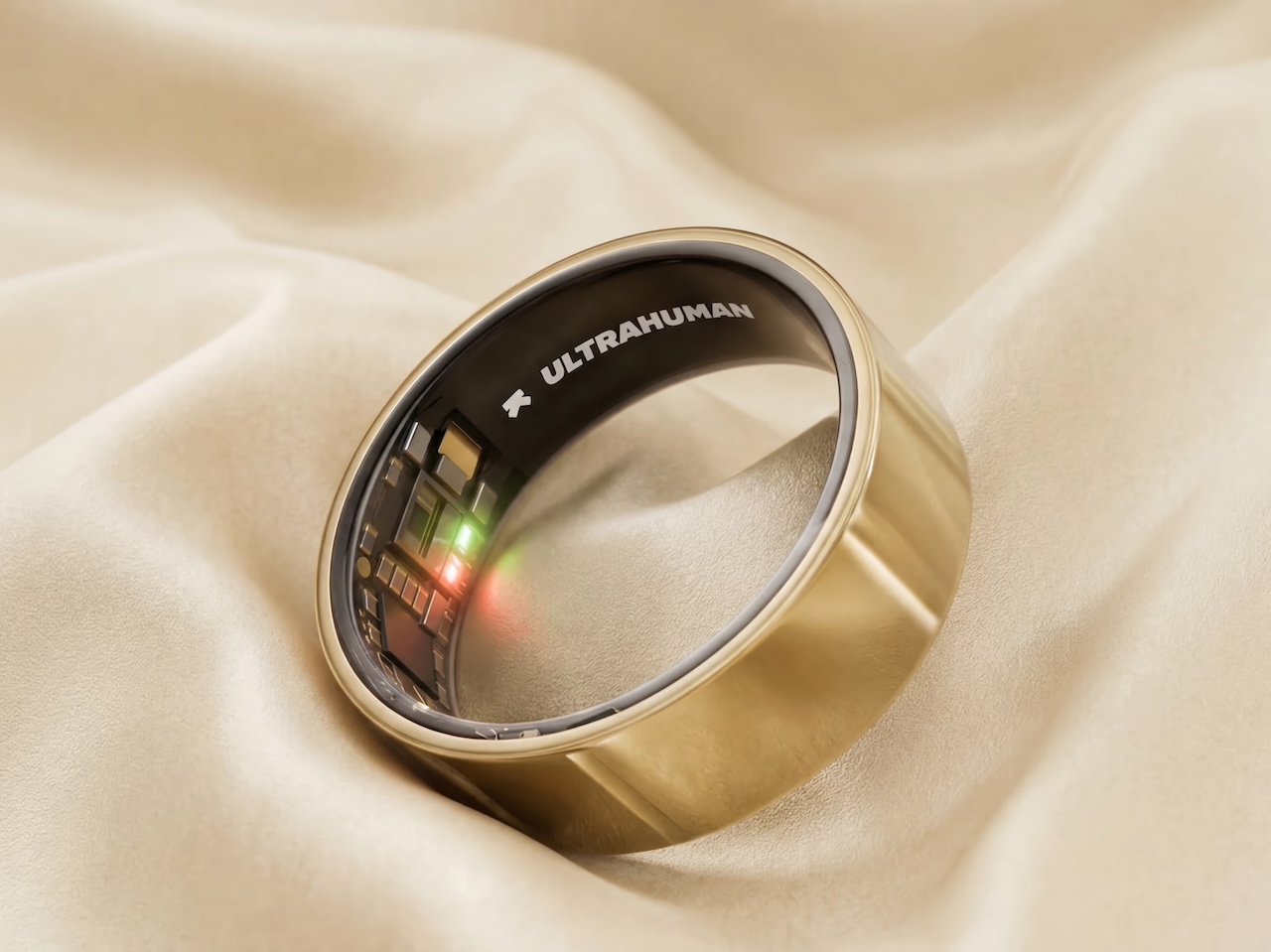
Best for: Buyers who refuse to pay a subscription
Price: $349
Where to Buy: Ultrahuman
Ultrahuman’s whole pitch is the absence of a paywall, and the Ring AIR delivers on it. Every metric the ring captures is yours to read in the app without a recurring fee. For shoppers who’ve watched Oura’s subscription creep over the years, that’s a meaningful difference.The ring is light, the titanium finish holds up to gym chalk and shower water, and the Movement Index surfaces low-effort daytime activity that step counters tend to miss.
The sleep tracking isn’t as nuanced as Oura’s, and reviewers have flagged a tendency to over-report deep sleep, but the trends across a week or month are reliable enough to act on.
Where the AIR falls short is battery life and ecosystem maturity. You’ll charge it more often than the Oura or Samsung, and the app, while clean, doesn’t have the integration depth of bigger platforms. If subscription avoidance is the priority, that’s a fair trade.
RingConn Gen 2
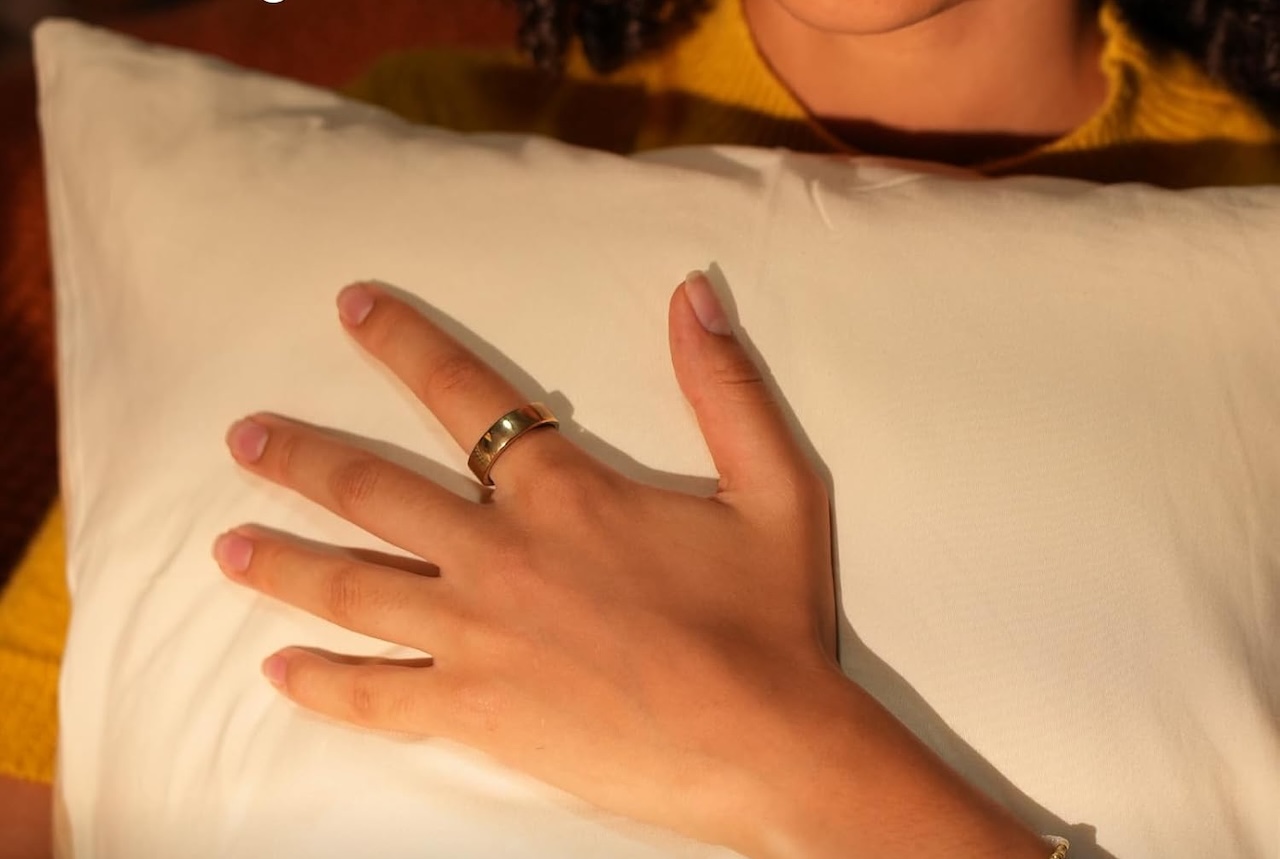 Best for: Long battery life and a flat price
Price: $299
Where to Buy: Amazon
RingConn’s pitch is endurance. The Gen 2 quotes the longest battery life of any ring on this list, and the charging case (yes, like earbuds) means topping up doesn’t require remembering a separate puck. Drop the ring in the case at lunch, pick it up at dinner, sleep on it the same night.
The metrics it tracks are the standard set: sleep stages, HRV, SpO2, skin temperature, steps, and active minutes. The accuracy isn’t class-leading, but it’s close enough for trend-watching, which is what most ring buyers actually use the data for. The sleep apnea screening is the differentiator: RingConn pitches it hard, and while it isn’t a diagnostic tool, it’s a useful flag if you suspect disrupted breathing at night.
The app is the weakest link. It works, but it doesn’t have the polish of Oura’s or the integration of Samsung’s. If you can live with a slightly clunky interface in exchange for 10 to 12 days of battery life and a sub-$300 price, the value math is hard to argue with.
Amazfit Helio Ring
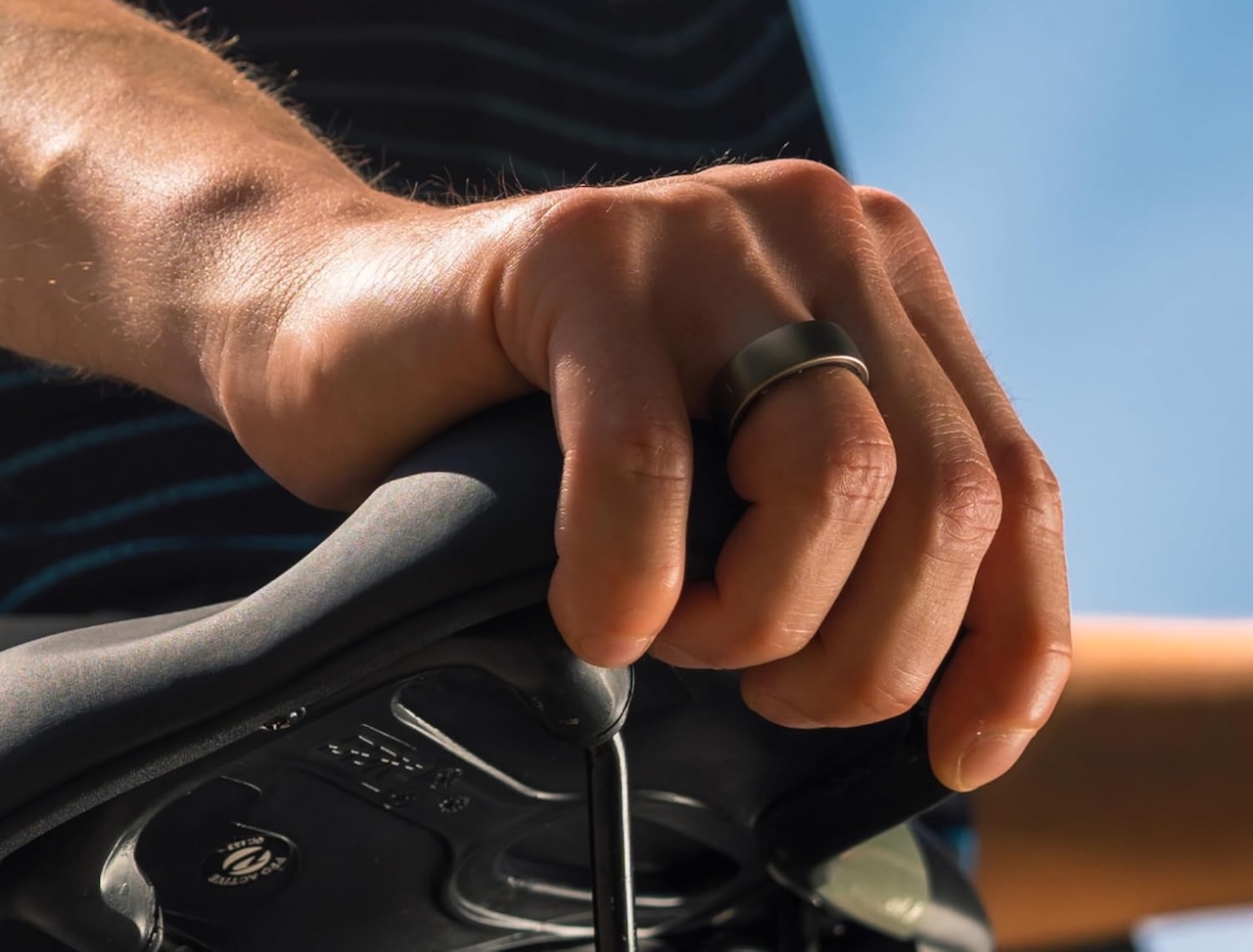
Best for: Active users who want fitness data to lead, not follow
Price: $109
Where to Buy: Amazon
Most smart rings are sleep trackers that also count steps. The Helio Ring is closer to a fitness tracker that also tracks sleep. Amazfit built it to pair with the broader Zepp watch lineup, so the combined activity and recovery picture gets meaningfully deeper when you wear an Amazfit watch alongside it. On its own the ring’s workout tracking is light, but the integration is the point.
The Readiness score and PAI (Personal Activity Intelligence) metric are the standout software pieces. PAI condenses cardiovascular effort across the week into a single number you’re supposed to keep above 100, and it’s one of the few wearable metrics that has actual peer-reviewed research behind it.
The trade-off is sleep. The Helio tracks sleep competently but doesn’t surface the same depth of analysis as Oura. If your week is built around training blocks and recovery days, the Helio’s framing fits better than any other ring here. If it’s built around eight hours of sleep and morning readiness, look elsewhere.
Movano Evie Ring
Best for: Women who want cycle, mood, and recovery data in one placePrice: $269
Price: $269
Where to Buy: Evie
How to choose the right smart ring
Start with the subscription question, because it’s the one that costs you money for as long as you own the ring. If you’re fine paying a recurring fee, Oura’s the ceiling and the rest of the field doesn’t really compete on depth of sleep analysis. If you’d rather pay once and be done, Ultrahuman, RingConn, Samsung, and Evie all get you most of the way there for a flat price.
Phone matters next. Galaxy Ring is built for Galaxy phones and barely makes sense on iOS. Everyone else is platform-agnostic, but Oura, Ultrahuman, and Evie have the most polished iOS apps if you’re on iPhone.
Then figure out what the ring is leading with. Oura, Samsung, and RingConn put sleep first. Amazfit’s Helio puts workouts first. Evie puts women’s health first. Ultrahuman splits the difference. Pick the one that matches what you actually open the app to check.
Battery is the last filter. RingConn wins endurance at 10 to 12 days per charge. Samsung and Oura land in the middle at about a week. Helio, Ultrahuman, and Evie ask for a top-up every four to six days, which is fine if you charge during a shower but annoying if you forget.
Where smart rings still fall short
A ring isn’t a watch replacement, and pretending otherwise is how people end up disappointed. Four limitations worth flagging before you buy:
Workout tracking on a finger is fundamentally less accurate than on a wrist for any activity involving grip. Lifting, rowing, climbing, and racket sports all distort the heart-rate signal because your hand is doing work. If you train these regularly, keep a watch in the rotation for workout sessions specifically.
Notifications don’t exist. No ring on this list buzzes for texts or calls, which is either a feature (no wrist tap during meetings) or a deal-breaker (no glanceable alerts). Decide which camp you’re in before you buy.
Water ratings look better on paper than in practice. Most of these rings claim 100m water resistance, which sounds bulletproof until you read the fine print: it’s static immersion, not active swimming with stroke pressure. Hot tubs, saunas, and chlorinated pools also accelerate finish wear on titanium PVD coatings, regardless of what the IP rating says.
Sizing is permanent. Unlike a watch band you can swap, a ring is the size you bought. Use the sizing kit, wear it for 24 hours including a hot shower and a workout, and don’t guess. A ring that fits in the morning may sit looser by night.
Which smart ring should you buy?
If sleep depth is what you’re after and the subscription doesn’t bother you, Oura’s still the answer. If you’re on a Galaxy phone, Samsung’s ring is the one that gets the most out of your existing setup. If subscriptions are the enemy, Ultrahuman or RingConn earn the spot, with RingConn winning on battery and price. If your week is built around training, the Helio Ring is the only one on this list that treats fitness as the lead, not the follow-up. If cycle, mood, and women’s health are the reason you’re shopping, the Evie Ring is the only one designed for that brief from the start.
Pick the use case first. The ring follows.