
 Smart glasses spent years being a punchline. Google Glass became shorthand for technology that arrived before anyone wanted it, and a decade of follow-up attempts mostly reinforced the impression. The pattern was familiar: bold demo, awkward hardware, no second act.
That pattern broke in the last 18 months. The category is working now, and not because of one breakthrough. Three things lined up at the same time: onboard AI that gives glasses a reason to listen and look, eyewear partnerships that produced frames people will actually wear in public, and battery life that lasts past a single demo.
Meta validated the shape with Ray-Ban Meta, which sold well enough to settle the question of whether mainstream consumers would buy camera-and-AI glasses if they looked normal. Google followed by committing to the category at platform scale with Android XR, partnering with Warby Parker and Gentle Monster instead of designing its own frames. Apple’s reported entry, still over the horizon, reframed industry conversations around glasses as a successor form factor to the smartphone. In between, smaller players are proving out the harder pieces: Snap on standalone AR, Xreal on tethered spatial displays, Brilliant Labs on open developer hardware.
Most of the products on this list still carry tradeoffs that keep them short of all-day wear. But the trajectory is unmistakable, and the next year will decide which approaches stick.
Here are six smart glasses worth watching as the category heats up in 2026.
1. Meta Ray-Ban Smart Glasses (Gen 2)
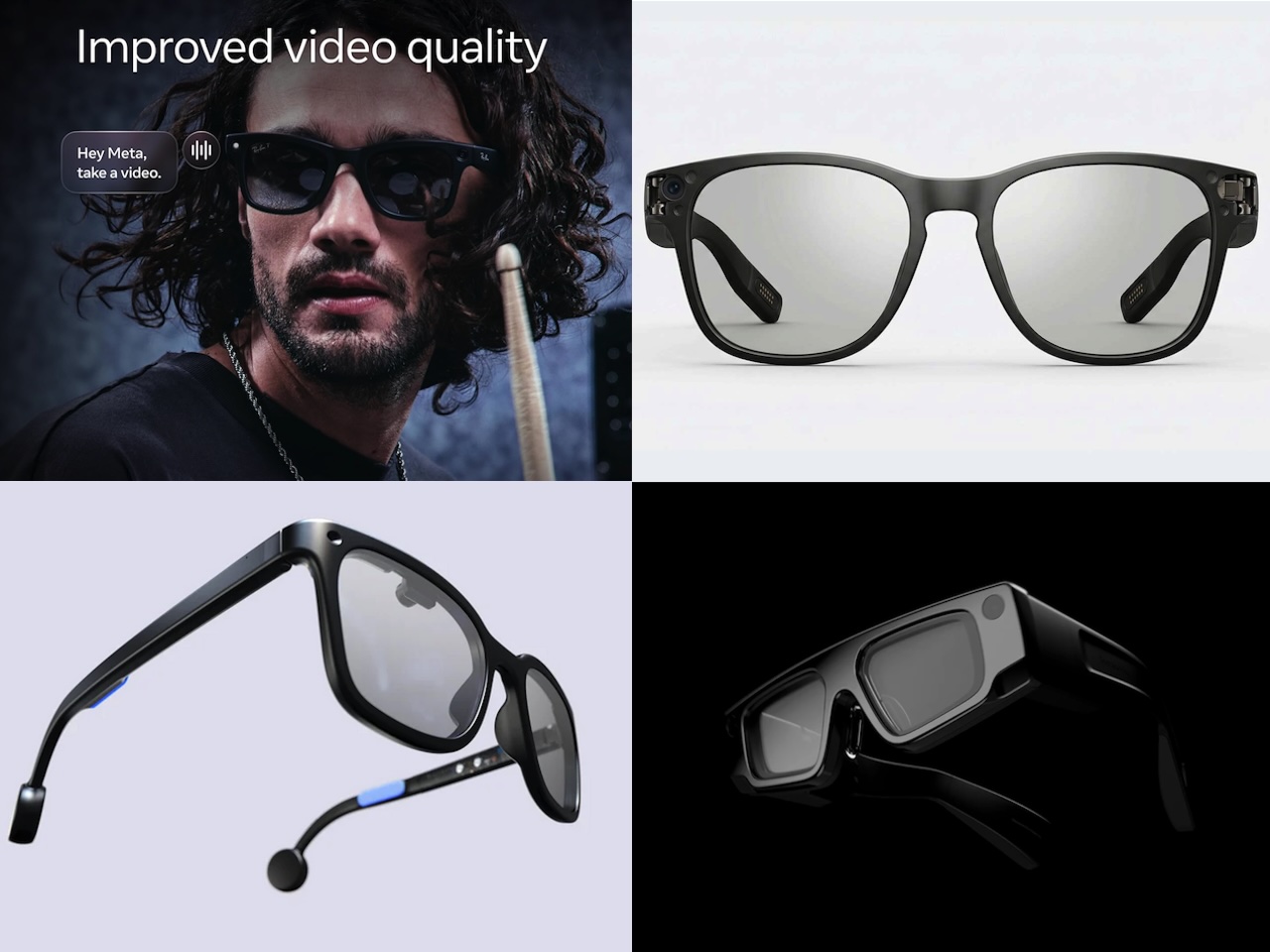
Meta’s second-generation Ray-Ban collaboration remains the most polished consumer smart glasses available. The design is indistinguishable from standard Ray-Bans, which matters more than it sounds. Previous smart glasses failed partly because people didn’t want to look like they were wearing a science experiment.
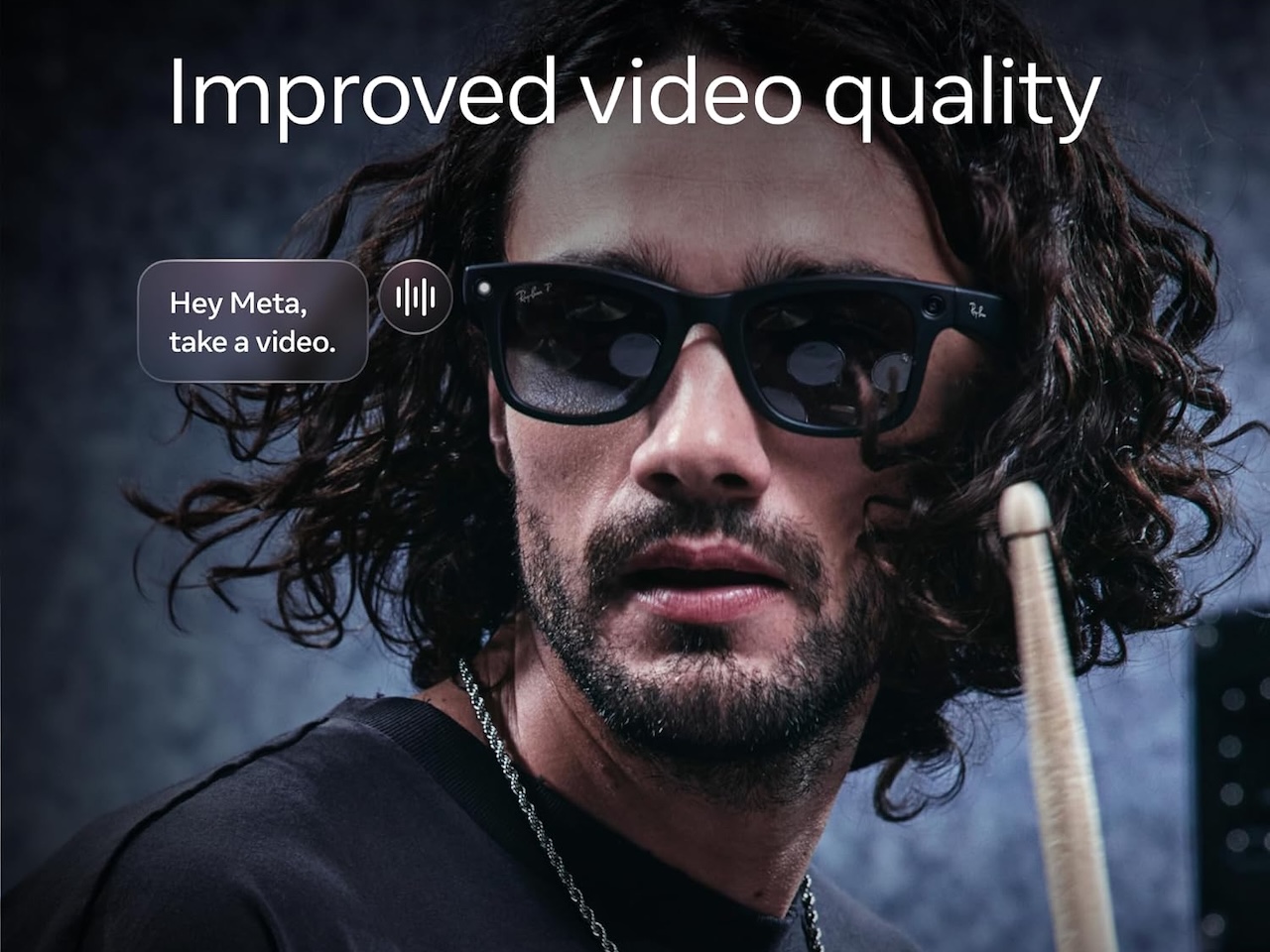 The Gen 2 model added a 12MP camera, improved speakers, and a Llama 4-powered AI assistant that can answer questions about what you’re looking at. Battery life runs up to 8 hours per charge, roughly double the previous generation.
Where it falls short: no display, no AR overlay. It’s a camera and audio assistant in glasses form, not augmented reality in the traditional sense.
Key specs: 12MP ultrawide camera, open-ear speakers, Meta AI integration, IPX4 water resistance
Price: Starts at $379, with select Wayfarer Transitions configurations up to $459
Where to Buy: Ray-Ban
2. Google Android XR Smart Glasses (Prototype, 2026)
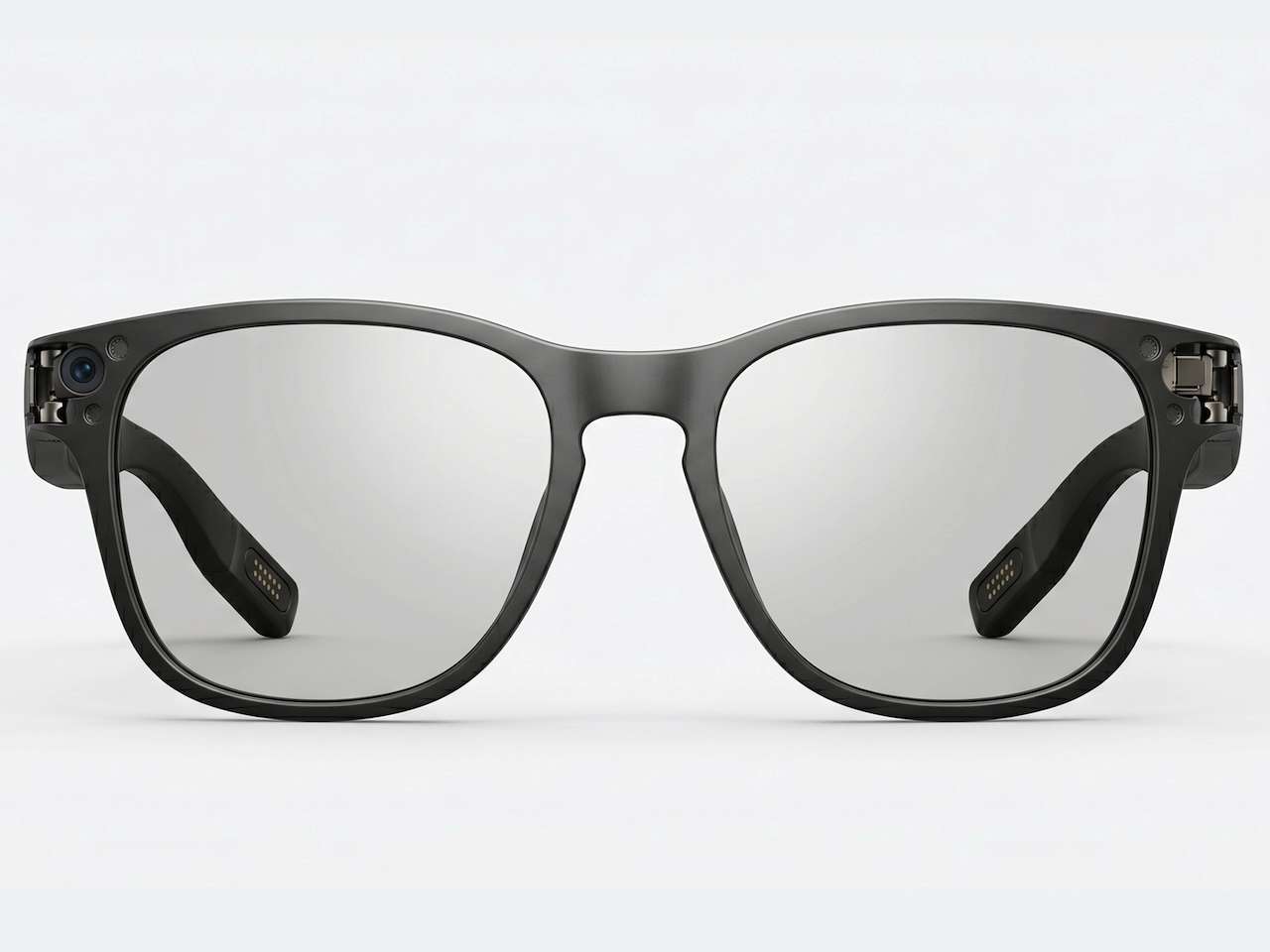
Google’s Android XR platform was announced in late 2024 and publicly unveiled with a smart glasses prototype at Google I/O 2025, generating more attention than anything the company has shown in hardware for years. The prototype uses a microLED display projected through waveguides in the lens, capable of showing navigation, notifications, and live translation overlays.
Google is partnering with eyewear brands like Warby Parker and Gentle Monster for the production version rather than manufacturing its own frames, which suggests they learned from Glass’s industrial design problem.
No confirmed retail date as of this writing. Industry reporting points to a 2026 launch, though Google has not officially committed to a specific window.
Key specs: MicroLED waveguide display, Android XR OS, real-time translation overlay, Gemini AI integration
Price: Not announced
3. Snap Spectacles 5
Snap’s fifth-generation Spectacles are the most technically ambitious smart glasses currently available to consumers, though the audience for them skews heavily toward creators. The display gives a wider AR field of view than most other consumer-available standalone AR glasses, though Viture and Xreal’s higher-end models now exceed it. The tradeoff is battery life: roughly 45 minutes of AR use before needing to charge.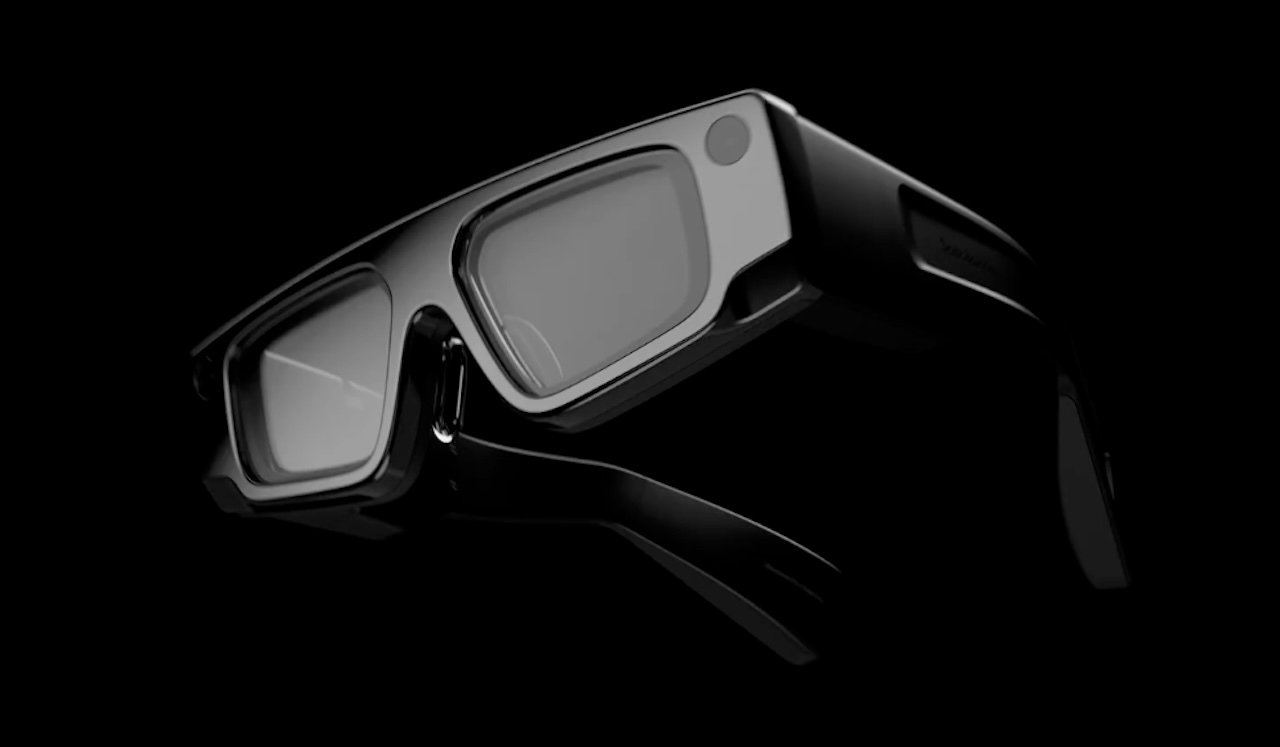
Snap is positioning Spectacles as a developer and creator platform rather than a mainstream product. The subscription model (around $99/month for developer access) reflects that. For the right use case, it’s genuinely impressive. For everyday wear, the battery situation is a dealbreaker.
Key Specs: Full-color waveguide display, 46-degree FOV, dual Qualcomm Snapdragon processors, 45-minute AR battery
Price: Developer subscription, ~$99/month
4. Xreal Air 2 Ultra
Xreal’s approach to smart glasses is different from most competitors: they make a tethered AR display rather than a standalone device. You plug the Air 2 Ultra into a phone, laptop, or gaming device and get a large virtual screen projected in your field of view.
For work, travel, or gaming, this is genuinely useful. You can have a 154-inch equivalent virtual display in a hotel room without bringing a monitor. The image quality is better than any standalone smart glasses at this price.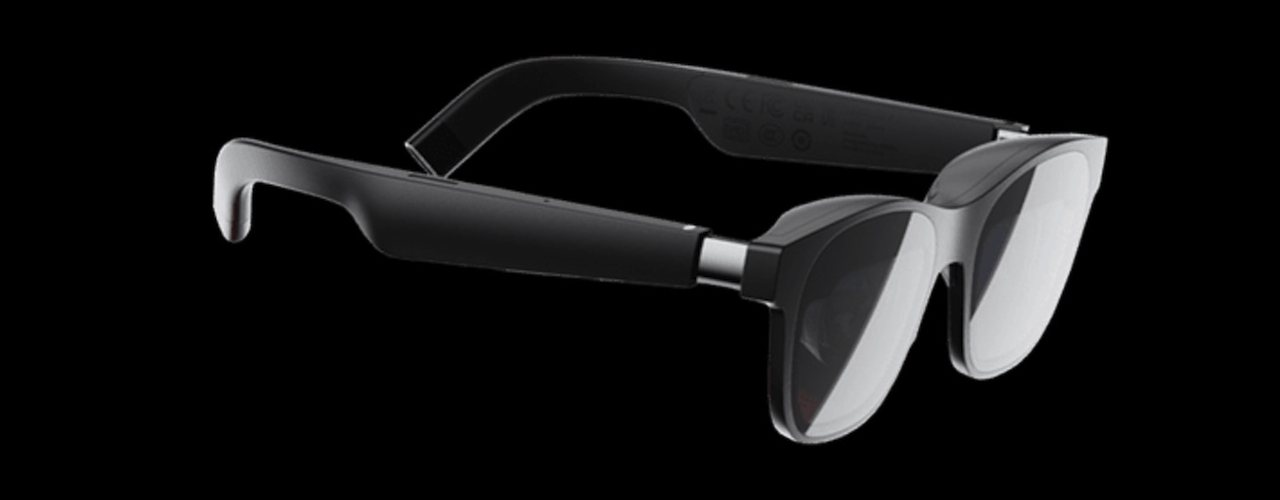
It’s not smart glasses in the AI assistant sense. There’s no RGB capture camera, no onboard AI, no ambient intelligence (the dual sensors onboard are for 6DoF tracking only). It’s a display peripheral shaped like glasses.
Key specs: Micro-OLED displays, 52-degree FOV, 120Hz refresh, electrochromic lens dimming
Price: From $699
5. Brilliant Labs Halo
Halo is the open-source successor to Brilliant Labs’ earlier Frame, aimed at builders who want to run their own AI models on eyewear hardware. The hardware is minimal, a roughly 40g frame with a color microOLED display, but the open platform means it can run custom applications that closed platforms won’t allow. It ships with Noa, a conversational AI agent with long-term memory.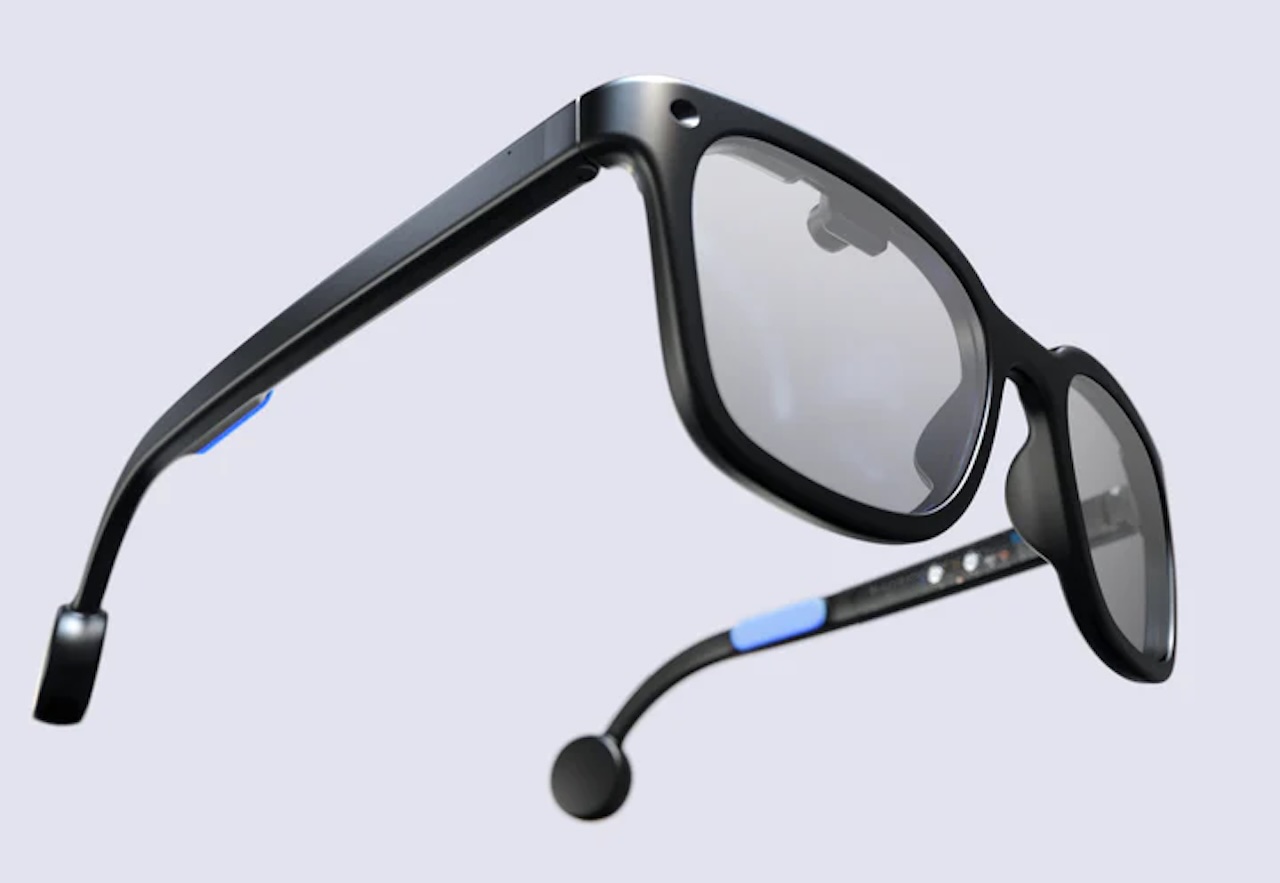
For hobbyists, researchers, and developers building novel applications, Halo offers something the larger players don’t: full access to the stack. For everyone else, it requires more technical investment than most people want to put into eyewear.
Key Specs: Color microOLED display, ZephyrOS with Lua interface, Bluetooth 5.3, claimed 14-hour battery
Price: $349
6. Apple Smart Glasses (Announced, 2027 Target)
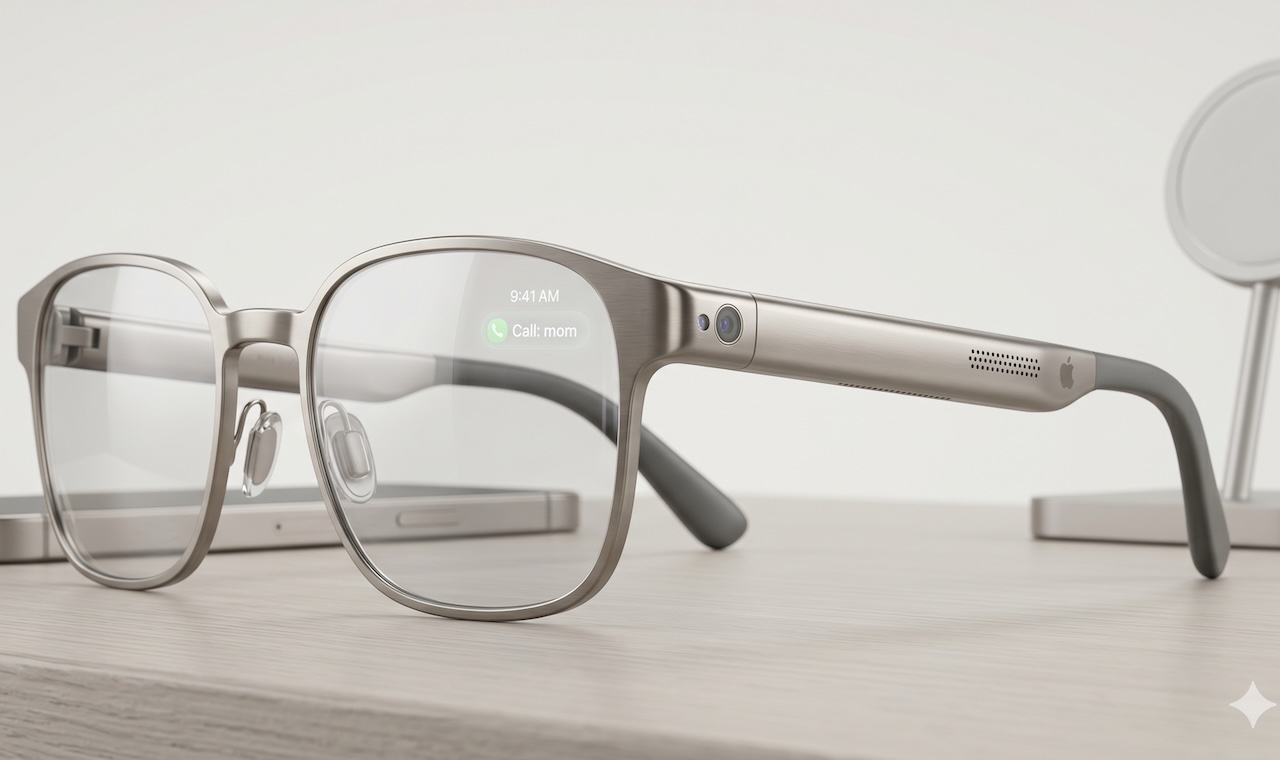
Apple’s smart glasses aren’t available yet, but they’re worth including because reporting on Apple’s plans changed how the category is being talked about. According to Bloomberg, Apple is developing two variants: a Meta Ray-Ban-style model without a display, expected to ship first, and a separate display version slated to follow. The confirmation that Apple is moving into the category, distinct from Vision Pro, validated it in a way that smaller announcements hadn’t.
Based on available reporting, the Apple glasses will target a mainstream price point well below Vision Pro, will integrate tightly with iPhone, and will include a heads-up display rather than full AR. A 2027 retail window has been reported by multiple sources.
They’re not available to buy. But knowing they’re coming affects how you evaluate everything else on this list.
Expected specs (per Bloomberg reporting, not confirmed by Apple): HUD display on the later variant, custom Apple Silicon chip, Siri integration, iPhone pairing required
Expected price: Not officially confirmed; analyst estimates range from roughly $700 to under $1,000
The Bottom Line
Smart glasses in 2026 look less like a single product race and more like several parallel bets on what eyewear should do. If you want something to wear today, Meta Ray-Ban is the only entry on this list that clears the daily-use bar. If you want a real AR display and can live with the tradeoffs, Snap and Xreal each solve part of the problem in different ways. If you want to build, Halo is the most open hardware here. If you want to wait, Google’s Android XR rollout and Apple’s reported entry will redraw the map within a year.
The bigger shift is that the question has changed. It’s no longer whether smart glasses will work as a category. It’s which approach wins, and how fast.
