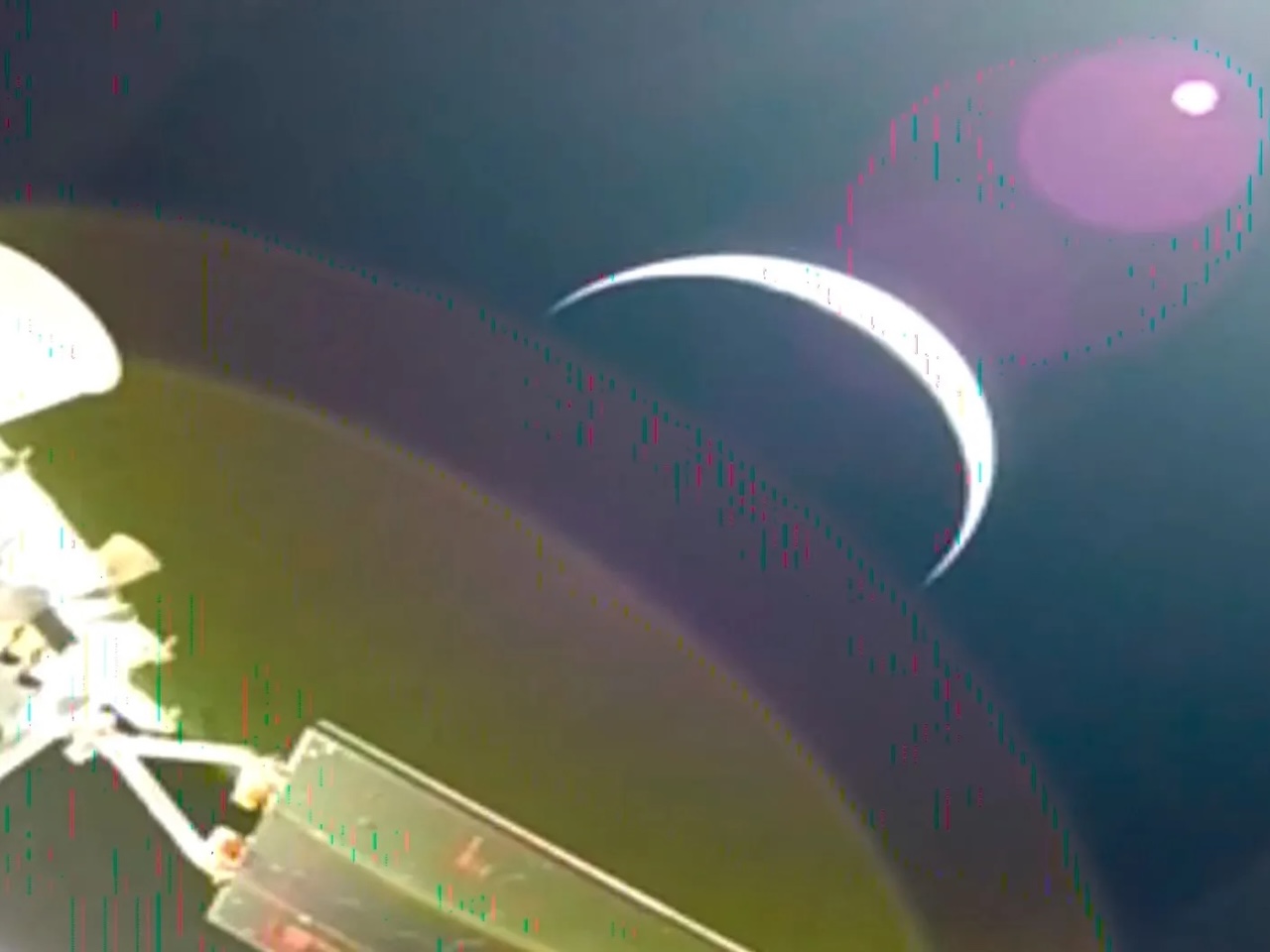
The Artemis II crew launched on April 1, 2026, and the gear they packed says a lot about how far space tech has come. Some of it was built for deep space. Some of it you could buy at a mall. All of it had to earn a spot on one of the biggest missions in modern spaceflight.
What is Artemis II? Artemis II is NASA’s first crewed Moon mission since Apollo 17 in 1972. The crew includes NASA astronauts Reid Wiseman, Victor Glover, and Christina Koch, along with Canadian Space Agency astronaut Jeremy Hansen. Their Orion spacecraft launched atop the Space Launch System rocket from Kennedy Space Center at 6:35 p.m. EDT. The mission follows a free-return trajectory, looping around the Moon and back to Earth over roughly ten days without landing on the surface. It is a test flight designed to prove that Orion can safely carry humans in deep space before NASA attempts a lunar landing on Artemis III.
What makes this gear list so interesting is the range. The manifest covers everything from consumer smartphones to radiation sensors, rescue knives to laser terminals that can stream 4K video from 240,000 miles away. That mix shows how NASA thinks about crewed missions now. The agency is not just packing survival gear anymore. It is testing the tech that will support a permanent human presence on and around the Moon.
Apple iPhone 17 Pro Max
An iPhone circling the Moon sounds like clickbait, but it actually happened. Artemis II carries the first consumer smartphones ever flown beyond low Earth orbit, adding a pocketable camera alongside the traditional gear previous crews used. Jared Isaacman approved the policy change as NASA Administrator in February 2026.
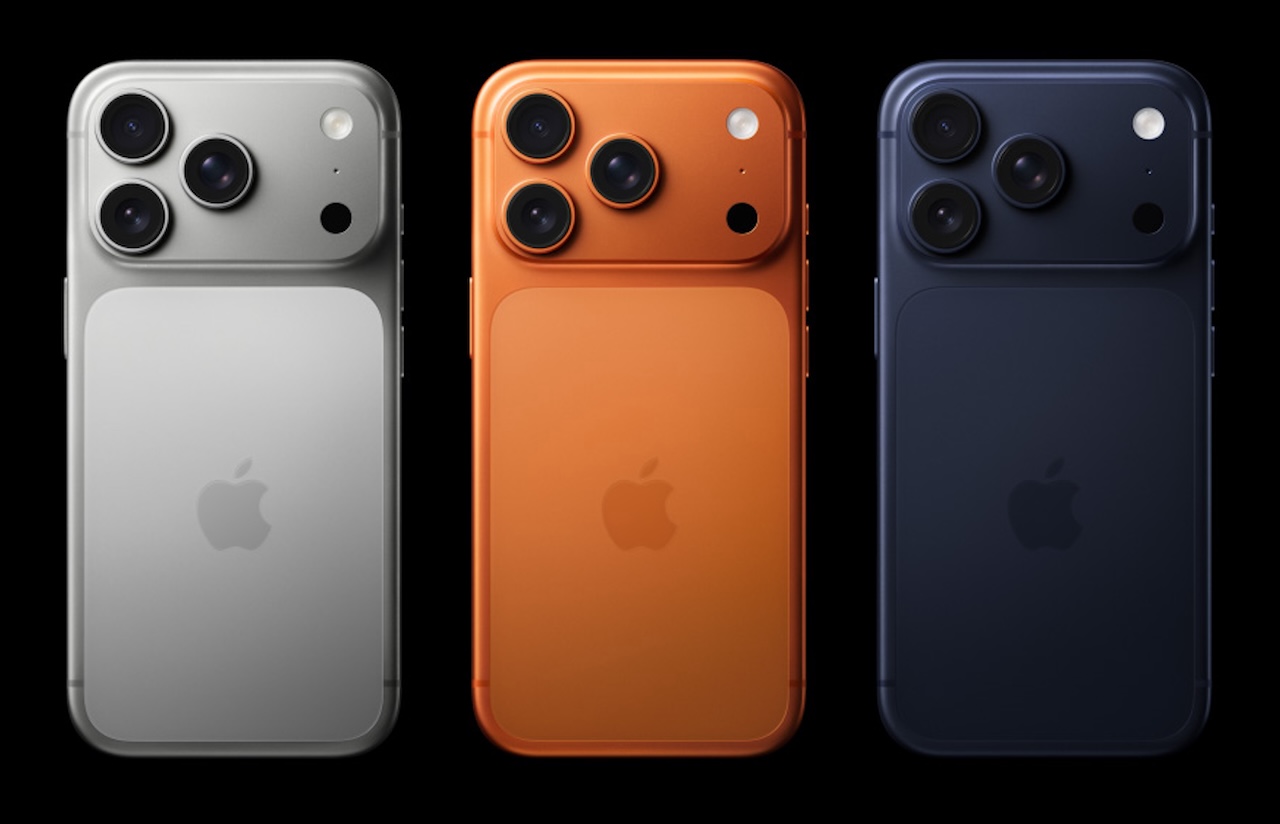
The iPhone 17 Pro Max gives the crew a light, flexible tool for capturing cabin life and lunar views. It also works as a personal device for downtime, something NASA values more on longer missions. Flying off-the-shelf hardware instead of custom cameras shows a growing trend: proven consumer tech now earns a seat next to purpose-built space equipment.
Fisher Space Pen AG7
The Fisher Space Pen AG7 has flown with NASA since the Apollo 7 mission in 1968, and the AG7 model carries on that streak aboard Artemis II. Its pressurized ink cartridge writes in zero gravity, underwater, over grease, and in temperatures from -30 to 250 degrees Fahrenheit. That kind of reliability is why it keeps showing up on crew lists more than fifty years later.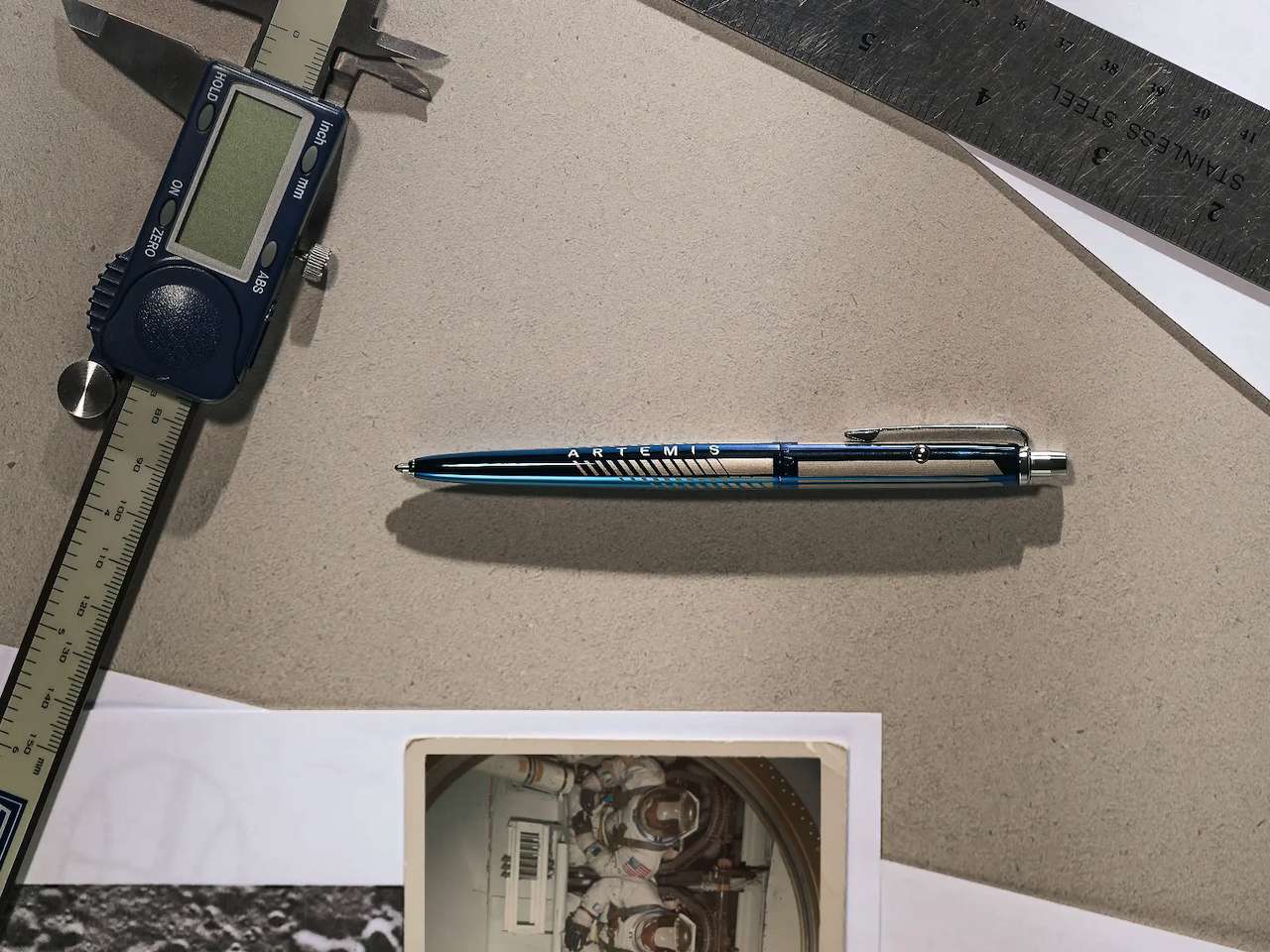
The AG7 is not interesting because the tech changed. It is interesting because NASA still has not found anything better for writing things down in space. Digital tools handle most notes now, but astronauts still want a pen for quick scribbles, checklists, and markups on printed procedures. Zero failure points and zero power needs are hard to beat when you are 240,000 miles from the nearest office supply store.
Benchmade Triage 916
The Benchmade Triage 916 is a rescue folding knife made for first responders. It has a blunt-tip blade, a hook-shaped safety cutter, and a carbide glass breaker in the handle. NASA put it in the Artemis II crew kit because every tool on board needs to do more than one job without adding extra weight.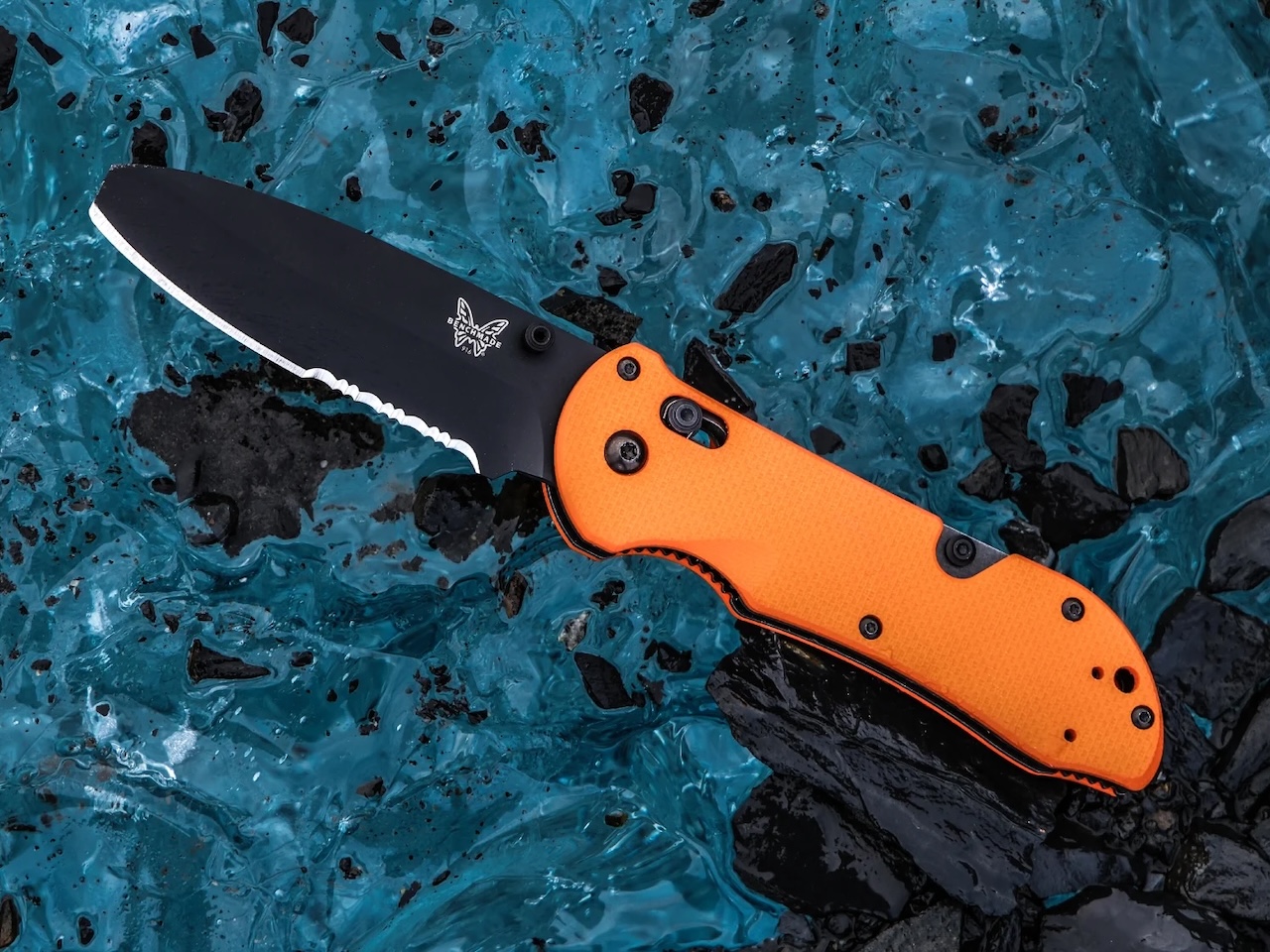
The blade uses N680 stainless steel, which fights corrosion in the humid air inside the Orion capsule. The AXIS lock lets you open it with one hand. Benchmade built this knife for paramedics and firefighters who need to cut fast in tough spots, and that fits the emergencies astronauts train for. Cutting tangled straps, slicing packaging in tight spaces, and keeping a blade within reach without digging through lockers are all real needs on a ten-day deep space trip.
ARCHeR Health Monitoring Wristbands
NASA’s Artemis Research for Crew Health and Readiness study is one of the most advanced health tracking efforts ever run in space. Select crew members wear wristbands that record sleep and movement, while the broader study measures stress, thinking ability, and teamwork through surveys. Together, these tools feed data that helps flight controllers watch over crew safety in real time. The goal goes beyond Artemis II. NASA wants to build a health database for future Moon and Mars missions.
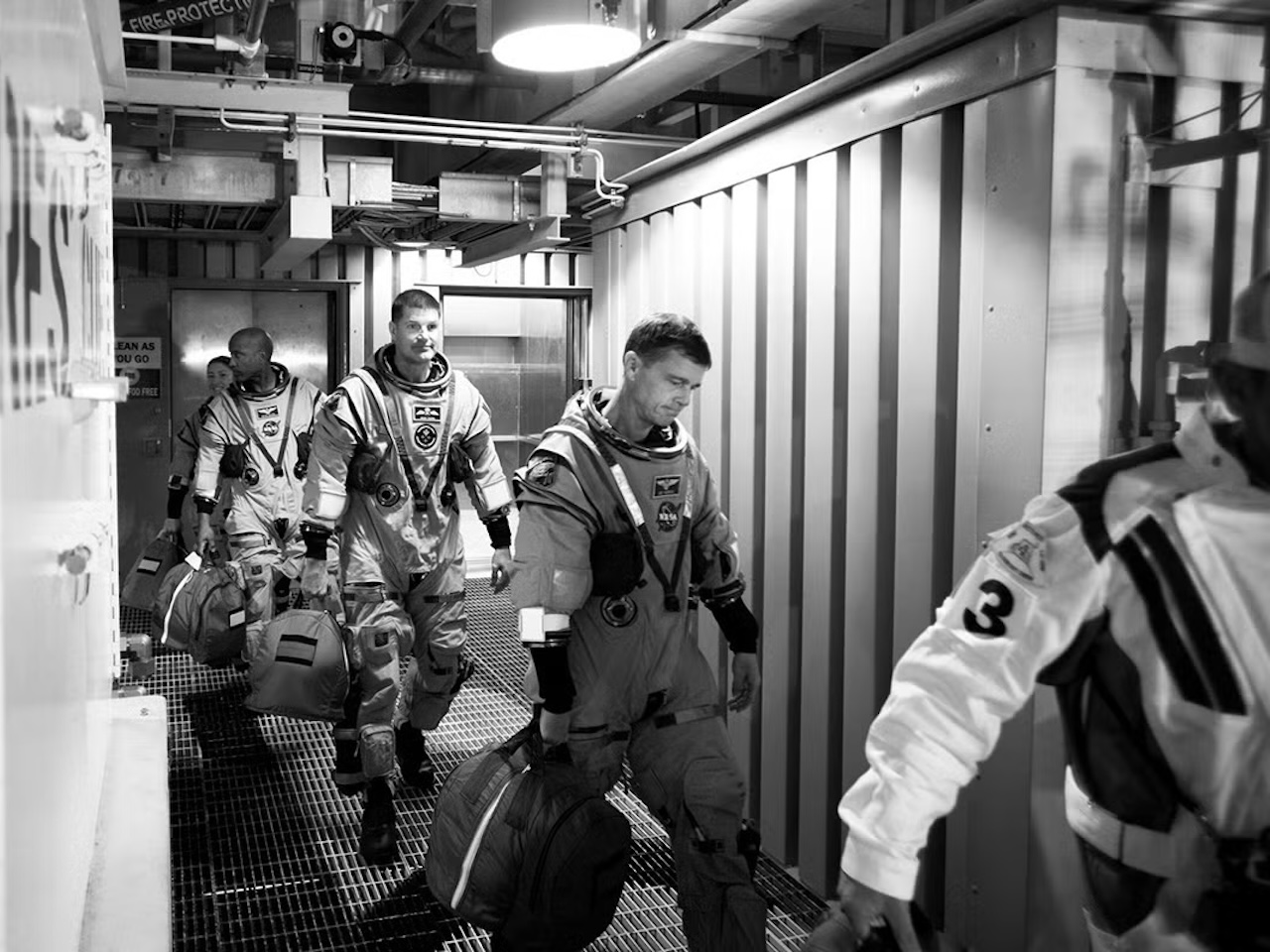
The wristband data and survey results paint a picture of how each crew member adjusts to deep space. Radiation beyond the Van Allen belts hits the body differently than the shielded environment of the International Space Station, and ARCHeR is built to spot those differences. Every data point feeds into the medical playbook for long-term lunar operations.
Omega Speedmaster X-33
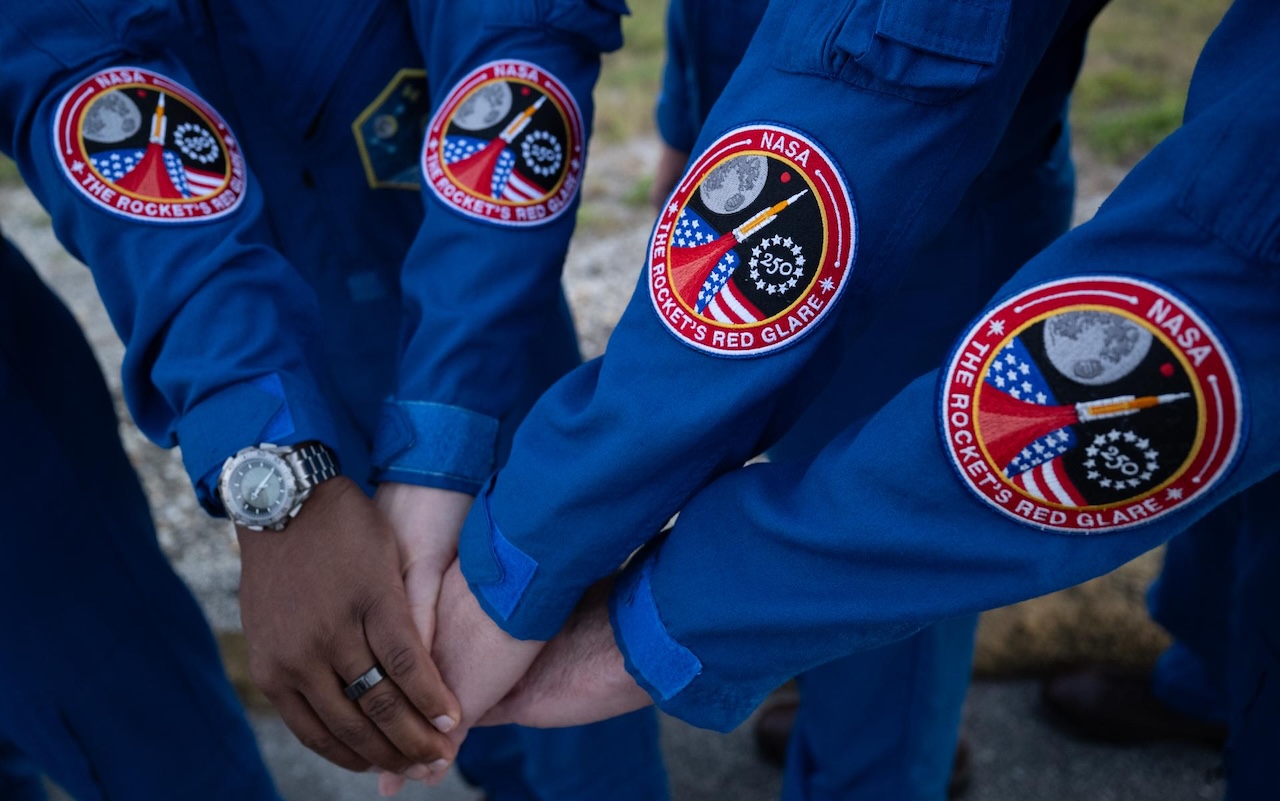
The crew launched wearing Omega Speedmaster X-33 watches on Velcro bands over their pressure suits. The X-33 is a quartz-powered, titanium watch with both analog hands and digital screens. Omega built it with astronauts and test pilots in the late 1990s. The digital displays show mission time, alarms, and countdown timers, giving the crew quick access to timing data without relying on cabin instruments.
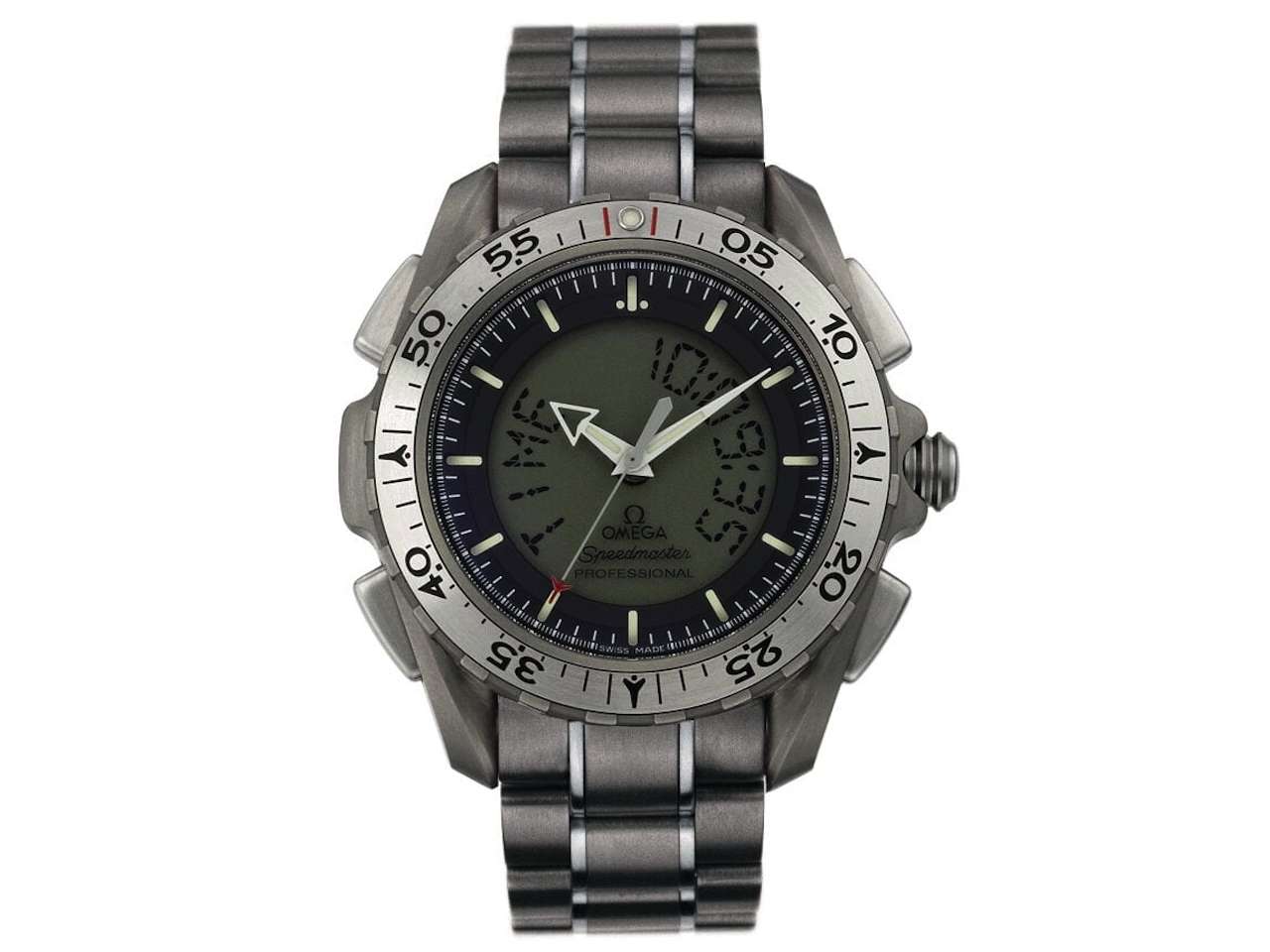 The X-33 is a step forward from the hand-wound Speedmaster Professional that earned the “Moonwatch” name during Apollo. That classic watch was a mechanical backup that worked even if the ship’s electronics failed. The X-33 trades pure mechanical timekeeping for digital features and lighter weight. Omega refined the design using direct feedback from astronauts and pilots, and its spot on the Artemis II crew’s wrists shows how NASA has moved toward purpose-built digital tools, even when legendary analog options still exist.
O2O Laser Communication Terminal
The O2O system, short for Orion Artemis II Optical Communications, is one of the biggest tech tests on the mission. This laser terminal sends data from near the Moon back to Earth at up to 260 megabits per second, fast enough to stream 4K video live from 240,000 miles away. That is a huge jump over the radio systems older deep space missions used.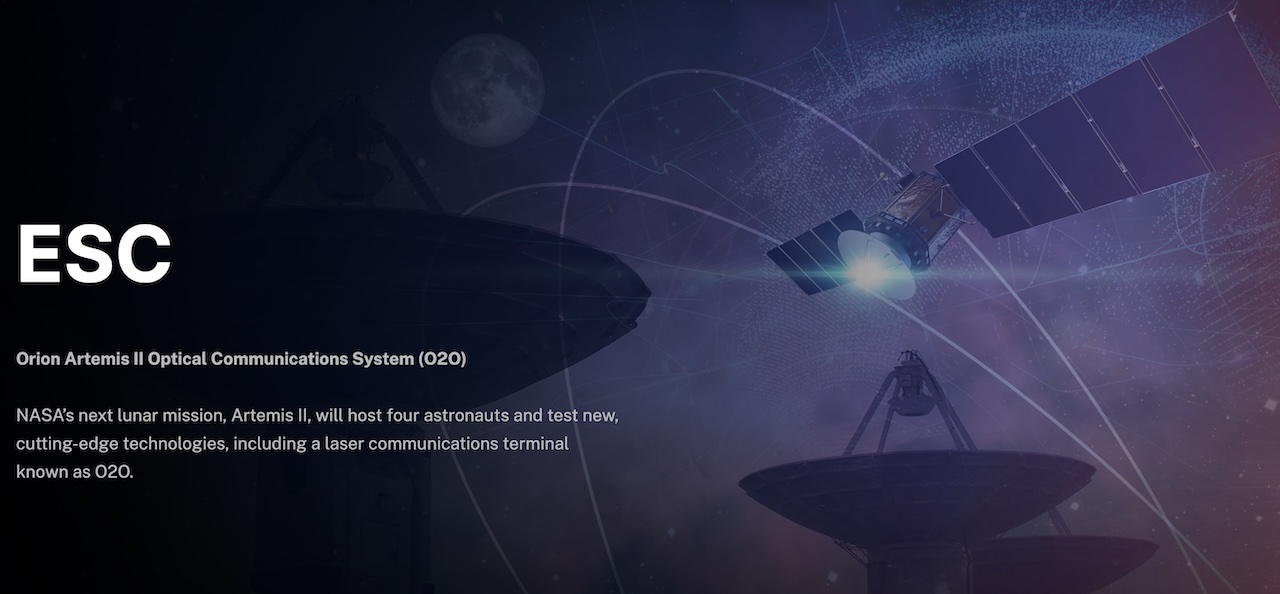
The benefits go past sharper video. More bandwidth means mission control gets more data, clearer images, and faster file transfers than any crewed mission beyond low Earth orbit before it. O2O is part of NASA’s wider push toward laser communications, building on the DSOC test aboard the Psyche mission. If it works as planned, laser comms will become standard on every Artemis mission after this one.
DLR MARE Radiation Dosimeters
The German Aerospace Center (DLR) is flying four upgraded M-42 EXT radiation detectors on Artemis II, building on the MARE experiment from Artemis I. These new detectors read radiation six times more accurately than the ones before them. Paired with Mirion dosimeters carried in each astronaut’s pocket, they track how cosmic rays and solar particles hit the crew. Deep space radiation is one of the hardest problems for long-term human exploration, and this detector suite gives NASA the detailed data it needs to build better shielding.
The first MARE experiment flew on the uncrewed Artemis I, where two test dummies named Helga and Zohar carried thousands of sensors to record radiation beyond low Earth orbit. Now, with a real crew on board, the upgraded detectors and personal dosimeters track how radiation changes throughout the mission with living people present. That crew data adds insights that test dummies alone could never provide, and it feeds directly into the protection plans for future lunar missions.
TACHELES CubeSat
Berlin-based NEUROSPACE GmbH built TACHELES, one of four small satellites riding the Artemis II rocket as secondary payloads. Unlike the other seven items on this list, TACHELES never reaches the Moon. The 12U CubeSat deploys from the Orion Stage Adapter into a high Earth orbit, where it tests lunar rover electronics against the radiation environment of the Van Allen belts.
TACHELES is expected to remain in orbit for roughly two years, transmitting data back to Earth as NEUROSPACE develops a CubeSat-based rover system aimed at providing cost-effective access to the lunar surface. Deep space pushes small satellites to their limits, with higher radiation, longer communication delays, and no GPS navigation, and the measurements collected here will help determine whether compact platforms can survive the trip.