Most robot lawn mowers ask a lot of you before they’ll do anything. String perimeter wire around the entire yard. Mount an RTK base station somewhere with a clear sky view. Run calibration passes. Wait for GPS lock. Troubleshoot why the thing keeps getting stuck on the garden bed edge at 7am. That’s the category most people know, and it’s the reason a lot of robot mowers end up pushed into the corner of a garage.
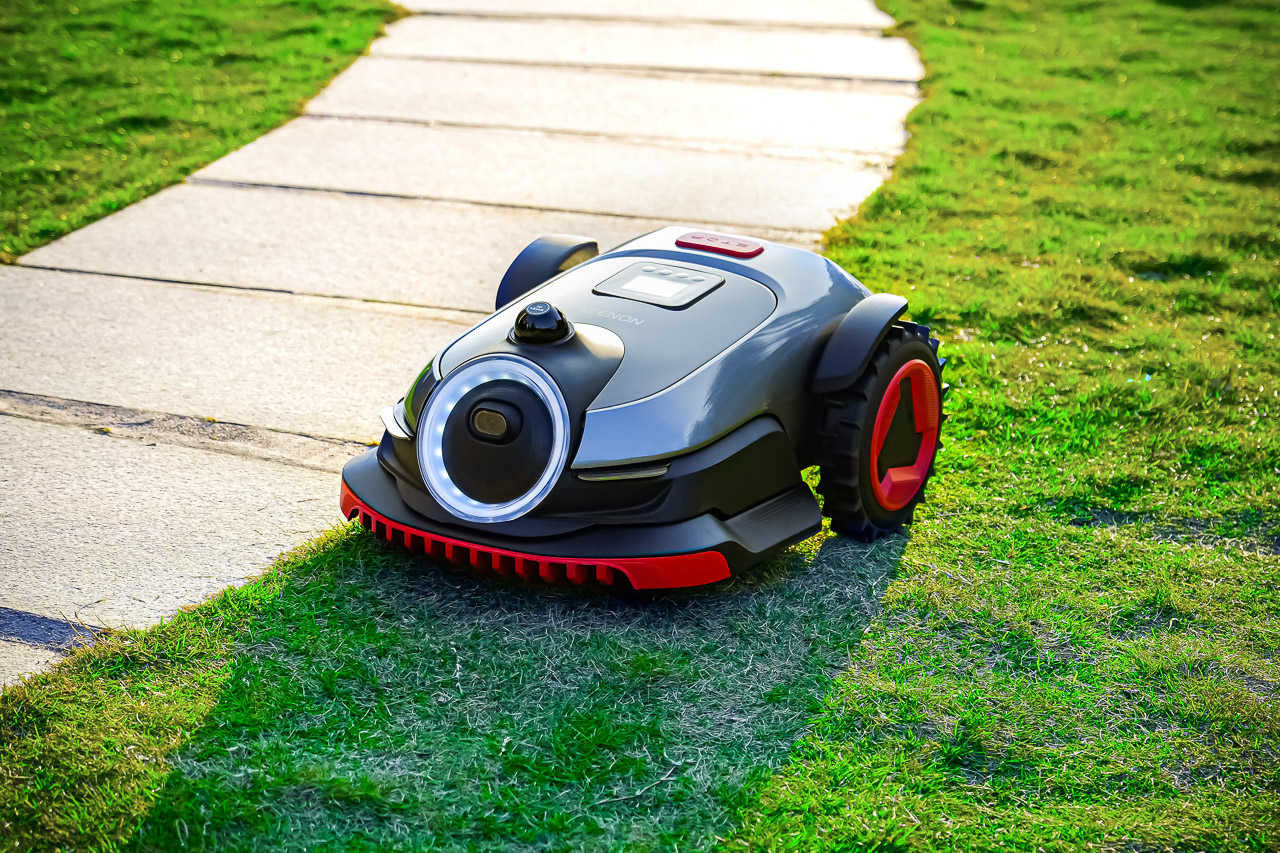
The KeenMow K1 is built on a different premise: your yard is something the robot should figure out, not you. It launches on Kickstarter in 11 April 2026 at an early bird price of $899, and the tech behind it isn’t from a hardware startup feeling its way through a new category. Keenon Robotics has been building and deploying service robots since 2010. The company has shipped more than 100,000 robots to hotels, restaurants, hospitals, and factories across 60 countries. That’s a commercial robotics company applying what it already knows about navigating uncontrolled real world environments to your backyard.
The wire free approach is the central pitch. And the company trying to deliver it has done harder things.
No Wire, No RTK, No Compromise on Coverage
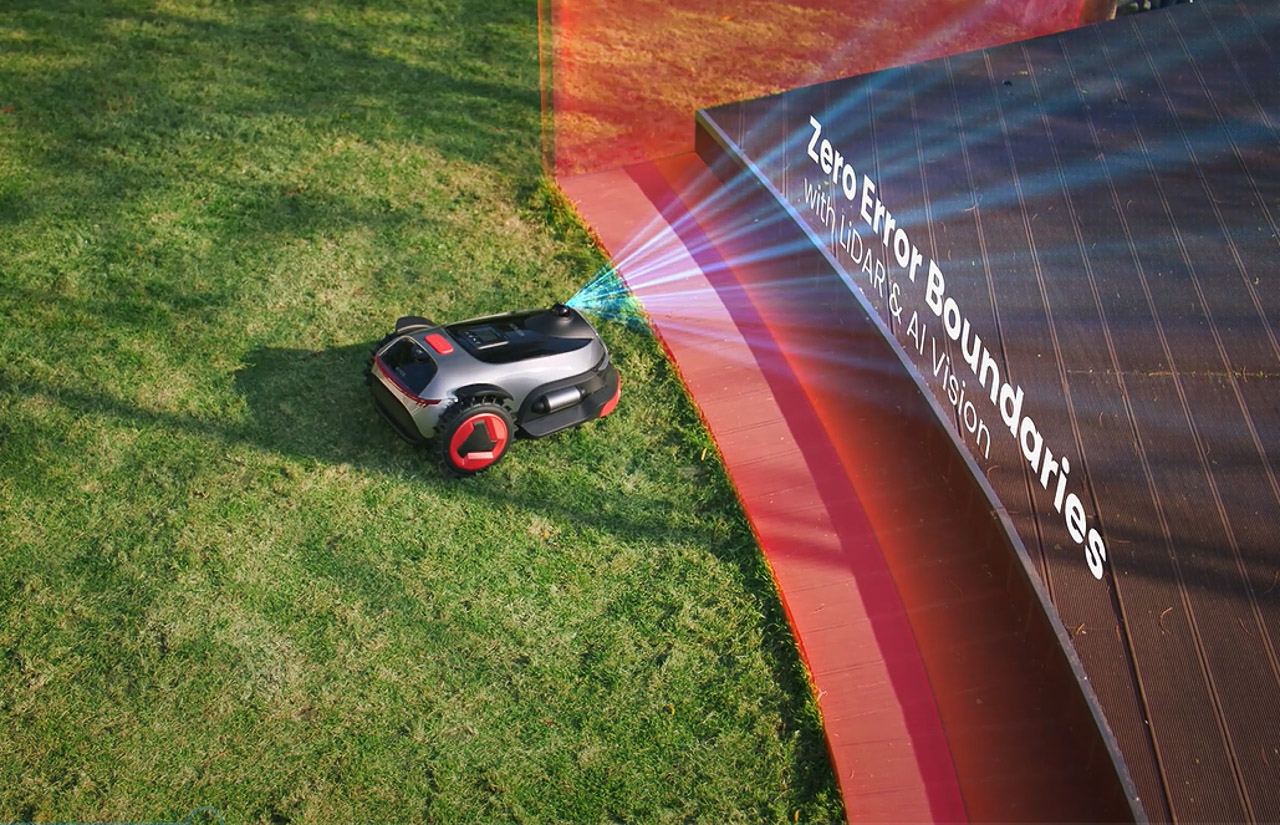
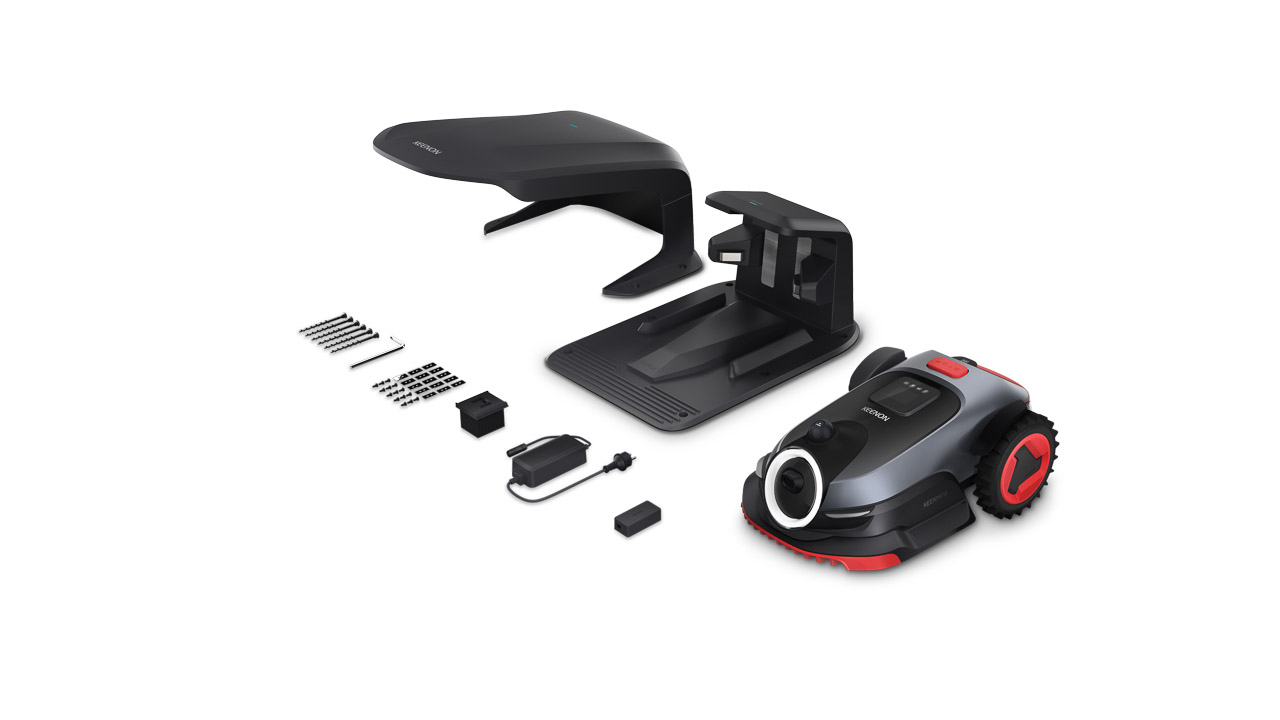
The K1 uses AuraVue, a system that pairs 3D LiDAR with a 150 degree RGB camera. It scans your yard in three dimensions while it moves, building a real time map of the space as it goes. You draw virtual boundaries in the app once, and the mower figures out the rest. No wire to bury. No base station to bolt somewhere. No satellite dependency.
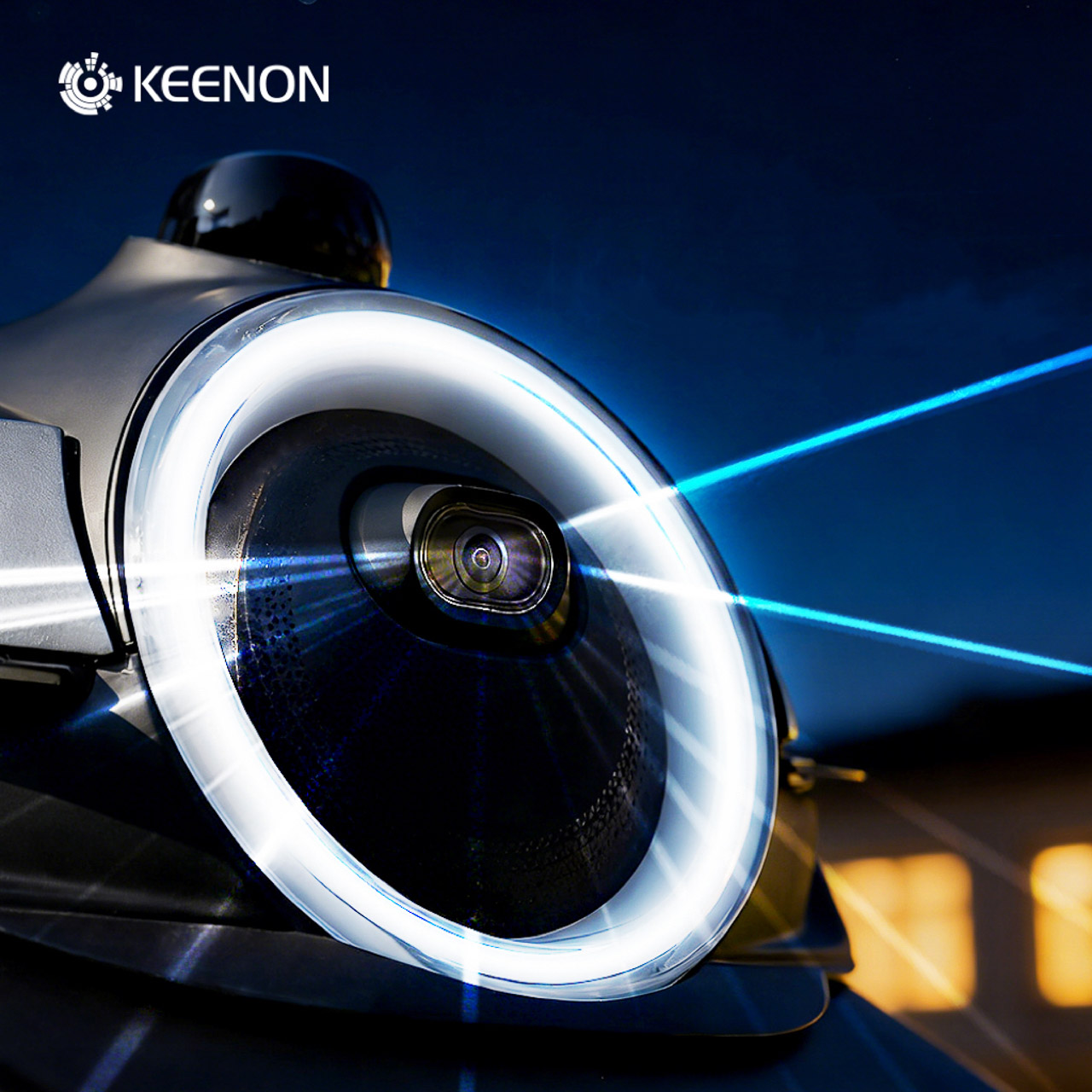
That last part matters more than it might sound. RTK based mowers can lose satellite signal under heavy tree canopy or in overcast conditions, which causes them to wander or pause mid run. The K1’s LiDAR reads the physical world directly, measuring walls, edges, and obstacles in real space rather than triangulating from satellites. Shade doesn’t interfere. Clouds don’t slow it down.
The app manages up to 15 separate zones connected by virtual channels. Once you’ve set the boundaries, the system plans an optimized route across the entire yard on its own. For yards with complex layouts, that’s a meaningful difference from mowers that treat multi zone coverage as an afterthought.
Path Planning From Robots That Navigate Tight Spaces for a Living
SmartPath is the navigation AI running route decisions. It analyzes your lawn’s geometry, factors in obstacle distribution, and generates systematic parallel passes designed to cover every strip without doubling back unnecessarily. Keenon claims 99.99% path deviation reduction. That figure comes from the brand and needs real world validation before you take it literally. What’s grounded is the underlying technology: the same navigation logic their delivery robots use to move through restaurant dining rooms and hospital corridors without hitting things.
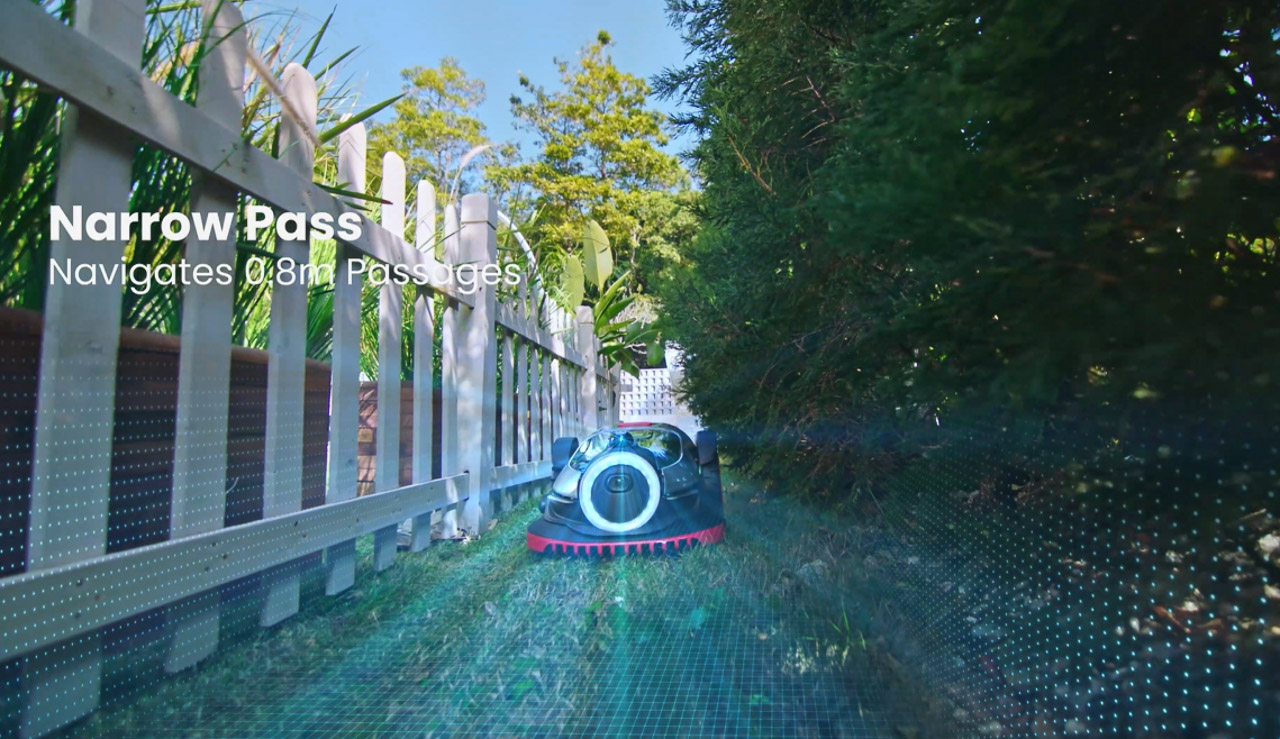
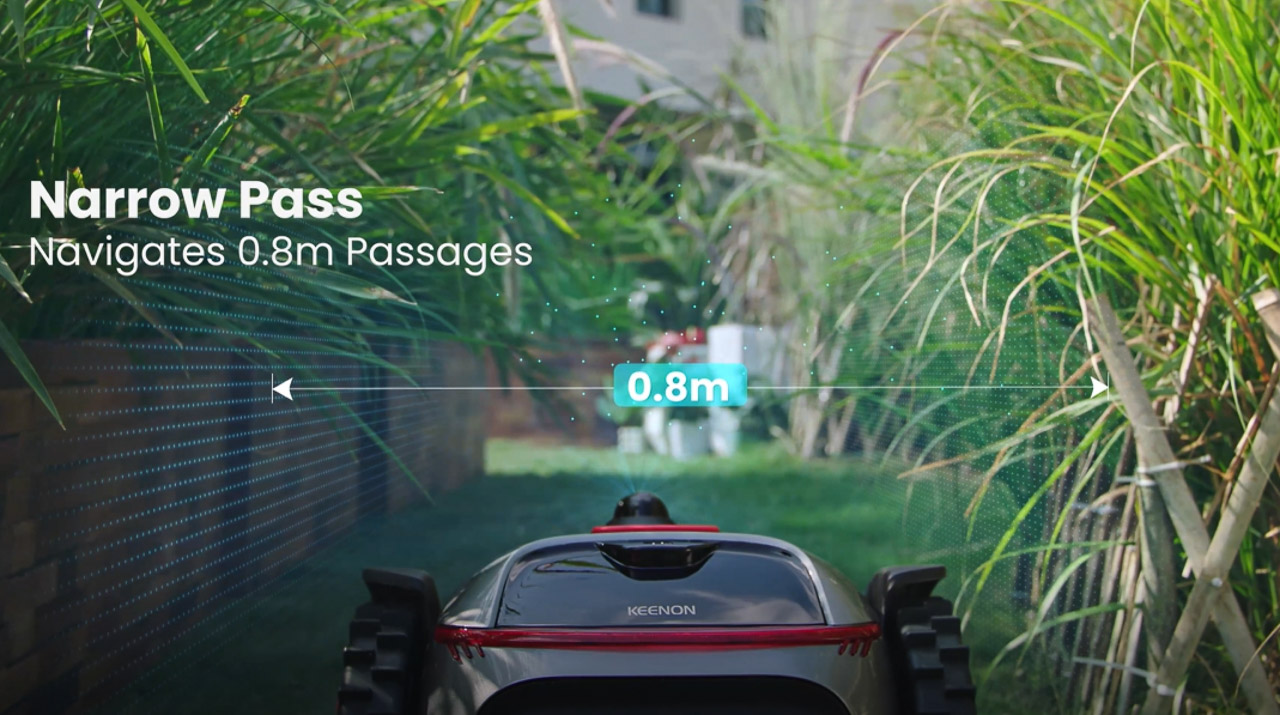
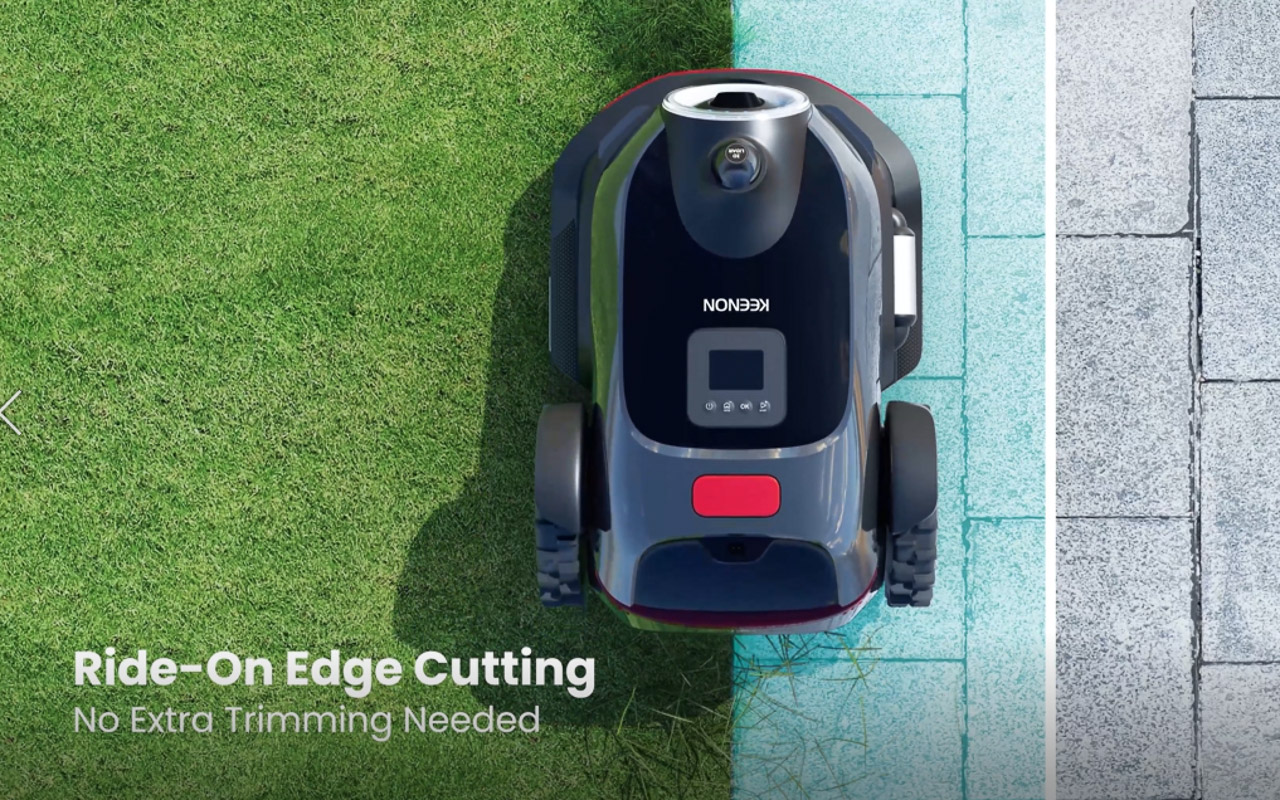
Narrow Pass handles gaps as tight as 0.8 meters. Gate entrances, hedgerow passages, the channel between a fence and a garden bed: the K1 is designed to navigate through them and resume normal coverage on the other side. Smart Edge watches the boundary type it’s approaching and adjusts cutting proximity accordingly. Along an open border it cuts close. Near a flower bed it backs off.
The practical payoff is less manual trimming after each run. How much less is a hands on question. But the intent is clear, and it’s backed by robots that already do versions of this in commercial environments every day.
Slopes and the Terrain That Stops Other Mowers
The K1 handles inclines up to 50%, which translates to roughly 27 degrees. The 23cm wheels are large for this category. The motors deliver 60% more torque than the industry standard. Soft soil after rain, exposed roots near trees, small undulations across the lawn: these are exactly the conditions that beach a lighter machine, and the specs suggest the K1 is engineered for them rather than around them.
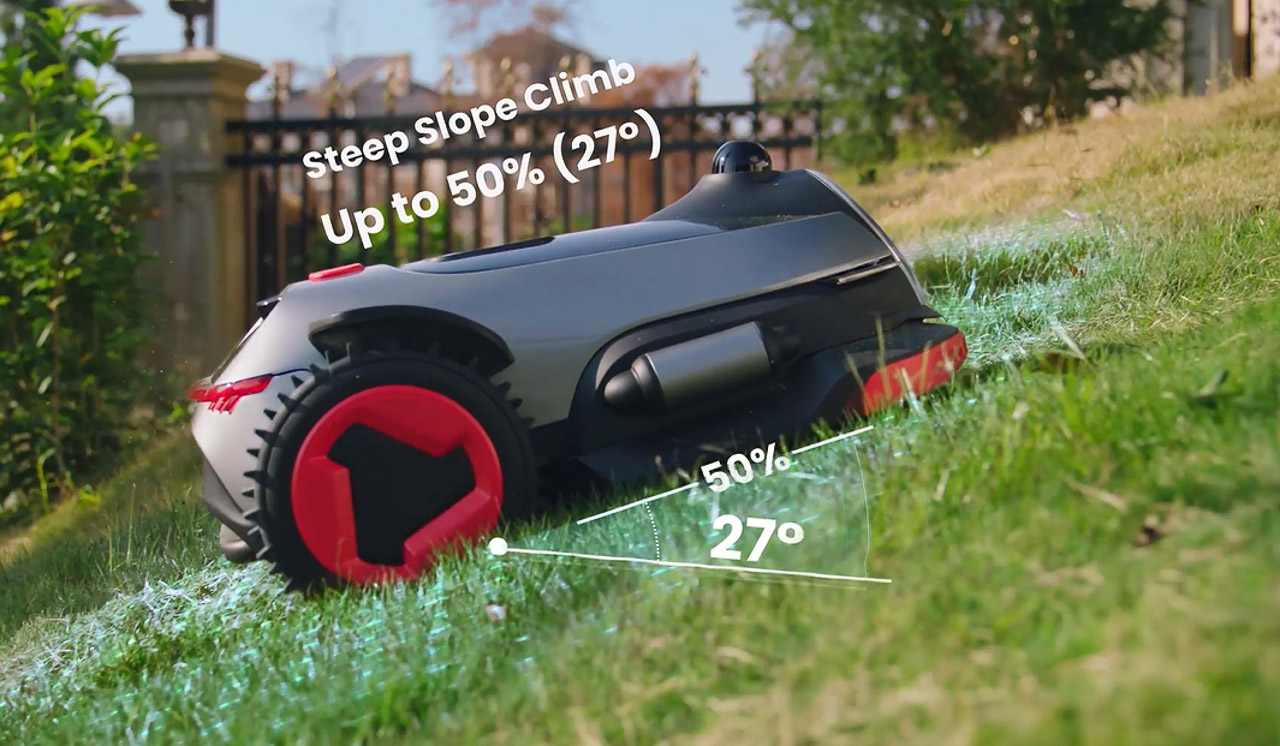
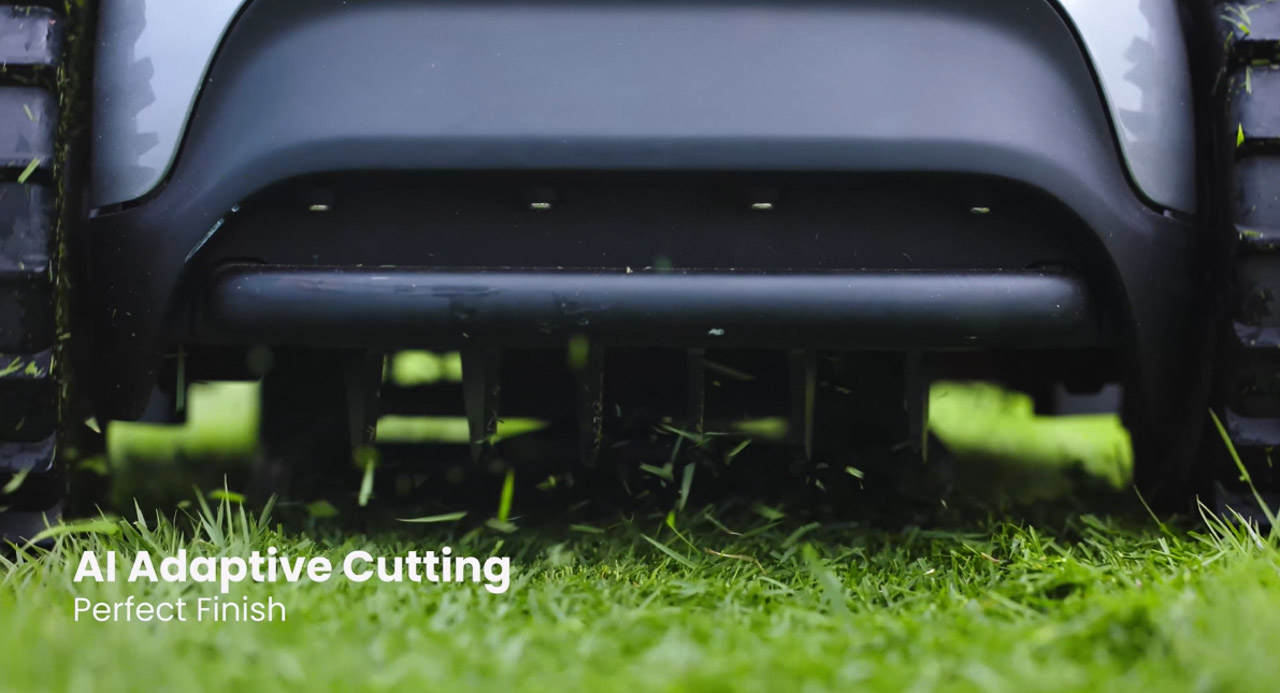
Patch Free watches terrain and grass density as the mower moves, adjusting cutting power in real time. Thick patches get more motor output. Steep sections get adjusted traction. A fixed output mower running through variable conditions leaves an uneven finish. This doesn’t.
The 20mm to 70mm electric cutting height range is wider than most competitors at this price. You’re adjusting that in the app, not bending down with a wrench.
Rain Detection, Nighttime Mowing, and the “Set It and Forget It” Test
The mower monitors weather and returns to the charging station on its own when rain starts. When it stops raining, it picks up from exactly where it left off without any input from you. That’s the real wire free robot lawn mower promise, and it’s harder to deliver reliably than the spec sheet makes it sound. Position memory and weather sensing have to work in tandem every single time.
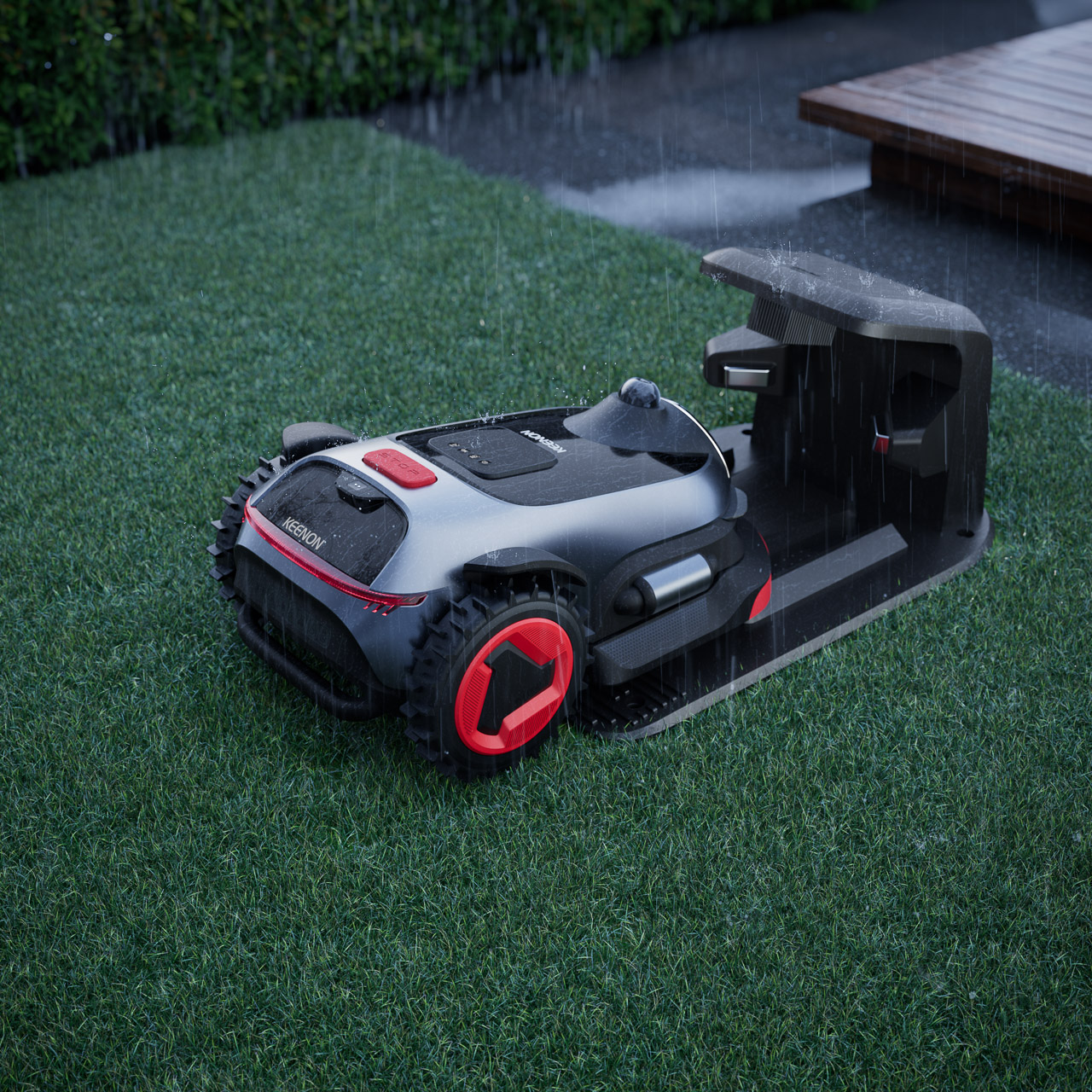
Hands on testing will tell you whether it holds up. On paper, the pieces are there.
A light ring enables nighttime mowing by improving obstacle detection in low light. It also makes the mower more visible to small animals that come out after dark, which is a thoughtful detail. Noise is rated under 60 decibels, quieter than a typical conversation, so a nighttime schedule won’t bother anyone inside or next door. Runtime is 90 minutes per charge with a 100 minute recharge time.

Price and How It Compares
Early bird: $899 USD on Kickstarter. Campaign live in 11 April 2026. Retail availability expected late May 2026, exact date TBD.
At $899, the K1 undercuts where LiDAR navigation typically starts in this category. The Husqvarna Navimow i105N is $799, the current category low, but it uses RTK with a base station. The Navimow i110N runs $1,099. The Ecovacs Goat O1000 is $999.99. The Sunseeker V3, a newer sub $1K LiDAR entrant with strong early user ratings, is $859. The Neomow X LE with LiDAR is $1,799. The Mammotion LUBA 2 AWD, the most capable RTK option in its class, starts at $2,599 and climbs past $4,000 for larger coverage tiers. Those RTK machines require a base station on top of the hardware cost. The K1 doesn’t.
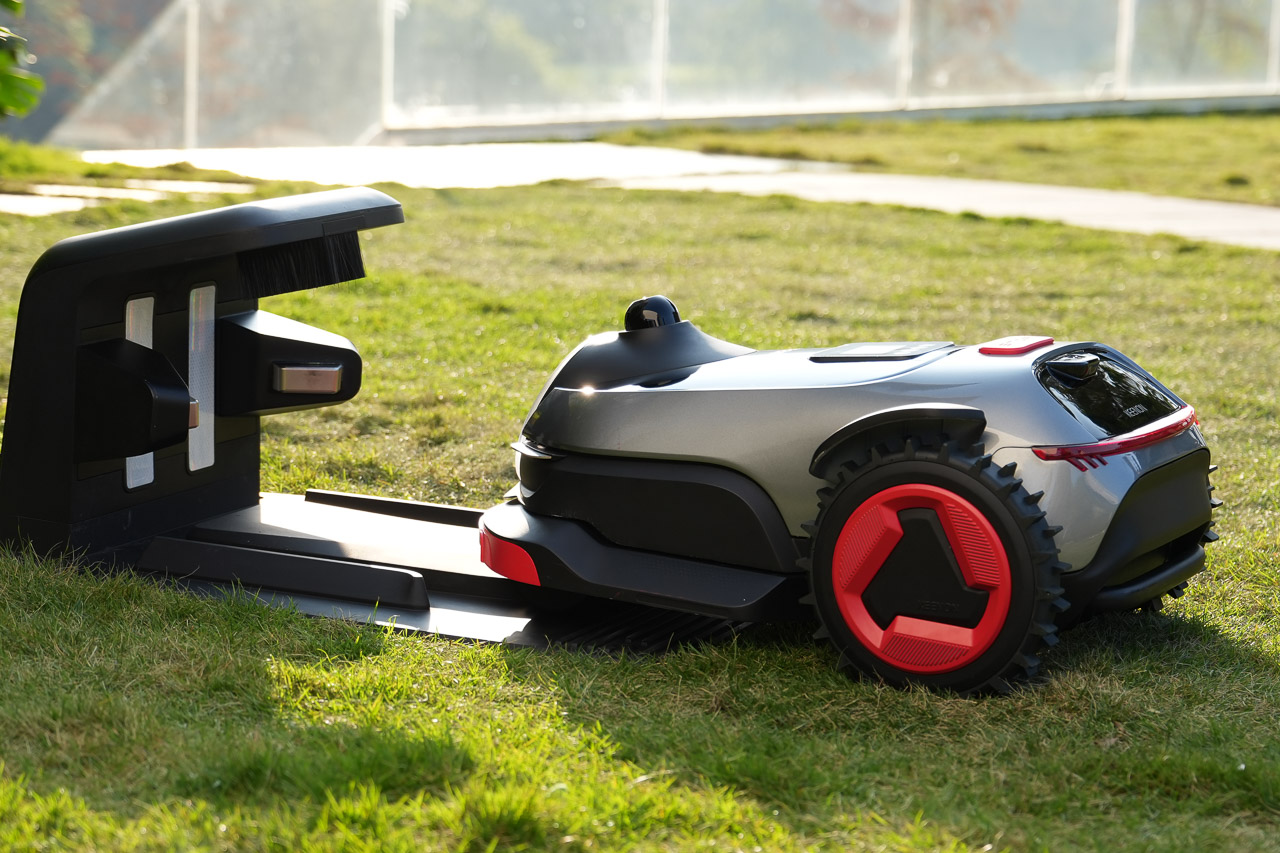
The K1 handles yards up to 1,500 square meters and covers 1,000 to 1,200 square meters per day across multiple charge cycles. Connectivity covers 4G, WiFi, and Bluetooth. The three year warranty is longer than most competitors offer. The IPX6 body rating handles rain. The base station is rated IPX4.
There’s an honest caveat worth stating plainly: this is a Kickstarter launch from a brand with no consumer lawn care track record, even if Keenon’s wider robotics background is substantial. The specs and the company history make that a more interesting bet than most crowdfunded hardware. Whether it pays off is a question for hands on time.
Who Is This For
Best for: Homeowners with medium yards up to 1,500m² who’ve been deterred by the wire burying and base station setup that most robot mowers require. Also a strong fit for yards with complex layouts, multiple zones, or heavy tree coverage where RTK signal is unreliable.
Also good for: Early adopters who want LiDAR navigation at a sub $1K price and are comfortable with Kickstarter timing and the standard risk that comes with crowdfunded hardware.
Skip it if: You need a mower now, you prefer buying from an established consumer brand, or your yard is flat and simple and well served by a lower priced wire free option.
FAQ
Does the KeenMow K1 need a perimeter wire?
No. The K1 maps boundaries virtually using 3D LiDAR and AI vision. You draw them in the app. There’s no wire to bury and no base station to install.
Does it need an RTK base station?
No. AuraVue combines LiDAR with a 150 degree RGB camera to navigate without GPS or RTK. It works in shaded areas and under tree canopy where satellite signal is unreliable.
How large a yard can the K1 handle?
Up to 1,500 square meters. It covers 1,000 to 1,200 square meters per day across multiple charge cycles.
What slope can the K1 handle?
Up to 50% grade, which is approximately 27 degrees.
Is it waterproof?
The mower body is rated IPX6. The base station is rated IPX4.
How many zones can it manage?
Up to 15 zones, connected via virtual channels in the app.
When does the Kickstarter launch?
The campaign goes live April 2026. Early bird pricing is $899 USD.
When does it ship?
Retail availability is expected in late April 2026. The exact date is still to be confirmed.