If you’ve been looking at fixed blade knives lately, you’ve probably noticed the prices and started wondering: is it worth learning how to take care of one, or should you just replace it when it dulls out? Short answer, a well-maintained fixed blade can last decades, and the upkeep is simpler than you think.
Fixed blade knives don’t have the moving parts that make folding knives finicky, but that simplicity can lull owners into thinking maintenance is optional. It isn’t. A fixed blade that gets used hard and put away wet will develop rust, lose its edge, and eventually become the expensive paperweight you swore it would never be. The good news is that keeping one in great shape takes minimal effort once you know what actually matters.
Most of the fixed blades sitting in junk drawers right now got there because someone skipped the basics after a camping trip or a long day in the field. The steel doesn’t care how much you paid for it. Carbon steel will punish you fastest, but even stainless and semi-stainless steels like D2 aren’t immune over time. What separates a knife that lasts decades from one that corrodes in a season comes down to a handful of habits that take less time than scrolling through your phone.
Clean It After Every Use
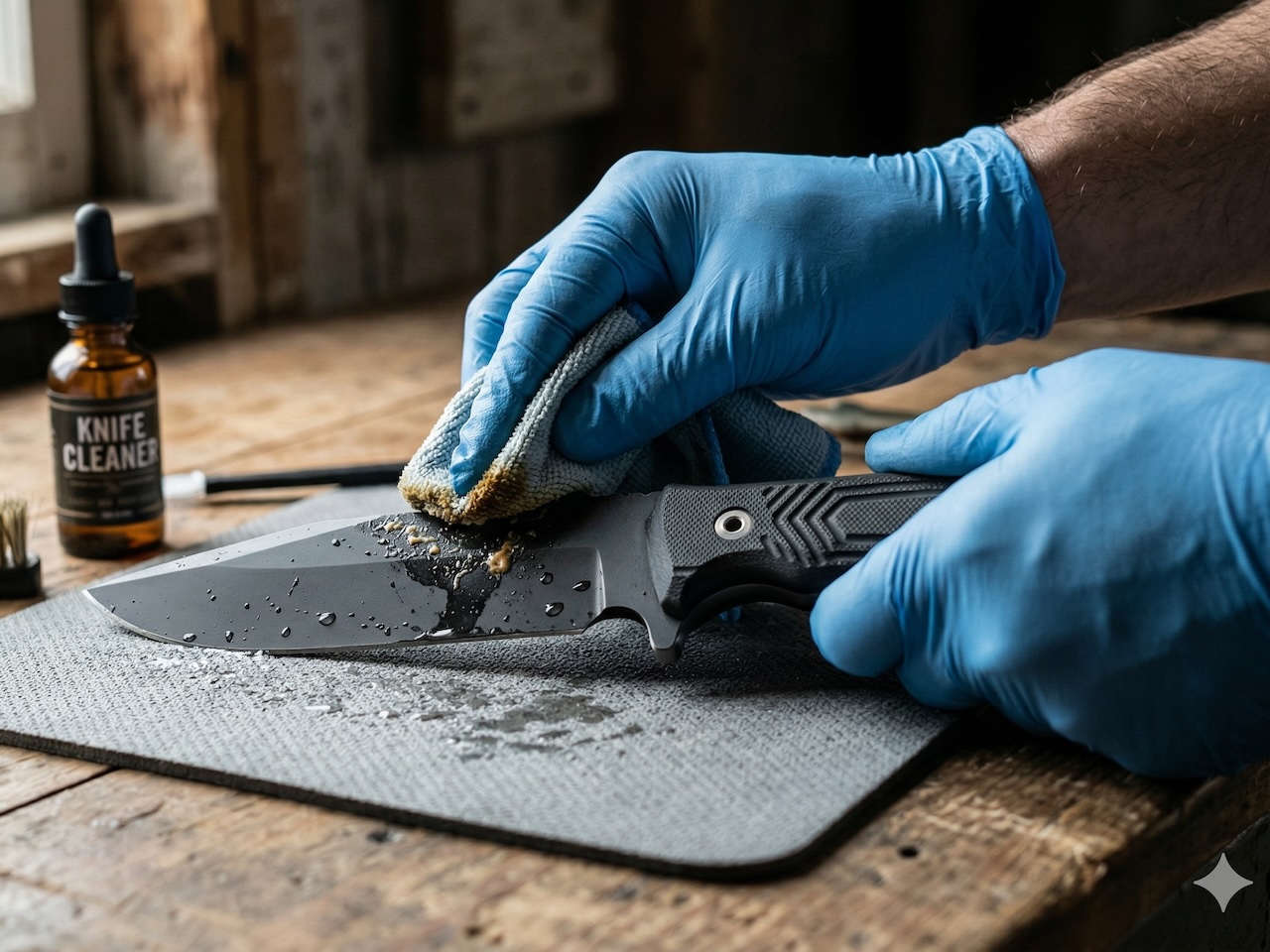
This sounds obvious and it is, which makes it remarkable how many people skip it. Warm water, a drop of mild dish soap, and a soft-bristle brush handle most cleaning jobs. The brush matters more than you’d think because it gets into the transition area where blade meets handle, the spot where moisture and debris love to hide and cause problems you won’t notice until corrosion has already started.
Dry the knife completely before putting it away. Not air dry. Not “I’ll get to it later.” Towel dry it right then, paying attention to the spine, the choil, and any jimping where water likes to pool. For carbon steel blades that are especially prone to oxidation, a quick wipe with a dry cloth after drying adds one more layer of protection that takes roughly three seconds.
Avoid the dishwasher entirely. The combination of harsh detergents, high heat, and prolonged moisture exposure will damage blade coatings, discolor handles, and accelerate corrosion on virtually any steel type. Hand washing is the only route that makes sense.
Oil the Blade Regularly
Steel and moisture aren’t friends, and carbon steel blades need oil after every cleaning to stay protected. Stainless steel is far more forgiving in daily use, but it still benefits from a light coat of oil before long-term storage or in humid and saltwater environments. Mineral oil works well for knives that touch food. For everything else, dedicated knife oils or even a thin layer of camellia oil provide reliable protection without leaving a sticky residue.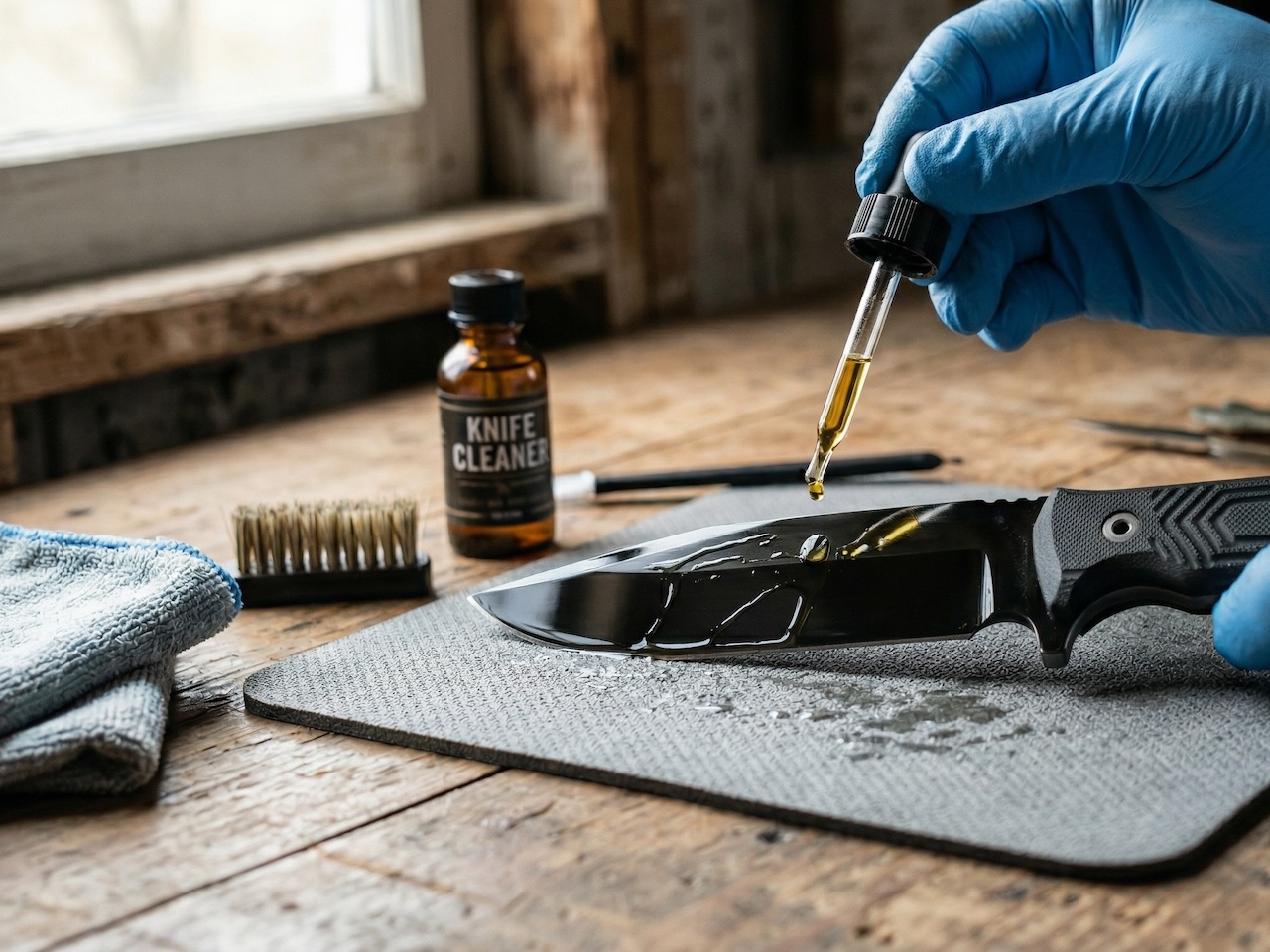
The application doesn’t need to be complicated. A few drops on a lint-free cloth, wiped across both sides of the blade and along the spine. Pay extra attention to the area near the handle where moisture tends to get trapped after cleaning. If you carry a fixed blade in humid conditions or near saltwater, oil it more frequently. Salt air is aggressive enough to cause visible corrosion within days on unprotected carbon steel.
Sharpen With the Right Tools and Technique
A dull knife is more dangerous than a sharp one because it requires more force to cut, which means less control when things go sideways. How often you need to sharpen depends entirely on use, but maintaining the edge before it goes completely flat is always easier than trying to rebuild one from scratch.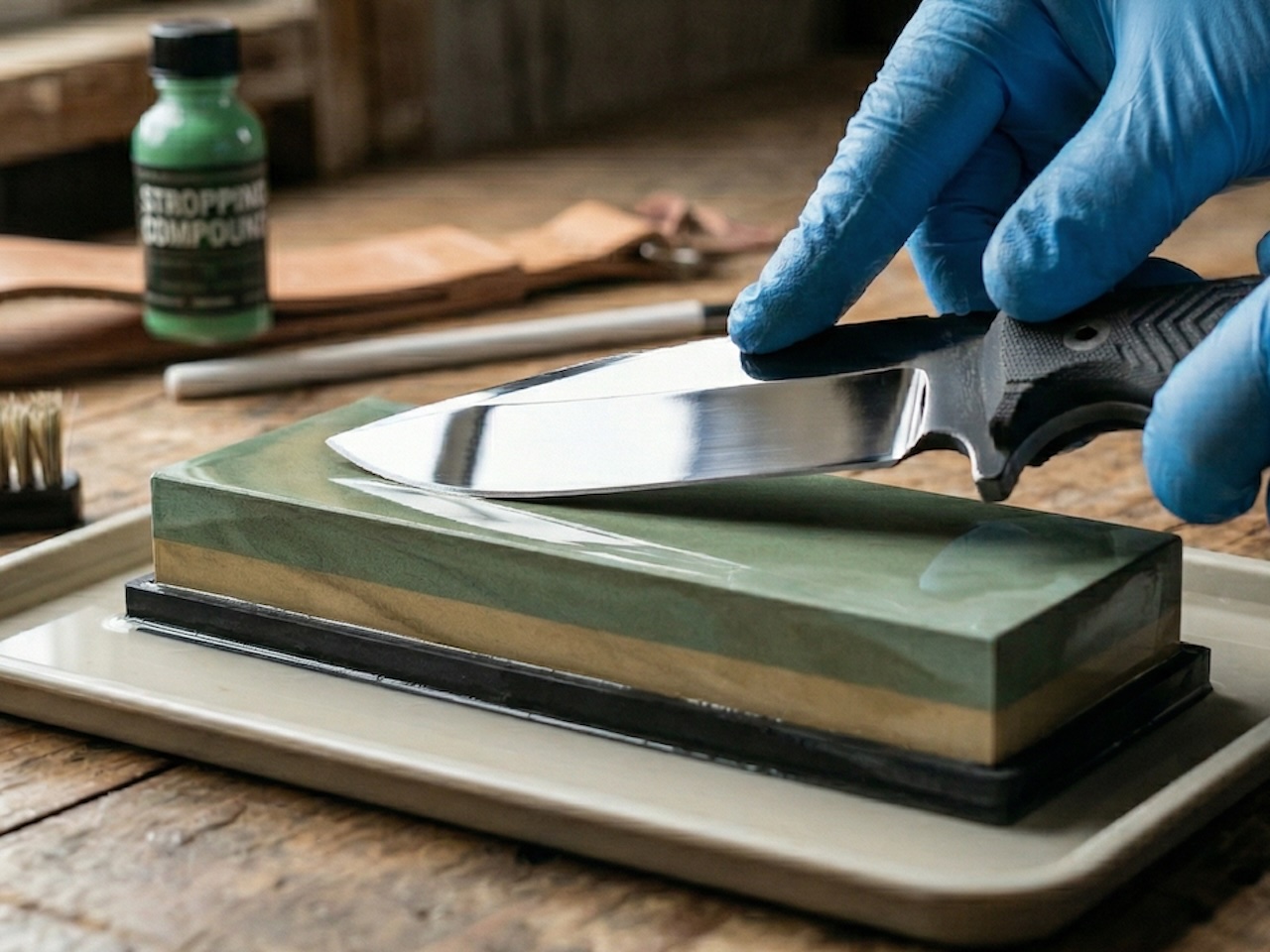
Whetstones remain the gold standard for fixed blades. A medium grit stone (around 1000 grit) handles regular maintenance, while a finer stone (3000 to 6000 grit) polishes the edge for a cleaner finish. Match the sharpening angle to whatever the manufacturer set at the factory, typically somewhere between 15 and 25 degrees per side depending on the blade’s intended purpose. Bushcraft knives tend to run at wider angles for durability. Thinner kitchen-oriented fixed blades sit at the narrower end for slicing performance.
Between full sharpening sessions, a leather strop refines the edge and extends the time between stone visits. Stropping takes less than a minute and makes a noticeable difference in how the blade performs through the next round of use.
Store It Properly
Tossing a fixed blade into a drawer with other tools is the fastest way to damage an edge and scratch a finish. If the knife came with a sheath, use it. If it didn’t, a blade guard or a dedicated knife roll provides the protection the edge needs when the knife isn’t in your hand.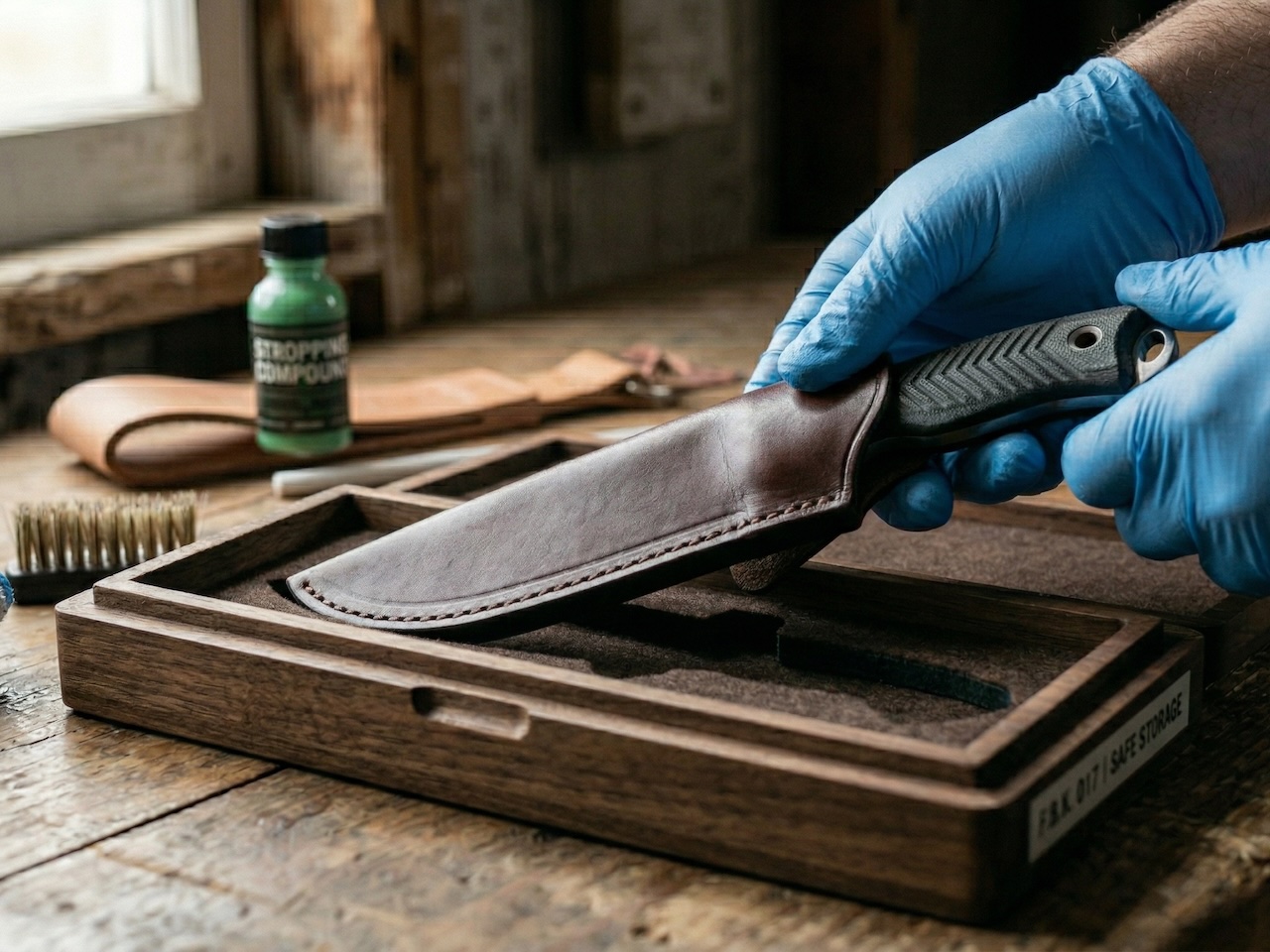
Long-term storage introduces its own concerns. A knife sitting in a leather sheath for months can actually develop corrosion because leather absorbs and holds moisture. For knives that won’t see action for a while, oil the blade, wrap it in a dry cloth, and store it in a low-humidity environment. Pull it out every few months to check for any signs of oxidation and refresh the oil coating.
Avoid storing fixed blades in sealed containers or bags where condensation can build up. Air circulation matters, especially in climates where humidity swings seasonally.
Take Care of the Sheath Too
The sheath protects the blade, but nobody protects the sheath, and that’s how perfectly good knives end up with retention problems or corrosion issues that started on the inside. Leather sheaths need conditioning every few months with a leather balm or conditioner to prevent drying and cracking. A dried-out sheath can split along stitching lines, and the rough interior surface becomes an abrasion risk for blade coatings.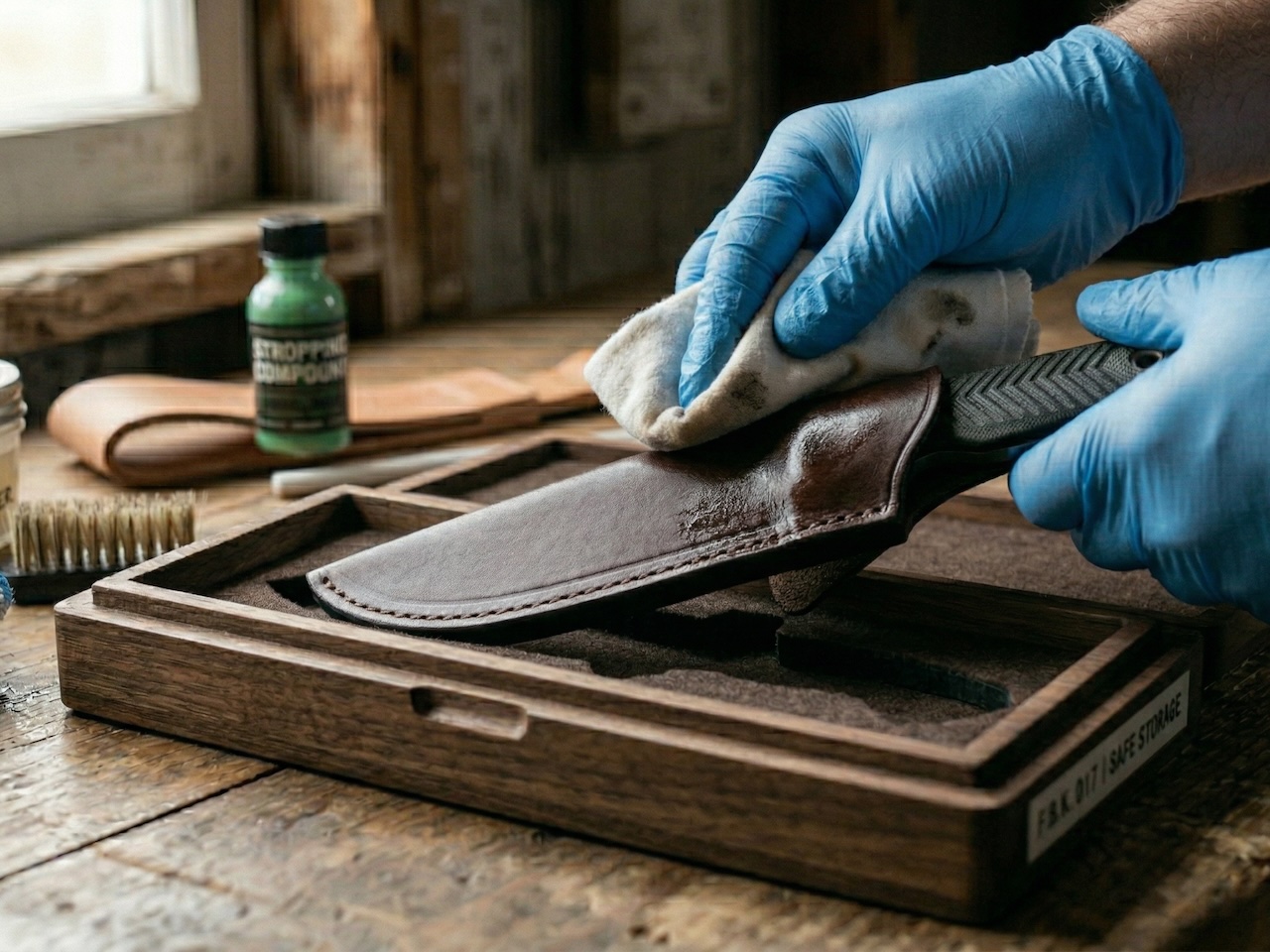
Kydex and polymer sheaths are lower maintenance but not zero maintenance. Dirt and grit accumulate inside and can scratch the blade every time you draw and resheathe. Rinse them out periodically, let them dry fully, and check the retention screws if the sheath has adjustable tension. A loose sheath is a safety problem nobody wants to discover at the wrong moment.
Don’t Forget the Handle
Wood handles need occasional treatment with linseed oil or a dedicated wood conditioner to prevent drying, cracking, and splitting. This is especially true for knives used outdoors where temperature and humidity shifts stress natural materials. A thin coat rubbed in and left to absorb overnight keeps the grain sealed and the handle comfortable in hand.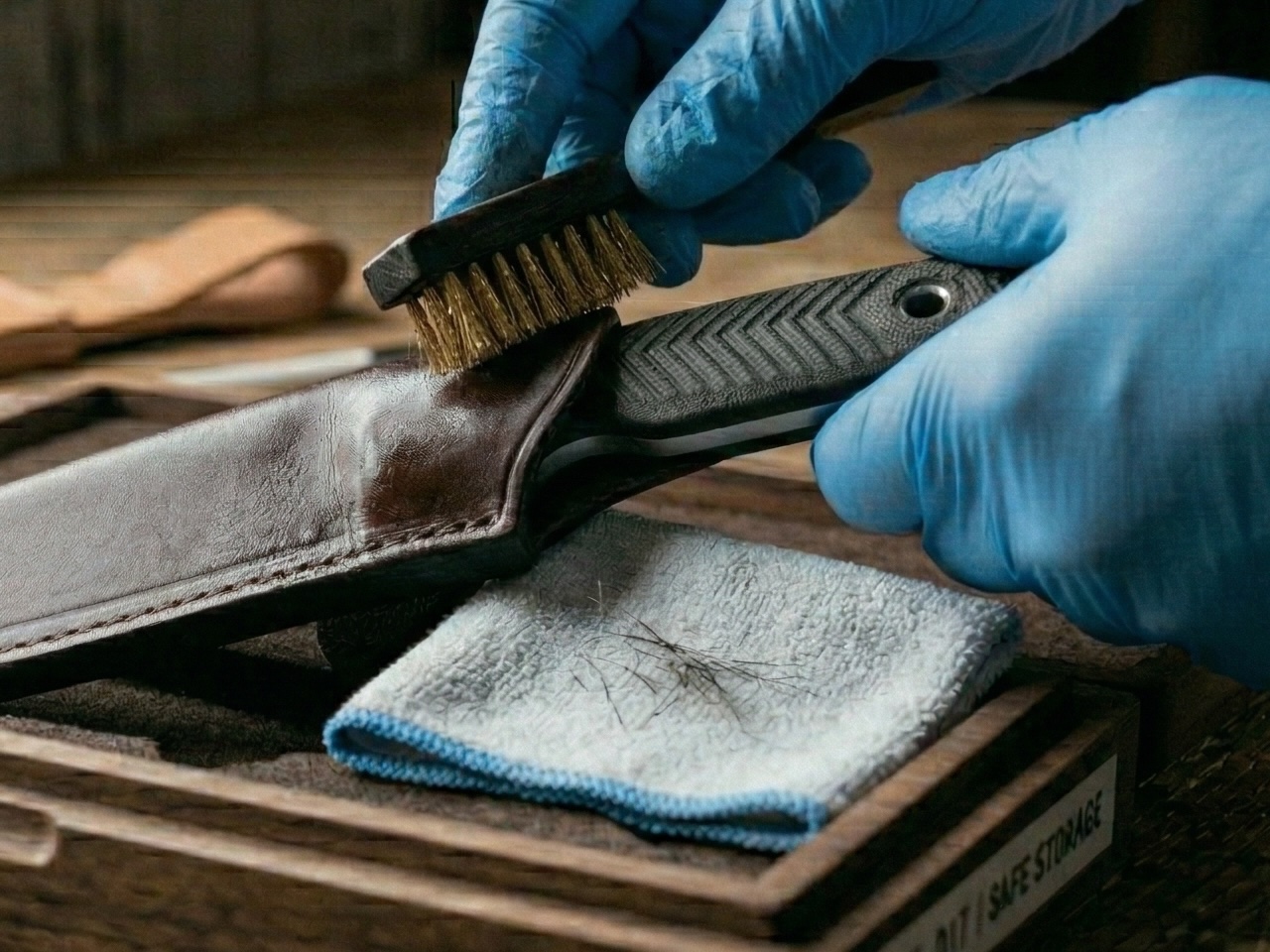
Micarta and G-10 handles are largely bulletproof, but they still benefit from a wipe-down to remove oils from your hands and any accumulated grime. Rubber and elastomer handles can degrade over time with exposure to certain solvents, so stick to soap and water for those. If any handle develops looseness where it meets the tang, address it immediately. A handle that shifts during use turns a controlled tool into an unpredictable one.
The Routine That Actually Sticks
None of this requires a dedicated workshop or a wall of specialized products. The realistic version of fixed blade care comes down to three habits: clean and dry after every use, oil before storage, and sharpen before the edge goes completely flat. Everything else is refinement built on that foundation. A knife that gets those three things consistently will outlast one that gets an elaborate spa treatment once a year and sits neglected the rest of the time.