Motorola made the wireless charging pitch a lot more interesting for Android buyers. The new Edge 70 Max is one of the first Android phones outside Google’s Pixel line to build in magnets for native Qi2.2 magnetic charging, so a whole ecosystem of magnetic accessories snaps on without a special case. That’s a small hardware change with an outsized payoff: chargers, stands, and car mounts click into place and stay aligned, the same convenience iPhone owners have leaned on for years.
Price: From INR 54,999 (around $570)
Where to Buy: Motorola India
The magnets grab the headlines, but they aren’t the whole story. Under that slim frame sits a 7,100mAh battery and a Snapdragon 8 Gen 5 chip, and the phone starts under $600 in India. That spec-to-price ratio is the real hook here, since flagship silicon paired with a battery this large usually costs quite a bit more. The catch is reach: this is an India-first launch, so buyers elsewhere are still waiting to see whether that value travels.
Motorola Edge 70 Max specs
The Edge 70 Max centers on a 6.8-inch Extreme AMOLED display at Quad HD+ resolution (3168 x 1440), with a 144Hz refresh rate and up to 7,000 nits of peak brightness. Powering it is a Snapdragon 8 Gen 5 paired with up to 12GB of LPDDR5X RAM and 256GB of UFS 4.1 storage, alongside a 7,100mAh silicon-carbon battery that supports 90W wired and 25W Qi2.2 magnetic wireless charging.
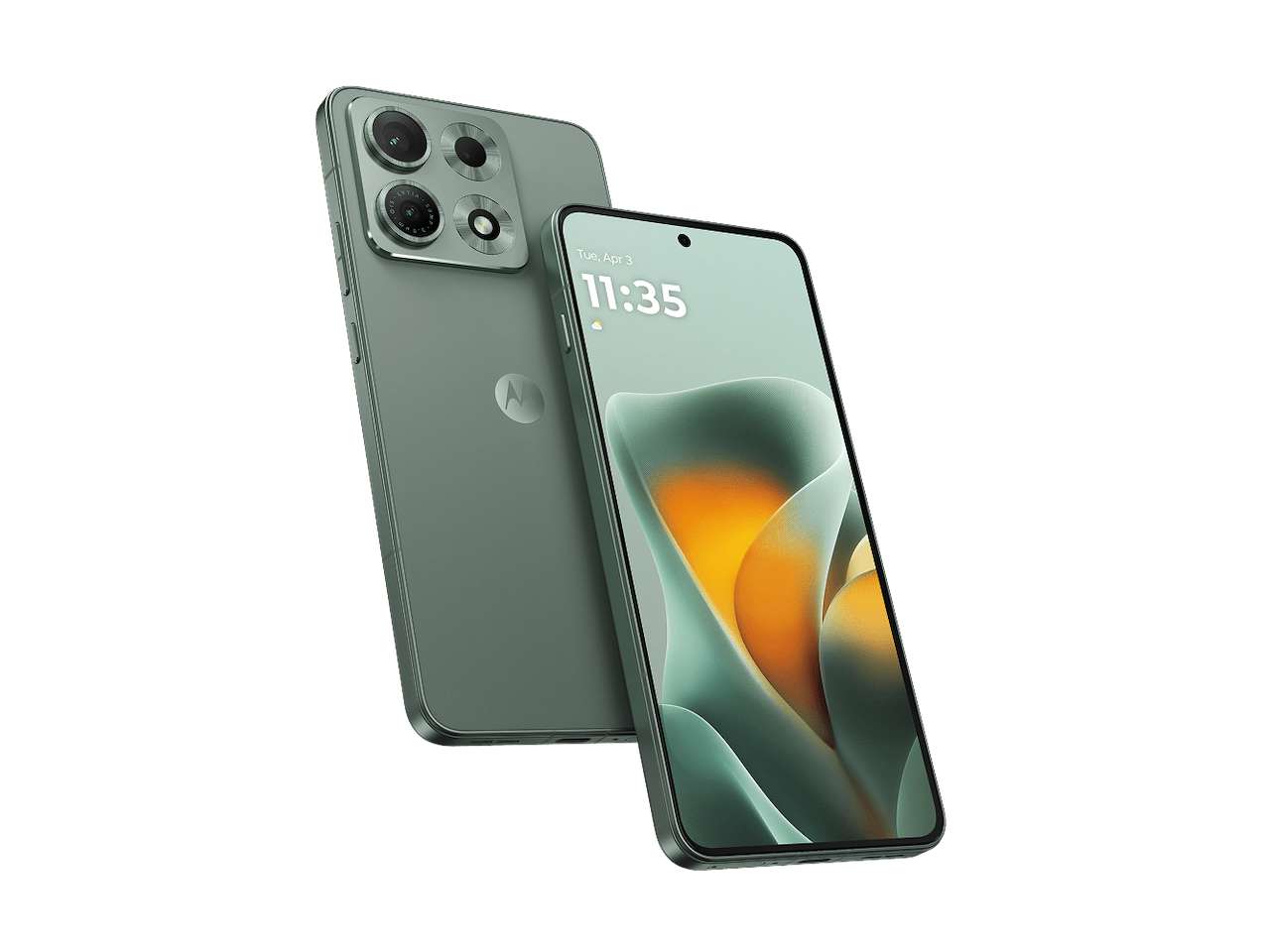 Imaging comes from a 50MP Sony LYTIA 710 main camera with optical stabilization, an 8MP ultrawide, and a 32MP front camera. Durability covers IP68 and IP69 ratings, MIL-STD-810H certification, an aluminum frame, and Gorilla Glass 7i, while the software side ships Android 16 with Hello UI and a promise of three OS upgrades plus five years of security updates. In India, it starts at INR 54,999 (around $570) and goes on sale July 20.
The charging trick Motorola is betting on
The Edge 70 Max leans on 25W Qi2.2 magnetic wireless charging, a feature still rare on Android outside Google’s Pixel phones. The magnets sit inside the phone rather than inside a bundled case, so Qi2 chargers, stands, and mounts snap on directly, no adapter shell required. That alignment is the whole point of Qi2.2: the coil lands in the right spot every time, which cuts the wasted heat and slow trickle you get when a phone sits slightly off-center on an older pad.
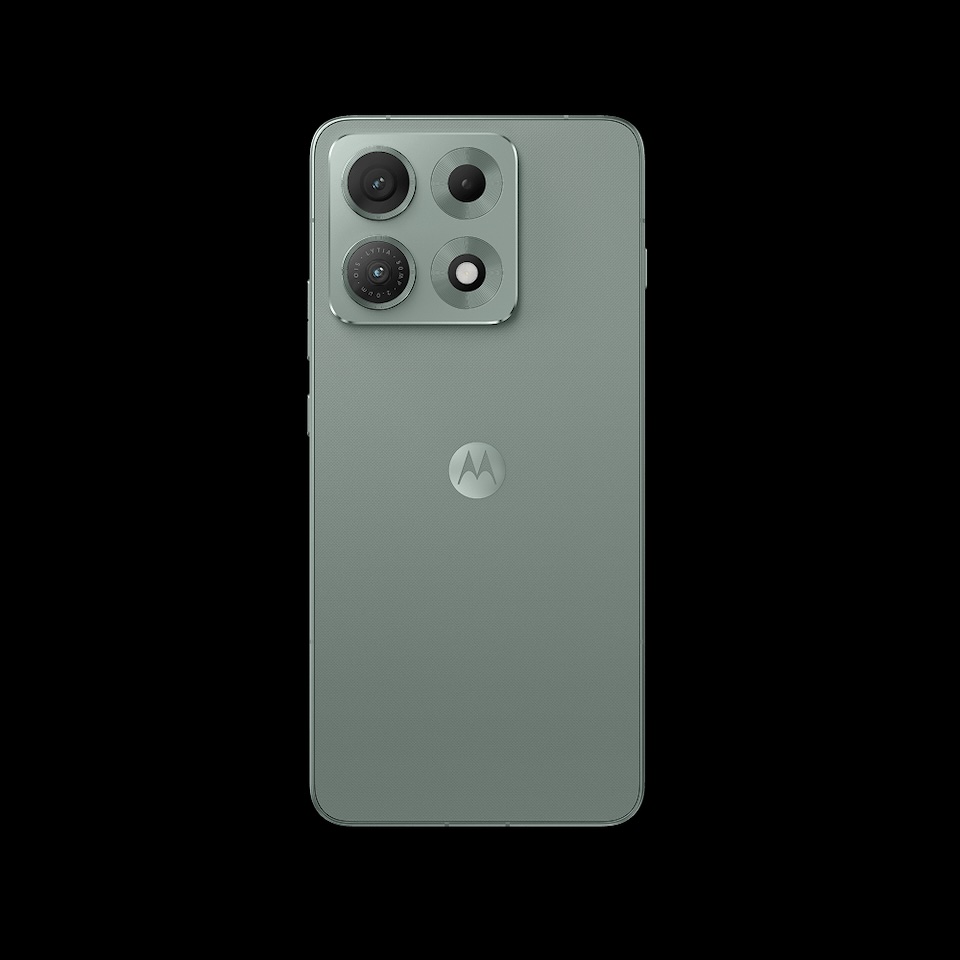
Wired charging carries the heavy lifting. Motorola rates the phone at 90W TurboPower and, by its own figures, claims up to 12 hours of use from about eight minutes on the plug, and it backs the battery and charging story with a Gold Label from DXOMARK. The wireless side is more modest by comparison: 25W is well short of the 90W wired figure, and rivals like the OnePlus 15 push 50W wireless, so speed-focused buyers will still reach for the cable. If you’re building out the magnetic ecosystem, our best MagSafe and Qi2 charger picks show what snaps right on.
A screen built for bright rooms and fast games
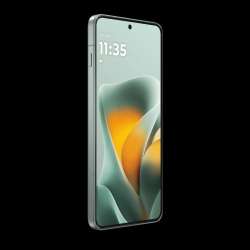
The 6.8-inch Extreme AMOLED panel runs at Quad HD+ resolution (3168 x 1440), with a 144Hz refresh rate, 10-bit color, HDR10+, and full DCI-P3 coverage. Motorola claims up to 7,000 nits of peak brightness, which is the kind of figure that keeps a screen readable in direct sun rather than something you’ll see across the whole display at once. For gaming, the panel supports 120fps play, and a vapor chamber cooling system with liquid metal is meant to hold performance steady during longer sessions.

Keeping all of that fed is a 7,100mAh silicon-carbon battery, which is unusually large for a phone that stays this slim at 8.29mm and 221 grams. Silicon-carbon chemistry lets Motorola pack more capacity into the same space than a traditional lithium-ion cell would allow, and it’s the main reason a battery this big doesn’t turn the Edge 70 Max into a brick.
Cameras and raw power
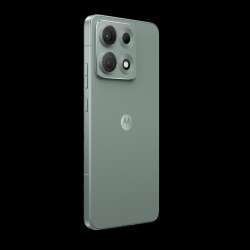
Photography runs through a 50MP Sony LYTIA 710 main camera with optical stabilization, paired with an 8MP ultrawide that doubles as a macro camera and a dedicated light sensor. The front houses a 32MP selfie shooter. The obvious gap is a telephoto lens: there’s no dedicated zoom camera here, so distant shots lean on cropping rather than optics. For a phone pitched on performance and battery, that’s a fair trade, but anyone who loves portraits and long-range detail should note it.
Under the hood, the Snapdragon 8 Gen 5 pairs with up to 12GB of LPDDR5X RAM and 256GB of UFS 4.1 storage. It’s the same flagship chip you’ll find in rivals like the OnePlus 15R and iQOO 15R, so the Edge 70 Max should hold its own in demanding games and heavy multitasking. Software is Motorola’s Hello UI on top of Android 16, with a set of moto AI features baked in. Motorola promises three OS upgrades plus five years of security updates, which trails the four upgrades and six years some competitors now offer.
Build and everyday extras
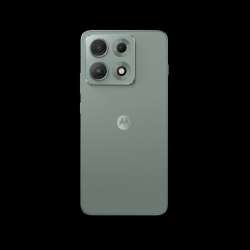
Motorola didn’t cut corners on durability, giving the Edge 70 Max IP68 and IP69 ratings along with MIL-STD-810H certification, so it shrugs off dust, high-pressure water jets, and the odd drop. The frame is aluminum, and Gorilla Glass 7i protects both the front and back. An optical fingerprint reader sits under the display for unlocking.
Audio comes from dual stereo speakers tuned with Dolby Atmos and Hi-Res Audio support, though there’s no 3.5mm jack. Connectivity is current across the board: Bluetooth 6.0, tri-band Wi-Fi 7, NFC, GPS, and 5G, with room for two nano-SIMs plus eSIM. Charging and data run over a USB-C 2.0 port. Three Pantone finishes round it out: Dark Shadow, Ice Melt, and Aqua Gray.
How it stacks up against the competition
The magnetic angle is where the Edge 70 Max carves out space. Google’s Pixel line already builds in Qi2 magnets through Pixelsnap, but most other Android flagships, including Samsung’s Galaxy S26, still ship Qi2 without the magnets, which means you need a special case to get that snap-on alignment. Motorola sidestepping that puts it in rare company on Android.
Raw power tells a similar story. The Snapdragon 8 Gen 5 and 7,100mAh battery match or beat plenty of pricier phones, and the sub-$600 India price undercuts most flagship-tier rivals. Where the Edge 70 Max gives ground is in the extras enthusiasts weigh: no telephoto camera, a shorter software-support window than Samsung or Google, and wireless charging that trails the fastest Android options. None of those are dealbreakers at this price, but they’re the corners Motorola trimmed to hit it.
Price and availability
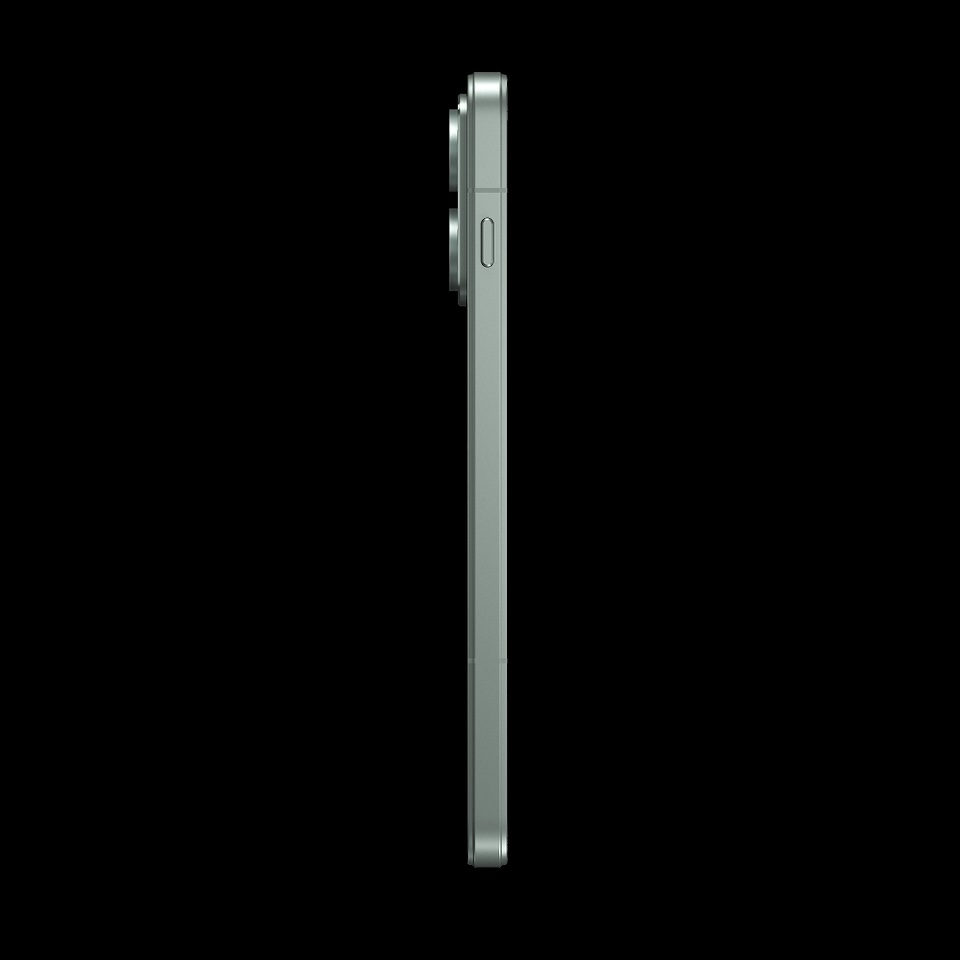
Motorola set the Edge 70 Max at INR 54,999 (around $570) for the 8GB and 256GB model, with the 12GB and 256GB version at INR 59,999 (around $625). Motorola brings the effective price to INR 49,999 on the base model through up to ₹5,000 in instant bank discount or an equivalent exchange bonus, and there’s no-cost EMI on select cards for buyers who prefer to spread the cost. Check which variant you want before buying, since Motorola reserves some of its headline AI features for the 12GB model. The phone goes on sale July 20 through Flipkart, motorola.in, and retail stores. In the UK and Europe, it starts at £699.99 and €799.99, which lands well above the India price and shows how the value shifts once the phone crosses borders.
Price: From INR 54,999 (around $570)
Where to Buy: Motorola India
What’s still unclear
Motorola has confirmed the India launch and a UK and Europe rollout, but US pricing and availability still aren’t official, and the international prices we do have run far higher than India. If that 7,100mAh battery, 90W charging, and Qi2.2 magnets ever reach the US at anywhere near the India price, the Edge 70 Max becomes one of 2026’s easiest midrange recommendations. If Motorola marks it up the way it has in Europe, the calculus gets tougher against Pixel and Samsung. We’ll update this piece as regional details land.