
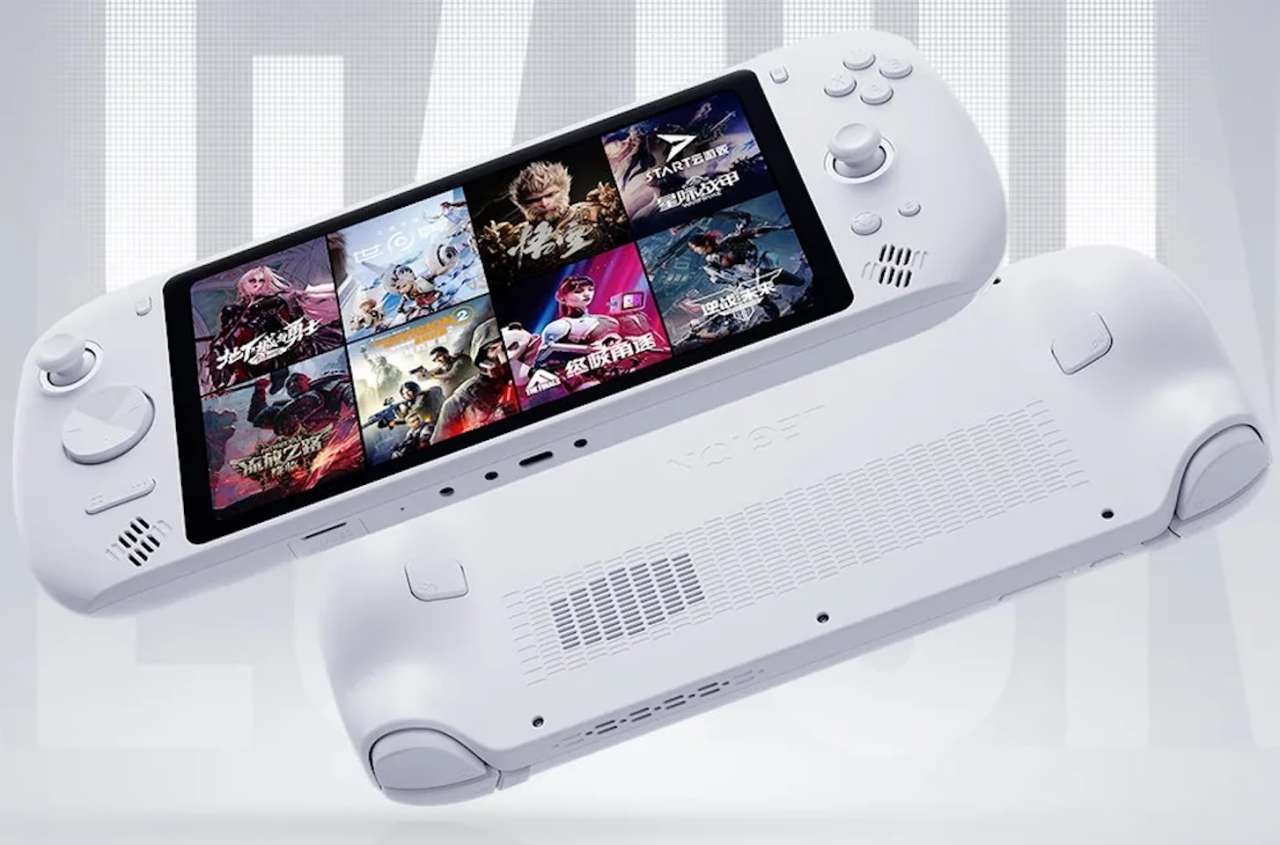
Lenovo looks set to pull its Legion handheld line in a direction it hasn’t gone before. The first look at the Legion C700 has surfaced, and the early signs point away from the raw local horsepower that defined the Legion Go and Legion Go 2. It’s shaping up as a cloud gaming handheld, with the Tencent tie-in pointing toward streaming over local hardware.
That framing matters because Lenovo’s handhelds have always been Windows machines first. The C700 flips the priority. If the streaming reading holds, the pitch shifts from how many frames a local GPU can push to games that live somewhere else and stream straight to your hands.
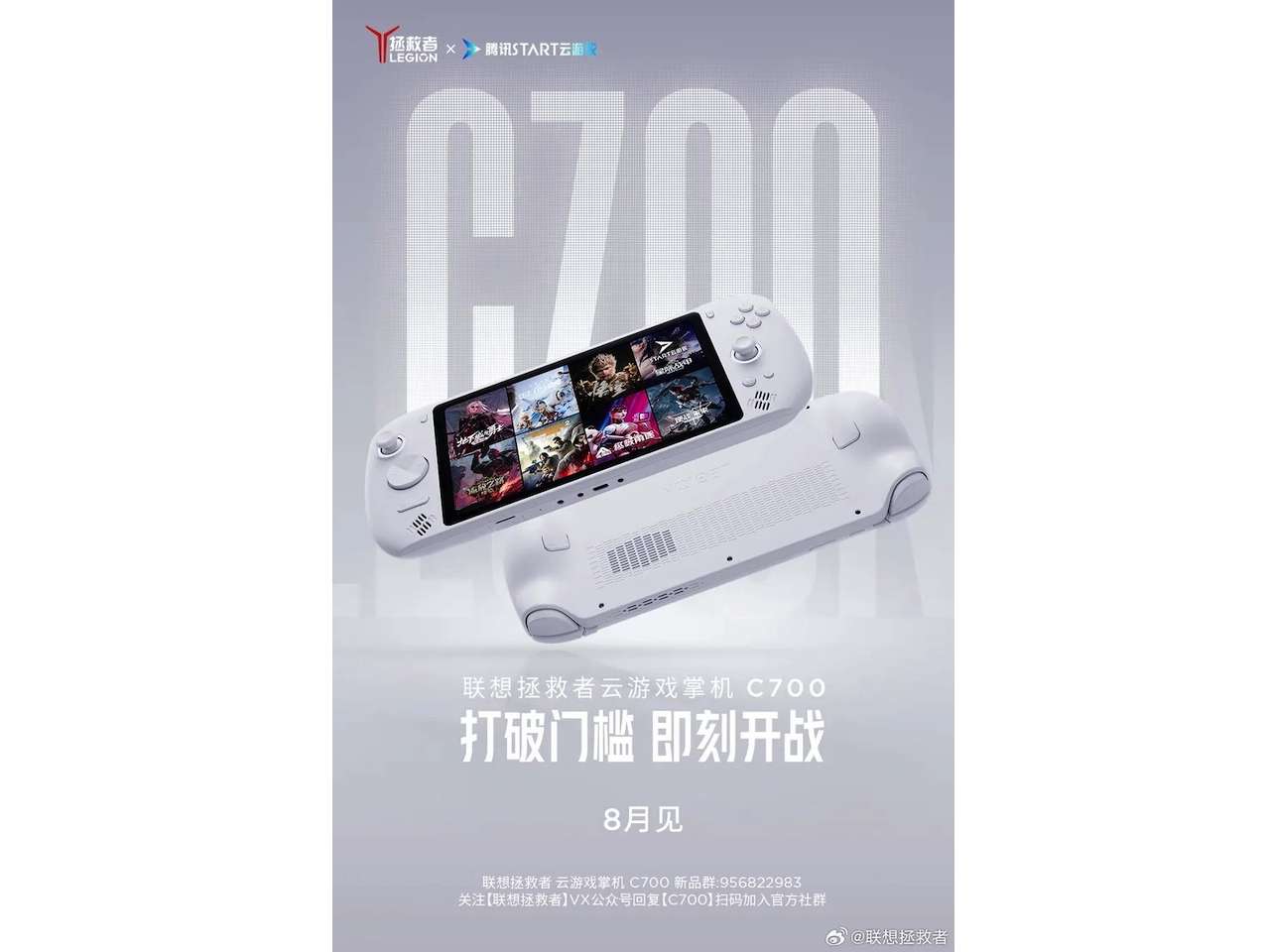
Lenovo built the device with Tencent START, Tencent’s cloud gaming platform. That partnership is the headline here, and it’s the clearest clue to what the C700 might be. It also hints that Lenovo sees streaming, not local power, as the next handheld battleground.
What Lenovo Has Actually Confirmed
Here’s the honest part. The C700 has shown up alongside a Tencent tie-in, but the full details aren’t public until August, so almost everything past the name and that partnership is still open.
What’s actually locked in is thin. The device is called the Lenovo Legion C700, it’s tied to Tencent, and more is promised for August. Reports so far read it as a cloud gaming handheld, though whether it streams only or runs games locally is still unconfirmed.
How This Breaks From the Legion Go Playbook
Lenovo’s handheld story started in 2023 with the original Legion Go, an 8.8-inch Windows device powered by AMD’s Ryzen Z1 chips with detachable controllers. It was big, heavy, and unapologetically a gaming PC you could hold.
The line grew from there. The Legion Go S arrived with a smaller 8-inch screen and a SteamOS option, and the Legion Go 2 pushed size, power, and price higher, with a starting price around €999. Every one of those devices leaned on local silicon to run games directly.
The C700 walks away from that formula. A cloud gaming handheld doesn’t carry a desktop-class processor or a heavy battery to feed it, so in theory it can be lighter, cheaper, and cooler to hold. That’s a different promise than the one Lenovo has spent two years selling.
Why the Tencent START Tie-In Is the Whole Story
Tencent START runs games on remote servers and streams them to a screen, so a handheld built around it doesn’t need much local processing power. That’s the opposite of the Legion Go approach, and it changes what a handheld needs to cost and weigh. Strip out the expensive chip and the large battery that feeds it, and the math on a handheld shifts fast.
A cloud-first reading also hints at where this is aimed. Tencent’s cloud gaming reach is strongest in China, so the C700 reads like a device built with that market in mind first.
Where a Cloud Handheld Fits Right Now
Streaming handhelds aren’t new. Devices built purely for cloud and remote play have shipped before, and the pitch is always the same, which is lower cost and less weight in exchange for leaning on someone else’s hardware. The tradeoff is that the experience lives and dies by your connection.
That makes a few numbers matter more than any chip. Screen quality, battery life, controls, and wireless performance decide whether a cloud handheld feels great or frustrating. On the C700, all of those are still blank.
The other open question is which services it reaches. A handheld tied tightly to Tencent START would suit one audience, while broad support for other cloud platforms would widen its appeal a lot. Lenovo hasn’t said which way the C700 leans.
What the August Reveal Needs to Answer
Lenovo says the complete picture lands in August, so the C700’s real story is a few weeks out. Price and regional availability top the list, because a cloud handheld only makes sense if it undercuts the local-powered options it sits beside. The service question matters just as much, since that decides who the device is really for.
Until then, the C700 is a direction more than a product. It’s Lenovo saying a Legion handheld doesn’t have to be a pocket gaming PC, and that’s worth watching when the details arrive. For now, treat it as a signal of intent rather than a device you can plan a purchase around.


Gadgeteer Comment Policy - Please read before commenting
Logitech G Cloud already this way before for streaming handheld