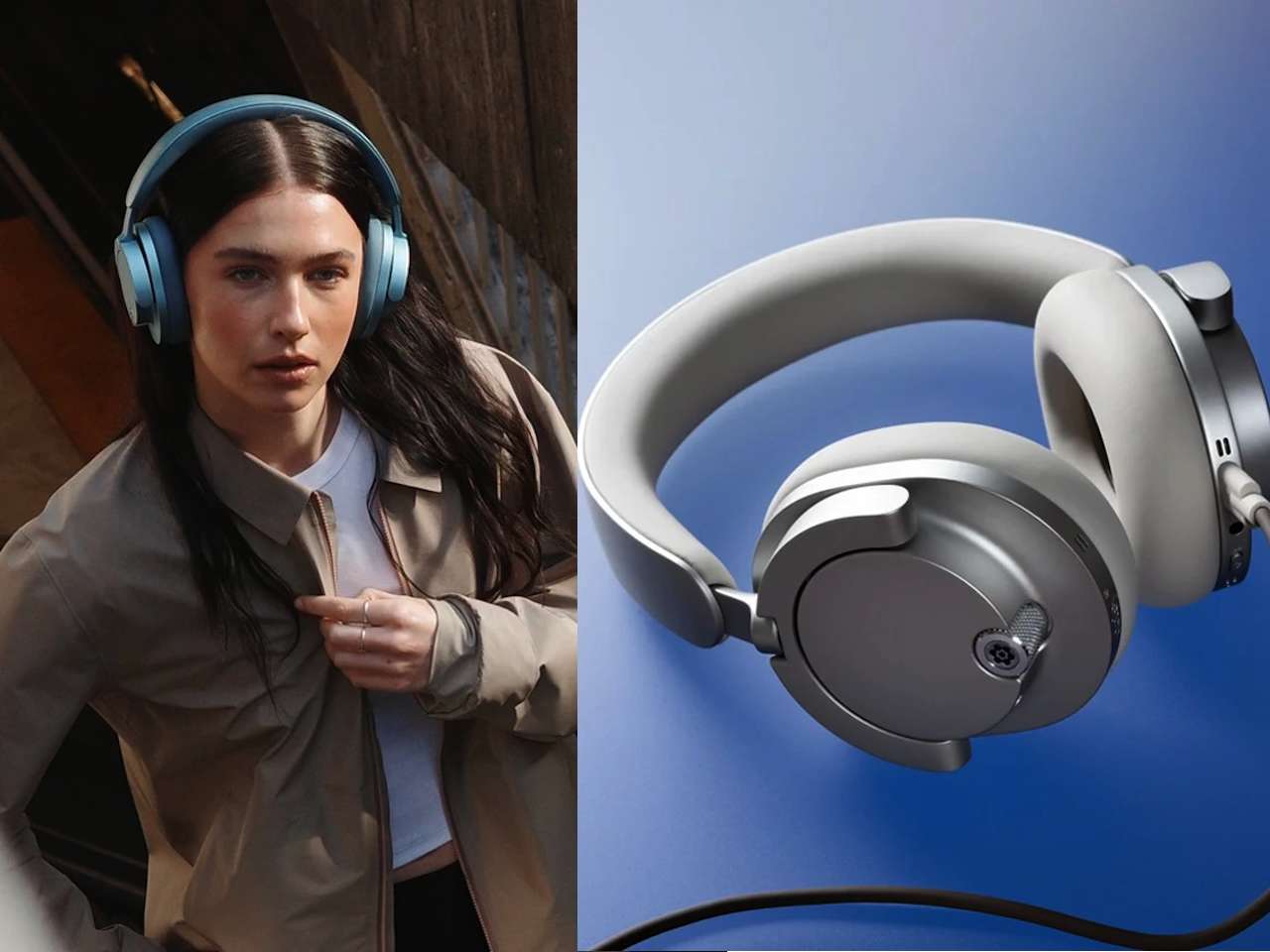
The Daisy One headphones cost $399, which means Daisy isn’t trying to sneak into the premium headphone market. It’s walking straight into the aisle owned by Sony, Bose, Apple, Bowers & Wilkins, and Sonos, then betting that one good idea can make a new brand worth noticing.
Price: $399
Where to Buy: Daisy Sound
That idea isn’t another noise-canceling claim. It’s Still Mode, a dedicated button that plays built-in nature recordings and breathwork tracks from the headphones themselves, without opening an app or keeping your phone connected. In a category where every flagship promises silence, Daisy is selling the thing people usually want after the silence: a cleaner way to focus.
That’s why this launch is more interesting than the usual ‘another premium headphone’ story. Daisy One has the expected checklist: active noise cancellation, transparency mode, Bluetooth multipoint, USB-C audio, 3.5 mm wired listening, custom EQ, on-head detection, and up to 45 hours of battery life. But the product’s real argument is emotional and practical. These are headphones for people who use audio gear to work, travel, decompress, and look a little less generic doing it.
Best For: Buyers who want premium over-ear headphones with tactile controls, wired options, and a phone-free calm mode.
Skip If: You want proven class-leading ANC and transparency from Sony, Bose, or Apple.
Why Daisy One is getting attention now
The premium headphone market has become weirdly predictable. The safe choices are excellent, but they’re also familiar: black or silver plastic, a travel case, an app, ANC sliders, multipoint, and a battery spec. Daisy’s launch gives editors and readers a cleaner hook because it combines three things that usually don’t arrive together: a brand-new company, a design-forward $399 product, and a feature that can be explained in one sentence.
Still Mode is that sentence. Press a button and the headphones play rain, ocean tides, forest streams, waterfall recordings, brown noise, or guided breathwork from onboard storage. No phone. No subscription. No app rabbit hole. That’s Discover-friendly because it lets a casual reader understand the appeal before they care about codec support or driver size.
It also lands at the right cultural moment. People are tired of screen prompts, app notifications, and wellness features that require more phone time. Daisy’s best pitch is that its most distinctive mode works when the phone stays away.
Daisy One Specifications
| Feature | Daisy One |
|---|---|
| Price | $399 |
| Colors | Silver, Pacific, Kelp |
| Noise control | Active noise cancellation and transparency mode |
| Still Mode | Onboard soundscapes and guided breathwork playable without phone connection |
| Battery life | Up to 45 hours with ANC off, up to 35 hours with ANC on |
| Rapid charging | 3 minutes of USB-C charging for up to 2.5 hours of playback |
| Connectivity | Bluetooth, USB-C audio, and 3.5 mm AUX |
| Multipoint | Two-device pairing supported |
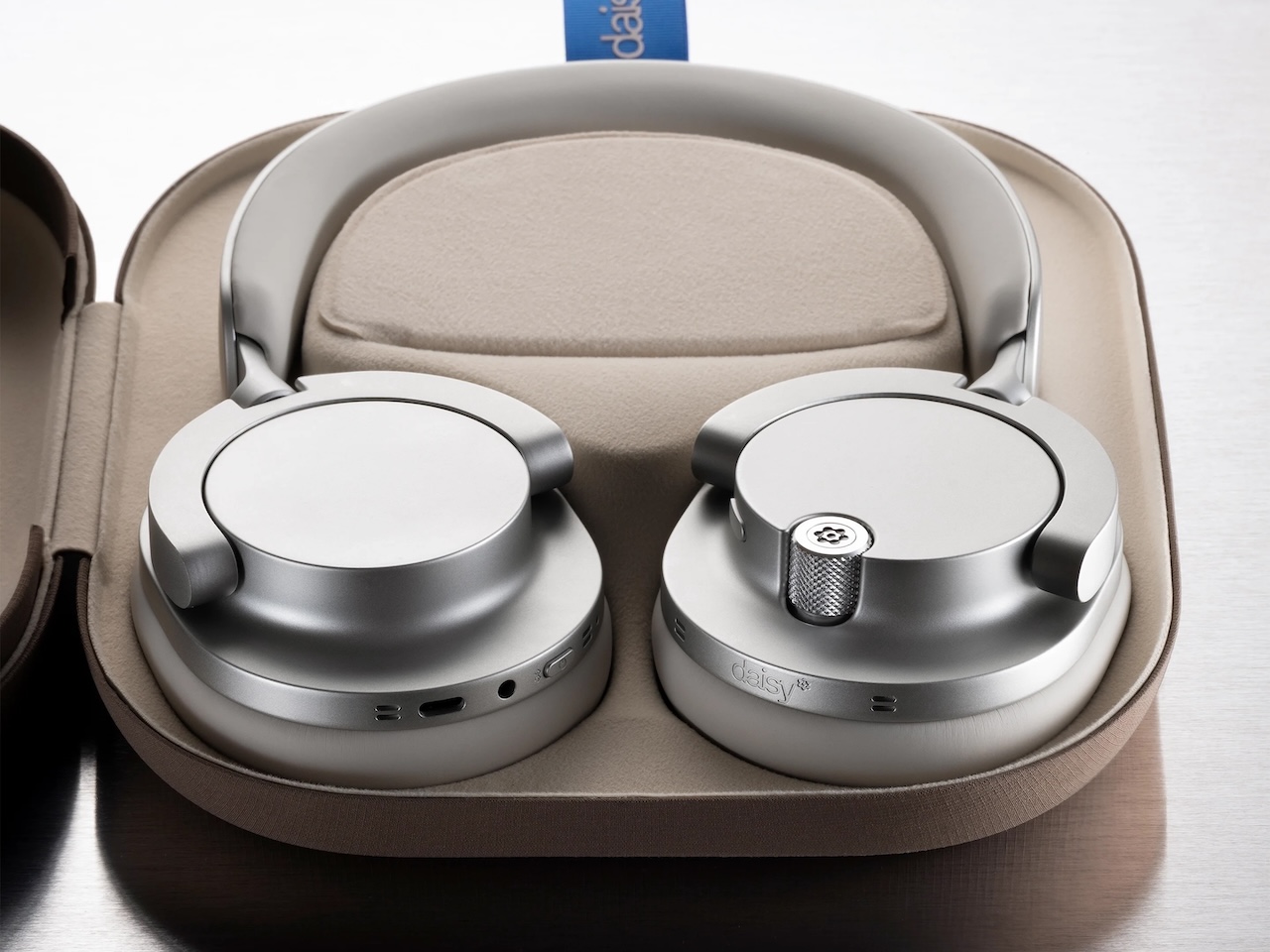
| Controls | Physical button and machined aluminum dial |
| App features | Custom EQ and on-head detection controls |
| Audio engineering | Developed with ((nxc)) Systems, a U.S. audio team led by former Harman Professional engineers |
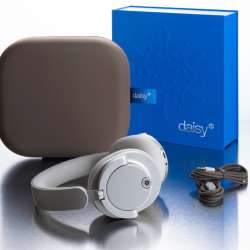
| Package includes | Travel pouch, USB-C to 3.5 mm cable, and USB-C charging cable |
The spec sheet is good enough to be taken seriously, but it doesn’t automatically beat the incumbents. Daisy uses a 35 mm dynamic driver and says its tuning includes proprietary EQ and Dynamic Bass that keeps low-end response fuller at lower volume. That’s promising, especially for commuting and office listening, but sound quality, ANC strength, and transparency quality still need long-term testing against the obvious rivals.
The comparison that matters
| Headphones | Typical strength | Where Daisy has a shot | Where Daisy has to prove itself |
|---|---|---|---|
| Daisy One | Design, tactile controls, Still Mode, wired flexibility | More distinctive than the usual premium ANC lookalikes | First-gen firmware, transparency mode, long-term support |
| Sony WH-1000XM6 | Noise cancellation, travel features, mature app | Daisy looks and feels less generic | Sony is the safer default for frequent travelers |
| Bose QuietComfort Ultra | Comfort and ANC | Daisy offers a more design-led object and onboard calm mode | Bose has deeper trust for noise cancellation |
| Apple AirPods Max | Apple ecosystem integration and transparency | Daisy is cheaper and has USB-C plus 3.5 mm flexibility | Apple still owns the iPhone-first luxury lane |
| Bowers & Wilkins Px7 S3 | Premium audio feel and materials | Daisy has a clearer lifestyle hook | B&W has more established hi-fi credibility |
| Nothing Headphone (1) | Visual differentiation and value positioning | Daisy feels more classic and less gadgety | Nothing has stronger brand awareness |
The design is doing more work than the spec sheet
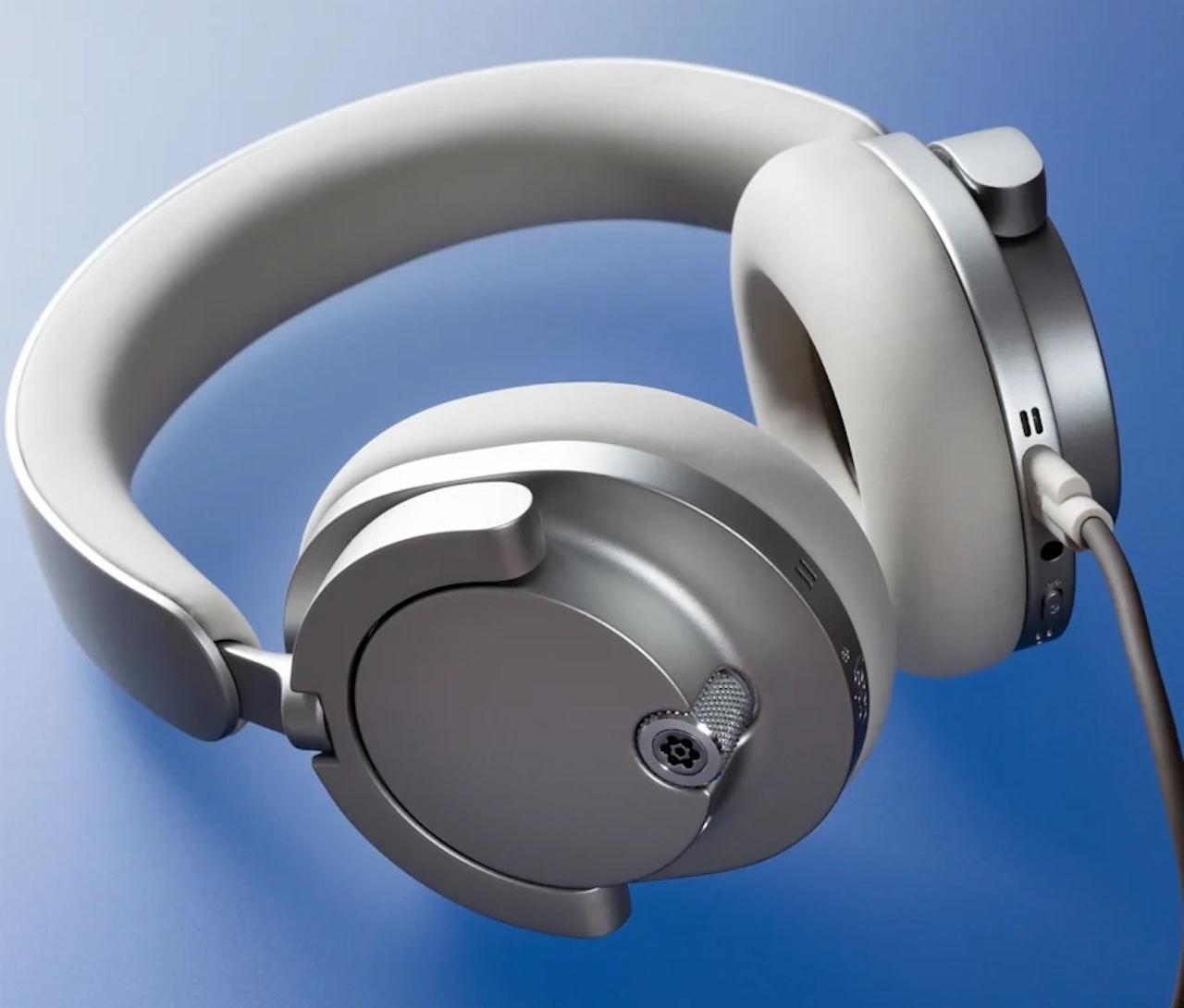
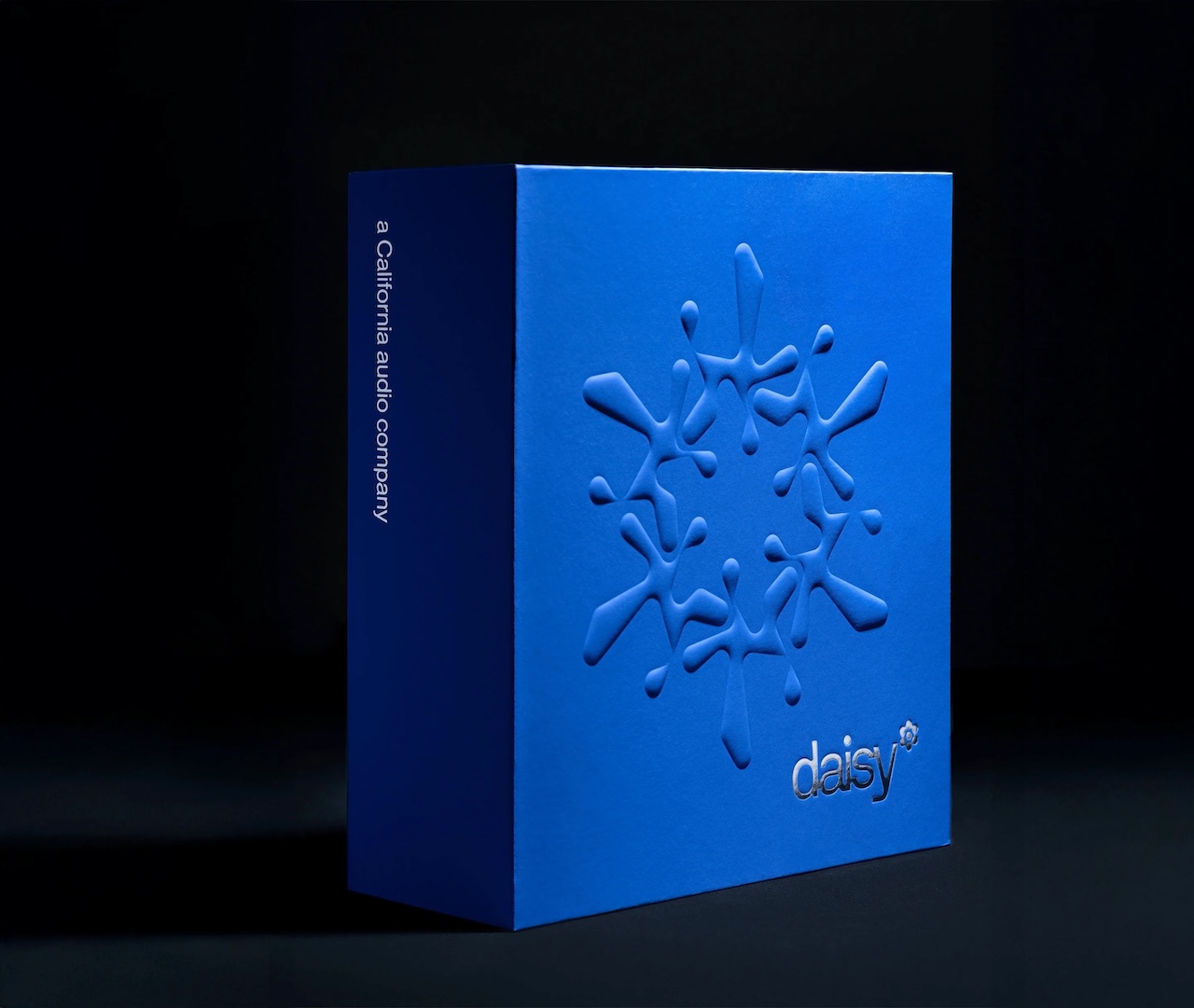
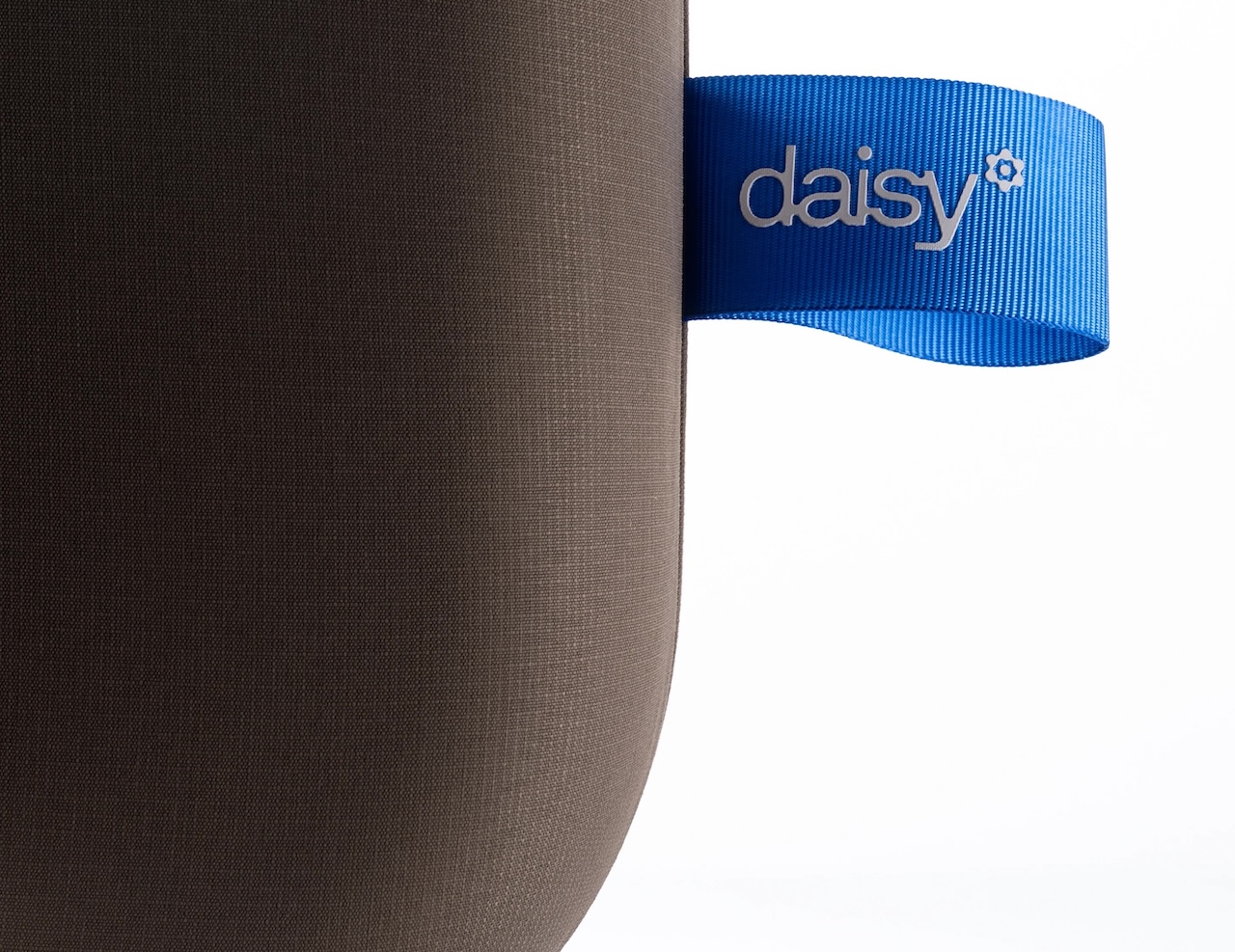
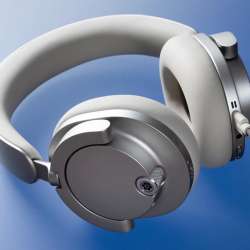
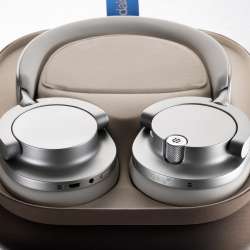
Daisy One looks like a product that was designed to be seen. The aluminum hardware, mesh headband, physical controls, and three color options give it more personality than the anonymous black headphone wall. The Pacific and Kelp finishes are especially useful for a brand trying to make people stop scrolling.
That matters because premium headphones are partly fashion objects now. They’re worn on planes, in coffee shops, at desks, and on video calls. Daisy seems to understand that people don’t just buy over-ear headphones for sound. They buy a daily object they have to live with.
The tactile controls are also a smart choice. Touch panels can feel slick in a demo and annoying in real life. A physical dial and button layout gives Daisy a more deliberate feel, especially for creator and desk use where fast volume changes matter.
What buyers should be skeptical about
The risk is simple: this is a first-generation product from a new audio brand selling at a premium price. That doesn’t make Daisy One a bad buy, but it changes the burden of proof. Transparency mode has to be better than merely ‘included,’ because if it sounds artificial, muffled, or delayed, Apple and Sony will feel safer immediately. The noise cancellation needs real-world testing on planes, trains, in gyms, and across open offices, since a spec-page ANC claim doesn’t mean flagship-level cancellation.
 Firmware support is another open question, and a new brand has to show that bugs, app issues, and tuning complaints will actually get fixed after launch. Battery replacement remains the category’s weak point too, and like most premium wireless headphones, the Daisy One isn’t sold around an easy user-replaceable battery. Still Mode is clever, but it only pays off if it becomes a habit. If buyers use it twice and forget it exists, Daisy loses its clearest advantage.
Who Daisy One is for
Daisy One makes the most sense for a handful of buyers. Remote workers and creators who want one set of headphones for music, calls, focus sessions, and wired desk use will get a lot out of it, as will travelers who want ANC but are tired of reaching for another pair of black plastic headphones.

It also suits people who care about premium materials, physical controls, and a design object that actually looks different sitting on a desk. And it is a natural fit for anyone who already leans on ambient sound, breathwork, brown noise, or nature recordings and would genuinely use a dedicated hardware shortcut to reach them.
Who should skip it

Others should look elsewhere. Frequent flyers who put ANC above everything else will likely be happier with a proven Sony or Bose, and iPhone users who want the simplest Apple ecosystem experience are better served by AirPods Max. Anyone who needs years of proven firmware maturity before spending $399 should wait, and buyers who expect a folding hard case, a clear replaceable-battery plan, or audiophile-grade proof before trusting a new brand won’t find that reassurance here yet.
Why this is worth watching
Daisy One is interesting because it doesn’t pretend headphones need another app dashboard. It takes a common behavior, putting on headphones to quiet your environment and reset your attention, and turns it into a physical button.
That’s a better product story than ‘we made premium headphones too.’ It’s also a better reader story. The immediate reaction isn’t just whether the ANC beats Sony. It’s whether a calm-mode button belongs on more headphones.
That single question gives Daisy room to be remembered even by readers who don’t buy the first model.

Final recommendation
If you’re shopping purely for the safest premium ANC headphones, wait for deeper reviews and direct comparisons before choosing Daisy One over Sony, Bose, or Apple. Those brands have earned their default status.
Price: $399
Where to Buy: Daisy Sound
If you’re bored with the obvious choices and want a premium over-ear headphone with a distinctive design, physical controls, wired listening, long battery life, and a phone-free Still Mode, Daisy One deserves a spot on your watch list. It may not be the practical default yet, but it’s exactly the kind of first-generation product that makes a stale category interesting again