Portable power stations get confusing fast because every listing throws watt-hours, running watts, surge watts, solar input, UPS claims, and app features at you like they’re all equally important. They aren’t.
For most TG readers shopping under $500, the real question is simpler: do you need a lightweight camping and device-charging box, or do you need something that can keep a fridge, router, fan, lights, or work laptop alive during a short outage?
This isn’t a whole-home generator guide. It’s for camping, RV weekends, storm prep, emergency charging, and smaller backup jobs. If you want a deeper TG archive rabbit hole, start with our portable power station coverage and Jackery coverage.
Quick picks
| Pick | Live price checked | Capacity | AC output claim | Best for | Biggest caveat |
|---|---|---|---|---|---|
| Anker SOLIX C1000 | $449.99 | 1056Wh | 1800W, 2400W peak | Best high-output value | 27.6 lb isn’t casual carry |
| EcoFlow RIVER 2 Pro 700 | $329 | 716Wh | 800W, up to 1600W with X-Boost | Best camping/RV balance | X-Boost claims need realistic expectations |
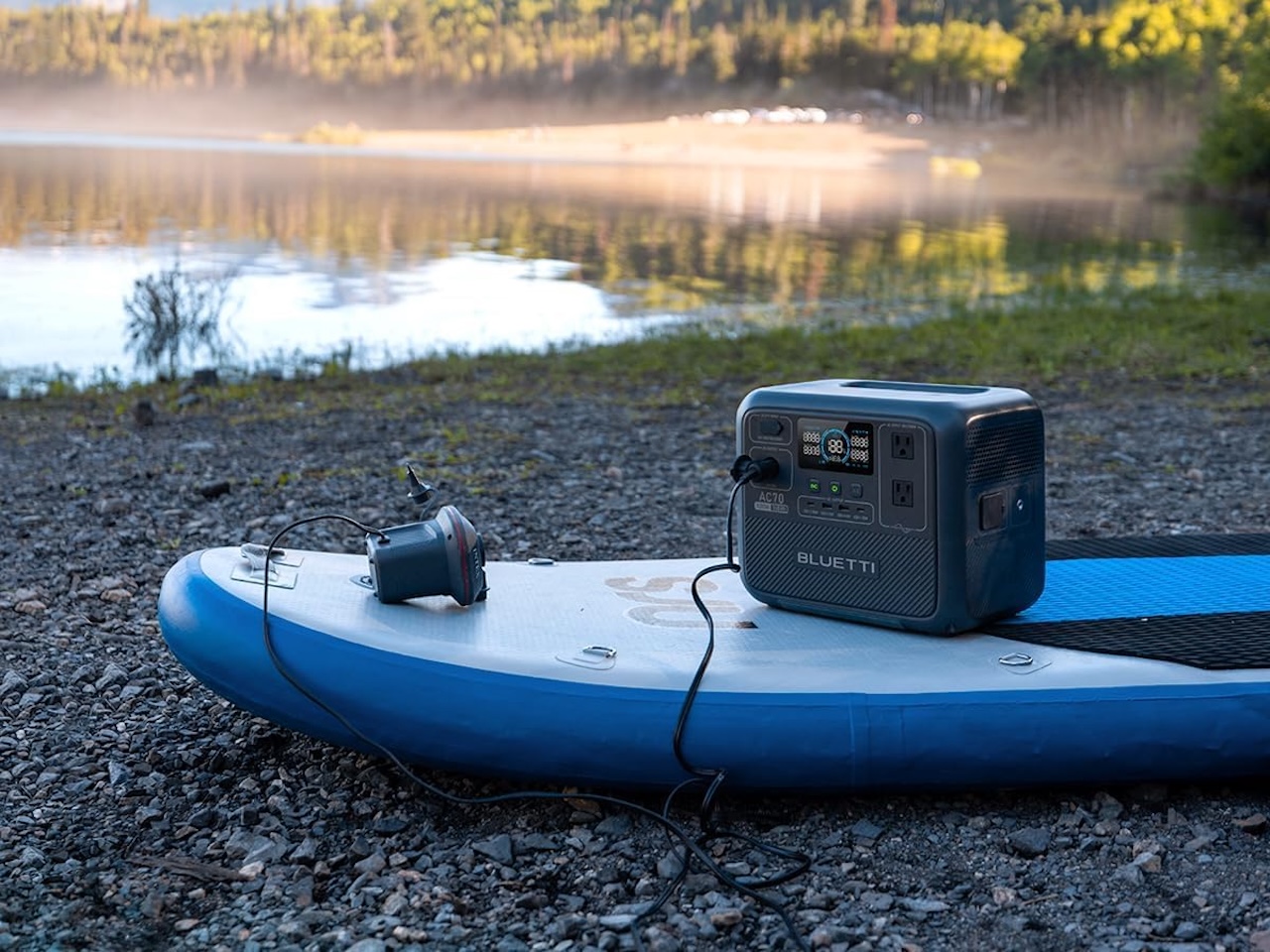
| BLUETTI AC70 | $349 | 768Wh | 1000W, 2000W power lifting | Best mid-size blackout pick | 22.5 lb and only two AC outlets |
| Jackery Explorer 500 v2 | $319 | 512Wh | 500W, 1000W peak | Best portable name-brand pick | Costs more per Wh than some rivals |
| Anker SOLIX C300 | $249.99 | 288Wh | 300W, 600W surge | Best small station | Not for high-watt appliances |
If I were buying one unit under $500 for outage backup, I’d start with the Anker SOLIX C1000 or BLUETTI AC70. If I wanted camping power without a 25-pound box, I’d look at the EcoFlow RIVER 2 Pro 700 or Jackery Explorer 500 v2. If I mostly needed laptops, phones, cameras, lights, and small fans, the Anker SOLIX C300 is the tidy pick.
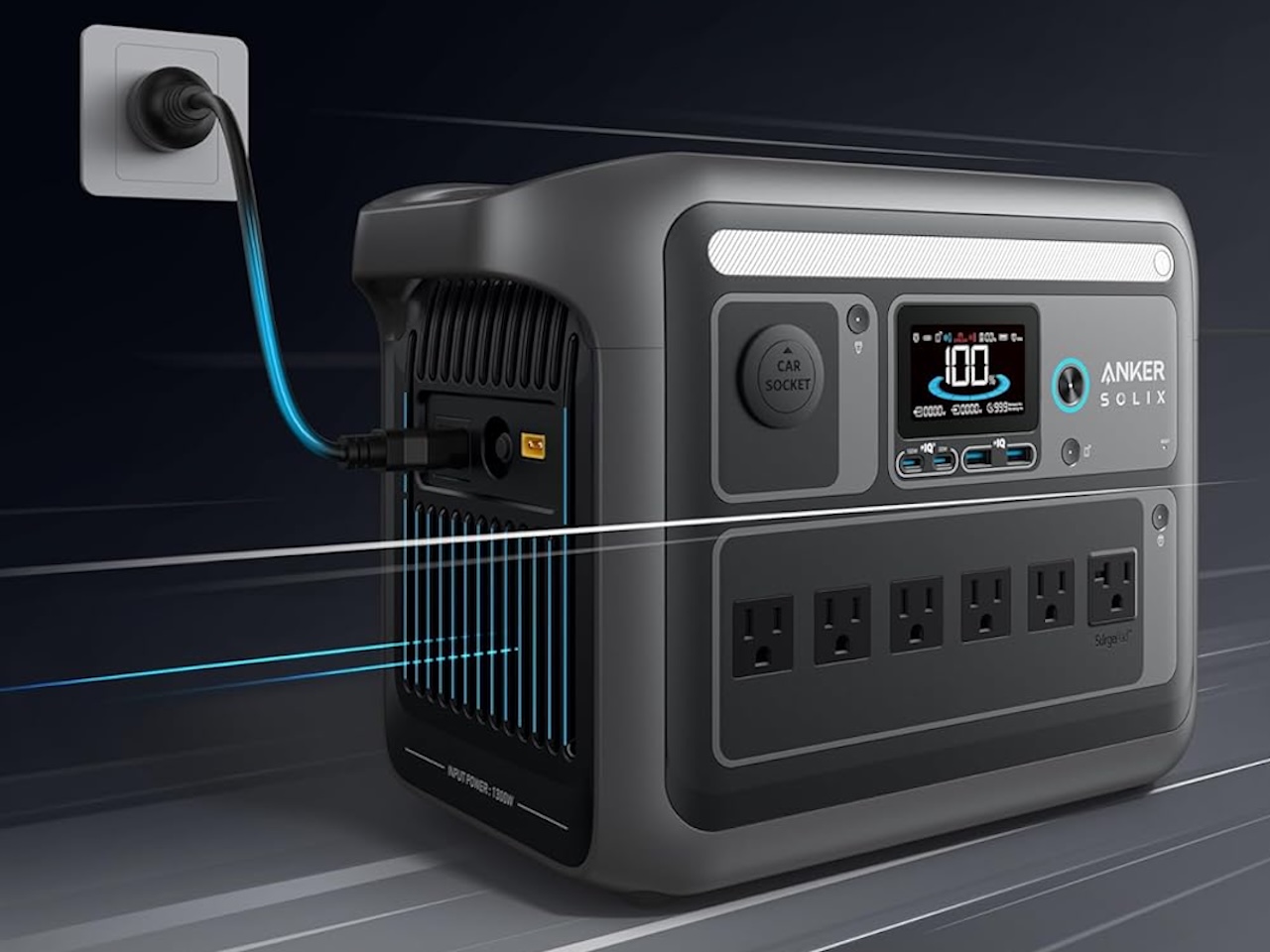
Anker SOLIX C1000: Best high-output value under $500
💡 My Pick: Start with Anker SOLIX C1000: Best high-output value under $500 if you want the safest first move. It gets the extra attention because it solves the main buying problem instead of merely adding another option.
Price: $399
Where to Buy: Amazon
The Anker SOLIX C1000 is the most power-station-like power station here. The live Amazon listing shows a 1056Wh LiFePO4 battery, 1800W AC output, 2400W peak output, 11 total power outlets, full charge claim in 58 minutes, 80% charge claim in 43 minutes, 27.6-pound weight, and a 5-year warranty.
That combination makes it the strongest under-$500 pick if you want real backup flexibility. The 1056Wh capacity gives you room for routers, phones, tablets, laptops, LED lights, small fans, camera gear, and short appliance use. The 1800W output claim also means it can handle more demanding plug-in gear than the smaller 300W and 500W stations here.
The downside is weight. At 27.6 pounds, this is a carry-to-the-campsite or carry-to-the-closet unit, not something you toss into a daypack. Also, high output doesn’t mean endless runtime. A high-watt appliance can drain a 1056Wh battery quickly.
Buy this if you want the most output and capacity for under $500 and can live with the weight.
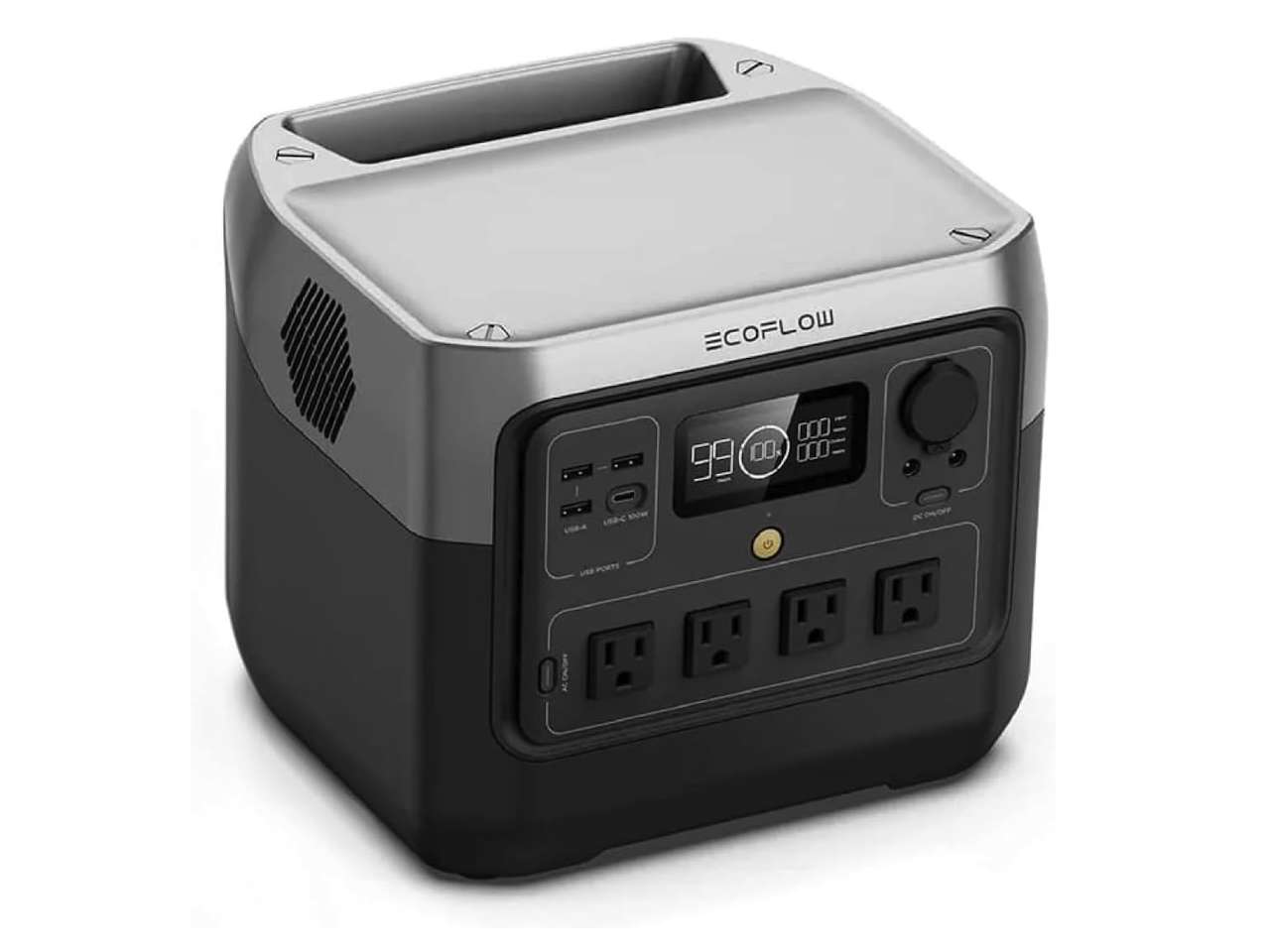
EcoFlow RIVER 2 Pro 700: Best camping and RV balance
The EcoFlow RIVER 2 Pro 700 hits a useful middle ground. The useful part is a 716Wh LiFePO4 battery, 70-minute AC recharge claim, four AC outlets (800W total), up to 1600W output with X-Boost, 11 outlets, 17.2-pound weight, 3.5-hour fast solar recharge claim, and 5-year service.
Price: $329
Where to Buy: Amazon
That makes it easier to carry than the 1000Wh class while still giving you enough capacity for a long camping weekend of phones, tablets, laptops, lights, cameras, speakers, small fans, and intermittent appliance use. EcoFlow’s fast AC recharge is also useful if you’re topping off before a trip or between outages.
The caution is the X-Boost language. Boost modes can help with some resistive loads, but they aren’t magic. Sensitive electronics, motors, compressors, and high-draw appliances still need careful wattage matching.
Buy this if you want a camping-friendly station that’s more capable than a 300Wh box but still manageable to move.
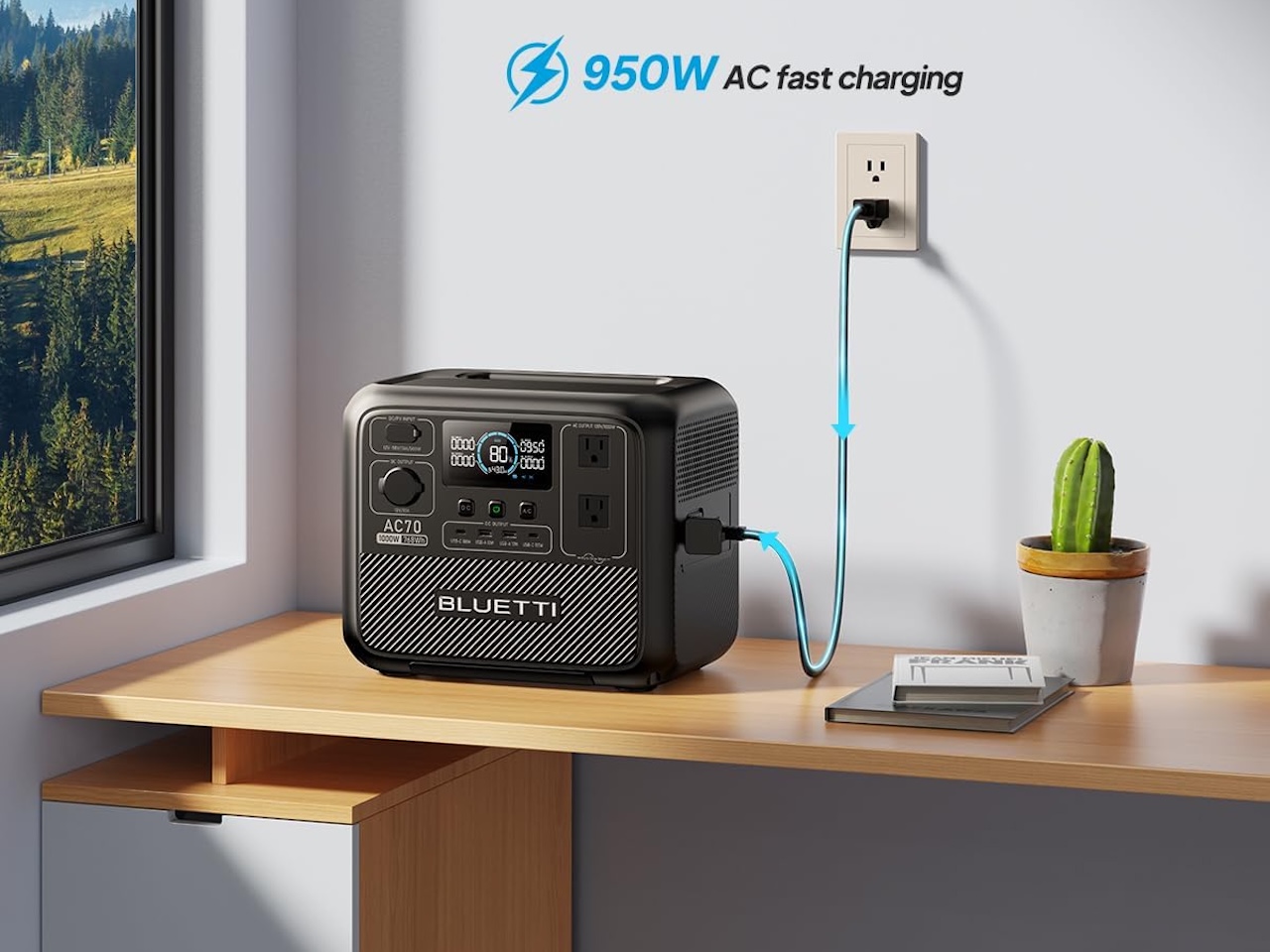
BLUETTI AC70: Best mid-size blackout pick
💡 Skip If: BLUETTI AC70: best mid-size blackout pick makes sense only when its specific strength matches your setup. If you just want the broadest recommendation, compare it against the top pick before spending the money.
Price: $359
Where to Buy: Amazon
The BLUETTI AC70 is the blackout-focused mid-size pick.
The useful part is a 768Wh LiFePO4 battery, 1000W inverter, 2000W power-lifting claim, 100W USB-C, two AC outlets (1000W total), 7 total outlets, 45-minute-to-80% AC charging claim, 22.5-pound weight, and a 5-year warranty when bought directly from BLUETTI (Amazon and other third-party purchases get 24 months, extendable free via BLUETTI VIP registration).
The AC70 makes sense if your outage list is practical: router, phone, laptop, LED lamp, small fan, modem, camera charger, or a short fridge-support window if you manage runtime carefully. It isn’t as light as the EcoFlow, but it has more AC output headroom and a straightforward shape.
Two AC outlets are the limit to notice. If you want to plug in several AC devices at once, the Anker C1000 or EcoFlow may be easier. For DC and USB charging, though, the AC70 covers a lot.
Buy this if you want a strong mid-size station for storm prep without jumping above $500.
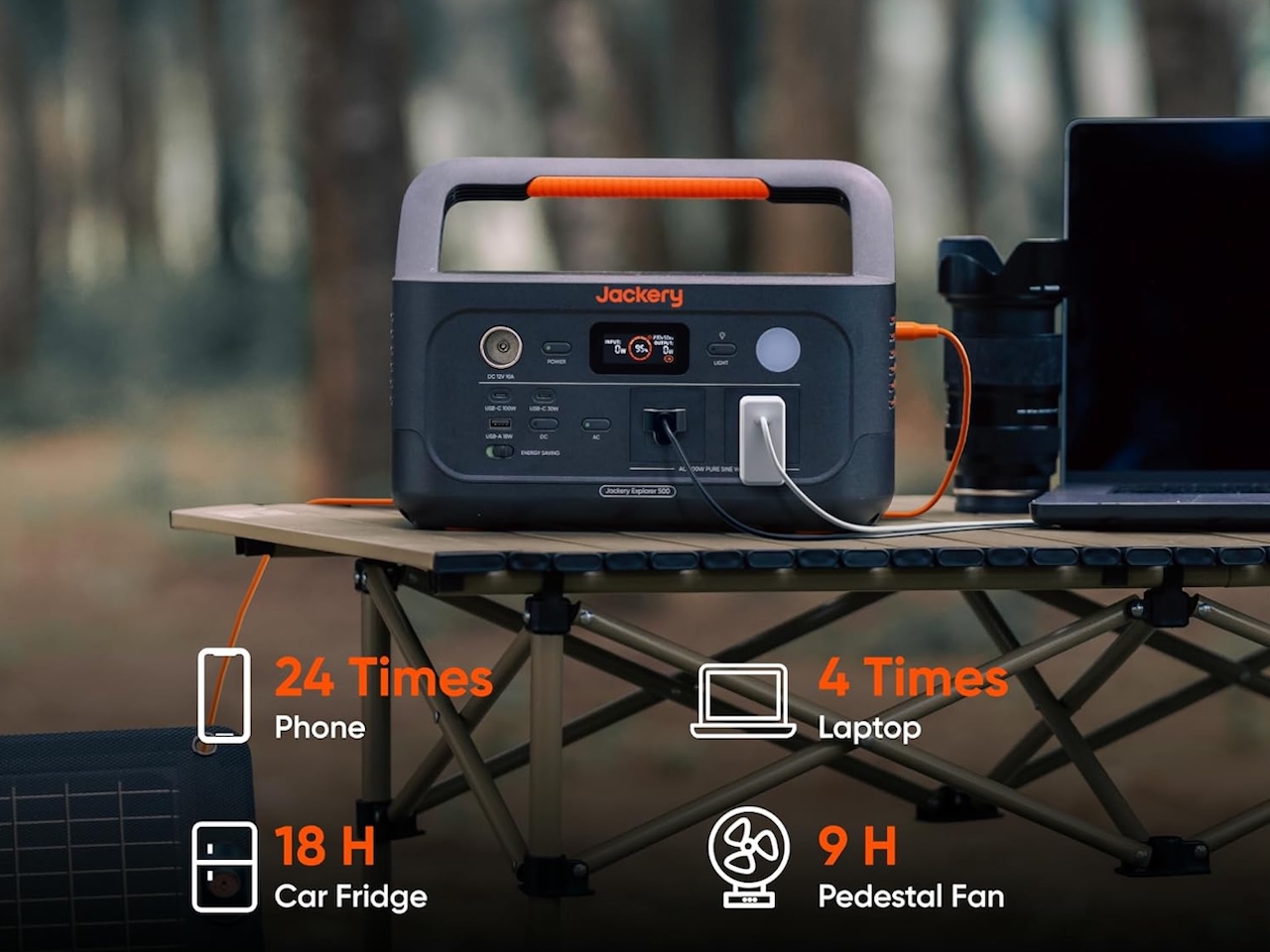
Jackery Explorer 500 v2: Best portable name-brand pick
The Jackery Explorer 500 v2 is the most familiar-feeling pick. The useful part is a 512Wh LiFePO4 battery, 500W rated power, 1000W surge power, two AC sine-wave outlets, 12.6-pound weight, 12.2 x 8.1 x 6.2-inch size, and up to a 5-year warranty (a 3-year base plus a 2-year extension that applies automatically when you register a purchase from Jackery’s official site).
Price: $449
Where to Buy: Amazon
Here’s where it earns its spot: portability plus brand familiarity. At 12.6 pounds, it’s much easier to move than the 1000Wh-class units. It also gives you enough capacity for phones, laptops, lights, cameras, drones, and camping accessories without turning into a bulky home-backup box.
The tradeoff is value on paper. At $319 for 512Wh, it costs more per watt-hour than several rivals. Some readers will still prefer Jackery because of the brand, interface, and ecosystem.
Buy this if portability, recognizable support, and a tidy camping form factor matter more than maximum watt-hours per dollar.
Anker SOLIX C300: best small station
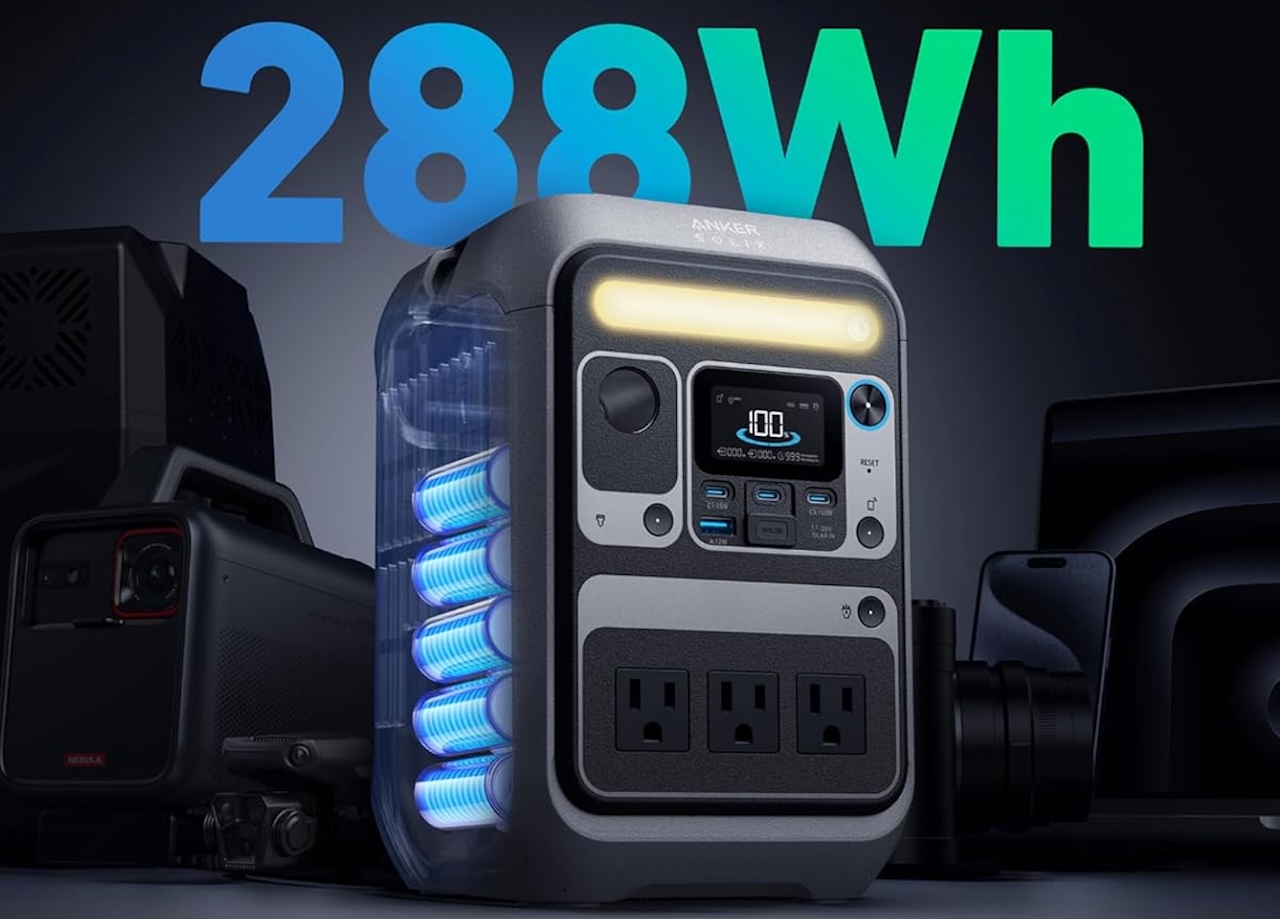
The Anker SOLIX C300 is the small-station answer. The Amazon listing shows a 288Wh LiFePO4 battery, 300W output, 600W surge claim, 8 charging ports, 140W two-way USB-C fast charging, 4.13kg weight, AC and solar charging support, and a 5-year warranty.
Price: $298
Where to Buy: Amazon
This is the one to buy if your backup plan is mostly electronics. Laptops, phones, tablets, cameras, drones, handheld gaming devices, small LED lights, and a travel router are a good fit. It’s much easier to carry than the bigger stations and it’s less overkill for short trips.
The C300 isn’t the right tool for heat-producing appliances, big kitchen gear, space heaters, or anything with a heavy startup load. A 288Wh battery can disappear quickly if you treat it like a generator.
Buy this if you want dependable small-device power and don’t need to run large AC loads.
Watts versus watt-hours: the simple version
Watts tell you what the station can run at one time. Watt-hours tell you roughly how long it can run things.
A 300W station may power a laptop, phone charger, small lamp, or camera charger, but it won’t run a big appliance. A 1000Wh station has more stored energy, but even that can drain fast if you plug in something that pulls hundreds of watts continuously.
For camping, watt-hours usually matter more. For outage backup, both matter. You need enough AC output to start the device and enough capacity to keep it running long enough to matter.
What to check before buying
Check the running watts and startup watts of the devices you want to power. Refrigerators, pumps, power tools, compressors, and some medical devices can spike above their normal draw.
Check whether the solar panel is included. Most listings here say solar generator, but the panel is optional unless the bundle clearly includes one.
Check battery chemistry and warranty. LiFePO4 or LFP chemistry is preferable for long cycle life in this category, but warranty length and brand support still matter.
Check weight. A 25-pound power station can be portable in the same way a loaded toolbox is portable. That may be fine for a closet or campsite, but not for hiking.
For CPAP users or anyone relying on powered medical equipment, verify compatibility with the device maker and your clinician. Don’t trust a generic runtime chart from a retail listing.
Which portable power station under $500 should you buy?
Buy the Anker SOLIX C1000 if you want the most output and capacity while staying under $500.
Buy the EcoFlow RIVER 2 Pro 700 if you want a lighter camping and RV station with fast recharge.
Buy the BLUETTI AC70 if your priority is a practical storm-prep box for router, lights, phones, laptops, and short appliance support.
Buy the Jackery Explorer 500 v2 if you want a compact name-brand station and can accept the higher price per watt-hour.
Buy the Anker SOLIX C300 if your needs are mostly small electronics and you care about easy carrying.
The best portable power station under $500 isn’t the biggest box you can afford. It’s the one that matches the actual devices you need to keep running.
Frequently Asked Questions
Can a portable power station run a refrigerator?
Yes, within limits. A full-size fridge typically draws 100-250 running watts but can spike to 600-1,200W at startup, so you need both surge headroom and capacity. A 768Wh-1056Wh station like the BLUETTI AC70 or Anker SOLIX C1000 can support a fridge for a few hours if you manage runtime carefully. A 288Wh unit like the C300 is not the right tool for it.
What size power station do I need for camping?
For a weekend of phones, lights, cameras, and a small fan, 300-500Wh is plenty. If you want to run a 12V cooler or recharge laptops repeatedly, step up to the 700Wh-plus class like the EcoFlow RIVER 2 Pro 700.
How long will a power station last during an outage?
It depends on your load. Divide the usable watt-hours by the continuous watts you’re drawing. A 1000Wh station running a 100W load (router, a few lights, phone charging) lasts roughly 8-10 hours; the same station running a 500W appliance lasts closer to 1.5-2 hours.
Is LiFePO4 worth it?
For this category, yes. LiFePO4 (LFP) batteries typically deliver 3,000-plus charge cycles, roughly a decade of regular use, versus far fewer for older lithium-ion chemistries. Every pick here uses LiFePO4.
Are the solar panels included?
Usually not. Most of these are sold as “solar generators” because they accept solar input, but the panel is an optional add-on unless the listing clearly bundles one.