Most fireworks photos fail before the first shell opens. The phone is still in auto mode, the flash is still trying to light up the sky, and the person holding the camera is watching a five-inch screen instead of the thing they came to see.
The better move is simple: decide what kind of memory you want before the show starts. A clean fireworks shot needs different gear than a messy backyard party photo, and a printed snapshot at 10 p.m. solves a different problem than a RAW file you’ll edit tomorrow. This guide covers both halves: the basic fireworks photography settings that matter, then the small cameras and photo printers worth bringing if your phone isn’t the whole plan.
The fireworks settings that matter
Start with the boring part because it’s the part that fixes most shots. Turn the flash off. Fireworks are the light source. A phone flash only lights the backs of heads, smoke, and whatever picnic blanket happens to be in front of you.
If you’re using a phone, tap and hold to lock focus and exposure on the brightest part of the sky, then pull exposure down a little if your camera app lets you. On iPhone, Live Photos can help because you can choose the cleanest frame later. HDR can make fireworks look smeared or overprocessed, so turn it off if the shot looks strange after the first burst.
A real camera gives you more control, but the old advice still holds. Low ISO first. Use a tripod if you’ve packed one. If the camera supports manual exposure, start around ISO 100, f/8 to f/11, and a one to two second shutter speed on a tripod. If you’re handheld, you can’t cheat physics. Start closer to 1/10 second, brace your elbows, and accept that you’re capturing color and shape more than tack-sharp trails.
The biggest mistake is trying to photograph every burst. Don’t. Pick a background, wait for the shell, and shoot fewer frames. The best fireworks photo usually has context: a roofline, a treeline, a crowd silhouette, a kid pointing at the sky. Black sky with sparks gets old fast.
What kind of camera should you bring
There are four useful lanes for July 4. Your phone is the best fireworks camera for most people because it’s already in your pocket and the computational camera does more than a cheap compact can do at night. A simple point-and-shoot is better when you want optical zoom, a real shutter button, and less phone distraction. A screen-free camera is better for party candids because nobody stops to review every image. An instant camera or photo printer is best when the photo itself becomes part of the night.
That’s the organizing principle for the picks below. I’m not pretending a $35 novelty camera is the best tool for a long-exposure fireworks shot. It isn’t. But it might be the camera your niece clips to a backpack and uses all night, and that counts for something a $1,500 mirrorless body can’t do.
If you want deeper TG context on instant photo gear, The Folding Instax Camera That Vanished for a Year is the better rabbit hole. If the print side is what grabs you, TG has also covered Polaroid’s small photo printer that doubles as a picture frame and the HP Sprocket 3×4 portable instant photo printer.
Kodak PIXPRO C1: The budget camera that still feels like a camera
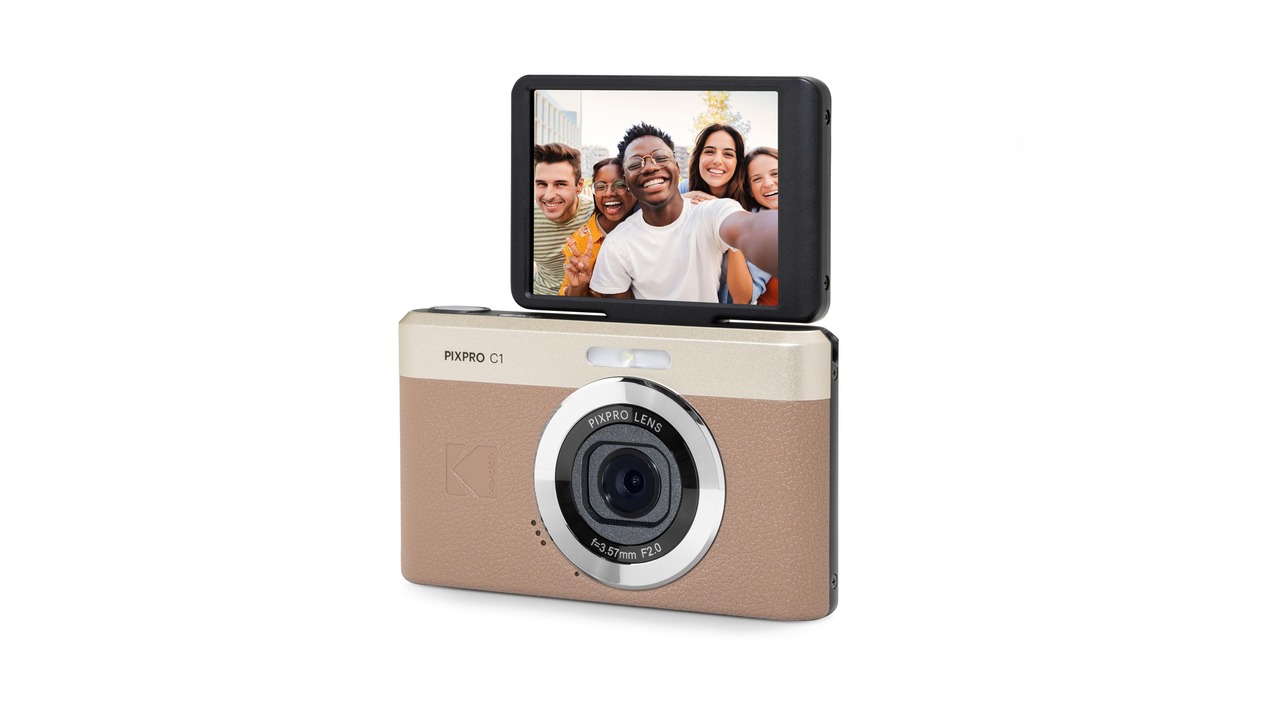
The Kodak PIXPRO C1 is the most practical dedicated camera here because it has the one thing most novelty cameras don’t: 4x optical zoom. That matters on July 4. You might be across a field, stuck behind a railing, or trying to frame the skyline without cropping a phone image to mush.
The camera is listed with a 13MP sensor, a 2.8-inch flip screen, 1080p video, and the Brown version at $99.99. None of that makes it a serious low-light camera. What it does give you is a cheap, pocketable device that can stay in camera mode all night while your phone stays free for maps, texts, music, and finding everyone after the show.
Use it for people, food, lawn chairs, sparklers before dark, and wide fireworks context once the sky gets going. If you care mainly about clean fireworks trails, put the money toward a tripod and use a phone with manual controls. If you want a real shutter button and a kid-proof price ceiling for the night, this is the sanest dedicated camera in the pile.
Price: $99.99 (From $119.99)
Where to Buy: Amazon
Camp Snap V105: Fewer screens, better party photos
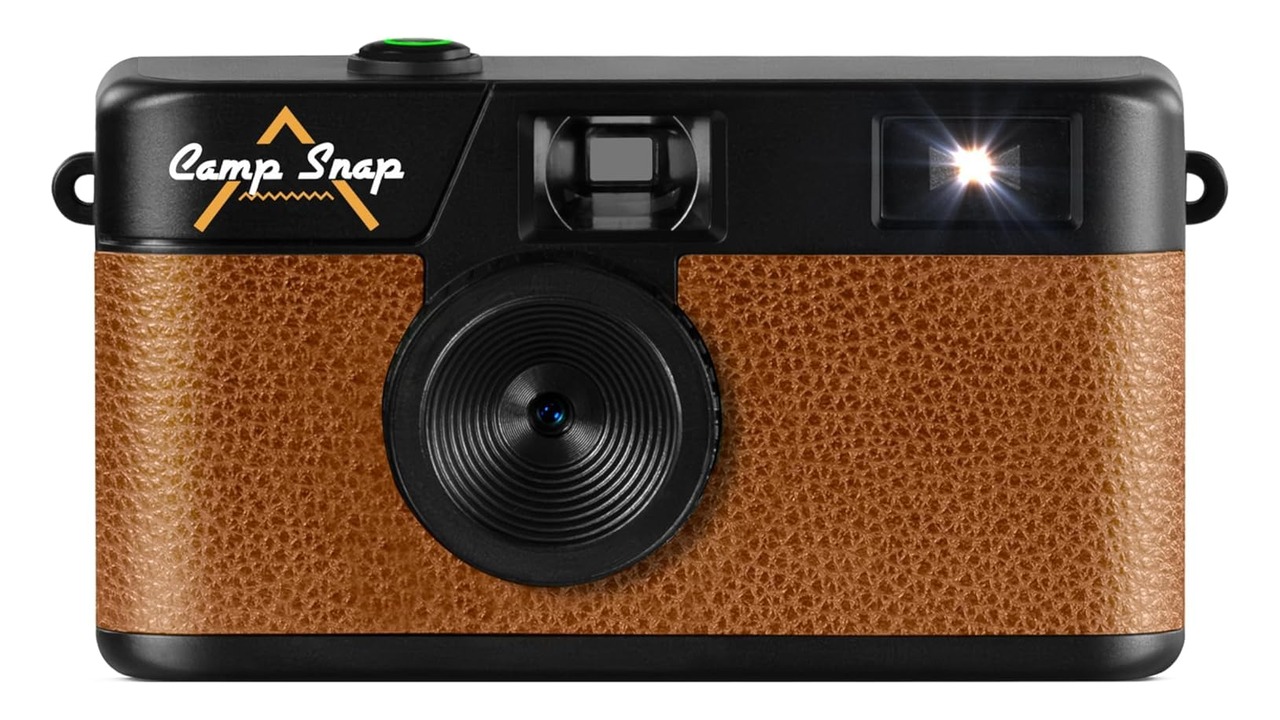
Most party photos get worse when everyone can review them immediately. Someone blinks, someone retakes, someone checks the group chat, and the camera disappears into phone behavior again. The Camp Snap V105 avoids that by design. No screen. No instant judgment. Just click and move on.
There’s a Brown V105 version at $84.50, with 8MP stills, 720p video, an optical viewfinder, built-in flash, and a claimed 500-photo battery life. The review count is tiny at 6 ratings, so I wouldn’t treat the Amazon score as proof of much. The product idea is why it belongs here.
This isn’t the camera for the fireworks burst itself. It’s the camera for the hour before the show, when the grill is still hot, the kids are chasing each other with glow sticks, and you want images that feel like someone was there instead of someone was managing a phone. Different job. Better fit.
Price: $87
Where to Buy: Amazon
Kodak CHARMERA: The tiny camera that makes sense as a party object
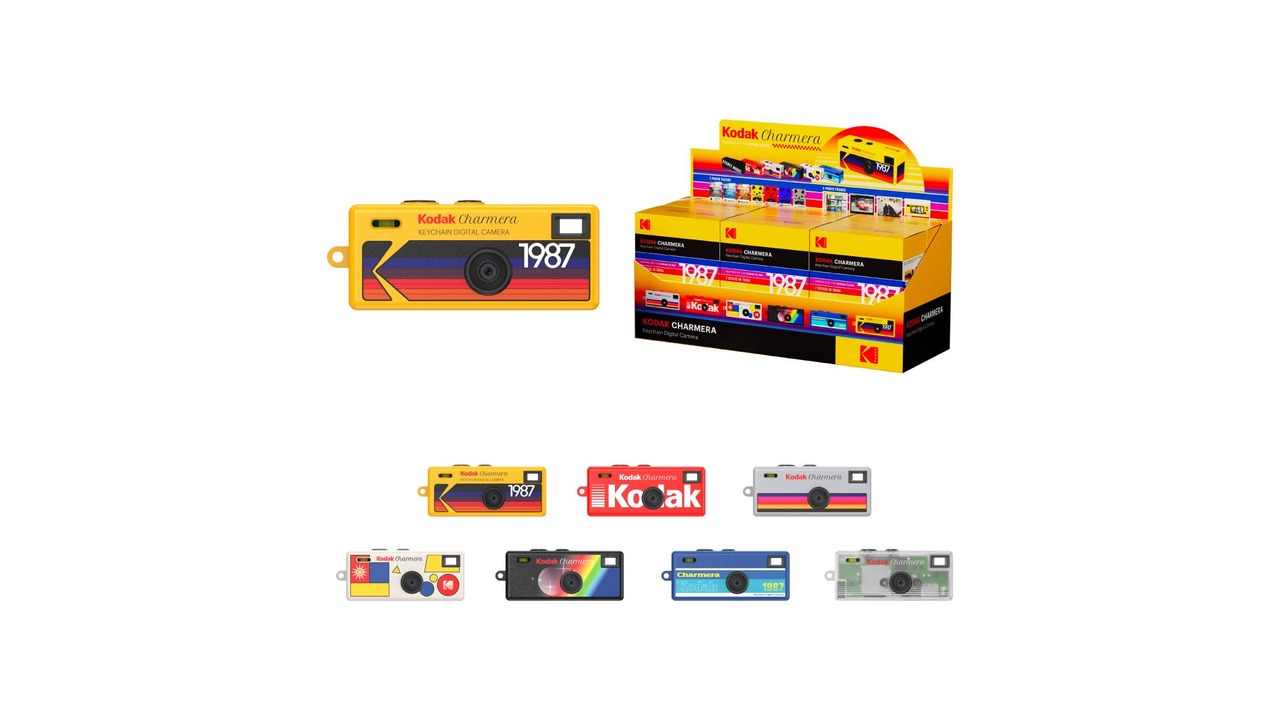
The Kodak CHARMERA is a camera you judge by expectations. At $34.99, it isn’t competing with your phone. It’s competing with disposable cameras, party favors, and the part of your brain that wants to hand someone a tiny object and see what they come back with.
Verified specs are as follows: 1.6MP stills, 1440 x 1080 output, video recording, a rechargeable battery, microSD support from 1GB to 128GB, 4 frames, and 7 filters. It also uses a blind-box format, so buyers don’t get to pick the exact style. That’s either half the fun or an immediate deal-breaker.
For fireworks, the CHARMERA is a bad primary camera. Say that plainly. But clipped to a bag, passed around a cookout, or given to a teen who wants something cute and separate from a phone, it becomes more interesting. The images won’t be technically good. They might still be the ones people talk about.
Price: $34.99
Where to Buy: Amazon
Fujifilm Instax Mini 12: When the print is the point
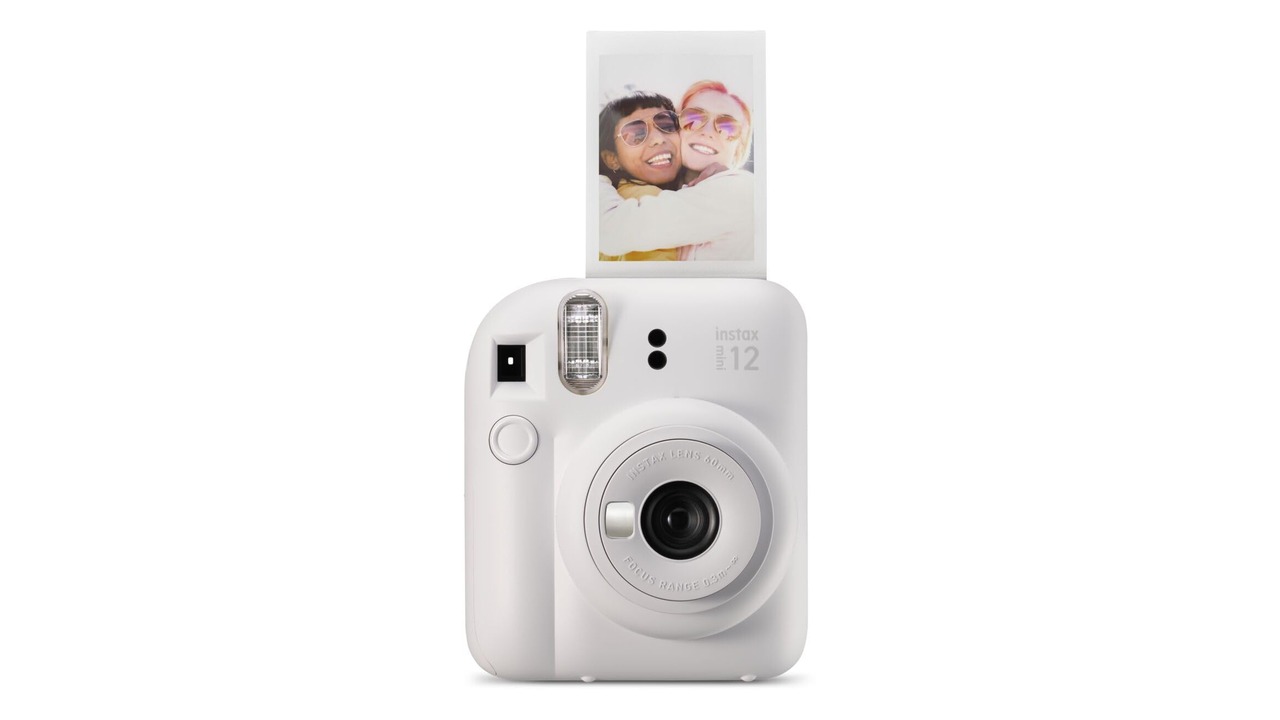
Instant film is the wrong tool for photographing fireworks and the right tool for photographing the night around them. That sounds like a dodge until you use one at a party. The picture isn’t a file. It’s an object someone holds before the smoke clears.
The Instax Mini 12 listing showed a Clay White version at $86.99, automatic exposure and flash control, close-up mode with parallax correction, a built-in selfie mirror, and Instax Mini prints. Fujifilm’s system is also the safest instant recommendation because film availability is the whole game. A cheap instant camera with hard-to-find film isn’t a deal.
Bring it for group shots before the sky goes dark, a photo wall, or a kids’ table where the print becomes the souvenir. Skip it if your main goal is fireworks trails. Film doesn’t care how sentimental the moment is. It still needs light.
Price: $86.99 at Amazon.
Where to Buy: Amazon | Fujifilm Instax
Kodak Printomatic: instant prints without buying film packs first
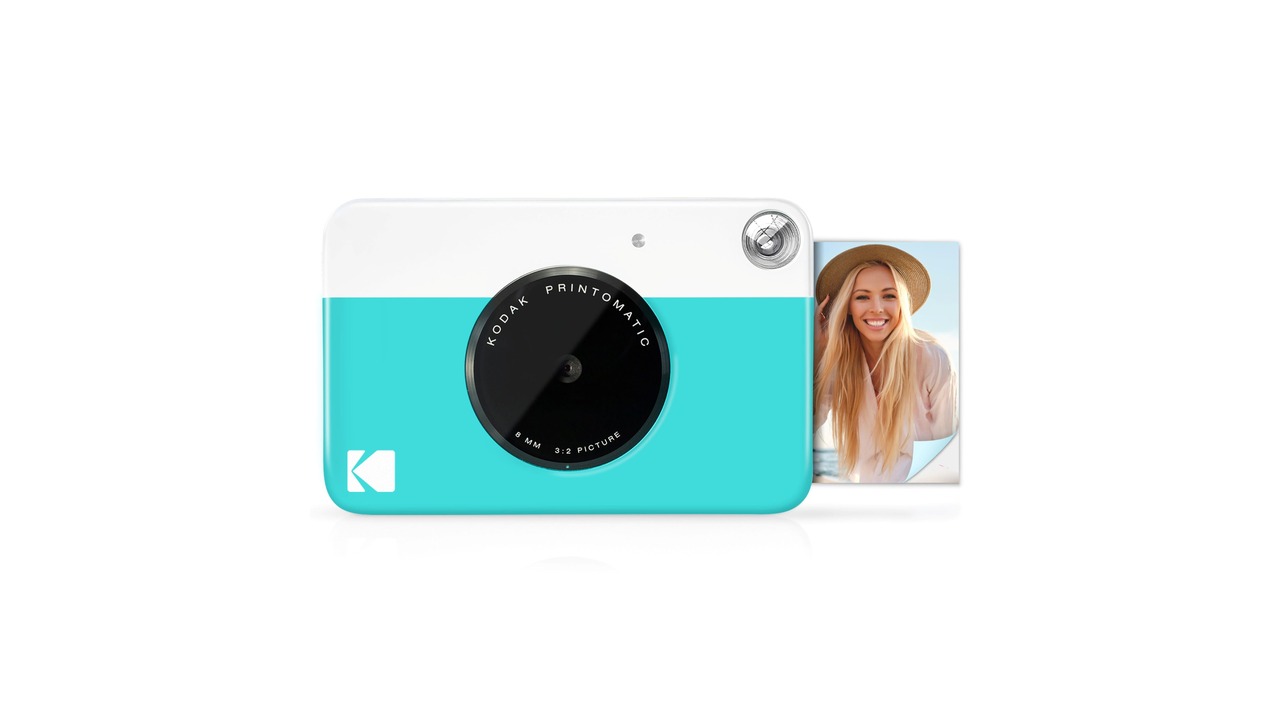
The Printomatic sits in the weird middle. It’s a digital camera with a built-in ZINK printer, which means it can spit out 2 x 3 sticky-back prints without the Instax film ritual. That’s either more convenient or less charming, depending on why you wanted an instant camera in the first place.
We see a Blue version at $59.99, a 5MP sensor, a wide-angle f/2 lens, and ZINK sticky-back paper support. The review count is massive at 26,338, but the rating is 3.9 stars, which is a useful warning. This is fun gear, not precision gear.
If you want kids to make a sticker wall, decorate cups, or leave with a few goofy prints, the Printomatic is easier to justify than a film camera. If you care about image quality, spend more on a separate printer. Sometimes one box doing two jobs means both jobs are compromised.
Price: $59.99 (From $64.99)
Where to Buy: Amazon
Canon Ivy 2: The phone printer that fits the night
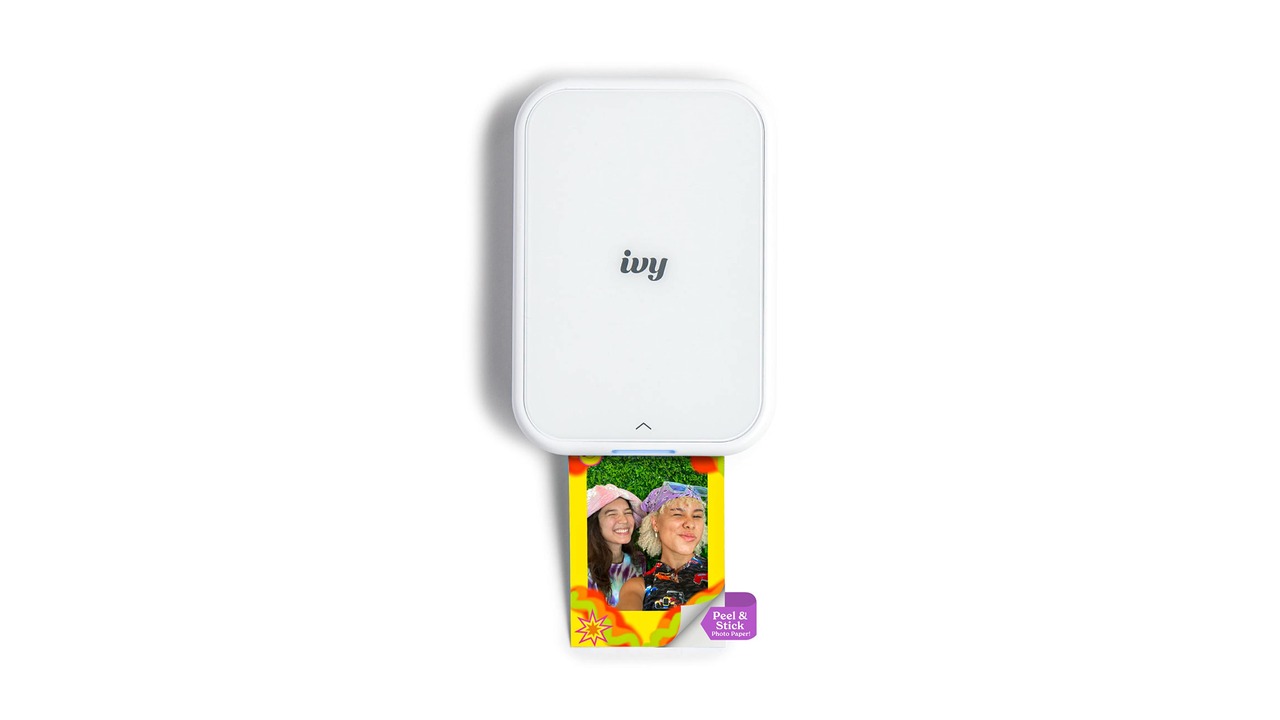
Here’s the simplest July 4 workflow: take the photo with the best camera you own, then print the one that worked. For most readers, that camera is the phone. The Canon Ivy 2 makes sense because it doesn’t ask you to replace the phone. It just gives the phone a physical ending.
Amazon lists a Pure White Ivy 2 at $99, with ZINK zero-ink printing, sticky-back prints, and printing through the Canon Mini Print app for compatible iOS and Android devices. It’s portable, light, and made for the kind of small print you hand to someone before they leave.
Don’t buy it for archival quality. Buy it because a 2 x 3 sticker print from a good phone photo beats ten bad tiny-camera images. If the party already revolves around phones, this is the cleaner add-on.
Price: $99 ($119.99)
Where to Buy: Amazon | Canon
Canon SELPHY CP1500: Bring this if prints matter more than pockets
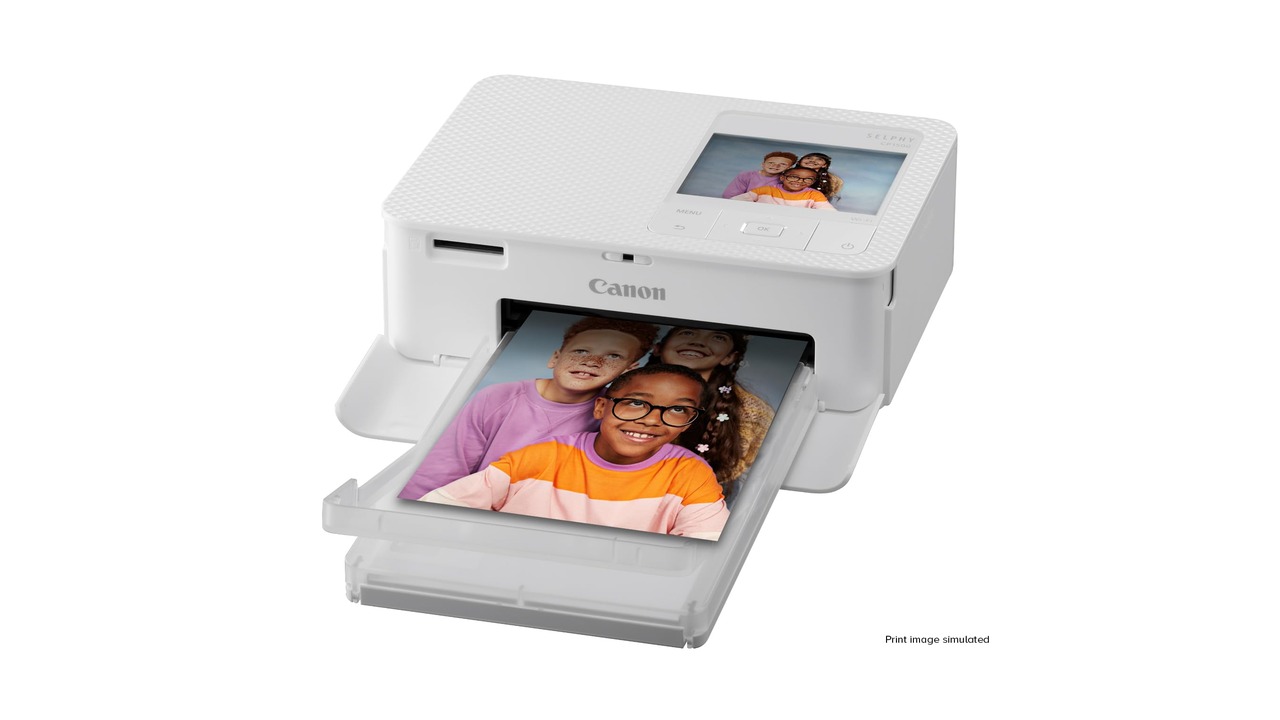
The SELPHY CP1500 is the least pocketable thing here and the first one I’d choose if the print itself mattered. Dye-sub 4 x 6 prints are a different class of keepsake than tiny sticky-backed ZINK prints. You feel that difference immediately.
There’s a white CP1500 at $159, with Wi-Fi and smartphone connectivity in the product details. It’s not an impulse keychain gadget. It’s a table device. Put it near an outlet, let people send favorite shots after the fireworks, and it becomes the photo station for the night.
This is overkill for a blanket in the park. For a backyard party, family reunion, or lake house weekend, it makes more sense than buying three novelty cameras that produce images nobody keeps.
Price: $159 at Amazon.
Where to Buy: Amazon | Canon
VTech KidiZoom Camera Pix: Give kids their own camera
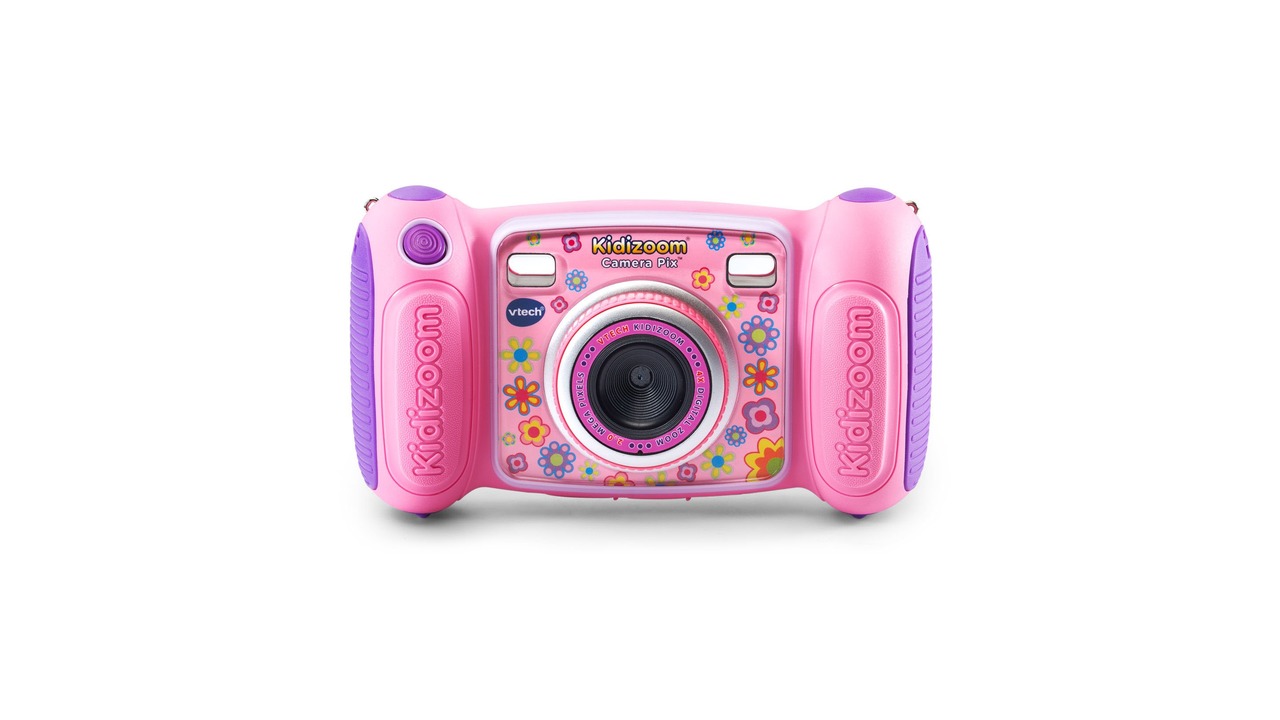
A kid with your phone is a risk calculation. A kid with a kid camera is a better night. The VTech KidiZoom Camera Pix exists for that exact gap: low stakes, chunky body, real digital photos, and enough built-in silliness that children don’t need your camera roll.
The VTech KidiZoom Camera Pix has a Pink version at $47.99, with a 2MP camera, 4x digital zoom, a 1.8-inch screen, 240p video, and a durable kid-focused design. Those specs aren’t impressive. They don’t have to be. The product is for ownership, not image quality.
If a child wants to photograph fireworks, let them. Just don’t expect fireworks photos. Expect grandparents, hot dogs, shoes, elbows, smoke, and maybe one blurry burst that becomes their favorite shot. That’s the win.
Price: $47.99
Where to Buy: Amazon | VTech
Paper Shoot Aura: The premium screen-free option
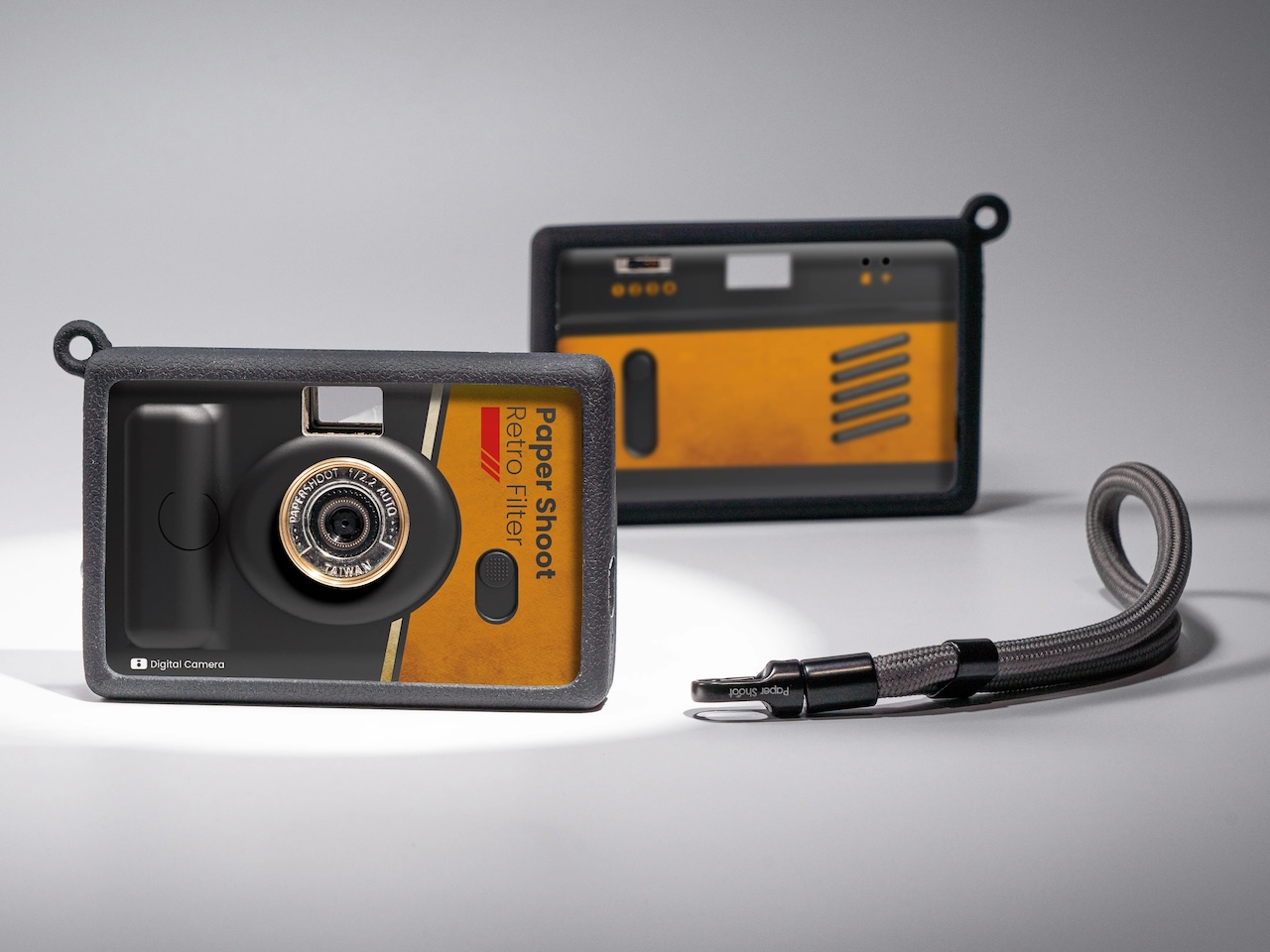
The Paper Shoot Aura is for someone who likes the Camp Snap idea but wants a more intentional object. The official product page lists a 20MP photo resolution, 64GB SD card, USB-C transfer, rechargeable AAA batteries, a strap, 4 built-in tones, video, time-lapse, and a screen-free design.
That last part is the whole product. No screen means less checking, fewer retakes, and a different kind of photo behavior. It also means you’ll need to accept the camera’s look. If you want control, use your phone or a real camera. If you want the night to feel less like content capture, this is the more polished version of that idea.
At $169.90 direct from Paper Shoot, it isn’t a cheap toy. That’s why I wouldn’t put it in the same lane as the CHARMERA. The Paper Shoot is a deliberate carry. The CHARMERA is a lark. Know which mood you’re buying.
Price: $169.90
Where to Buy: Paper Shoot
YASHICA Funtastic: the direct-only keychain alternative
The YASHICA Funtastic is worth mentioning because it hits the same keychain-camera nerve as the CHARMERA without being the same purchase. Official Yashica pages showed Hello Kitty and Peanuts variants, a keychain camera format, and a 180-degree flip screen. The price I verified was HK$218, about $27.80 at the exchange rate checked during research.
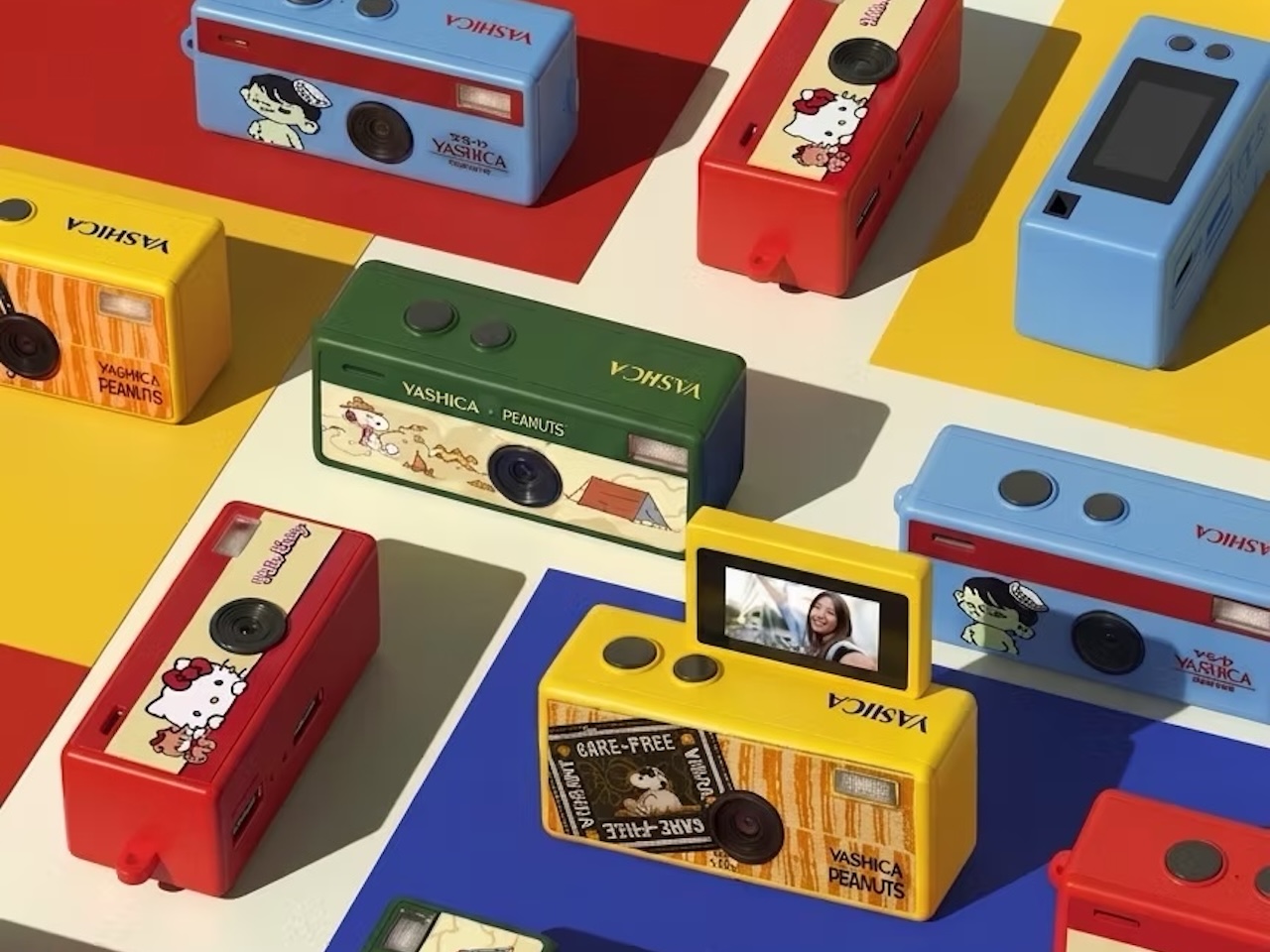
The catch is availability and certainty. I found official Yashica listings and one visible review on a Peanuts variant, but it’s not on Amazon yet. That makes it a direct-only alternative, not a main deal pick. If you want the licensed-character version and are comfortable buying direct, it belongs on the shortlist. If you want the cleanest Amazon checkout, choose the CHARMERA instead.
Price: HK$218
Where to Buy: YASHICA
What I’d actually bring
For a public fireworks show, I’d bring a phone, a tiny tripod or clamp, and nothing else. Get the fireworks shot first. Lock focus, pull exposure down, keep the flash off, and shoot fewer frames. If you want a dedicated camera because you hate handing your phone around, the Kodak PIXPRO C1 is the cleanest budget pick.
For a backyard party, I’d bring the phone and the Canon Ivy 2. Let people take photos with the camera they already know, then print the few that work. If the party is family-heavy and prints matter, upgrade that idea to the SELPHY CP1500 and make a print table.
For kids, give them the VTech and stop worrying. For teens or adults who want something cute and disposable-feeling without actual disposable waste, the Kodak CHARMERA or YASHICA Funtastic makes more sense than a serious camera. For the person who wants fewer screens in the night, Camp Snap is the better party camera and Paper Shoot is the nicer long-term version.
The fireworks photo is only one part of the Fourth of July. Sometimes the better gadget is the one that gets you to stop checking whether the photo worked.
Quick Answers
Can you photograph fireworks with a phone?
Yes. Turn off flash, reduce exposure, lock focus if your phone allows it, and use Live Photos or burst features only when they help you choose a better frame later. A phone is the best option for most people.
What camera settings work for fireworks?
On a camera with manual controls, start with low ISO, a tripod, and a one to two second shutter speed. If you’re shooting handheld, use a faster compromise shutter speed around 1/10 second and brace yourself.
Should I buy a cheap digital camera for fireworks?
Not if fireworks are the only goal. Cheap compacts are more useful for the party around the fireworks than the fireworks themselves. For the actual sky, a modern phone often wins.
Is an instant camera good for July 4?
Yes, but for people photos, not fireworks trails. Instax and print cameras are best when the print becomes part of the party.
What’s the best product here for most people?
The Canon Ivy 2 is the safest add-on because it lets your phone stay the camera and turns the best shots into small prints. If you want a standalone camera instead, start with the Kodak PIXPRO C1.
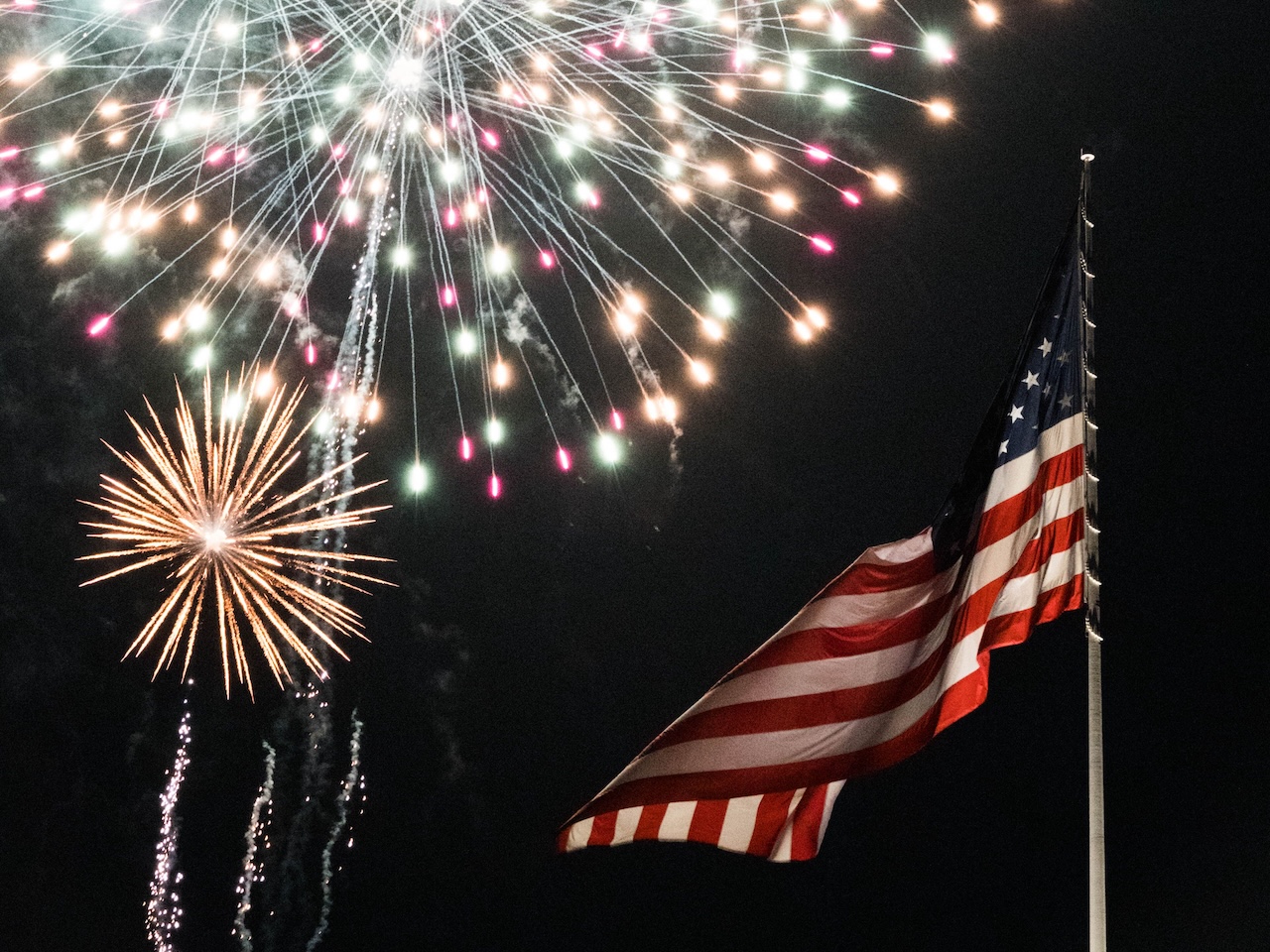
*Cover Image/Photo by Candid Flaneuer | Pexels