

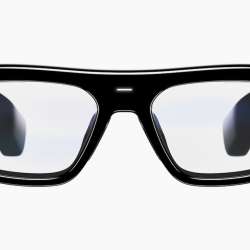
More than a decade later, Snap finally has consumer AR glasses to sell. SPECS got unveiled at Augmented World Expo 2026 (AWE 2026), and they’re a standalone pair of see-through glasses shipping this fall in the US, UK, and France. The pre-order deposit is $200 and refundable, with the full price landing at $2,195. That puts SPECS between Meta’s $799 Ray-Ban Display and Apple’s $3,499 Vision Pro on the AR pricing ladder.
This is the first SPECS aimed at regular buyers instead of Lens Studio developers, and the timing slots into a year where Meta, Google, Samsung, and Apple are all pushing their own face-worn computers. Snap CEO Evan Spiegel called it a bet on a post-smartphone future in his CNBC interview.
What SPECS Actually Are
SPECS are fully standalone, with no puck, no tether, and no phone required to make them work. Two Qualcomm Snapdragon processors handle the heavy lifting, with one dedicated to computer vision and the other running Lenses, which is what Snap calls its apps.
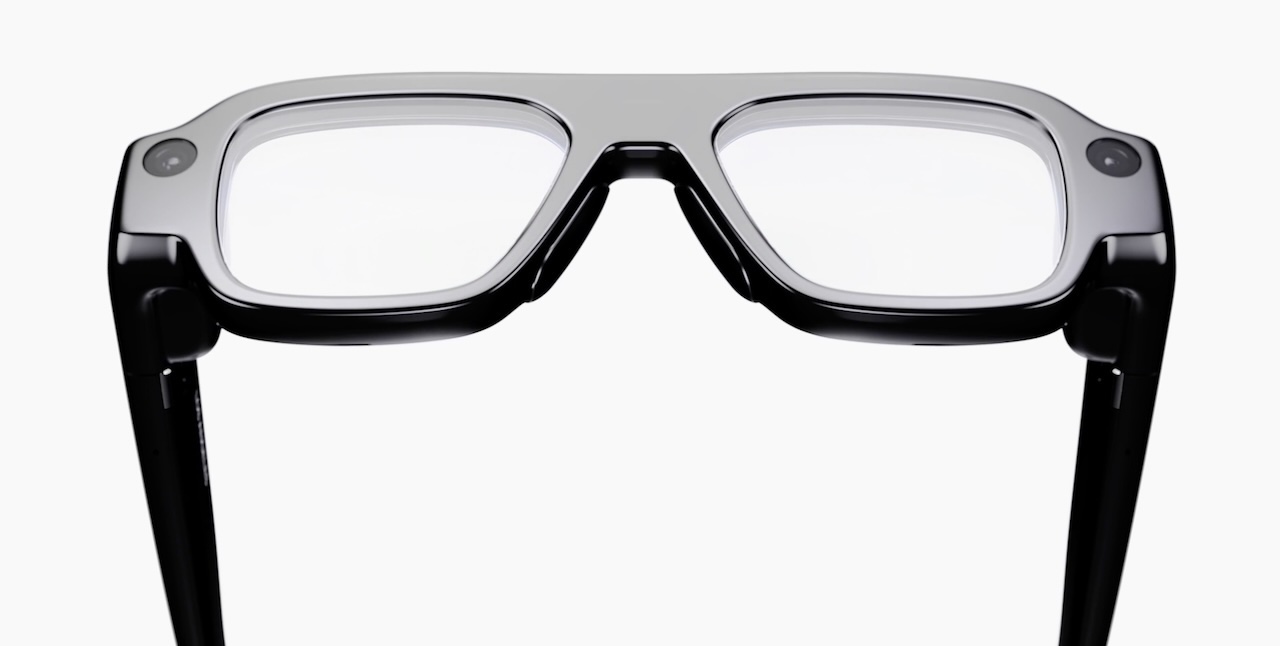
The display delivers 16 million colors across a 51-degree field of view, which Snap compares to looking at a 115-inch screen from ten feet away. Snap says it’s spent more than a decade building toward this, filing more than 7,000 patents along the way, and this is the sixth generation of Spectacles hardware but the first one Snap is selling to people who aren’t building Lenses for a living.
The Hardware Sheet
The glasses ship in two frame sizes, 47mm at 132 grams and 52mm at 136 grams, built from Swiss TR90 polymer. Battery life clocks in at up to four hours of mixed use, and the included charging case carries four more charges on the go for a total of 20 hours. Motion-to-photon latency hits 7 milliseconds, verified through robotic measurement per Snap’s announcement.
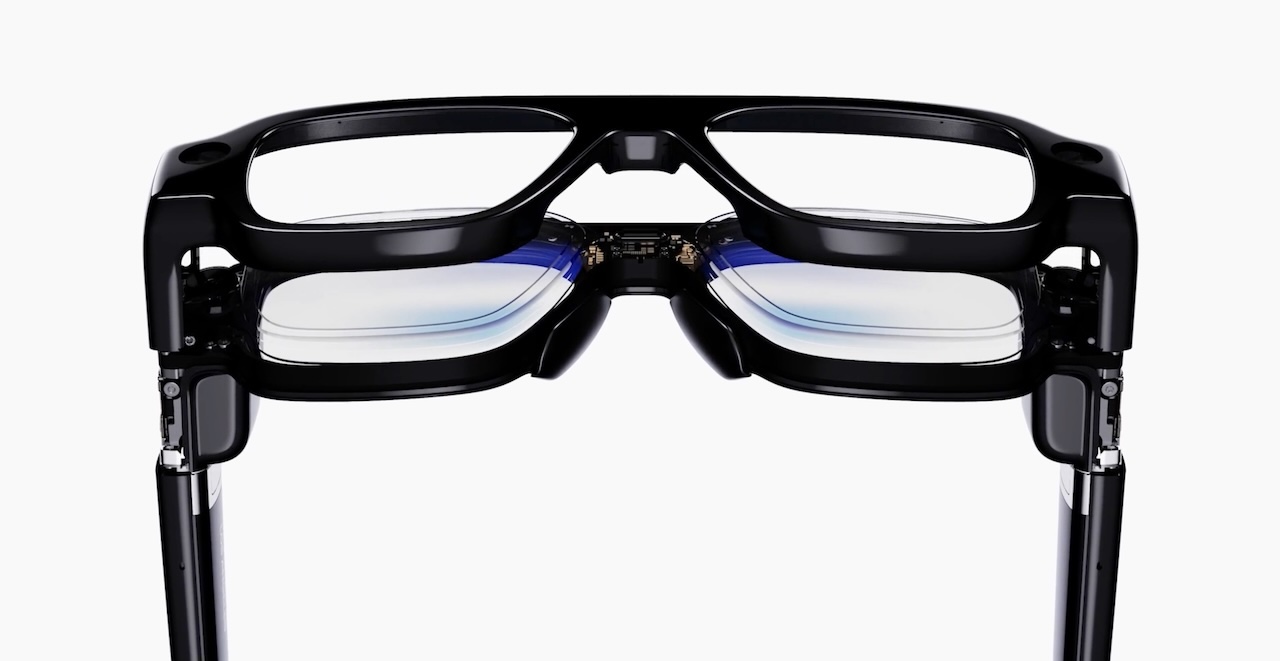
The electrochromic lenses shift from clear to tinted in 10 seconds, inspired by the same advanced tech found in Boeing 787 Dreamliner windows. Snap built the display engine on liquid crystal on silicon technology, with a new waveguide that packs billions of nanostructures so small that more than 10,000 can fit on the tip of a single hair. Removable inserts handle a wide range of prescriptions, sold separately through certified third-party partners.
What You Actually Do With Them
Hand tracking and voice control replace controllers, and Snap is pitching three main use cases: contextual AI assistance that can see what you see, a portable workstation that casts virtual screens onto any wall, and shared Lenses for games and social experiences. Hundreds of Lenses are already live on Snap OS, including Drum Kit, which overlays interactive drum lessons on a real kit, Vector Fields, which visualizes invisible physics, and a putting green reader for golf.
Developers also get new tools, including agentic Lens building inside Claude Code, Codex, and Cursor, plus a Native Development Kit for bringing existing code libraries into Lens Studio. The pitch is that AI gets useful when it knows what you’re looking at, not just what you’re typing into a chatbot.
Privacy, Pricing, and What’s in the Box
A glowing LED indicator lights up whenever SPECS are recording, and Snap says the glasses prioritize on-device processing with user-controlled camera and microphone permissions in Snap OS. Spiegel says privacy has to be built in from the very beginning, not bolted on later.
Pre-orders are open at specs.com for $2,195 with a $200 refundable deposit, and shipping starts this fall in the US, UK, and France. The box includes SPECS, a charging case, charging cable, cleaning cloth, quick-start guide, and a swappable nose pad kit. Prescription inserts may qualify for FSA or HSA payment and are non-refundable since each pair gets custom-built. Snap covers free shipping, free returns within 14 days, and a one-year limited warranty on the hardware.
The Verdict
On the upside, SPECS are the first consumer Spectacles to work without a phone, puck, or tether of any kind, and at 132 grams the frames stay comfortable through long stretches of mixed work and entertainment. The dual-Snapdragon setup delivers a fast 7ms motion-to-photon latency that keeps AR overlays anchored, while the electrochromic tint and prescription inserts handle real-world wear without forcing you to swap accessories. On-device AI processing and the recording LED also give you clear privacy controls right out of the box.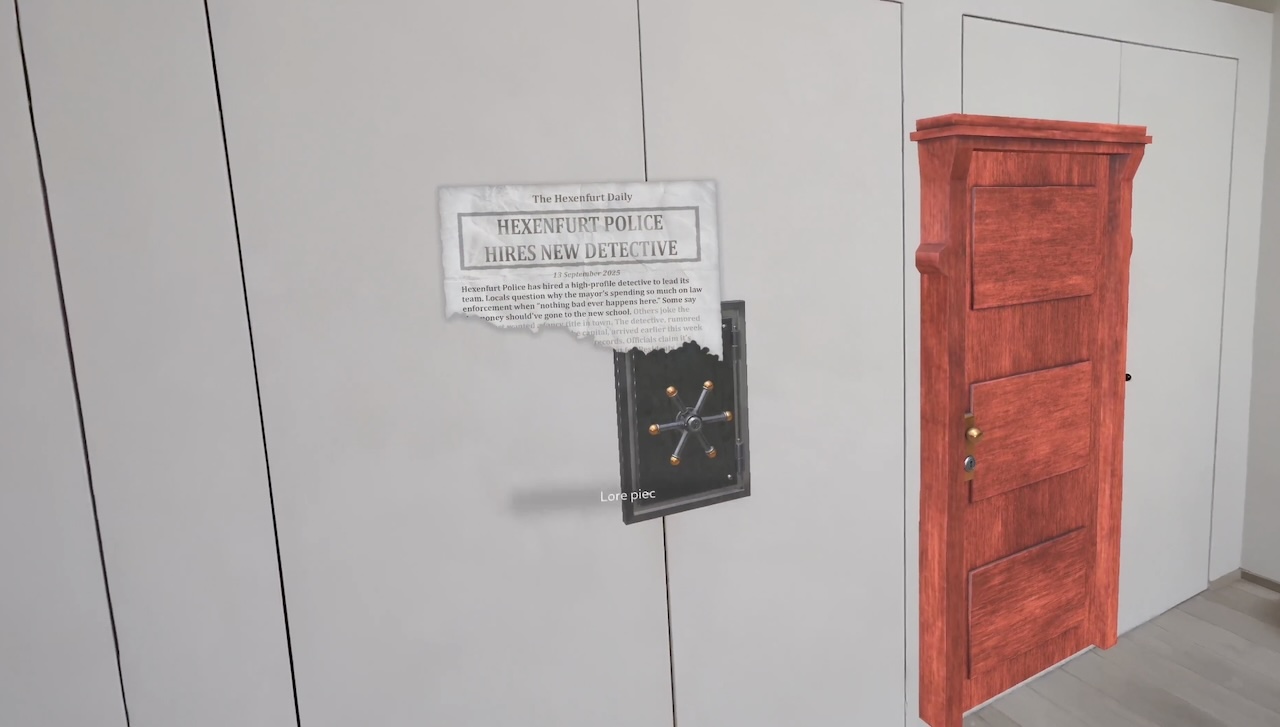
The trade-offs are real. At $2,195 before prescription inserts, SPECS sit out of reach for most buyers right now, and the four-hour mixed-use battery makes the included charging case mandatory for anything resembling a full workday.

Pre-order if you build with Lens Studio, want AR glasses that run apps standalone, and can absorb a $2,195 device shipping this fall in the US, UK, or France.
Sit this one out if you wanted Meta Ray-Ban pricing or planned to wait for Apple’s smart glasses launch reportedly slated for late 2026.
