The smartphone won. Six-hour screen times, bottomless scrolling, notifications you’ll never clear, and a growing crowd has had enough, trading their glowing slabs for something smaller, simpler, and built to do less on purpose. The dumb phone movement isn’t fringe anymore. Digital minimalism has gone mainstream, with younger users driving much of the shift and a growing lineup of purpose-built devices finally giving the movement real hardware to point to.
These aren’t your grandma’s Nokia 3310s either. The 2026 class of minimalist phones brings e-ink displays, physical QWERTY keyboards, matte glass bodies, and thoughtful software that strips away the doomscroll without stripping away every useful tool. Here are five worth a real look, ranging from under $300 to around $800, all purpose-built to help you live more and scroll less.
1. Light Phone III
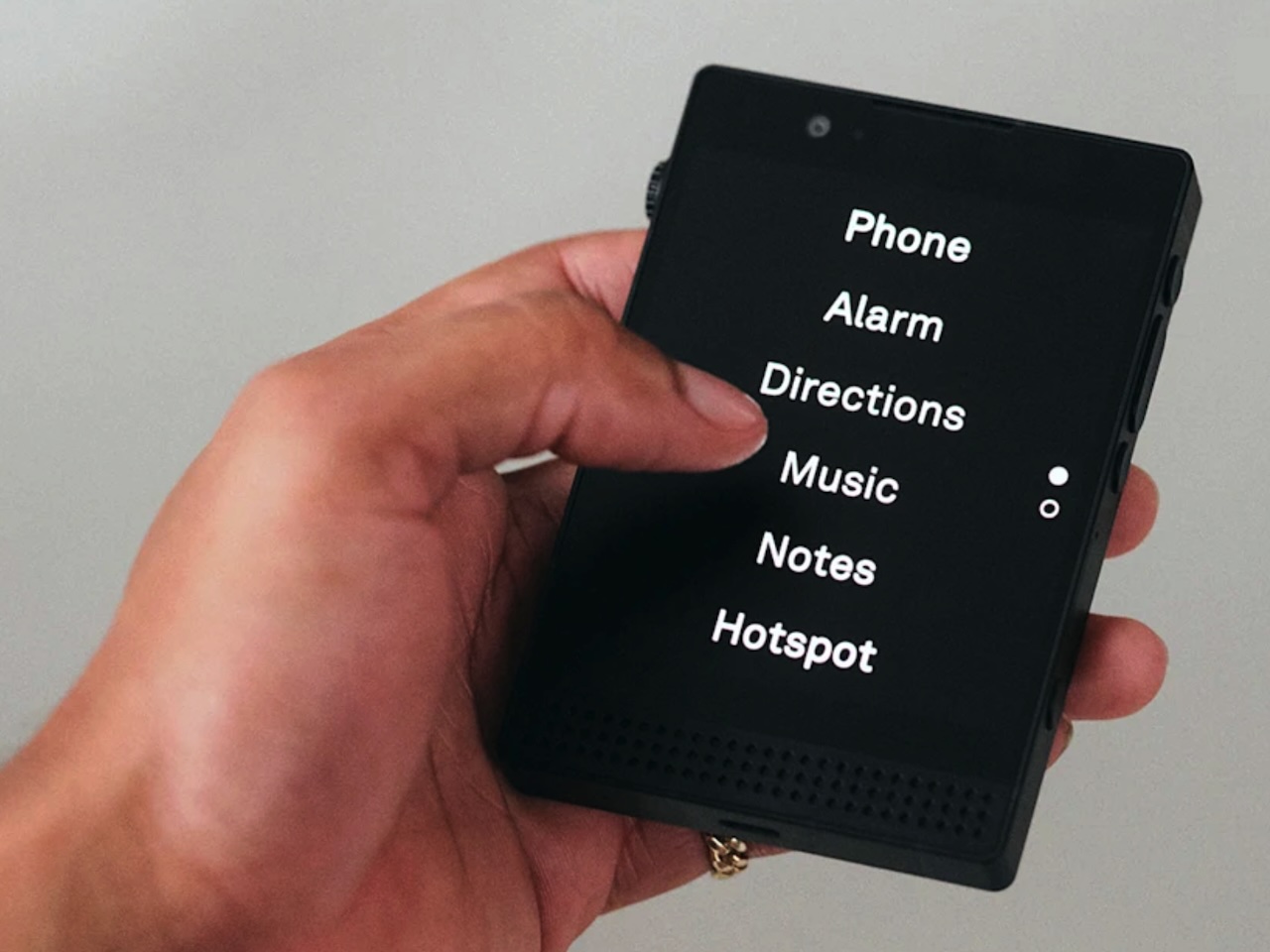
The Light Phone III is the flagship of the intentional tech movement, and for good reason. At 106 x 71.5 x 12mm and 124g, it’s pocketable and feels premium in a way most minimalist phones don’t. The 3.92-inch matte AMOLED display (1080 x 1240) is designed to be used in sunlight and ignored at night. 5G and 4G LTE keep it modern. A 50MP rear camera and 8MP front camera handle the moments worth keeping.
Price: $699
Where to Buy: Light Phone
What’s missing is the point: no social media, no web browser, no email app, no app store. What’s included is what you actually need: calls, messages, directions, music, podcasts, a calculator, an alarm, and notes. An NFC chip is onboard for future tap-to-pay support. The clicky side wheel lets you navigate the interface without swiping. It’s the most refined take on the minimalist phone concept yet, and the price reflects that. Pre-orders are currently $699 (rising to $799 at full retail), with new orders shipping in September 2026; early batches began arriving in March 2025.
2. The Minimal Phone
The Minimal Phone is the one r/dumbphones can’t stop talking about. It pairs a 4.3-inch E-paper display with a tactile QWERTY keyboard on top of pure Android 14: Kindle-style reading, BlackBerry-style typing, and any Android app you want to whitelist. Maps and Spotify, nothing else? Done.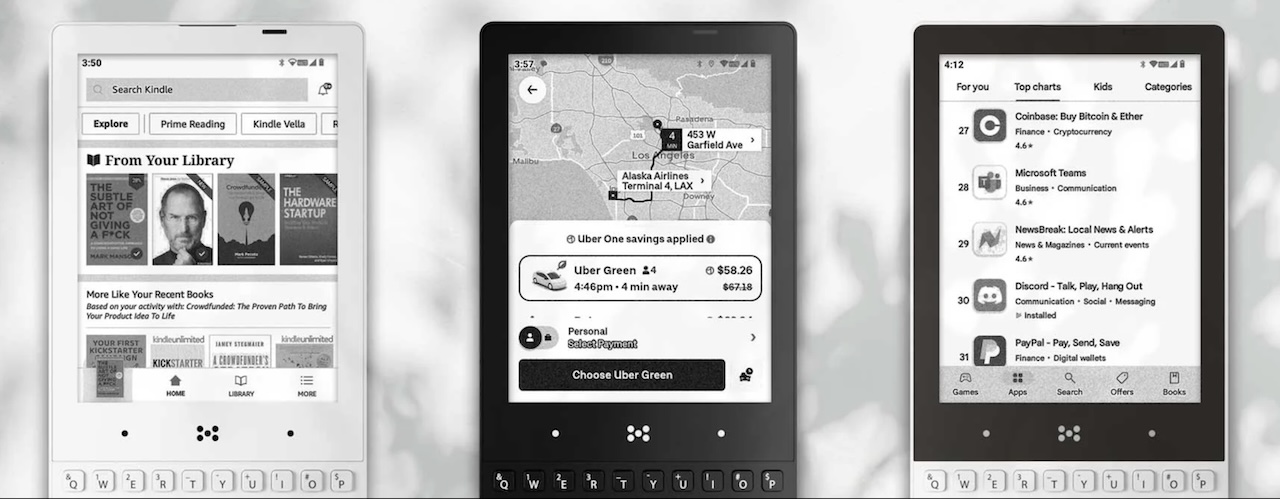
Price: From $399
Where to Buy: Minimal
The e-paper screen makes social apps nearly unusable, that’s the feature, not the bug. Pricing is $399 (6GB/128GB) or $499–$599 (8GB/256GB). Delivery has been rough, with some 2025 buyers waiting months past their estimated ship dates, so check current lead times. If you want a real smartphone replacement that physically resists doomscrolling, this is the pick.
3. Mudita Kompakt
The Mudita Kompakt is the privacy-first choice. It runs MuditaOS K, a custom de-Googled, Android-based system that doesn’t track you, paired with a 4.3-inch E-ink display at 800 x 480 resolution. The monochrome screen is sharp and glare-free, and the whole device feels solid and considered in the hand. The build quality is consistently praised in long-term reviews, and the overall feel is utilitarian and planner-like in the best way.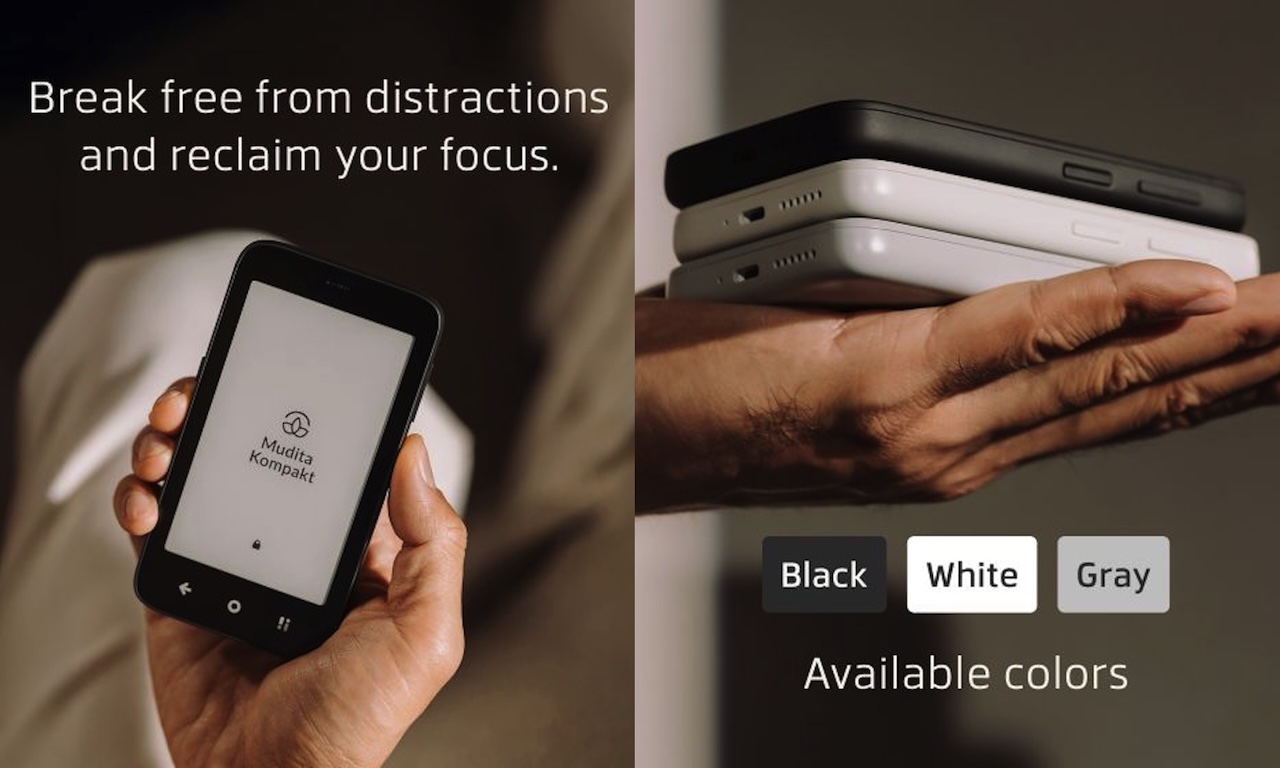
Price: $369 (Sale)
Where to Buy: Mudita
It handles calls, texts, a basic music player, calendar, contacts, alarm, and meditation tools, plus offline navigation. No social media, no browser, no app store. At around $369 on sale (regular $439, or about $399 at full price), it’s one of the better-priced premium minimalist phones, and the privacy angle is a genuine differentiator. Good for anyone who wants distraction-free and surveillance-free in the same package.
4. Punkt MP02
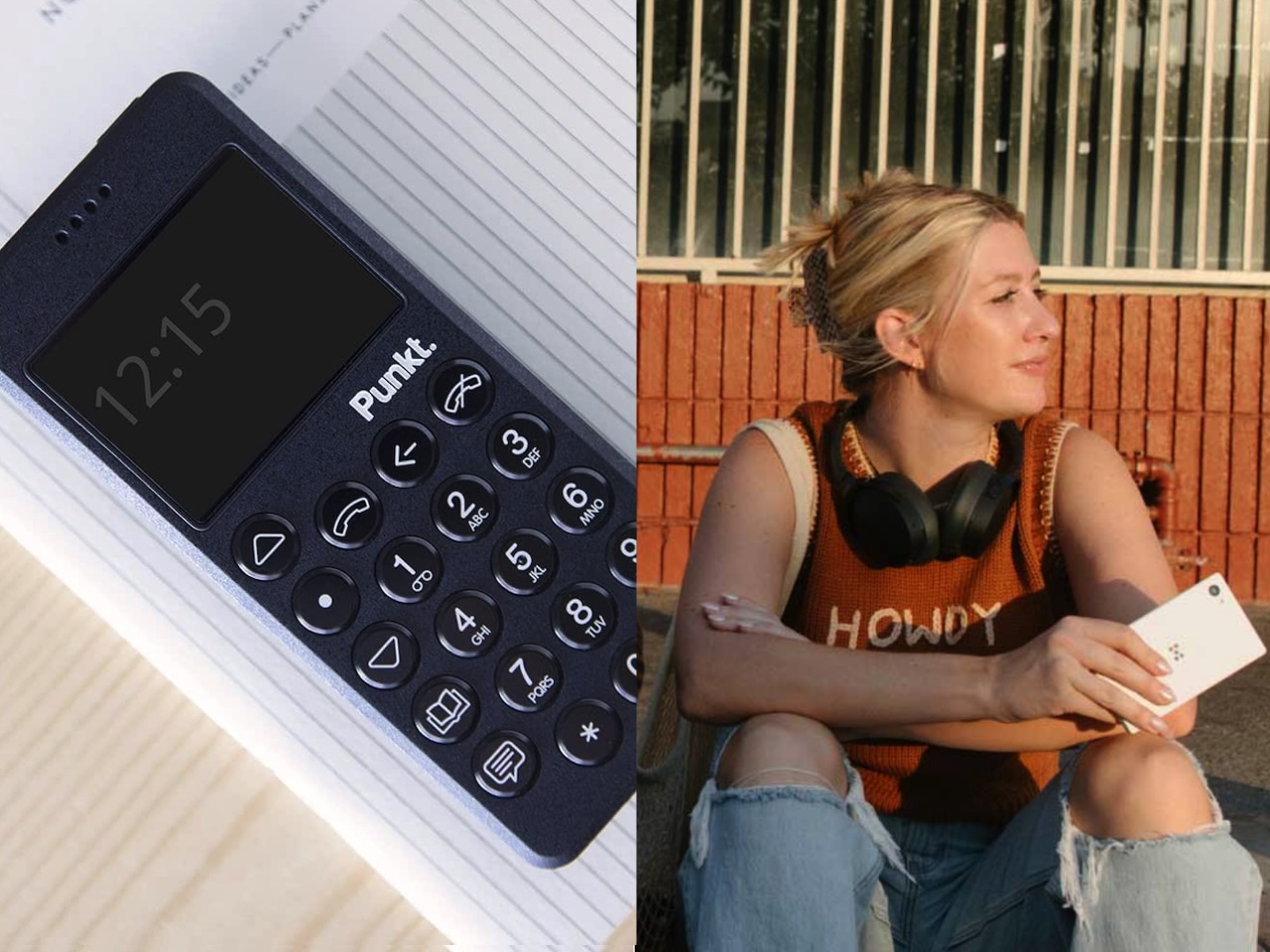
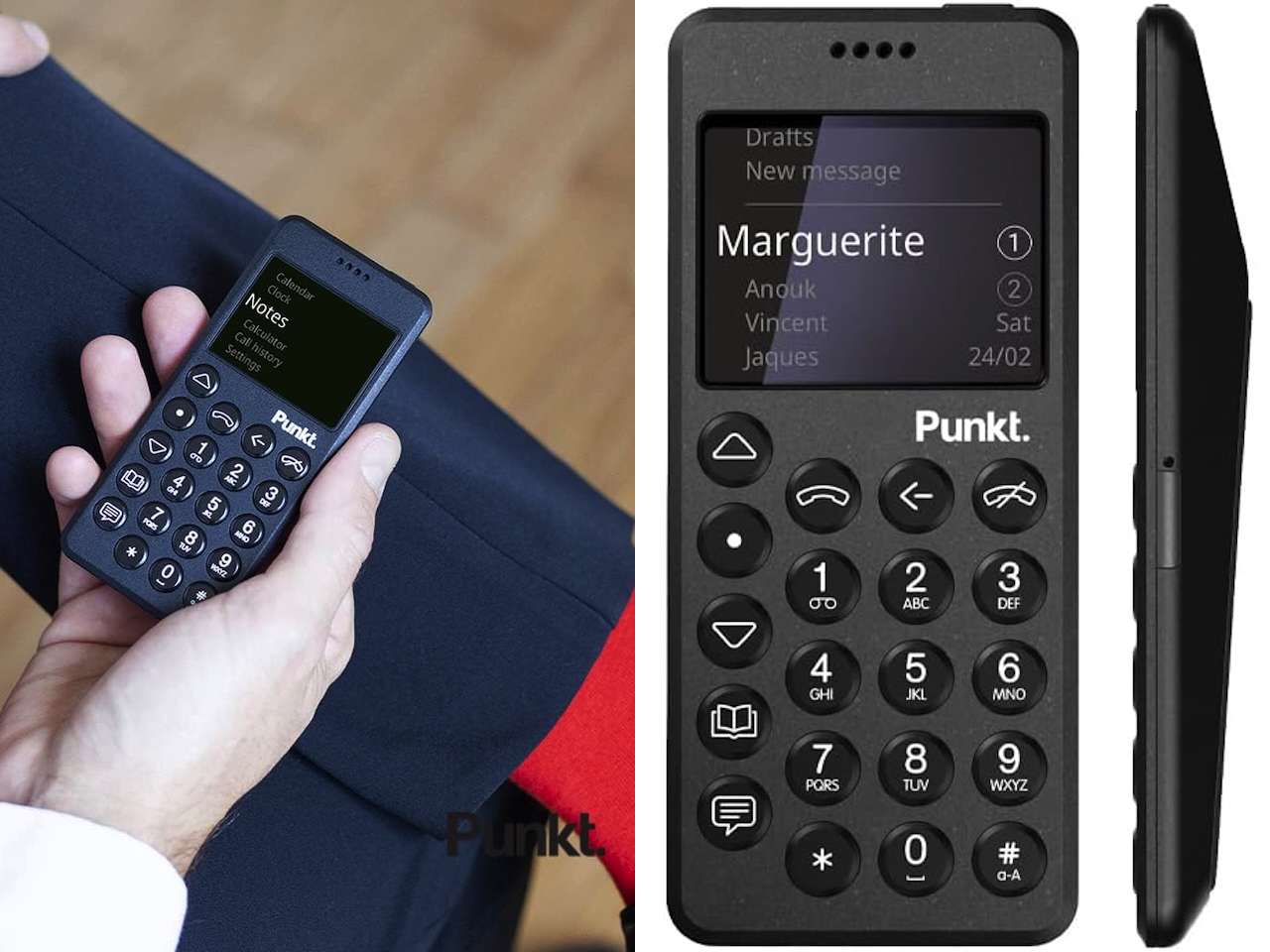
The Punkt MP02 is the stylish option, designed by industrial designer Jasper Morrison with a trapezoidal, glass-fiber-reinforced body that looks more like a calculator than a phone. It has a 2-inch monochrome screen, a tactile T9 keypad, 4G LTE, and a hotspot mode so you can tether a laptop when you really need the internet. There’s no camera, no app store, and no apps beyond calls, texts, calculator, and contacts.
Price: $299
Where to Buy: Amazon
The killer feature for privacy-minded buyers: end-to-end encrypted calls and texts through Pigeon, Punkt’s built-in messenger that runs on the Signal Protocol and interoperates with Signal users. Battery life is rated at roughly 7.5 days of standby (about 180 hours), though real-world mileage varies. Starting around $299 on sale (up to roughly $349–$379 at full MSRP), it’s the most fashion-forward voice phone you can buy, and it photographs beautifully for an Instagram detox post.
5. Wisephone II
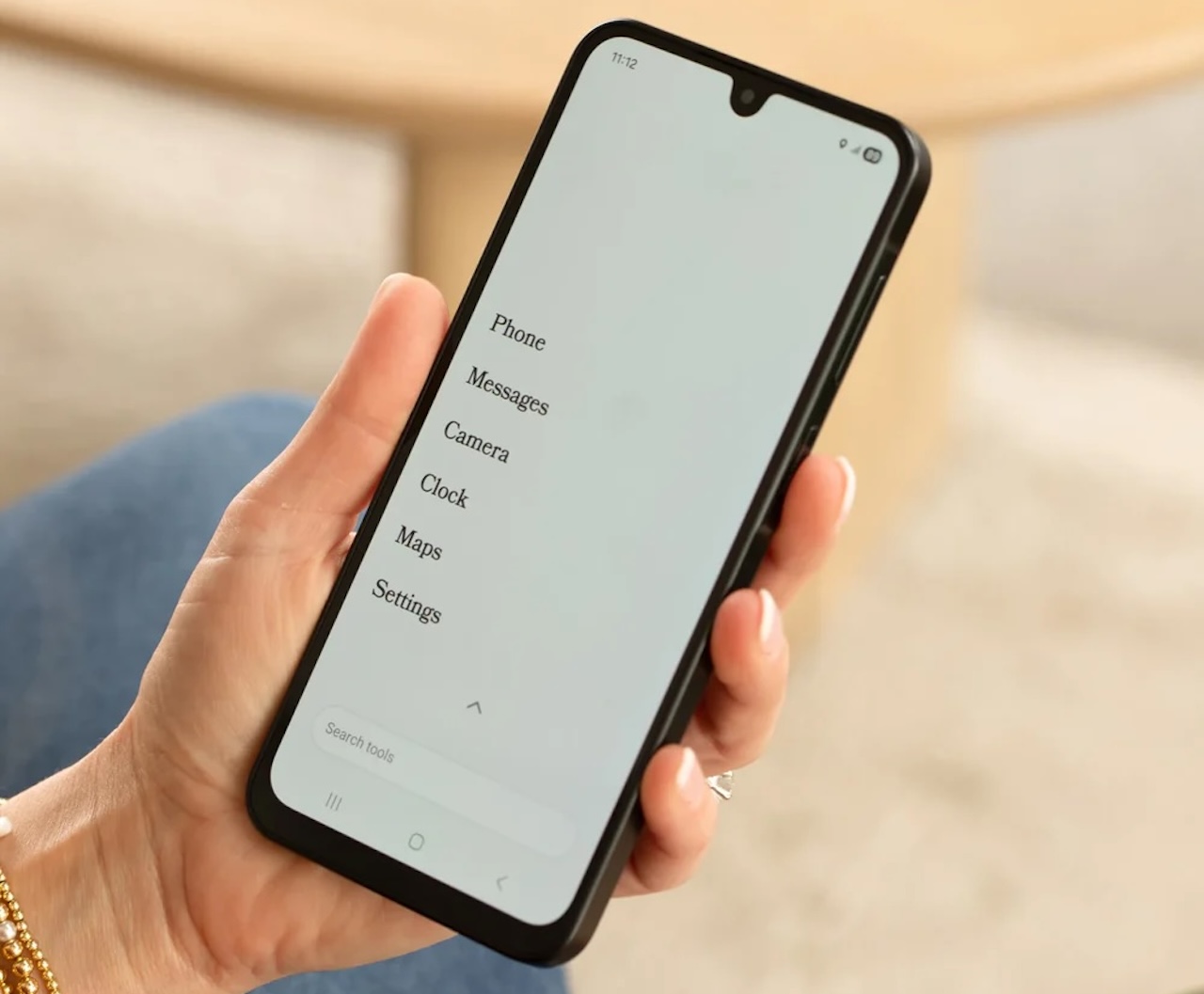
The Wisephone II is the smartest dumb phone in the category. Techless builds it on Samsung Galaxy A15 5G hardware, then strips Android down with its custom WiseOS: about a dozen core tools (phone, messages, camera, maps, music, calendar, calculator, clock, notes, photos, flashlight, 2FA) plus a curated “Tool Drawer” of vetted apps like Uber, Cash App, Waze, and WhatsApp. No browser, no social media, no open app store, no way for kids (or you) to install TikTok.
Price: $399
Where to Buy: Wisephone
The payoff: modern hardware, 5G, a proper touchscreen, and a 50MP camera, with none of the scroll traps. It’s $399 plus a required $14.99/month WiseOS subscription, and the best “I still need directions and Spotify” middle ground on this list.
Trade-offs: Who Should Skip These
Minimalist phones are not just smartphones with fewer icons. They come with real compromises, and they are the wrong call for a lot of people. Skip this category if:
- You rely on work apps on the go. Slack, Teams, Zoom, and most corporate SSO/MFA setups either aren’t available or run poorly on e-ink and curated-OS devices.
- You need a great camera. Every phone on this list is a step backward from a modern iPhone or Pixel. The Minimal Phone and Mudita Kompakt in particular produce photos that reviewers openly call bad.
- You’re not willing to wait. The Minimal Phone has shipped months late for many 2025 backers, and the Light Phone III’s newest pre-orders don’t arrive until September 2026.
- You want to avoid subscriptions. The Wisephone II requires a $14.99/month WiseOS subscription, if that lapses, the phone loses most of its utility.
- You need turn-by-turn navigation everywhere. The Punkt MP02 has a GPS chip restricted to emergency calls, no maps, no navigation app, no directions. The Light Phone III’s Directions app is solid but limited compared to Google Maps or Apple Maps.
- You’re easily frustrated by slow interfaces. E-ink phones (Minimal, Mudita) have visible refresh lag. Even the AMOLED Light Phone III runs a deliberately minimal OS that will feel sluggish to anyone coming from a flagship smartphone.
- You’re a heavy social-media user who isn’t ready to quit. These phones don’t gently nudge you away from Instagram and TikTok. They make those apps nearly impossible to use. That’s the point, but only if you actually want that.
If any of the above describe you, a software-side fix (a minimalist launcher, grayscale mode, Screen Time limits) will do more for your screen time than a $700 hardware swap.
Which Minimalist Phone Is Right For You
The right pick depends on how hard you want to go. Want the most refined, premium experience and can spend $699–$799? The Light Phone III is the flagship. Want a real smartphone replacement with Android apps but an anti-scroll screen? The Minimal Phone. Care about privacy and want no Google in your life? The Mudita Kompakt. Want style and encrypted calls? The Punkt MP02. Need something that keeps maps and music but blocks everything else? The Wisephone II.
Whatever you pick, expect an adjustment period. The first week feels like withdrawal. The second week feels like quiet. By the third week, you’ll wonder why you waited so long to put the smartphone down.