
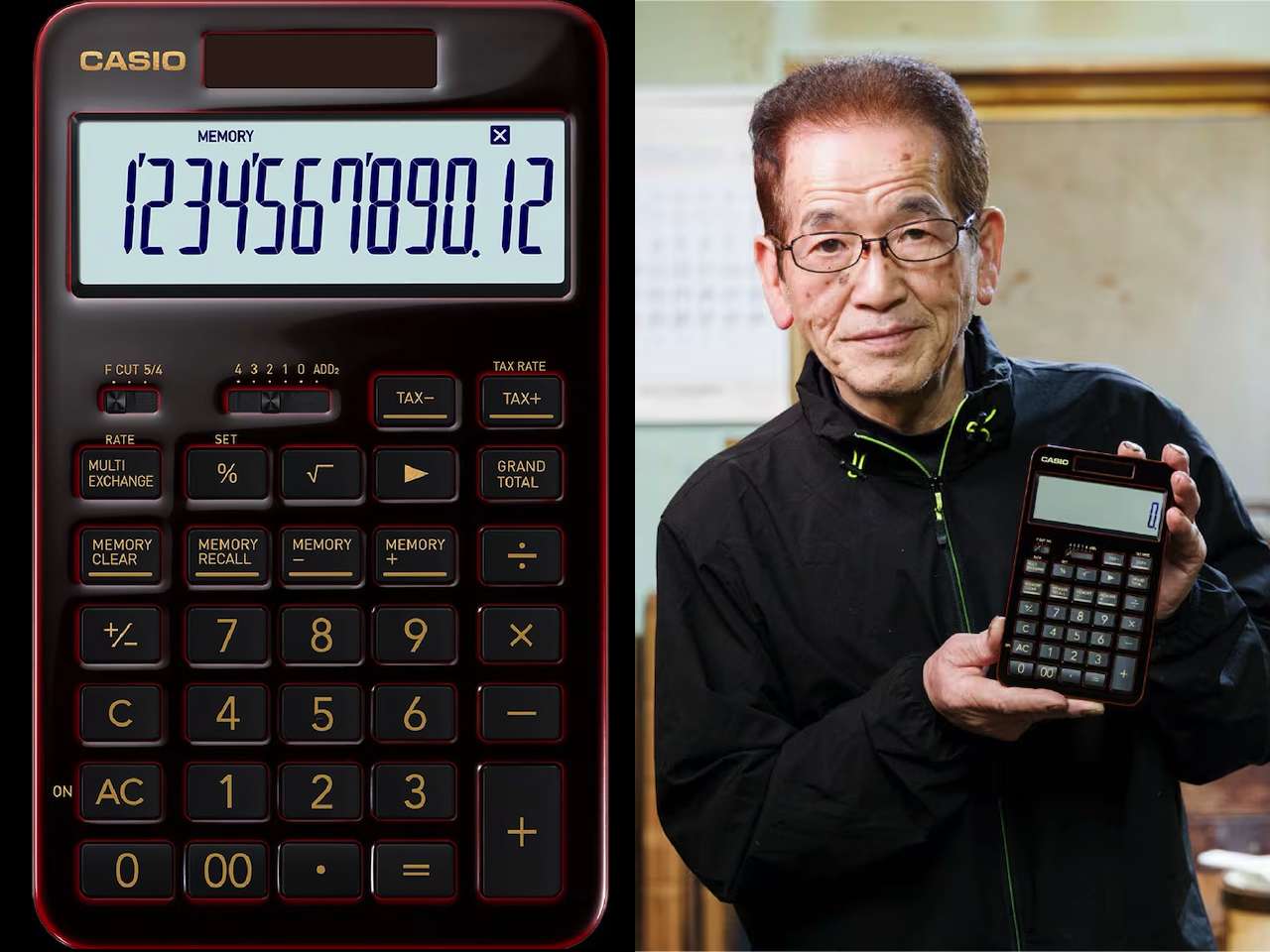
There are billions of calculators in the world right now, and exactly zero of them needed to be hand-painted by a master lacquerware artisan over the course of a full month. Casio did it anyway.
Price: $625 (Sold Out)
Where to Buy: Casio
Physical calculators haven’t gone extinct because phone apps still can’t replicate the tactile certainty of pressing a real key and knowing exactly what you entered. If you run numbers for a living, a dedicated calculator doesn’t interrupt you with notifications, doesn’t drain your phone battery, and doesn’t care whether your fingers are dry enough for a touchscreen to register. Accountants, engineers, and retail workers still reach for them every day, and that sustained demand is precisely what gave Casio room to turn one into a collectible craft object.
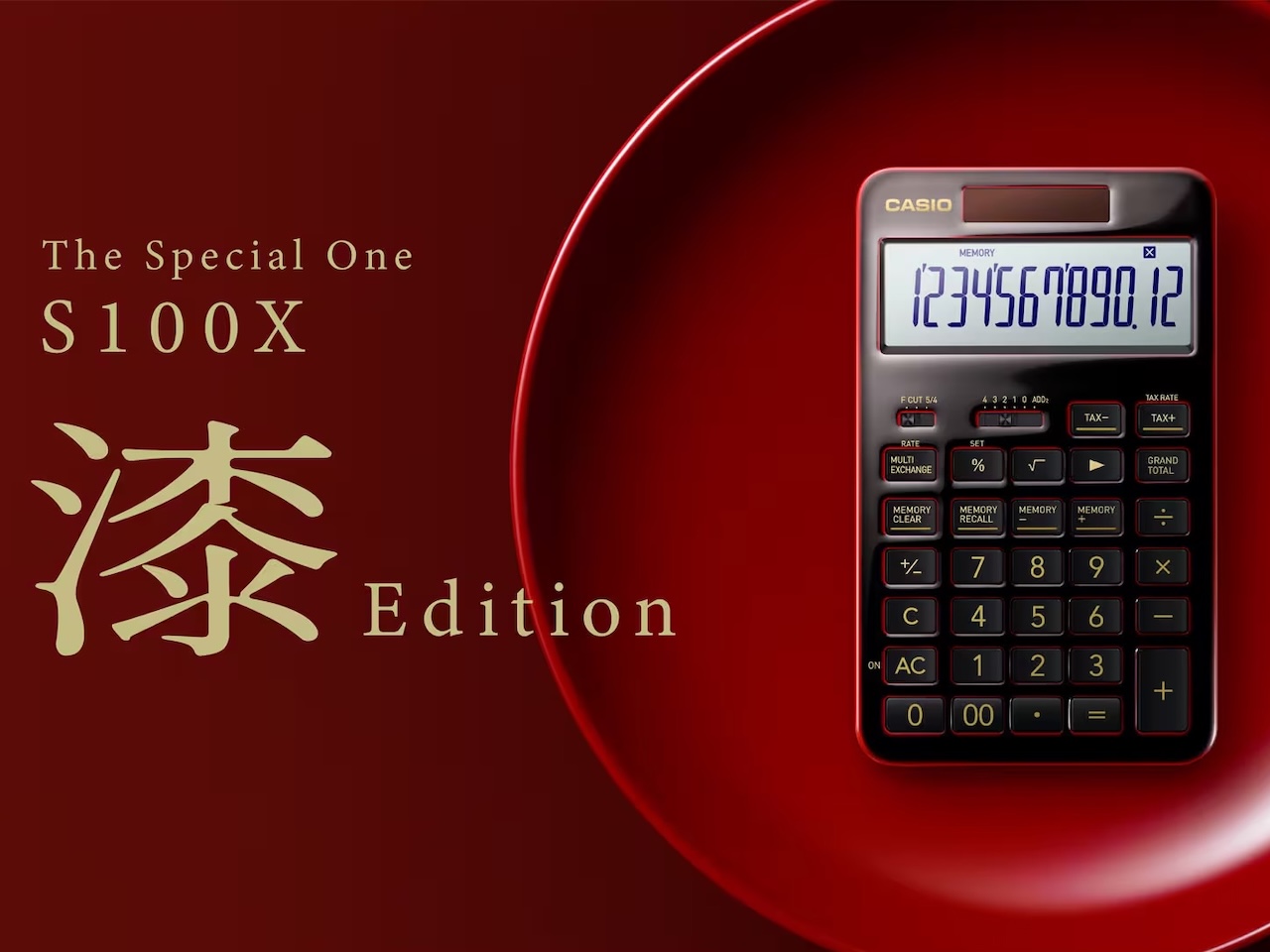
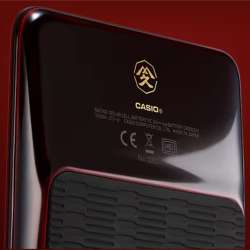
The S100X-JC1-U, officially nicknamed “The Special One,” is a limited edition desktop calculator finished in traditional Japanese urushi lacquer. It costs ¥99,000, which works out to around $625, and Casio only made 650 of them. Every single one has already sold out on Casio’s web store.
The most expensive calculator Casio has ever made
The standard Casio S100X is already a premium piece of hardware at around $350, built from milled aluminum at Casio’s Yamagata factory with scissor-mechanism keys and an FSTN LCD display tinted to look like fountain pen ink on paper. For the limited edition, Casio wanted something a production line couldn’t replicate. So the company went to Sabae in Fukui Prefecture and knocked on the door of Yamakyu Shitsuki, a lacquerware workshop that has been operating since 1930.
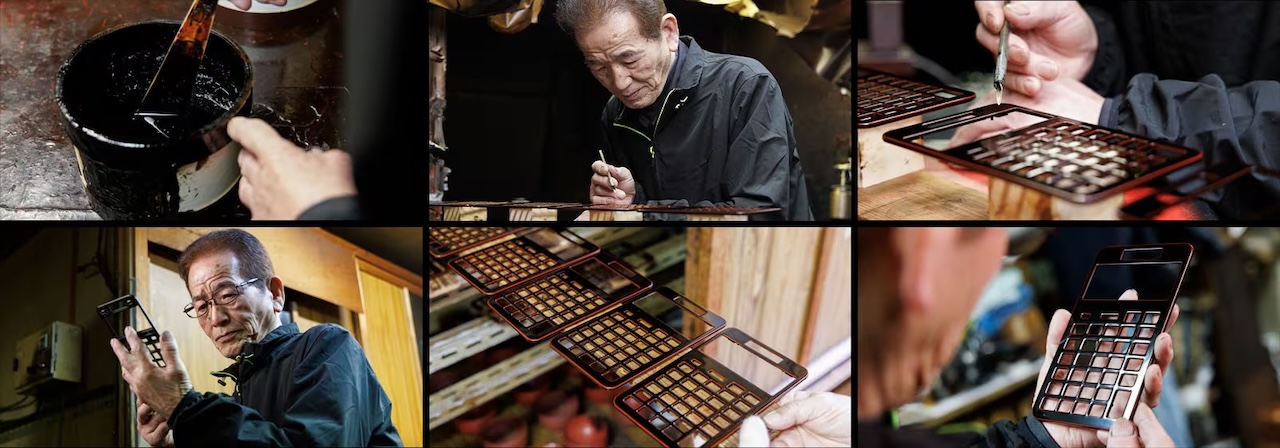
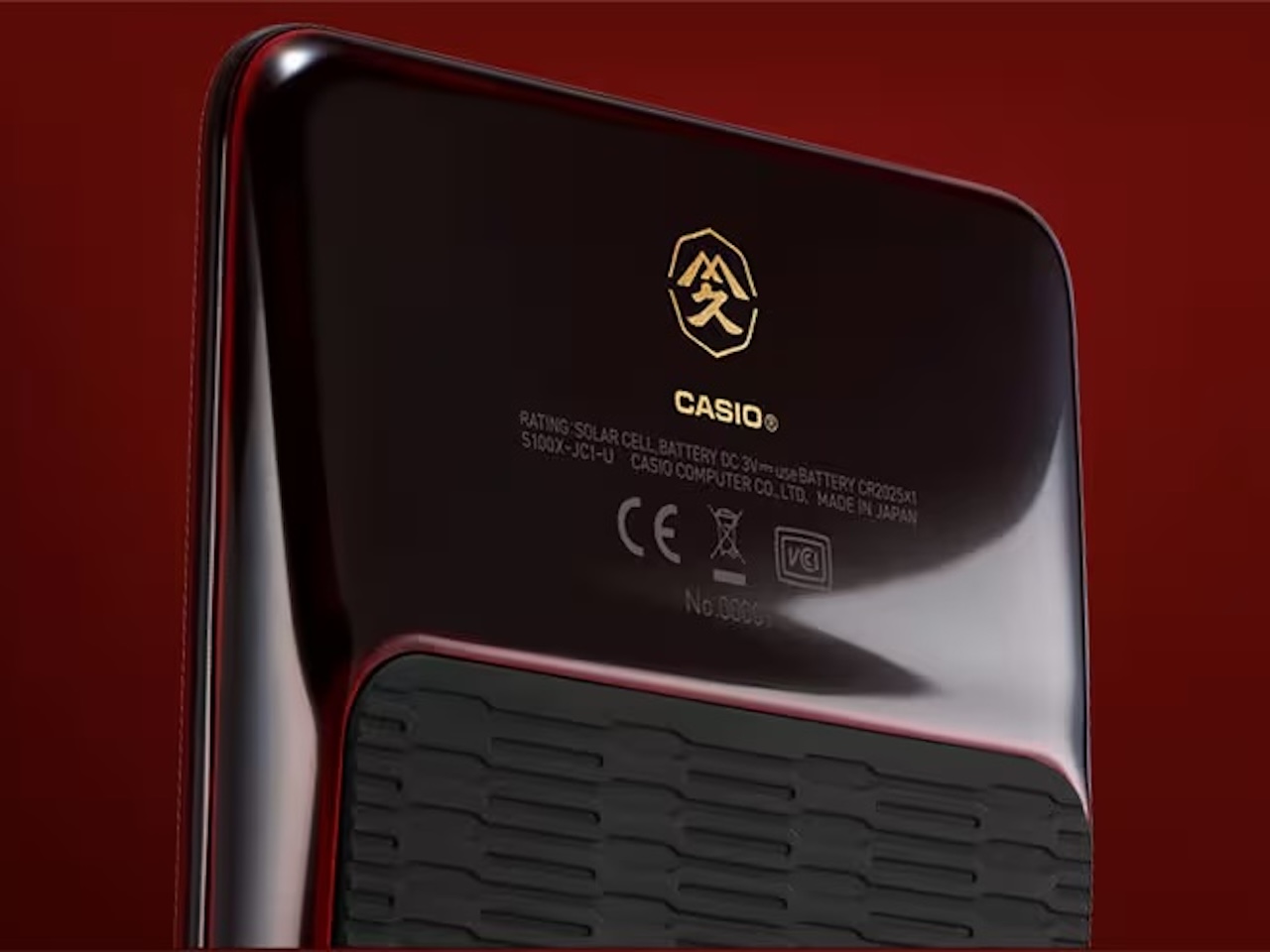
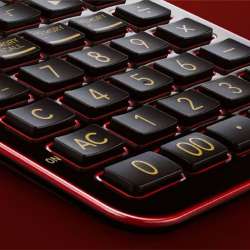
Master artisan Ryuji Umeda handled the finishing personally. He used a technique called tamenuri, which involves layering pure filtered sap from the lacquer tree onto a surface and building up depth through repeated applications over weeks. For each S100X-JC1-U, Umeda spent a full month applying lacquer to the milled aluminum housing. The result is a deep glossy black finish with a subtle red gradient along the edges that shifts depending on the angle and the light, and because urushi lacquer is a natural material with slight variations in every application, no two of the 650 units look exactly identical.
This isn’t decorative wrap or automotive clear coat. Urushi is one of the oldest finishing techniques in Japanese craft, dating back thousands of years, and it produces a surface that actually hardens and improves with age. Casio could’ve slapped a luxury price tag on a color variant and called it limited. Instead, the company committed to a process that takes longer to complete than most product development cycles.
67 years of calculator history led here
Casio’s relationship with calculators runs deeper than most people realize. The company built the 14-A in 1957, a relay-based machine widely regarded as the first compact all-electric calculator, replacing the gear-driven mechanical units that dominated offices at the time. The Casio Mini arrived in 1972 and brought calculators into ordinary households for the first time at a price regular consumers could stomach. By 1983, the SL-800 had gotten thin enough to earn a spot in the permanent collection at the Museum of Modern Art, and Casio crossed the one billion calculators sold mark by 2006.
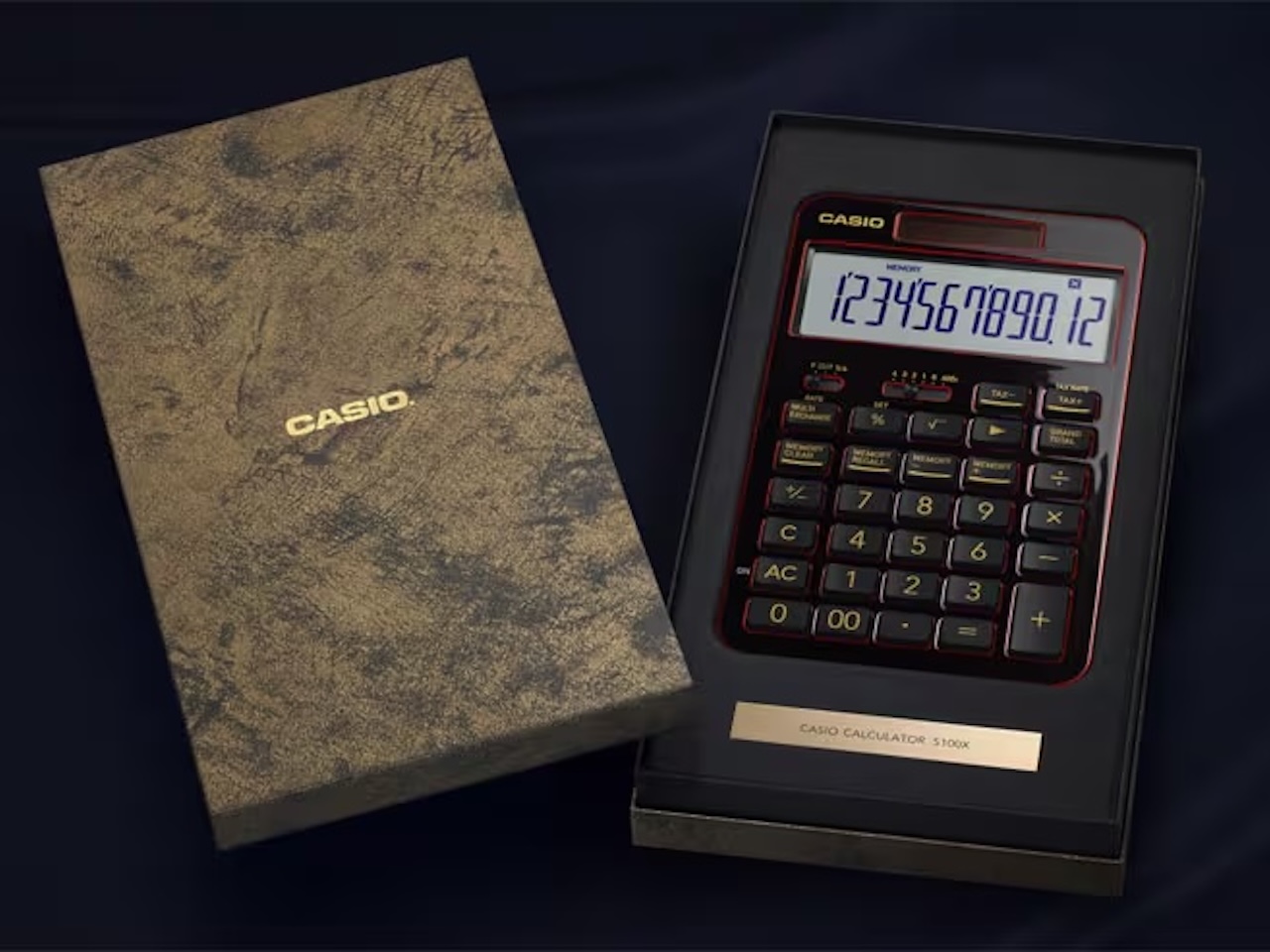
The S100X sits at the top of that lineage as the flagship desktop model. The limited edition pushes it into territory that no mass-market electronics company typically occupies, somewhere between functional office tool and collectible craft object. It ships in a black presentation box with gold foil stamping, arrives with a laser-engraved serial number on the body, and weighs 275 grams because it’s built from solid aluminum rather than the plastic housing you’d find on anything else in a calculator aisle.
What the Casio S100X-JC1-U actually gives you for $625
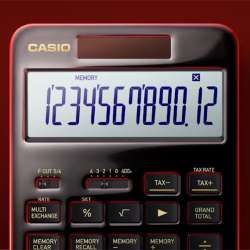
Underneath the lacquer, the S100X-JC1-U runs on the same internals as the standard model. It’s a 12-digit desktop calculator with four-law calculation, tax calculation, unit conversion, and dual memory. Nothing exotic, nothing reimagined. The display uses an FSTN LCD with a double coating for high contrast, and those navy blue digits were chosen specifically to evoke the look of fountain pen ink against a white background.
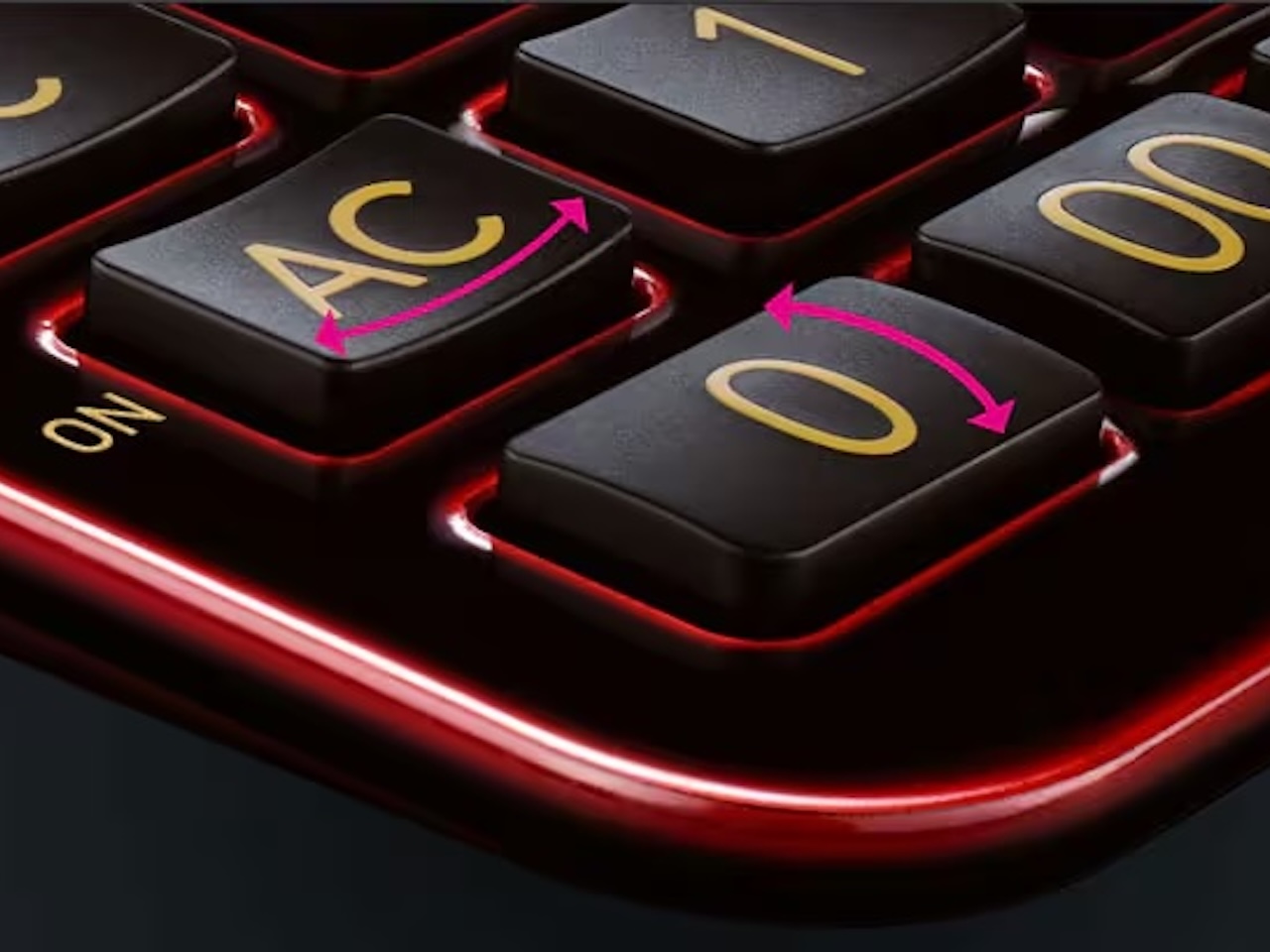
The keys use a pantograph-structured thin isolation design with three-key rollover, which means fast number entry registers cleanly even when you’re flying through calculations at speed. Power comes from a combination of solar cells and a CR2025 coin battery, and Casio rates the battery life at seven years based on one hour of daily use. The whole unit measures 7.20 by 4.35 by 0.70 inches, keeping the desk footprint modest for something with this much craft packed into its shell.
Red accent coloring runs across the key faces and front panel, with gold labeling on the buttons. It’s a deliberate design language that connects the limited edition’s visual identity back to the lacquer finish while keeping the functional layout identical to what existing S100X owners already know.
Why 650 people spent $625 on a calculator
The obvious question is who buys a luxury calculator when phones do math for free, and the answer turns out to be more interesting than “collectors.” Casio positioned the S100X-JC1-U at the intersection of functional tool and traditional craft, and that combination speaks to a specific audience that values handmade objects in a world where almost nothing on a desk is made by human hands anymore.
The standard S100X already has a healthy following at around $350, with eBay listings regularly landing in the low $300s. There’s clearly a market for premium calculators that extends well beyond novelty purchases. Adding a month of artisan lacquerwork to an already well-regarded piece of hardware created exactly the kind of scarcity and craftsmanship story that moves limited editions fast.


Price: $625 (Sold Out)
Where to Buy: Casio
And fast it was. Casio’s web store sold through all 650 units, and the secondary market is already watching closely. For anyone hoping to grab one, that window has closed. Casio hasn’t announced plans for a second run, but given the speed of this sellout, it wouldn’t be surprising to see the company revisit the concept with a different traditional craft partnership down the line.
L39 Ultra Slim UV Protective Filter for Leica Q3 43 Q2 Camera with Moisture-Proof Case & Removal Tool 19 Layers Mulit-Coated UV Ultraviolet Filter 99.3% Light Transmission Water Oil Scratch Resistant
(as of March 19, 2026 23:48 GMT -05:00 - More infoProduct prices and availability are accurate as of the date/time indicated and are subject to change. Any price and availability information displayed on [relevant Amazon Site(s), as applicable] at the time of purchase will apply to the purchase of this product.)
