

Apple’s developer docs got a quiet refresh over the weekend, and the fine print confirms what every Intel Mac owner suspected since WWDC: macOS 27 Golden Gate is the cutoff. The fall release ends native support for Intel-based Macs and also marks the last full version of Rosetta 2. If you’re still on a 2020 MacBook Pro or an older iMac, the public beta landing in July won’t include your machine, and neither will September’s public launch. Here’s which Macs survive the cut and what you’ll want to know before the beta drops.
1. What Apple actually said about Intel at WWDC 2026:
Apple confirmed during the June 8 WWDC 2026 keynote that macOS 27 Golden Gate is the first macOS version limited to Apple silicon. The cutoff wasn’t a surprise; the company flagged it last year at WWDC 2025, telling developers and customers that macOS 26 Tahoe would be the final release to run on Intel-based hardware. What changed this June is the move from warning to official, with developer beta builds confirming the new system requirements.
The Apple Newsroom announcement focused mostly on Apple Intelligence and the next Siri update, leaving the hardware sunset to a single line on the macOS preview page. That preview page now lists Apple silicon Macs only as eligible to install Golden Gate this fall.
2. The macOS 27 compatibility list, line by line:
If you’re not sure whether your machine survives, here’s the cleanest version of Apple’s list. Golden Gate runs on the MacBook Neo (2026), MacBook Air with Apple silicon (2020 and later), MacBook Pro with Apple silicon (2020 and later), iMac with Apple silicon (2021 and later), Mac mini with Apple silicon (2020 and later), Mac Studio (2022 and later), and Mac Pro (2023). Every other Mac, every Intel Mac, gets left at macOS Tahoe.
The four Intel models that ran Tahoe but won’t get Golden Gate are:
- 13-inch MacBook Pro (2020, Four Thunderbolt 3 Ports)
- 16-inch MacBook Pro (2019)
- 27-inch iMac (2020)
- Mac Pro (2019)
That last one stings the most. The 2019 Mac Pro launched at a base price of $5,999, and it’s now six years into its lifecycle with no path to the next macOS feature update.
 Apple’s promised three more years of security patches for Tahoe on Intel hardware, which buys you runway but not feature parity. If you’re an everyday user, your Mac will keep working. If you’re a developer or pro who relies on the latest SDKs, frameworks, or Apple Intelligence features, the clock’s running. Open the Apple menu and pick “About This Mac” to check which side of the line you’re on.
3. Rosetta 2’s last stand: what changes in Golden Gate:
The compatibility news isn’t the only piece worth tracking. Apple’s also using Golden Gate as the final full release of Rosetta 2, the translation layer that lets Apple silicon Macs run apps built for Intel. Starting with macOS 28 in 2027, Rosetta 2 gets scaled back to a slim subset of functionality aimed at legacy games and older Intel-only frameworks.
You’ve probably seen the warnings already. macOS Tahoe 26.4 started popping up a notice every time you launched an Intel app, letting you know the experience wouldn’t survive the next major release. Golden Gate adds a new menu inside System Settings that lists every Intel-built app you still rely on, so you can plan replacements before they break. Installing macOS 27 also uninstalls Rosetta 2 by default, though you can reinstall it manually if a critical workflow needs the breathing room.
For most people, this is a non-issue. For audio engineers, CAD users, niche scientific software shops, and anyone running legacy plugins, it’s a migration project worth starting now.
4. Why this matters more than the Siri demo:
Apple Intelligence and the new Siri AI grabbed the keynote oxygen, but those features are mostly additive. The Intel cutoff and Rosetta 2 wind-down are subtractive, and they affect machines people actually paid for and still use every day. A 2020 Intel MacBook Pro isn’t a dinosaur; plenty of them are still in active service inside offices, classrooms, and home setups.
Apple completed its Intel-to-Apple silicon transition in 2023 with the M2 Ultra Mac Pro, which means the longest-supported Intel Macs are now sitting in the six-to-seven-year-old bracket. That’s the natural retirement window for a work machine, but it’s also the bracket where a lot of buyers expect another two or three years of feature updates before they upgrade. Golden Gate’s cutoff resets that expectation. The fall 2026 release isn’t just a new OS; it’s the line in the sand for the entire Intel Mac era.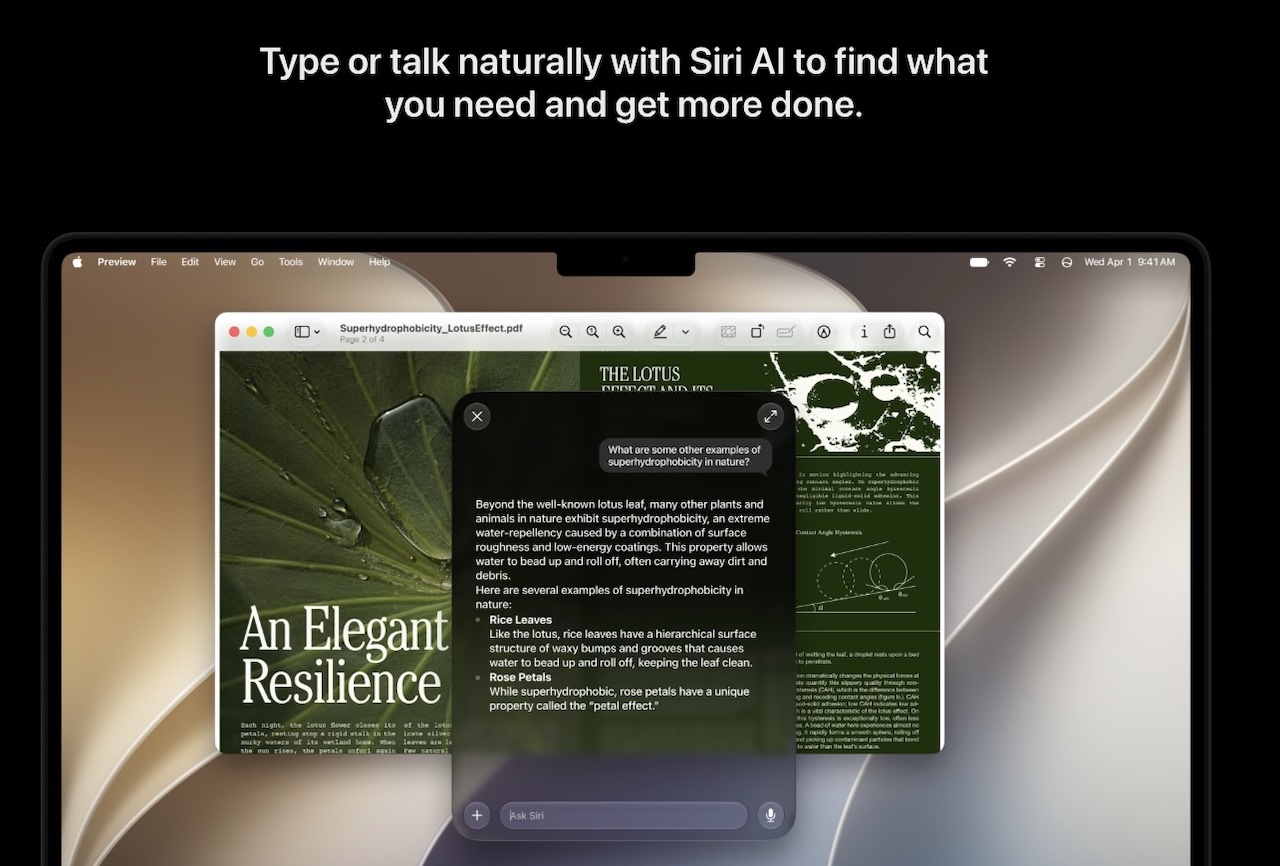
5. Apple silicon now or wait for the next hardware cycle:
The buying question’s the obvious follow-up. If your current Intel Mac still handles your workload, you’ve got until September before macOS 27 ships, and Apple’s three-year security patch promise covers Tahoe well into 2029. There’s no panic timeline.
But if you’ve been putting off the upgrade, the next three months are a useful window to plan. Apple’s current M5-class MacBook Pro and M4 Mac mini lineup will run Golden Gate on day one, and the MacBook Neo with A18 Pro is already shipping for buyers who want something on the lighter end. Prices haven’t moved in months, so waiting for a deal during back-to-school or the early fall window could shave a few hundred dollars off. Just don’t wait so long that your Intel machine outlives its app library.
The bigger trap is over-buying. Most writers, students, and everyday users will be fine with an M5 MacBook Air rather than a Pro, and the savings cover a few accessories or AppleCare.
The Siri demo will get the headlines all summer. The macOS 27 compatibility list will quietly decide which Macs make it to fall 2026 with their feature updates intact. Check your Mac, plan your upgrade, and don’t let the Intel sunset catch you mid-deadline.
