
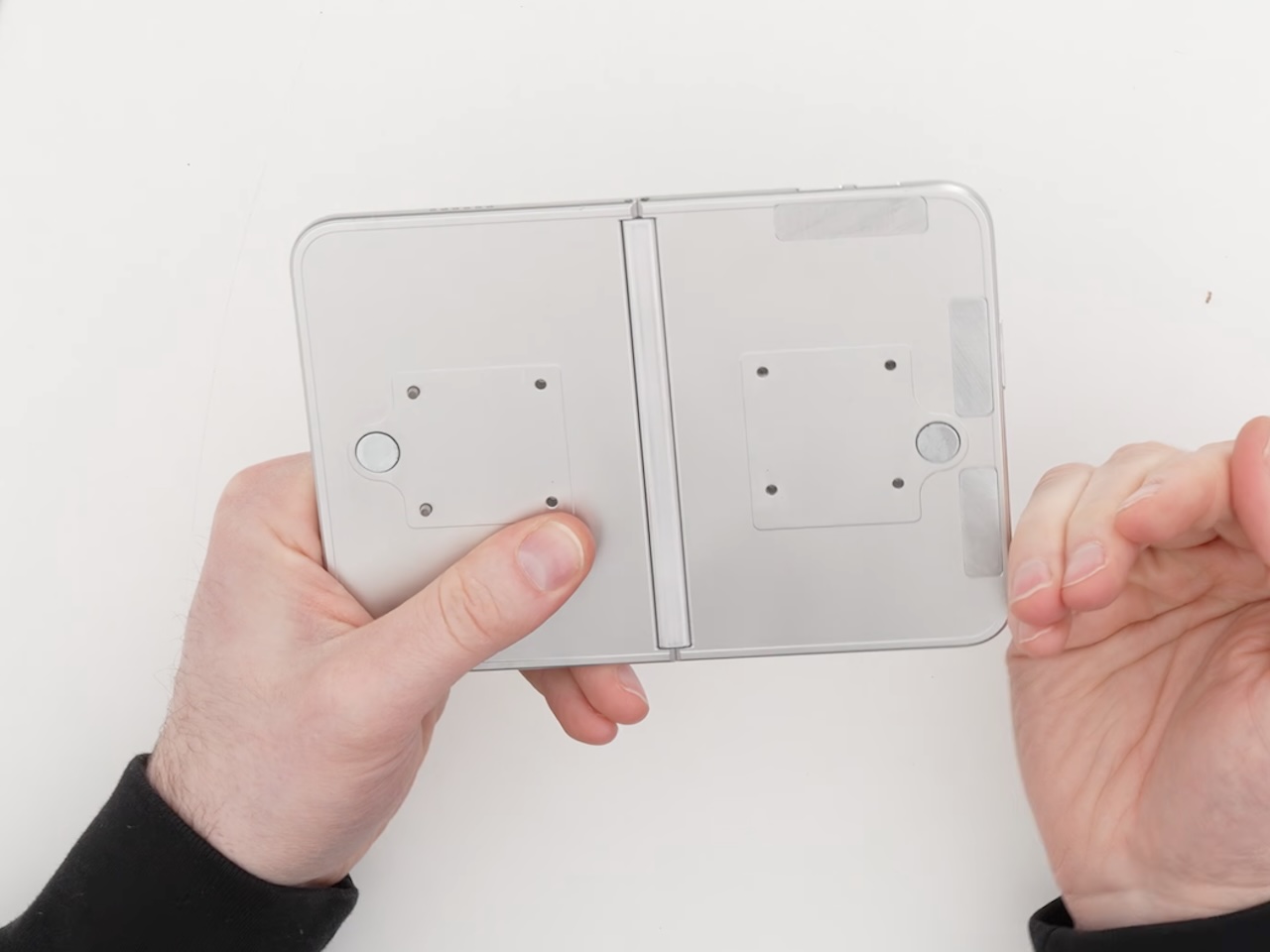
We’ve been trained to believe that a category isn’t real until Apple shows up. Folding phones have existed for years, they’ve gotten thinner, more durable, and good, yet plenty of people are still sitting on their hands waiting for Cupertino to bless the idea. That instinct feels safe. It also has a cost, and the cost is rising.
So the real question isn’t whether Apple’s foldable phone will be impressive. It’s whether the wait is worth what you give up between now and the fall.
What the Leaks Actually Point To
Everything about Apple’s foldable (aka the iPhone Fold or the iPhone Ultra) is still rumor, so treat the specifics as moving targets rather than facts. The supply chain chatter lines up on a book-style design that opens like a small notebook, with a cover screen around 5.5 inches and an inner display near 7.8 inches at a squarer 4:3 shape. The framing centers on one idea: a foldable that feels like a normal iPhone in your pocket and a tablet in your hands.
The more interesting rumors are about the engineering. Leakers point to a titanium and aluminum frame, an unfolded thickness somewhere around 4.5mm, and a hinge tuned to make the center crease nearly invisible. If those hold, the headline feature isn’t the fold itself. It’s that Apple appears to be chasing a flat, creaseless inner panel as the baseline, not the bragging point.
There’s a tradeoff buried in the same leaks. The fold reportedly brings back Touch ID in the power button instead of Face ID, a space decision that says a lot about how tight the internals are. Expect the A20 Pro chip, a generous helping of RAM, and a price that starts around $2,000 and could climb toward $2,500 depending on storage.
The Bar Apple Has to Clear
Here’s where it gets hard for Apple. The current crop of foldables already nailed the things first-generation folding phones got wrong. The creases shrank. The hinges stopped feeling fragile. The software finally treats the big screen like a real workspace instead of a stretched phone. Showing up late means the floor is high.
A creaseless panel won’t feel like a breakthrough when buyers have already used foldables with barely-there creases. A slim profile is impressive, but slimness on its own doesn’t multitask, doesn’t shoot better photos, and doesn’t survive a drop. The pressure isn’t on Apple to invent the foldable. It’s on Apple to out-execute phones that have had five years of iteration.
The software question is the one that actually matters. Apple’s advantage was never raw specs, it was the way the parts disappear into the experience. If iOS turns a 7.8-inch canvas into something that meaningfully changes how you work and watch, the late arrival gets forgiven fast. If it ships as a bigger iPhone with a seam, the price becomes very hard to defend.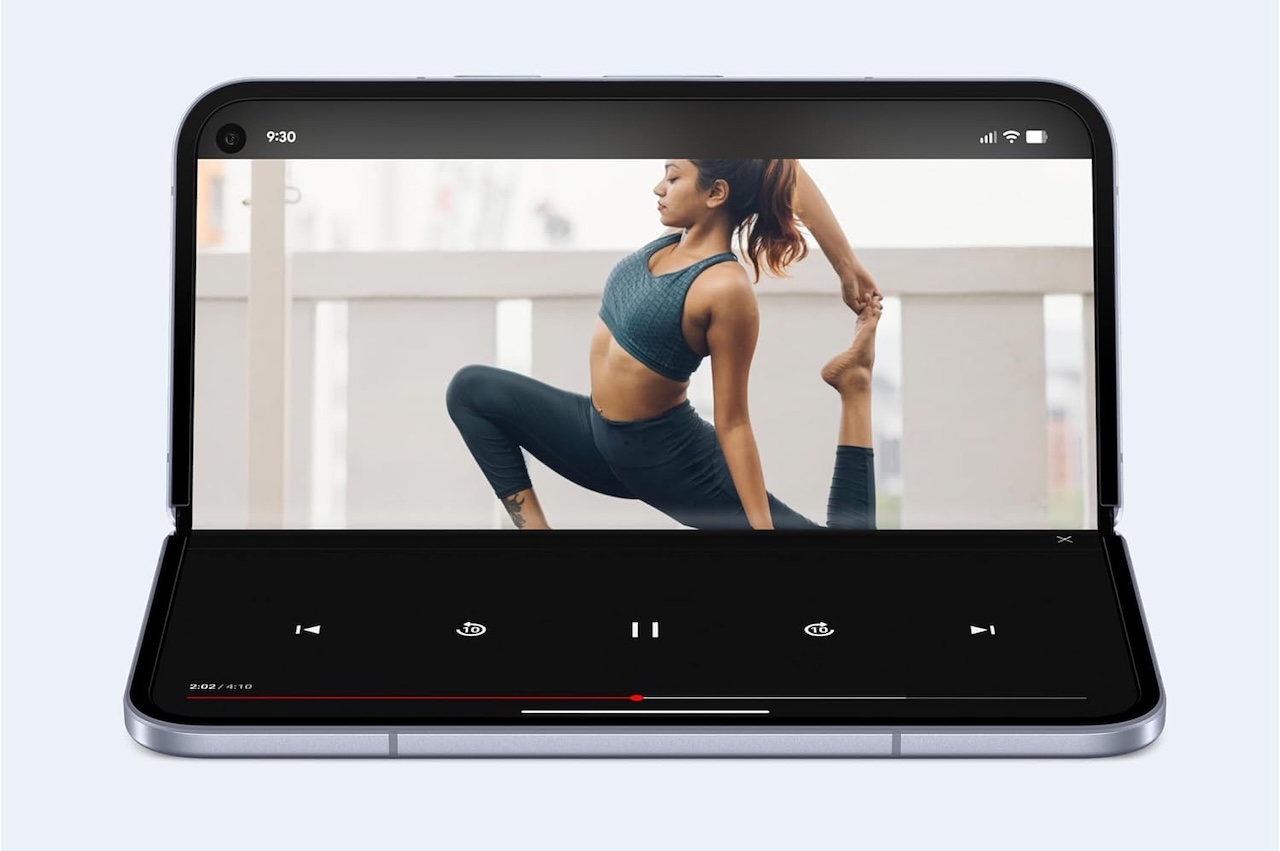
Waiting Until September Isn’t Free
This is the part the rumor coverage tends to skip. A first-generation foldable carries first-generation risk, and the early reports already hint at tight supply and a difficult build that pushed mass production later than Apple wanted. Translation: even if you want one on day one, you might be staring at backorders well into next year.
There’s also an opportunity cost that nobody itemizes for you. Holding a slab phone for another four to six months means skipping a half year of the thing foldables are actually great at, a real second screen for reading, multitasking, and watching. If your current phone is limping along, waiting isn’t patience. It’s paying for nothing.
What to Buy Right Now Instead
If the appeal is the folding form factor and not the logo, the good news is the best versions of this idea are already on shelves. These are the picks that cover the main reasons people want a foldable in the first place.
For the closest thing to a foldable done right, the book-style flagships are the move. For people who want compact over canvas, a flip-style phone delivers most of the magic at a friendlier price.
| Phone | Style | Why it makes the list | Starting price |
|---|---|---|---|
| Samsung Galaxy Z Fold 7 | Book | The most polished big-screen multitasker, with the widest app support for split screen work | $1,999 |
| Google Pixel 10 Pro Fold | Book | The pick for camera and on-device AI, with the cleanest software for casual use | $1,799 |
| Motorola Razr (2026) | Flip | The friendliest way into foldables, pocketable with a seriously useful cover screen | $799.99 |
| Honor Magic V5 | Book | The slim option for buyers in regions where it’s sold, thin and light for a book-style fold | about £1,699 (UK/EU) |
The book-style options are the ones that get you the tablet-in-your-pocket experience the iPhone Fold is chasing. If you live in your apps and want the inner screen to pull real work, that’s the lane. If you mostly want a flagship that shrinks down and turns heads, the flip is the smarter spend.



Who Should Wait, and Who Shouldn’t
Waiting makes sense for a specific person: you’re deep in Apple’s ecosystem, your current iPhone is fine for now, and a smooth handoff with your Mac, iPad, and Watch matters more than having a foldable this year. For that buyer, the iPhone Fold is worth circling on the calendar.
Skip the wait if your phone is on its last legs, if you’ve been curious about a big folding screen for a while, or if a $2,000-plus first-generation gamble with possible supply shortages sounds like a headache. The current foldables already do the job, and they’ll hold their value as trade-in fuel when Apple’s version proves itself.
The foldable era didn’t pause for Apple, and you don’t have to either. The smart play is to buy the experience you want today with clear eyes, then let the first iPhone Fold earn its price tag on its own merits.
