Portable power station searches have nearly quintupled year over year, and this summer is the reason. Peak heat in the U.S. runs from late June through August, when grid strain is highest, storm activity peaks across the Gulf and Southeast, and campsite demand surges simultaneously. A single purchase covers all three scenarios.
The 2026 market for home battery backup has settled into three clear tiers: sub-$300 pocket units for phones and laptops, $400-$800 mid-range boxes that can run a fridge or power tools, and $2,000-plus whole-home systems that replace a gas generator. These five models are the ones that earn their price when the heat ramps up.
At a glance
Here’s the quick read on every pick in this guide.
- Anker SOLIX C1000 Gen 2: 1,024Wh, 2,000W, $499. Best overall for most buyers.
- EcoFlow DELTA Pro 3: 4,096Wh, 4,000W, $2,499. Best for whole-home backup.
- BLUETTI Elite 200 V2: 2,073Wh, 2,600W, $799. Best large-capacity value.
- Jackery Explorer 300: 293Wh, 300W, $279. Best compact budget pick.
- BLUETTI Elite 30 V2: 288Wh, 600W, $239. Best pocket-sized powerhouse.
All five span $239 to $2,499 and cover capacities from 288Wh to over 4kWh.
1. Anker SOLIX C1000 Gen 2: Best overall
Price: $449.99
Where to Buy: Amazon
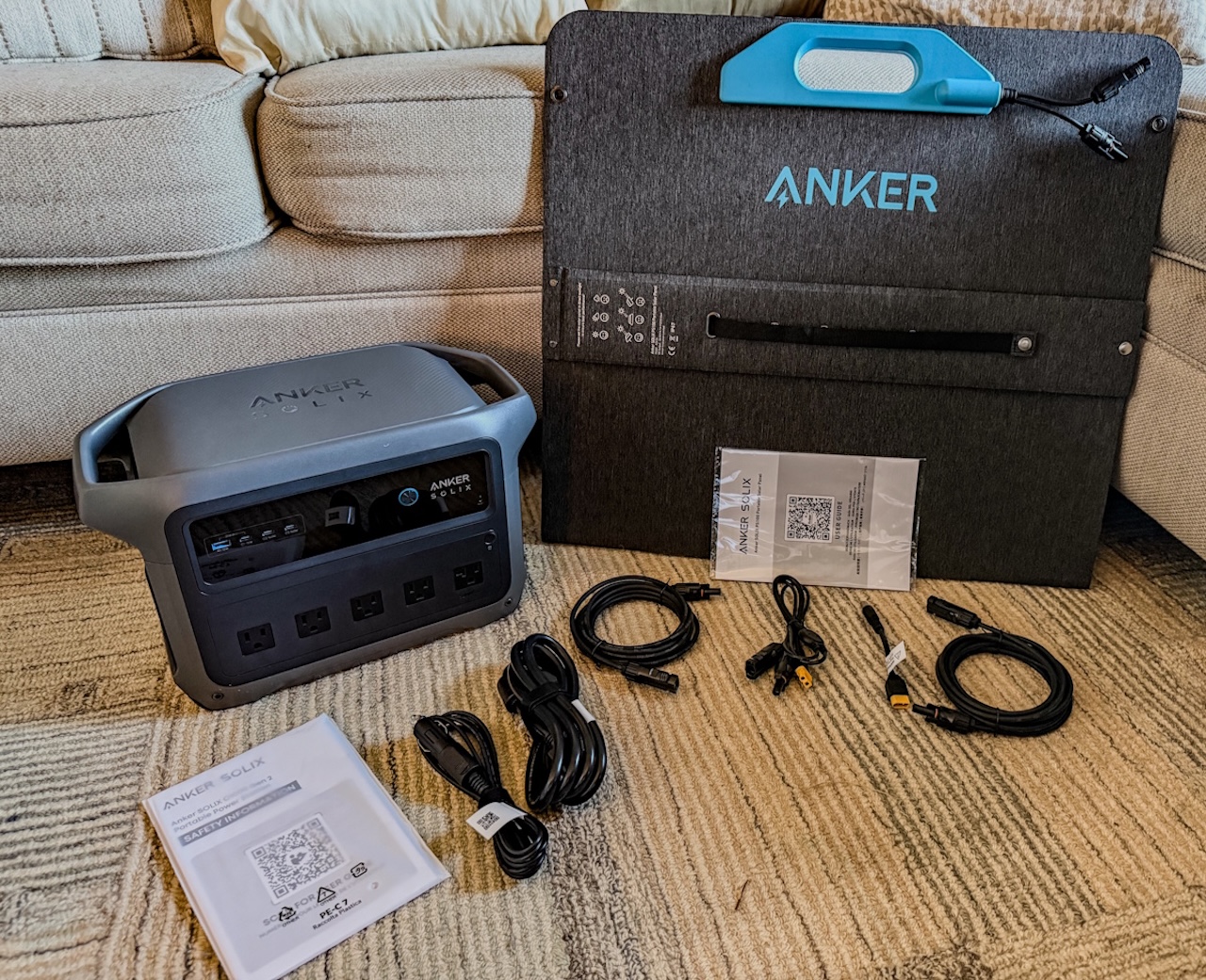
The Anker Solix C1000 Gen 2 is the power station to consider first without a specific budget in mind. It packs 1,024Wh of LiFePO4 battery capacity and a 2,000W continuous output, which is enough to run a microwave, a small fridge, or multiple power tools at once. On paper it looks like a mid-range unit, but the 2,000W output puts it above most competitors in the $500 range.
Anker cut the weight to roughly 25 pounds in this generation, down from the original C1000, and the 0-to-100 percent charge time lands at about 49 minutes in fast-charge mode. The port selection covers five AC outlets, USB-C PD at 100W, USB-A, and a 12V car socket, so you can power a campsite or a home office without daisy-chaining adapters. For context, the original Jackery Explorer 1000 from 2020 offered 1,000W output at roughly the same weight and a $999 launch price; this unit doubles the output for $500 less.
2. EcoFlow DELTA Pro 3: Best for home backup
Price: $2,599 (On Sale from $3,699)
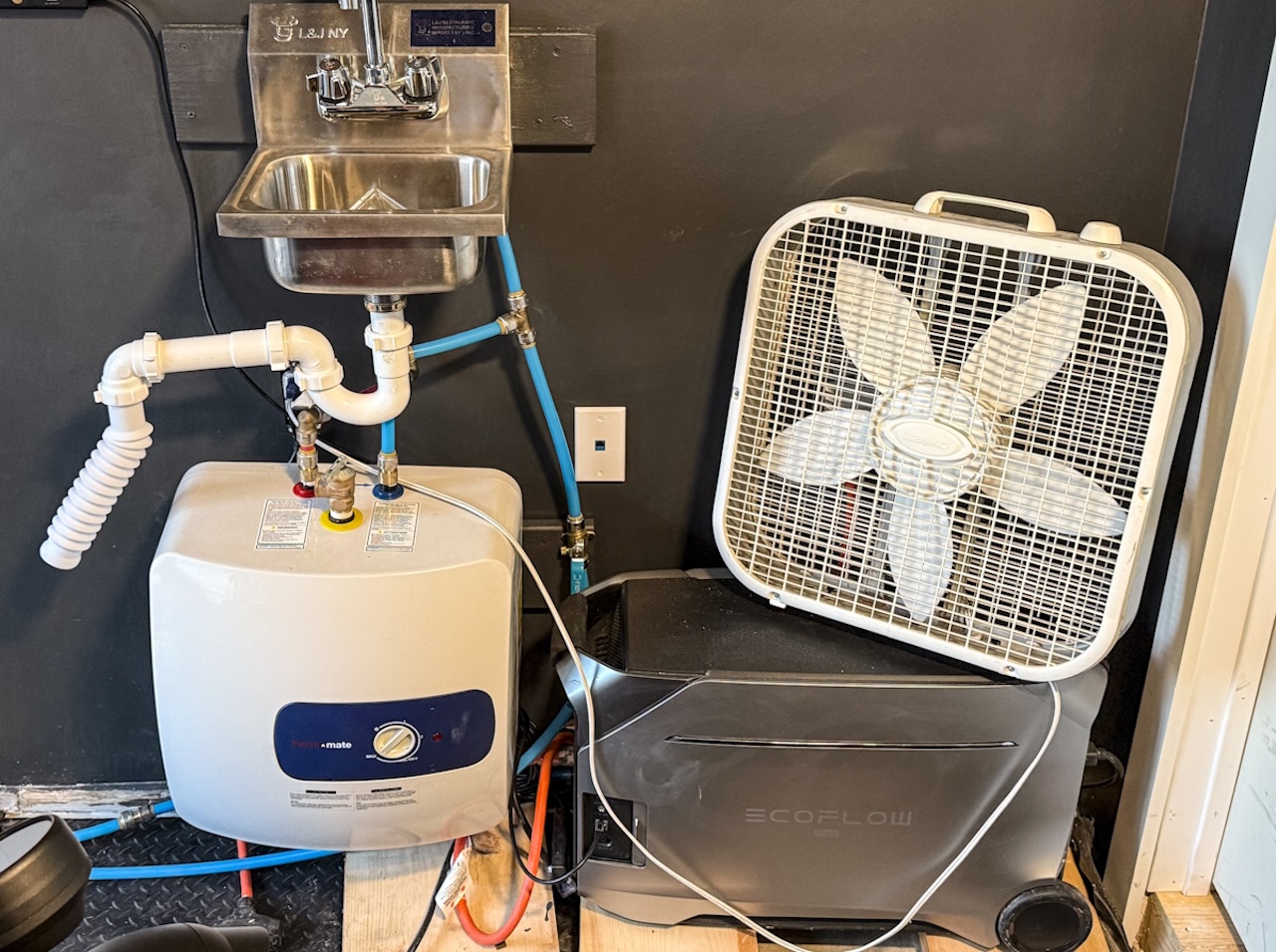
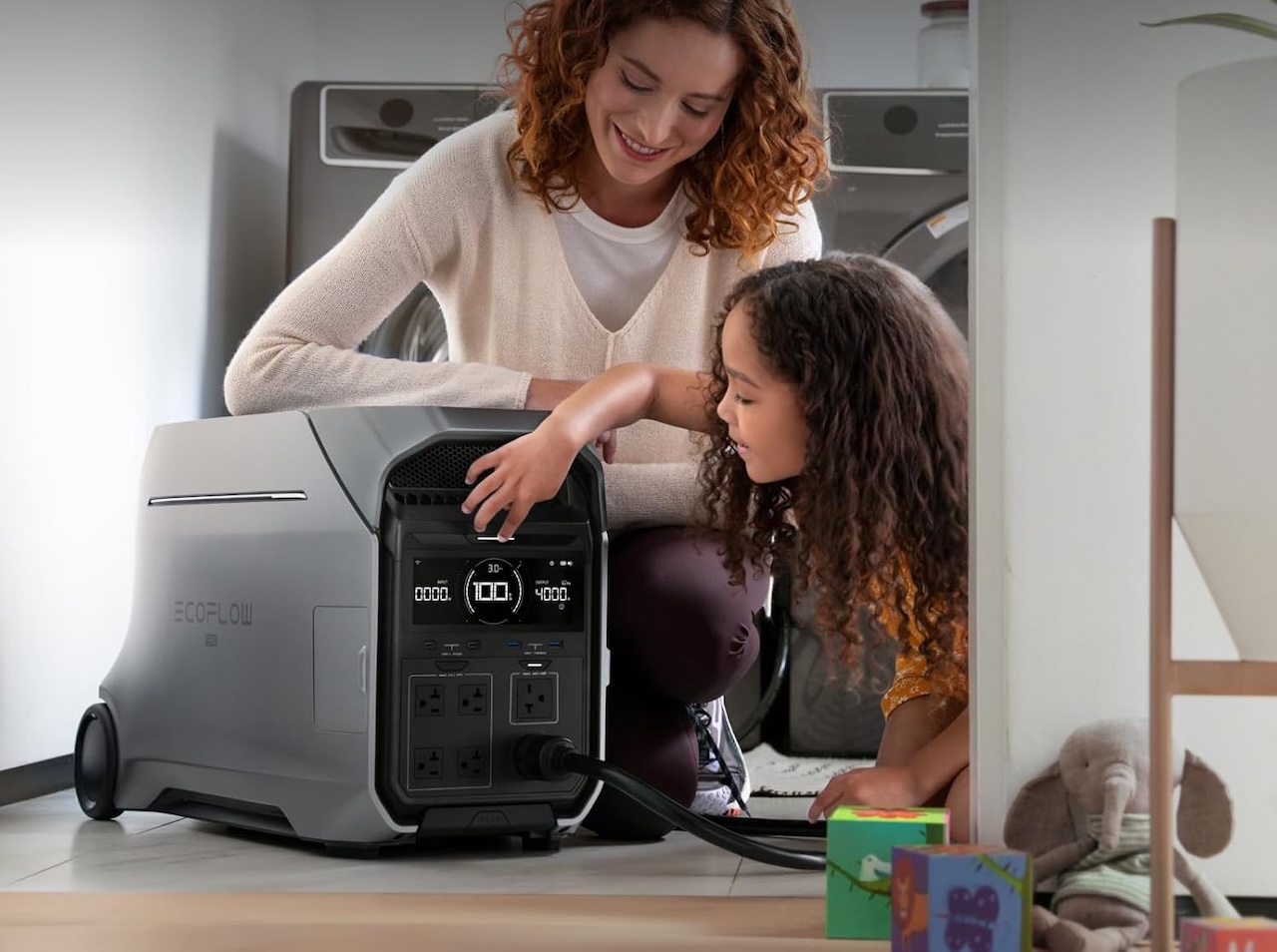
Where to Buy: AmazonIf you’re shopping for a unit that can back up an entire house during a multi-day outage, the DELTA Pro 3 is the strongest whole-home option available at consumer pricing. It ships with a 4,096Wh LiFePO4 battery and 4,000W of continuous output, expandable to 48kWh with extra batteries if your budget allows. That’s enough to run a 3-ton central air conditioner, an electric dryer, or multiple refrigerators at once.
The unit outputs 120V and 240V, which matters if you’re powering heavy appliances or workshop equipment that needs the higher voltage. EcoFlow rates a full charge at about 2 hours from a wall outlet, and the built-in UPS switches over in under 10ms, which is fast enough to keep a desktop PC or a NAS running without a hiccup. At roughly 114 pounds it isn’t something you toss in a trunk for a weekend trip, but it’s on wheels, and for home backup that’s the right tradeoff.
3. BLUETTI Elite 200 V2: Best large-capacity value
Price: $799 (On Sale from $1,070)
Where to Buy: Amazon
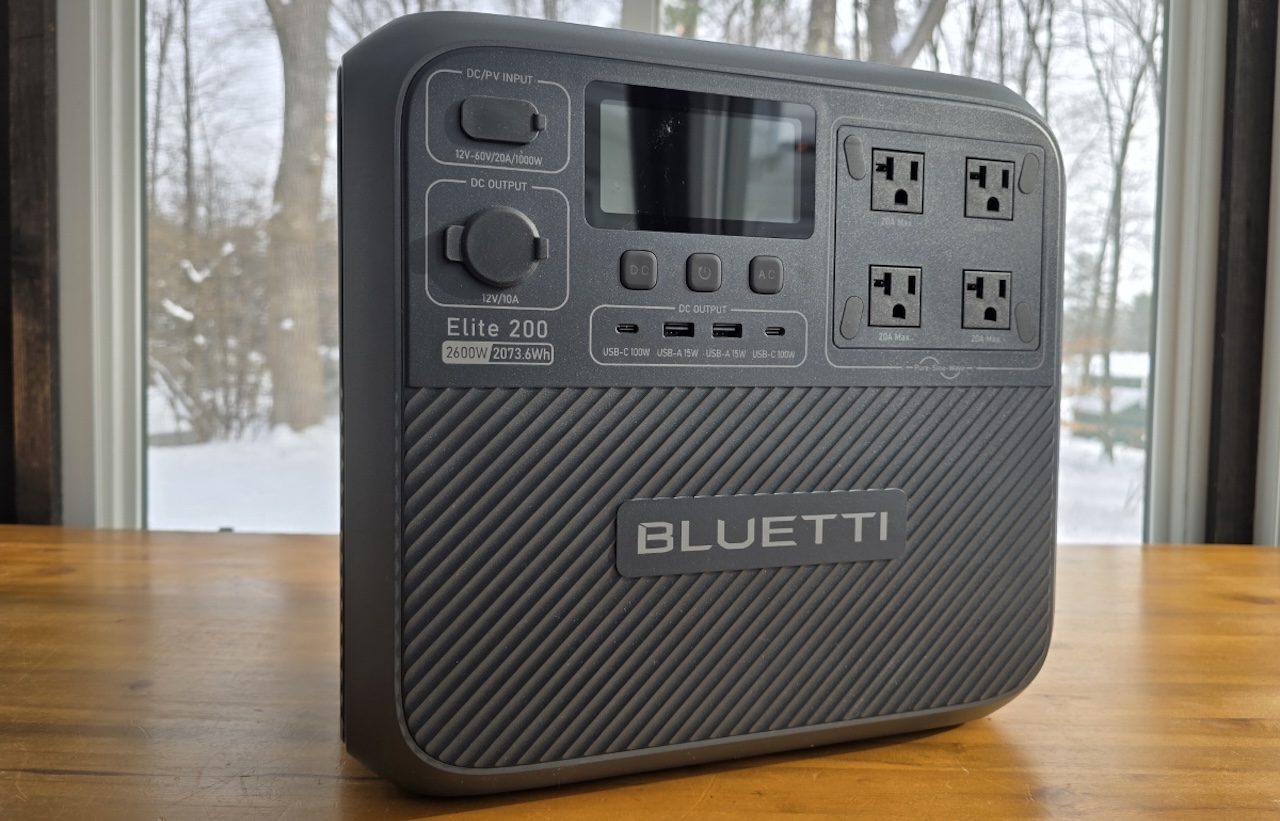
The Elite 200 V2 fills the space between a camping power station and a full home-backup unit. It delivers 2,073.6Wh of capacity and 2,600W of output, with a power-lifting mode that pushes temporary loads to 3,900W. That means it can start a window AC unit or a small compressor without tripping the overload protection.
BLUETTI built this around a LiFePO4 pack rated for 6,000+ cycles to 80 percent, and the 0-to-80 percent charge time hits roughly 50 minutes in turbo mode. It includes nine output ports: four AC outlets, two USB-C and two USB-A ports, and a 12V socket. At 53 pounds it’s heavier than the Anker C1000 Gen 2, but it also holds twice the energy. For buyers who want home-backup capability without the $2,500 entry fee, this is the logical compromise.
4. Jackery Explorer 300: Best compact budget pick
Price: $199 (On Sale from $259)
Where to Buy: Amazon
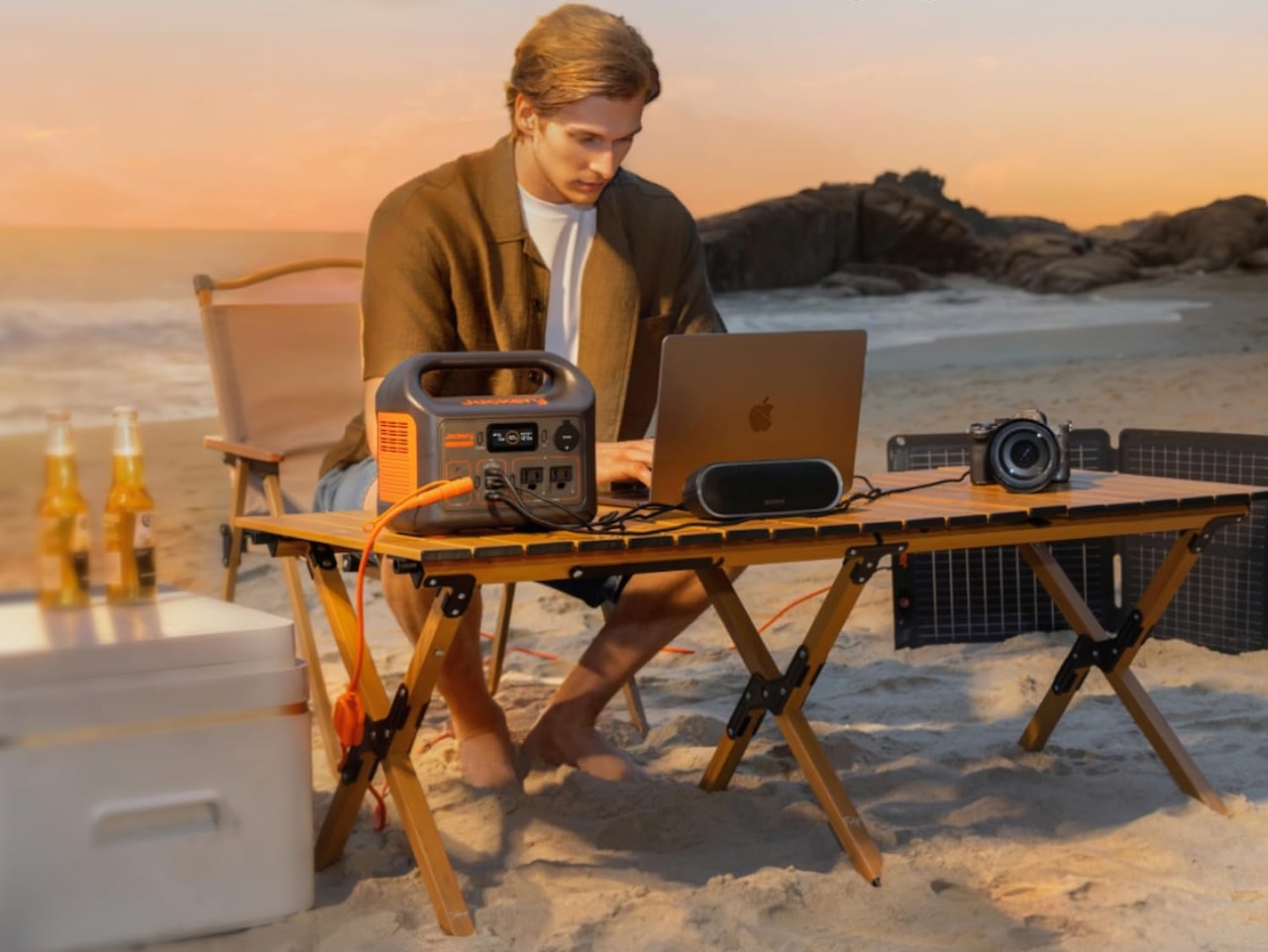
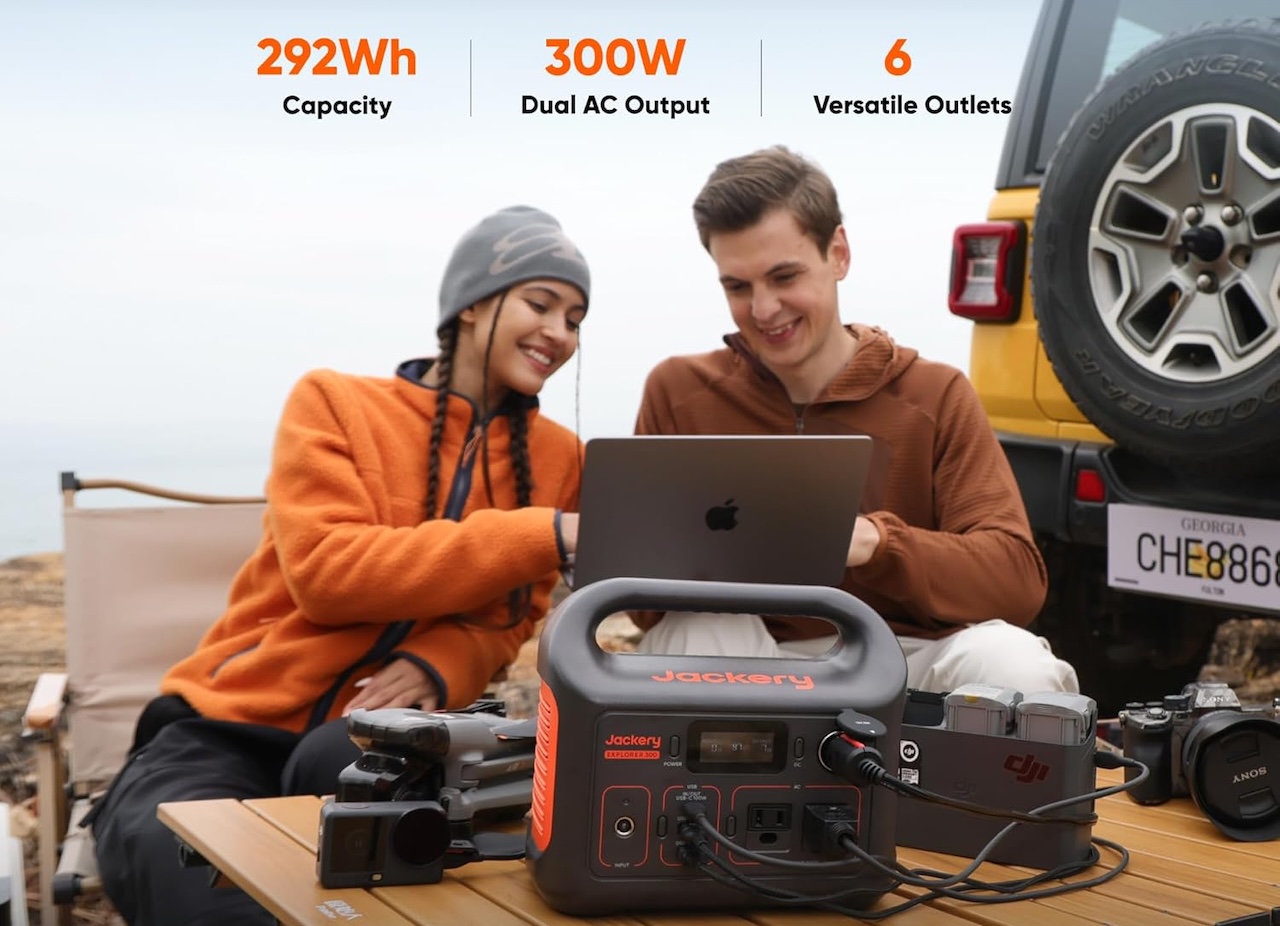
For day trips, tailgates, or keeping a phone and laptop alive during a short outage, the Explorer 300 is the most proven option in the sub-$300 class. It stores 293Wh and outputs 300W continuous with a 500W surge, which covers small appliances and multiple simultaneous device charges across its two AC outlets, USB-C, USB-A, and 12V ports.
The Explorer line has built a strong following since 2018, and the 300 remains one of the most compact entries in the lineup at 7.5 pounds. You can charge it from a wall outlet in about 2.5 hours, or pair it with a 100W solar panel for off-grid topping. It won’t run a fridge for long, but it’ll keep a 60W laptop running for roughly four to five hours, and that’s exactly what most buyers in this tier need.
5. BLUETTI Elite 30 V2: Best pocket-sized powerhouse
Price: $219 (On Sale from $299)
Where to Buy: Amazon
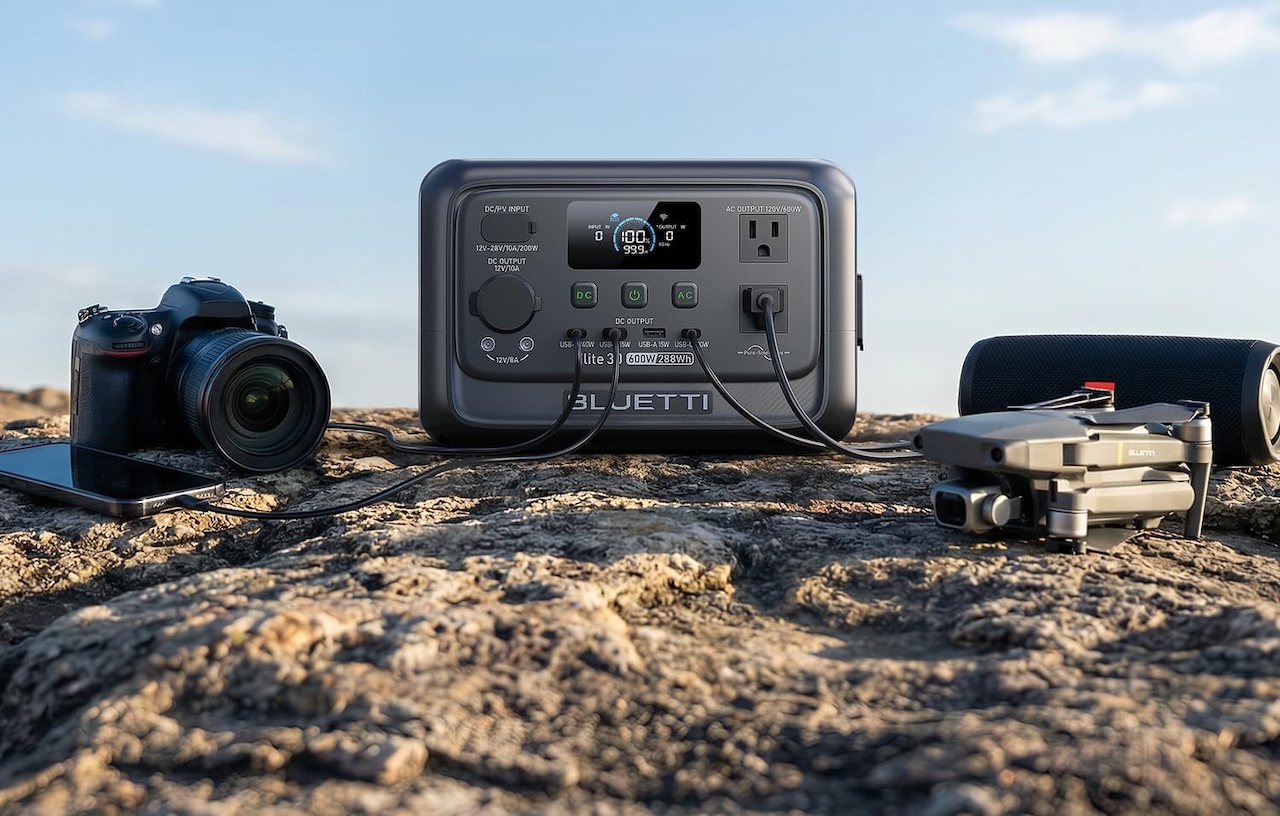
The Elite 30 V2 is the smallest unit in this guide, and it delivers more output than its size suggests. It stores 288Wh and outputs 600W continuous with a 1,500W power-lifting mode, which is double the AC output of the Jackery Explorer 300 in a similarly compact shell. At 9.5 pounds it’s still backpack-friendly, and the 380W max AC input means you can recharge it in about 70 minutes.
BLUETTI added nine output ports here, including a 140W USB-C PD port that can fast-charge a MacBook Pro. The color options and small footprint make it a desk or bedside unit that doesn’t look like industrial equipment. For context, many 288Wh competitors top out at 300W output, so the 600W rating here is a meaningful step up for the category.
What to look for when buying a portable power station
Start with two specs and ignore everything else until they’re settled: watt-hours tell you how long the station lasts, and watts tell you what it can actually run at once. To estimate runtime, divide the station’s Wh capacity by your device’s draw in watts: a 500Wh unit running a 50W laptop gives you roughly 10 hours before the well runs dry. A 2,000W inverter handles a microwave or a space heater without flinching; a 300W inverter tops out at laptops and small fans.
Battery chemistry is the next filter. Every LiFePO4 power station in this guide uses cells that last anywhere from 3,000 to 6,000+ cycles before degrading to 80 percent capacity, depending on the model. That translates to a decade or more of regular use, compared with 500 to 800 cycles for older lithium-ion packs. If a power station in 2026 still uses standard lithium-ion, skip it.
Weight and port selection should match your actual use case, not your imagined one. A 114-pound DELTA Pro 3 is unbeatable for home backup, but you won’t carry it to a beach campsite. Conversely, a 7.5-pound Jackery Explorer 300 is perfect for a day trip but useless during a three-day outage. Picking the best portable power station for 2026 means matching the unit to the scenario you actually face most often.
The bottom line
Summer demand pushes prices up and stock down every year, and 2026 is no exception. The Anker SOLIX C1000 Gen 2 remains the safest default for buyers who want one unit that handles camping, emergencies, and home-office backup without breaking $500.
If your primary worry is a multi-day blackout, the EcoFlow DELTA Pro 3 is the consumer unit that most convincingly replaces a gas generator. Everyone else should match their capacity needs to their budget and buy before July, when seasonal shortages typically hit.