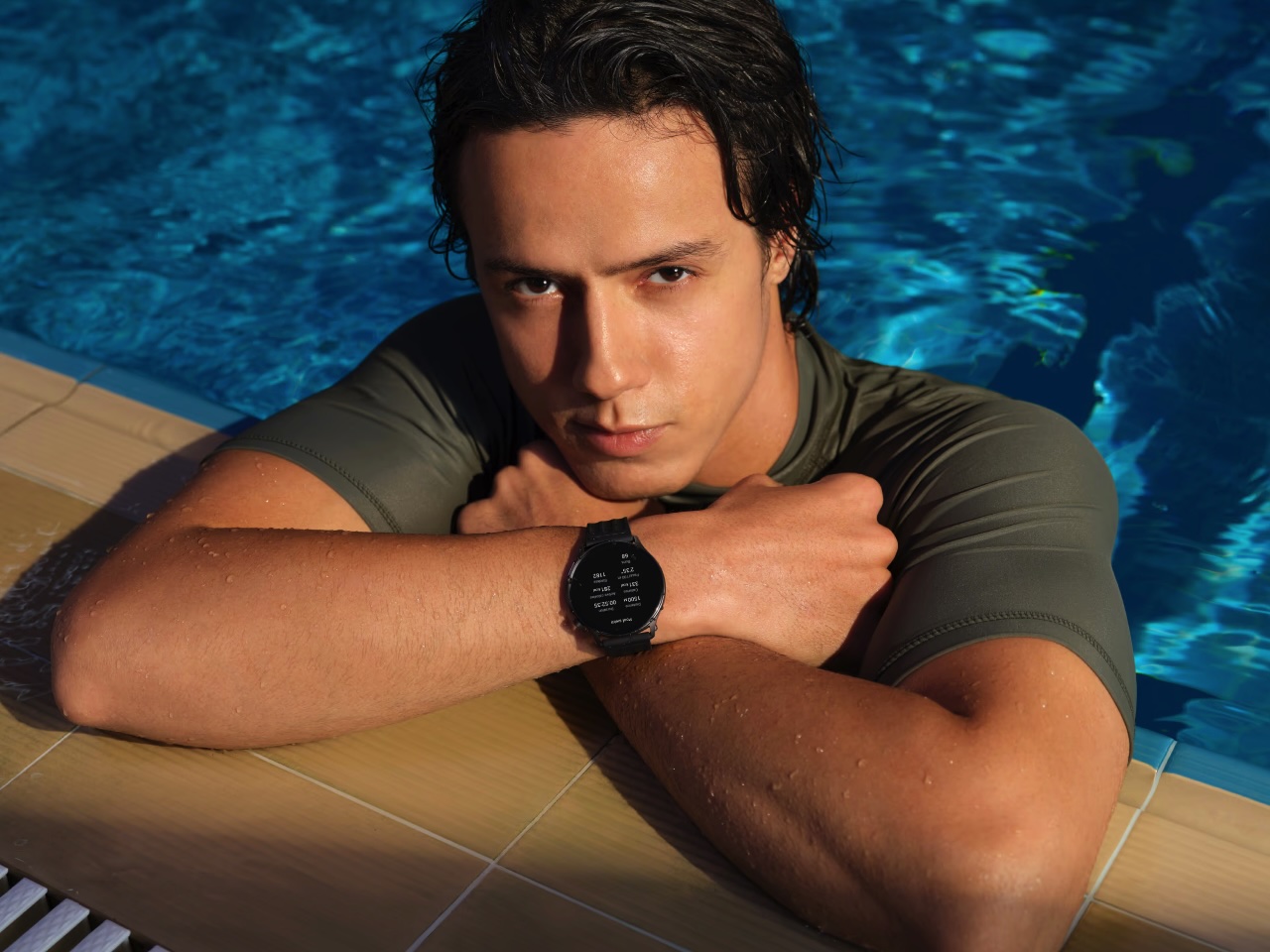
We’ve been trained to expect trade-offs from thin wearables. Slim the case down and something gets cut: battery life shrinks, sensor arrays thin out, GPS accuracy drops to single-band. It’s the unspoken design rule of the smartwatch world, and most brands have followed it so consistently that buyers stopped questioning it. The OPPO Watch S ignores that rule entirely.
Price: €259 ($307)
Where to Buy: OPPO
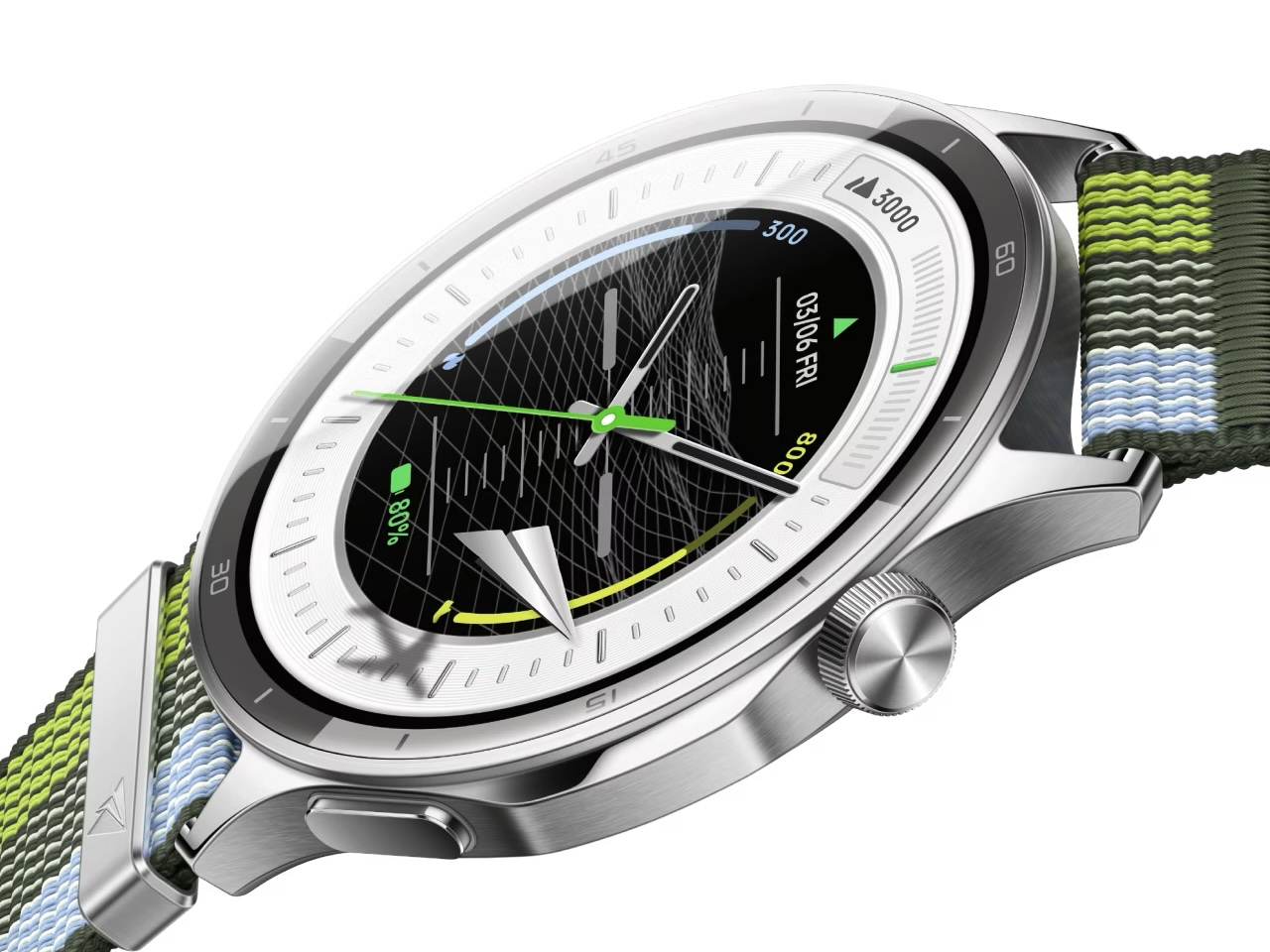
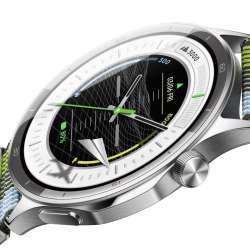
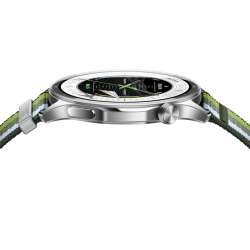
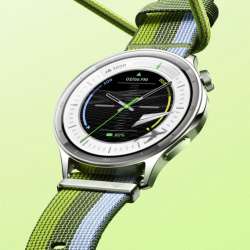
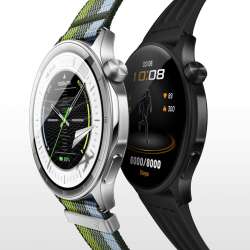
The OPPO Watch S measures 45mm across and 8.9mm thin (with another 2.2mm where the heart rate sensor meets your wrist), putting it closer in size to a dress watch than anything running health software. It just arrived in Europe at €259 ($307 in US), months after its October 2025 release in Asia. Pick it up and the weight hits you first: 35 grams without the strap, in a polished stainless steel case that catches light like actual jewelry.
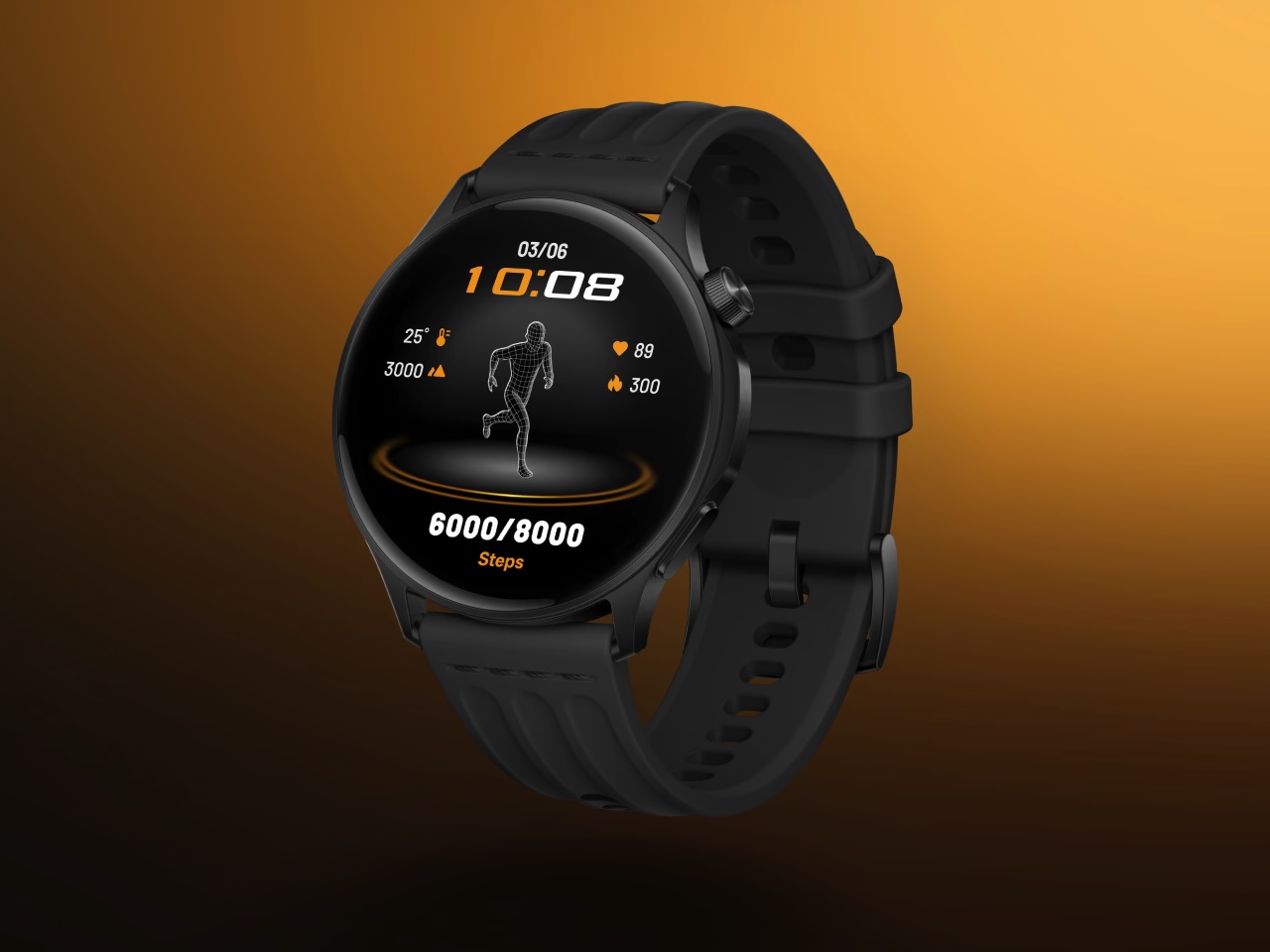
The 1.46-inch AMOLED runs at 464 by 464 pixels, and peak brightness hits 3,000 nits under direct sunlight during workouts. You won’t be cupping your hand over the screen at the beach. The two European colors, Phantom Black and Nebula Silver, lean understated, and a woven band for the silver adds texture that reads more weekend brunch than gym floor. That design restraint is a quiet bet that wearable buyers are tired of sporty aesthetics.
So the real question is: what did OPPO actually sacrifice to hit 8.9 millimeters? The answer is less than you’d think, though a couple of asterisks matter more than others. Here’s what’s packed inside.
What the OPPO Watch S Actually Packs
The health sensor array under the case back is where OPPO concentrated its engineering. An 8-channel heart rate sensor, 16-channel SpO2 monitor, and wrist temperature sensor all feed into what OPPO calls the 60-second Wellness Overview. Press one button and the watch cycles through heart rate, blood oxygen, stress, and temperature in a single pass. That’s a smart shortcut for anyone who wants a daily health snapshot without opening four separate apps.
ECG monitoring appears in Asian marketing materials, but OPPO’s European product page doesn’t mention it. Regional certification likely explains the gap, and it’s the kind of omission that matters if cardiac monitoring is your reason for considering this watch. Check your local listing before assuming it’s included.
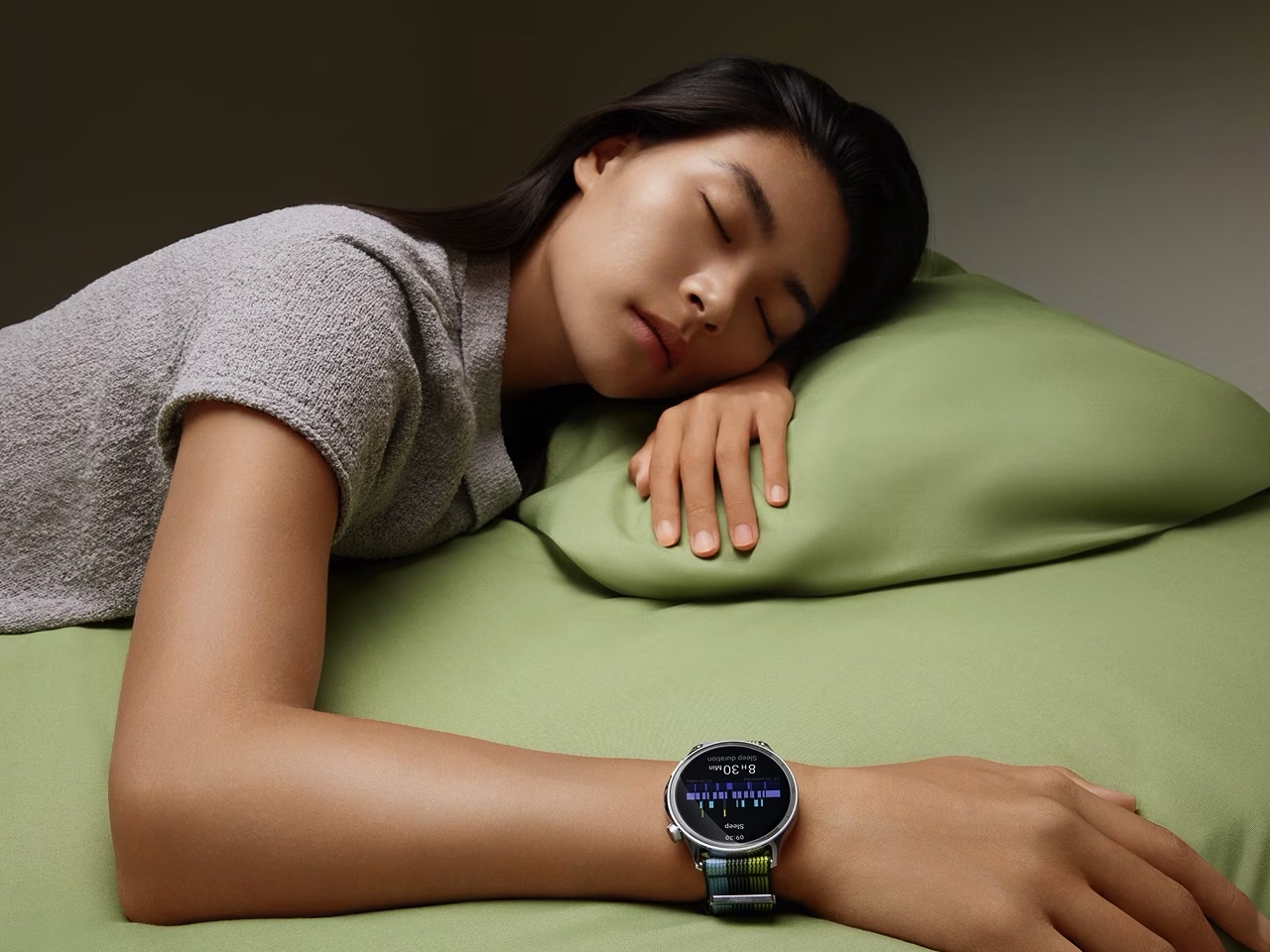
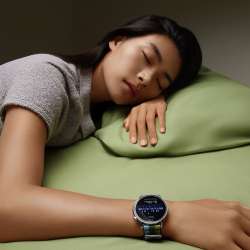
Sleep tracking goes deeper than a simple quality score. The Watch S logs light sleep, deep sleep, and REM cycles alongside heart rate, SpO2, and wrist temperature overnight, while a Mind and Body Evaluation feature tracks stress and nudges guided breathing when readings spike. It isn’t medical-grade, but it’s more layered than what most watches at this price bother to offer.
OPPO claims up to 10 days on the 339 mAh battery with GPS workouts limited to about 90 minutes per week and always-on display off. Drop to typical daily use and that number settles around seven days. Turn on always-on display and expect closer to four. The BES2800BP chip handles efficiency well enough that those battery claims feel plausible rather than aspirational. Charging runs through a magnetic puck, not a wireless Qi pad. A quick top-up takes about 10 minutes for a full day of use courtesy of VOOC 2.0 charging.
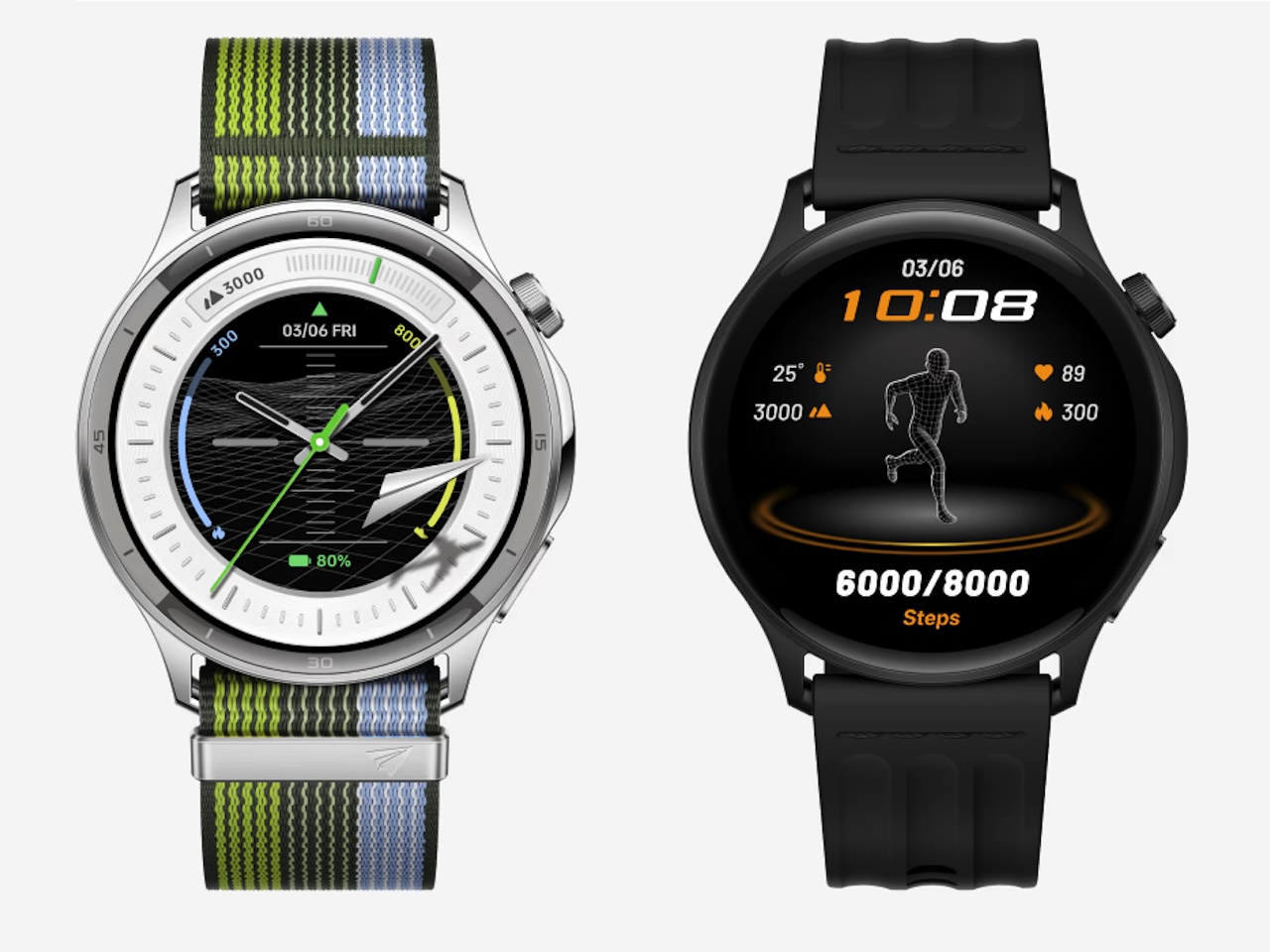
Dual-band GPS with L1 and L5 support handles outdoor positioning, with L5 improving accuracy between tall buildings and under heavy tree cover. For runners logging routes through city blocks, that’s a welcome upgrade over single-band tracking.
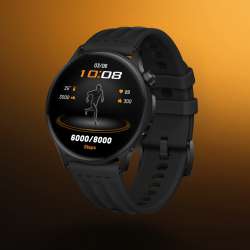
Over 100 sports modes ship on the Watch S, though only 12 get algorithm-backed analysis. Tennis tracking is the standout: wear it on your racket hand and it logs swing speed, shot distribution, and heart rate zones in real time. Runners get posture analysis, fat-burn zone guidance, and a lactate threshold estimate after just one outdoor kilometer. IP68 dust and water resistance plus a 5 ATM rating mean pool laps and rain runs won’t faze it. Saunas and hot springs will, and OPPO buries that detail in the fine print.
Who Should Skip This Ultra-Slim Smartwatch
If you’re locked into Apple’s or Samsung’s ecosystem, the Watch S won’t replicate what you already have. Third-party app support is thin, and OPPO’s software still leans more toward health metrics than lifestyle features.
Europe’s ECG uncertainty is the bigger problem. OPPO won’t say whether ECG arrives later or stays absent from European units entirely, and that makes direct comparisons with certified competitors feel unfinished. At €259, the Pixel Watch 3 and Galaxy Watch FE both sit nearby with deeper software behind them. Stainless steel gives the Watch S a physical edge, but if you need app breadth over build quality, you’ll hit the ceiling fast.
Who the OPPO Watch S Is For
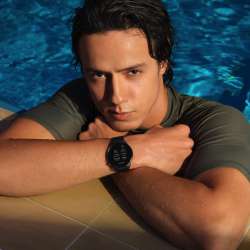
The people most drawn to this watch tend to care about how a wearable looks on their wrist before they care about what apps it runs. They want something that passes for a regular watch in a meeting and still tracks a tennis match afterward. That combination rarely shows up at this price.
In Europe, the wearable market splits cleanly between fitness bands and fashion watches, and midrange options haven’t kept up with the premium design bar set by Galaxy Watch Ultra and Apple Watch Ultra. OPPO is betting stainless steel and a sub-9mm profile can pull the crowd that finds Garmin too sporty and Apple too expensive, with enough sensor depth to back that bet up. Whether it converts to market share depends on software and certifications keeping pace with the hardware.
At 35 grams with flush case sides and a woven band option, every design choice here favors wearability over spec chasing. Slip it under a dress shirt cuff and you won’t feel the bump thicker watches always create. OPPO accepted a smaller battery at 8.9mm, then leaned on chip efficiency to still hit seven days of real use, a trade-off that takes more engineering discipline than stuffing a bigger cell into a thicker case.
Price: €259 ($307)
Where to Buy: OPPO
The Watch S targets the gap between Apple Watch and Garmin: buyers who want health tracking that doesn’t look like health tracking. OPPO built the hardware to fill that space convincingly. Software and Europe’s ECG question still need answers, but as a physical object on a wrist at €259 ($307), few competitors come close. The hardware did its part.
L39 Ultra Slim UV Protective Filter for Leica Q3 43 Q2 Camera with Moisture-Proof Case & Removal Tool 19 Layers Mulit-Coated UV Ultraviolet Filter 99.3% Light Transmission Water Oil Scratch Resistant
(as of April 3, 2026 14:23 GMT -05:00 - More infoProduct prices and availability are accurate as of the date/time indicated and are subject to change. Any price and availability information displayed on [relevant Amazon Site(s), as applicable] at the time of purchase will apply to the purchase of this product.)