

NEWS – Audi hasn’t turned a single lap in Formula 1 yet, and the team is already selling you something. Not a car. Not a ticket. A hoodie. But before you scroll past another “new F1 merch drop” headline, there’s a layer to this collection that the fashion outlets covering it have completely ignored: the actual technology inside the clothing.
Three jobs, three completely different garments
Here’s where this gets interesting for anyone who cares about what their clothes actually do.
Adidas didn’t design one generic “team shirt” and slap different logos on it. The teamwear side of this collection splits into three distinct functional categories, each engineered for a specific role in the pit lane and incorporating what Audi calls “the latest adidas technologies.”
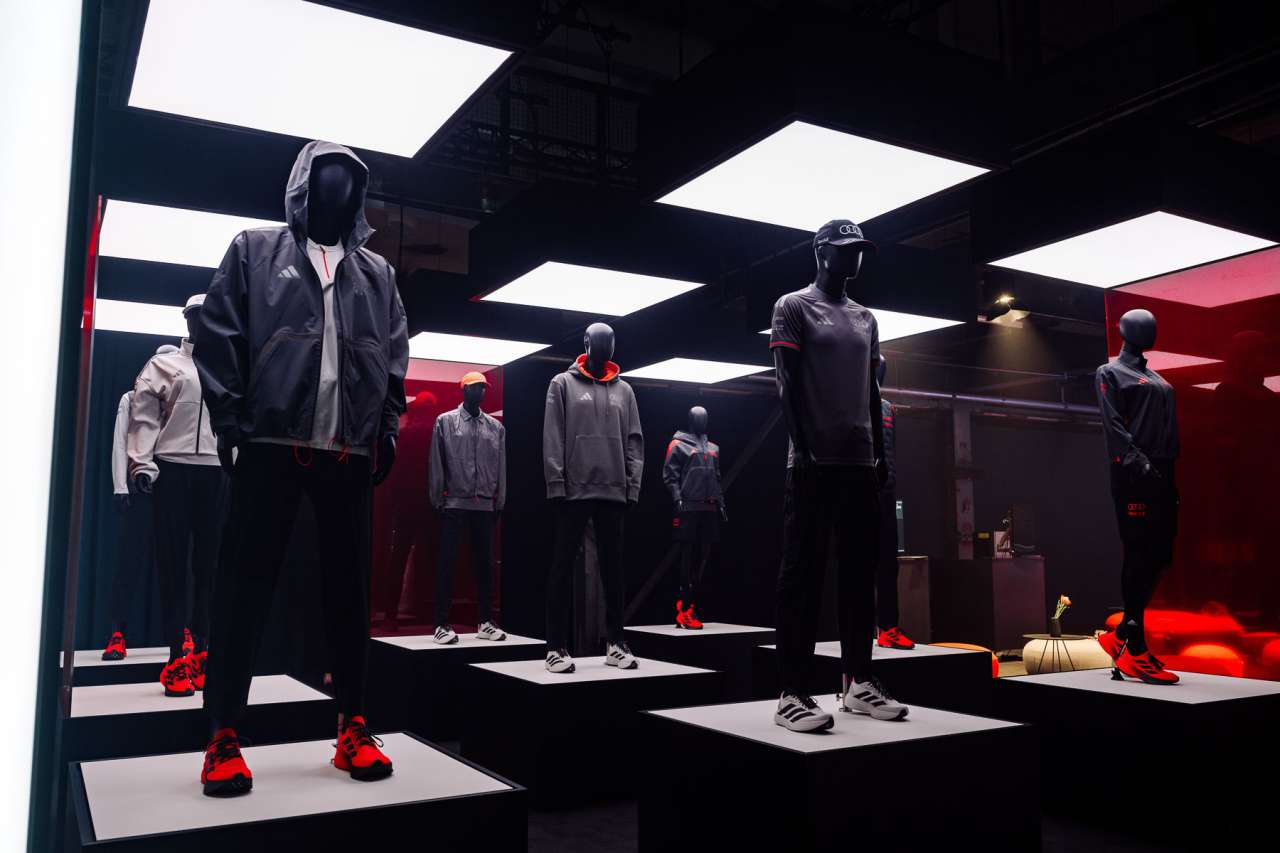
Drivers get performance-driven athletic wear. These are the people sitting in cockpits where temperatures regularly push past 130°F, wearing everything underneath a fire-rated suit. Whatever adidas built for them needs to manage heat, wick moisture, and add zero bulk. That’s not a fashion problem. That’s a thermodynamics problem.

Engineers get stylish, ergonomically designed garments built for long days at the racetrack. We’re talking 14-hour race weekends spent standing, crouching, and hovering over telemetry screens. Comfort over duration matters more here than peak athletic performance.
Mechanics get durable, function-optimized pieces designed to support the physical demands of pit work. Pit stops happen in under two seconds. The clothing needs to allow full range of motion while handling pneumatic wheel guns in extremely tight spaces. Durability and flexibility aren’t nice-to-haves here. They’re requirements.
Three different thermal profiles. Three different movement patterns. Three different durability requirements. One collection.
What actually trickles down to the fan gear
The fanwear line splits into two tiers plus driver-specific merchandise.
The DNA Range covers the core essentials built around team colors and clean designs. Think: gear that communicates Audi Revolut F1 identity without making you look like you wandered out of the garage. The Elevated Fanwear Range sits a step above, blending premium quality and subtle branding for people who want the construction without the billboard effect.
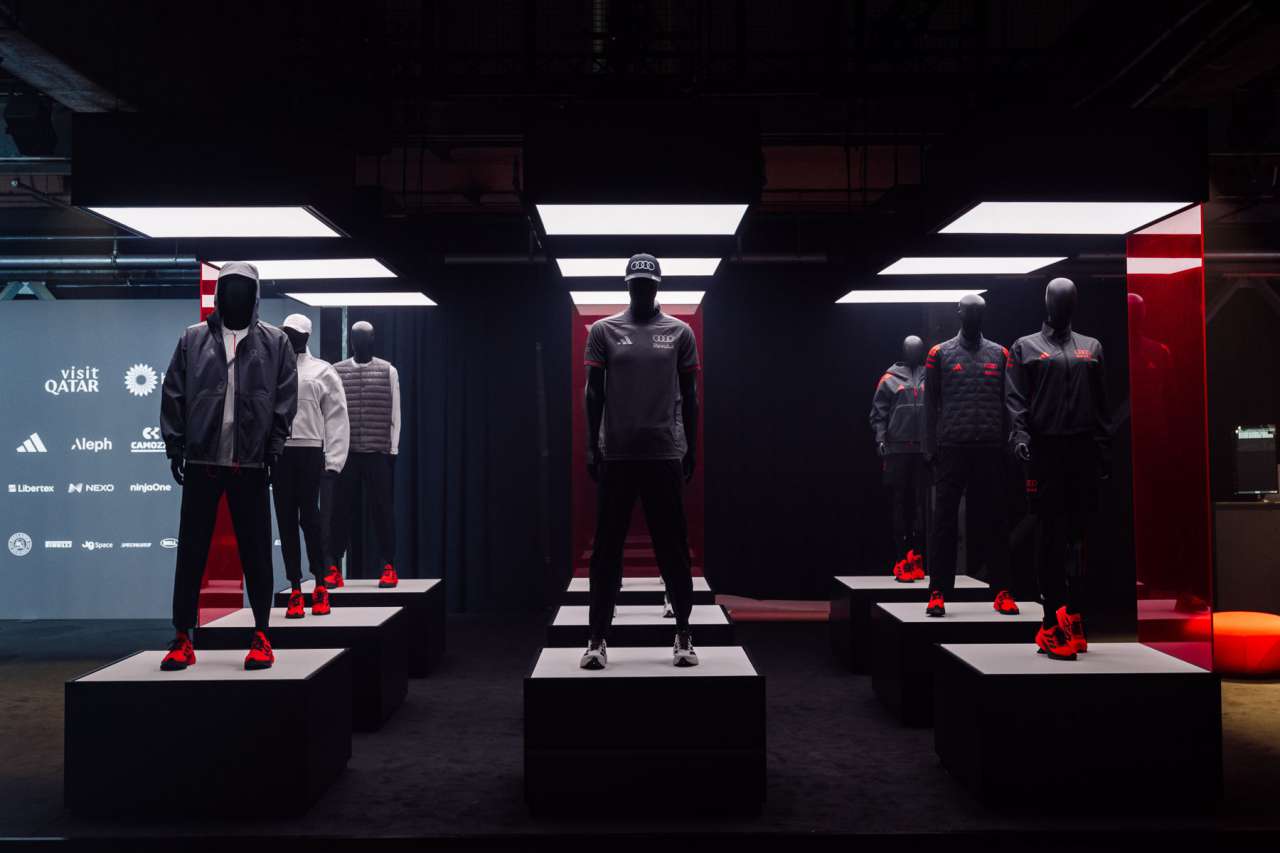
Here’s the part that matters for gadget readers: the collection features Climacool apparel. That’s adidas’s performance ventilation and moisture management platform, and it isn’t being reserved for team-issued gear. It’s in the consumer product. That’s worth paying attention to, because most F1 fan merchandise from other teams is basic polyester with a logo slapped on top. You’re paying for the badge, not the fabric. This lineup is doing something different.
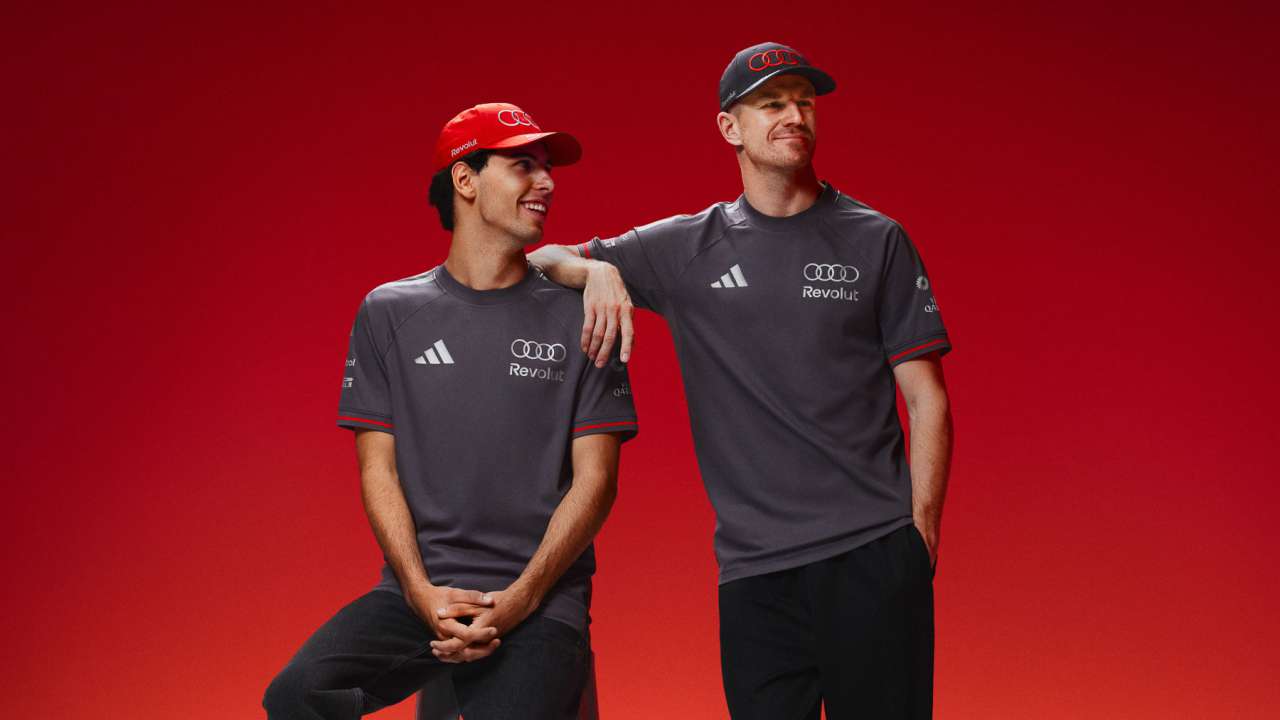
The collection also includes exclusive merchandise for drivers Nico Hulkenberg and Gabriel Bortoleto, plus multiple seasonal limited-edition drops planned throughout the racing season. If you track gear releases the way some people track sneaker drops, Audi and adidas are building a release calendar designed to keep the lineup fresh all year.
The color story ties directly to the car
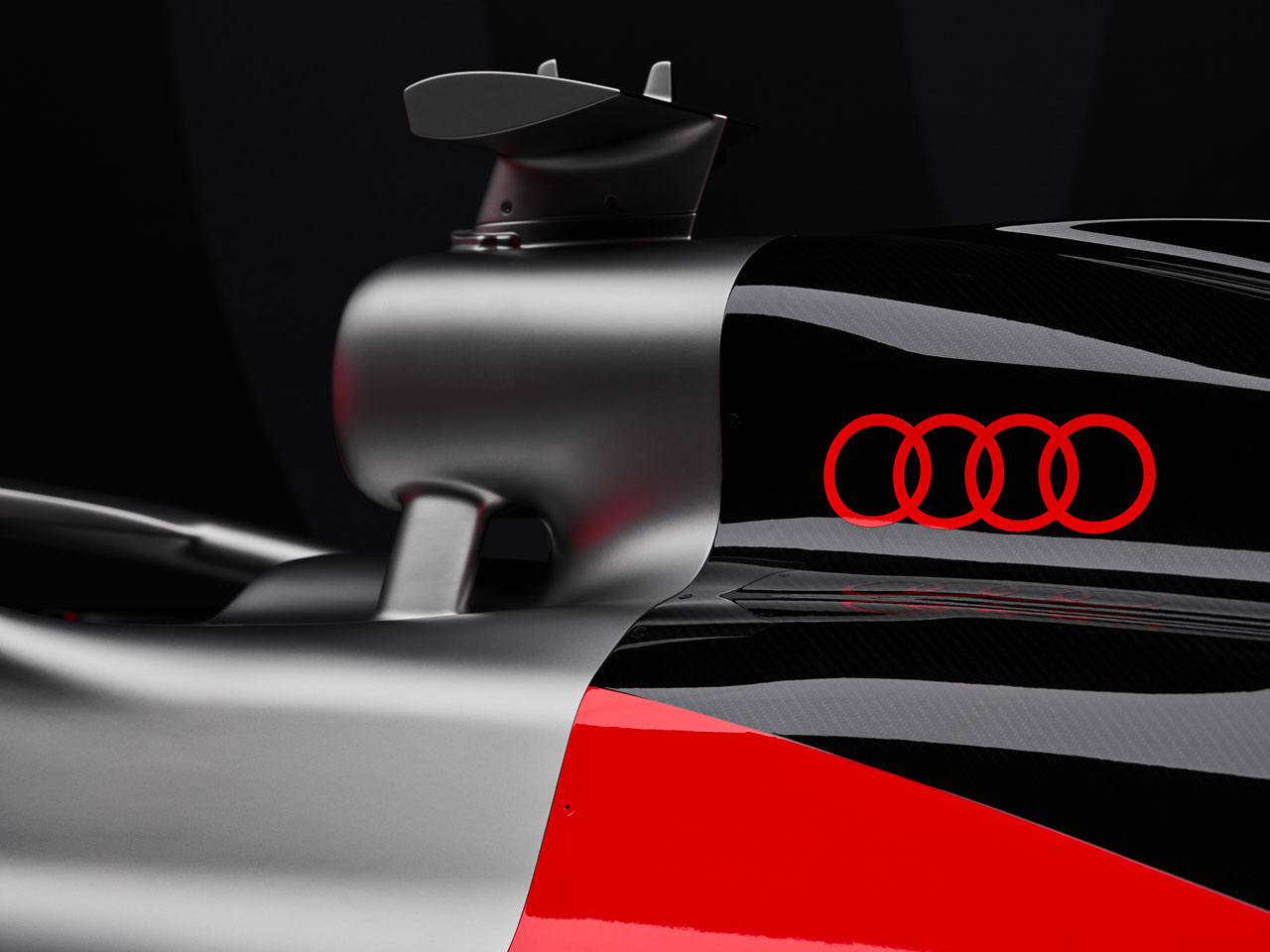
The palette pulls from the titanium-colored paintwork of the Audi R26 race car itself. Subtle grays and chalk tones form the base, with red accents providing visual continuity across all 160-plus items.


That neutral palette is a smart play for everyday wearability. A chalk-toned hoodie with minimal branding works on a Tuesday morning coffee run in ways that a bright team-color jacket from another squad simply doesn’t. Audi and adidas seem to understand that the most valuable piece of fan gear is the one you actually wear outside of race weekends.
Where this sits in the F1 merch landscape
Adidas currently supplies teamwear for Mercedes-AMG Petronas in addition to this new Audi partnership. Puma handles Ferrari. New Balance covers Red Bull Racing.
Where Audi has an advantage is timing. This collection launches alongside the team itself, ahead of Audi’s official F1 entry in March 2026 under new FIA regulations that mandate sustainable fuels and push the electric share of hybrid power to roughly 50%. There’s no legacy design language to honor, no decades of fan expectations about what the gear “should” look like. Adidas and Audi built everything from scratch, which let material specs and functional design lead the process rather than retrofitting performance features into an existing template.

The flip side? Nobody knows yet whether Audi Revolut F1 will be competitive on track. Buying into a team’s merchandise before they’ve completed a single race requires a different kind of bet than grabbing a Red Bull hat after watching four consecutive championships. The gear has to justify itself on its own merits. Not on reflected glory.
The bottom line for gadget readers
This isn’t a typical merch story. The adidas x Audi Revolut F1 collection stands out because adidas brought genuine performance engineering across the entire lineup rather than reserving the good stuff for the team and shipping cotton basics to the fans. Climacool construction in consumer-facing pieces, role-specific garment engineering for three distinct pit lane jobs, and a neutral palette that actually works in the real world.
Whether it’s worth your money depends on what you value. If you want well-constructed, performance-fabric gear that happens to carry F1 branding, the engineering heritage behind these pieces puts them ahead of most fan merchandise on the market. If you’re waiting to see whether Audi can actually race before pledging allegiance, the seasonal drop model means you can buy in later without missing out entirely.
Available February 19, 2026

AONOMI Fabric Label Tape Replace for Dymo Letratag Iron-On Fabric Labels for Clothing Compatible with Dymo Letratag Refills 1/2'' for LT-200B 100H 100T PLUS QX50 XR, 3-PK White Fabric Iron-On Tape Set
(as of April 3, 2026 07:33 GMT -05:00 - More infoProduct prices and availability are accurate as of the date/time indicated and are subject to change. Any price and availability information displayed on [relevant Amazon Site(s), as applicable] at the time of purchase will apply to the purchase of this product.)![[Applicable label maker] Compatible with DYMO Letratag LT-100H/ Plus, LT-100T/ Plus,, LT-110T, 200b, QX50, XR, XM, 2000 label maker [Parcel] 5 Rolls Labelife Compatible with Dymo Iron on labels 18771. Color: black print on white Iron-On Fabric Labels...](https://m.media-amazon.com/images/I/51pdNa9dacL._SL160_.jpg)
