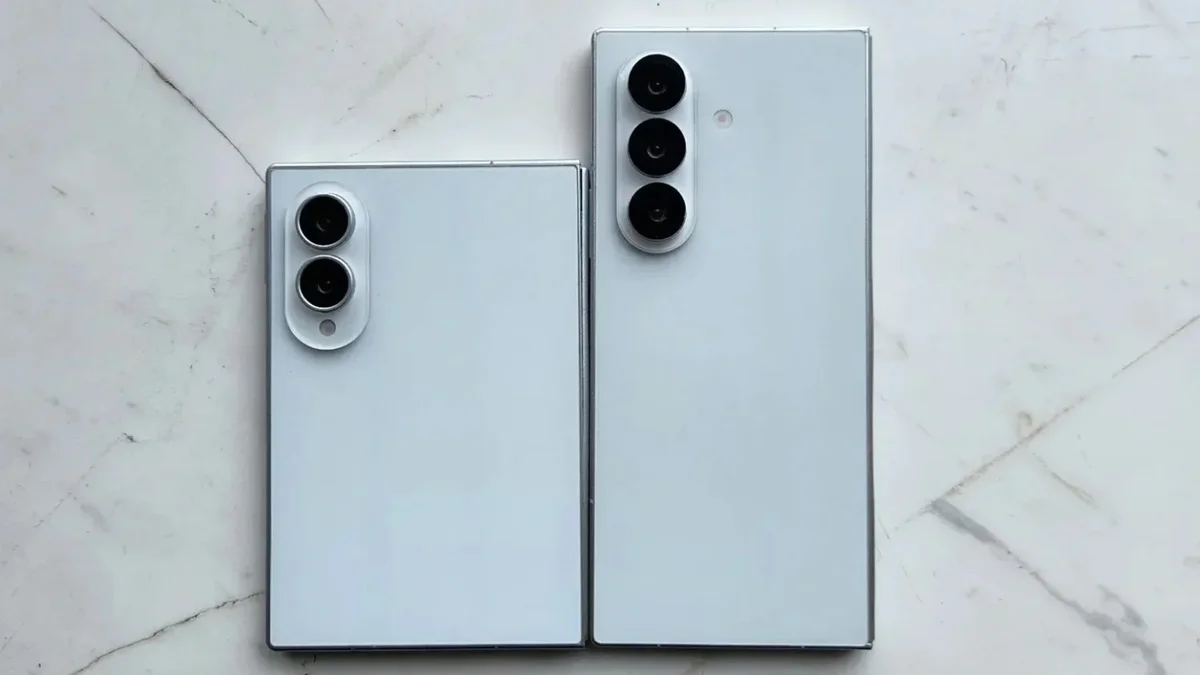
A detailed leak attributed to Roland Quandt at WinFuture points to two book-style Samsung foldables for Galaxy Unpacked on July 22. One reportedly gets a wider, lighter body that should work more like a normal phone when closed. The other keeps the familiar tall Fold shape, adds the stronger camera lineup, and carries an Ultra label. If these specifications hold, the standard Fold 8 may be the more useful redesign, even though the Ultra wins the spec sheet.
Rumored pricing: Galaxy Z Fold 8 from $1,899 | Galaxy Z Fold 8 Ultra from $2,099
Samsung has confirmed its next Galaxy Unpacked event for July 22 in London, but it hasn’t announced the Fold 8 names, prices, or complete specifications. Treat every hardware detail below as a leak until Samsung takes the stage.
What the leak claims
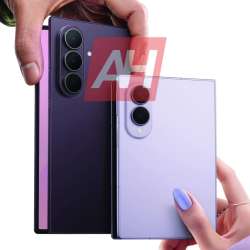
The leaked specification sheet describes two phones built around different priorities. The standard Galaxy Z Fold 8 reportedly uses a 7.6-inch inner display with a 4:3 aspect ratio and a 5.5-inch cover display with proportions closer to a conventional phone. The Galaxy Z Fold 8 Ultra reportedly keeps an 8-inch inner display and a tall 6.5-inch cover screen similar to the current Fold 7.
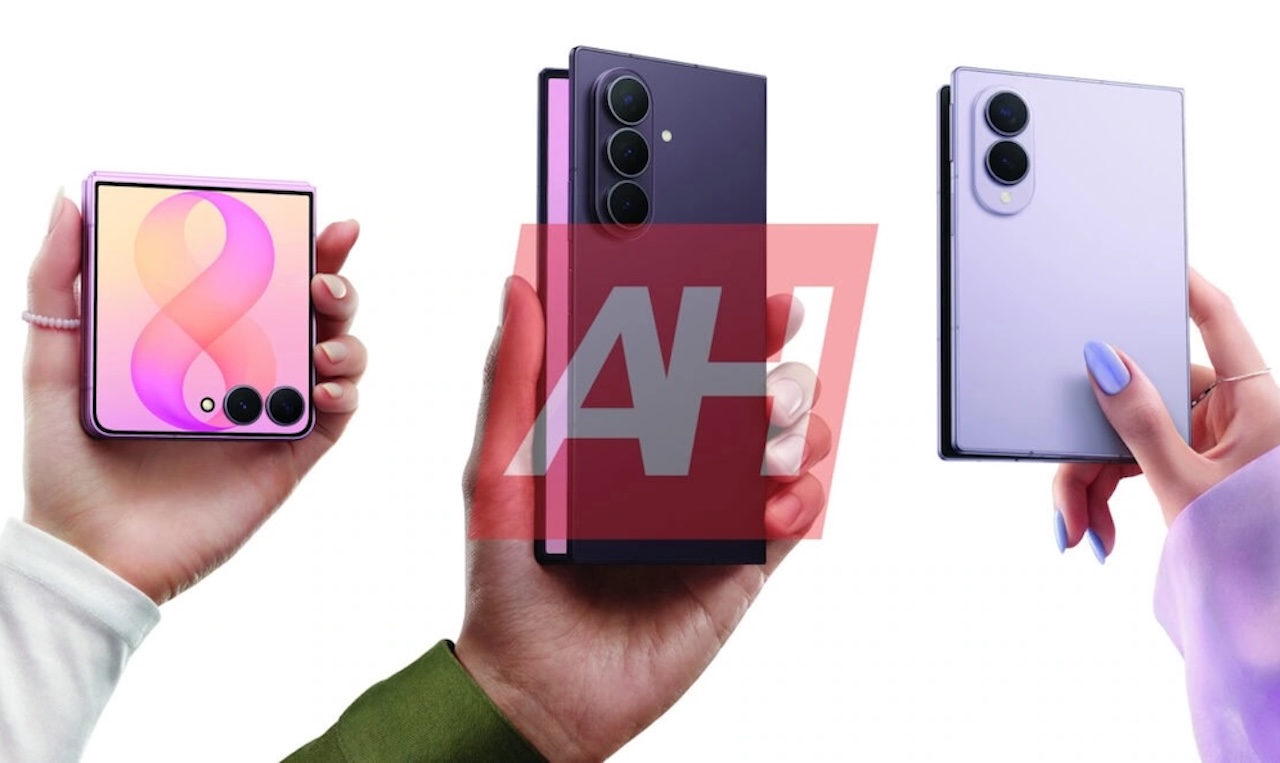
The shared hardware reportedly includes a Snapdragon 8 Elite Gen 5 for Galaxy processor, 120Hz displays, 45W USB charging, wireless charging, and IP48 protection. Reports agree on 256GB, 512GB, and 1TB storage choices, but they differ on whether the standard model’s 1TB version gets 16GB of RAM. The Ultra’s 1TB configuration is the safer 16GB claim.
| Feature | Galaxy Z Fold 8 (leaked) | Galaxy Z Fold 8 Ultra (leaked) |
|---|---|---|
| Inner display | 7.6 inches, 2448 x 1848, about 4:3 | 8 inches, 2504 x 2256 |
| Cover display | 5.5 inches, 1972 x 1248 | 6.5 inches, 2520 x 1080 |
| Rear cameras | 50MP main, 50MP ultrawide | 200MP main, 50MP ultrawide, 10MP 3x telephoto |
| Battery | 4,800mAh | 5,000mAh |
| USB charging | 45W | 45W |
| Unfolded thickness | 4.5mm | 4.1mm |
| Weight | 201g | 218g |
| Rumored US price | From $1,899 | From $2,099 |
Those figures create a cleaner choice than Samsung’s current lineup offers. The standard model favors shape and portability. The Ultra favors cameras, screen size, and familiar proportions.
The standard Fold 8 makes the bigger design bet
The wider standard model is the more interesting phone on paper. Its reported 4:3 inner display moves closer to a small tablet, while the shorter cover screen should feel less cramped for typing and one-handed use. App layouts and Samsung’s software will determine how much practical space you get, so the aspect ratio alone can’t promise less scrolling or better split-screen behavior.
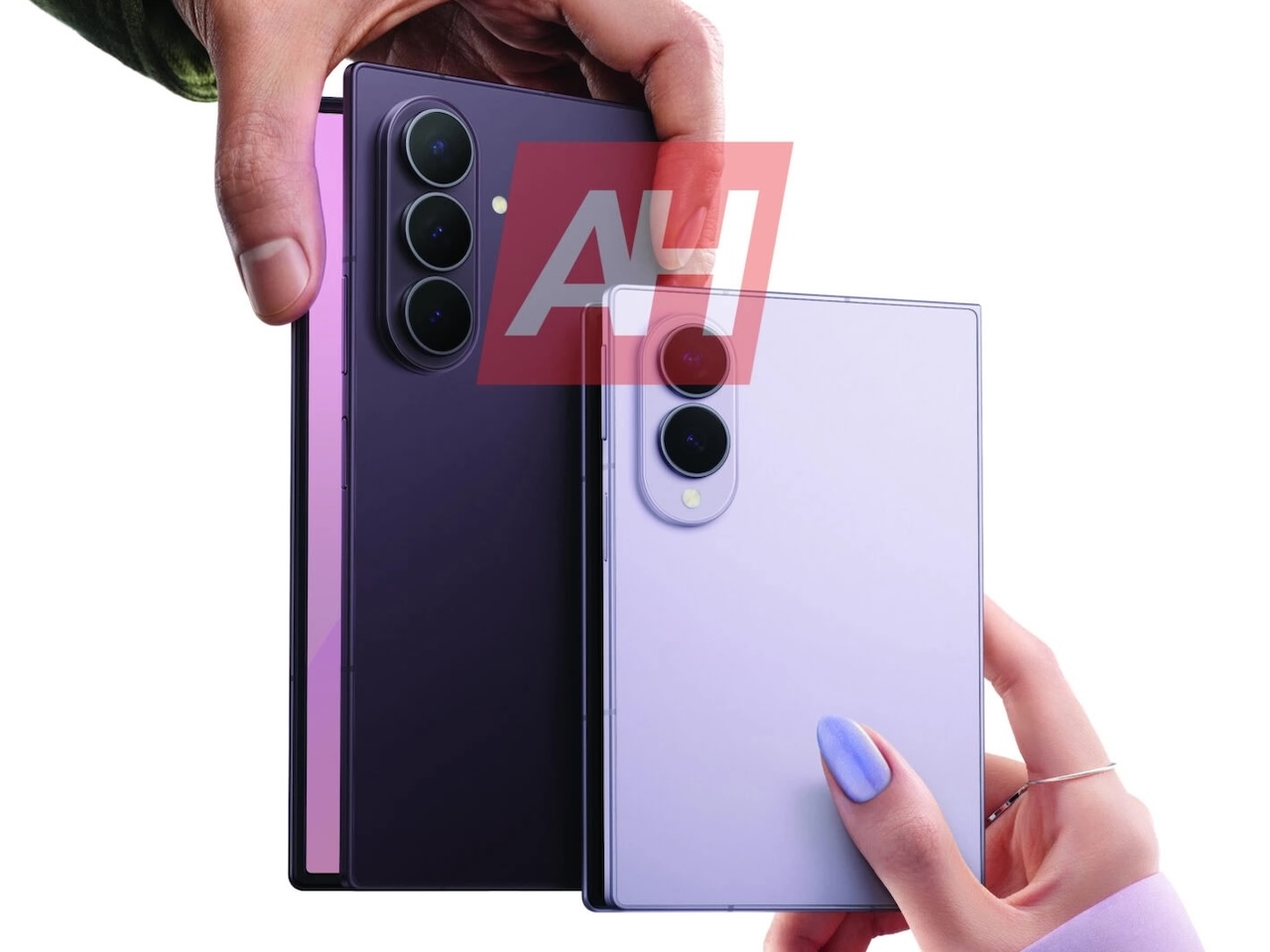
Weight could be the other major advantage. At a reported 201g, the standard Fold 8 would weigh 14g less than the Fold 7. That’s a meaningful reduction for a device you carry all day, especially when the same leak also claims a larger 4,800mAh battery.
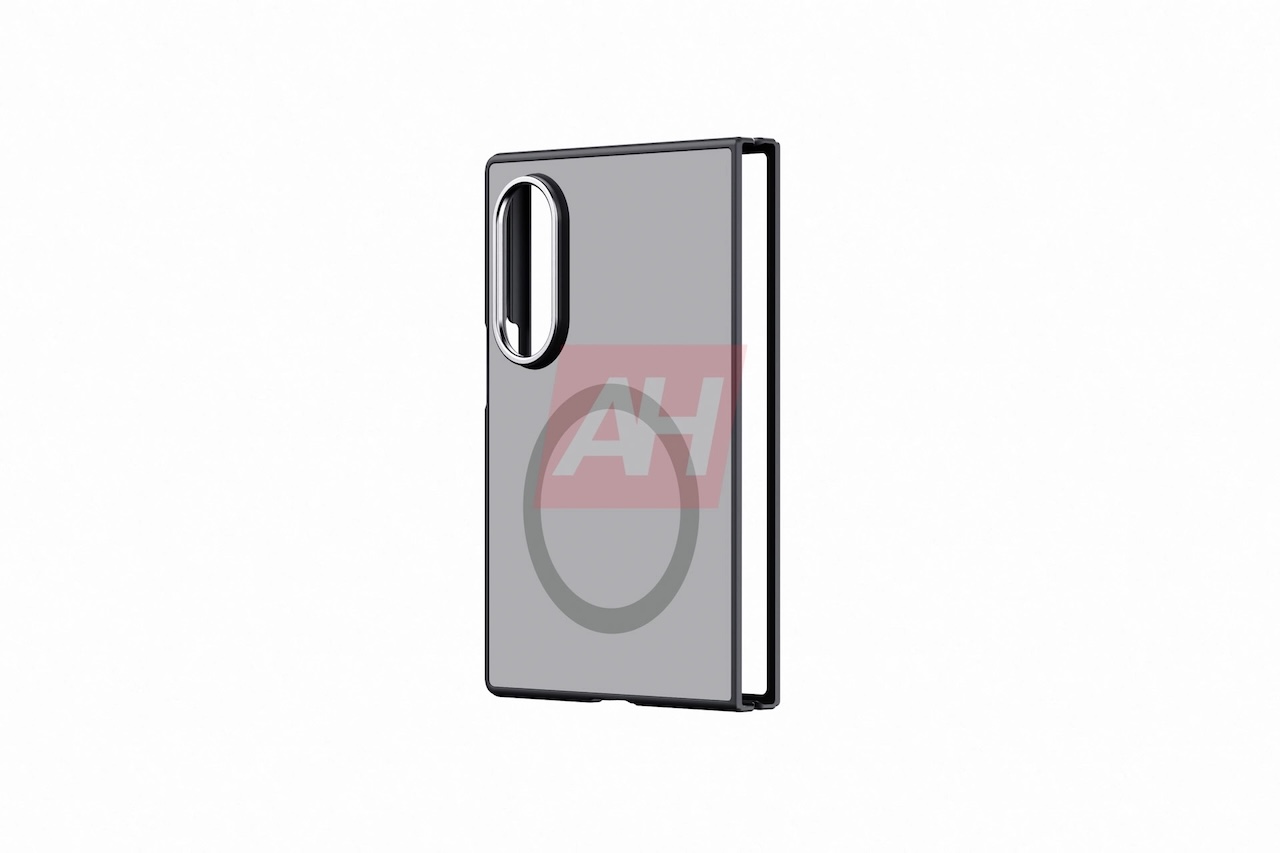
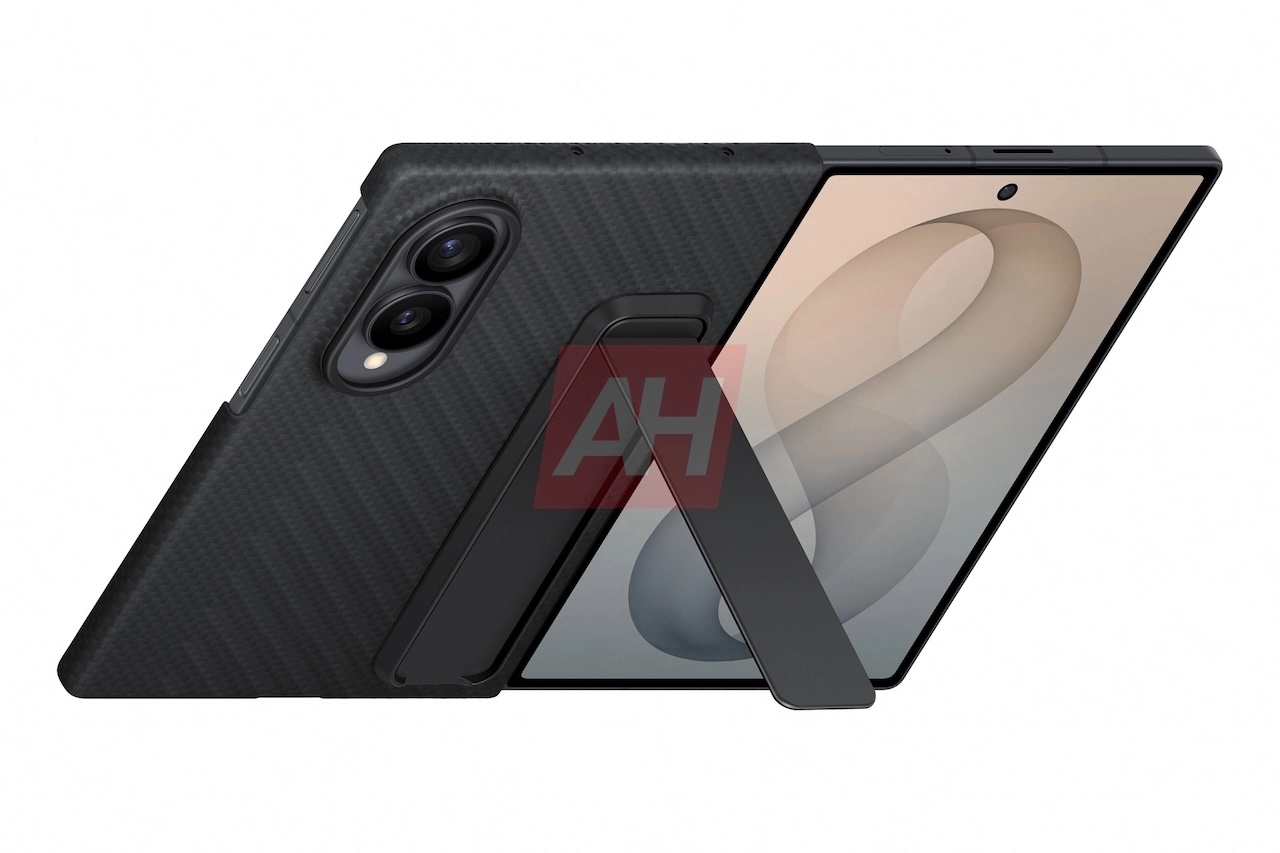
This shape isn’t coming out of nowhere. Earlier Fold 8 Wide coverage pointed to the same tablet-like proportions, while leaked case designs supported the two-model split. None of that replaces confirmation, but the pieces now fit together more convincingly.
The Ultra spends its advantage on cameras
The Fold 8 Ultra reportedly carries a 200MP main camera, a 50MP ultrawide, and a 10MP telephoto with 3x optical zoom. The standard model reportedly drops the telephoto and uses a 50MP main camera. That gives the Ultra more framing options, but sensor models and Samsung’s image processing remain unknown. Megapixels can’t settle image quality before anyone tests the final phones.
The Ultra also gets the larger display and a slightly bigger 5,000mAh battery, but it reportedly weighs 218g. That’s 17g heavier than the standard model and 3g heavier than the Fold 7. Buyers would be paying for camera flexibility and the larger screen, not the lightest Fold Samsung can build.
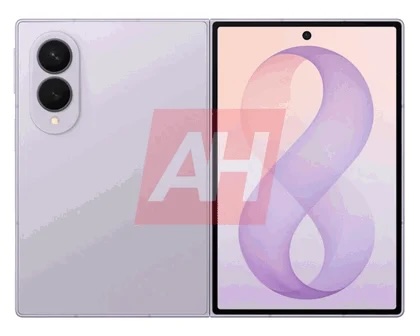
The $200 rumored price gap makes the segmentation easy to understand. Camera-focused buyers get a clearer reason to choose the Ultra. Everyone else has to decide whether a telephoto lens and larger screen matter more than the standard model’s lower weight and wider shape.
The Fold 7 comparison changes the price story
Samsung launched the Galaxy Z Fold 7 in the US at $1,999, not $1,899. If the leaked prices are right, the standard Fold 8 would start $100 below its predecessor, while the Fold 8 Ultra would start $100 above it. That makes the standard model look less like a stripped Fold and more like a second route into Samsung’s book-style lineup.
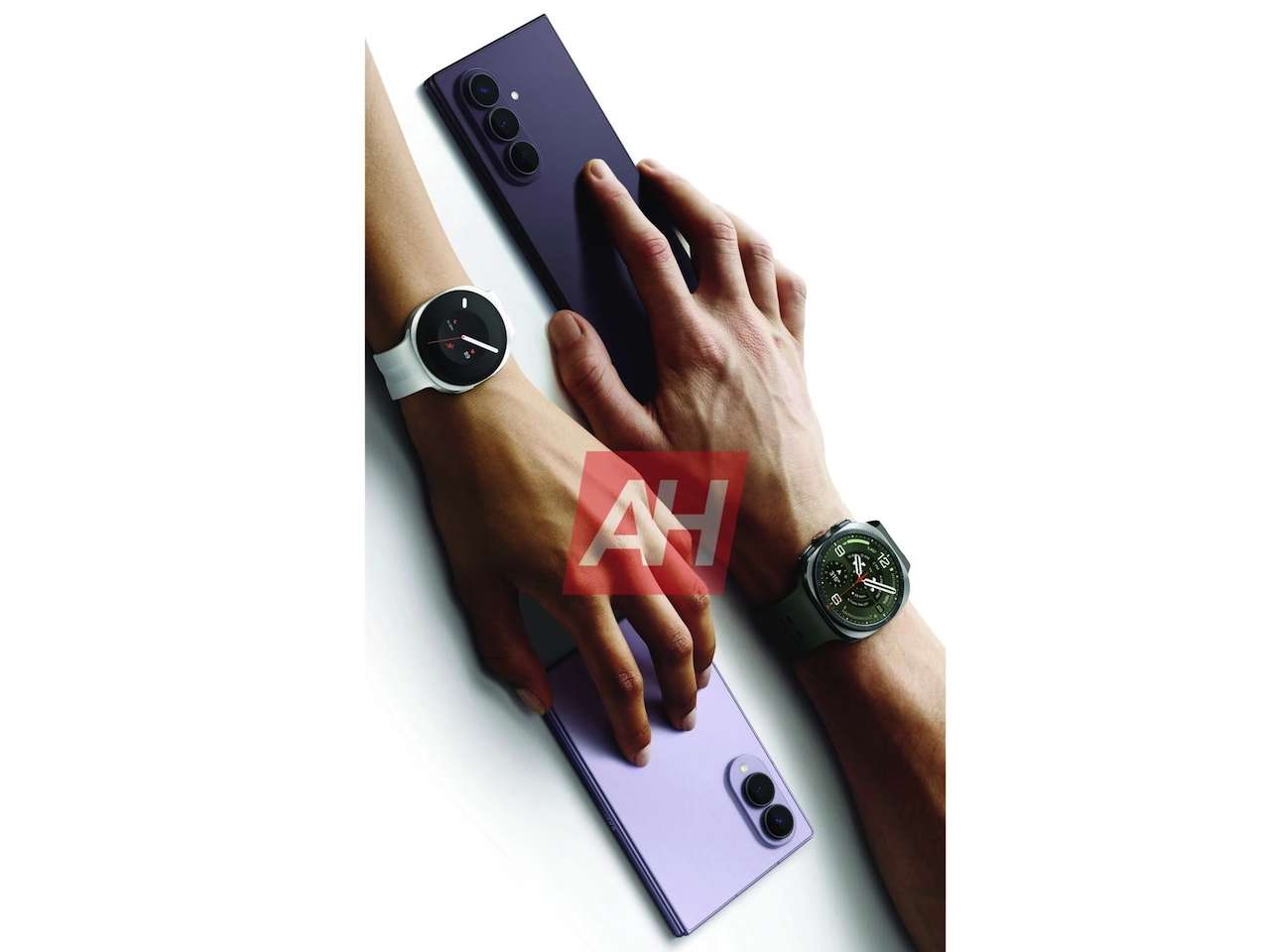
The current Fold 7 uses the Snapdragon 8 Elite for Galaxy, a 4,400mAh battery, 25W USB charging, and a 215g body. Its rear camera system combines a 200MP main camera, a 12MP ultrawide, and a 10MP telephoto with 3x optical zoom. Against that baseline, the standard Fold 8 reportedly trades camera reach for lower weight and a wider shape, while the Ultra keeps a similar camera arrangement and adds battery capacity.
The charging upgrade sounds useful, but the 45W rating doesn’t tell us how quickly either phone will reach 50 percent. Charging curves, heat limits, and Samsung’s power management matter as much as the peak wattage. The claimed 4,800mAh and 5,000mAh capacities are encouraging, but real endurance still depends on the displays, chipset tuning, and software.
Flex Titanium is confirmed, but durability isn’t settled
Samsung has officially announced Flex Titanium for its next generation of Galaxy foldables. The display structure combines a titanium-alloy film beneath the OLED panel with a titanium support plate. Samsung says the design improves durability and reduces crease visibility.
That confirmation is stronger than a component demonstration, but it doesn’t verify every leaked Fold 8 detail. Samsung hasn’t named the devices that will use the technology, and panel testing can’t answer questions about hinge wear, screen protector adhesion, pocket debris, or repair costs.
The practical questions remain simple: Can you see and feel the crease during normal use? Does the inner screen stay smooth after months of folding? Those answers require retail hardware, not another specification table.

What buyers can decide now
Fold 7 owners don’t have an automatic upgrade. The current phone already offers an 8-inch display, a 200MP main camera, and a dedicated telephoto. The standard Fold 8’s wider shape and lower weight could still make it appealing, but that decision needs hands-on time. The Ultra looks more familiar, with its larger battery, faster charging claim, and upgraded ultrawide doing most of the work.
Owners of a Fold 6 or older model have a stronger reason to watch both phones. The leaked batteries, charging, weight, and display structure point to several generations of improvement at once. First-time foldable buyers may prefer the standard model because its shape should reduce the adjustment between a normal phone and a book-style foldable.
The simple split looks like this:
- Choose the standard Fold 8 if shape, weight, and price matter most
- Choose the Fold 8 Ultra if the telephoto camera and larger display earn the extra $200
- Wait for reviews if battery life, crease visibility, hinge feel, or camera quality will decide the purchase
Apple-focused buyers have another reason to wait. Rumors point to a foldable iPhone later in 2026, but Apple hasn’t announced a product, name, price, or date. Buying around an unannounced device means accepting another layer of uncertainty.
What Samsung still needs to answer
The leak leaves important gaps: display brightness, exact camera sensors, S Pen support, folded dimensions, USB specification, wireless charging speed, software support, repair pricing, preorder offers, and carrier availability. It also can’t establish battery life, camera processing, hinge feel, or long-term screen durability.
Samsung will confirm or reject the leaked product names and specifications on July 22. Until then, the strongest part of this leak isn’t a processor number or camera resolution. It’s the possibility that Samsung has stopped treating one shape as the only correct answer for a book-style foldable.
The TG Take
The Fold 8 Ultra looks like the safer upgrade: familiar proportions, a broader camera system, and a slightly larger battery. The standard Fold 8 looks like the bolder product because it changes how the phone should feel both open and closed.
That wider, 201g model is the one to watch. If Samsung can deliver the leaked shape without sacrificing battery life, software compatibility, or durability, the less expensive Fold may be the one that moves the category forward.
Rumored pricing: Galaxy Z Fold 8 from $1,899 | Galaxy Z Fold 8 Ultra from $2,099
Galaxy Unpacked is July 22. Until Samsung confirms the lineup, the standard Fold 8 is the more interesting rumor, while the Ultra is the easier product to understand.