The Anker Nano MagSafe 5K Qi2 at $49.99 is the ultra-slim power bank most people should buy. It’s thinner than your phone case, charges at full Qi2 15W speed, and doesn’t force you to choose between slimness and actual battery capacity. But the category has shifted fast. Denser battery chemistry means the old trade-off between thickness and charge is dissolving, and the new arrivals are shockingly thin.
These aren’t your 2019 battery bricks. Tighter cell engineering, led by silicon-carbon anode chemistry that packs more energy per millimeter than traditional lithium-polymer, keeps shrinking the trade-off between size and charge. The difference is visible. A 5,000 mAh bank that used to be half an inch thick can now slide into the watch pocket of your jeans. The result is a category of pocketable magnetic chargers that barely existed six months ago.
What counts as ultra-thin
For this list, ultra-thin means 12mm or under with full MagSafe or Qi2 magnetic attachment. That’s the practical limit for pocket EDC carry. Anything thicker creates a bulge in a front pocket that you feel when walking, sitting, or bending. Anything thicker also tends to slide off the back of a phone in a way the thin magnets of the new generation handle better.
Capacity carries real weight here. A 5,000 mAh cell gives most phones one full charge. A 10,000 mAh bank gives one and a half to two charges. The ultra-thin 10K options are the sweet spot, but they’re thicker than the 5K versions. The trade-off is real: you decide how many layers of denim bulge you can accept.
Qi2 is the standard to look for. It locks the bank to your phone at 15W, same as official MagSafe, without Apple’s proprietary licensing. Banks without Qi2 or MagSafe certification are cheaper, but they don’t stay aligned in a pocket, and alignment itself is the whole point of magnetic charging.
What made the list
Five power banks made this list because each one meets four conditions: magnetic attachment (Qi2 or MagSafe certified), 12mm or under, at least 5,000 mAh capacity, and availability on Amazon with an established sales history. The rest were cut for adding too much bulk or falling short on one of those specs.
Anker Nano MagSafe 5K Qi2: Best slim pick
🛒 Price: $49.99
Where to Buy: Amazon
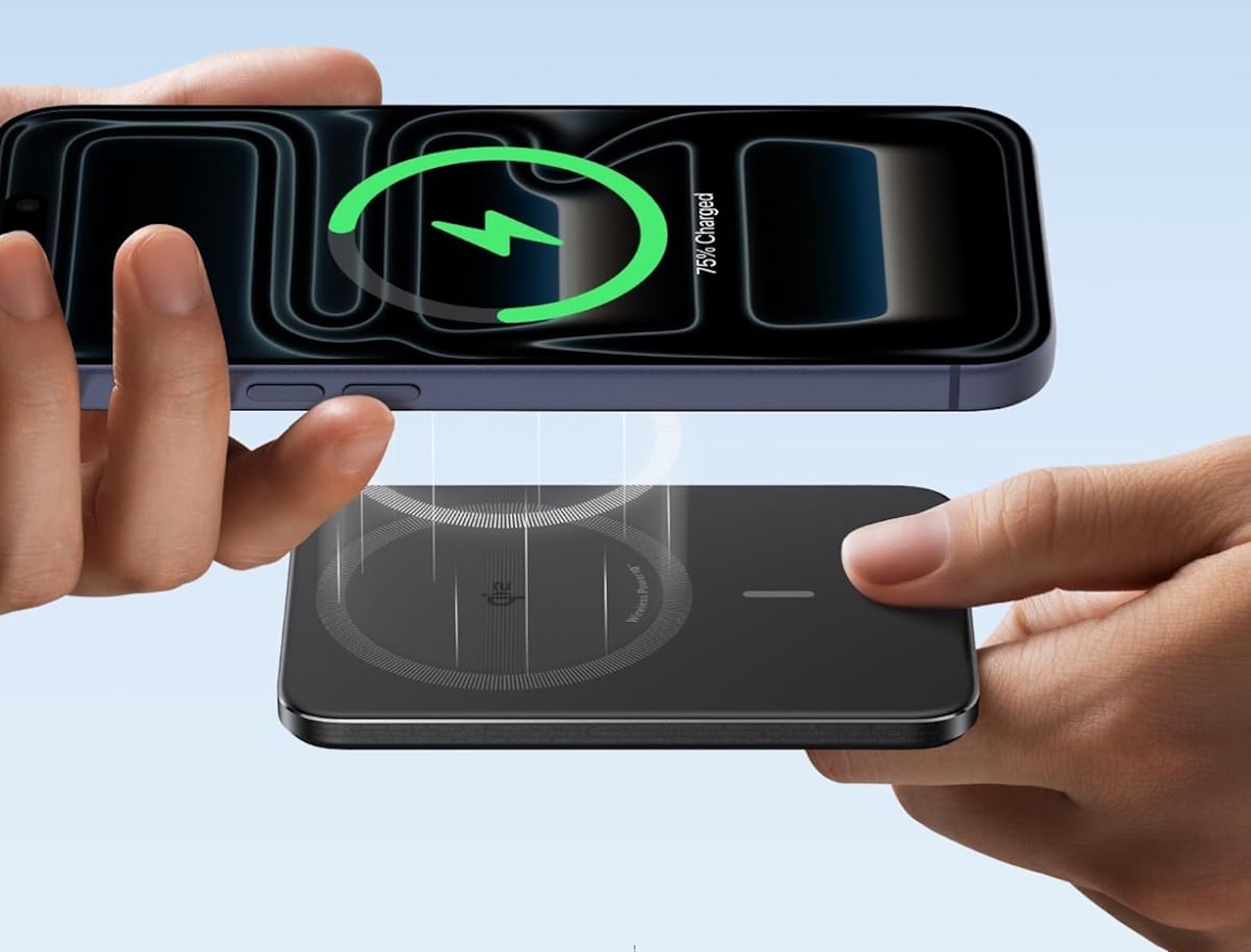
This is the one. The Anker Nano MagSafe 5K Qi2 at $49.99 hits the intersection of thin and actually useful. It’s about 8.6mm thick, matches the width of an iPhone almost exactly, and adds enough grip that you forget it’s there until the battery percentage starts climbing. It charges at the full 15W Qi2 speed, keeping pace with modern iPhones and most Qi2-compatible Android phones. The 5,000 mAh capacity covers roughly one full charge, and Anker’s lab testing puts an iPhone 16 Pro at 25 percent after about 42 minutes on the pad. Not a full day’s backup for heavy users, but exactly right for the person who carries a bank for the one or two times a week they forget to charge overnight.
The trade is the price. At $50, it costs more per milliamp hour than the LISEN option. You’re paying for Anker’s reliability track record, the Qi2 certification, and the slim profile that actually stays put. Skip it if you need a full charge and a half in your pocket. Buy it if “one emergency top-off in a vanishingly small package” is the exact use case you’ve got in mind.
Anker MagGo 10K Qi2: Best capacity-to-size ratio
🛒 Price: $79.86
Where to Buy: Amazon
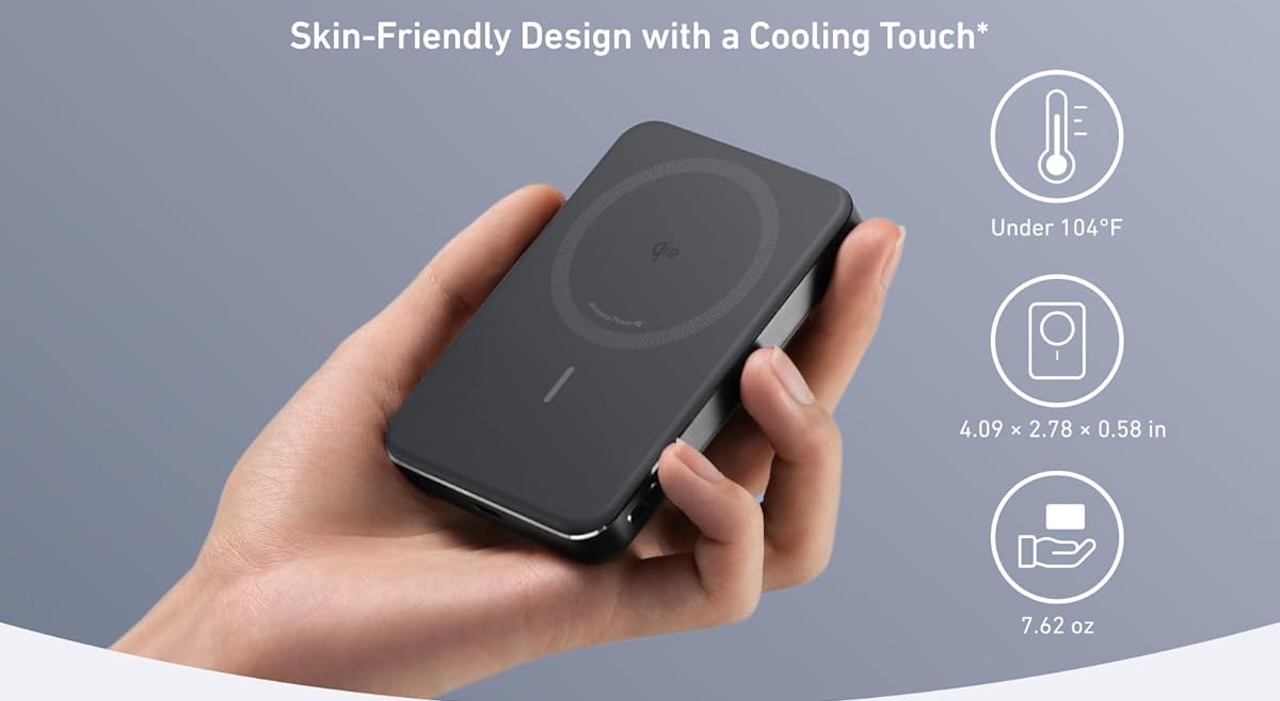
The Anker MagGo 10K Qi2 at $79.86 solves the problem the Nano can’t. It gives you 10,000 mAh of capacity at about 15mm thick, and it holds an iPhone 16 Pro for a full day plus a morning. The high-volume review base isn’t accidental. It holds a 4.4-star rating across more than 8,000 ratings, among the most-reviewed ultra-slim 10K banks on the market, and the consistency of that feedback suggests Anker got the engineering right.
Where it wins is the wired side. A 30W USB-C port charges your phone fast when you plug in and refills the bank itself quickly, so it works as your main travel charger and not only a wireless pad. Anker builds it with a metal frame and aerogel thermal insulation, which keeps it running cooler than most 10K magnetic banks during a fast charge. That engineering shows up in daily use rather than on the spec sheet.
It’s thicker than the Nano. It’s also heavier at about 200 grams. If your EDC priority is “I want to forget I’m carrying anything,” the Nano wins. If your priority is “I want one charge that covers an unexpected late night with capacity to spare,” the MagGo justifies the extra heft. For more on Anker’s magnetic charging lineup, see our coverage of the Anker Zolo Magnetic Power Bank.
UGREEN MagFlow Air: Thinnest option
🛒 Price: $39.99
Where to Buy: Amazon
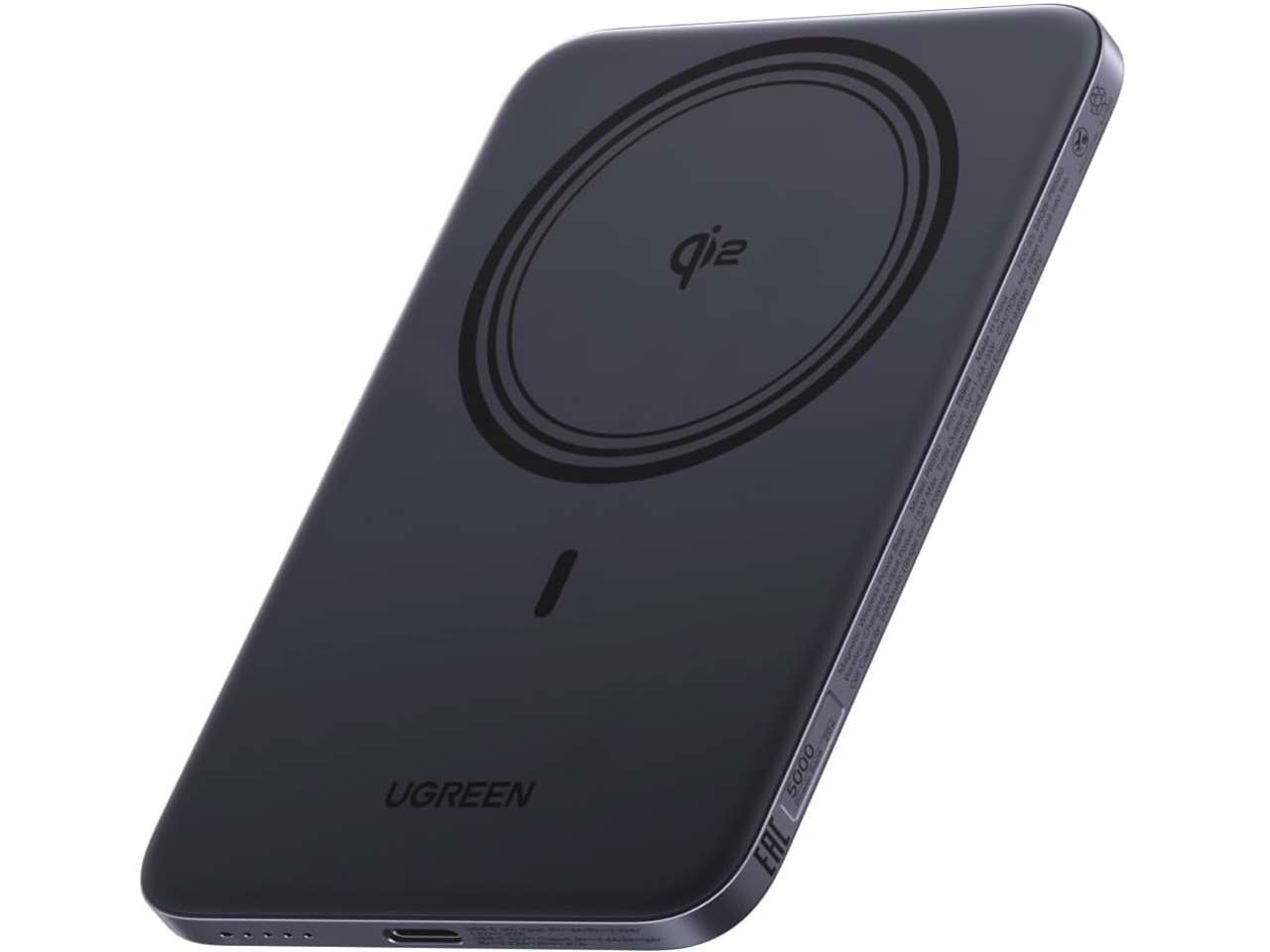
The UGREEN MagFlow Air at $39.99 is 8.6mm thick, thinner than most phone cases and tied with the Anker Nano for the slimmest bank on this list. It delivers the same 5,000 mAh capacity at full Qi2 15W speed, and it holds a 4.0-star rating across 489 ratings. The real story is price: at $39.99 it undercuts the Anker Nano by ten dollars while matching its thinness, which makes it the value pick for anyone chasing slimness first.
What you give up is track record. UGREEN is a known name, but Anker’s multi-year reliability history on magnetic banks runs deeper, and that history is the reason to pay the Nano’s small premium. Both use a soft-touch finish rather than bare gloss, so the in-hand feel lands close. Buy the UGREEN if thinness and price lead your list, and step up to the Anker only if brand history is worth ten dollars to you.
LISEN 0.3 Inch Ultra Slim Qi2: Budget slim
🛒 Price: $21.99
Where to Buy: Amazon
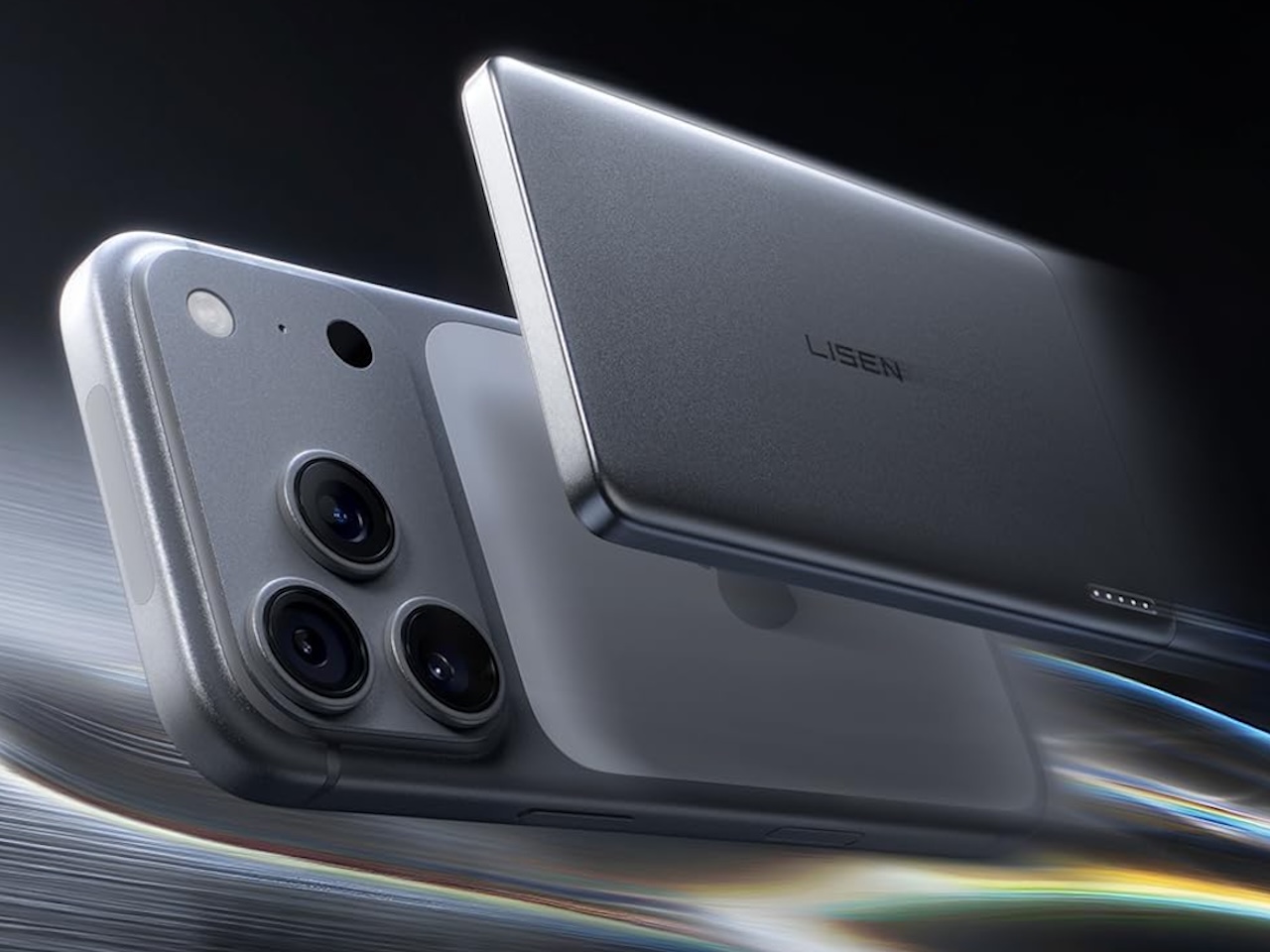
The LISEN at $21.99 is the budget entry, and it earns its place by being seriously thin. At 0.38 inches (about 9.7mm), it’s one of the slimmer Qi2 5K banks available. The price is the headline: under $22 for a magnetic 15W charger that fits in a coin pocket.
The compromises show up in the details. The magnets are weaker than the Anker or UGREEN. On a naked iPhone, it holds fine. On a phone with a MagSafe case, it can slide off center in a jeans pocket, especially if you sit down or bend. The battery chemistry is standard lithium-polymer, so you get the thinness at this price but not the energy density of the newest silicon-carbon cells.
For $22, it’s hard to argue with the value. The right buyer is someone who wants a backup bank for a bag or a weekend trip, not someone who needs daily pocket carry reliability. If you plan to use it every day, spend the extra and get the UGREEN or Anker.
TORRAS MiniMag 10K: Best 10K value
🛒 Price: $47.49
Where to Buy: Amazon
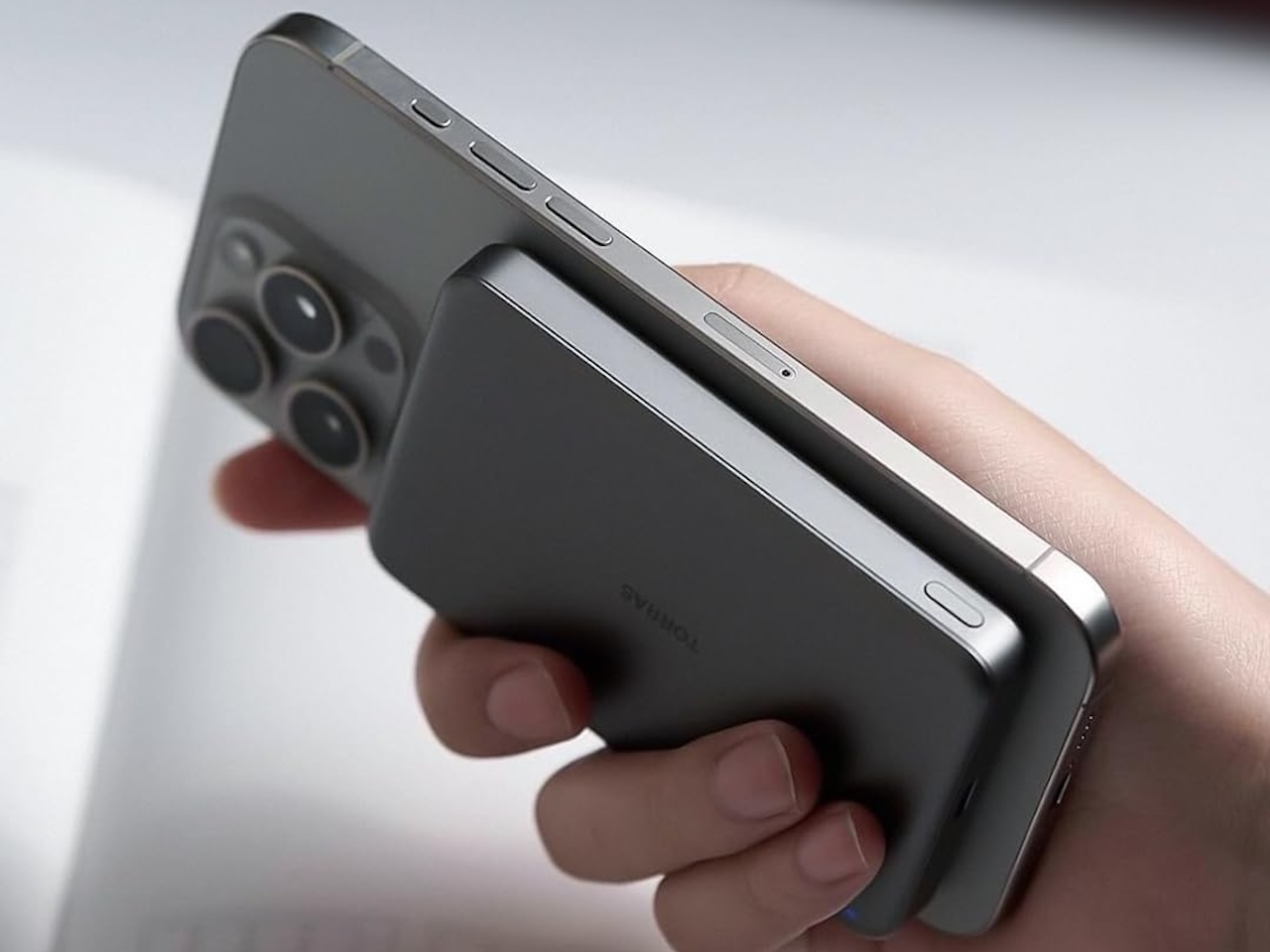
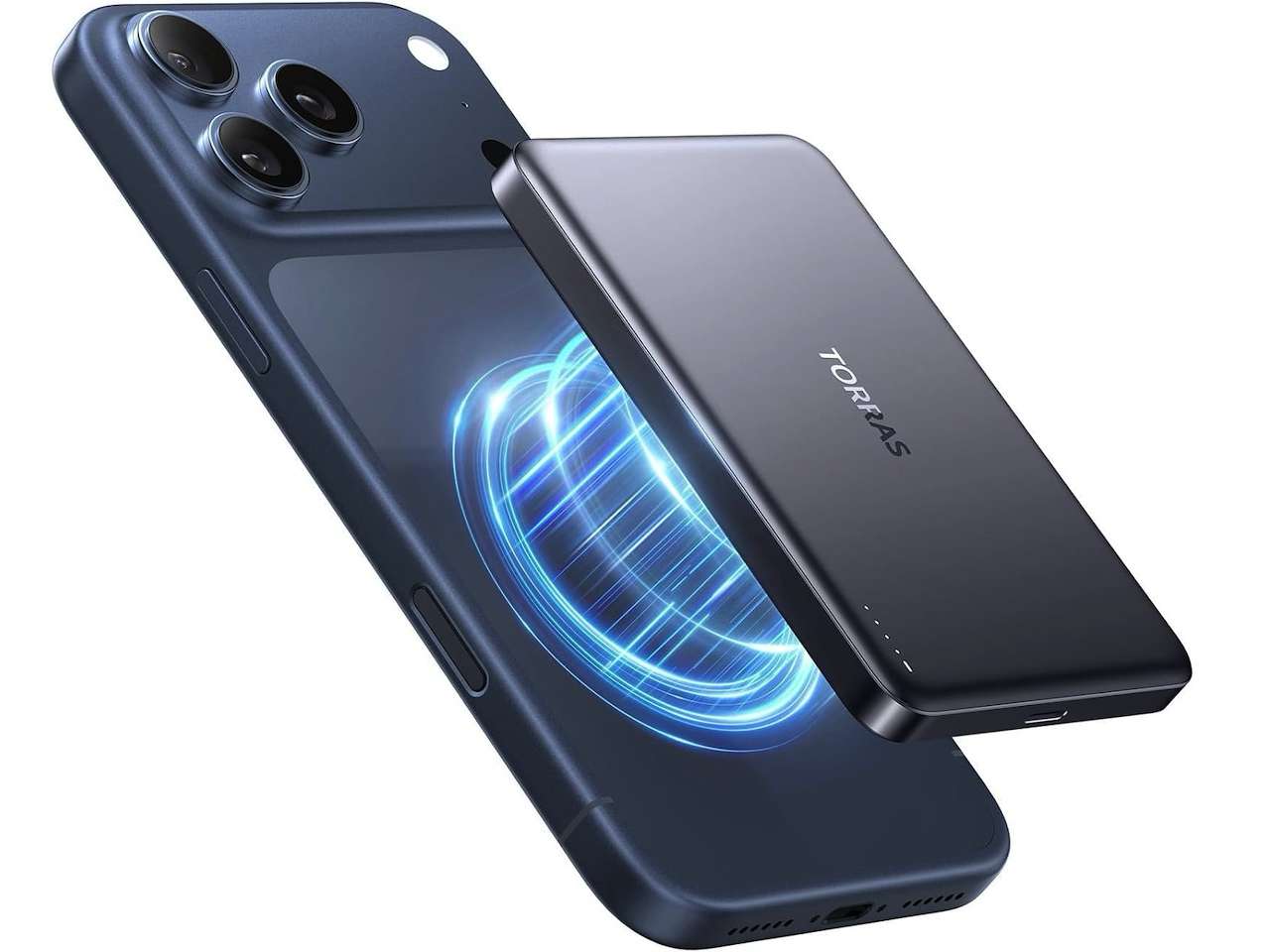
The TORRAS MiniMag 10K at $47.49 is the value play in the 10,000 mAh category. It matches the Anker MagGo on capacity for less, and it packs into a smaller frame. For buyers who want 10K capacity without paying Anker’s premium, it’s the obvious pick.
TORRAS keeps the thickness around 11mm despite the larger cell, which is the whole point. A 10K bank that feels like a 5K bank in your pocket is the reason to upgrade. The magnets hold well, the finish is a matte rubber that doesn’t show fingerprints, and the 15W Qi2 output keeps your phone charged at full speed.
Over months of daily carry, that matte rubber earns its keep. It shrugs off the pocket lint and abrasive scuffing that dull a glossy shell within weeks, so the bank still looks new long after a shinier rival has gone scratched and grubby.
The downside is the company’s track record. TORRAS is newer to power banks than Anker. They make excellent MagSafe cases and accessories, but their battery division doesn’t have the multi-year reliability data Anker has. Whether the long-term failure rate matches Anker’s is an open question. For $47, it’s a reasonable bet.
Bottom line: Which ultra-thin power bank to buy
The Anker Nano MagSafe 5K is the most balanced recommendation for most people. It’s not the thinnest, cheapest, or highest capacity. But it’s the most reliable, and reliability is what counts when the thing you carry is the difference between a dead phone and a connected evening.
The UGREEN MagFlow Air is the pick if thinness and price lead your list. The TORRAS MiniMag 10K is the high-capacity value play. All of them will charge your phone. Only one will do it without making you think about the battery until you need it. For current pricing on these and other models, check our roundup of power bank deals that actually charge fast.
Frequently Asked Questions
What’s the thinnest magnetic power bank available right now?
On this list, the UGREEN MagFlow Air and Anker Nano share the crown at 8.6mm, thinner than most phone cases. Both deliver full Qi2 15W magnetic charging with proven reliability.
Is Qi2 worth it, or is standard MagSafe fine?
Qi2 gives you 15W magnetic charging without Apple’s proprietary licensing, which means Android phones with Qi2 support get the same speed as iPhones. For future-proofing, Qi2 is worth it. For iPhone-only households, standard MagSafe works the same way.
Can a 5,000 mAh power bank fully charge an iPhone?
A 5,000 mAh bank charges an iPhone 16 Pro from empty to roughly 80 percent. For a full charge plus some margin, you need 10,000 mAh.
How does silicon-carbon battery chemistry make power banks thinner?
Silicon-carbon anodes store more lithium ions per unit volume than traditional graphite anodes. This lets manufacturers pack the same capacity into a thinner cell, and it’s the shift enabling the current generation of ultra-slim magnetic banks.