
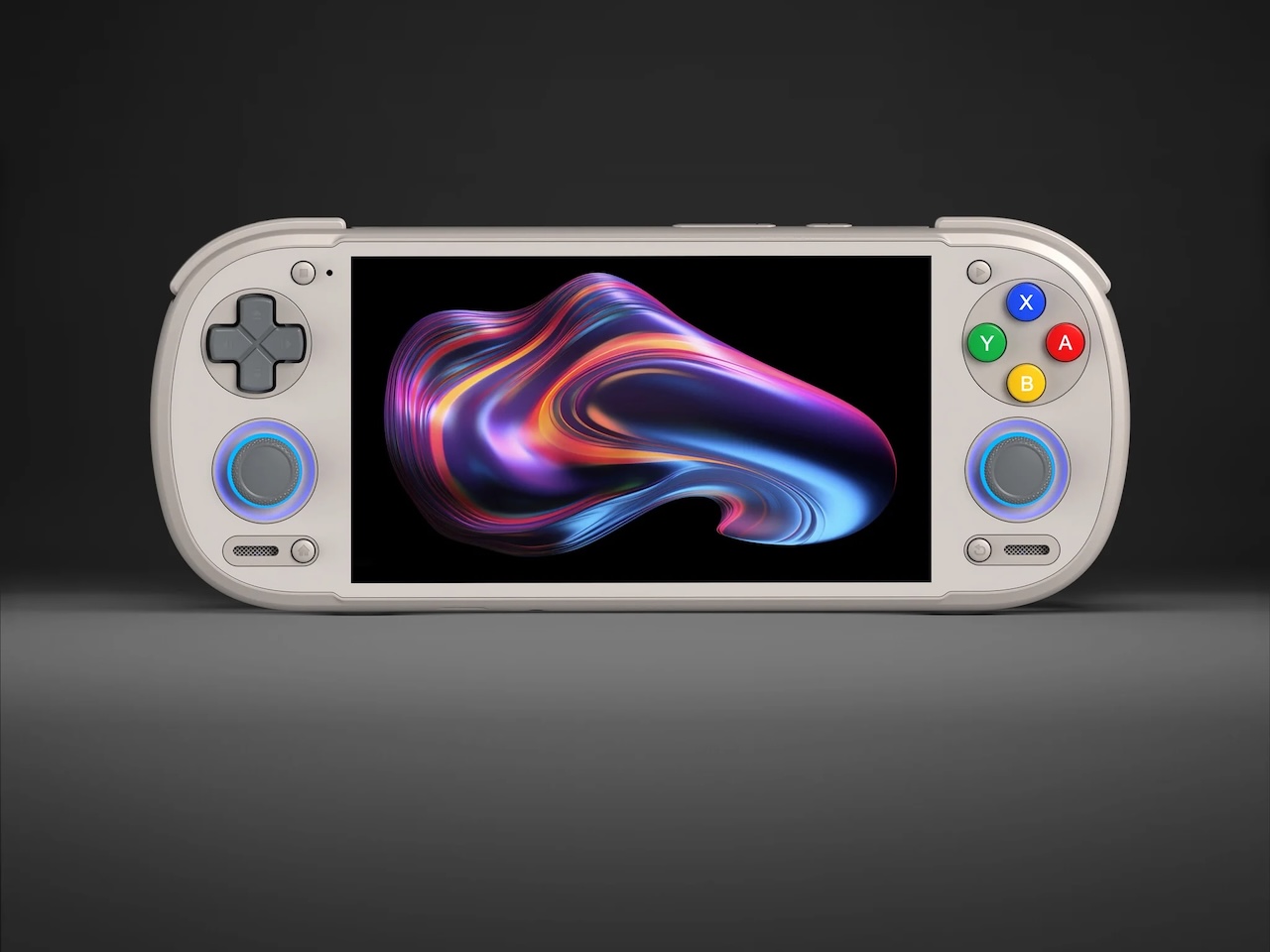
You opened the goretroid pre-order page expecting $229. The number is now $244, and the 12GB RAM option is gone. The Retroid Pocket 6 launched on October 2025 at $229 for the 8GB tier and $279 for the 12GB, and lost its top tier to the AI memory crunch. Retroid raised the 8GB tier by $15 and pulled the 12GB SKU from guaranteed shipping.
Price: $244
Where to Buy: Retroid
It is still the cleanest path to PS2 and GameCube under $300 in June 2026. Here is what $244 buys, and who should jump.
The Retroid Pocket 6 in one line
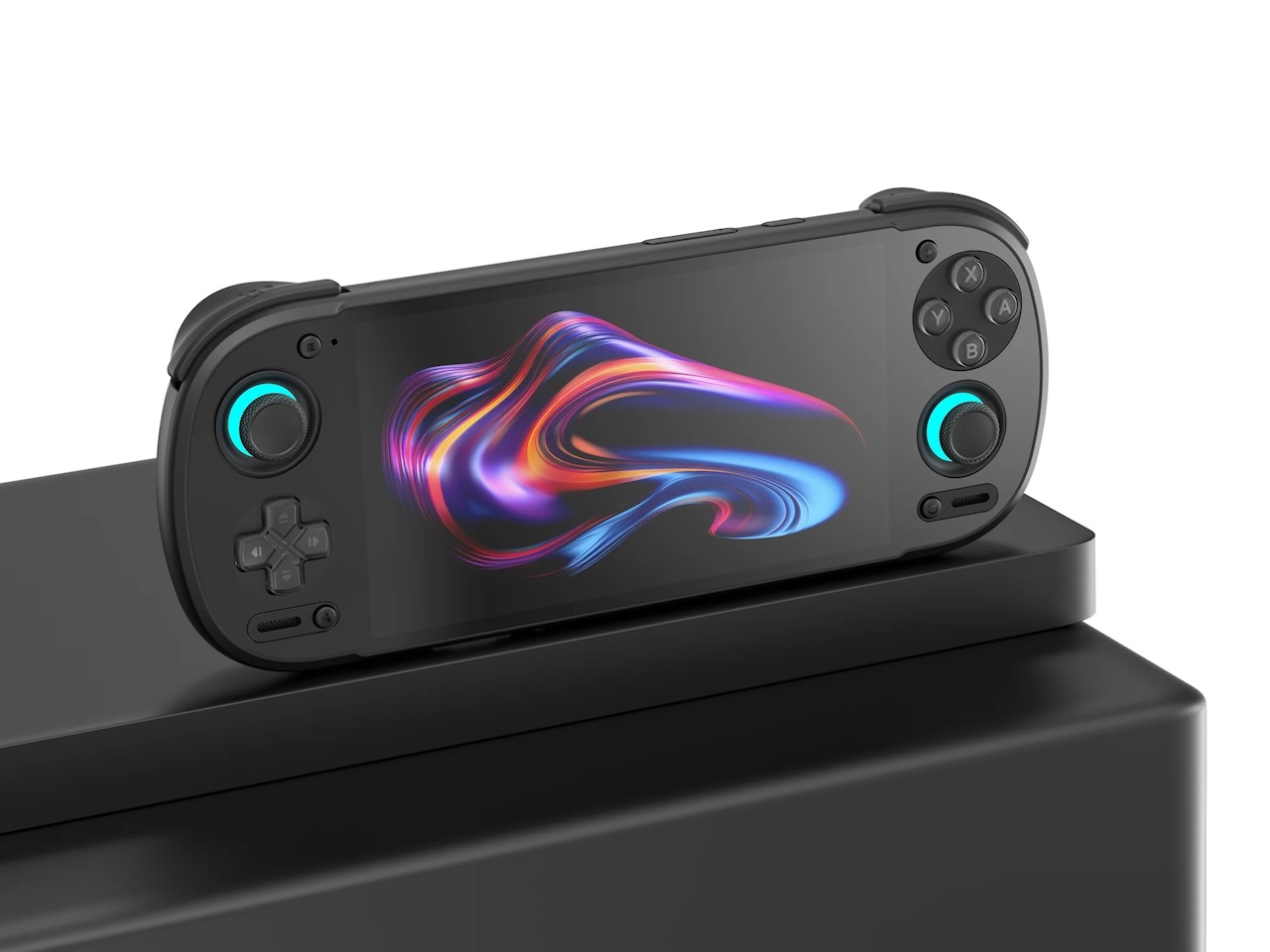
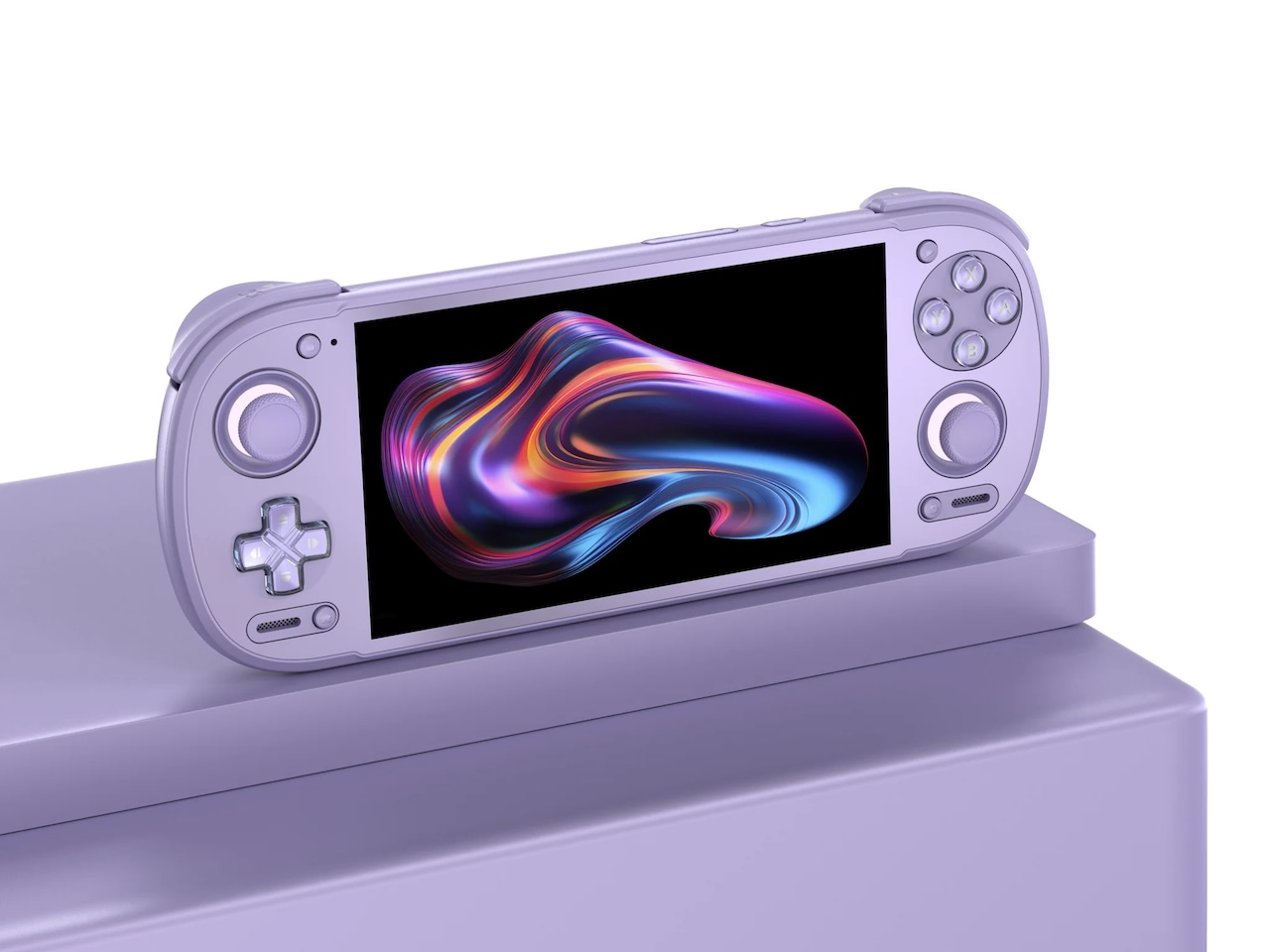 A 5.5-inch 1080p AMOLED Snapdragon 8 Gen 2 handheld on Android 13, with active cooling, a 6000 mAh battery, and 8GB of LPDDR5x RAM. It targets the buyer who would have grabbed a Pocket 5 in 2024 and now wants more PS2, GameCube, and lighter Switch headroom without paying AYN Odin 3 money.
The Retroid Pocket 6 price: $244 in June 2026
$244 is the new base for the 8GB / 128GB variant on goretroid.com, up $15 from the $229 launch price. The $279 12GB / 256GB tier is still listed but no longer guaranteed to ship, per the price change. The trigger is the same RAM shortage pushing up the AYN Odin 3 line. Retroid is not the only one paying the AI tax. It is the only one doing it four months into a product cycle.
Retroid Pocket 6 specs: Snapdragon 8 Gen 2 and 8GB RAM
The Snapdragon 8 Gen 2 is the reason this device is interesting in 2026. The chip launched in 2023 flagship phones, two generations behind current ones. The Adreno 740 pushes PS2 and GameCube at native resolution. Lighter Switch like Stardew Valley and Hollow Knight runs without a fight; heavy Switch like Xenoblade Chronicles 3 is still a stretch. The 8GB of LPDDR5x covers most retro use, though ambitious Android ports miss the 12GB headroom that is no longer available. Storage tops out at 128GB with microSD.
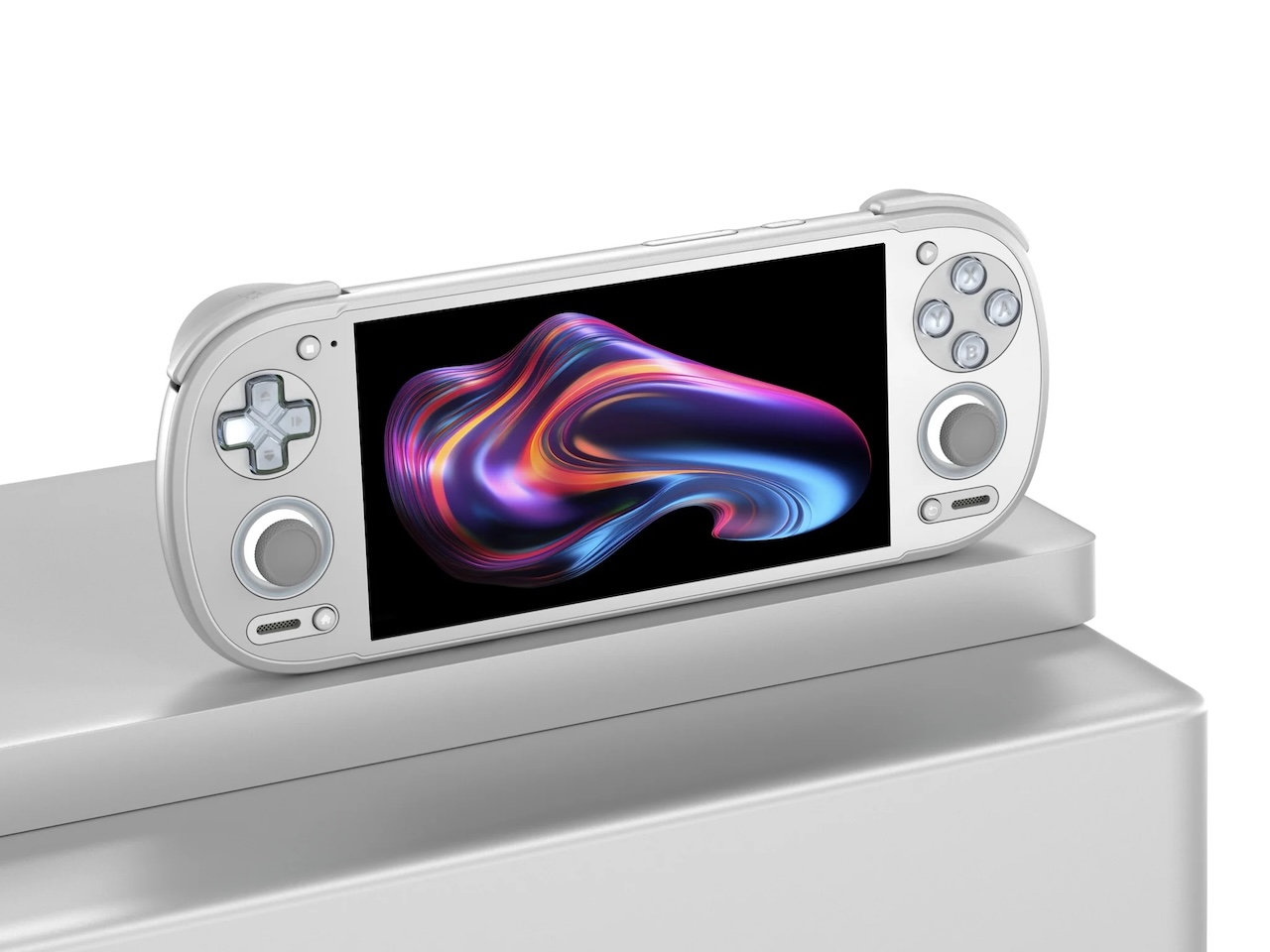
The 5.5-inch AMOLED panel and what 120Hz does for PS2
The screen is the biggest upgrade over the Pocket 5. The Pocket 5 ran a 60Hz AMOLED at 500 nits; the Pocket 6 keeps the 1920×1080 but pushes 120Hz at 550 nits. It matters when PS2 titles like Gran Turismo 4 run at 1080p on a screen that can show them. PS2 cutscenes no longer read as a slideshow, and GameCube first-person games like Metroid Prime present very differently from the Pocket 5. The 16:9 panel does black-bar 4:3 retro content, which hurts for SNES, NES, and arcade titles. If your library leans older, the 4:3-friendly ANBERNIC RG Rotate is a better fit.
Retroid Pocket 6 controls: two stick layouts and the M1/M2 swap
Retroid learned a lesson between announcement and shipping. The original face-mounted M1, M2, Home, and Back buttons drew community pushback, and Retroid moved them to the back, where they belong. The company ships two left-side configurations: both sticks below the d-pad, or the left stick above the d-pad, picked at order time. Bottom-stick is cleanest for d-pad-heavy retro play; top-stick sits closer to a standard controller for twin-stick aiming. Hall effect sticks are a real upgrade over the drift-prone units on cheaper handhelds and the Pocket 5, and the RGB rings can be turned off in software.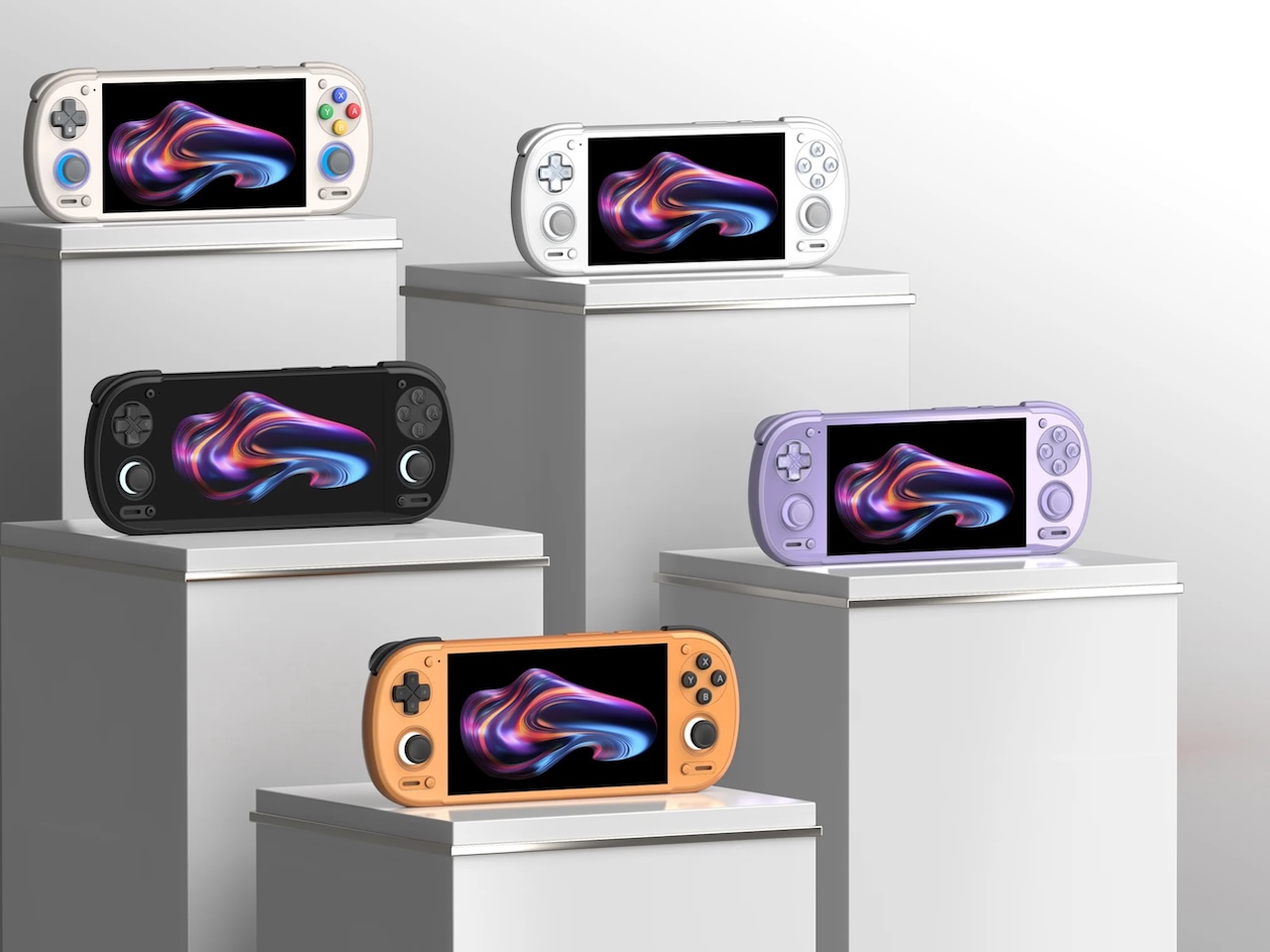
The 6000 mAh battery and what it powers
The Pocket 6 jumps from the Pocket 5’s 5000 mAh cell to 6000 mAh, the largest battery Retroid has shipped in this form factor. Reported runtime per Retro Game Corps: 6 to 8 hours of GameCube and PS2 emulation at 70 percent brightness, 4 to 5 hours of lighter Switch, around 10 hours of 8-bit and 16-bit content. 27W fast charging refills in just over an hour. USB-C 3.1 supports TV-out, which makes the Pocket 6 a passable docked console. WiFi 7 and Bluetooth 5.3 are real upgrades over the Pocket 5’s WiFi 6 and Bluetooth 5.1.
Where the Pocket 6 sits against the GameMT EX8, Pocket 5, and AYN Odin 3
Three competitors define the 2026 mid-range. The sub-$150 GameMT EX8 runs a Helio G99 and a 3:2 display, beautiful for 8-bit and 16-bit but stumbles on PS2. The Pocket 5 is the previous-gen buy at $199 on goretroid, still the better pick if your library tops out at PS1 and N64. The AYN Odin 3 owns the $400 bracket with the same chip, a 7-inch screen, and up to 16GB of RAM. The Pocket 6 fits the buyer who wants Snapdragon 8 Gen 2 power in a 5.5-inch AMOLED, and can live with the Android 13 quirks the Odin 3 has largely solved. Against the AYANEO Pocket S Mini, the Pocket 6 likely wins on emulation headroom and battery life, and trades down on chassis materials.
Who should buy this now, and who should skip
Buy it if you want PS2 and GameCube at full speed on a 5.5-inch AMOLED, you are willing to spend an evening on a frontend and ROMs, and $244 fits your budget. Skip it if you already own a Pocket 5 and your library does not push past N64, if you prefer a 4:3 screen, or if you can wait four to six months for the rumoured Pocket 6 Pro. The Android 13 firmware is serviceable but not polished. Custom button layouts are a real ergonomic win, but you choose at order time and cannot change after the fact without swapping shells.
Price: $244
Where to Buy: Retroid
The bottom line on the Retroid Pocket 6
The Retroid Pocket 6 is the most capable sub-$300 retro handheld now, and the clearest example of what the AI memory crunch is doing to consumer electronics. You are paying $244 for a Snapdragon 8 Gen 2 device that, in a normal market, would have shipped with a 12GB option at $279. If you want the cleanest path to PS2 and GameCube in a pocketable form factor, it is worth your money. If you are on the fence, wait for the Pocket 6 Pro, or grab the Pocket 5 at $199 and pocket the difference.
![[MINI SIZE. ULTRA PORTABLE CHARGER]: Roughly the size of an AirPods Pro case, this smallest power bank packs 10,000mAh of long lasting power into a tiny, nano footprint. Easily slide this ultra slim, credit card size charger into your skinny jeans, a...](https://m.media-amazon.com/images/I/41rATpm6dyL._SL160_.jpg)
Now retrieving an image set.
INIU Portable Charger, Ultra Mini 10000mAh 45W Fast Charging with Detachable Cable, Flight-Safe Travel USB C Power Bank External Phone Battery Pack for Xiaomi iPhone 17 16 Samsung S26 Google iPad etc

Now retrieving an image set.
