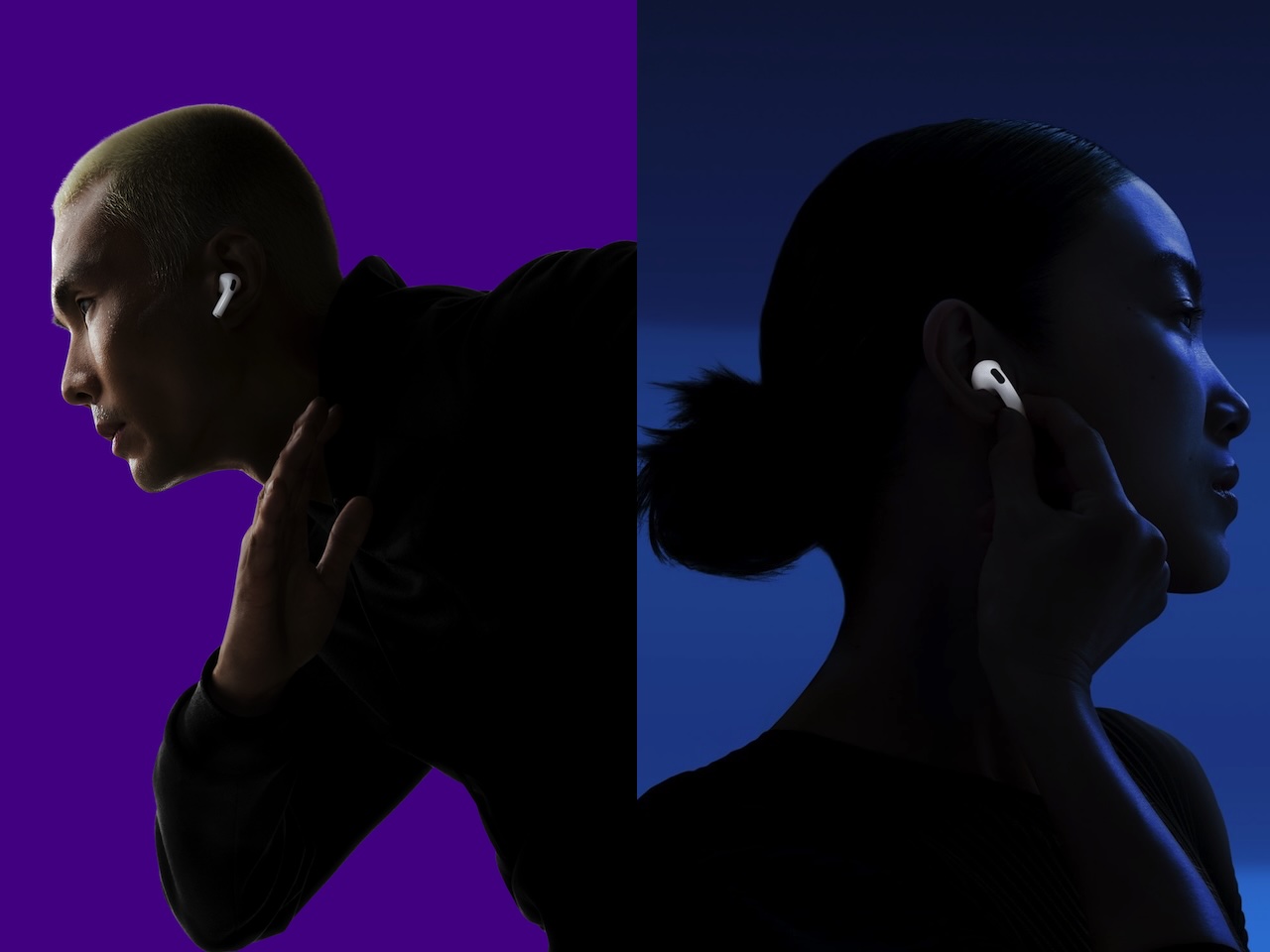
You don’t need flagship money to get modern Apple earbuds, but you do need to know what you’re trading away. AirPods 4 and AirPods Pro 3 are both current-generation models with USB-C cases and spatial audio, yet they target opposite ears. One sits outside your canal with lightweight noise cancellation; the other seals in sound with flagship-grade silence. If you’re stuck between open comfort and sealed isolation, here’s how the fit, features, and real-world use cases actually differ.
Price: $99.99 (Discounted from $129.99)
Where to Buy: Amazon (AirPods 4)
Where each one sits in Apple’s lineup
Apple launched the AirPods 4 in September 2024 as a two-tier replacement for the AirPods 3: a standard model and an ANC variant. A year later, in September 2025, the AirPods Pro 3 took over the premium slot. All three share a USB-C case, the H2 chip, Apple’s spatial audio stack, and Voice Isolation for calls. Adaptive Audio, Conversation Awareness, and Live Translation are ANC-only, so they ship on the AirPods 4 with ANC and the Pro 3 but not the standard AirPods 4. What sets the Pro 3 apart is Pro-tier hardware: in-ear heart-rate sensing, Hearing Aid and Hearing Protection, the redesigned acoustic architecture, and the strongest ANC Apple has shipped in earbuds.
Open fit vs sealed silicone
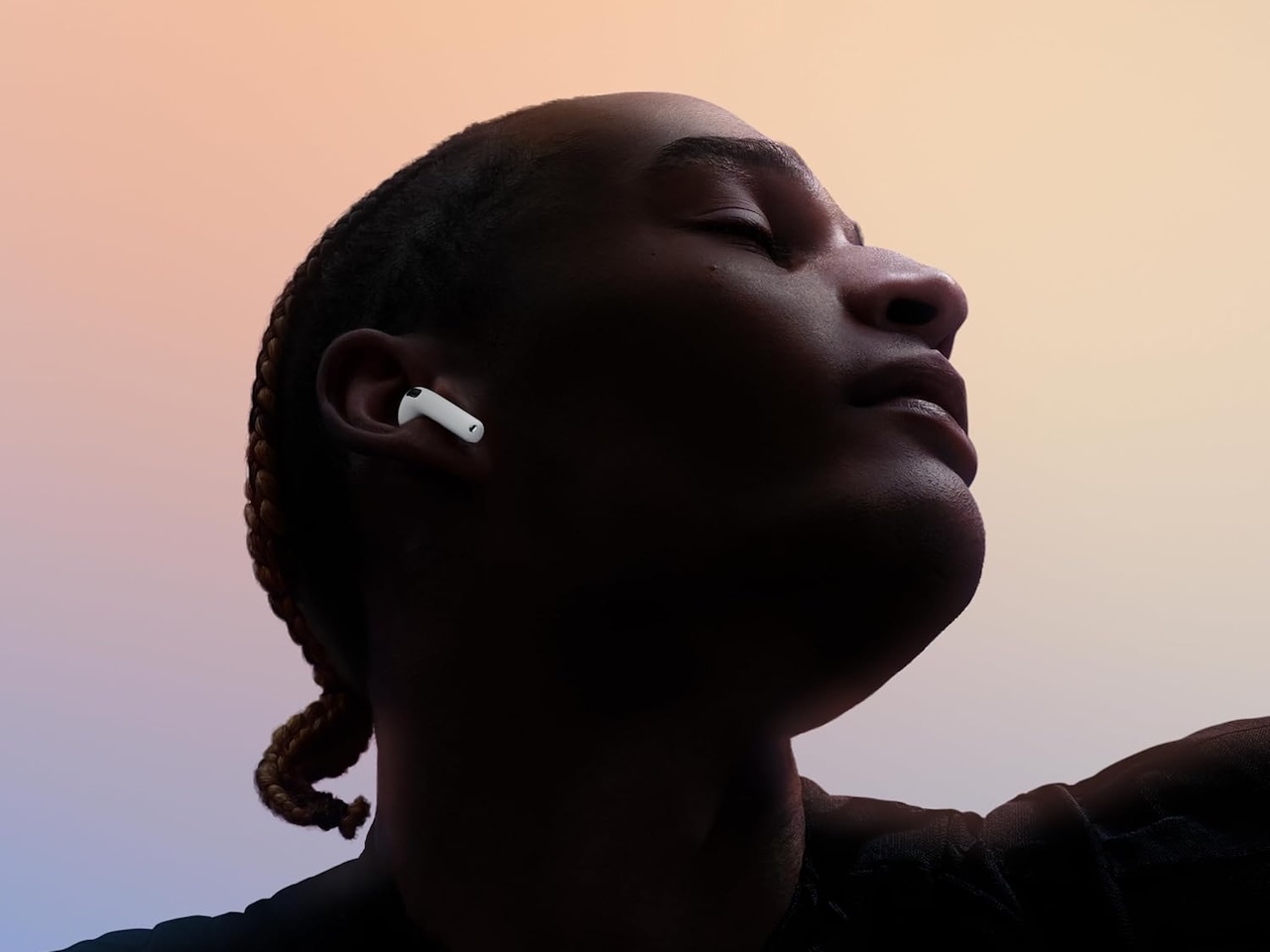
The biggest difference is structural. AirPods 4 keep the classic hard-plastic, one-size-fits-most stem design. They rest against the ear rather than inside it, which suits buyers who dislike the plugged-up feeling of in-ears or don’t want to swap tips. The trade-off is fit security: if Apple’s universal mold doesn’t match a given ear shape, no amount of tweaking will fix it.
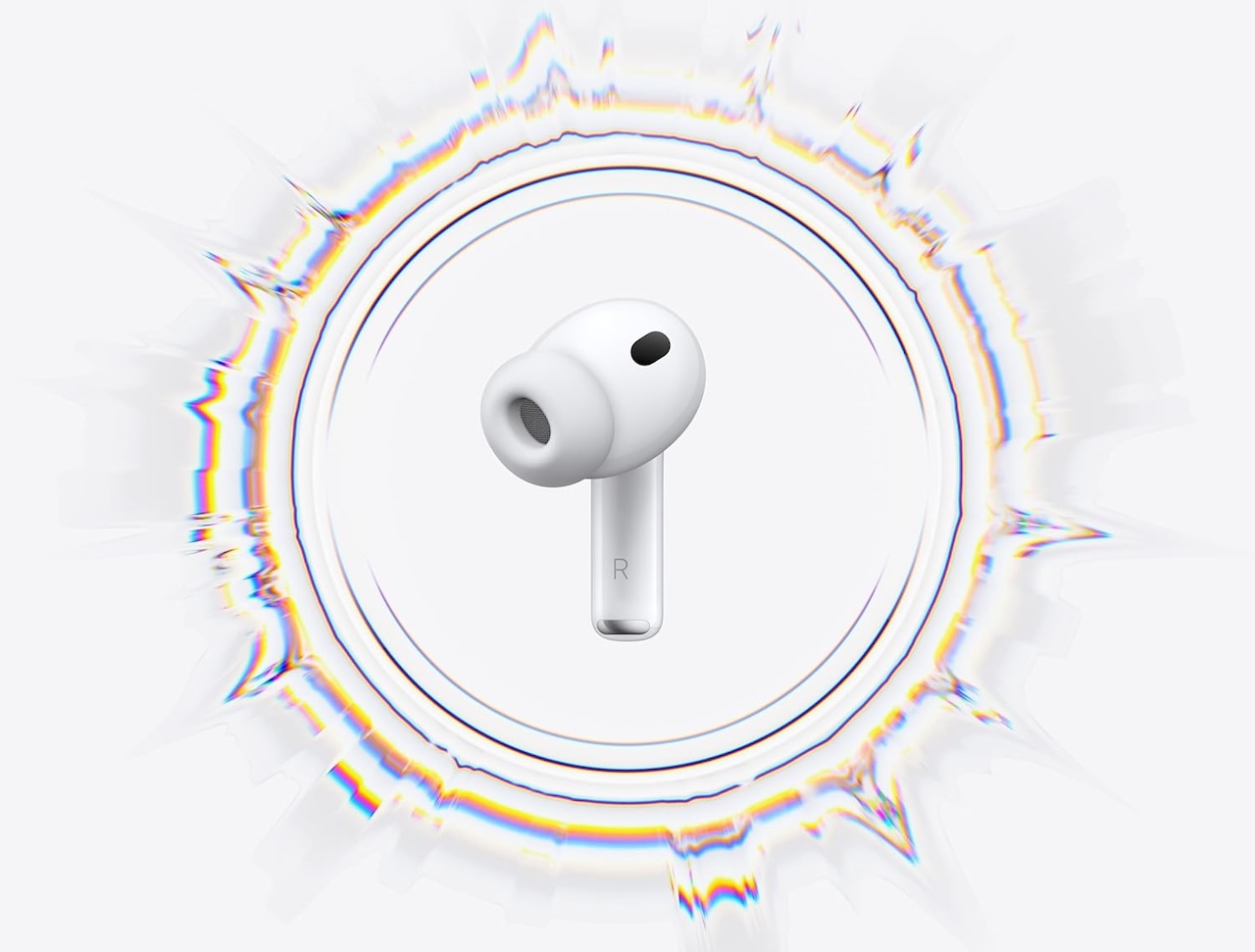
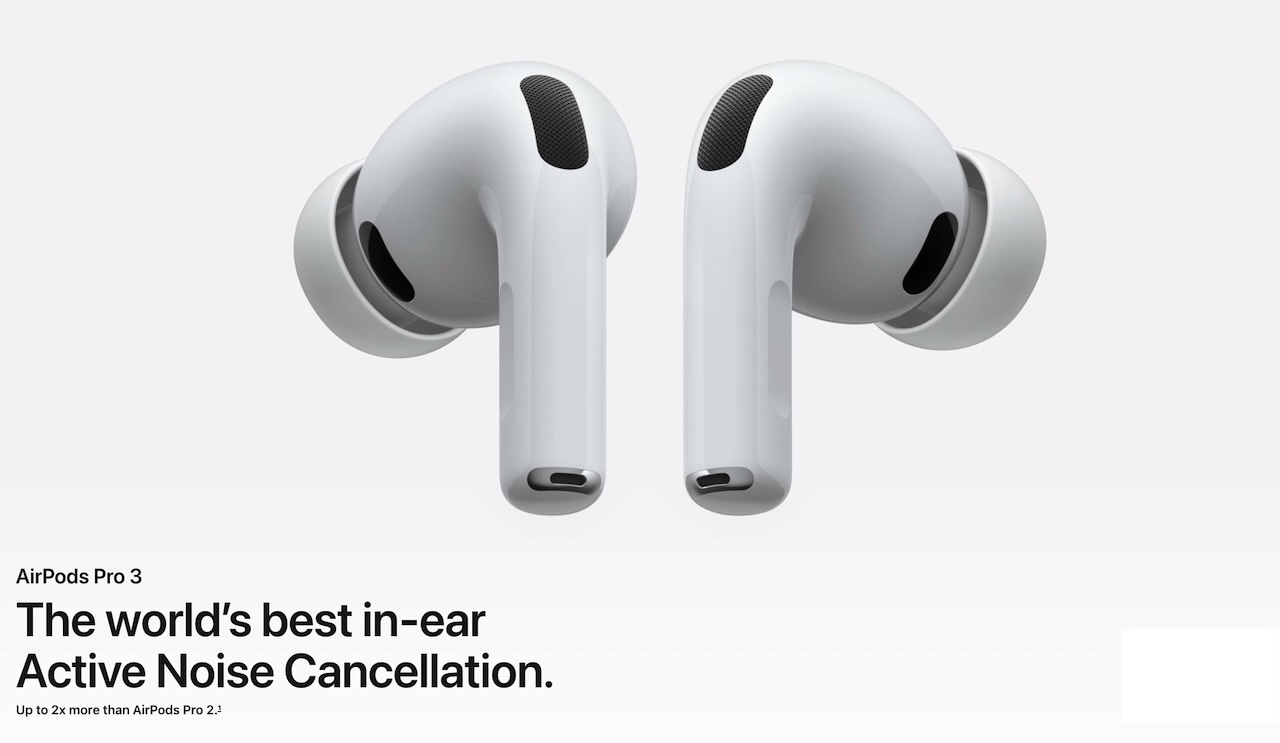
The AirPods Pro 3 use new foam-infused silicone tips in five sizes (XXS, XS, S, M, L, with XXS new to the lineup), plus a redesigned ear shape Apple says is based on the largest ear-scan dataset it has ever assembled. The seal is the price of admission for serious ANC and, per Apple’s specs and early reviews, contributes to better isolation, a more stable fit during workouts, and stronger low-end response. Sealed in-ears can cause fatigue during long sessions, so buyers sensitive to ear pressure should try them in store before committing.
Price: $99.99 (Discounted from $129.99)
Where to Buy: Amazon (AirPods 4)
ANC and Transparency
AirPods 4 with ANC use the lightest noise cancellation Apple has shipped because the buds don’t seal. Apple positions the feature as enough to reduce low-frequency environmental noise like airplane engines and city traffic, but the open design limits how much louder, sustained noise it can cancel compared with sealed earbuds.
The Pro 3 sits in a different category. Apple’s official claim for the Pro 3 is up to 2x more noise removed than the Pro 2 (and 4x more than the original AirPods Pro), with a refined Transparency mode. Independent reviews and aggregated user reports line up with that positioning, with reviewers noting more aggressive attenuation of voices and sudden noise, and a more natural-sounding Transparency mode. For buyers who want silence as a primary feature, the Pro 3 is the only one of the two that targets it.
Battery, case, and charging
Both models charge over USB-C, a quiet but meaningful upgrade across the AirPods family. The AirPods 4 with ANC case and the Pro 3 MagSafe case both support wireless charging (Qi and Apple Watch charger; the Pro 3 case adds MagSafe) and Find My with a built-in speaker; the standard, non-ANC AirPods 4 case is wired-only. AirPods 4 with ANC get about 4 hours of listening with ANC on (5 with noise control off), and up to 20 hours total with the case when ANC is on, or 30 hours with noise control off. AirPods Pro 3 stretch single-charge listening to roughly 8 hours with ANC (the longest of any in-ear AirPods) and about 24 hours with the case. The Pro 3 case is IP57 dust and water resistant; the AirPods 4 with ANC case is IP54, a step down in dust ingress and water immersion protection.
Price: $199.99 (Discounted from $249.99)
Where to Buy: Amazon (AirPods Pro 3)
Price and what the premium buys you
AirPods 4 with ANC sit around $179, with the non-ANC version at $129. AirPods Pro 3 launched at $249. That roughly $70 gap between the ANC AirPods 4 and the Pro 3 is the cleanest comparison: for the premium, the Pro 3 adds the foam-infused silicone seal, flagship ANC, longer per-charge battery, a sweat- and dust-resistant IP57 case, in-ear heart-rate sensing for workouts, hearing-aid and hearing-protection features, and a next-generation Adaptive EQ tuned to each fit. For mostly home or quiet-office listening, AirPods 4 with ANC cover the basics. For regular commuting, travel, or training, the Pro 3 maps more closely to the use case.
AirPods 4 ANC downsides to weigh
The $70 savings comes with real trade-offs. The open fit caps ANC effectiveness against loud, sustained noise like jet engines or subway cars, so heavy commuters will feel the gap. Single-charge battery is shorter at 4 hours with ANC versus 8 on the Pro 3. The case is IP54 rather than IP57, with less margin for sweat and rain. There is no in-ear heart-rate sensor, no Hearing Aid or Hearing Protection feature, and no swappable tips, so a poor universal fit cannot be corrected. For anyone who works out in earbuds, takes long flights, or relies on hearing-health features, the AirPods 4 with ANC will feel underspec’d against the Pro 3.
Buy now or wait?
The 2026 rumor mill is loud about a higher-end AirPods Pro variant with built-in cameras. Per Bloomberg’s May 2026 report, prototypes are in advanced testing, and follow-up reporting from MacRumors and AppleInsider confirms the cameras will be a Siri / Apple Intelligence sensing platform with no photo or video capture for the user. AppleInsider notes a 2026 ship date is unlikely; whenever the model arrives, it is expected to slot above the Pro 3 rather than replace it. If you need earbuds now, don’t wait: the Pro 3 will remain Apple’s current Pro tier for the foreseeable future, and the camera model, if and when it ships, will target a different buyer at a higher price.
The five-second decision matrix
- Commuting on trains, buses, or planes: AirPods Pro 3, for the sealed ANC.
- All-day calls in a noisy office: AirPods Pro 3, for the sealed isolation and redesigned acoustic architecture (Voice Isolation itself is on both models).
- Workouts and runs: AirPods Pro 3, for the secure silicone fit, IP57 case, and built-in heart-rate sensor.
- Home office or light commute, prefers an open fit: AirPods 4 with ANC.
- Entry price into the AirPods ecosystem: standard AirPods 4.
- Wants the current flagship: AirPods Pro 3; the rumored camera-equipped model is a separate, higher tier.
Either way, these are two of the best Apple earbuds in 2026: H2-class audio, hands-free Siri, seamless device switching, and Find My on both. The real question is whether you want your music to float around your ears or close the door behind it.