
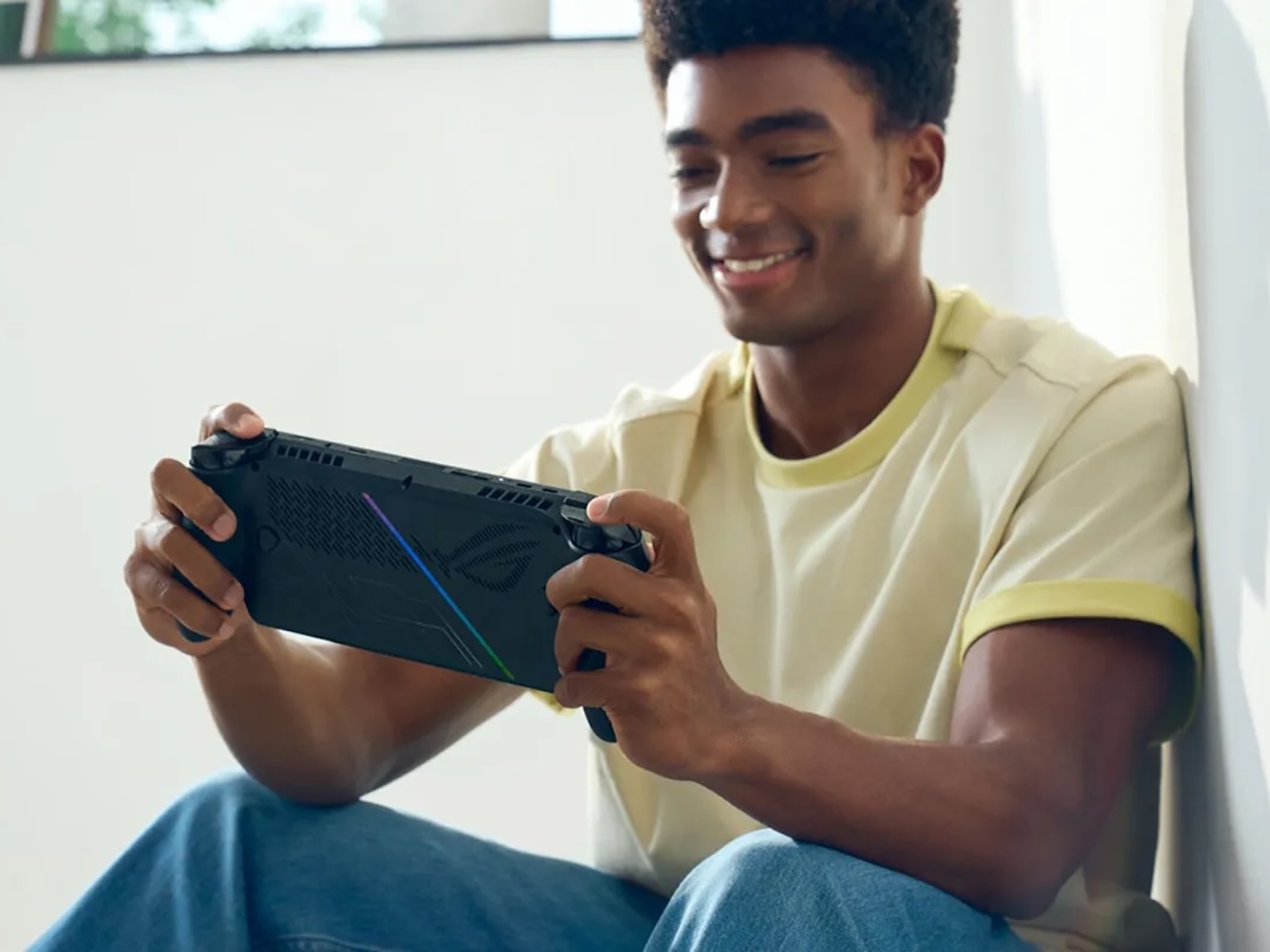
 There’s a moment that hits when you realize you don’t need your gaming desk anymore. You’re sprawled on the couch, your full Steam library running on a screen the size of a paperback, the game you’d usually only touch at your tower hitting settings you’d be smug about on a desktop. That used to be a curiosity. In 2026, it’s the default.
The category just had its breakout year
The handheld gaming PC has finally crossed a real threshold. What used to be a niche enthusiast purchase now sits in the same buying conversation as consoles, with new devices landing across every price tier. The hardware finally caught up to the promise.
What actually changed
The biggest shift is silicon. Today’s x86 handheld chips run most modern games at playable settings without sounding like a leaf blower in your lap. Thermals have caught up too. Newer devices run cooler, hold their clocks longer, and don’t dump heat into your palms during a long session.
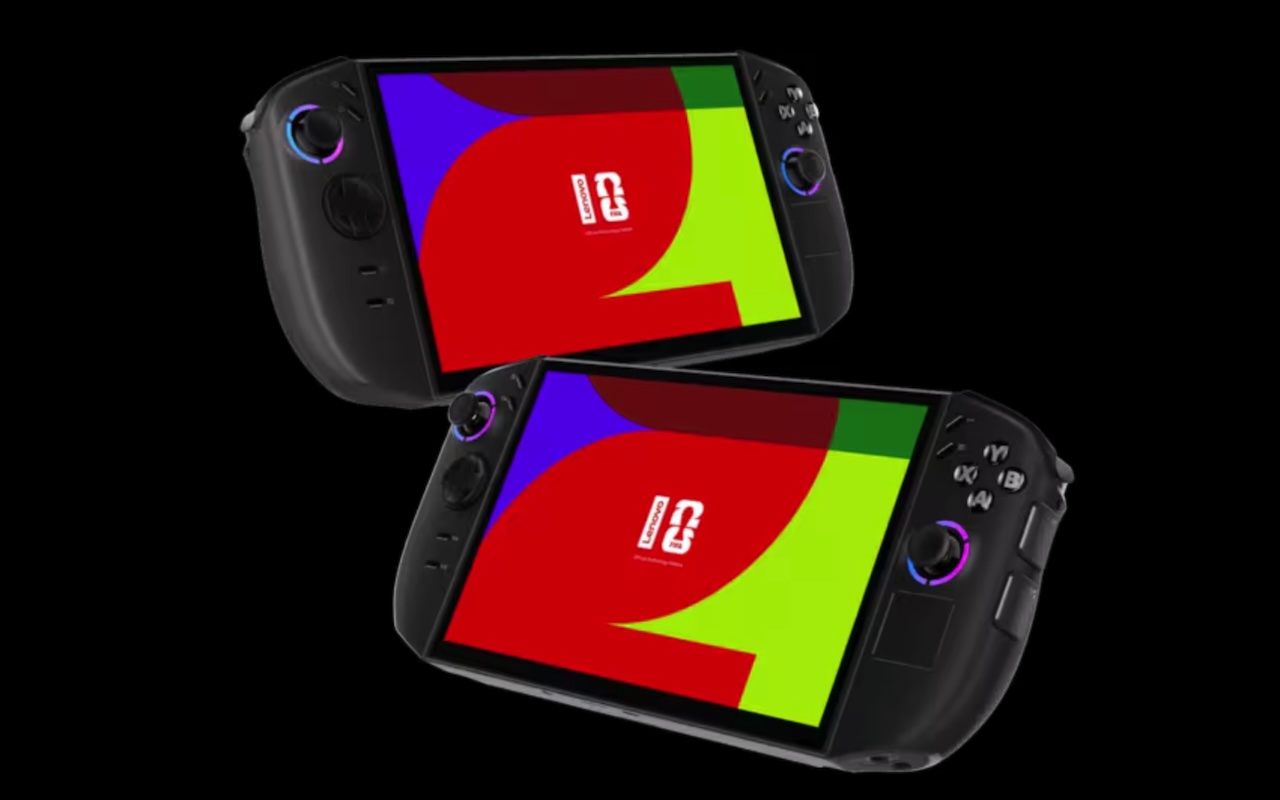
The OLED tier has gone from a one-model novelty to a real category. HDR, higher refresh rates, and brighter panels are now baseline on the premium end. If you’ve spent any time with an LCD handheld, the jump is the kind of thing you can’t unsee.
Battery life is where marketing still gets ahead of reality. Manufacturer ratings rarely survive a demanding modern game, so plan for two to four hours and treat anything more as a bonus.
Controls have quietly become a strength. Hall-effect sticks are showing up across more price tiers, so the joystick drift that wrecked the early generation is becoming less common. Trigger feel and button travel still vary a lot between brands, which is where in-person handling, if you can swing it, still matters.
Where SteamOS still wins, and where Windows still wins
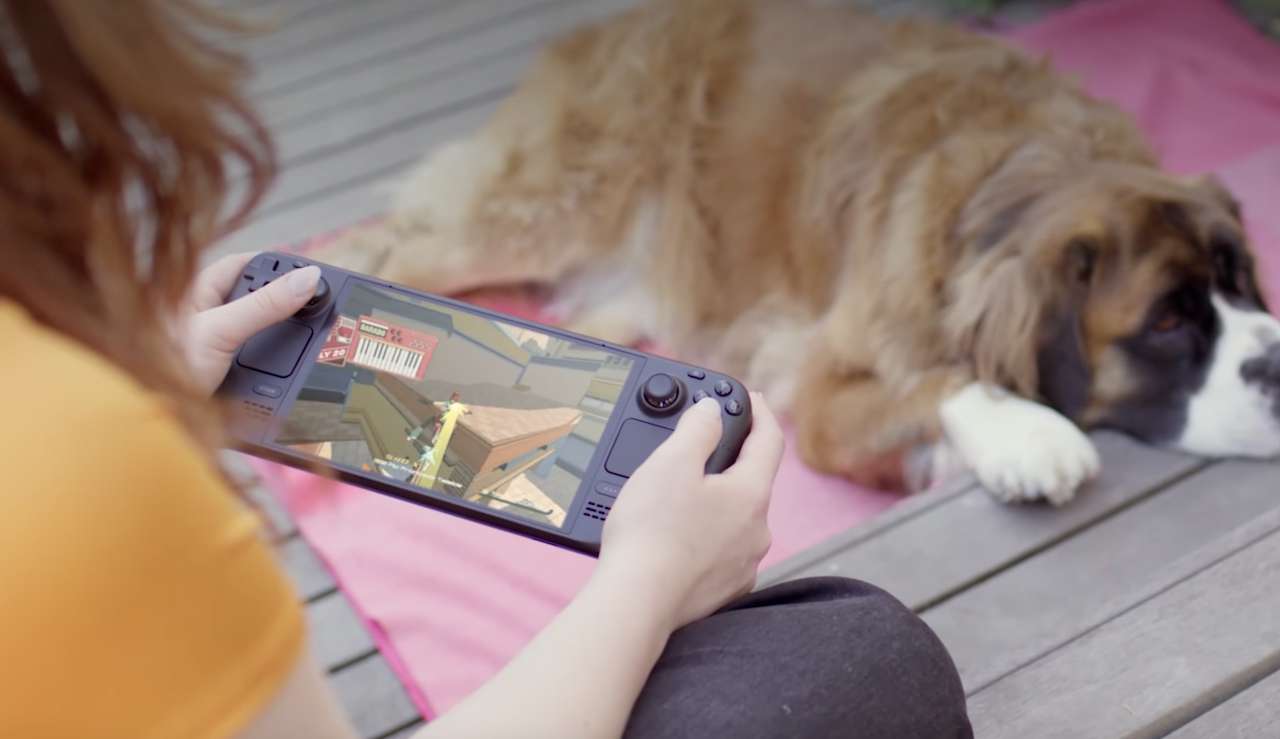
Windows handhelds have closed a lot of gaps, but SteamOS is still the smoother daily experience. Sleep, resume, and background updates behave better, even if they aren’t entirely bug-free, and Proton compatibility is excellent for the catalog you’d actually want on a handheld. If you want to turn it on and play, SteamOS stays out of your way.
Windows wins when you want every store, every emulator, and every weird side project on one device. It’s the right pick if you like to tinker, and the wrong pick if you don’t want to troubleshoot a controller driver on a Friday night.
How to think about picks instead of chasing a single “best”
There isn’t a single handheld gaming PC that beats the rest. Every device trades something for something else, and the right pick depends on what you actually do with it.
The budget pick
Last year’s flagship hardware is unreasonably good right now. The performance gap to newer models is often smaller than the price gap suggests, and you’re getting most of the experience for noticeably less money. If you’ve never owned a handheld gaming PC, start here.
One caveat. The 2026 NAND and RAM shortage has nudged handheld pricing upward, so the deals you see today aren’t always the ones from launch-day coverage. Check current pricing before you commit.
The do-it-all pick
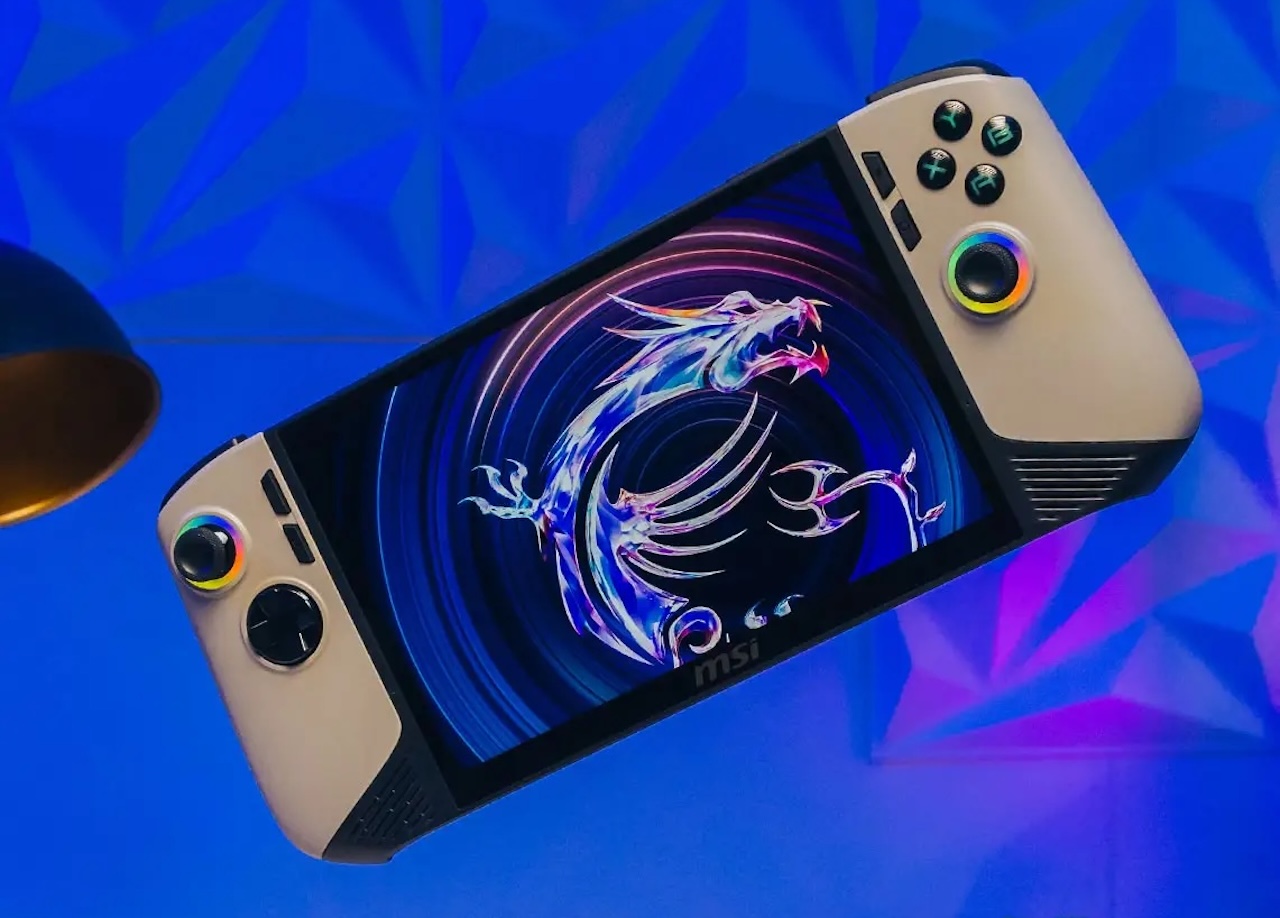
Mid-tier x86 handhelds are the safe recommendation. They handle a typical library well, the screens are good without being showpieces, and battery life is reasonable. This is the pick for anyone who wants one device that works without homework.
The OLED splurge
If you’re upgrading from an LCD handheld and have the budget, the OLED tier is worth it. The difference is the kind of upgrade you feel every session, not only on a spec sheet. Black levels, contrast in dark scenes, and HDR highlights all step up at once.
The one to skip
Anything promising flagship-tier performance with all-day battery life is overpromising. The physics doesn’t allow it yet. Expect to be disappointed by one of them, usually battery.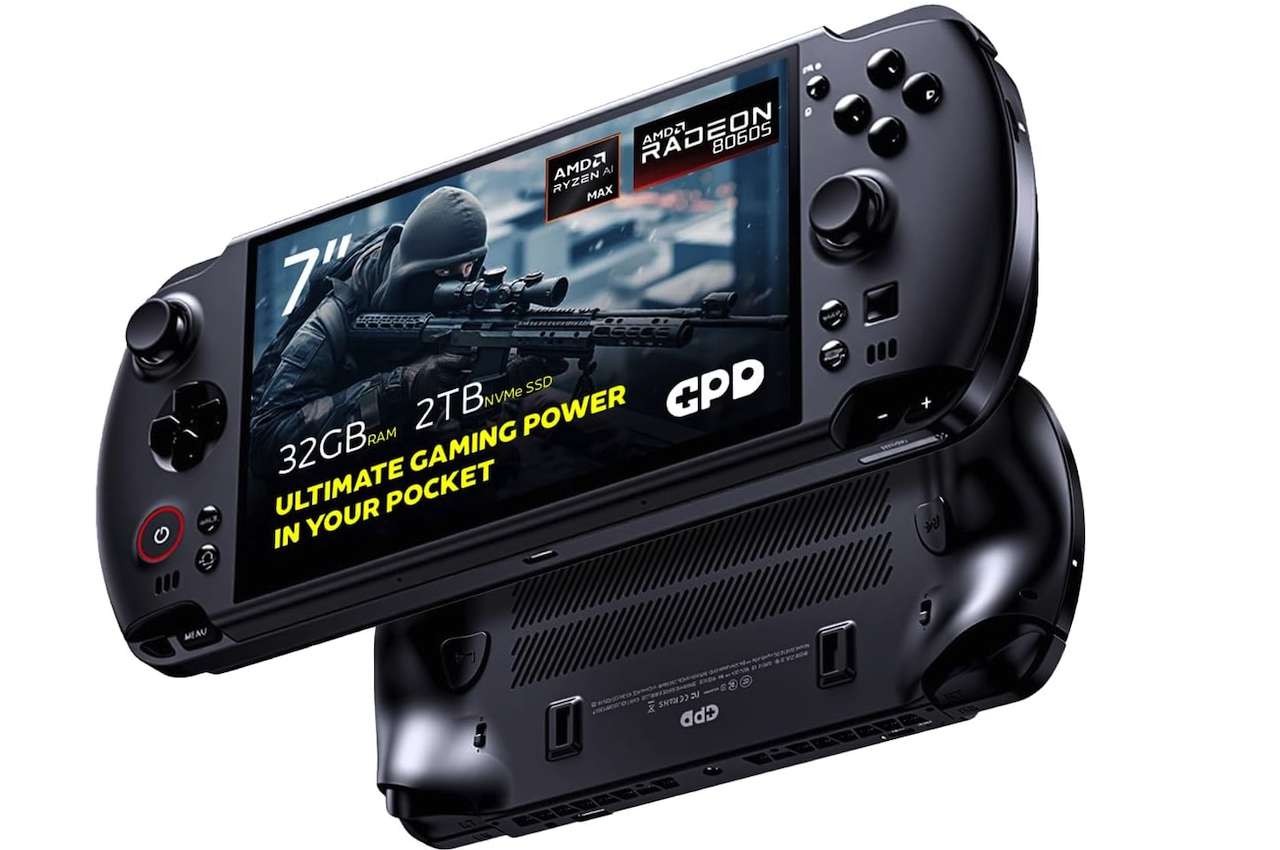
Price: $2,923.95
Where to Buy: Amazon
The 2026 lineup worth knowing
If you’re shopping right now, a handful of devices anchor the conversation. Asus’s ROG Xbox Ally X, on shelves since October 2025, leads the Windows side with AMD’s new Ryzen AI Z2 Extreme, 24GB of LPDDR5X, a 1TB SSD, and a 7-inch 120Hz IPS-level panel tuned for an Xbox-style handheld experience. Lenovo’s Legion Go Gen 2 arrived the same month and brings the OLED splurge tier into focus, pairing the Z2 or Z2 Extreme with an 8.8-inch 144Hz HDR True Black panel and a 74Whr battery that nearly doubles the original. On the SteamOS side, the Lenovo Legion Go S (SteamOS edition) has become the critic’s favorite, running Valve’s OS on AMD’s Z2 Go and outranking the original Steam Deck in several recent shootouts. The Steam Deck OLED is still the value pick if you can find stock, and the MSI Claw 8 AI+ remains the battery-life champion thanks to Intel’s Lunar Lake silicon. For enthusiasts willing to spend, the GPD Win 5, OneXPlayer X1 Air, and OneXFly Apex push the high end on raw performance and storage flexibility.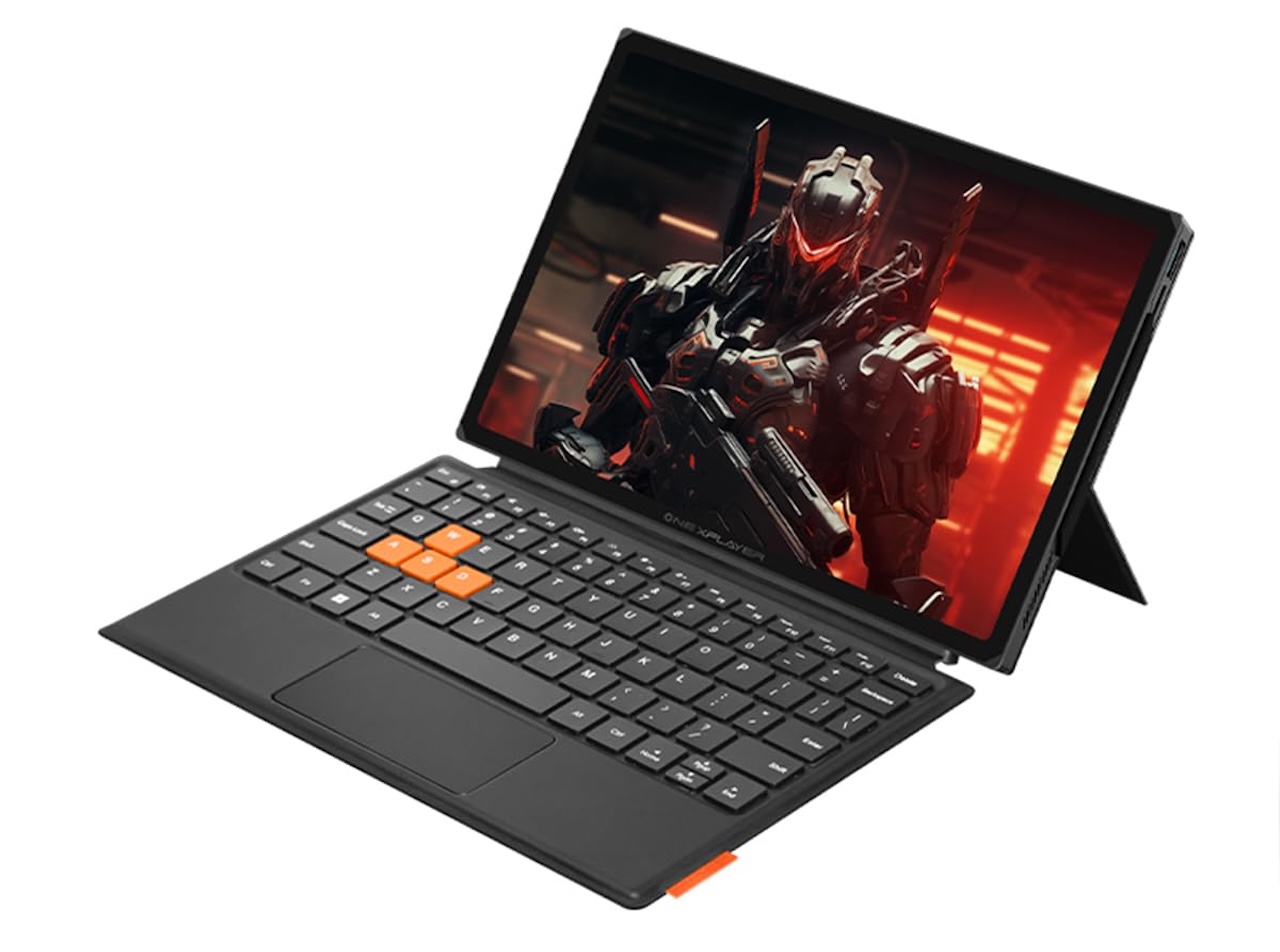
Price: $1,399.99
Where to Buy: Amazon
A few things to check before you buy
Charging matters more than people expect. Look for USB-C PD and check the wattage the device actually accepts. Slow charging is a real-world annoyance spec sheets don’t capture.
Storage is the other underrated spec. Modern games are huge, so M.2 expandability or fast microSD support is worth paying for.
Weight and grip are personal. The difference between a one-hour and a three-hour session often comes down to grip shape, so hold one in a store if you can.
Software support matters more than launch-day performance. A handheld with steady firmware updates feels better a year in. One without feels worse.
More handheld gaming PC coverage
Lenovo’s Legion Go Fold concept is the clearest signal of where the form factor is heading, folding a POLED display from 7.7 inches up to 11.6 inches on the same Intel Lunar Lake chip that powers the MSI Claw 8 AI+. The X-Plus Piccolo G-SERIES1 review is a hands-on look at how a budget Intel N95 Windows handheld actually stacks up next to the ROG Ally and Legion Go in daily use. And our Biwin Mini SSD coverage digs into the storage squeeze facing niche Windows handhelds like the GPD Win 5, OneXPlayer Super X, and OneXFly Apex.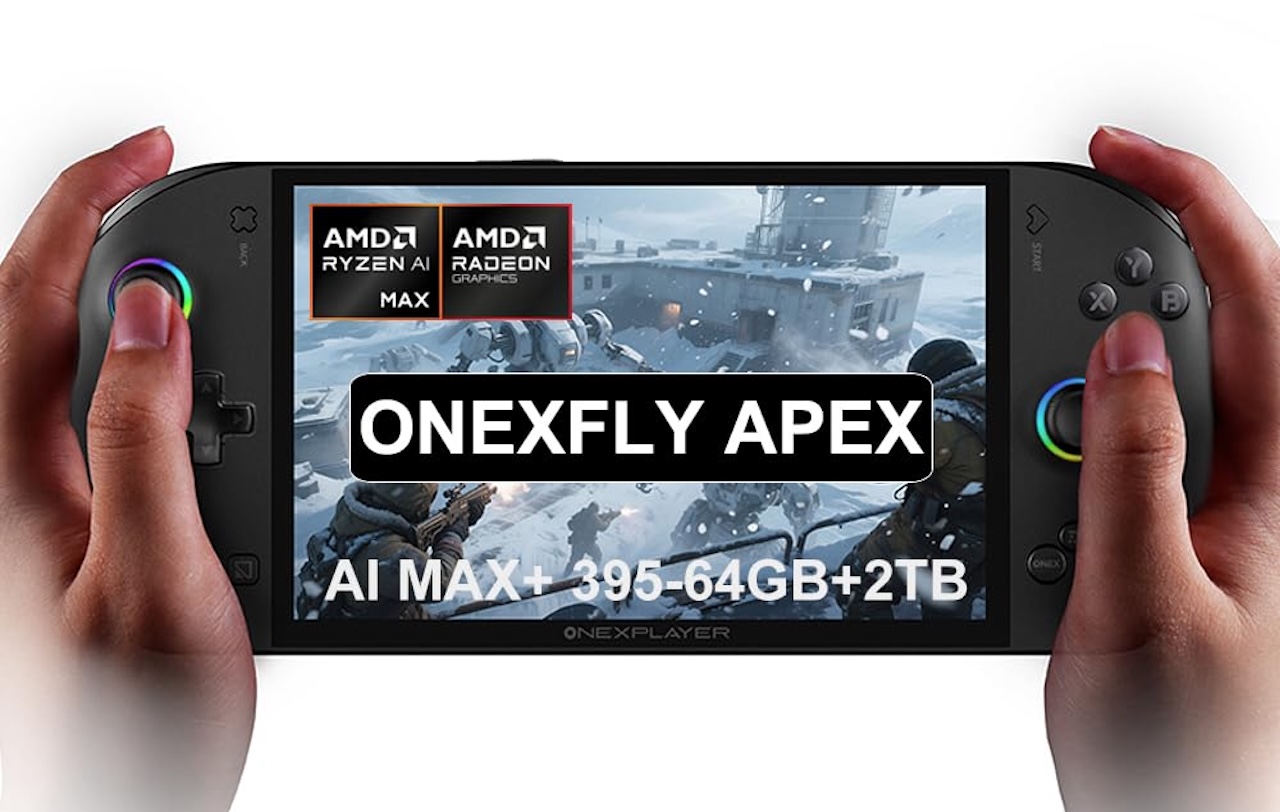
Price: $2,899.99
Where to Buy: Amazon
The bottom line
The handheld gaming PC isn’t a compromise anymore. Power, displays, controls, and software all line up. You’re no longer choosing between real gaming and portability. You’re picking which kind of portable gaming you want.
A lot of people are about to make that choice for the first time. 2026 is a fine year to be one of them.
