
Can you bring a knife on a plane? No, you can’t bring a knife on a plane in your carry-on bag, and that includes pocket knives. TSA bans virtually all bladed items from the cabin, with no exceptions for blade length or knife type. You can, however, pack knives in checked luggage if they’re properly sheathed. The full picture has more texture than most travelers expect, because the rules shift once you move to checked bags, cross international borders, or start asking about specific blade types. Knowing exactly where the lines fall can save you a confiscated tool at security and a lot of frustration on the other side of the checkpoint.
Since we published our TSA approved items guide, a lot of you have been asking where knives fall on that list. Are pocket knives allowed on planes? It’s a fair question, and one that doesn’t come with a perfectly clean answer. I’ve never dared pack anything sharp in my carry-on, but my husband once forgot to check his hygiene kit before a flight and accidentally brought a basic nose trimmer through security. It got confiscated on the spot, no discussion. That small moment sticks with you, and it’s exactly why the details matter more than most people think. TSA’s rules give you a general framework. Officers at the checkpoint have discretion, airline policies can add their own restrictions, and international regulations don’t always line up with what you’d expect from the U.S. standard. Treat what you read here as a strong starting point, not a guarantee. When you’re packing anything sharp, the smart move is still caution and good judgment over assumptions.
Federal regulations haven’t changed on this front in over two decades. After September 11, the Transportation Security Administration locked down sharp objects in the cabin with very few exceptions, and every attempt to loosen those restrictions has been walked back. The result is a blanket policy that covers everything from a folding pocket knife to a machete, with only a handful of edge cases that don’t involve an actual edge.
The carry-on ban covers nearly every blade
TSA prohibits all knives in carry-on bags except for rounded-blade, blunt-edged knives without serration (like butter knives) and plastic cutlery. That means pocket knives, Swiss Army knives, utility knives, box cutters, hunting knives, and anything else with a cutting edge stays out of the cabin. There’s no published minimum blade length that makes a knife acceptable, and TSA’s own site doesn’t carve out exceptions for small blades. A one-inch folding blade gets the same treatment as a six-inch fixed blade.
This catches a surprising number of travelers off guard, particularly anyone who carries a multi-tool as part of their everyday kit. Tools like the Leatherman Wave or Victorinox Swiss Army knife are popular EDC items that slip into pockets without a second thought. At a TSA checkpoint, they get pulled and either confiscated or sent back to your car if you have time to make the trip. The agency reported collecting thousands of knives per week at checkpoints across the country, and pocket knives consistently top the list of surrendered items.
The rule applies regardless of the airline, the airport, or the destination. It doesn’t matter if you’re flying domestic on a regional jet or boarding an international widebody. If it’s in your carry-on and it has a blade, it likely isn’t getting through. TSA also notes that the final decision on whether any item clears the checkpoint rests with the individual officer on duty, so even edge cases that seem compliant could still get flagged.
Checked luggage is a different story
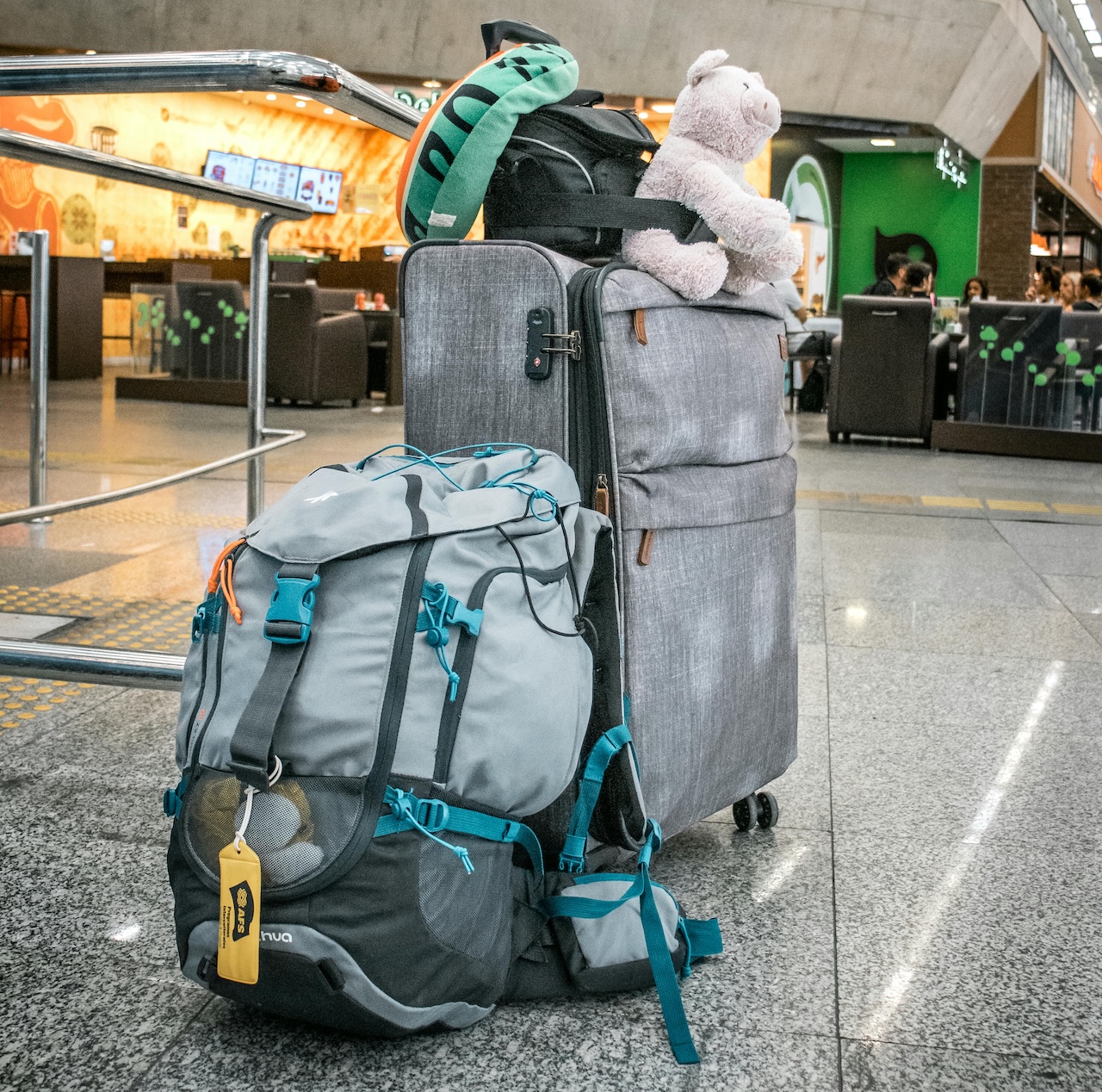
Knives are generally allowed in checked bags. TSA states that sharp objects should be sheathed or securely wrapped to prevent injury to baggage handlers and inspectors. The agency doesn’t currently list a size limit or restrict the type of knife you can pack below the cabin, which means hunting knives, chef’s knives, pocket knives, and similar blades can typically travel in checked luggage as long as they’re properly protected.
The practical move here is a hard-sided knife case or a blade guard wrapped in clothing and placed in the center of the bag. Loose knives rattling around a duffel are a good way to get a bag flagged for manual inspection and a note from TSA left inside your luggage. Some travelers use purpose-built knife rolls designed for culinary professionals, which keep multiple blades organized and padded during transit.
One detail worth noting is that checked bag rules apply to the outbound journey. If you’re buying a knife at your destination and didn’t bring a checked bag, you’ll need to either ship it home, check a bag for the return flight, or leave it behind. This comes up frequently with travelers who pick up souvenirs or kitchen knives while abroad and don’t realize they can’t carry them on the flight back.
What happens if TSA finds a knife in your carry-on
The checkpoint process isn’t as dramatic as some travelers fear, but it does come with consequences. When a TSA officer spots a knife on the X-ray, they’ll pull the bag for secondary screening and remove the item. At that point, you typically get three options. You can surrender the knife to TSA, which means it’s gone for good. You can take the knife back to your car or hand it to someone who isn’t going through security. Or at some airports, you can mail the item to yourself using shipping kiosks located near the checkpoint.
TSA officers generally don’t arrest travelers for accidentally bringing a knife to the checkpoint. It happens too often for that to be practical. However, the agency does have the authority to issue civil penalties, and those fines can reportedly reach into the thousands of dollars for repeat offenses or for travelers who attempt to conceal a weapon. A first-time honest mistake with a forgotten pocket knife typically ends with a surrendered blade and a brief delay. Intentionally trying to sneak a knife through is a different situation entirely and can involve law enforcement.
The item itself is not returned once surrendered. TSA disposes of confiscated knives through various channels, including bulk auctions that have become something of a niche hobby for knife collectors who buy lots of surrendered blades at steep discounts.
International flights add another layer
If you’re wondering whether you can bring a knife in a checked bag internationally, it depends on where you’re going. Most countries follow similar carry-on prohibitions, but checked luggage rules vary widely. Some nations restrict knife imports entirely, regardless of how the blade is packed.
Australia classifies certain knives as prohibited weapons and requires permits. The UK bans blades longer than three inches in public without valid reason, and customs can seize them at the border. Japan has strict regulations on fixed-blade knives over a certain length. Some countries also require you to declare sharp objects at customs, even if they’re legal to possess. Failing to declare can lead to seizure or fines, so check your destination’s requirements before you fly.
For connecting flights through international hubs, the strictest standard applies. If you’re connecting through a country that prohibits a particular blade type, having it in your checked bag could create problems during customs inspections even if you never planned to leave the airport.
The knife types travelers ask about most
Pocket knives generate the most questions because they feel like tools rather than weapons to the people who carry them. TSA doesn’t make that distinction. A Benchmade Bugout, a Case Trapper, or a simple slip joint all fall under the same prohibition. If it has a blade, it stays out of the cabin.
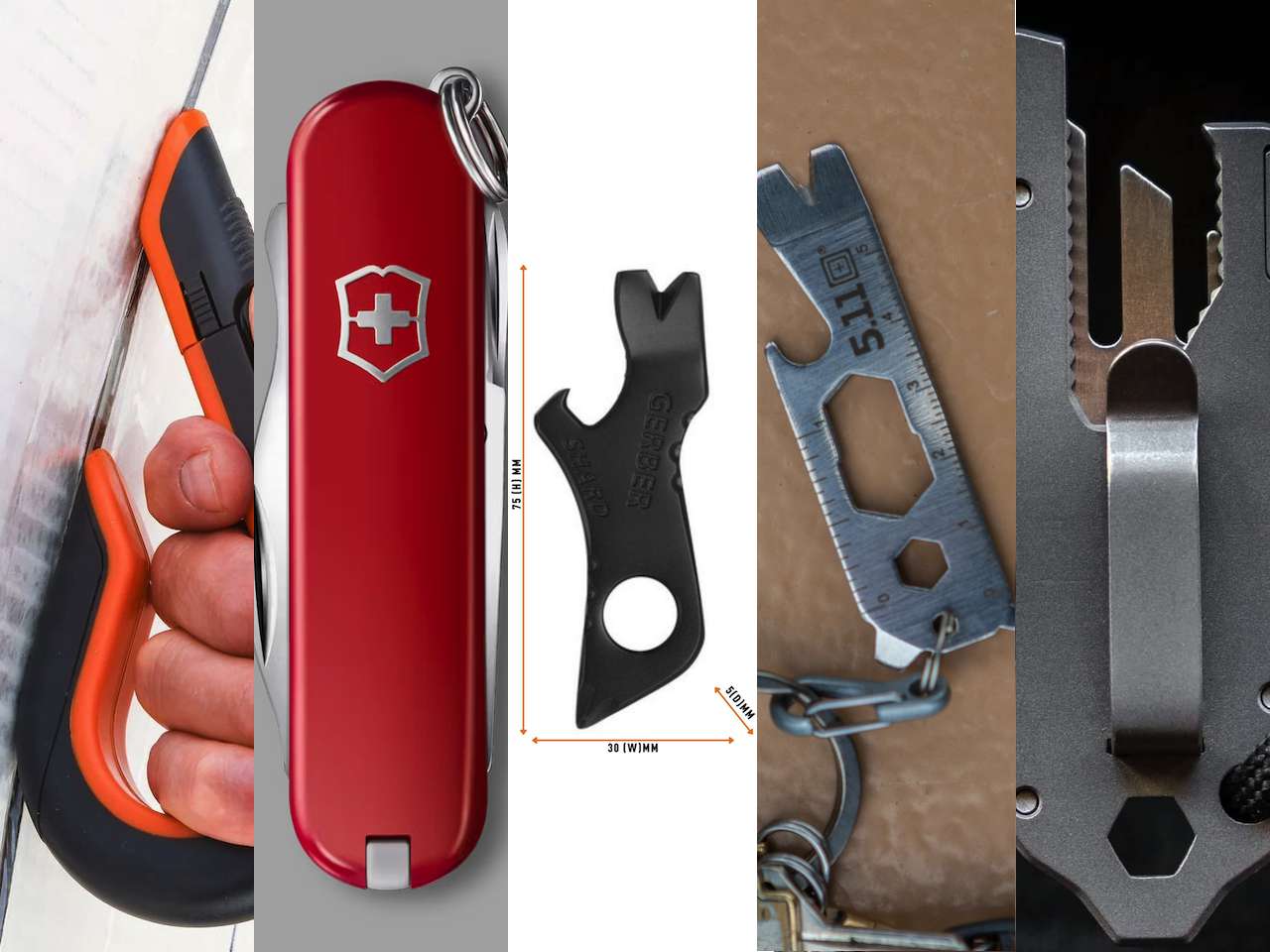
Swiss Army knives come up almost as often. The combination of a small blade with screwdrivers, scissors, and other tools makes them feel like utility items, but the blade component disqualifies the entire tool from carry-on bags. Victorinox does make a bladeless version called the Jetsetter that was specifically designed for air travel. It keeps the scissors, screwdriver, and nail file but drops the knife blade. It’s one of the few Swiss Army style tools designed to clear TSA checkpoints, though as always, the officer on duty has the final say.
Box cutters and utility knives with retractable blades are prohibited. Ceramic knives are prohibited. Letter openers with a pointed tip or any cutting edge are prohibited. Razor blades outside of a cartridge razor are prohibited, though standard safety razors and disposable razors with the blade enclosed in a cartridge are allowed. Scissors with blades shorter than four inches measured from the pivot point are generally allowed in carry-on bags according to TSA’s published guidelines, though this remains one of the few exceptions that creates confusion at the checkpoint.

Smart packing keeps your gear and your schedule intact
The simplest approach for anyone who regularly travels with a knife is to default to checked luggage for any blade and keep a bladeless multi-tool in the carry-on bag. The Leatherman Style PS and the Victorinox Jetsetter both offer screwdrivers, bottle openers, and scissors without tripping the knife prohibition.
For travelers who don’t check bags, the move is to leave the knife at home or accept the risk of surrendering it at the checkpoint. Some frequent flyers keep a dedicated travel EDC kit that swaps the knife for TSA-compliant alternatives. Others simply mail their knife ahead to the hotel or destination address when they know they’ll need it on the other end.

Building a checkpoint routine helps too. Emptying pockets into the carry-on the night before a flight and doing a quick scan for anything with a blade catches the forgotten pocket knife before it becomes a problem at 5 AM in the security line. TSA’s own app includes a searchable database where you can check whether a specific item is allowed before you leave the house. A ten-second search beats a ten-minute delay at the checkpoint every time.
As one of our readers pointed out, you can always leave the knife at home and pick one up at a local hardware store when you land. It’s a simple fix that skips the packing stress entirely.
Quick summary of TSA knife rules
- Carry-on bags: No knives allowed, with the exception of rounded-blade, blunt-edged knives without serration (like butter knives) and plastic cutlery
- Checked bags: Knives are generally allowed, but must be sheathed or securely wrapped
- Blade length: TSA doesn’t publish a minimum blade length exception for carry-on knives
- Multi-tools with blades: Not allowed in carry-on bags, even if the blade is small
- Bladeless multi-tools: Generally allowed in carry-on (e.g., Victorinox Jetsetter, Leatherman Style PS)
- Scissors: Allowed in carry-on if blades are shorter than four inches from the pivot point
- Razor blades: Prohibited unless enclosed in a cartridge (disposable and cartridge razors are fine)
- Ceramic knives: Prohibited in carry-on
- International travel: Check destination country laws separately, as rules vary
- Officer discretion: TSA states that the final decision on any item rests with the officer at the checkpoint
- If caught: You can surrender the knife, return it to your car, or mail it at some airports
- Bottom line: When in doubt, pack it in checked luggage or leave it at home

Gadgeteer Comment Policy - Please read before commenting
I purchase a half dozen victorinox waiters from someone that buys TSA confiscated knives by the pallet load. I buy them in lots of 6 and then re-order when I’ve lost or had them all confiscated.
Circle of life