Samsung had February. Apple has September. MWC belongs to whoever shows up with something worth talking about, and this year that was .
Eleven products in one afternoon. Phones, tablets, a smartwatch, a Bluetooth tracker, a power bank thin enough to lose in a jacket pocket, a pair of earbuds with tech that belongs at twice the price, and an electric scooter that covers 75 kilometers before you need to plug it back in. That’s not a launch event. That’s a full catalog drop, and it’s the most aggressive single-day push any Android OEM has made this cycle.
Some of it is genuinely surprising. Some of it is exactly what you’d expect from a brand building toward ecosystem dominance. Here’s what actually matters and why.
1. Leica Leitzphone powered by Xiaomi: this isn’t a branding deal and that’s the whole point
Let’s start here, because everything else reads differently once you understand what this device actually is.
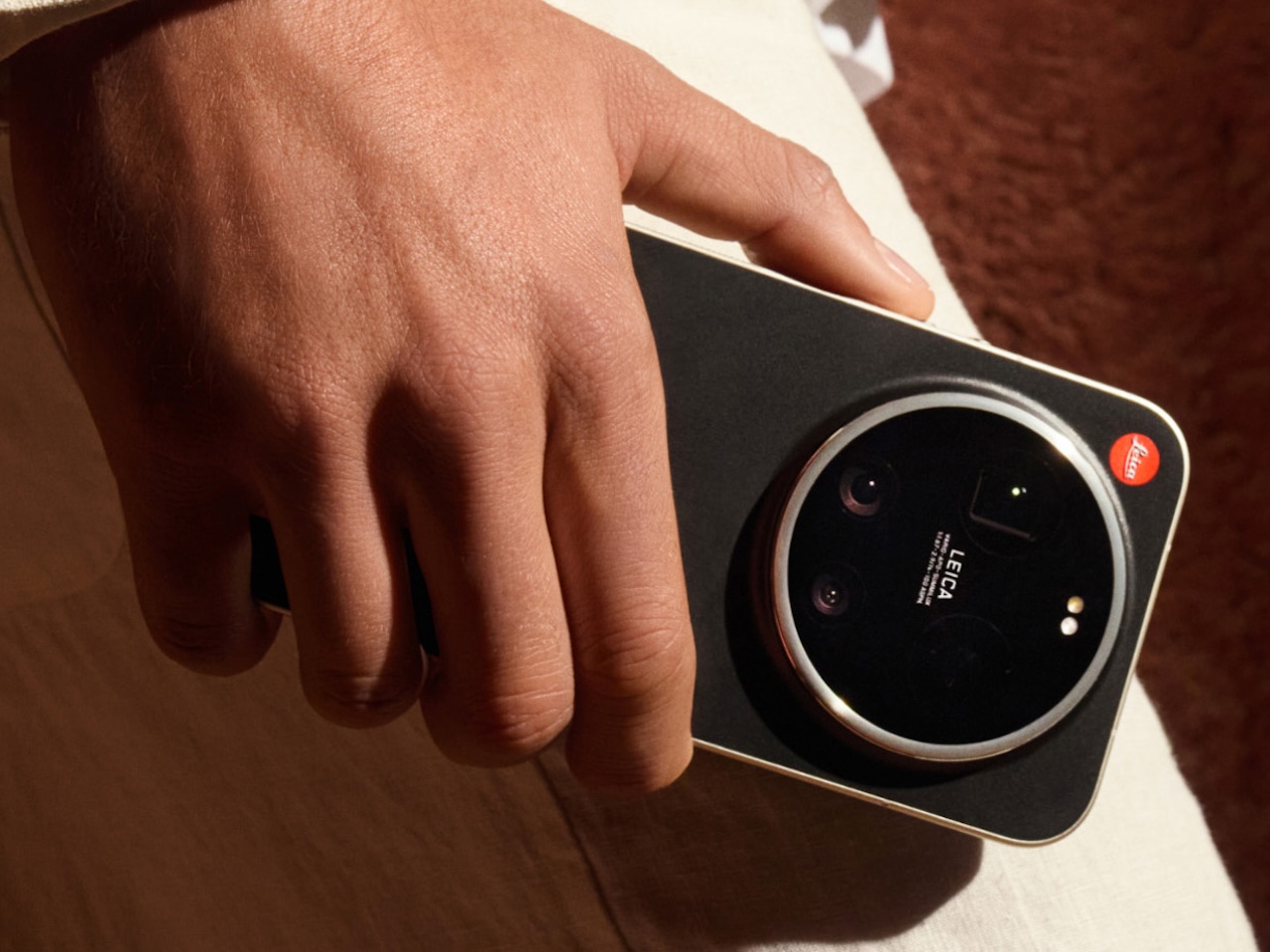
The name isn’t decorative. Ernst Leitz was the optical engineer whose firm became Leica, and when Xiaomi uses that name on a phone, it’s not the same as sticking a Hasselblad badge on a camera sensor. Leica’s optical engineers and industrial designers had real involvement in the hardware itself: the 1-inch main sensor, the rotating camera ring that physically mimics a lens barrel, the body language that borrows directly from the M-series. That’s not achievable through a licensing arrangement. You get that from people who build cameras actually sitting in the room.
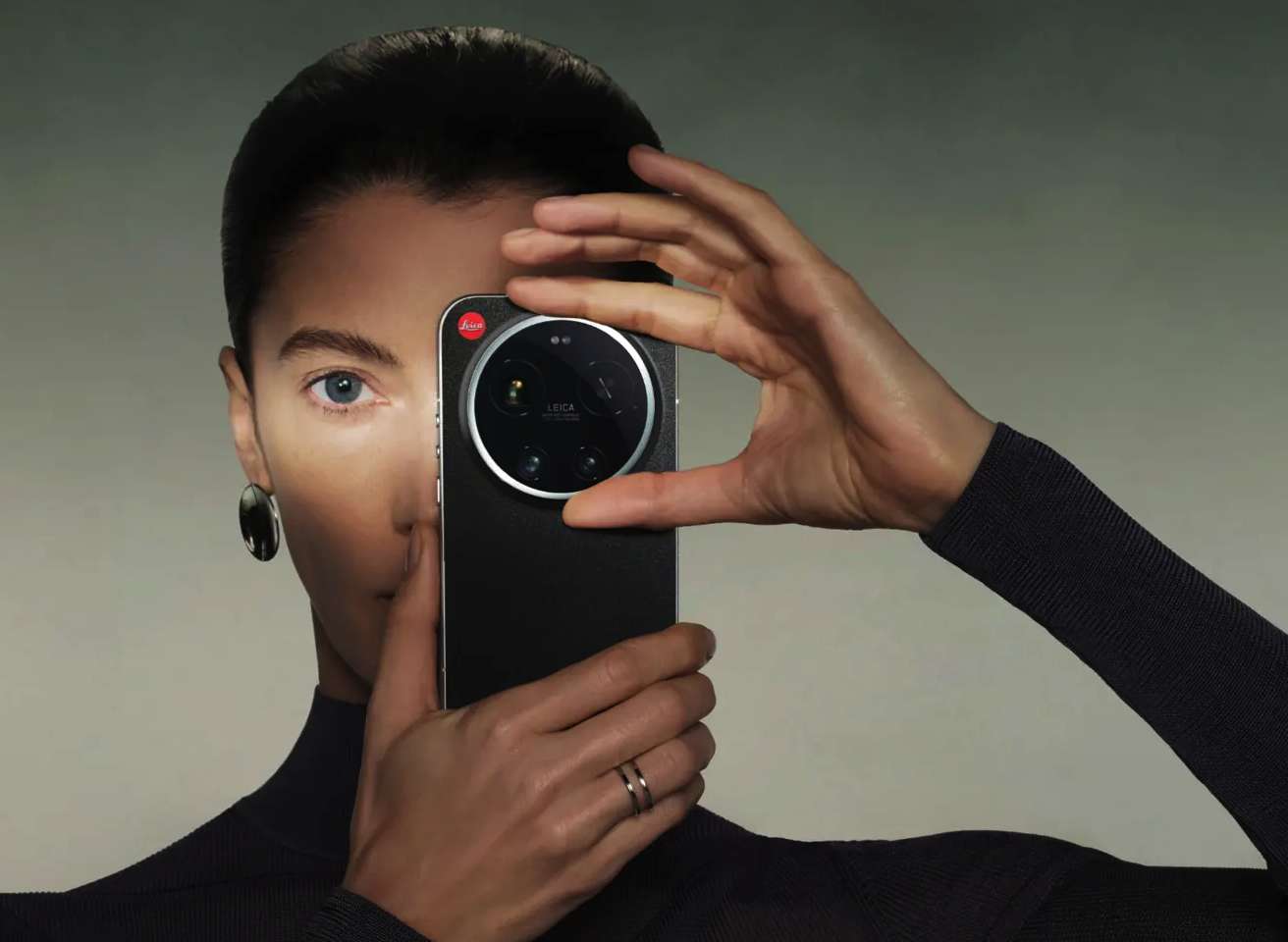
At £1,699 ($2,286), it sits precisely between the 17 Ultra and a real Leica camera body. That’s intentional. It’s aimed at photographers who’ve accepted the smartphone camera compromise for years and never fully made peace with it. The Photography Kit accessory extends that argument further, adding physical controls that change how the whole thing handles. In your hand it starts to feel less like a slab and more like a compact.
Whether the actual images justify the £400 ($538) premium over the Ultra is what hands-on testing has to prove. But the coherence of the argument, the clarity of who this is for, the absence of hedging in the design language, none of the other manufacturers have come close to this specific story this cycle. That matters before a single photo gets taken.
2. Xiaomi 17 Ultra: the phone that competes with Apple and Samsung without flinching
Forget the Leitzphone for a moment. The 17 Ultra is the one going directly at the iPhone 16 Pro Max and Galaxy S25 Ultra on their own terms, with a specific claim: bigger battery, more telephoto reach, and charging speeds neither competitor can touch.
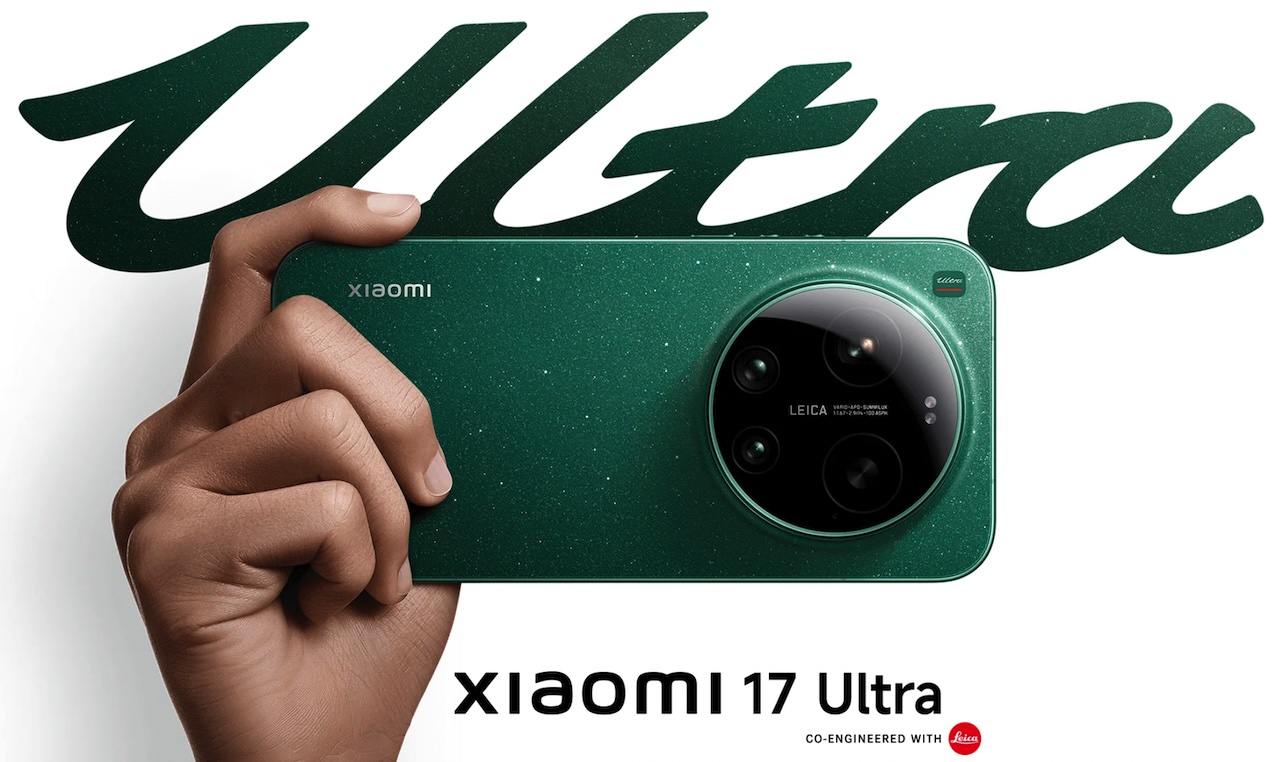
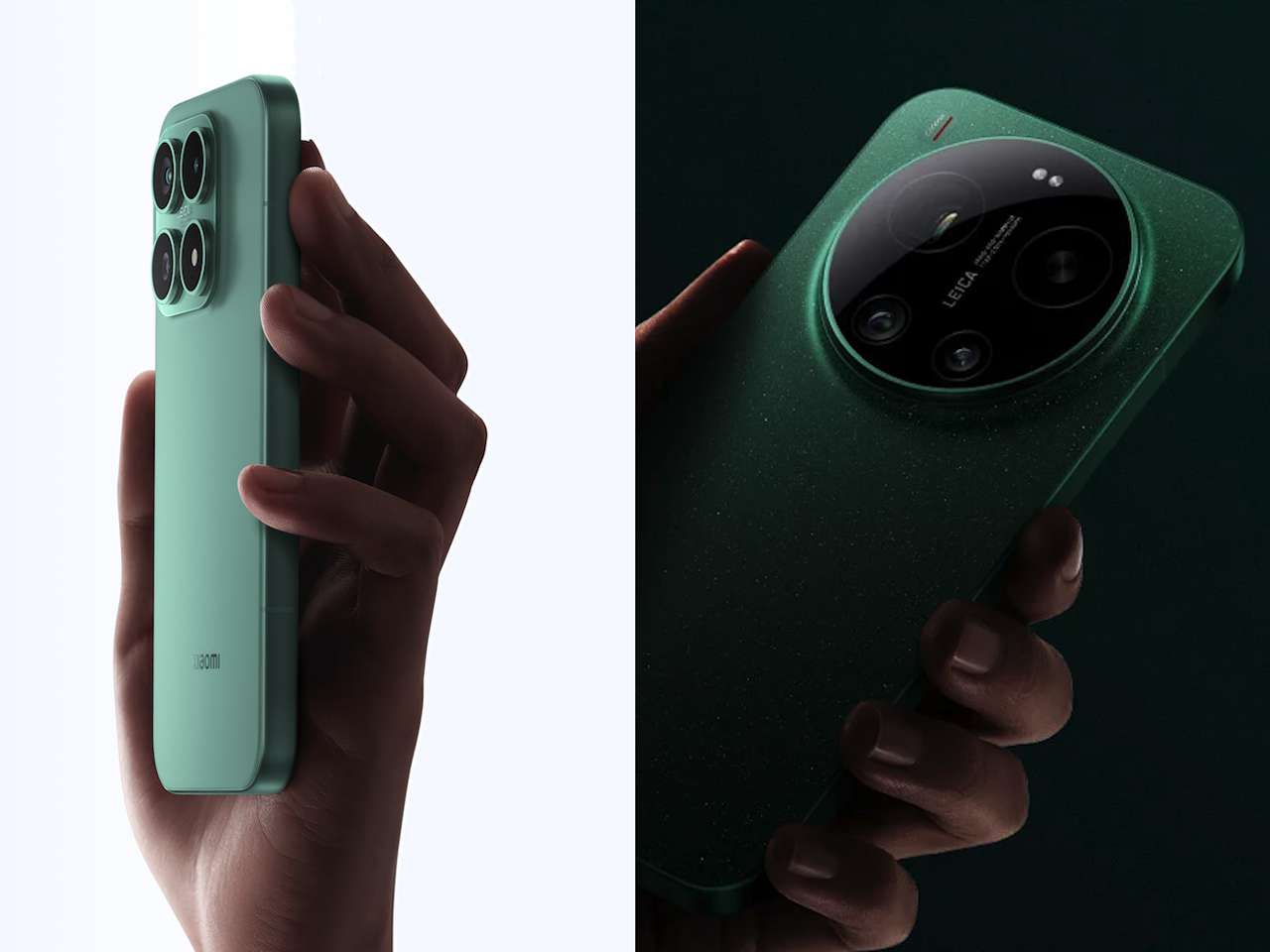
The 6.9-inch OLED peaks at 3,500 nits. That’s genuinely bright, bright enough to use in direct sun without cupping your hand around the screen. The 200MP periscope telephoto at 4.2x gives it reach that most flagships don’t offer at any price. Combined with the 6,000mAh battery and Xiaomi’s charging pipeline, the daily anxiety math shifts considerably in your favor compared with running a Pro Max or S25 Ultra.
The Starlit Green colorway is the choice here. Not because the others are bad but because color increasingly drives how people feel about a device they see fifty times a day, and the green lands somewhere between distinctive and tasteful without crossing into look-at-me territory. Both of the standard finishes will disappear under a case for most buyers anyway.
Priced at £1,299 ($1,747) for 16/512GB and £1,499 ($2,017) for 16GB/1TB.
3. Xiaomi 17: the one that quietly beats Samsung on the spec that actually affects your day
Every standard flagship in a two-tier lineup suffers the same fate. The Ultra exists, so the base model gets buried. It’s the wrong call here, and the charging speed is exactly why.
100W wired charging. That outpaces the entire Galaxy S25 lineup and the Oppo Find X9 Pro. On a phone starting at £899 ($1,209), with the same Snapdragon 8 Elite as the Ultra, a Leica Summilux optical lens, and a 6,330mAh battery. Battery anxiety is a real daily friction point for a lot of people, and 100W means a useful top-up in the time it takes to make coffee rather than a 45-minute anchor to the wall.
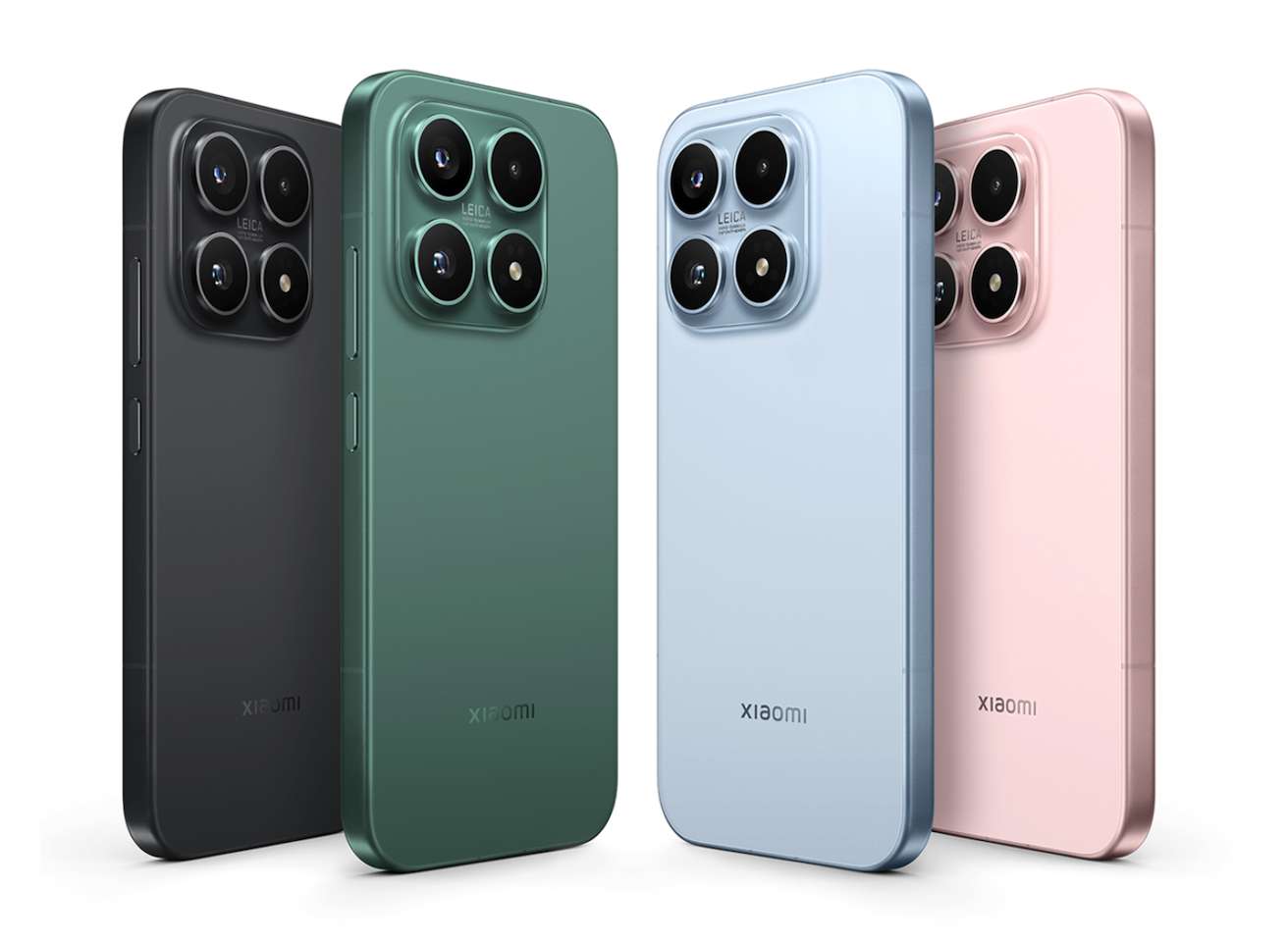
The camera is where the honest question lives. The hardware builds on last year’s generation rather than being rebuilt from scratch, and the £400 ($538) gap between this and the Ultra has to mean something in practice. Whether the Summilux optics and HyperOS processing close that gap in real shooting conditions is what the full review needs to settle. On pure value, though, the 17 makes a strong case for most people who aren’t power users who live in the telephoto end of the zoom range.
4. Xiaomi Pad 8 Pro: flagship silicon in a tablet that costs less than you’d expect
Snapdragon 8 Elite in a tablet starting at £529. Samsung and Apple would charge significantly more for the same chip generation. That’s the central fact of the Pad 8 Pro, and everything else builds out from it.
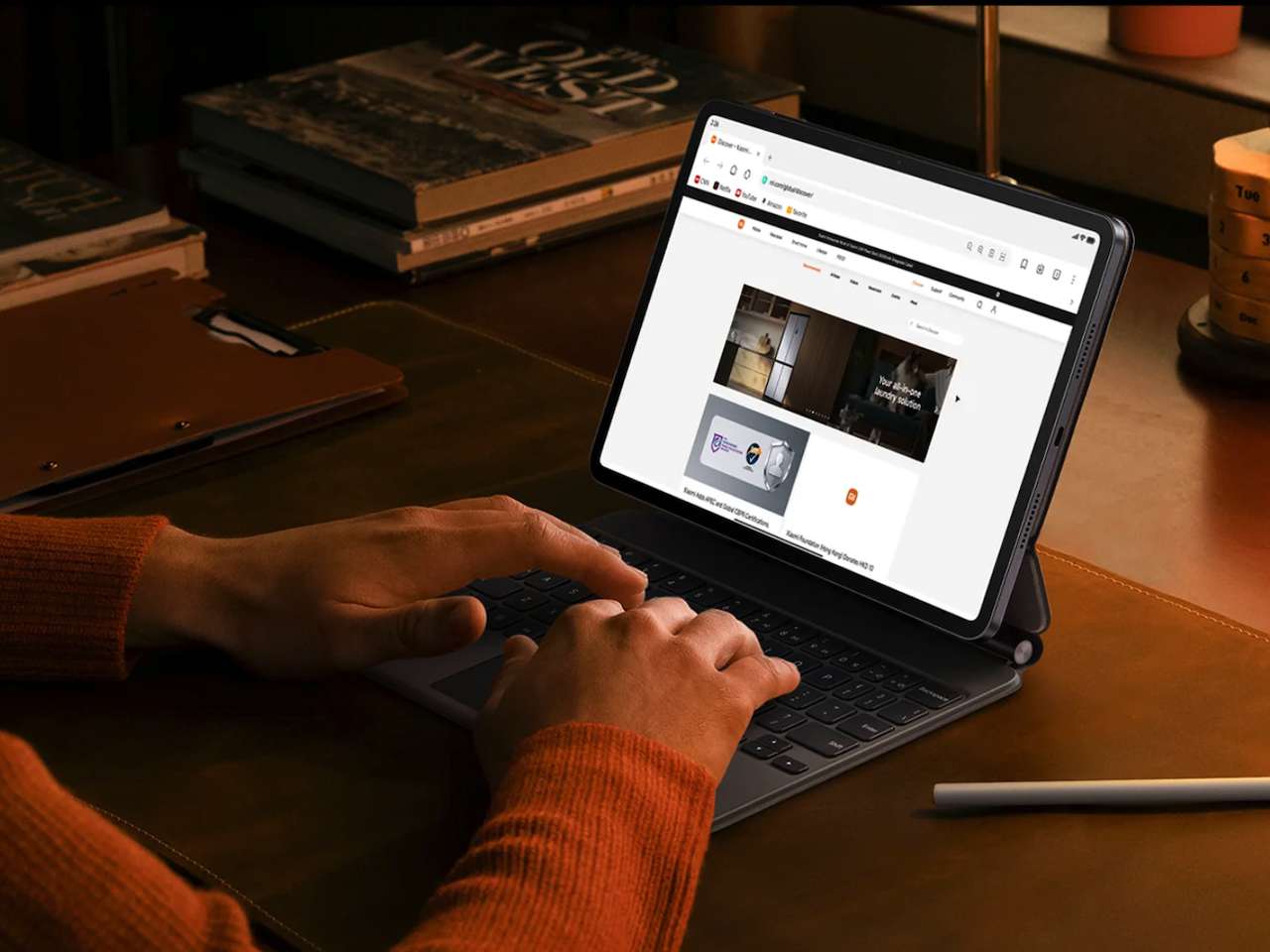
The 9,200mAh battery is a real step forward. The Matte Glass variant cuts display reflections by up to 44%, which sounds like marketing shorthand until you actually work near windows regularly, at which point the difference becomes obvious within the first ten minutes. HyperOS on a tablet has matured considerably in the past year. Multi-window handling works the way it’s supposed to, stylus input has noticeably less latency than earlier generations, and desktop mode handles documents, video editing, and communication tasks without the friction that used to make it frustrating.
There’s still a ceiling for complex professional software. That gap with a laptop hasn’t fully closed. But for the kind of work most people actually do on a tablet, the case is genuinely strong, and the pricing makes competitors look expensive by comparison. The Matte Glass edition costs a bit more and is worth it if you’re ever near natural light.
Starts at £529 ($712) for 8/256GB, tops at £599 ($806) for 12/512GB.
5. Xiaomi Pad 8: most people don’t need the Pro and this is why
The vast majority of tablet buyers want the same things: a sharp display, performance that doesn’t feel sluggish, and a battery that survives the back half of a long travel day. The Pad 8 handles all of that at £399 ($537) without asking you to decide whether you need Snapdragon Elite silicon.
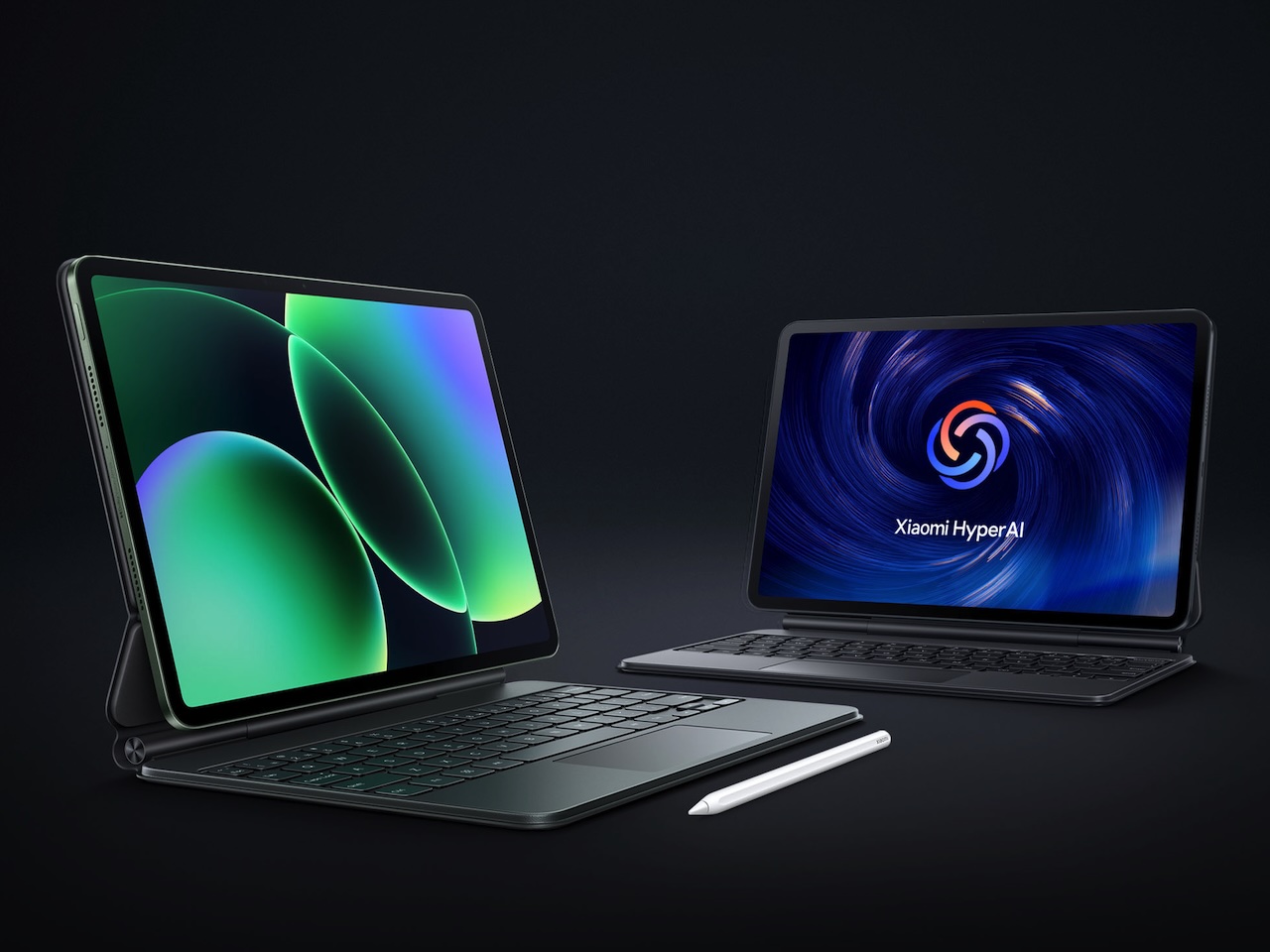
The 11.2-inch 3.2K panel at 144Hz is noticeably crisper and smoother than most of what you’ll find at this price. The Snapdragon 8s Gen 4 isn’t the Elite chip, but it covers every workload a typical tablet handles without complaint. Critically, the battery is the same 9,200mAh unit as the Pro. Battery life doesn’t scale with processing tier the way performance does, and at this price, matching the Pro’s endurance is a meaningful quiet win buried in the spec sheet.
The real decision is whether the £130 ($175) gap to the Pro is worth it for the chip upgrade. For most buyers, it isn’t. The Pad 8 is the one that warrants the recommendation without qualification.
6. Xiaomi Watch 5: Wear OS 6 changes everything about where this watch sits
One decision makes this watch genuinely competitive in a way previous Xiaomi wearables weren’t: it runs Wear OS 6 out of the box. That might read as a software detail, but for Android users outside Samsung’s ecosystem, it’s the whole point.
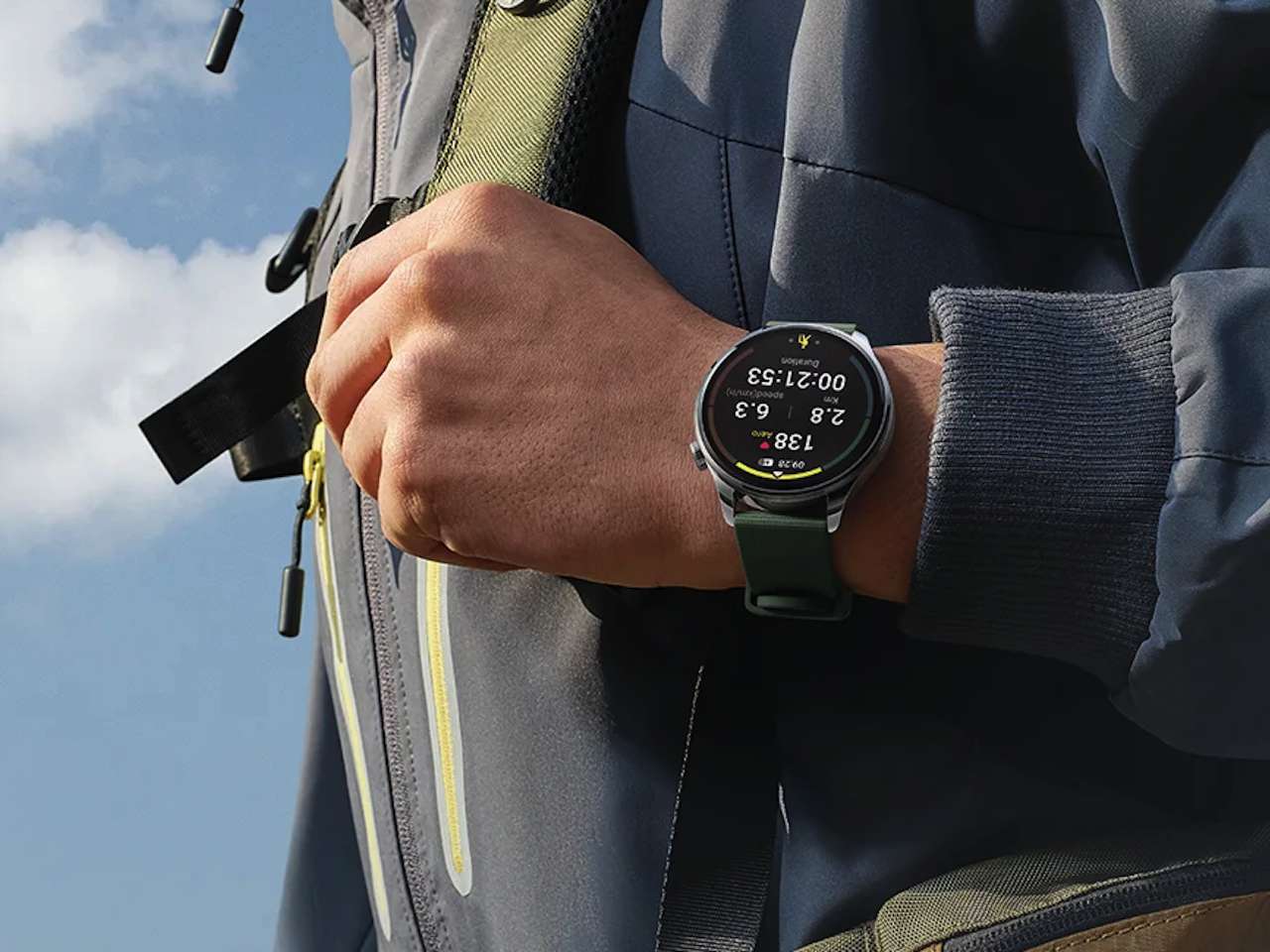
Samsung’s Galaxy Watch series works best when your phone is also a Samsung. For everyone else, the Wear OS market has been thin. The Watch 5 opens up the full Google suite including Gemini on the watch face itself, which means complex queries, calendar integration, and navigation assistance without pulling out your phone. In practice that’s the kind of friction reduction that actually changes how often you reach for a device. Add an 18-day battery in power-saving mode, which is class-leading for a full-featured smartwatch, and the foundation here is genuinely strong.
Health tracking accuracy and real-world reliability still need proper testing before this earns a hard recommendation. What’s already clear is that the Watch 5 belongs on the shortlist for any Android user who’s been waiting for a credible Wear OS option that isn’t made by Google.
7. Xiaomi Tag: it works on both networks and that’s rarer than it should be
Most people don’t realize how ecosystem-locked Bluetooth trackers are until they try using an AirTag with an Android phone and discover it barely functions. The Xiaomi Tag solves this at the hardware level by supporting Apple’s Find My network and Google’s Find Hub at the same time. Not one or the other. Both, simultaneously.
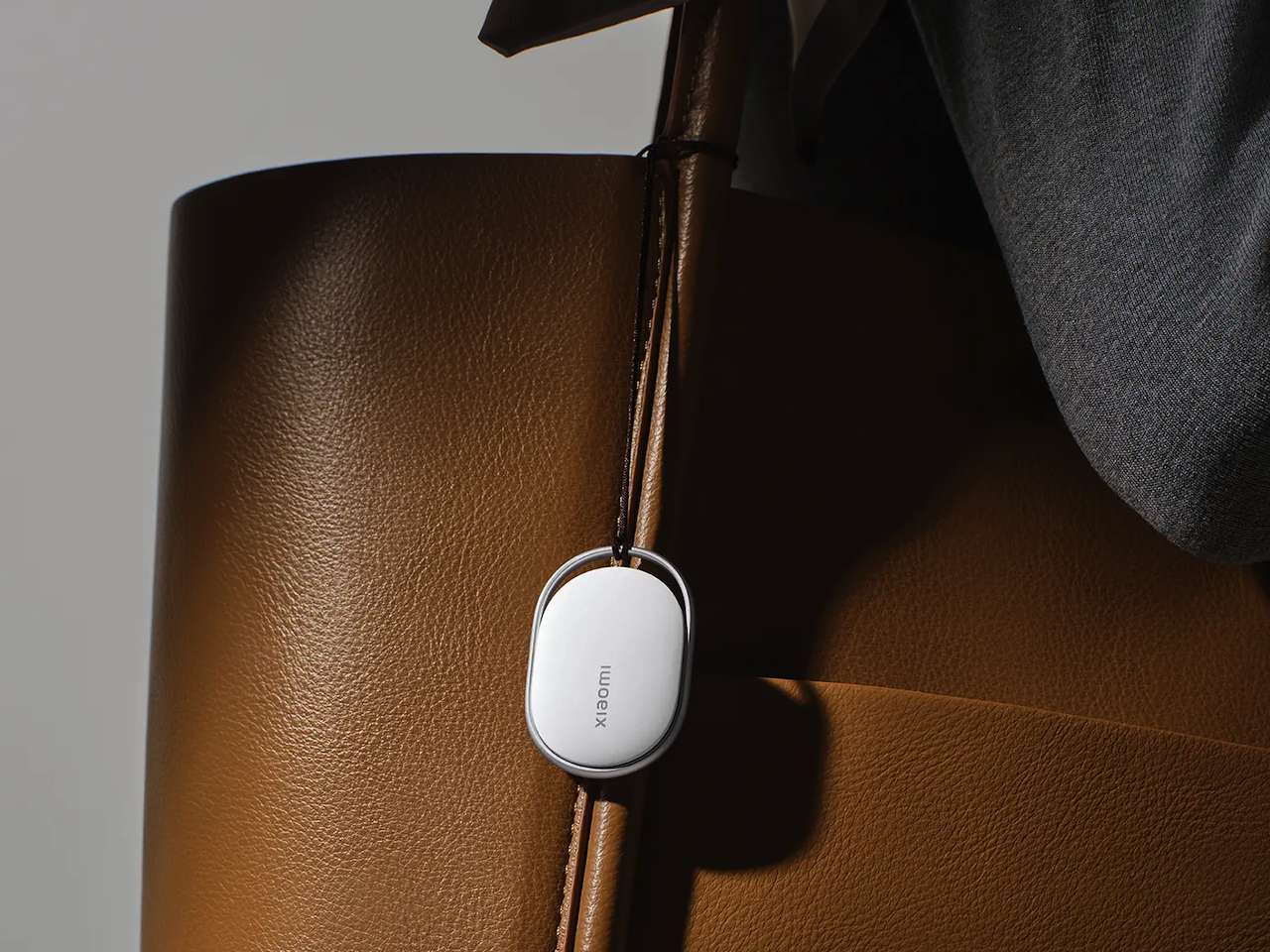
That’s genuinely unusual. Most competitors pick a network and ignore the other one entirely. At 10g, IP67-rated, and £12.99 ($17) per unit (or £44.99 ($60) for a four-pack), it undercuts AirTag on value while removing the ecosystem requirement. Attach it to a keyring and forget about it.
The honest limitation worth knowing before you buy is network density. AirTag’s tracking accuracy depends partly on the scale of iPhone’s install base acting as a passive detection grid in the background. Xiaomi’s network is smaller, which means the Tag performs closer to AirTag levels in dense cities and noticeably worse in rural areas. It’s a real trade-off. Whether it matters depends entirely on where you spend most of your time.
8. Xiaomi UltraThin Power Bank 5000: the charger you’ll actually put in your pocket instead of leaving on your desk
Here’s the honest problem with portable chargers: most people own one they rarely carry. It’s too heavy. It adds too much bulk. So it stays home, and then it’s useless.
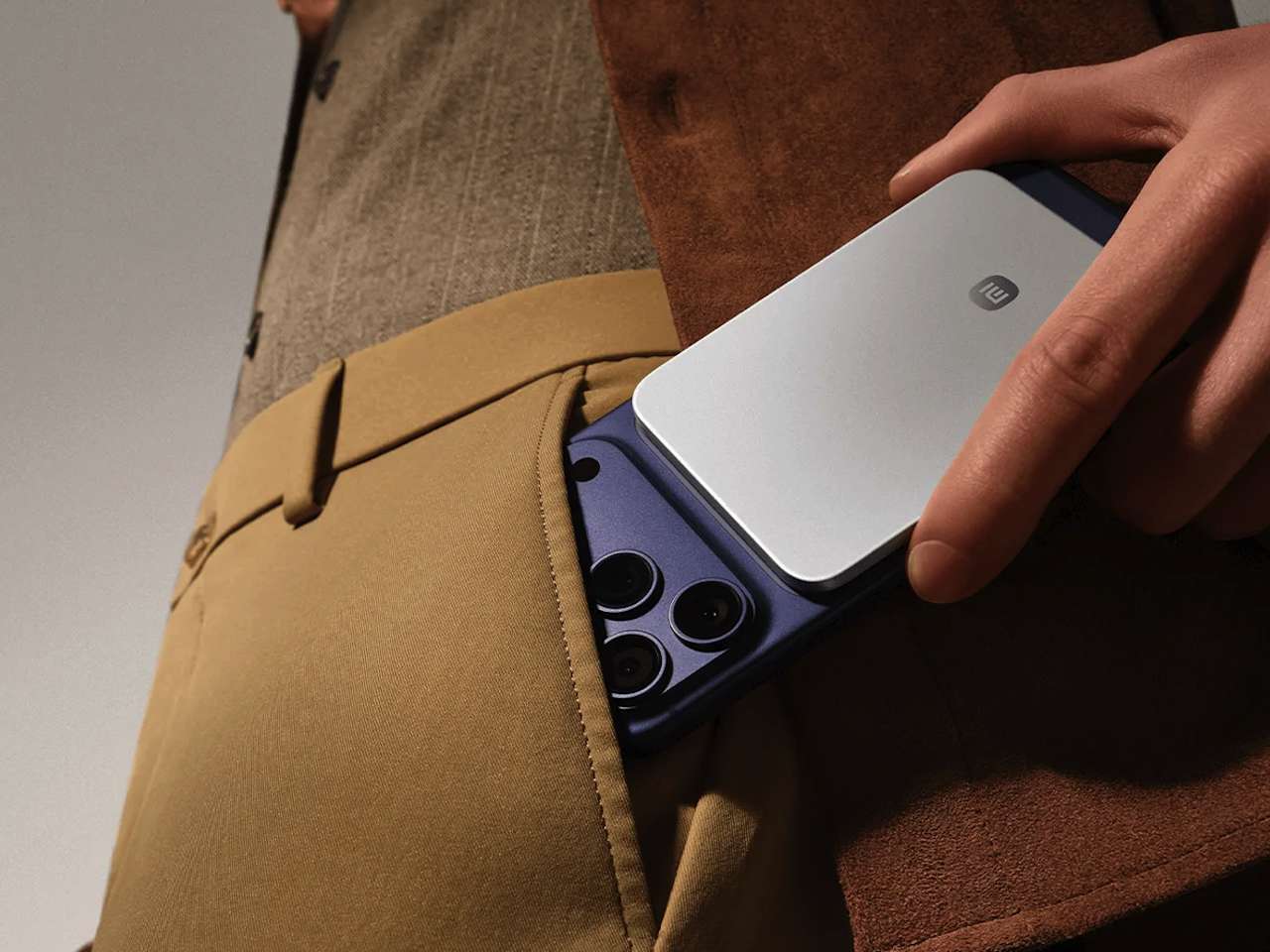
The UltraThin Power Bank 5000 makes a different bet entirely. Six millimeters thick. That’s thinner than most phones. It attaches magnetically with MagSafe compatibility, so it clips to the back of your device without adding a visible bulk profile when you’re carrying it. Three colors: Glacier Silver, Graphite Black, Radiant Orange. At 15W it won’t match flagship fast-charging speeds, but you’re not carrying it because you ran out at home. You’re carrying it because your battery is dying on the way to a meeting and you need enough power to get through the next few hours. That’s all it has to do.
The Radiant Orange costs an extra £5 at £54.99 ($74) and is the one to get. Trying to find a flat black rectangle at the bottom of a bag is its own kind of frustration, and the orange removes that problem completely.
9. Redmi Buds 8 Pro: these get overlooked every time and they probably shouldn’t
Earbuds announced alongside flagship phones are always the footnote. Coverage runs out of space, they land at the bottom of a roundup, and nobody writes about them seriously until someone on a forum notices the specs two months later.
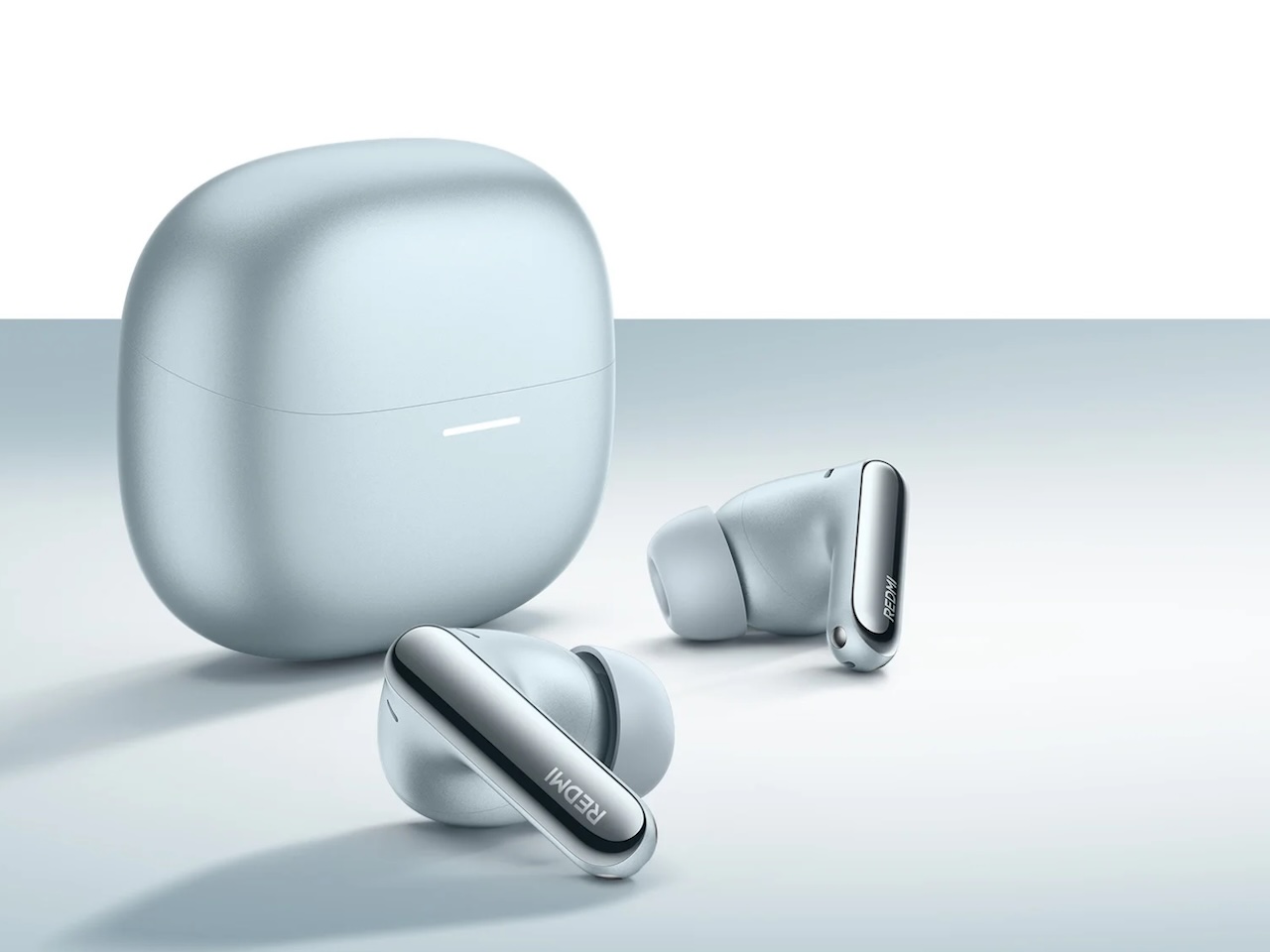
The Redmi Buds 8 Pro have twin 6.7mm PZT ceramic tweeters. PZT (piezoelectric) drivers are uncommon at this price tier and the reasons are worth understanding: they handle transient response faster than standard dynamic drivers and tend to deliver cleaner detail in the high frequencies. Whether that produces a meaningfully better listening experience than competing budget earbuds requires actual ear time to evaluate, and I haven’t had that yet. What I can say is that 55dB active noise cancellation, Dolby Audio certification, and Hi-Res Audio support at £64.99 ($87) is a spec sheet that demands a proper test rather than a passing mention.
They undercut the Pixel Buds 2a at launch. For anyone outside Apple’s AirPods ecosystem, they should be on the list before you default to a familiar brand.
10. Xiaomi Electric Scooter 6 Ultra: 75 kilometers for people who actually commute on one
The Scooter 6 Ultra isn’t aimed at weekend riders. Twelve-inch tires, all-terrain stability, 75km of real-world range. That spec targets commuters who treat this as transport rather than a hobby, people who know that small-wheel scooters fall apart on rough city paving and that running out of charge halfway is a commute-ruining event, not a minor inconvenience.

HyperOS integration handles route tracking and connectivity, which is standard in the category now. At £719.99 ($967) it’s premium pricing for a scooter, but Xiaomi’s previous hardware has earned a solid reliability reputation and the 6 Ultra sits at the top of that lineup, not the entry point. The spec justifies the cost if the range covers your actual daily distance. That’s the only question worth asking before you buy.
The bigger picture
Xiaomi came to MWC 2026 with more products, more ambition, and more strategic clarity than any Android OEM has shown at a single event this cycle. Samsung had January. Apple has the fall. Xiaomi took Barcelona and used it to make an argument about where the brand is going: not just a phone company, not just a budget play, but a full ecosystem with enough range to cover your pocket, your wrist, your ears, your desk, and your commute.
The Leitzphone is the piece that changes how people perceive everything else in the lineup. You can write off competitive pricing as a cost play. You can’t write off Leica co-engineering a camera phone with you. That partnership doesn’t just sell the Leitzphone. It changes how buyers think about the 17 Ultra sitting £400 ($538) below it.
The Watch 5 and the Tag are both products that solve ecosystem lock-in problems that real people have and mostly accept as unsolvable. The Pad 8 series is priced to make the iPad and Galaxy Tab comparisons uncomfortable for their respective owners. The power bank is the kind of accessory that sells quietly and consistently for years because it actually fits the problem it’s solving.
Not everything here needs a review. The scooter, the power bank, and the Tag are what they are. The phones, the tablets, and the watch are the ones that warrant proper testing time. The Leitzphone goes to the top of that queue.