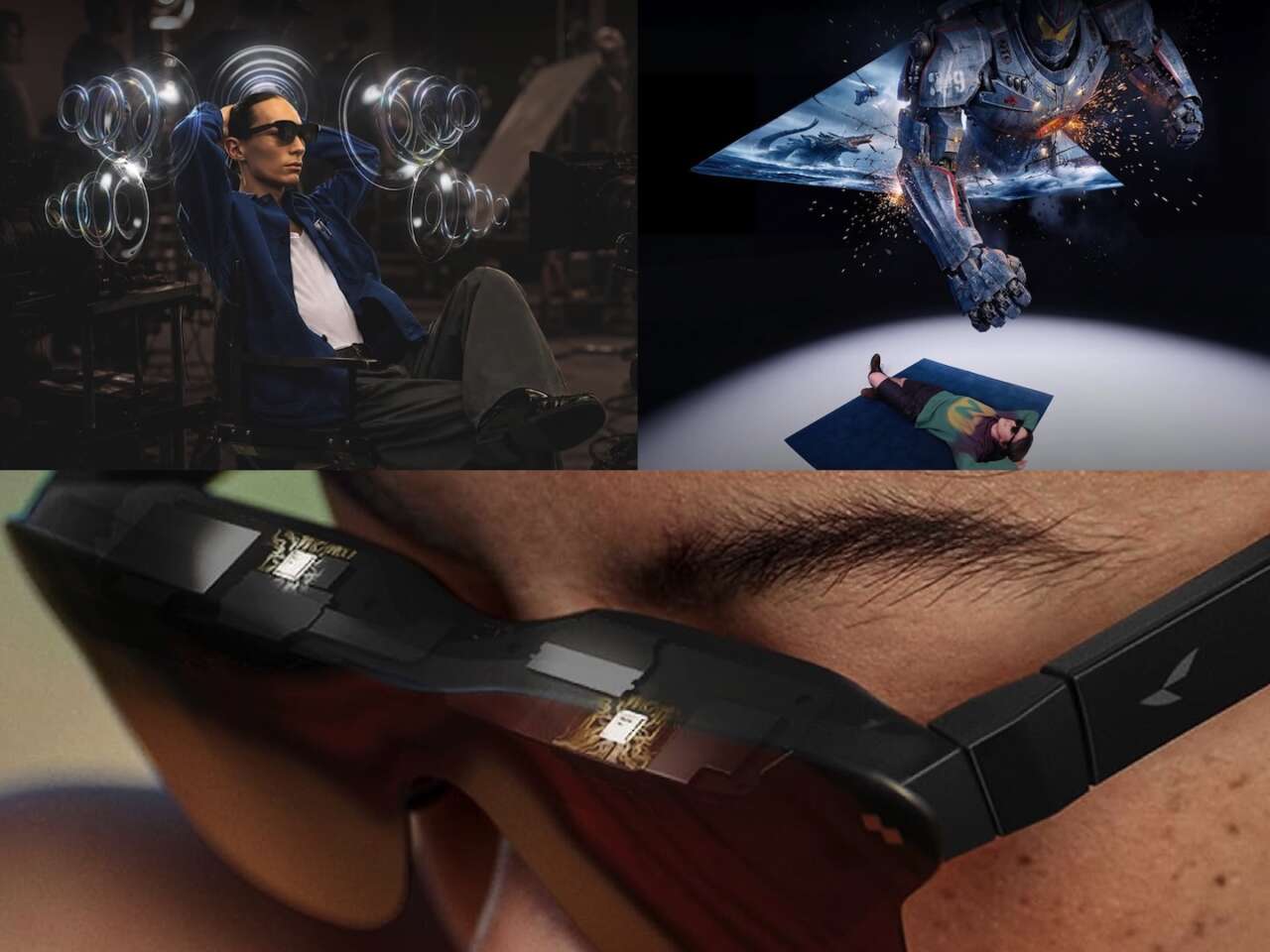
Buying smart glasses is not as simple as choosing the biggest discount. Some models are wearable displays for movies and games, while others add spatial tracking or camera-based AI features. The five pairs here focus on the wearable-display side of the category.
Amazon’s U.S. Prime Big Deal Days ends at 11:59 p.m. PDT on October 7, 2026, with Prime member-exclusive smart-glasses offers from RayNeo, VITURE, and XREAL. The prices below are advertised or reported event prices.
The useful question is not which pair has the largest percentage-off badge, but which one works with your devices and delivers the viewing experience you want.
Here are five deals to compare before the sale ends.
1. RayNeo Air 4 Pro
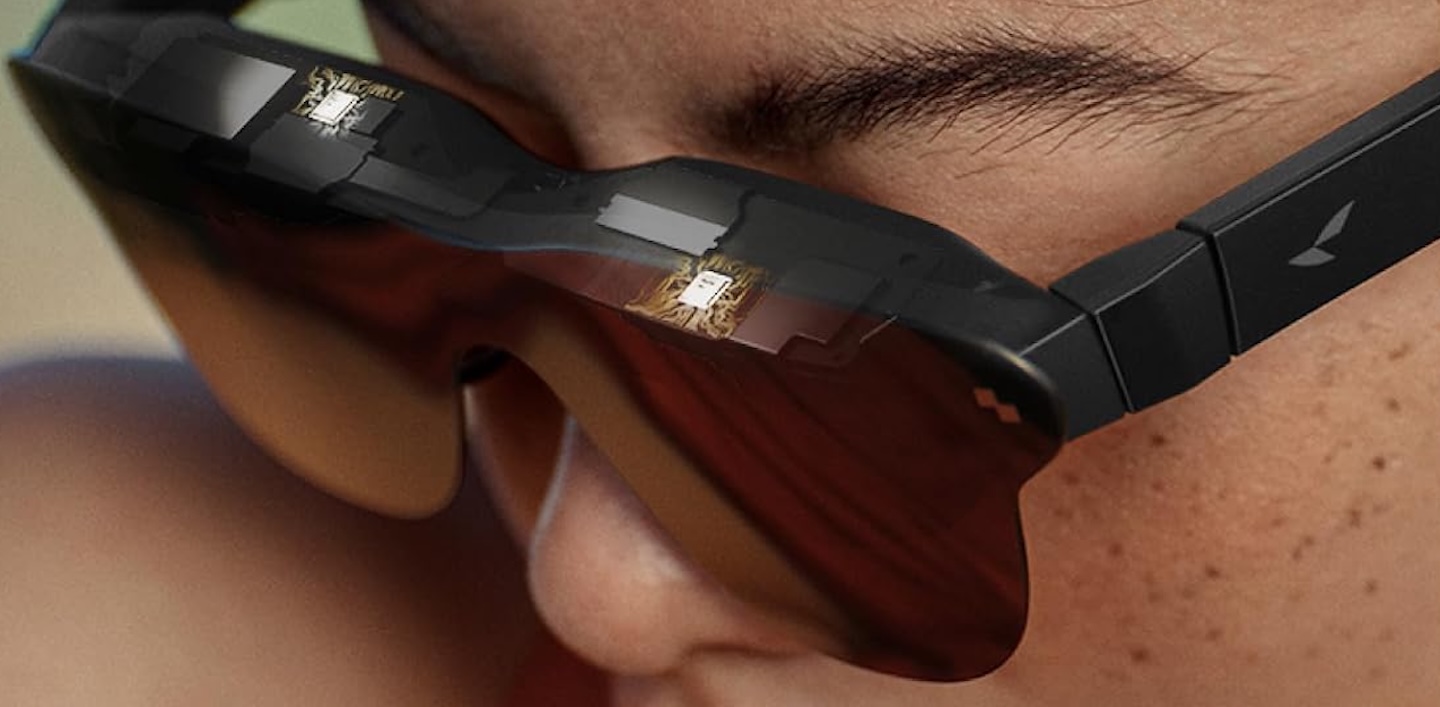
The RayNeo Air 4 Pro is the lowest-priced option in this roundup, making it worth considering if you want to try wearable displays without spending $500.
These are wearable display glasses, not camera-equipped AI glasses. They connect to a compatible phone, laptop, gaming handheld, or other video source, creating the impression of looking at a much larger screen.
Price: $239.20
Where to Buy: Amazon
RayNeo specifies a 46-degree field of view, Full HD micro-OLED display, up to 120Hz refresh rate, HDR10 support, and Bang & Olufsen-tuned quad speakers. The company also advertises up to 1,200 nits of perceived brightness and a virtual display equivalent to 201 inches.
That screen-size figure is a perceived-size comparison based on viewing distance, not a literal measurement.
Buyer fit: Consider the Air 4 Pro if you want a relatively affordable private screen for travel, gaming, or movies.
2. VITURE Luma Pro
For buyers who need vision correction, getting a sharp image can be more important than a larger field of view or a bigger discount.
The VITURE Luma Pro includes built-in myopia adjustment up to −4.0D, making it worth investigating if you would otherwise need prescription inserts for display glasses. Check that range against your prescription; it is not a substitute for correction for astigmatism or other vision needs.
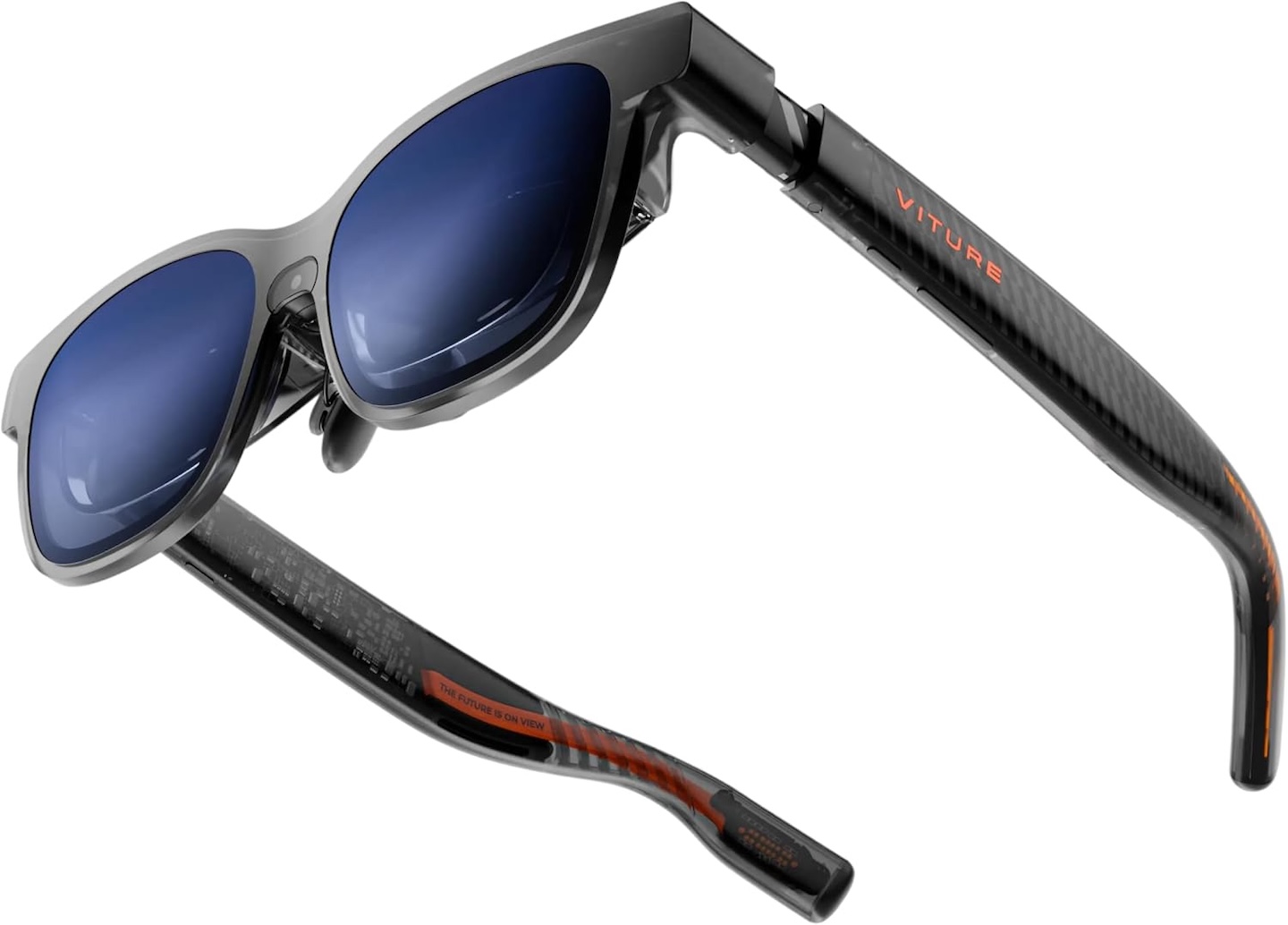
Price: $251
Where to Buy: Amazon
VITURE lists the Luma Pro at $359 for October 6–7, down from $499. That $140 saving is the largest dollar reduction in this roundup.
Buyer fit: Consider the Luma Pro if its adjustable focus addresses a specific problem you would otherwise have with wearable displays.
3. XREAL xbx a01+
The XREAL xbx a01+ has a straightforward sale hook: this is its first reported discount since launch.
The reported event price is $254, compared with a $299 regular price—a $45 saving if that offer is available on your listing. That is a modest reduction, but relevant if you already wanted this model and were waiting for a price cut.

Price: $254
Where to Buy: Amazon
The xbx a01+ focuses on the private-display experience rather than premium spatial features. It weighs about 62 grams and is intended for portable gaming, movies, and use with compatible devices.
For a supported gaming handheld, the appeal is easy to understand. The handheld still runs the game and provides the controls, while the glasses give you a larger perceived display than the device’s built-in screen.
The same idea applies to movies from a compatible phone or laptop. These glasses do not replace the source device; they provide another way to view its content.
Buyer fit: Consider the xbx a01+ if you want a lightweight XREAL display for a compatible phone, laptop, or gaming handheld and do not need the One Pro’s integrated spatial processing.
4. RayNeo GT Max
If the Air 4 Pro is the budget entry point, the RayNeo GT Max is worth comparing for its wider viewing experience.
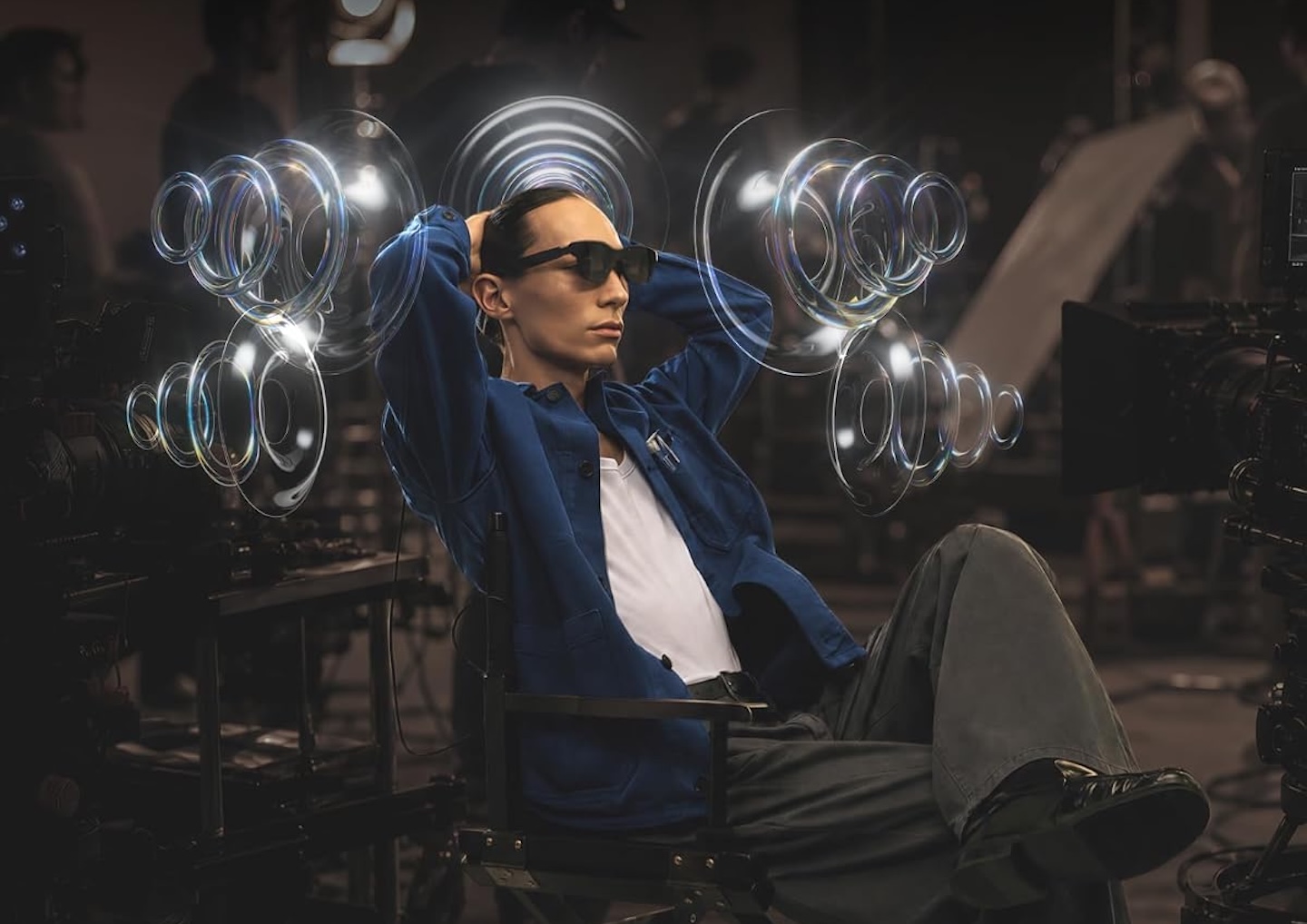
Price: $364.65
Where to Buy: Amazon
Its reported Prime Day price is $364.65, down from $429. Its 59-degree field of view and built-in spatial tracking are two reasons to consider spending more than you would on the Air 4 Pro.
The GT Max includes native 3DoF tracking through RayNeo’s Zone 360 chip, with Follow, Steady, and Pinned viewing modes. The One Pro is therefore not the only option in this roundup with integrated spatial processing.
A wider field of view can make the image feel more expansive, particularly for movies and games. It does not automatically mean sharper text or better comfort, though. Image quality also depends on resolution, optics, alignment, and fit.
That distinction matters if you expect to use display glasses for work rather than primarily entertainment. A screen that feels immersive for a film may not be the one you prefer for reading small interface elements.
Buyer fit: Put the GT Max on your shortlist if a wider field of view and native spatial tracking are priorities.
5. XREAL One Pro
The XREAL One Pro is the most expensive pair in this group, and its $50 discount is not the main reason to choose it.
The stronger selling point is its built-in X1 chip, which handles native 3DoF spatial display functions inside the glasses. This allows the display to remain positioned in virtual space rather than simply following every head movement.
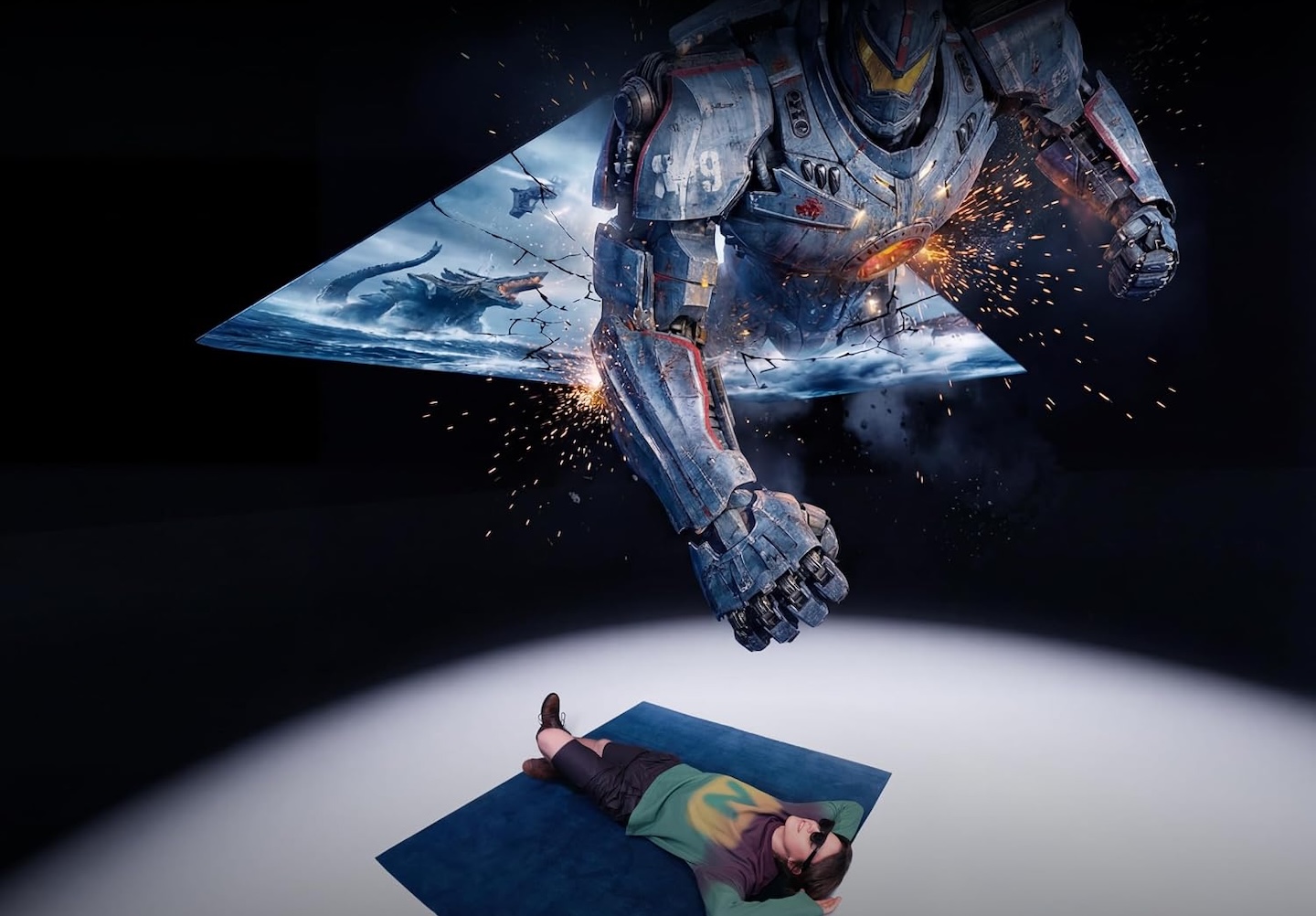
Price: $549
Where to Buy: Amazon
XREAL also specifies a 57-degree field of view, Sony micro-OLED displays, up to 120Hz refresh rate, electrochromic dimming, and Bose-tuned audio.
Those features help distinguish the One Pro from simpler wearable displays, but they also come at a substantial cost. At $549, it is more than twice the price of the Air 4 Pro deal.
A less expensive pair may be a more sensible first step if you have not yet tried wearable displays. The One Pro makes more sense when you already know that spatial positioning and the higher-end hardware are features you want.
Buyer fit: Consider the One Pro if you want its X1-powered spatial display and higher-end hardware.
Which deal fits your setup?
Start with the device you plan to connect. These glasses need a compatible video source, and some setups require an adapter or dock. A USB-C connector alone does not guarantee video output; check for DisplayPort Alt Mode or the manufacturer’s specified connection requirements.
Fit is the other shared consideration. Eye spacing, face shape, and how the glasses sit on your nose can affect comfort and edge clarity. A larger advertised virtual screen does not guarantee a better fit.
At their reported sale prices of $364.65 and $549, the RayNeo GT Max and XREAL One Pro are worth comparing if a wider field of view and native spatial tracking matter to you. Both integrate spatial processing: the GT Max uses RayNeo’s Zone 360 chip, while the One Pro uses XREAL’s X1 chip.
Choose the glasses for the viewing experience and compatibility you need—not the largest crossed-out price.