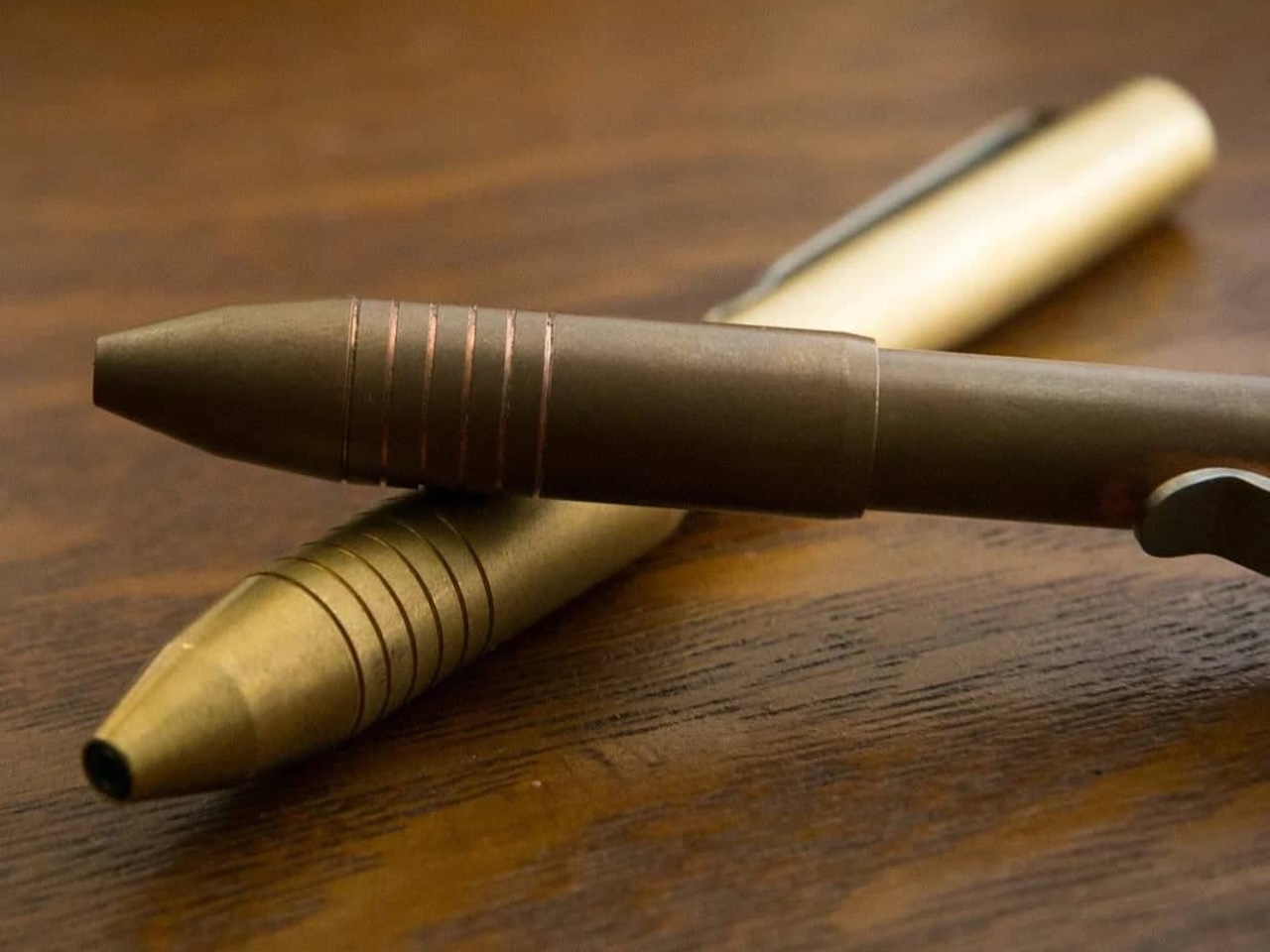
Almost nobody chooses a titanium pen for the part that actually decides whether it survives in your pocket. The metal gets the attention. The machining gets the close-up photos. Then a cheap refill buried in the barrel quietly decides whether you keep carrying the thing.
So the real question is not which titanium pen looks best. It is which refill you already trust, and which body earns the right to hold it.
Titanium pens blew up on The Gadgeteer because they hit the exact EDC nerve: small, durable, useful, and just indulgent enough to feel like a real upgrade. But the metal body is only half the buy. The refill decides whether that $55 to $105 pen becomes your daily writer or turns into another nice tube in a drawer.
That is the follow-up decision. If you already read our guide to titanium pens worth carrying in 2026, this is the part to check before you click buy. Don’t start with the machining. Start with the ink.
The refill is the pen
A titanium body can survive years of pocket carry. It can shrug off keys, coins, desk drops, and the kind of bag abuse that makes plastic pens look tired after a month. None of that helps if the refill skips, blobs, dries out, or feels wrong against the paper you actually use.
This is why refill compatibility is the first spec I’d check. Tactile Turn’s own refill guide lists its standard Bolt Action and Side Click models with a Pilot G2 0.7mm refill, while its shorter models move to a Schmidt EasyFlow 9000. BIG IDEA DESIGN goes in a different direction with the Ti Pocket Pro: the body telescopes to handle different refill lengths, and the company says it works with Parker or rollerball-style refills while shipping with a Schmidt P900 installed.
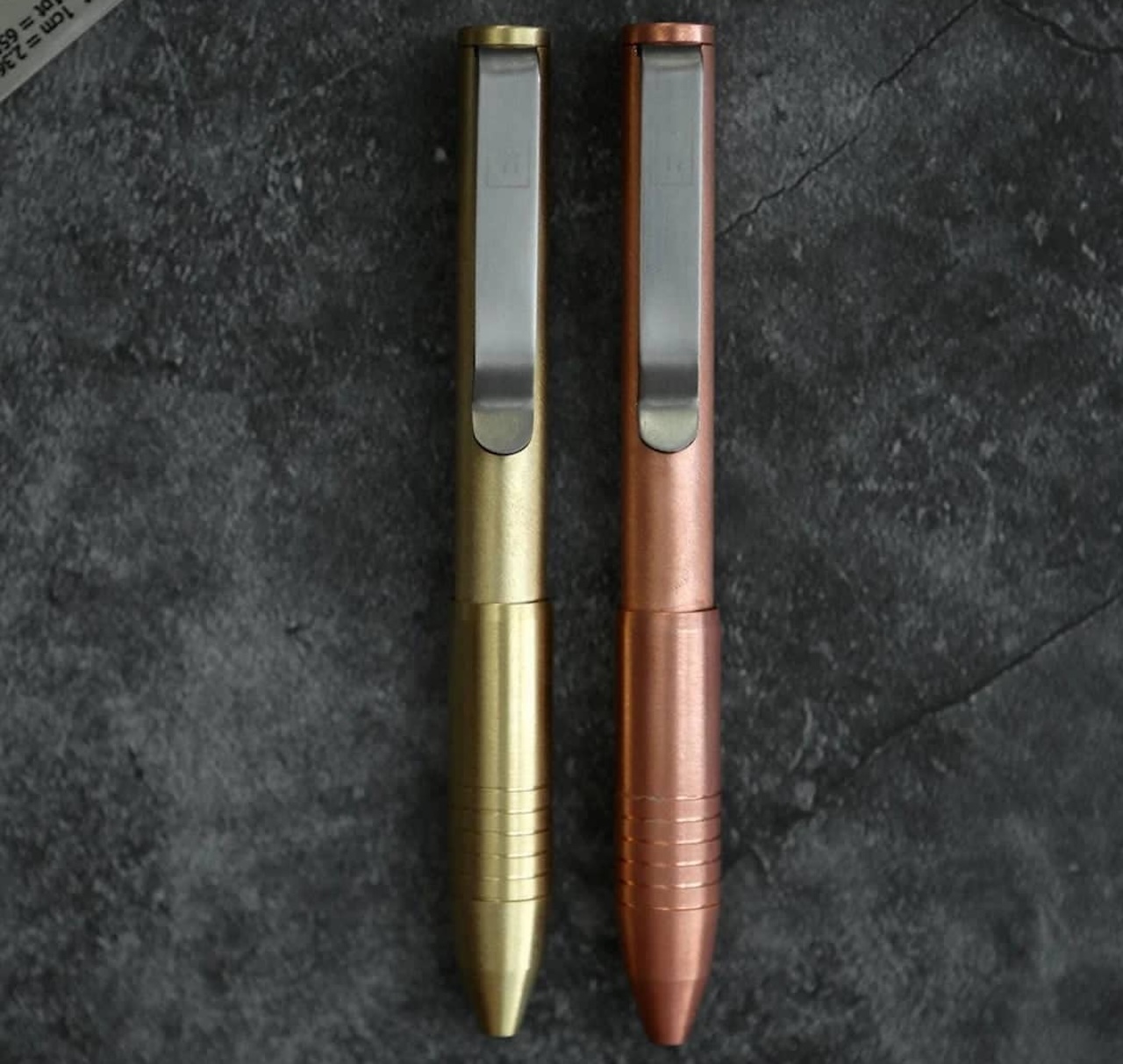
Same broad category. Very different ownership experience.
The useful takeaway is simple: buy the pen around the refill you already like, not the refill around the pen you want to justify. A Pilot G2 person should not accidentally buy a short Parker-style pen and then spend the next week trimming plastic, chasing adapters, or pretending the writing feel is close enough.
Parker-style and Pilot G2 are not the same thing
This is where titanium pen shopping gets confusing fast. “G2” can mean two different things in casual pen listings. Pilot G2 is the popular gel pen refill most office drawers already know. Parker-style G2 is a shorter ballpoint refill format used by a huge number of machined pens.
Those names collide in search results, and that collision costs people money.
If a pen says it takes Pilot G2, think longer gel refill, smooth writing, easy office-store replacement, and a body usually built around that length. If it says Parker-style, think shorter refill, more compact pen bodies, and a wide aftermarket of ballpoint, hybrid, and gel options from brands like Parker, Schmidt, Monteverde, and Uni. Neither is automatically better. They solve different pocket problems. For a first titanium pen, Pilot G2 compatibility is the safer emotional buy because you probably already know whether you like the feel. Parker-style compatibility is the better EDC buy when you are deliberately chasing a shorter pen that disappears in a front pocket.
Bolt action is fun, but tip stability is what you feel
A bolt-action mechanism sells the pen in a product photo. It gives your thumb something mechanical to do, and on a titanium body it scratches the same itch as a good folding knife or flashlight clicky switch. That is real. Gadget people like tactile interfaces because they make the object feel intentional.
But once the pen touches paper, the mechanism disappears. The thing you feel is tip stability. Can the refill stay planted when your hand speeds up?
Tip wiggle is the little rattle at the writing end when the refill does not fit the nose cone tightly. Some people never notice it. Other people notice it once and can never un-feel it.
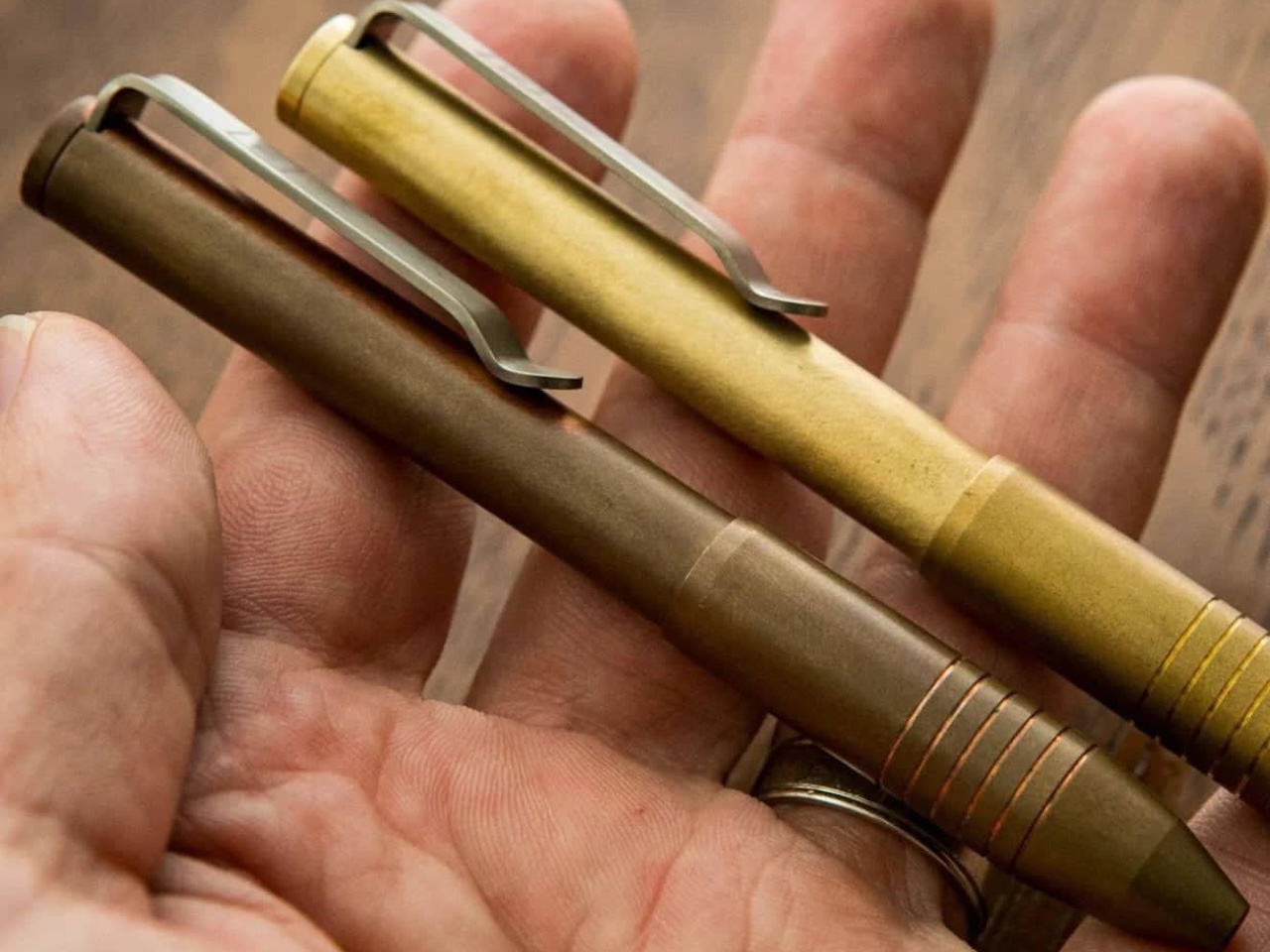
Price: From $79
Where to Buy: Amazon
That is why Big Idea’s auto-adjusting collet is interesting: the Ti Pocket Pro is not just trying to accept more refills, it is trying to support those refills at the tip. Tactile Turn’s approach is different. Its refill guide separates compatible refills by pen length, which is less magical but easier to understand before you buy.
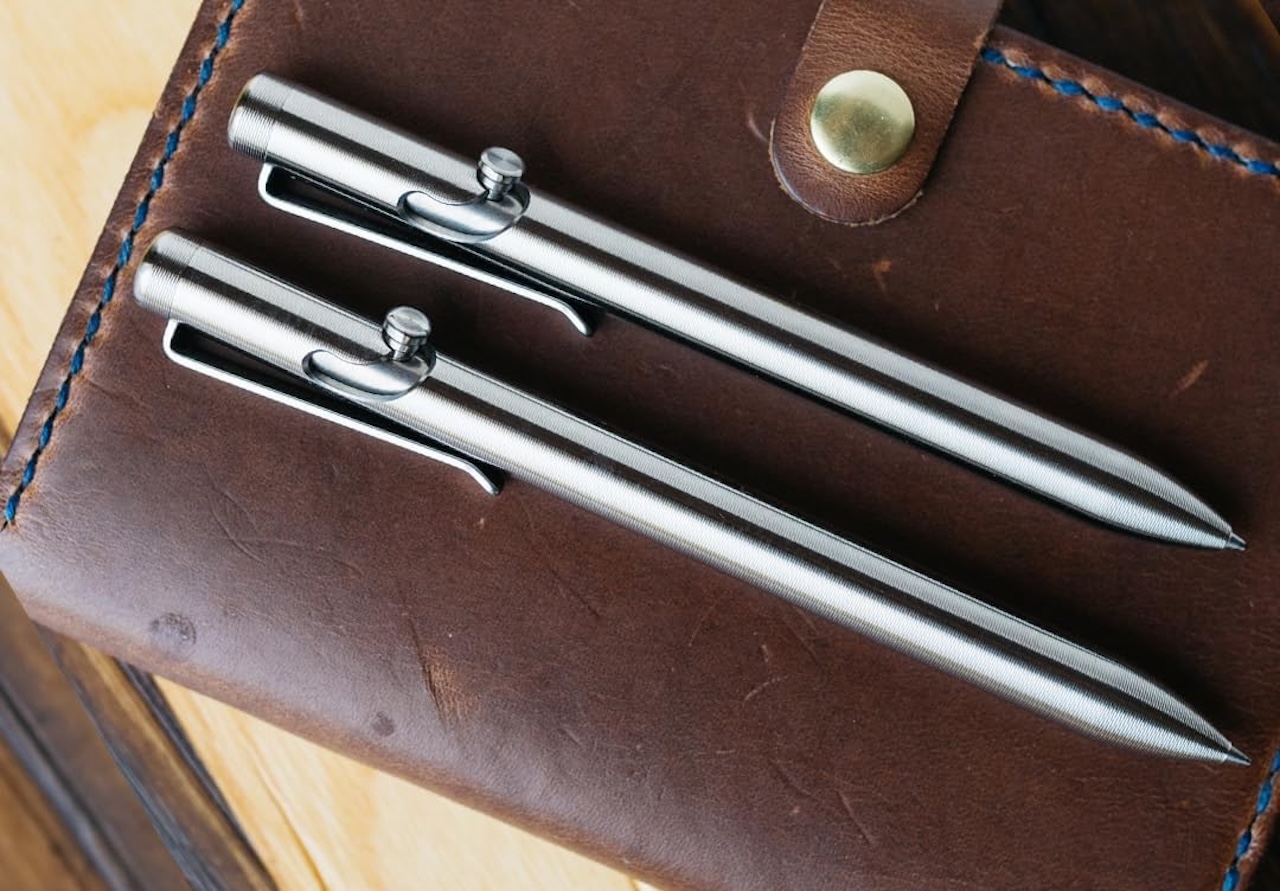
Price: $99.99
Where to Buy: Amazon
If you mostly sign receipts, write labels, or jot quick notes, almost any decent titanium pen will feel fine. If you journal, sketch, or write full pages, tip support moves from nerd detail to daily annoyance.
Pocket pens are great until you actually write a page
Short titanium pens make sense in EDC photos. They fit coin pockets, small organizer pouches, sling bags, and travel kits. The problem shows up when you ask a tiny pen to do normal pen work.
Length changes leverage. A short pen can feel clever for a signature and cramped for a full notebook page. A heavier short pen can also feel oddly rear-biased because there is not enough body behind your grip to settle into the hand.
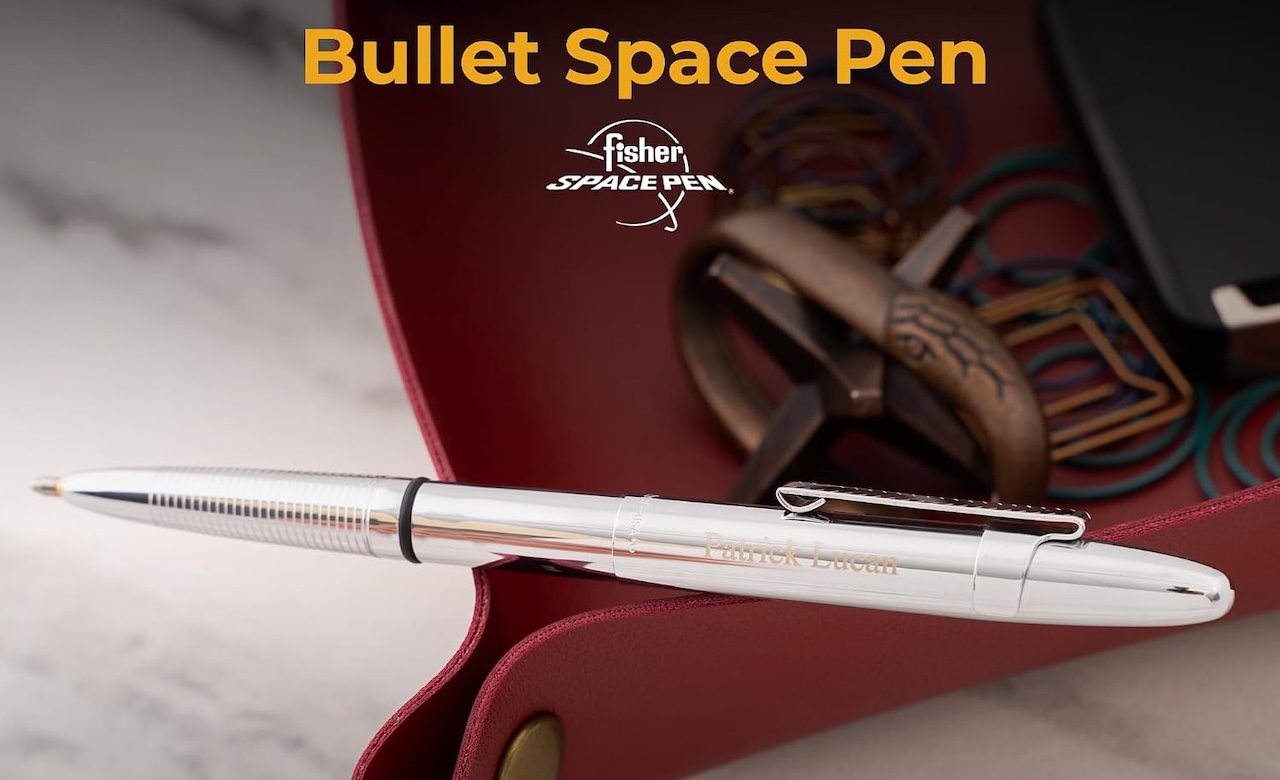
Price: $39.24
Where to Buy: Amazon
That does not make pocket pens wrong. It makes them specific. A Fisher Bullet-style pen is brilliant as a travel backup because it disappears until you need it. A standard-length Tactile Turn or full-size BIG IDEA DESIGN pen makes more sense if the pen is going to live beside a notebook, ride in a shirt pocket, or replace the disposable pen you reach for ten times a day. Tiny is a feature only when tiny is the job.
Coating, color, and solid titanium are different claims
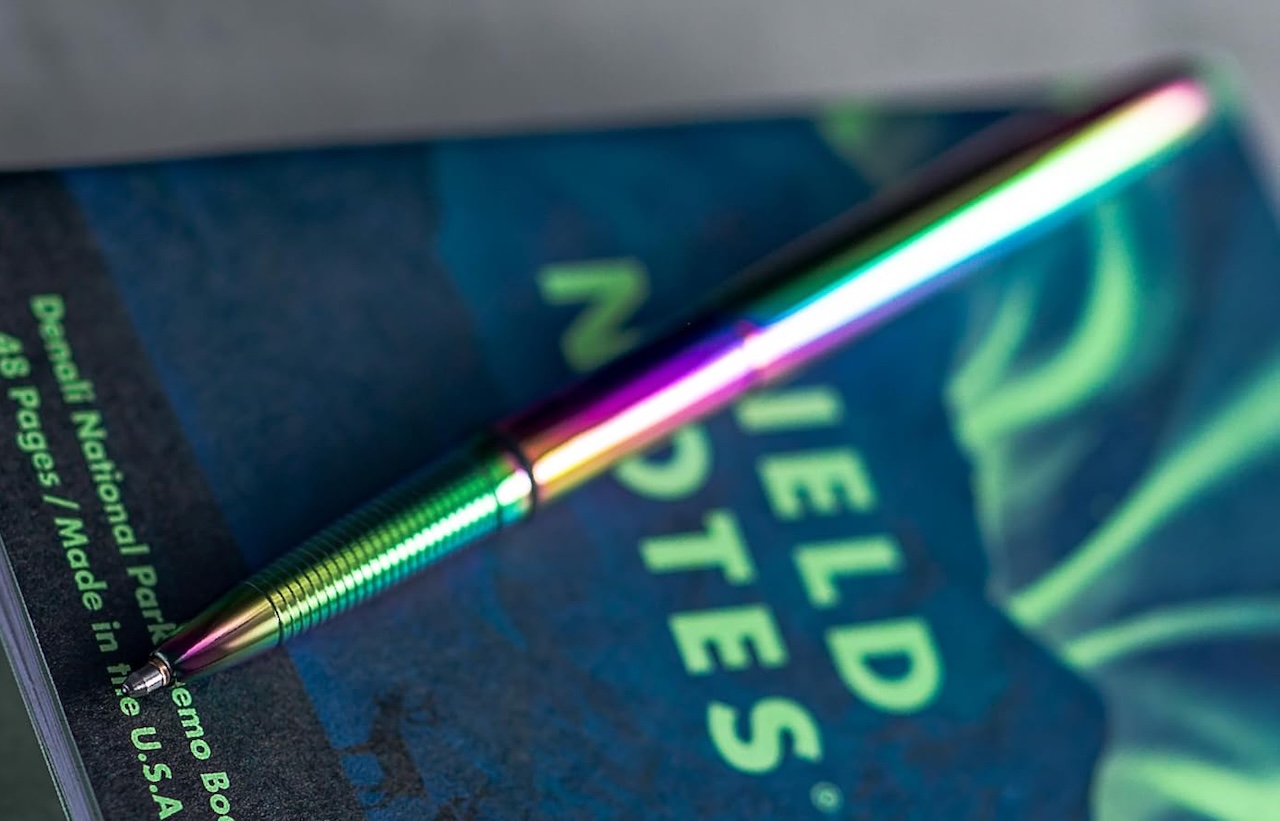
Price: $72
Where to Buy: Amazon
The original roundup included two important caveats because the search term “titanium pen” catches more than solid titanium pens. Fisher’s Supernova Bullet uses a titanium nitride finish, not a solid titanium body. Cross’s Tech2 Titanium Gray is a color and finish story, not a machined titanium EDC pen.
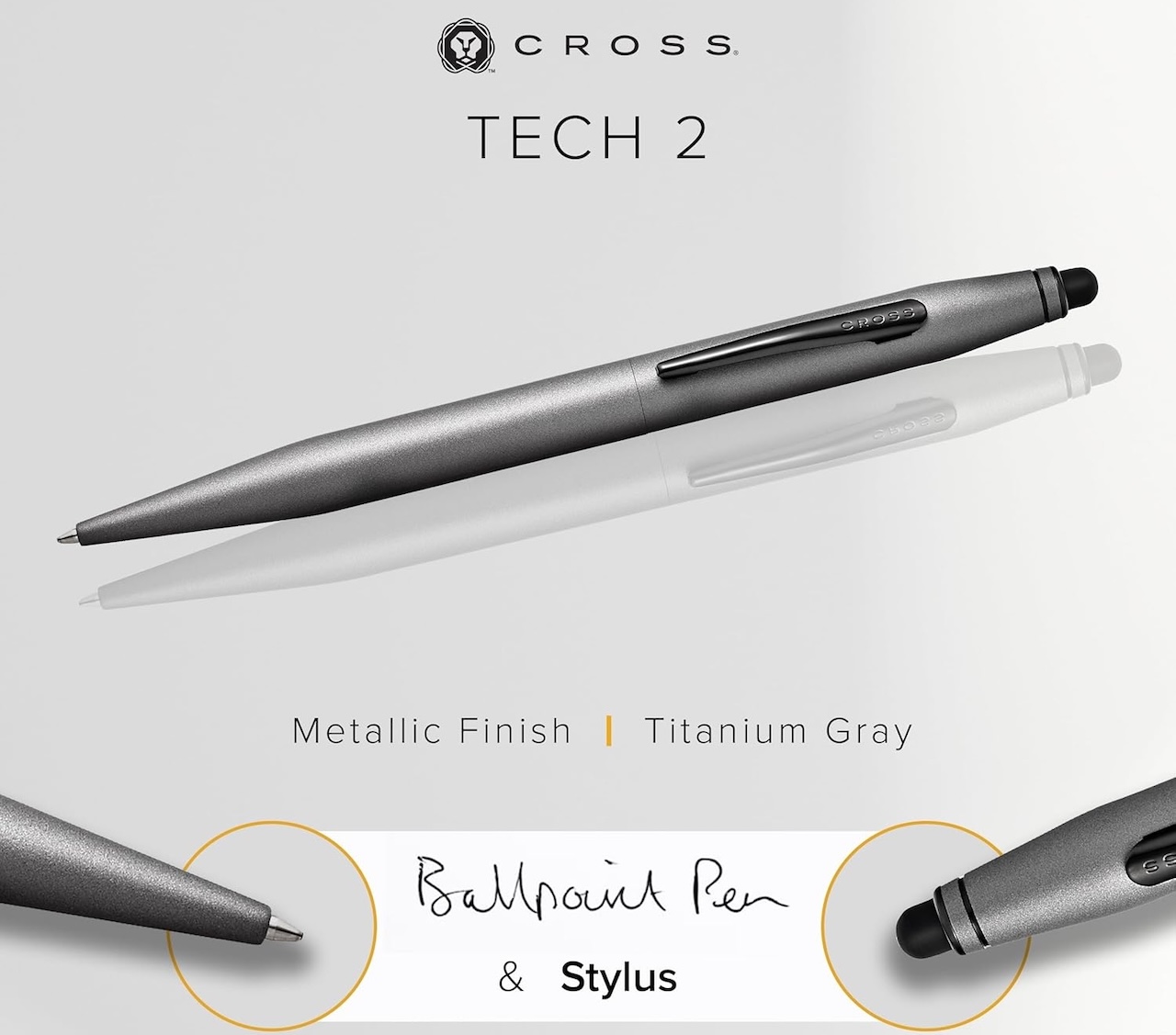
Price: $36.04
Where to Buy: Amazon
That does not make either product useless. It does change the reason to buy.
A titanium nitride coating can give you wear resistance and a distinctive finish. A titanium-gray lacquer can give you the look at a lower price. Solid titanium gives you the material story people usually mean when they talk about EDC pens: light for the strength, corrosion resistant, tough, and more premium in hand than aluminum or brass.
The trap is paying solid-titanium money for titanium language. If the listing says “titanium color,” “titanium gray,” or “titanium finish,” slow down. If it says Grade 5 titanium, solid titanium, or machined titanium, now you are closer to the metal you probably meant to buy.
The refill-first buying map
| If you care most about | Start with this refill style | Pen direction to consider |
|---|---|---|
| Smooth everyday writing | Pilot G2 or similar gel | Standard-length titanium bolt action |
| Compact pocket carry | Parker-style G2 | Short titanium bolt action or side click |
| Travel backup | Pressurized Fisher-style refill | Bullet or compact pocket pen |
| Refill freedom | Multi-refill design | BIG IDEA DESIGN Ti Pocket Pro style |
| Lowest friction replacement | The refill you already use | Buy the body that fits it without trimming |
This is the part most listings hide under a wall of material language. A pen can be titanium, beautifully machined, and still wrong for you if it locks you into a refill you do not like.
What I would do after the first roundup
If you clicked the original titanium pen story because you wanted the safest first buy, I’d start with a standard-length pen that takes a refill you already know. That means Pilot G2 compatibility for most people, or Parker-style compatibility if you are deliberately chasing a shorter EDC setup.
If you are already picky about ink, move BIG IDEA DESIGN higher on the list because refill flexibility becomes the feature. If you want the cleanest machined-object experience, Tactile Turn remains the reference point because the company makes the refill question visible instead of burying it. If you only want a backup pen for a travel pouch, a compact pressurized option makes more sense than a heavy desk-worthy bolt action.
The metal gets the click. The refill keeps the pen in your pocket.
Quick Answers Before You Buy
What titanium pen takes G2 refills?
Pilot G2 gel refills fit standard-length machined pens built around that length. Tactile Turn ships its standard Bolt Action and Side Click with a Pilot G2 0.7mm and lists more than a dozen compatible refills. If you already write with a G2, buy a body that names it so you skip adapters.
Are titanium pens worth it?
For pocket carry, yes, when the refill matches how you write. Titanium shrugs off keys, drops, and bag abuse that wears plastic down in a month. The premium only pays off when the ink inside feels right, so pick the refill first.
What is the downside of titanium?
Price is the obvious one, since most solid titanium pens run roughly 55 to 105 US dollars. The quieter downside is refill lock-in. A gorgeous body that only takes a format you dislike turns into a drawer pen fast.