
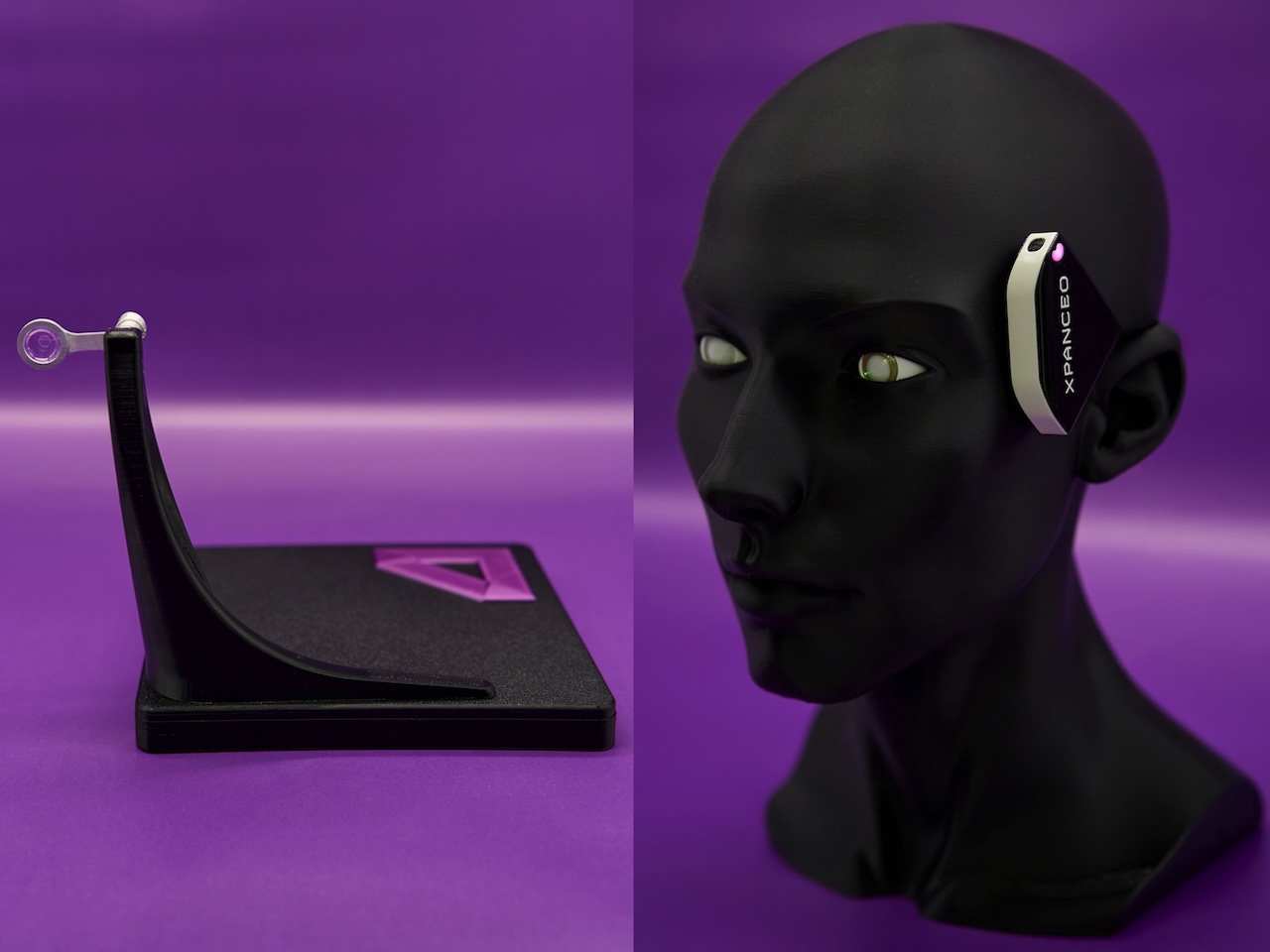
Smart glasses keep getting smaller. Xpanceo is skipping the frames altogether. The Dubai-based deep tech company is building a smart contact lens that puts a screen, health sensors, and wireless power right on your eye. After a $250 million funding round and a year of public demos, the first full version is set for an early-2027 reveal.
A finished product is still years away. But progress is moving faster than most smart-glasses fans expected. Here’s what works today, what’s still in the lab, and what to watch before the 2027 reveal. (We featured the MWC 2026 booth in detail when Xpanceo first showed the prototypes.)
It’s a Real Working Prototype, Not a Render
Xpanceo has shown five working smart contact lenses around MWC 2026 (a digital demo of its tech and real industrial uses timed to the show). Each one solves a different piece of the puzzle. The one closest to consumers pairs a tiny screen with nonstop glucose tracking. You get an AR layer and health data right on your eye, with no frames at all.
Two days before this story went live, Xpanceo showed the same prototypes at VivaTech 2026 in Paris. The company called it “a key step toward” its first full prototype in early 2027. 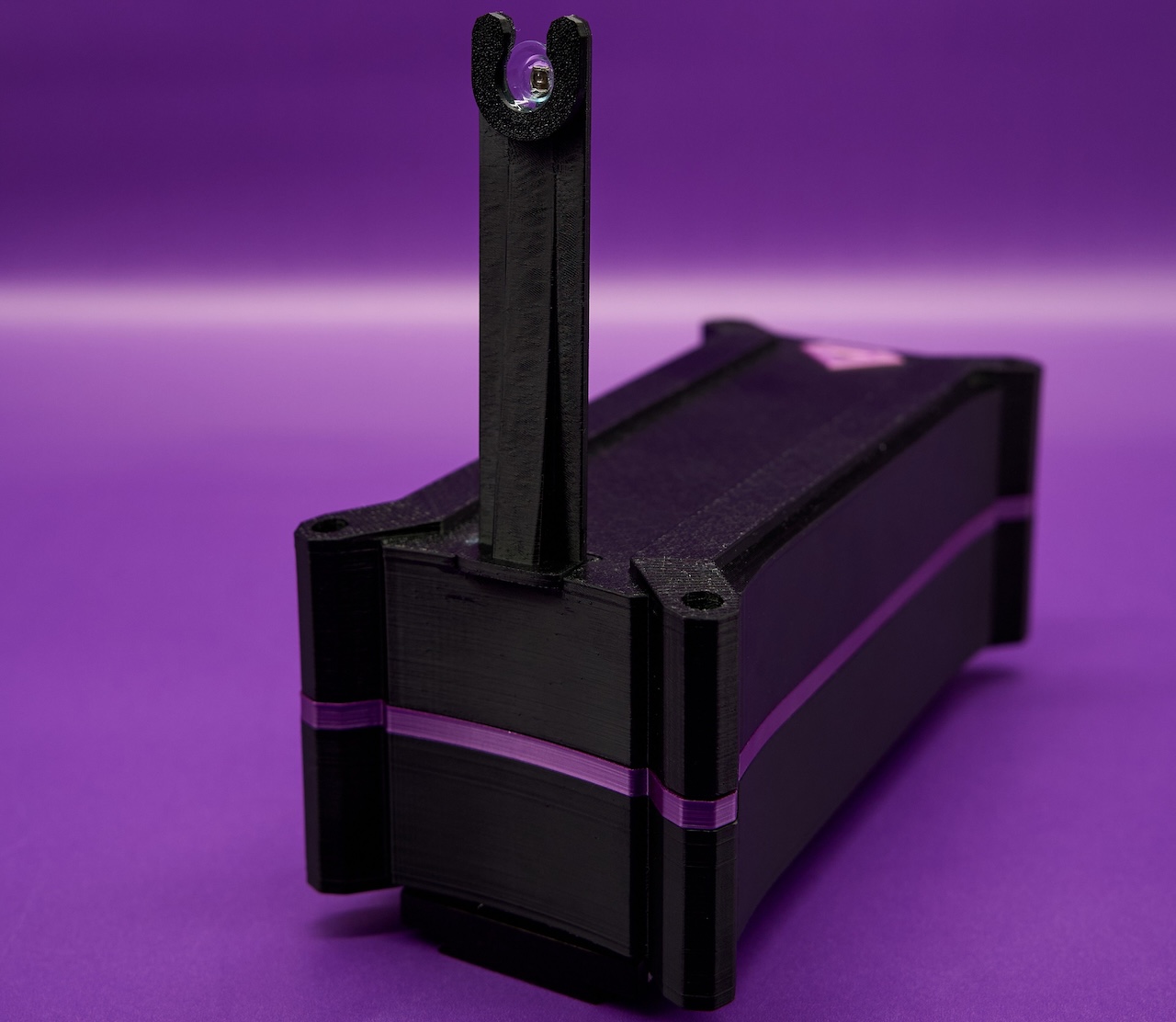
Xpanceo has built 28 working prototypes over four years. It has 20 patent filings on the books (and says it has applied for 50+). The team is about 100 people. Roughly half of the research staff hold PhDs from top schools. Nature Index ranks Xpanceo a top-three physics startup worldwide. That is rare for a consumer tech company.
A $250 Million Series A Pushed It Into Unicorn Territory
In July 2025, Xpanceo raised $250 million. The round was led by Opportunity Venture (Asia). It valued the company at $1.35 billion and made it the UAE’s 12th unicorn. Total funding is now about $290 million across the seed and Series A.
The money pays for the last stage of lens development. It also funds bigger research, design, product, and operations teams. And it preps the company for a real launch. That is the gap between a science demo and a product you can buy. It is also why Xpanceo keeps coming up next to Apple, Meta, and Google in AR talks.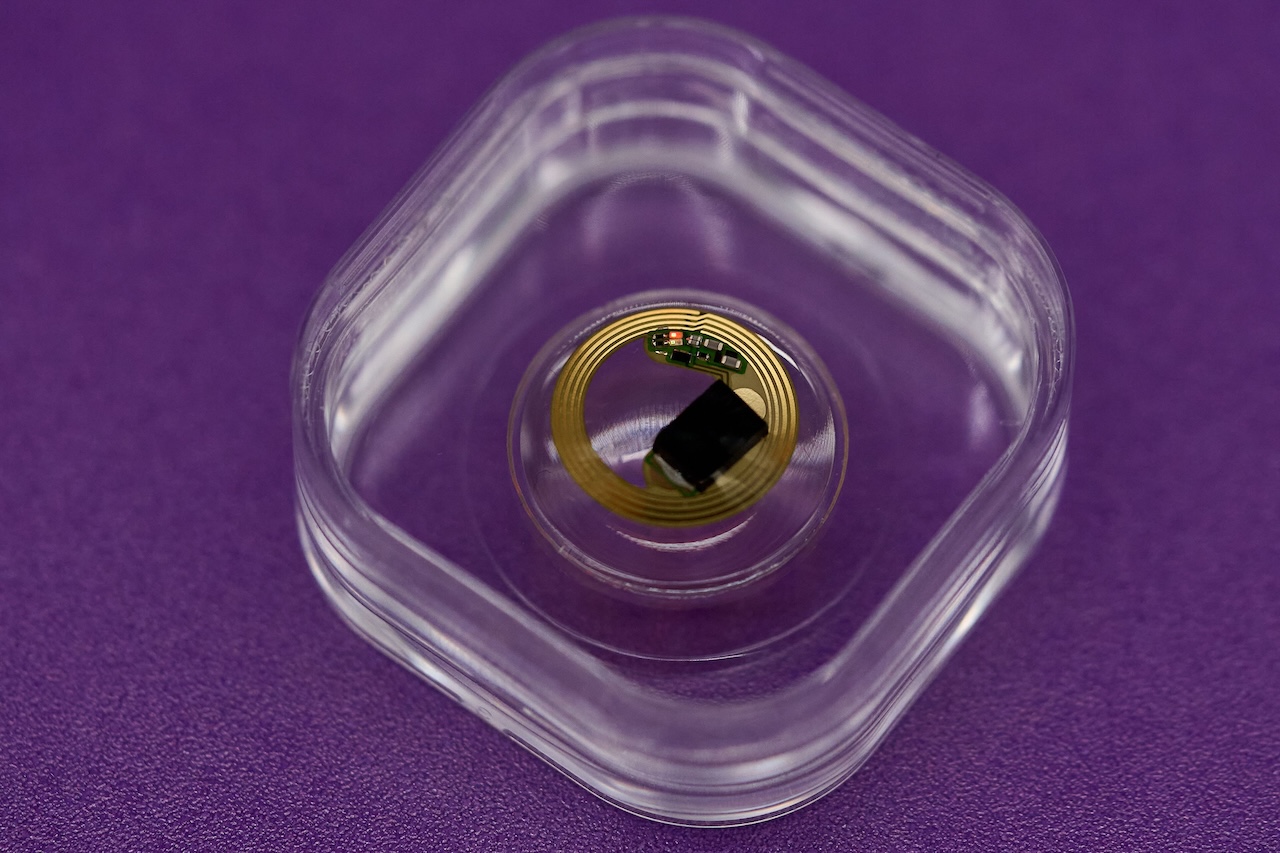
The Micro-OLED Display Sits on the Lens Itself
The display uses a custom optical system with a tiny OLED panel built into the lens. Xpanceo also showed a second design that uses a holographic display. That one comes from earlier racing-helmet prototypes. The two designs suggest the company is keeping its options open on how to get images to your eye.
To check that those images are safe and clear, Xpanceo built a first-of-its-kind testing rig with Konica Minolta Sensing Europe. The rig measures field of view, image brightness, and contrast. Those are the kinds of basic tests regulators want before a glowing display sits a millimeter from your eye.
Biosensing Could Replace Finger Pricks and Eye Drops
This is where Xpanceo’s pitch stops feeling like sci-fi. Its Smart Contact Lens for Health Readings has a tiny sensor that picks up glucose in your tears. It sends the reading to your phone in real time. The chemistry is the same as a finger-prick glucose meter, but it runs all day and you cannot see it.
The sensor is still being fine-tuned. But the prototype already detects glucose. About 589 million adults around the world have diabetes. Swapping finger pricks and skin patches for a lens that just sits on your eye would be a real change to daily life. It is also the kind of medical use that moves through regulators faster than a consumer AR feature would.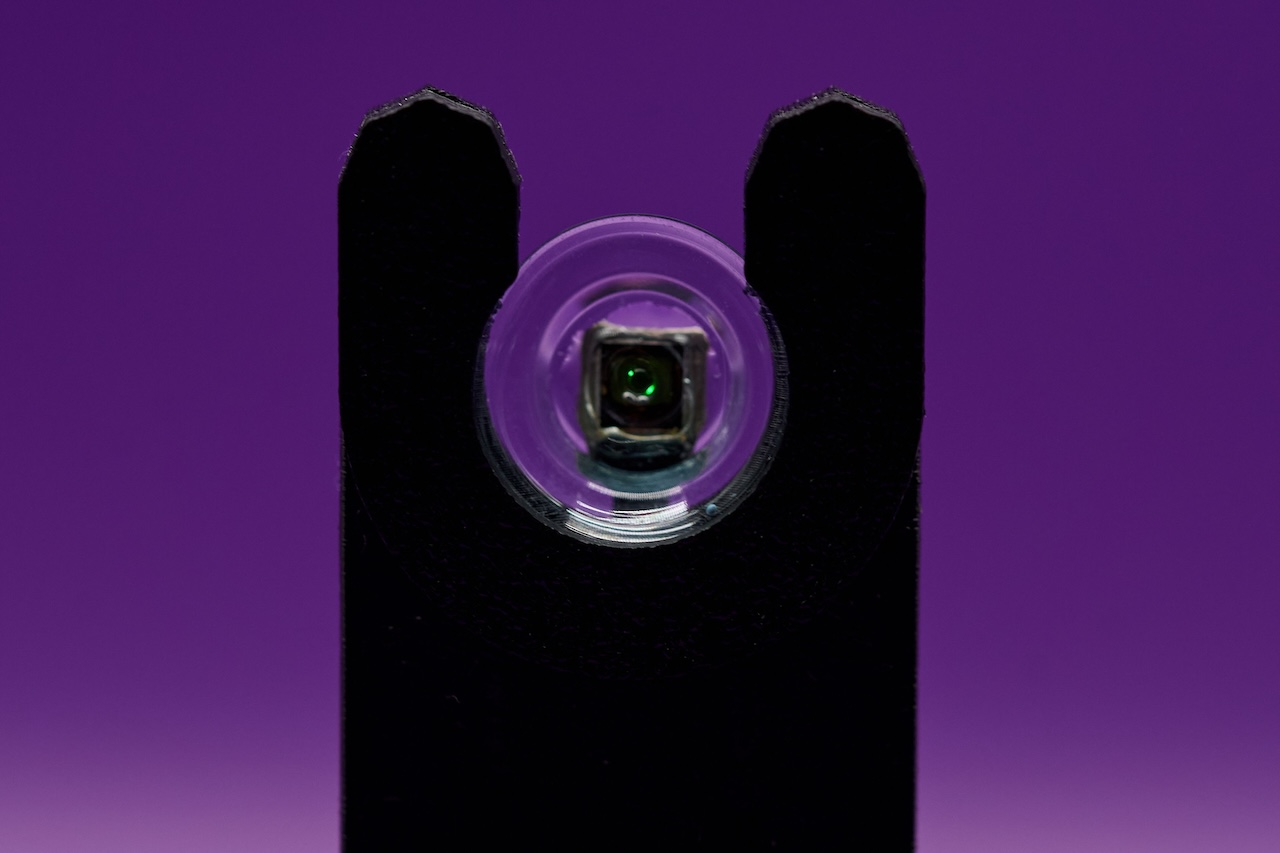
Xpanceo also showed a second lens for glaucoma that tracks pressure inside the eye. The lens has a small optical pattern that shifts when eye pressure changes. A phone app reads it. The app’s AI was trained on more than 10,000 real pressure readings.
A separate April 2026 study in Science Translational Medicine (covered by STAT) showed a battery-free smart lens that both tracks eye pressure and releases glaucoma drugs when needed. That makes Xpanceo’s work a better fit in a growing field.
Wireless Power Comes From a Companion the Size of a Lens Case
A contact lens can’t hold a real battery. So Xpanceo moved the power off the eye. The latest prototype uses fully wireless power. It has about twice the range of past solutions. The power comes from a small case-shaped device that fits in a pocket or purse.
The lens stays soft and light. Xpanceo says its radiation is in the same range as Bluetooth headphones. That is the company’s safety claim. Outside testing and regulators will make the final call.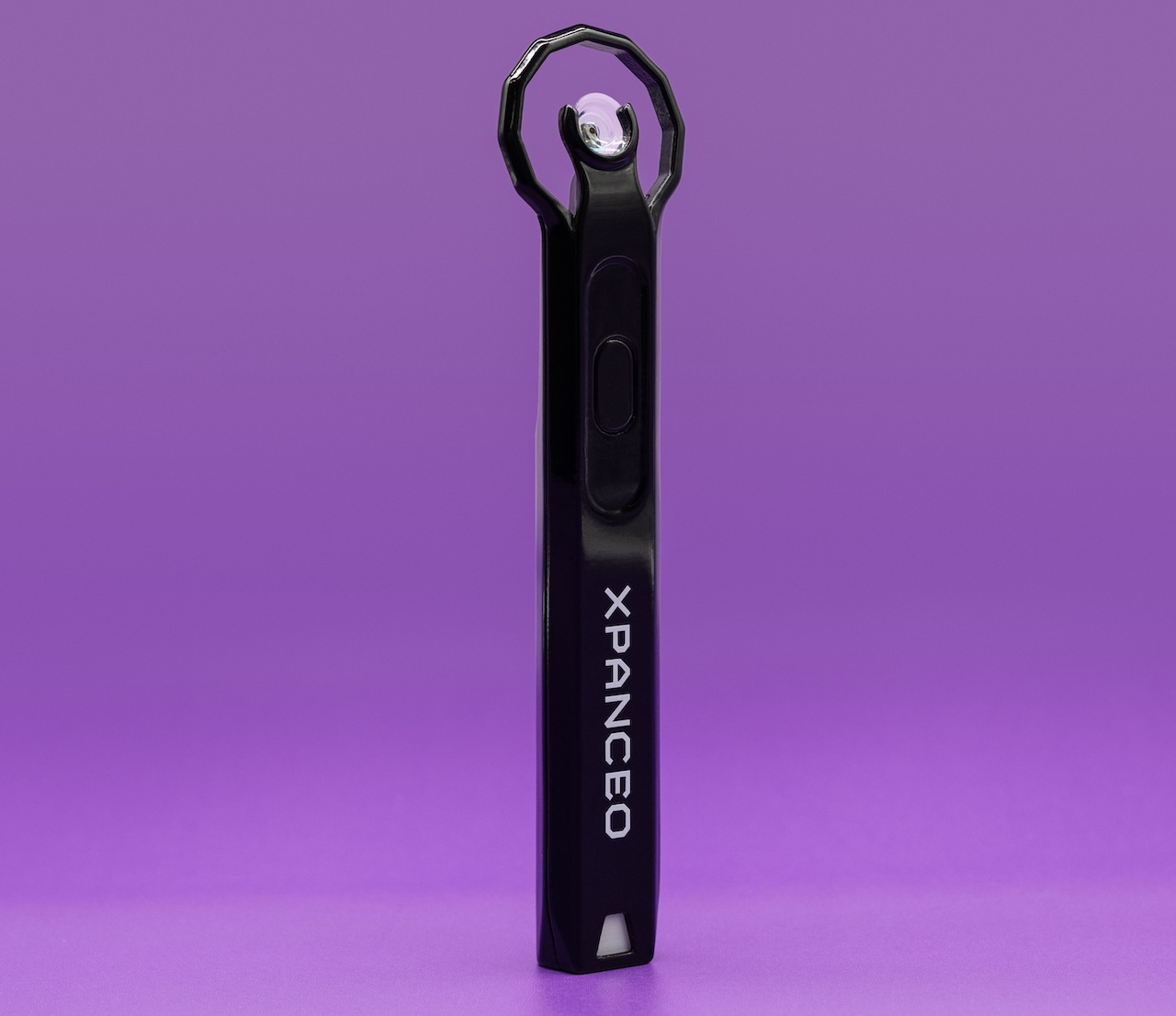
Industrial and Space Use Cases Come First
Xpanceo is clear that everyday shoppers are not the first target. The plan puts medical and industrial lenses first. Those markets are easier to regulate and scale. With Italian med-tech firm Intra-Ker, the company has built an implant that goes inside the cornea. It was tested in a human donor eye. The implant aims to restore sight by sending images straight to the retina.
There is also a space-ready version. It uses a holographic display that pairs with an image source built into a space helmet. The target users are astronauts. Right now, they use clunky tablets, voice commands, and (yes, really) the tips of their noses to tap touchscreens inside their suits. The everyday version of the same idea is hands-free alerts and overlays for factory and field work.
The 2027 Reveal Is the Date to Circle
Xpanceo aims to finish its first full prototype by the end of 2026. That single lens would have a display, health sensors, and wireless power all in one. The plan is to show it off at a major event in early 2027.
When you can buy one is less clear. The company told CNN a version could hit shelves “as soon as 2030.” Other reports tied to the Series A point to a 2027–2028 launch for early use cases. Either way, this is a long-term bet, not a holiday-season gadget.
What to Watch Next
Three things will show if Xpanceo is on track. First, the 2027 reveal itself: does the lens really pack display, sensors, and wireless power into one device you can put on a real eye? Or is it still spread across separate parts? Second, human trial data for the glucose and eye-pressure sensors. Those are the fastest paths to a real, approved product. Third, prices and launch plans. Does Xpanceo start with medical lenses by prescription, industrial test programs, or a consumer AR product?
The 2027 timing matters past Xpanceo too. Apple’s first AI glasses just slipped to late 2027, according to Bloomberg’s Mark Gurman. That puts Apple and Xpanceo in the same launch window. If Xpanceo lands first, it gets to lead the story on what comes after smart glasses. If Apple ships first, the contact lens has to prove it is a different product, not a worse one.
For now, this is the strongest non-glasses bet on the AR future. Five working prototypes. A funding round that hit unicorn status. A real testing system built with Konica Minolta. A public 2027 timeline. Those are real milestones, not just talk. The gap between a smart contact lens you read about and one you can actually wear just got smaller.
