
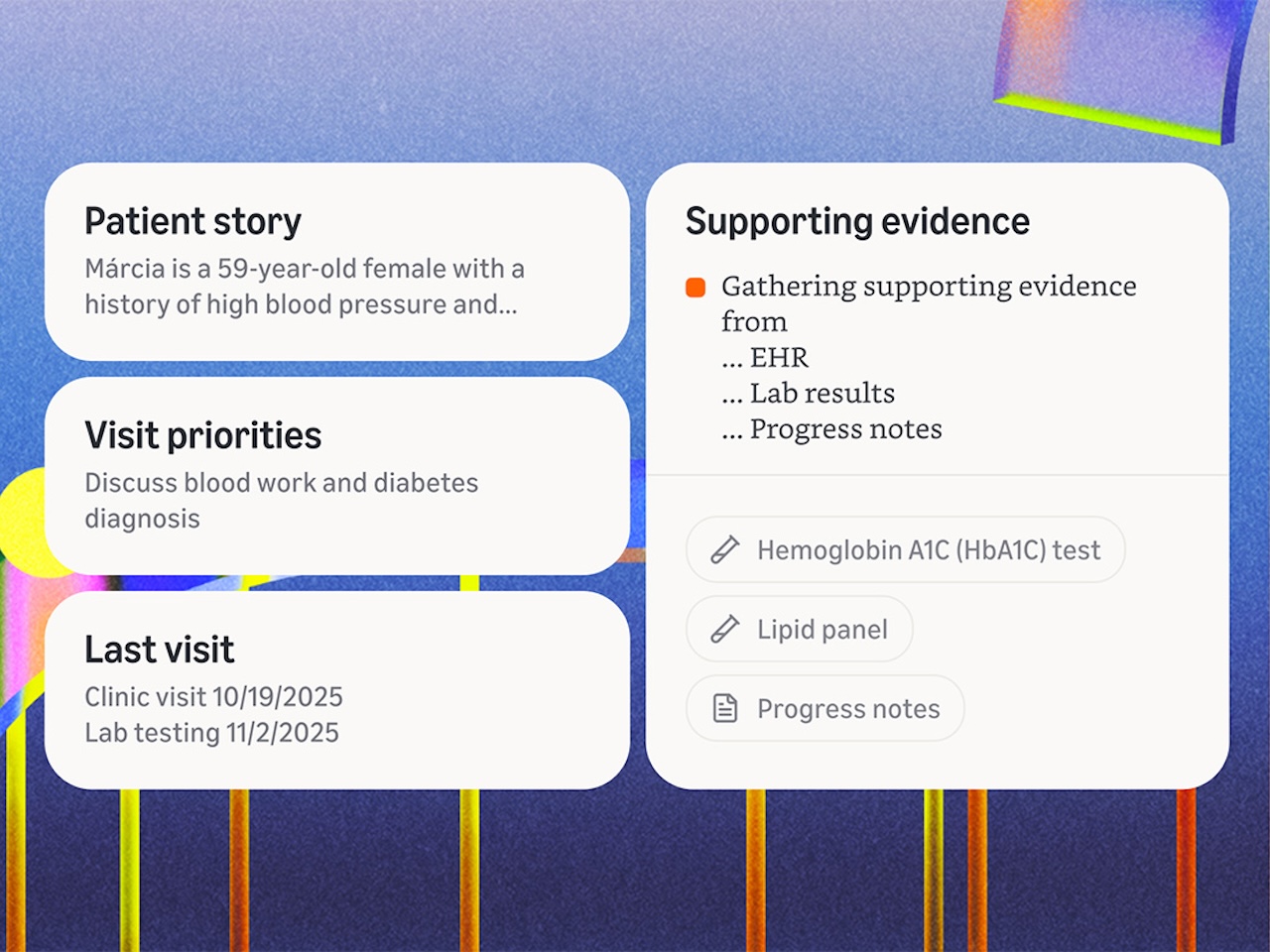
Amazon didn’t build a hospital. It built the staff. AWS just launched Connect Health, an agentic AI platform designed to handle the work that burns out human workers fastest. Scheduling. Clinical documentation. Medical coding. Patient verification. Medical history review. Five capabilities under one platform, and the first two are available now with the rest rolling out through preview.
The timing isn’t subtle. Healthcare facilities across the country are hemorrhaging administrative staff. Burnout rates among medical coders and schedulers have been climbing for years, and the paperwork load on clinicians keeps growing while the workforce doesn’t. Amazon looked at that gap and decided the fix wasn’t hiring more people. It was building AI that could do the job without needing a lunch break or filing for burnout leave.
What Amazon Connect Health’s agentic AI actually does
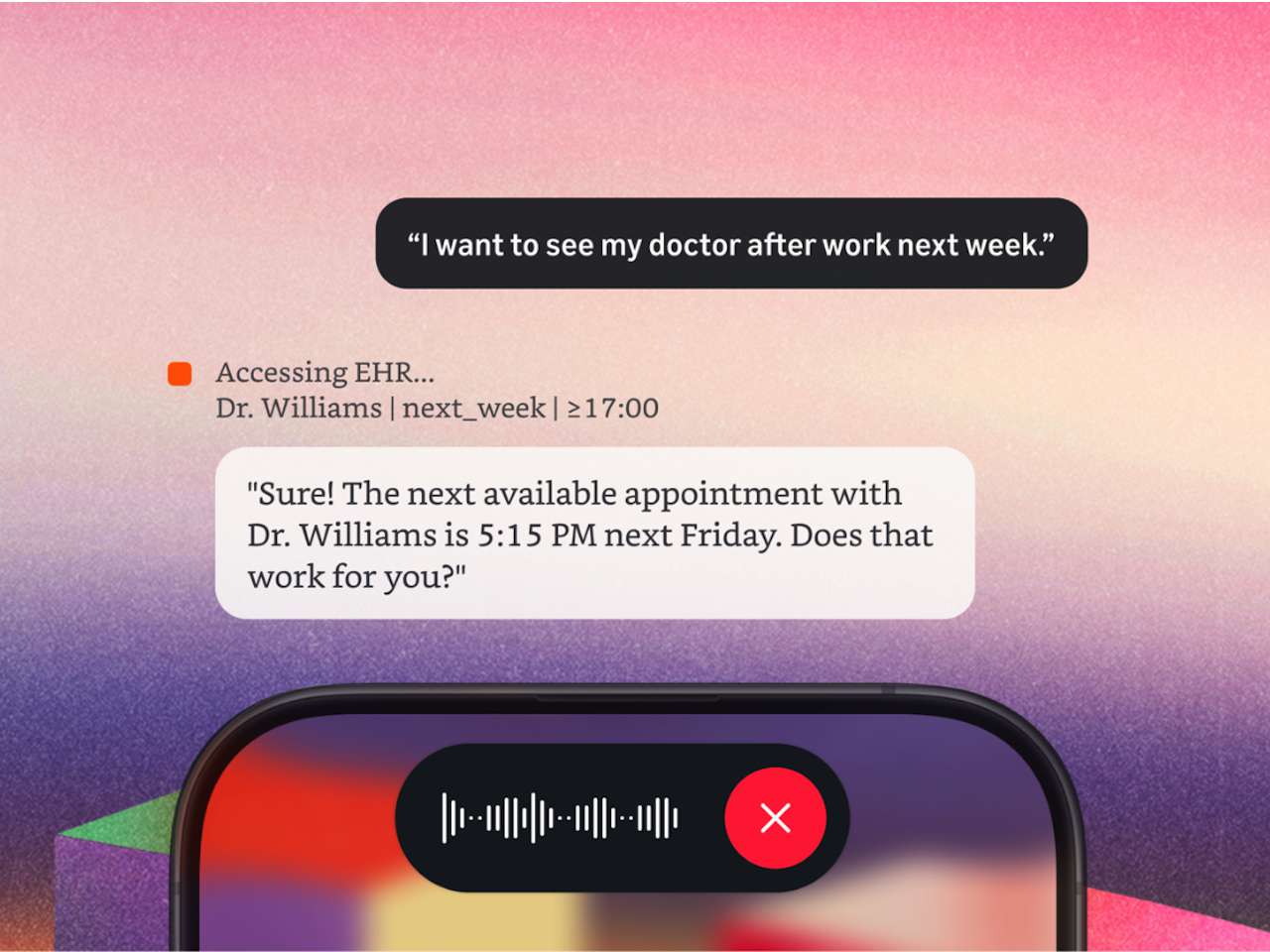
Each of Connect Health’s capabilities targets a specific bottleneck in the healthcare workflow. The scheduling feature handles appointment booking through conversational AI, letting patients call in and book directly without sitting on hold or leaving a voicemail. The clinical documentation feature listens to patient encounters and drafts structured notes in real time, priced at $99 per month per provider for up to 600 encounters.
The medical coding capability translates clinical documentation into billing codes, a process that’s notoriously error-prone when done manually and expensive when done by specialists. The patient verification feature confirms patient identity through HIPAA-compliant conversational AI before appointments, priced at $0.15 per verification action. The medical history review feature pulls a patient’s records across care settings and surfaces a concise summary before the visit, flagging active conditions, chronic issues, and trends that might matter for both treatment and billing.
What makes this different from the AI tools already floating around healthcare is the “agentic” part. These aren’t chatbots sitting in a sidebar waiting for someone to ask a question. They’re autonomous agents designed to execute multi-step workflows independently, escalating to humans only when they hit a decision that requires clinical judgment. AWS is positioning them as coworkers, not tools.
The $99 question
Bloomberg’s reporting on the $99 per month price point for the clinical documentation agent is the number that’ll get the most attention, and it should. Clinical documentation is one of the biggest time sinks in medicine. Physicians spend an estimated two hours on paperwork for every one hour of patient care, according to a 2016 Annals of Internal Medicine study that’s been cited so often it’s become healthcare’s most depressing statistic.
At $99 a month, the documentation agent costs less than a single hour of a medical transcriptionist’s time in most markets. If it works as advertised, the math is so lopsided that adoption becomes a question of trust, not budget. Can a healthcare provider trust an AI agent to accurately capture the nuances of a patient encounter? That’s the real barrier, and it’s one that no price point can solve on its own.
AWS describes a multi-step evaluation process for the documentation feature, combining supervised fine-tuning, reinforcement learning, and clinician-in-the-loop checks, but hasn’t published public accuracy benchmarks yet. In healthcare, accuracy isn’t a nice-to-have. A missed detail in clinical documentation can cascade into coding errors, billing disputes, and in worst-case scenarios, treatment decisions based on incomplete records. The $99 price tag is compelling. The accuracy story still needs telling.
Where Connect Health fits in Amazon’s healthcare push
This isn’t Amazon’s first move into healthcare, and it won’t be the last. The company shut down Amazon Care in 2022 after its primary care service, originally built for employees and later sold to employer health plans, failed to gain traction with enterprise customers. It acquired One Medical for $3.9 billion in a deal that closed in early 2023, betting on primary care clinics. One Medical already uses Connect Health’s ambient documentation across more than a million visits, with medical coding expansion planned for this year. That makes One Medical both a proving ground and a sales pitch for what the platform can do at scale. Now Amazon is going after the infrastructure layer with Connect Health, and this approach feels more aligned with what Amazon actually does well.
Amazon has always been better at building platforms than running services. AWS is the proof. Connect Health follows that playbook: instead of trying to be the healthcare provider, Amazon is selling the tools that healthcare providers use to operate. It’s the picks-and-shovels play applied to hospital administration, and it leverages the one thing Amazon has that no healthcare startup can match, which is the AWS cloud infrastructure already running inside thousands of hospital systems.
Connect Health integrates with existing electronic health record systems, which removes the biggest adoption friction for enterprise healthcare buyers. It offers compliance with HIPAA and other healthcare regulations, which is table stakes but still worth confirming given the sensitivity of the data these agents will be handling.
The bigger picture
Amazon is betting that healthcare’s admin crisis is a tech problem, not a staffing one. That’s convenient framing for a company selling software, but it’s not wrong either. Paperwork has outpaced the workforce for twenty years, and hiring more admin staff isn’t fixing it.
Connect Health’s modular setup is a smart move for an industry that hates change. Each capability covers one task, so a hospital can add scheduling without touching documentation. A clinic can start with patient verification and layer in coding later. You test one piece at a time, and you know exactly where to look when something breaks.
Whether it actually cuts burnout and saves money won’t be clear for months. What’s clear now is that Amazon isn’t experimenting with healthcare AI anymore. It’s selling it as a product line, with pricing and a rollout plan built to scale fast.
Connect Health is live through AWS, though not every capability has reached general availability yet. Ambient documentation (GA) runs $99 per user per month for up to 600 encounters, and patient verification (GA) costs $0.15 per action. Appointment scheduling, patient insights, and medical coding are currently in preview, with pricing for those capabilities not yet publicly detailed. Healthcare providers interested in the platform can access it through their existing AWS accounts.

NetumScan Book & Document Camera, Multi-Language OCR and English Article Recognition by AI Technology, Real-time Projection, Video Recording, Foldable & Portable, Capture, Windows/MAC/Linux- NS-800NC
(as of March 6, 2026 17:24 GMT -06:00 - More infoProduct prices and availability are accurate as of the date/time indicated and are subject to change. Any price and availability information displayed on [relevant Amazon Site(s), as applicable] at the time of purchase will apply to the purchase of this product.)