
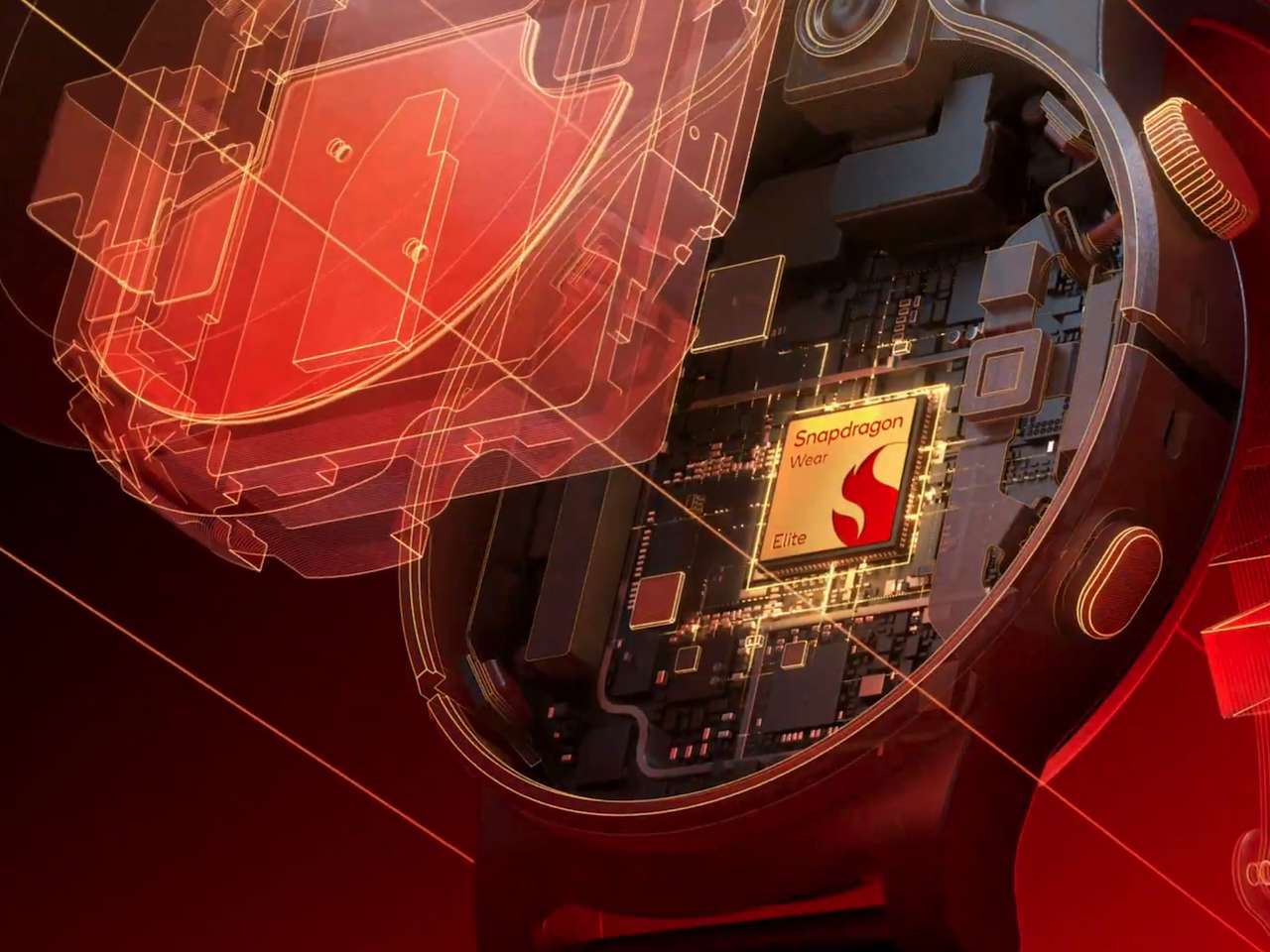
NEWS – For years, smartwatch chips felt like an afterthought. Phone processors got faster, laptop chips got smarter, and the silicon inside your wrist stayed a generation behind. At MWC 2026, Qualcomm changed that with the Snapdragon Wear Elite, and among the first brands to adopt it is one that caught people off guard: Samsung.
Samsung has used its own Exynos processors in the Galaxy Watch for as long as the line has existed. That streak just ended. InKang Song, Samsung’s Executive Vice President and Head of the Technology Strategy Team at MX Business, took the stage at Qualcomm’s press conference in Barcelona to confirm the switch. The next-generation Galaxy Watch, Song said, will become an “even more holistic wellness companion” powered by the new platform.
So what convinced Samsung to drop its own silicon for a competitor’s chip? The answer starts with three letters: NPU.
What Snapdragon Wear Elite actually brings
Qualcomm built the Snapdragon Wear Elite on the same 3nm manufacturing process Samsung already used for the Exynos W1000 in the Galaxy Watch 7, Galaxy Watch 8, and Galaxy Watch Ultra. Both chips sit on the same foundational tier, so the real difference isn’t the process. It’s what Qualcomm packed inside.
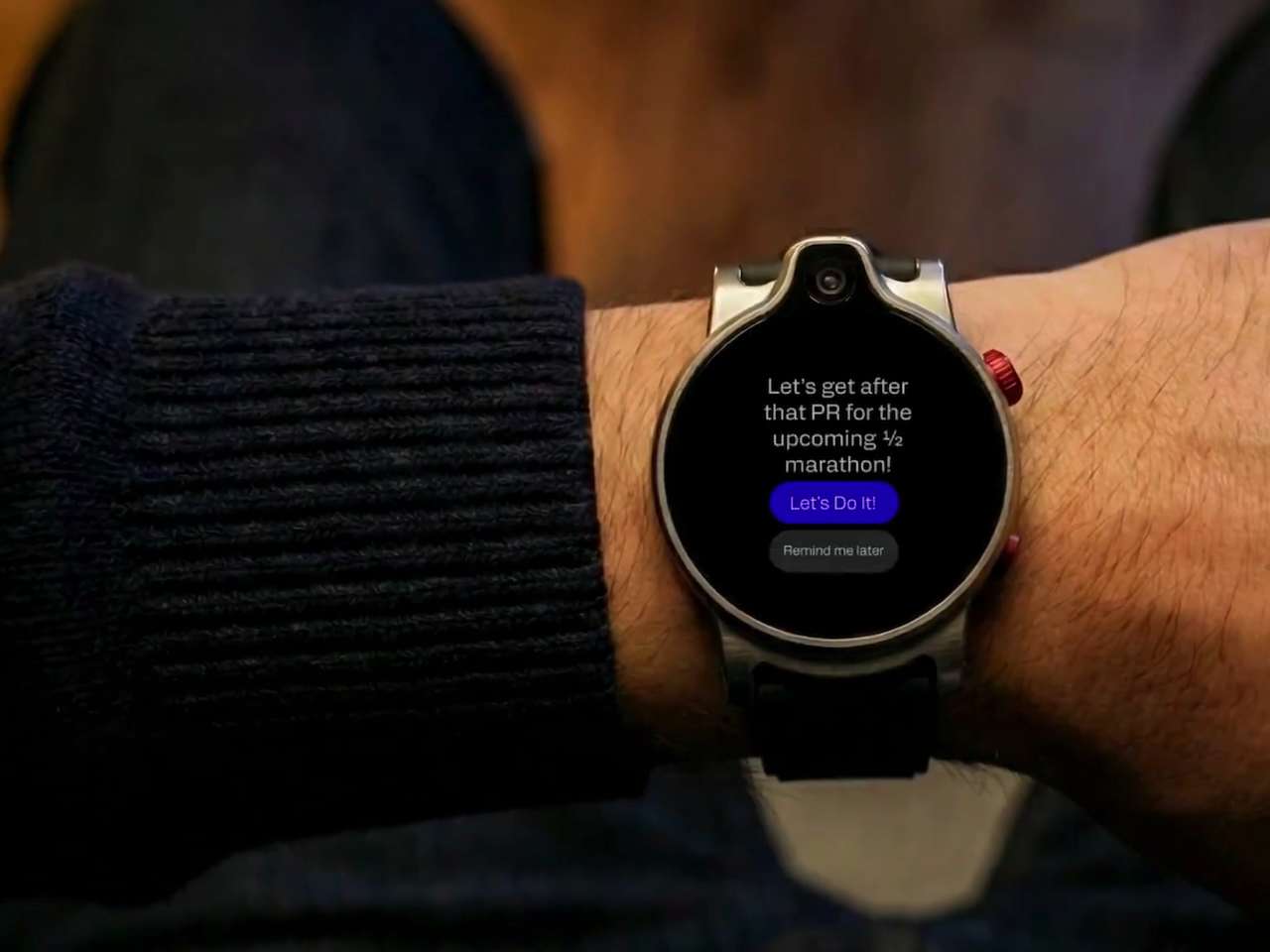
For the first time in its wearable lineup, Qualcomm split the chip into one fast core and four power-saving cores. If you’ve seen this setup in phones, you’ll recognize the idea: the fast core wakes up for heavy tasks while the smaller ones handle everything else. Compared to the previous Snapdragon W5+ Gen 2, you’re looking at five times the single-core speed and seven times the graphics performance, enough to push smooth 1080p visuals at 60 frames per second on a watch face. The whole package is also physically thinner, which matters when a millimeter can change how a watch sits on your wrist.
Battery life gets a meaningful bump too. Qualcomm says the Wear Elite stretches daily use by about 30 percent over the last generation, and its 9V fast charging can fill a typical smartwatch battery to 50 percent in roughly 10 minutes. That’s a welcome improvement for a device category where nightly charging still feels like a compromise.
The real reason Samsung switched
Samsung’s own Exynos W1000 was already built on 3nm, and its core layout looks similar on paper. The specs alone don’t tell you why Samsung made the switch. What Qualcomm brings that Samsung doesn’t have is a dedicated AI brain on the chip, called the Hexagon NPU, and that’s likely what tipped the decision.
This is the first time Qualcomm has built a full neural processing unit into a wearable chip. In plain terms, it means the watch can handle AI tasks by itself, things like turning speech into text, translating languages, writing quick replies, summarizing messages, and coaching your workouts, all without sending data to your phone or to a server. The chip can run AI models with up to two billion parameters at roughly 10 tokens per second, which is enough to make those features feel responsive on your wrist.
Sitting next to the main NPU is a smaller, always-on AI accelerator called the eNPU. Its job is the quiet background stuff: listening for wake words, figuring out whether you’re walking or running, and cleaning up noise during calls. Qualcomm calls these “low-power islands,” separate mini-processors inside the main chip that each handle one job (audio, sensors, or display) without waking the rest of the system. It’s a smarter way to split the workload, and it replaces the older co-processor design Qualcomm used in previous wearable chips.
For Samsung, which has been leaning hard into AI across its product line since the Galaxy S24 series, picking a chip that already does on-device AI well makes more sense than trying to build those same capabilities into its own wearable silicon from scratch.
Not just for watches
Qualcomm isn’t positioning the Wear Elite as a smartwatch chip alone. The platform supports a range of wearable form factors, including smart glasses, AI pendants, and camera-equipped pins. Depending on the display and camera configuration, it can serve as an alternative to Qualcomm’s existing Snapdragon AR1 and AR2 families, which is a telling signal about where the company sees wearable computing heading.
Alex Katouzian, Qualcomm’s EVP and Group General Manager of Mobile, Compute, and XR (MCX), framed it this way: these devices are “no longer simply extensions of the smartphone, but active participants in a distributed AI network.”
The life-logging potential is where things get interesting. Qualcomm envisions the Wear Elite powering devices that can recall contextual information on demand. Where you left your keys, which cafe you visited in Paris last week, what someone said during a meeting yesterday. That kind of ambient intelligence requires processing power that stays on without draining a battery in three hours, and the low-power island architecture is designed to solve exactly that problem.
Connectivity that matches the ambition
Qualcomm crammed six types of wireless connectivity into the Wear Elite: Wi-Fi 6, Bluetooth 6.0, ultra-wideband (UWB), satellite positioning (GNSS), a lightweight version of 5G called RedCap, and satellite connectivity (NB-NTN) for areas with no cell signal. That’s a lot of radios for a wrist-sized chip. UWB is the notable first here, since it lets you unlock doors or other devices just by wearing the watch nearby. The Wi-Fi radio also runs at 80 percent lower power than typical setups, so it can stay connected around the clock without wrecking battery life.

Watch makers won’t have to use every radio, though. Qualcomm plans to sell versions of the chip with different wireless options, so manufacturers can pick what they need and keep costs in check.
Who’s building with it
Google offered its own endorsement at MWC, describing Wear OS as evolving “from an operating system to an always-with-you intelligent system.” Samsung’s confirmation puts the Galaxy Watch 9 or Galaxy Watch Ultra 2 in the likely launch window, though neither company specified which model comes first. Motorola’s Project Maxwell concept, shown at CES 2026, already runs on the Wear Elite.
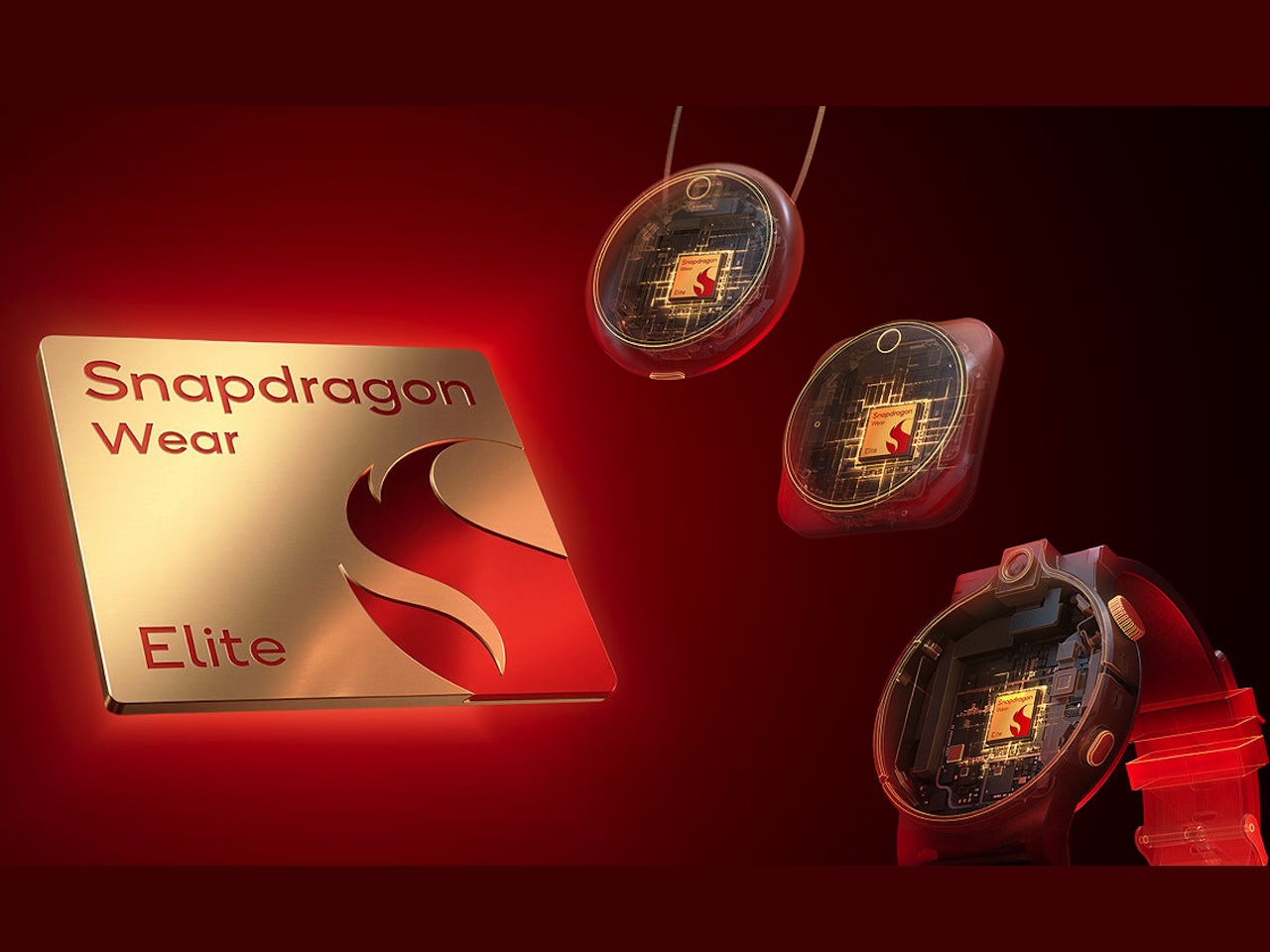
Qualcomm says the first commercial devices will arrive “in the next few months,” and the chip supports Android, Wear OS, and Linux for lighter operating systems. The Pixel Watch is conspicuously absent from official announcements, which is itself a curious omission. Google co-developed the Wear OS optimizations for this chip and spoke publicly about the platform’s AI future at the same event. The current Pixel Watch 4 runs on a custom Qualcomm chip, and with Google this deeply embedded in the Wear Elite’s software stack, the next Pixel Watch running anything else would be the real surprise.
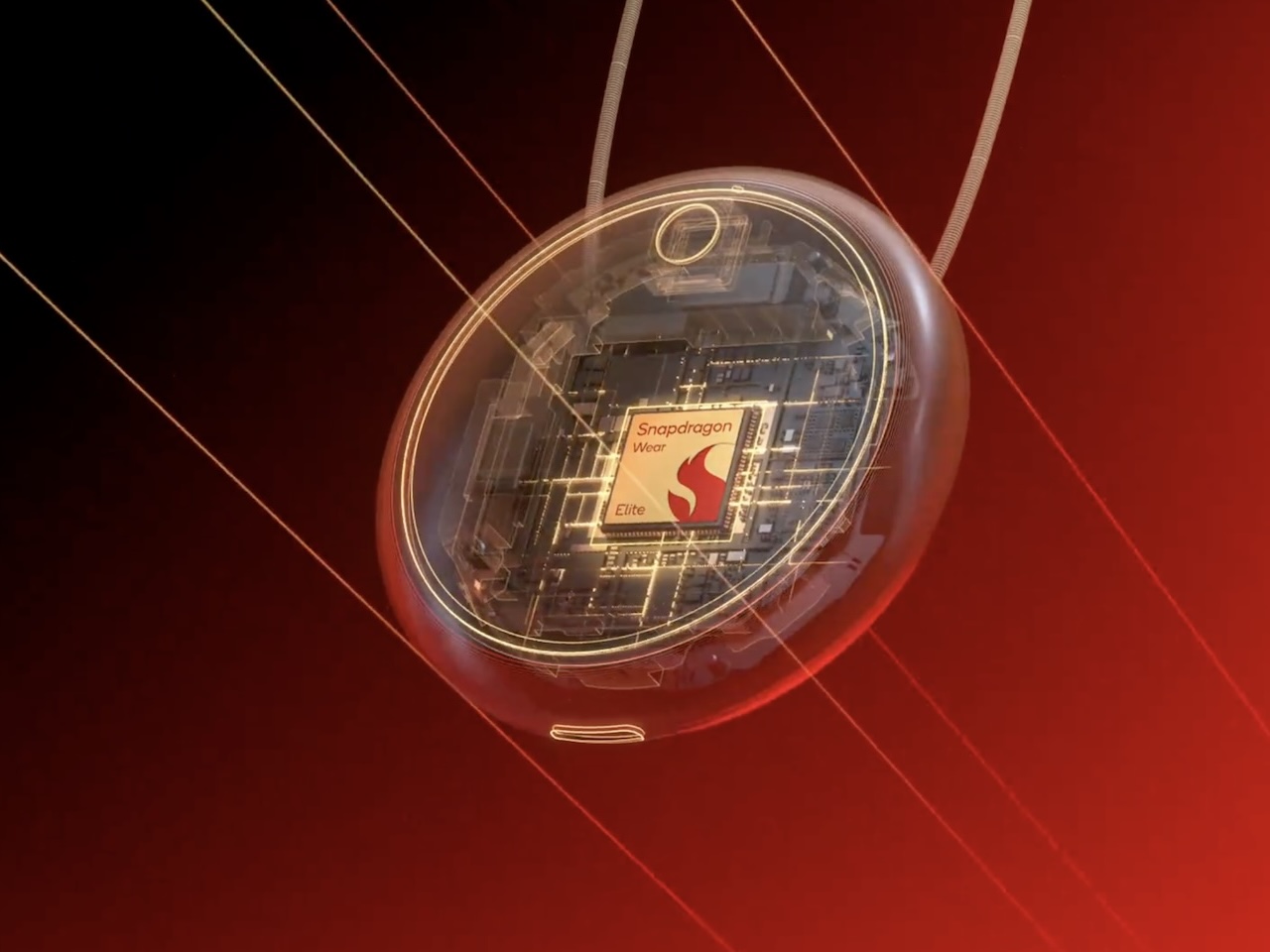
The smartwatch chip race has been quiet for a long time, with incremental bumps that rarely changed what a watch could actually do. The Snapdragon Wear Elite feels like the first real shake of the table. Whether it delivers on that promise depends on what Samsung, Google, and Motorola build around it. But for the first time, the silicon isn’t the bottleneck.

ALTSON 60 LED Portable Selfie Light Video Conference Lighting with Clip & Camera Tripod Adapter Rechargeable 2200mAh CRI 97+, 3 Light Modes for Phone iPhone Webcam Laptop Photo Makeup
(as of March 2, 2026 11:14 GMT -06:00 - More infoProduct prices and availability are accurate as of the date/time indicated and are subject to change. Any price and availability information displayed on [relevant Amazon Site(s), as applicable] at the time of purchase will apply to the purchase of this product.)
