
ARTICLE – The pet camera economy runs on guilt. You open an app, watch your dog stare at the door for eight hours, and wonder if surveillance actually helps or just quantifies the problem. Monitoring doesn’t solve loneliness, it documents it. Pet owners have spent years buying devices that let them check in, dispense treats on schedule, or hear their cat meow through a speaker. These tools provide visibility into what happens during the workday, but they don’t address the underlying issue: companion animals left alone for extended periods experience genuine emotional distress that a camera can’t fix. The market has focused on observation when what’s needed is interaction.
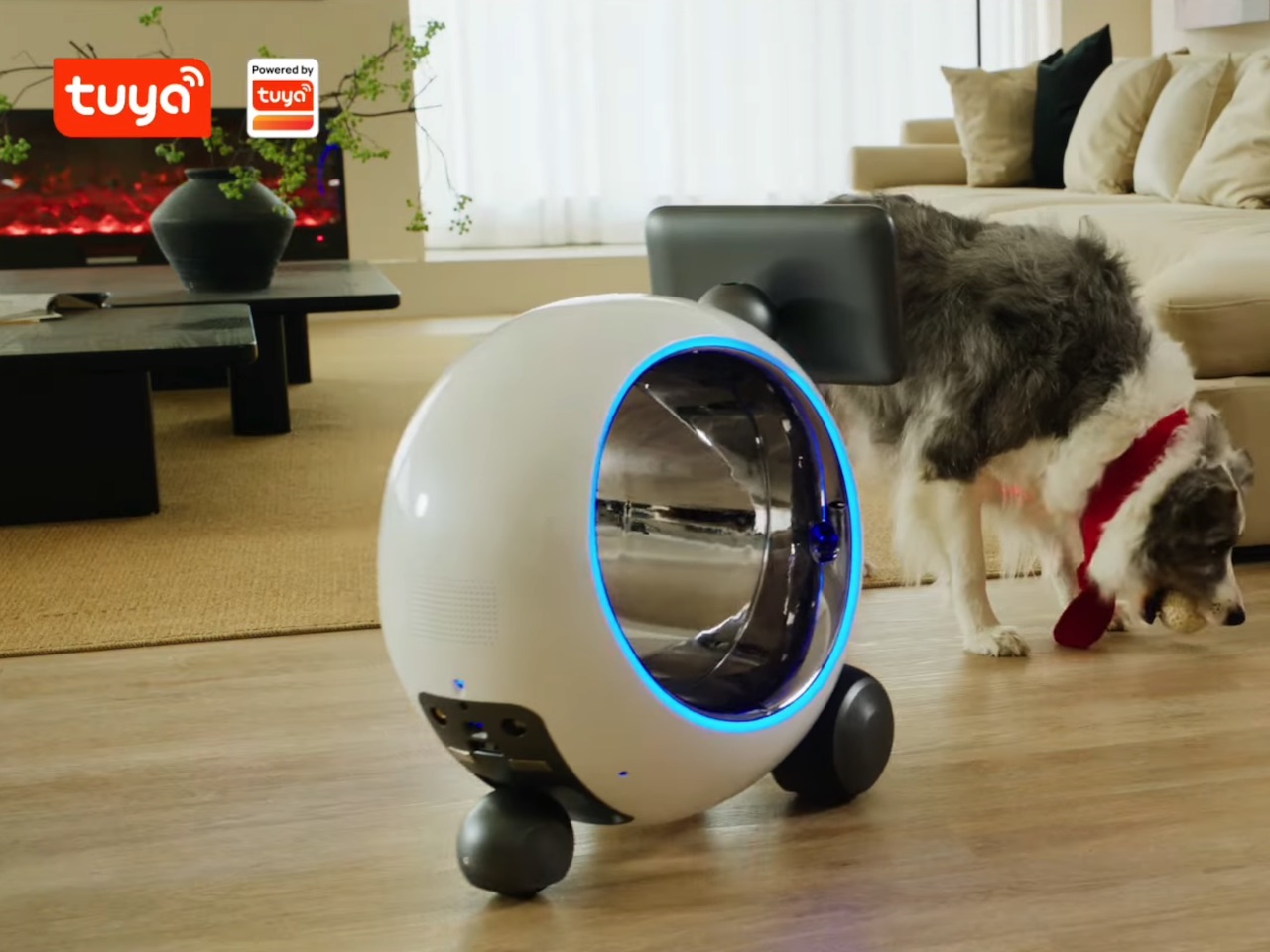
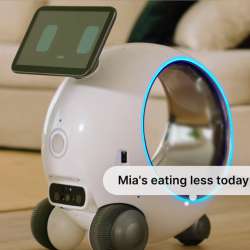
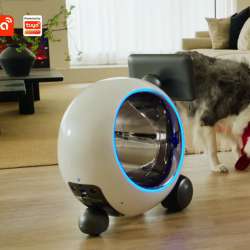
What pets need isn’t a live feed of their sadness, they need someone to play with when you’re not home. That’s the tension Tuya Smart is betting on with Aura, an AI-powered robot designed to keep animals company instead of just keeping tabs on them. The device represents a shift from passive monitoring to active companionship, moving beyond the limitations of stationary cameras and scheduled feeders toward a system that can move through your home, interpret your pet’s emotional state, and respond with appropriate engagement. It’s positioning itself as the answer to a question the pet tech industry has been circling for years: how do you actually help an animal that’s lonely, not just watch it be lonely?
The Shift to Active Companionship
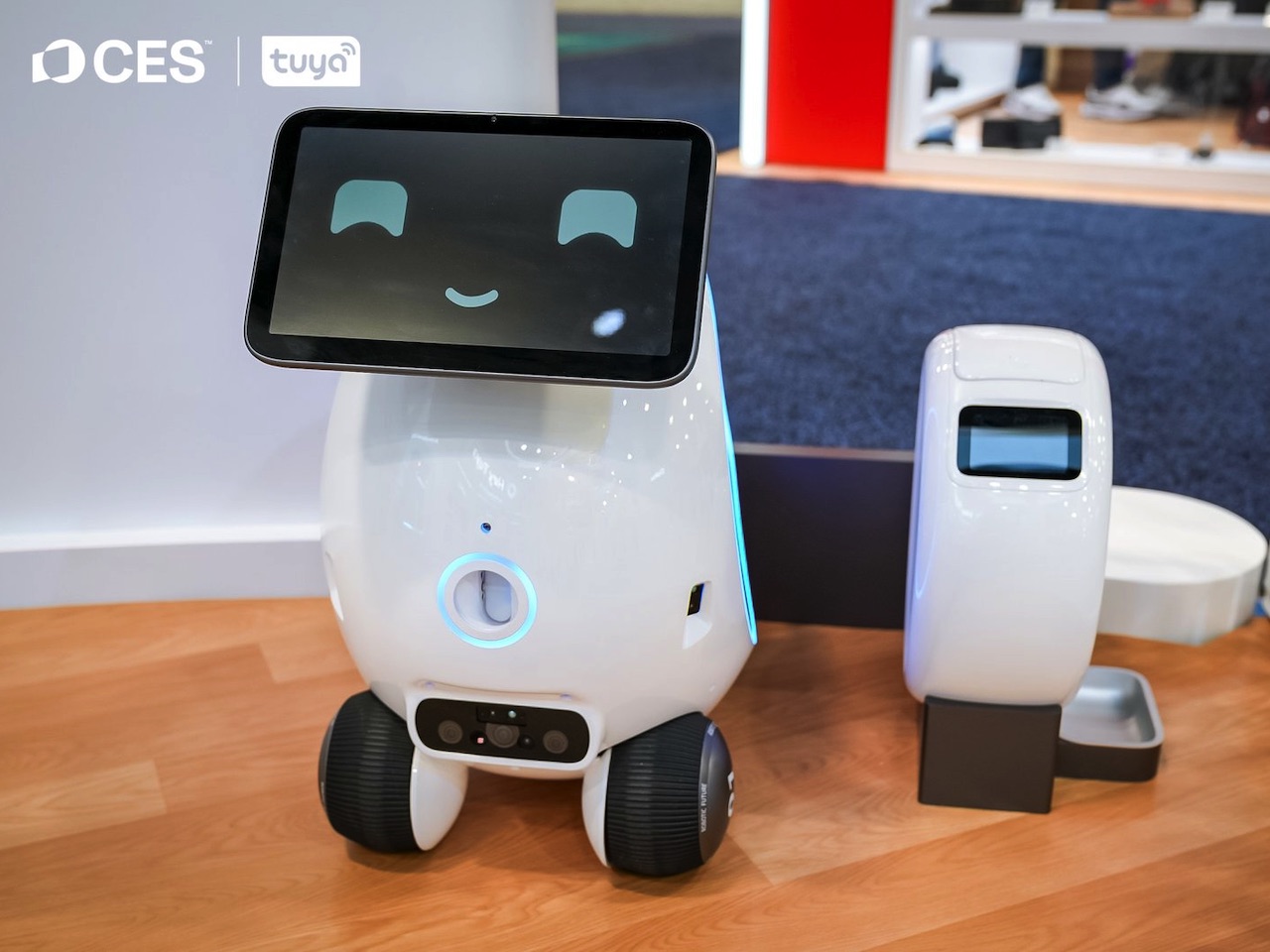
Tuya Smart unveiled Aura at CES 2026 earlier in January, entering a pet tech category that’s shifted from passive observation to active engagement. Research cited by Tuya suggests long periods alone can lead to anxiety, depression, and behavioral issues in pets, problems that traditional smart feeders and cameras can’t remedy. The existing tools document the problem without addressing it.
The robot integrates an IPC voice module, interactive feeding and play systems, autonomous mobility, and a combined feeding-and-charging dock. Multiple generative AI capabilities allow it to adapt behavior and take on different roles throughout the day, according to the company. It’s a smart move toward emotional companionship over basic utility.
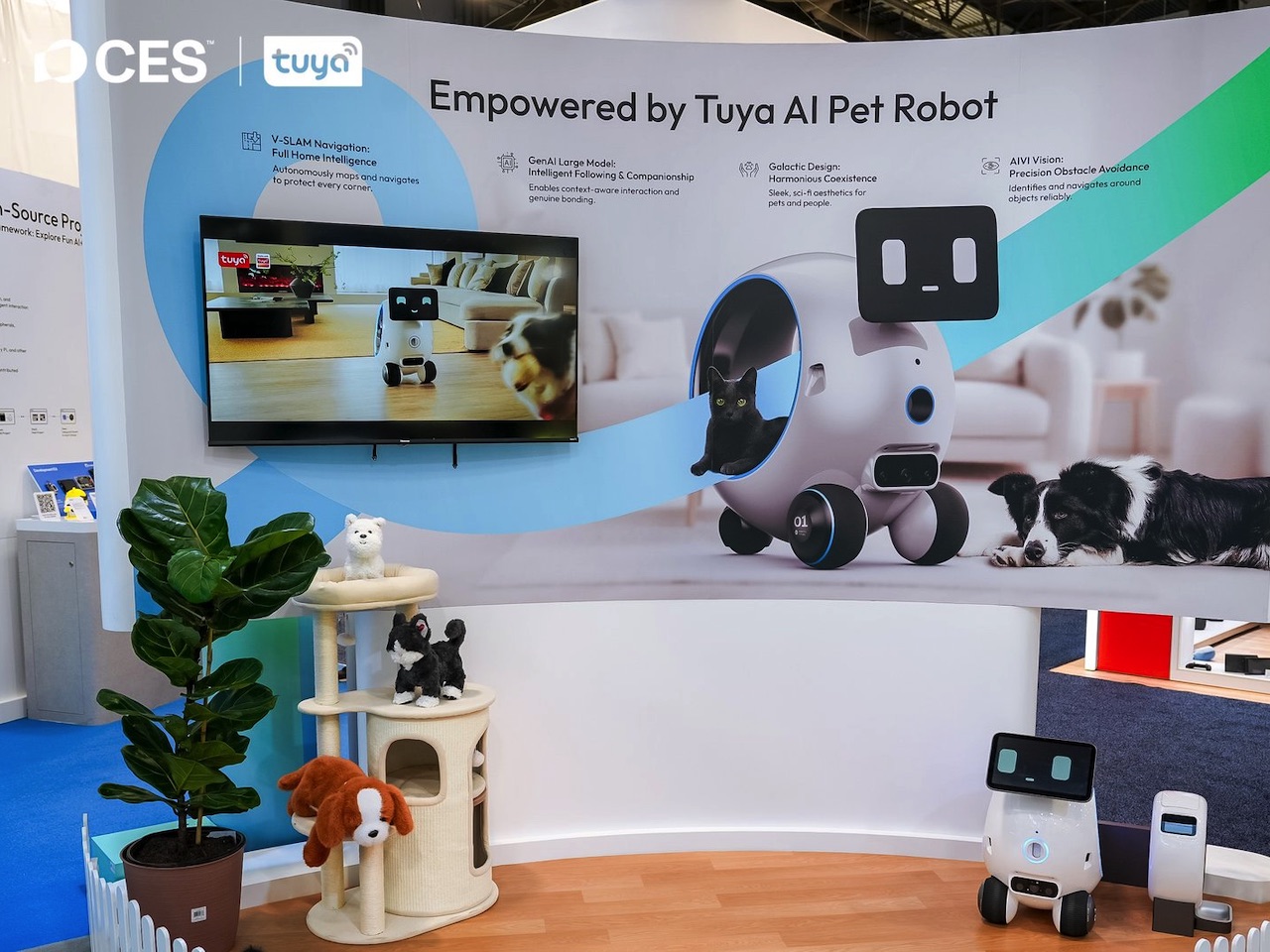
Where first-generation devices focused on scheduled feeding or two-way audio, this positions itself as an always-available companion that can interpret mood and respond with appropriate interaction. The announcement signals a new approach within the pet tech industry: emotional companionship as a feature, not an afterthought.
Traditional pet cameras offer a window into what happens while you’re away, but watching your dog wait by the door doesn’t solve the problem. Aura bets that pets need interaction, not documentation.
CES 2026 marks the public debut of this broader strategy. The pet companion is an initial use case for what the company describes as physical AI designed for daily life. Tuya’s vision extends past pet care into elder care, home monitoring, and family connectivity applications.
Reading Emotions Through Behavior and Sound
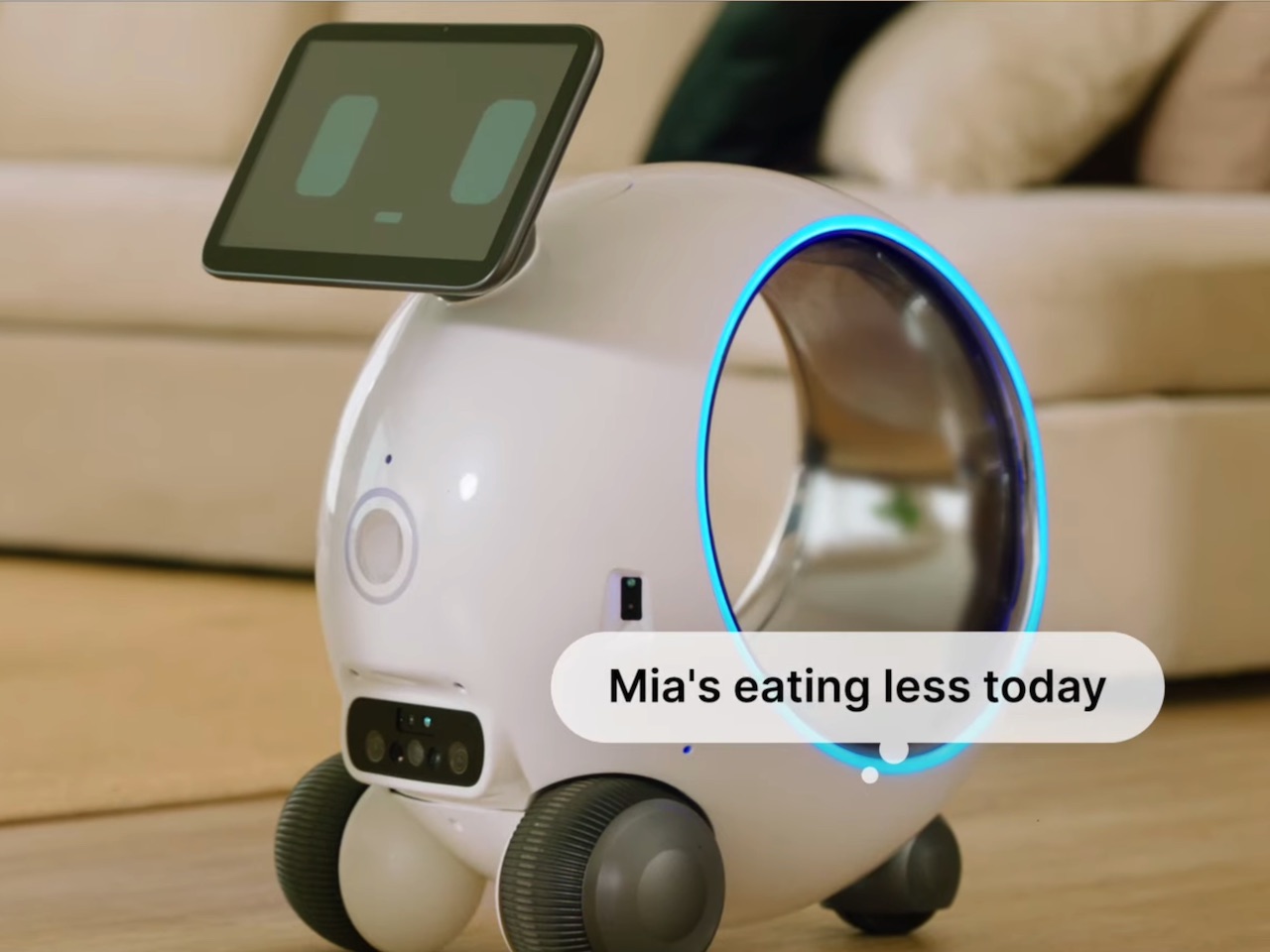
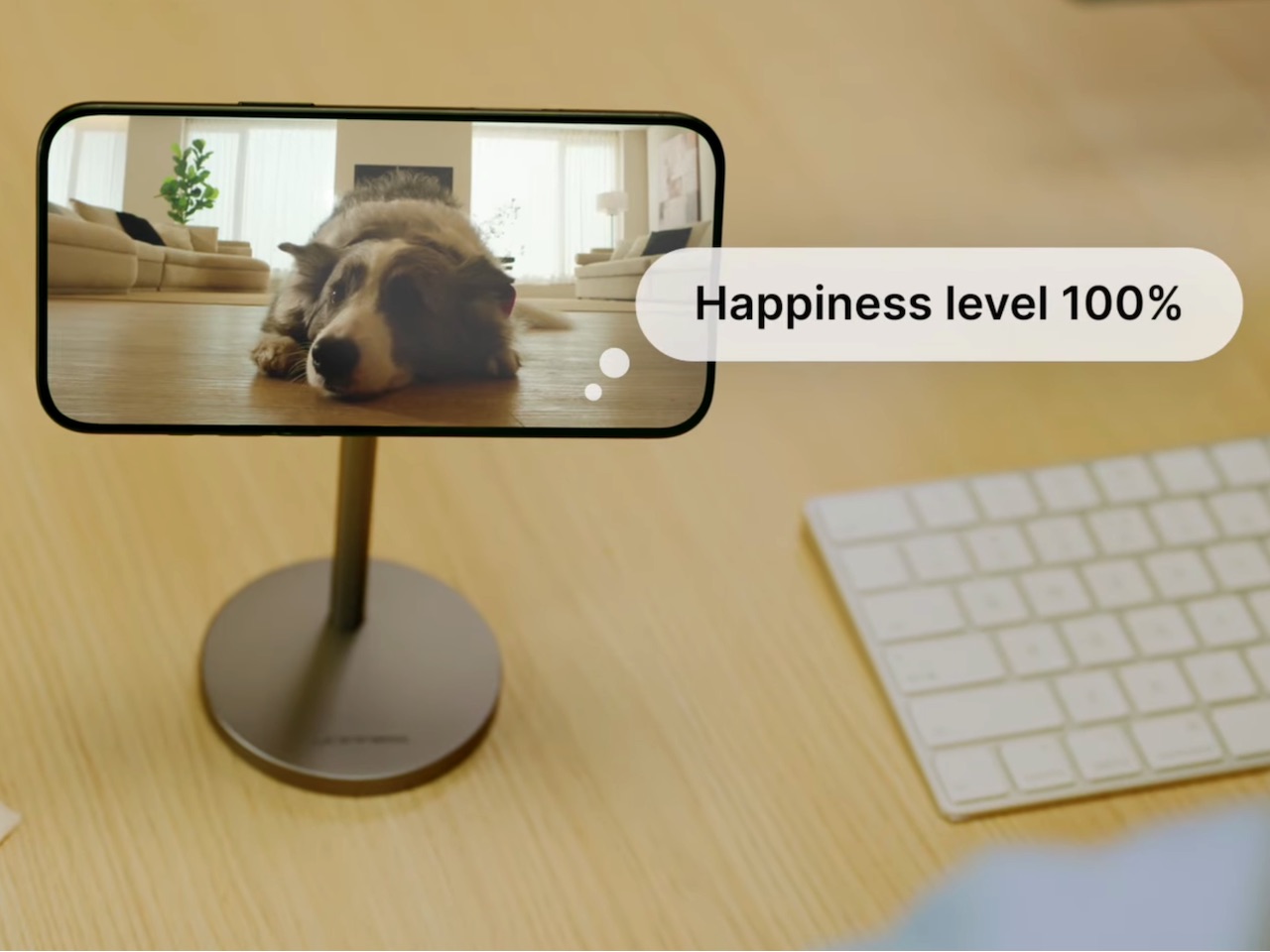
Aura uses behavior analysis and sound recognition to interpret a pet’s emotional state in real time. Whether the animal appears excited, anxious, lonely, or relaxed, the robot generates reports owners can access through their smartphones. The system translates behavioral signals that might otherwise go unnoticed into data you can act upon. It’s a welcome shift from guesswork to measurable insight. You’re left wondering whether your cat is stressed or just being difficult, with no clear way to tell the difference.
The robot turns subtle cues into actionable information. Pet owners receive real-time emotional reports via smartphone for decisions about care, attention, and veterinary consultation.
If you’ve noticed behavioral changes in your animal when left alone, this addresses that specific frustration. The emotional reporting gives data-driven insights into your pet’s wellbeing throughout the day. It’s useful for households where pets exhibit clear signs of loneliness like destructive behavior, excessive vocalization, or anxiety when owners leave.
The system doesn’t just monitor, it interprets. Rather than leaving you to decode what your pet’s pacing or whining means, Aura translates those signals into readable emotional states. That’s the value proposition: turning behavior into understanding without requiring you to become an amateur animal psychologist.
Interactive Features That Go Beyond Surveillance
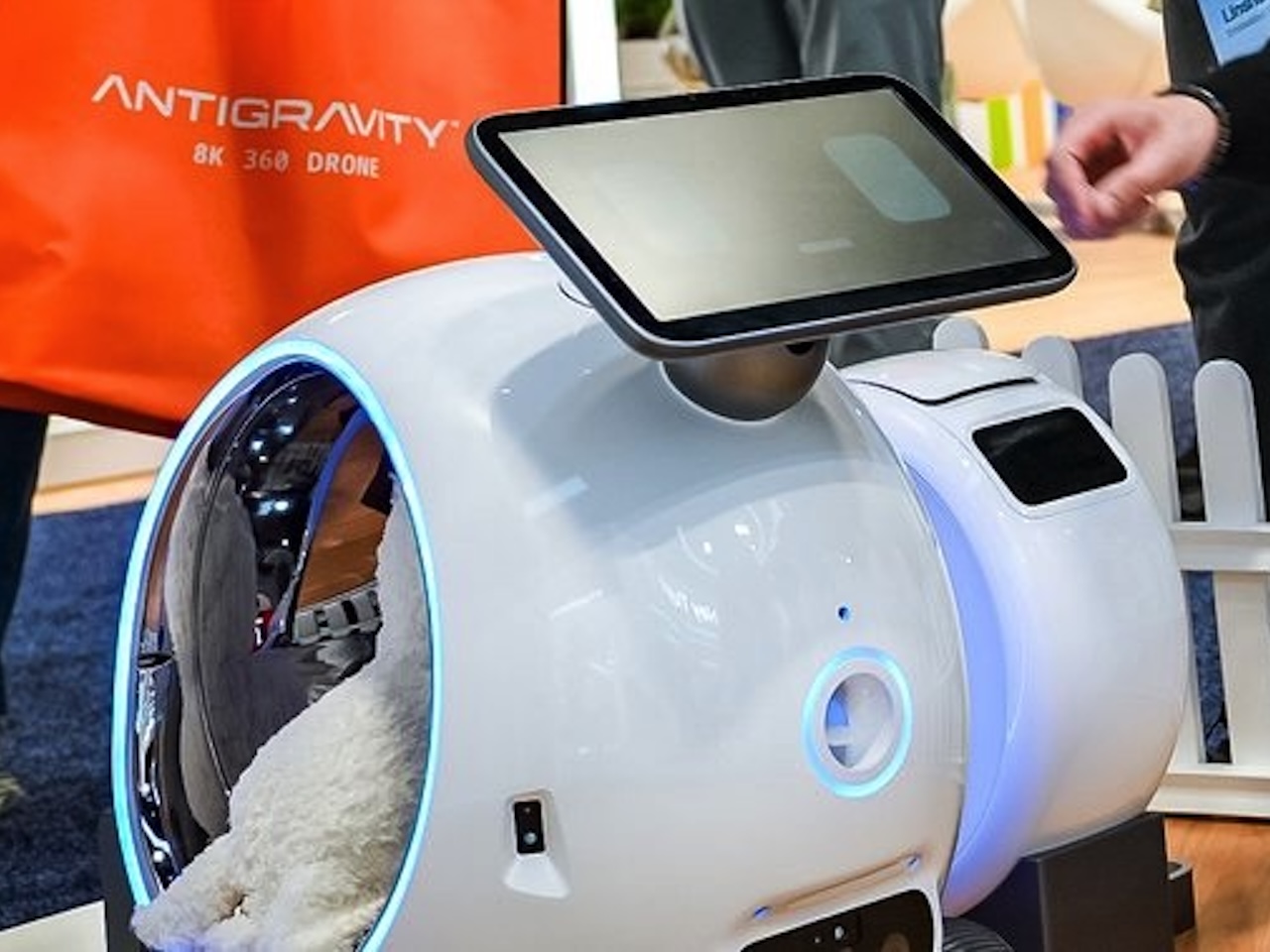
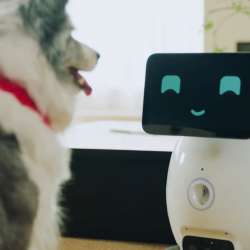
Aura includes laser play functionality, treat dispensing, simulated pet sounds, and expressive animated eyes that create facial expressions during interaction. Voice interaction capabilities allow the robot to respond to pets in ways that encourage engagement rather than passive observation. The goal, according to Tuya, is to transform the experience from interacting with a cold device to bonding with a caring companion. These features address the reality that pets need stimulation, not just sustenance. It’s a meaningful design shift. The animated eyes are a smart touch, giving the robot a face that pets can actually respond to instead of a blank camera lens. You can tell someone thought about how animals perceive objects and designed accordingly.
The system automatically captures memorable moments through AI-powered pet recognition and intelligent tracking. Photos and short videos are generated without manual intervention, documenting everything from energetic play sessions to peaceful naps. This automated photography feature preserves memories for owners while demonstrating the robot’s continuous awareness of the pet’s activities. You won’t need to sort through hours of footage to find the moment your dog finally figured out the puzzle toy. The system does the curation work for you, pulling out highlights instead of making you dig through raw surveillance feeds.
Autonomous Navigation Throughout the Home
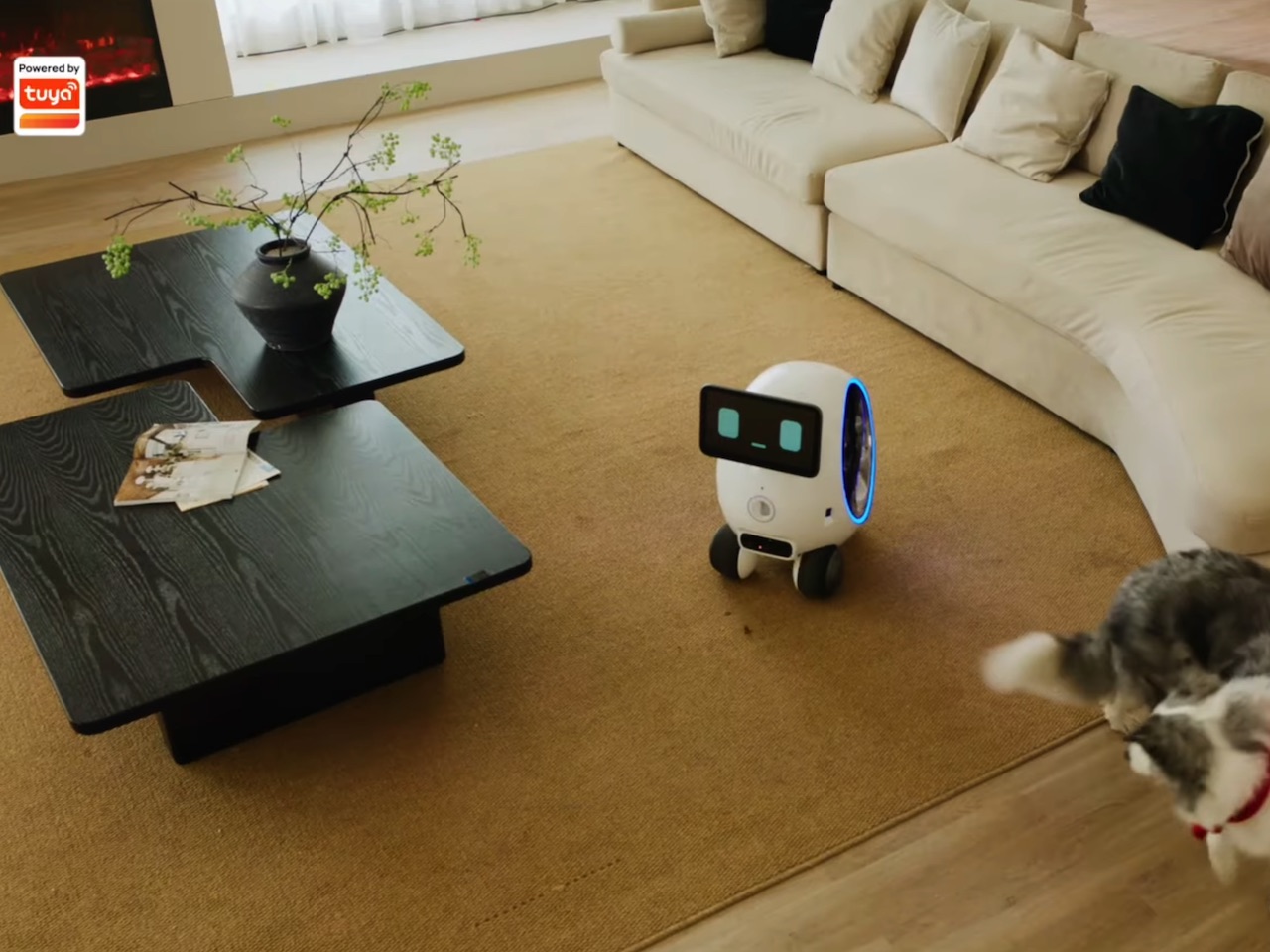
Aura uses V-SLAM navigation, binocular vision, and AIVI object recognition to move freely through indoor spaces. Instead of waiting for pets to approach, it actively seeks them out. The system maps room layouts and avoids furniture, stairs, and pet bowls. When the battery drops, it returns to its charging dock before resuming patrol. Tuya calls this uninterrupted companionship, which holds up if the navigation works in cluttered homes with unpredictable animals. The robot learns your space over time instead of hitting the same obstacles repeatedly. That’s smarter than basic avoidance.
This mobility breaks from existing pet tech, where animals must approach fixed devices. The robot navigates around furniture and through doorways to stay with your pet. Traditional cameras and feeders wait. Aura follows. That’s the shift.
Cluttered homes or multi-story layouts with complex obstacles might limit mobility. The system needs navigable floor space and clear pathways. Low furniture, tight corners, and uneven surfaces create challenges.
The proactive seeking behavior diverges from passive monitoring. Instead of your pet staring at a stationary device, the robot follows them from room to room. It’s companion behavior, not surveillance. Whether that’s comforting or unsettling depends on how you feel about robots trailing your animals through the house.
A Gateway to Broader Services
Beyond its onboard capabilities, Aura connects to Tuya’s developer ecosystem and local lifestyle service network. The platform supports integration with smart pet boarding services, health and medical care providers, behavior trainers, groomers, and community engagement platforms. Services can be accessed directly through the companion app that also delivers emotional reports and captured media.
This positions the robot as an entry point to a broader range of pet-related services rather than a standalone gadget. It’s an interesting tension. The device promises companionship for your pet but also functions as a service gateway for you. You’re getting a robot companion and a service marketplace in one package.
The service integration makes sense from a business model perspective. Tuya isn’t just selling hardware, they’re building an ecosystem where the robot becomes a hub for pet care services. Whether that feels like added value or feature creep depends on how much you want your pet robot to also be your grooming appointment scheduler.
Who Should Skip This
If your pet is perfectly content with a traditional feeding schedule and doesn’t exhibit signs of separation anxiety, Aura might be overkill. Animals that sleep through most of the day or have established routines that work well without intervention won’t benefit much from an autonomous companion robot.
Pricing and availability details haven’t been released yet, so budget-conscious buyers should wait for official retail information before deciding if the investment makes sense. If you’re looking for basic feeding automation or simple video monitoring, cheaper stationary options already exist that’ll do the job fine.
Who This Is For
Aura targets owners who work long hours and want more than passive monitoring for their pets. The emotional reporting and autonomous engagement features make sense for people who want data-driven insights into their pet’s wellbeing combined with active companionship. Early adopters interested in AI-powered home robotics will find this appealing as a first entry point into physical AI systems designed for everyday life.
If guilt over extended absences has you considering more interactive solutions, this robot addresses that specific frustration. It’s also designed for households where pets exhibit clear signs of loneliness when left alone. The combination of emotional intelligence, mobility, and interactive play creates a system that goes well beyond what traditional pet cameras offer.
The service integration adds another layer for people who want centralized pet care management. If you’re the type who appreciates having vet appointments, grooming bookings, and behavioral training all accessible through one app, the ecosystem approach will resonate. It’s positioning itself as comprehensive pet care infrastructure, not just a smart toy.




Gerber Gear 22-47162N Fast Draw Folding Assisted Opening Pocket Knife, Fine Edge, Black
(as of March 14, 2026 18:26 GMT -05:00 - More infoProduct prices and availability are accurate as of the date/time indicated and are subject to change. Any price and availability information displayed on [relevant Amazon Site(s), as applicable] at the time of purchase will apply to the purchase of this product.)
