
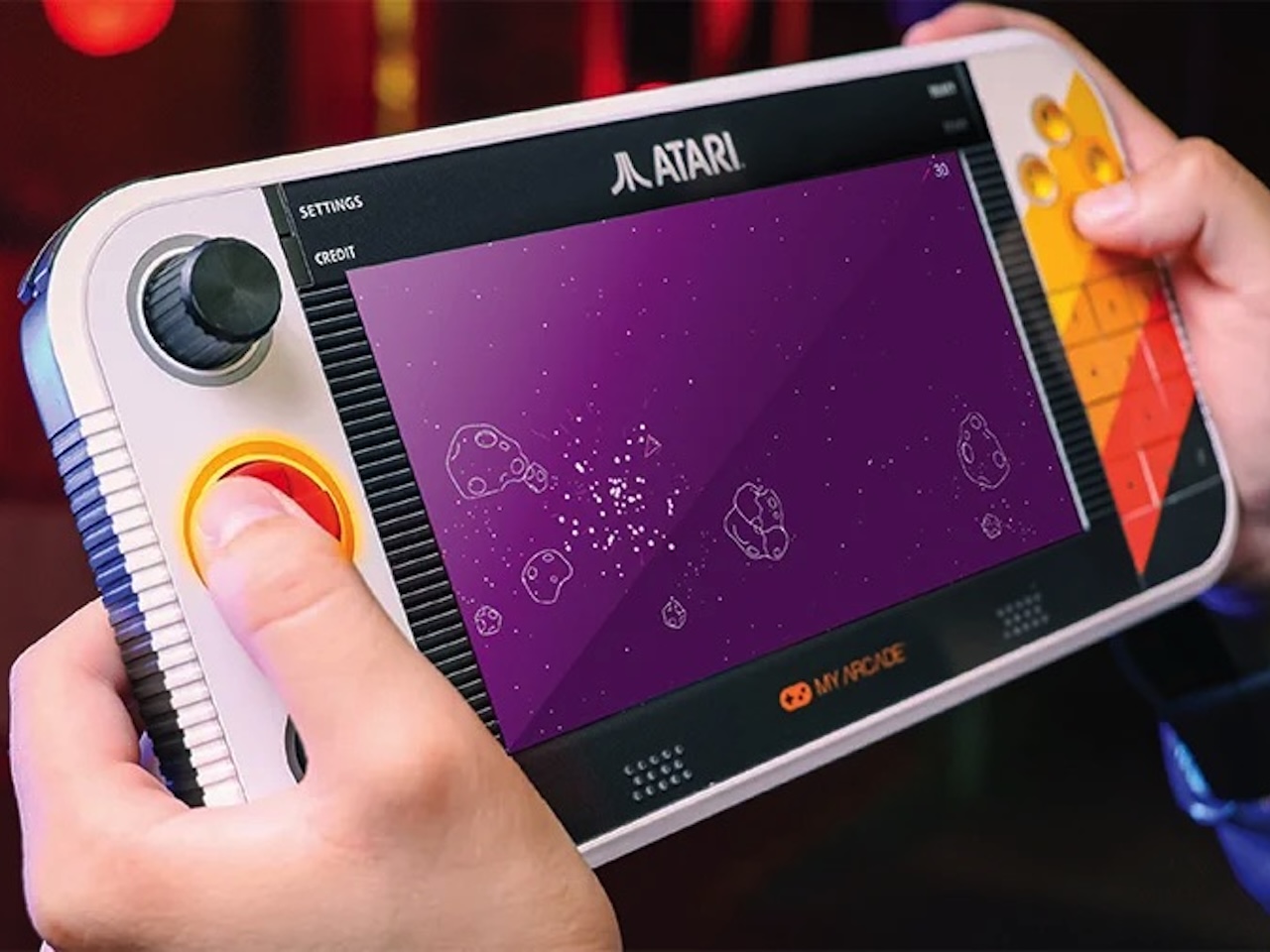
ARTICLE – Retro gaming hardware typically asks players to adapt. One button layout covers thirty years of design, and you adjust your expectations to match what the hardware can approximate. The Gamestation Go from My Arcade reverses that arrangement by building multiple control methods into a single device and letting each game select what it was originally designed around. That shift changes how faithfully the library plays, and the difference shows up immediately once you compare a trak-ball in Missile Command to an analog stick attempting the same job.
Price: $179.99
Where to Buy: Atari
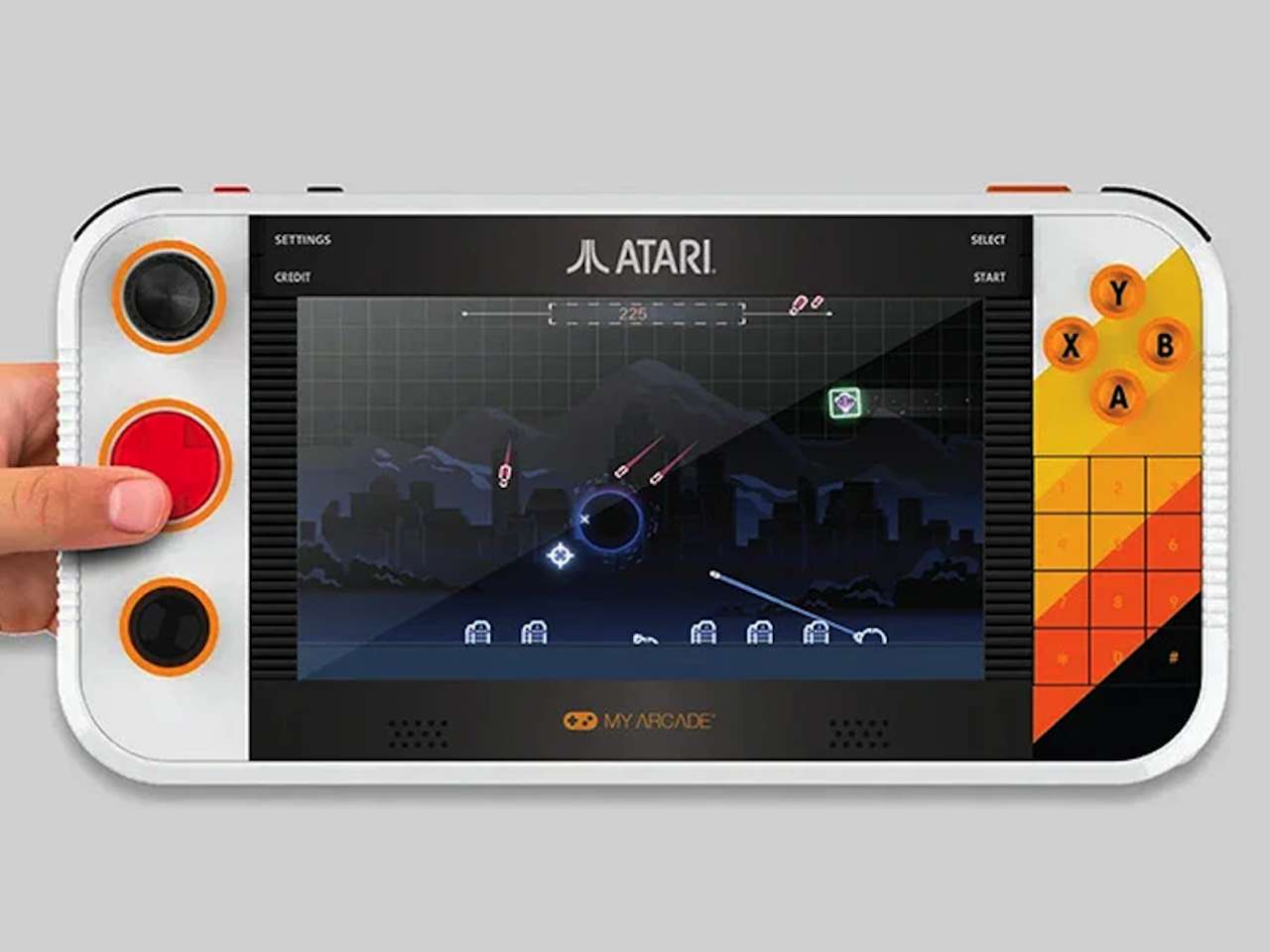
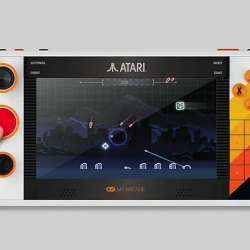
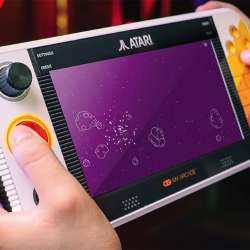
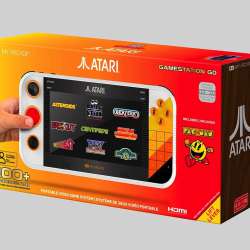
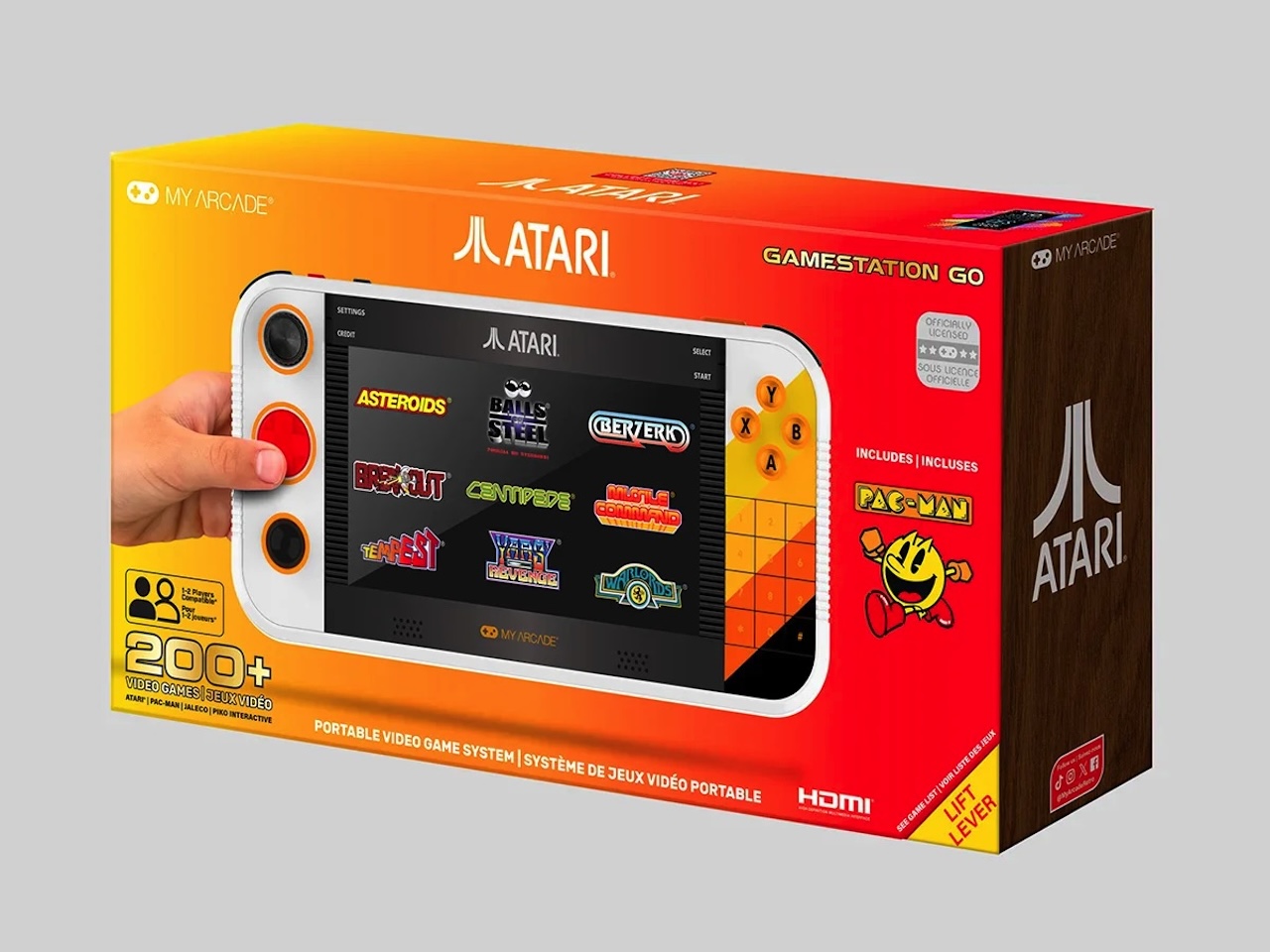
The device costs $179.99 and ships with over 200 games spanning Atari’s 2600, 5200, 7800, and arcade catalogs, plus modernized Recharged titles and third-party additions from Namco, Jaleco, and PIKO Interactive. WiFi updates handle firmware, HDMI connects to TVs, and battery life sits around four to five hours depending on settings. It’s larger than a Switch, closer to a small tablet in size, which makes sense once you see the control layout. The front panel includes a paddle controller, trak-ball, D-pad, action buttons, and numeric keypad, all integrated into the same surface without feeling cramped or compromised. That’s not something you can fit into a pocket device, and My Arcade didn’t try. This is built for deliberate sessions at home, where input accuracy matters more than portability.
Control Methods That Match Original Design Intent
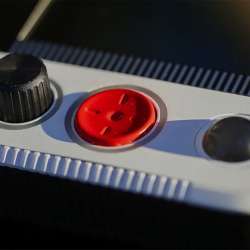
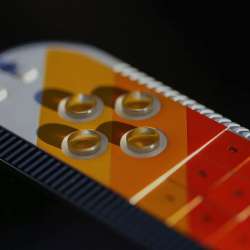
The paddle delivers smooth analog resistance without dead zones. The trak-ball responds to directional flicks with minimal lag, and the keypad offers tactile clicks that confirm each press. Each control sits flush with the surface and feels purpose-built rather than decorative, which matters when you’re moving between games that expect different input types.
The system highlights which control to use automatically based on the game running, so there’s no guessing or menu navigation required. Moving from Centipede to Breakout to Combat shifts the active control zone without asking you to reconfigure anything. The SmartGlow feature lights up the relevant section of the panel to guide you, which sounds like a cosmetic touch but ends up being genuinely useful. It removes friction and keeps the focus on playing instead of setup. The hardware does the adaptation work instead of asking you to translate thirty-year-old control schemes through modern thumbsticks. That shift changes the experience more than you’d expect from what looks like a simple lighting feature.
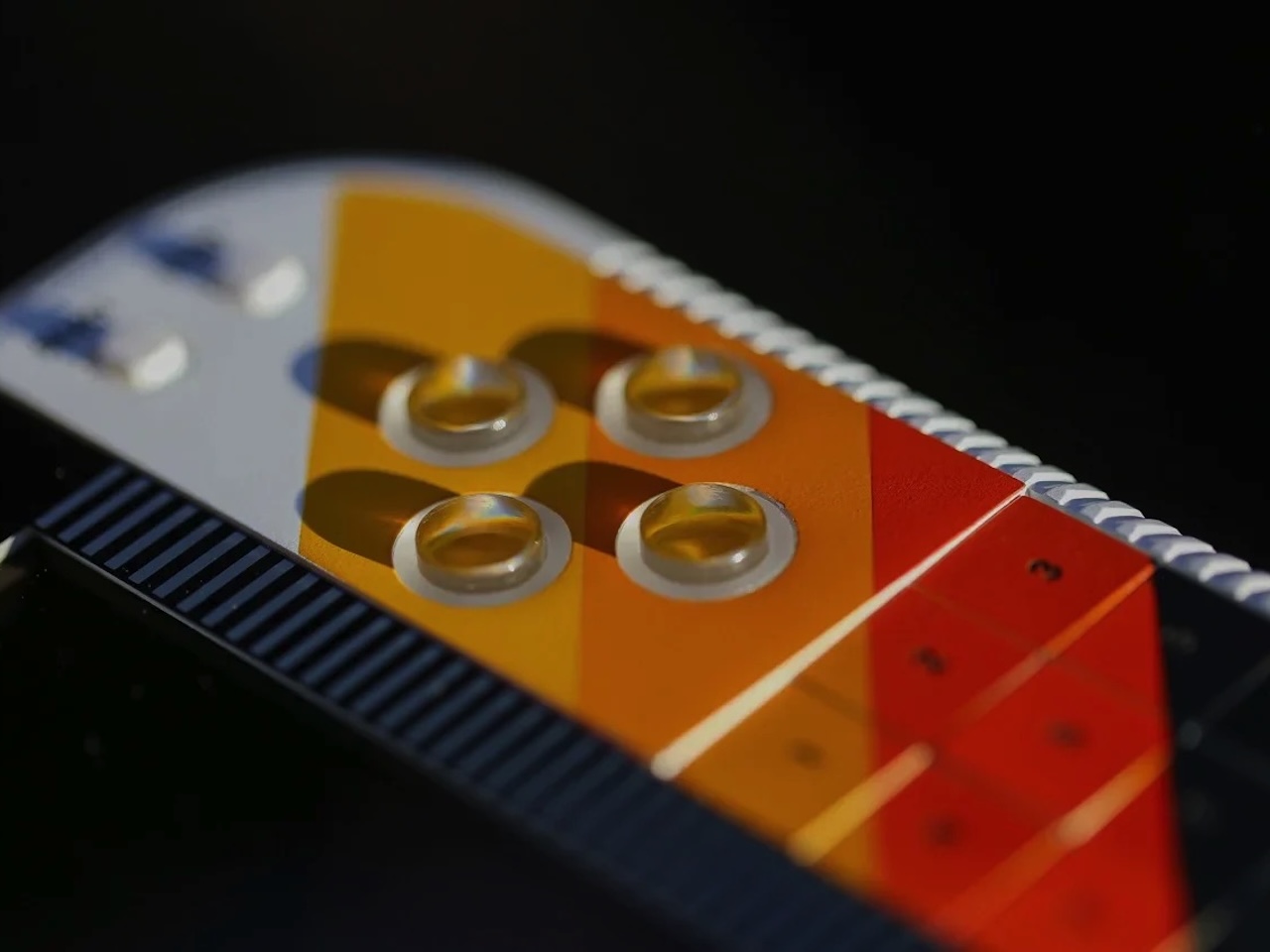
Most retro compilations force paddle games onto D-pads and trak-ball games onto analog sticks, then call it close enough. This respects the input method each game was built around, and that respect changes how authentic they feel to play. Including a trak-ball at all is unusual. They’re harder to manufacture than thumbsticks, harder to calibrate, and expensive to get right, but My Arcade included one here and tuned it well enough that Missile Command and Centipede feel like the arcade versions instead of approximations. The difference is immediately obvious if you’ve played these games on other hardware.
The size trade is obvious, though. The mix of control surfaces makes the device too large for a jacket pocket or comfortable use on crowded transit, so it’s designed for home sessions where you’re sitting down and paying attention rather than filling time between stops. Build quality supports that intent: materials feel solid, controls sit flush without rattling, and the layout suggests deliberate engineering choices rather than cost-cutting compromises. If you’ve spent years playing Missile Command with an analog stick and then try it with a real trak-ball, the difference is immediately clear, and that clarity justifies the size for anyone who prioritizes input fidelity over portability. The keypad handles games like Star Raiders that originally shipped with overlays and complex control schemes, making those titles playable in ways they haven’t been on most modern hardware without external accessories or remapping workarounds.
Game Catalog With Realistic Expectations
The library spans decades without pretending all 200+ titles carry equal weight, which is fine because nobody expects every Atari 2600 game to hold up as a classic. Adventure, Yars’ Revenge, and Combat sit alongside deeper cuts most players won’t recognize, and the 5200 and 7800 selections are smaller but include standouts like Ballblazer and Food Fight. Arcade games bring the most immediate appeal with Asteroids, Tempest, and Crystal Castles, while third-party additions from Namco include multiple PAC-MAN variants with speed modes that shift pacing, Jaleco contributed Bases Loaded and City Connection, and PIKO Interactive brought Jim Power along with regional curiosities that feel more like historical footnotes than nostalgia plays.
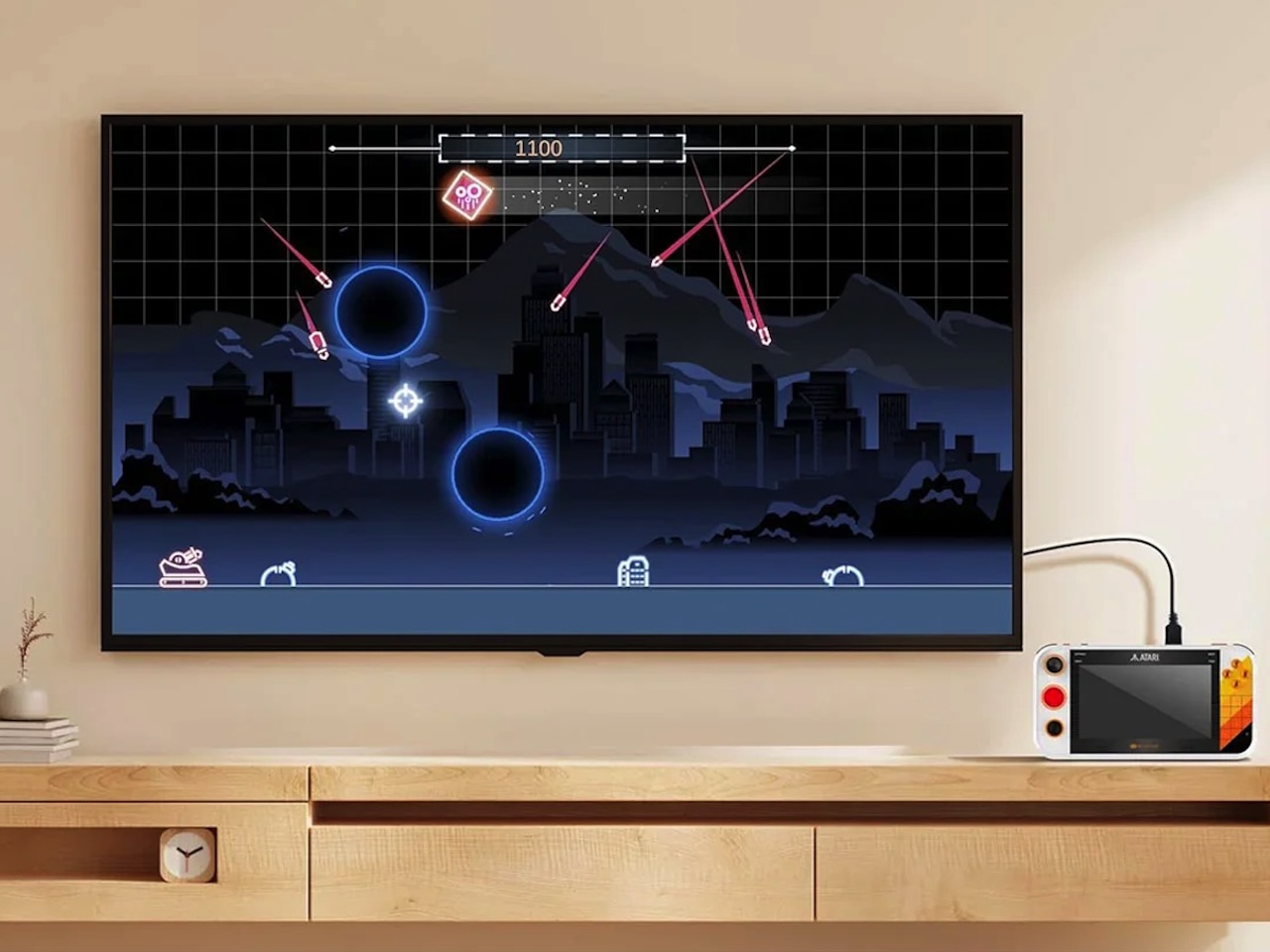
The Recharged series adds modern rebuilt versions of classic arcade games with updated visuals, new mechanics, and cooperative modes. Five titles appear here (Asteroids, Berzerk, Breakout, Centipede, Missile Command) sitting alongside the originals so you can compare how much the remakes change the core loop. Some players will prefer pixel-perfect originals, others will appreciate the additional challenge modes and polish, but having both options removes the need to pick one approach, and it signals Atari isn’t treating this strictly as a nostalgia box. Balls of Steel also makes its first appearance on a My Arcade device, a late-90s pinball sim with multiple tables and physics that hold up better than expected.
Hardware Details That Support Extended Play
The 7-inch screen runs at a higher resolution than most retro handhelds at this price. Colors saturate without bleeding. Blacks hold depth. Pixel art renders cleanly without aggressive smoothing. You can toggle scanlines or aspect ratios, but the defaults work well enough that most players won’t adjust them. WiFi updates let Atari add games, fix bugs, or tweak controls after launch. My Arcade’s previous handhelds have received multiple firmware updates post-launch. Early Gamestation Go buyers are already seeing patches for minor input lag on specific titles. The responsiveness matters for fast arcade games, and it’s good to see active support rather than a launch-and-forget approach.
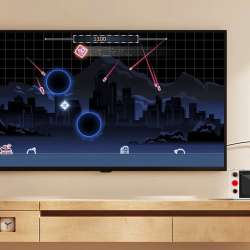
Battery performance lands in the four-to-five-hour range depending on brightness and audio settings, competitive with other handhelds at this size though it won’t survive a cross-country flight without recharging. USB-C charging means no proprietary cables or hunting for adapters. The device supports pass-through power for playing while plugged in. The HDMI output sends clean video to TVs. External controller support enables multiplayer sessions for games that allow it. The hardware doubles as a mini console when docked, which adds utility beyond solo handheld play. That flexibility makes the larger size feel less limiting since it serves multiple use cases.
A pop-out kickstand on the back props the unit on flat surfaces and works better than expected for longer sessions when holding it becomes tiring. The included accessories cover everything needed to start playing immediately: HDMI cable, USB charging cable, and power adapter all ship in the box. Customer reviews on the official site average above four stars across over 200 ratings. Most praise goes to SmartGlow and the trak-ball. Complaints focus on wanting more 7800 titles or Atari Lynx games that didn’t make the cut. Reception among retro gaming communities has been cautiously positive, with the control variety earning respect but the lack of expandable storage or custom ROM support keeping enthusiasts from pushing the hardware further. The first production run sold out, though it’s unclear if that signals strong demand or conservative initial manufacturing, and restocks are happening in waves rather than continuous availability.
Who Should Consider This
This works best for people who care about how retro games feel to play more than exhaustive library size or portability. If you’ve been frustrated by compilations that force paddle games onto D-pads or trak-ball games onto analog sticks, the Gamestation Go solves that problem directly.
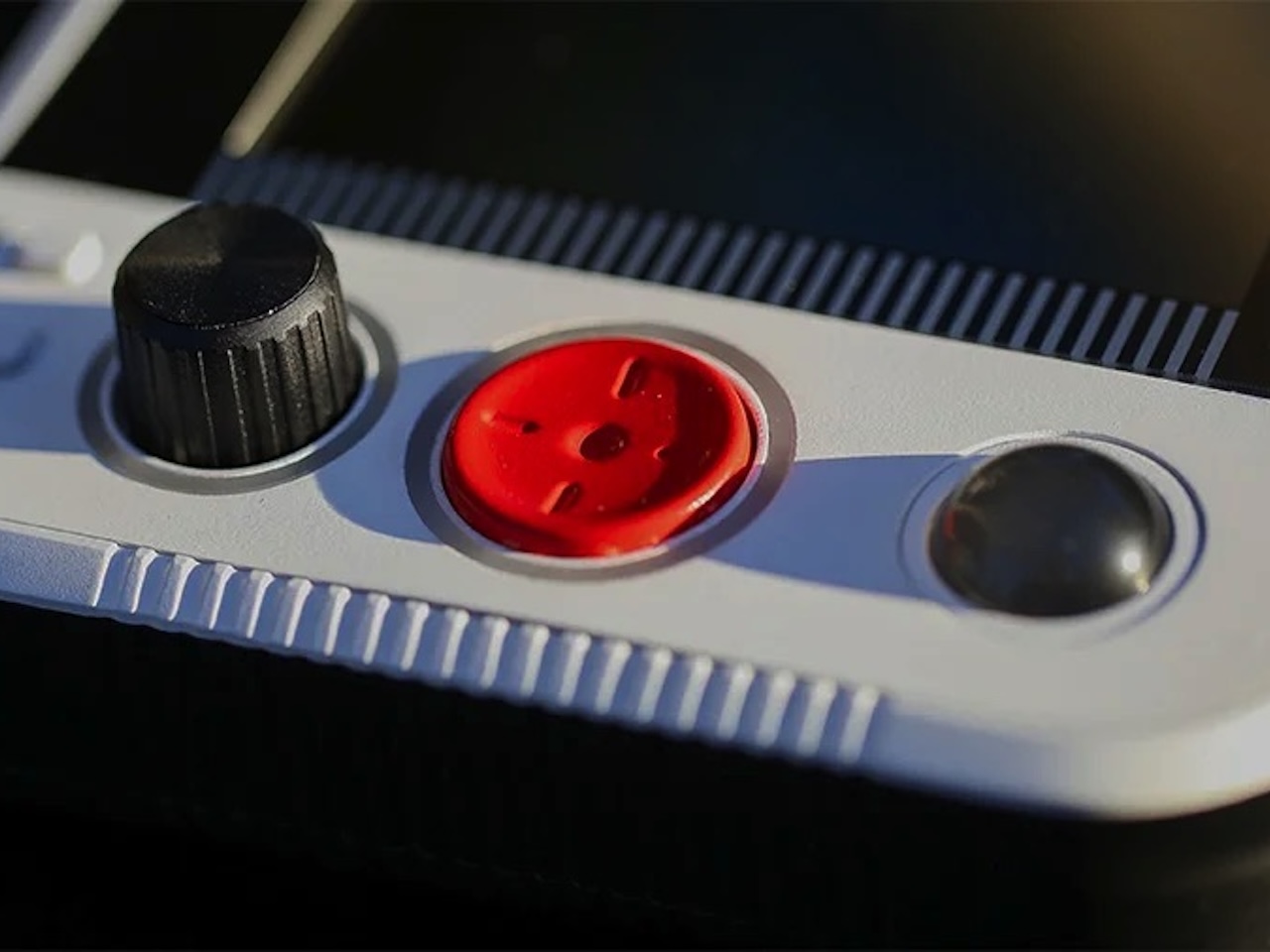
Collectors will appreciate the physical design and included accessories, plus the fact it doubles as a mini console for multiplayer sessions on a TV. The SmartGlow system and authentic trak-ball show attention to detail that goes beyond typical nostalgia hardware, and the curated game selection means you’re getting licensed, working versions of classics without dealing with ROM legality questions or compatibility issues.
Skip this if you need portability. The size makes travel awkward beyond room-to-room use. It won’t work comfortably on crowded transit. Brief intervals between other activities aren’t what this hardware was designed for. The input fidelity is the entire point of the device, and everything else follows from that priority, including the larger form factor.
Also skip this if you want open customization. The closed ecosystem blocks personal ROM collections, interface modifications, or emulation tweaks. It’s built for plug-and-play sessions rather than tinkering projects. Enthusiasts looking for that level of control have better options elsewhere.
Price: $179.99
Where to Buy: Atari
The trade is straightforward: you sacrifice portability and flexibility for authentic input and solid build quality. If that aligns with how you play retro games, this delivers better than most alternatives at this price. If not, something else will serve you better, and that’s fine. This device knows what it is and doesn’t pretend otherwise.

Hasbro Gaming Candy Land Kingdom of Sweet Adventures Board Game for Kids, Easter Gifts for Boys and Girls, Ages 3 & Up (Amazon Exclusive)
(as of March 15, 2026 11:54 GMT -05:00 - More infoProduct prices and availability are accurate as of the date/time indicated and are subject to change. Any price and availability information displayed on [relevant Amazon Site(s), as applicable] at the time of purchase will apply to the purchase of this product.)
