
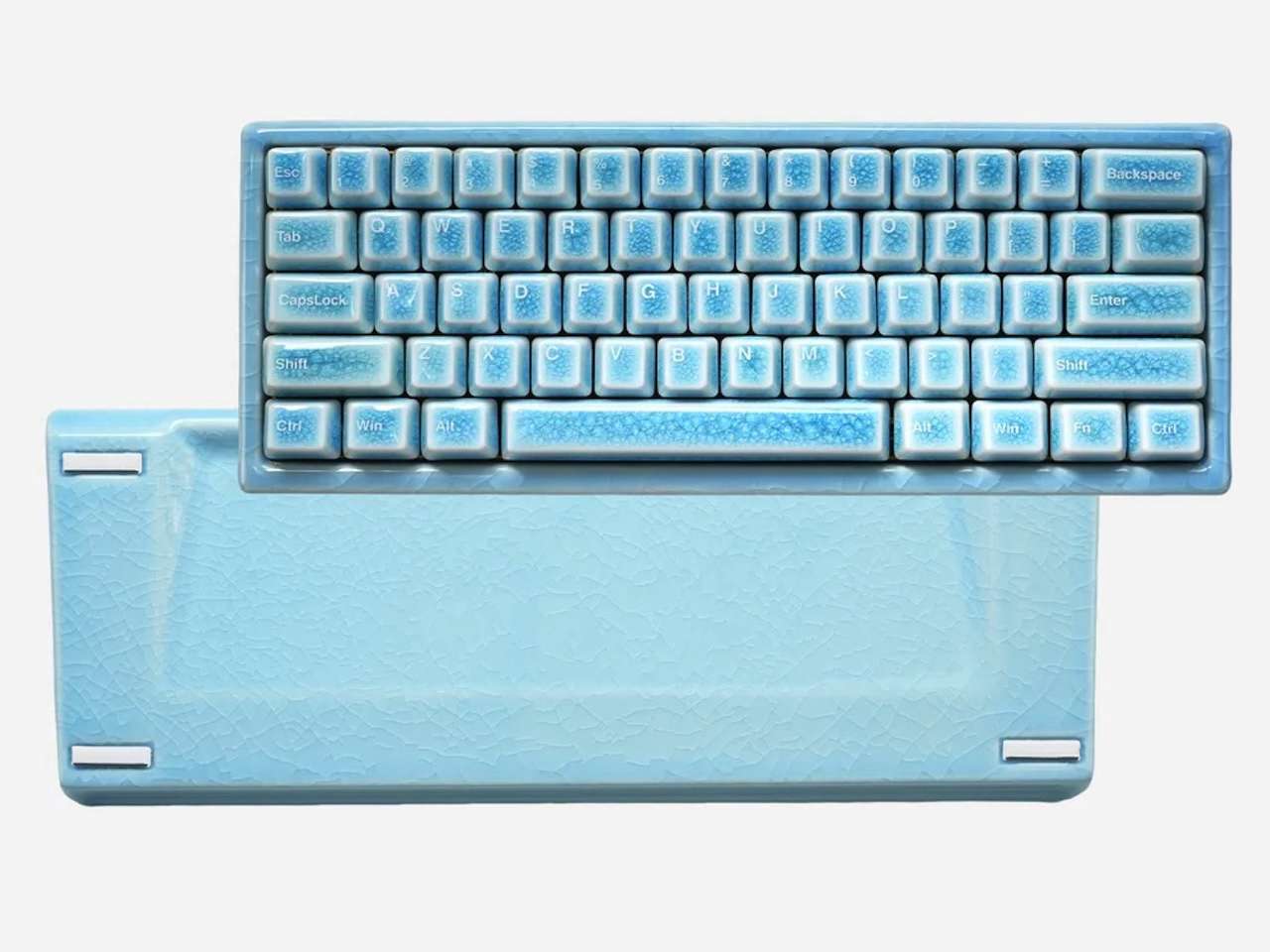
ARTICLE – Most keyboard enthusiasts accept a simple reality: premium materials cost premium money. Aluminum is the accessible luxury, plastic is the practical default, and anything exotic lives in group-buy territory or custom commission waiting lists. Ceramic cases have always belonged to that last category, positioned as artisan objects rather than products you can just order. So the real question is: how is Cerakey selling kiln-fired ceramic keyboard housings for over $100 when similar projects have historically started at triple that price?
Price: $107 (White) / $134 (White Crazed Glaze)
Where to Buy: Cerakey
The Peak60 challenges the material hierarchy that’s governed mechanical keyboards for years. It’s not a complete board. It’s an aftermarket case designed around the GH60 mounting standard, which means it accepts PCBs from popular boards like the Wooting 60HE, Gateron GT60 Pro+, and Geon Venom 60 HE. You’re swapping housings, not rebuilding from scratch, which lowers both the cost and the commitment. That compatibility matters because ceramic cases have typically required you to plan an entire build around them. Cerakey is treating ceramic as a material upgrade rather than a lifestyle statement.
Manufacturing Approach
Cerakey is using traditional pottery techniques for the Peak60, a choice that sets it apart from other ceramic keyboard projects entering the market. The company opted for kiln-firing methods that involve glazes and controlled heat cycles, which means each case shows subtle surface variations. This method produces the kind of character you see in handcrafted ceramics: slight color shifts, minor texture differences, and unique glaze patterns.
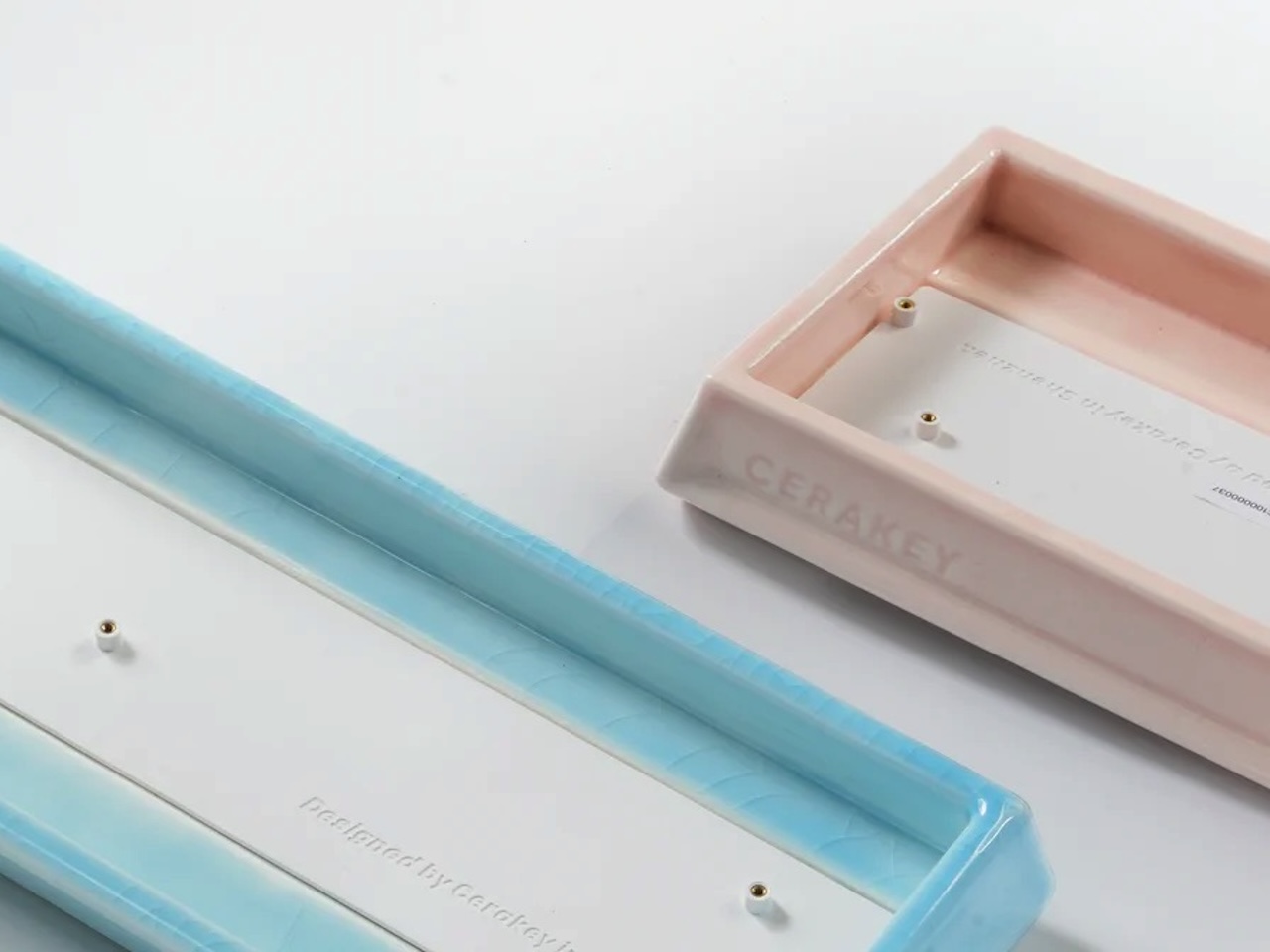
The construction follows a tray-mount design. Brass inserts are embedded into the ceramic to provide secure mounting points for PCB screws, and Cerakey bundles a poron foam sheet to dampen sound between the board and the housing. At 760 grams, the case sits heavier than plastic alternatives but lighter than full aluminum builds. The front height measures 22mm. The ceramic material offers different acoustic properties than metal or plastic, dampening higher frequencies for a deeper sound signature without the hollow resonance that some plastic cases produce.
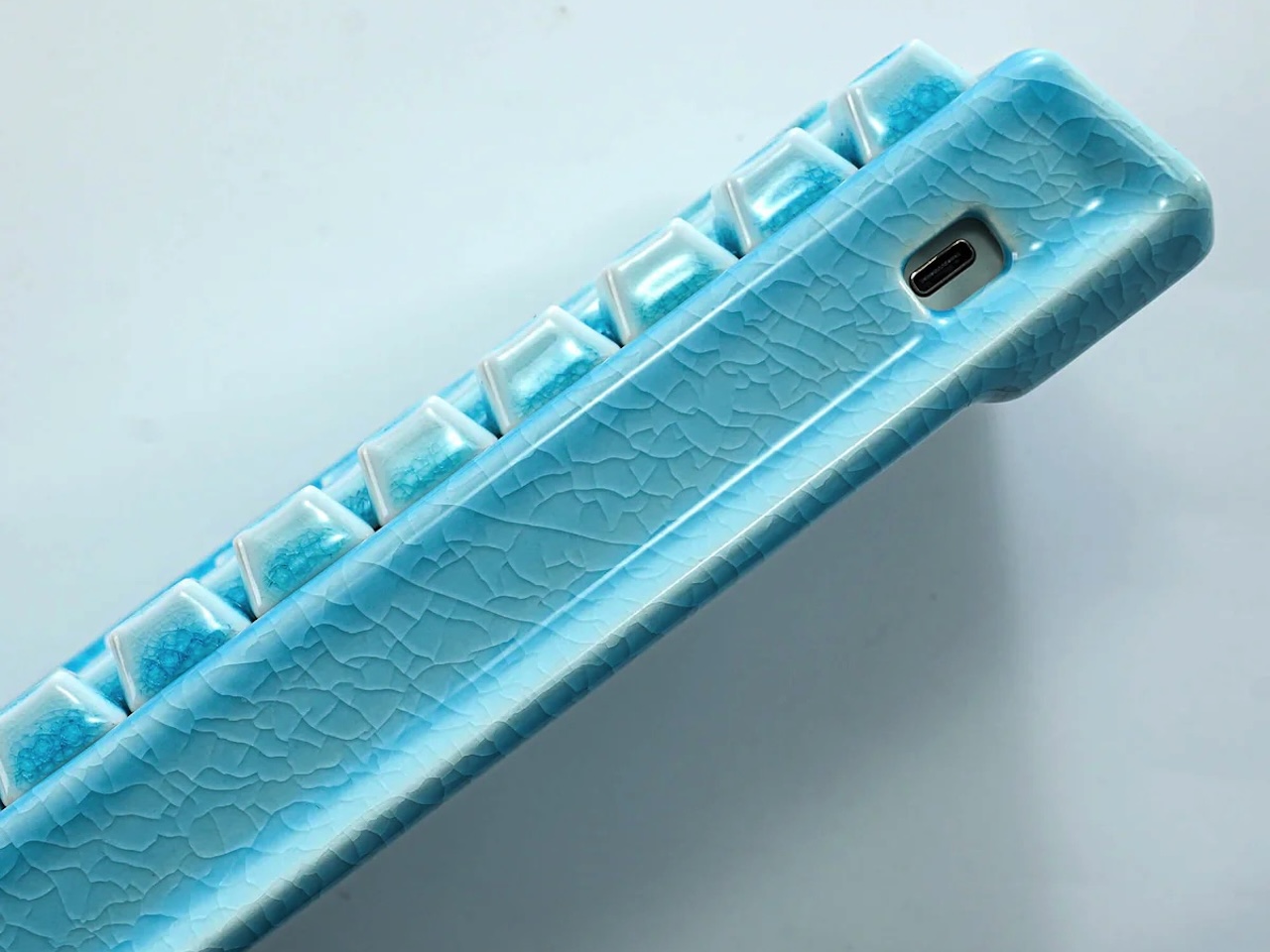
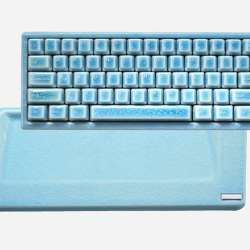
Each crazed glaze finish shows a unique pattern of fine lines across the surface, a result of the cooling process during kiln-firing. These patterns aren’t defects but a traditional ceramic technique that Cerakey is highlighting as a design feature. Users looking for perfect uniformity across multiple units won’t find it here, but that’s part of the value proposition for enthusiasts who want material character over industrial precision.
Pricing and Availability
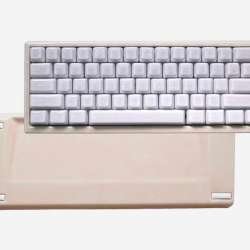
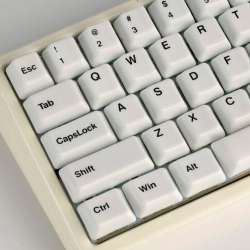
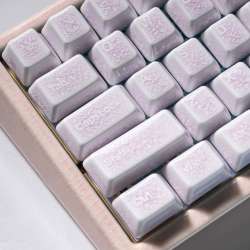
Cerakey is offering four colorways total, though only two ship at launch. Standard white and white crazed glaze are available now, while blue crazed and pink crazed finishes arrive later. The glazes match Cerakey’s existing ceramic keycap sets, allowing users to coordinate their entire setup from case to caps.
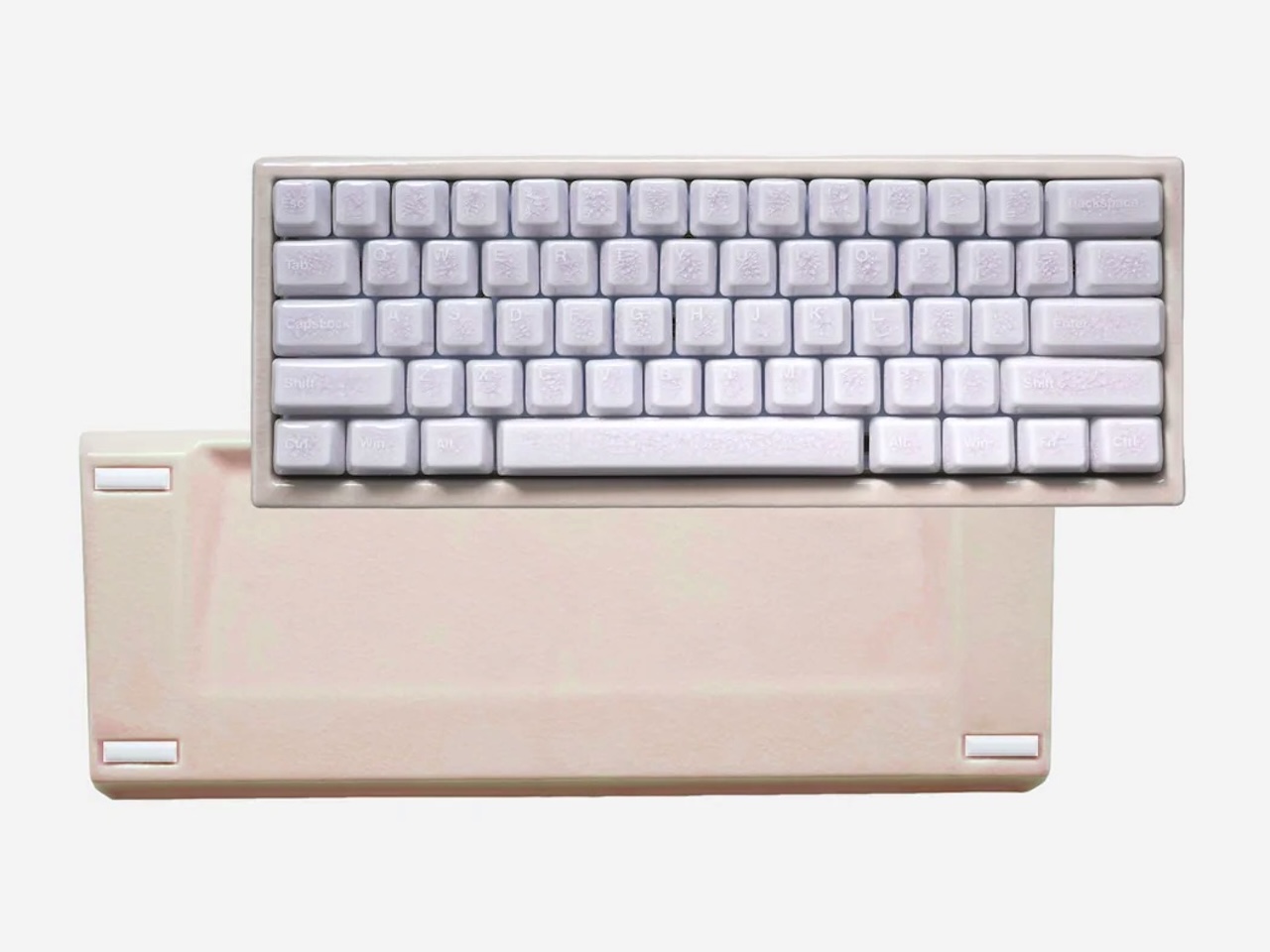
The 10% launch discount brings the white case to $107 and the white crazed glaze to $134. Cerakey hasn’t announced how long the discount window lasts, but once it expires, pricing will likely settle closer to $120 and $150. Even at full price, the Peak60 undercuts most premium aluminum cases and lands well below what custom ceramic work typically costs. That aggressive pricing positions ceramic as an accessible material upgrade rather than a boutique experiment, and it suggests Cerakey is betting on volume sales rather than limited artisan runs.
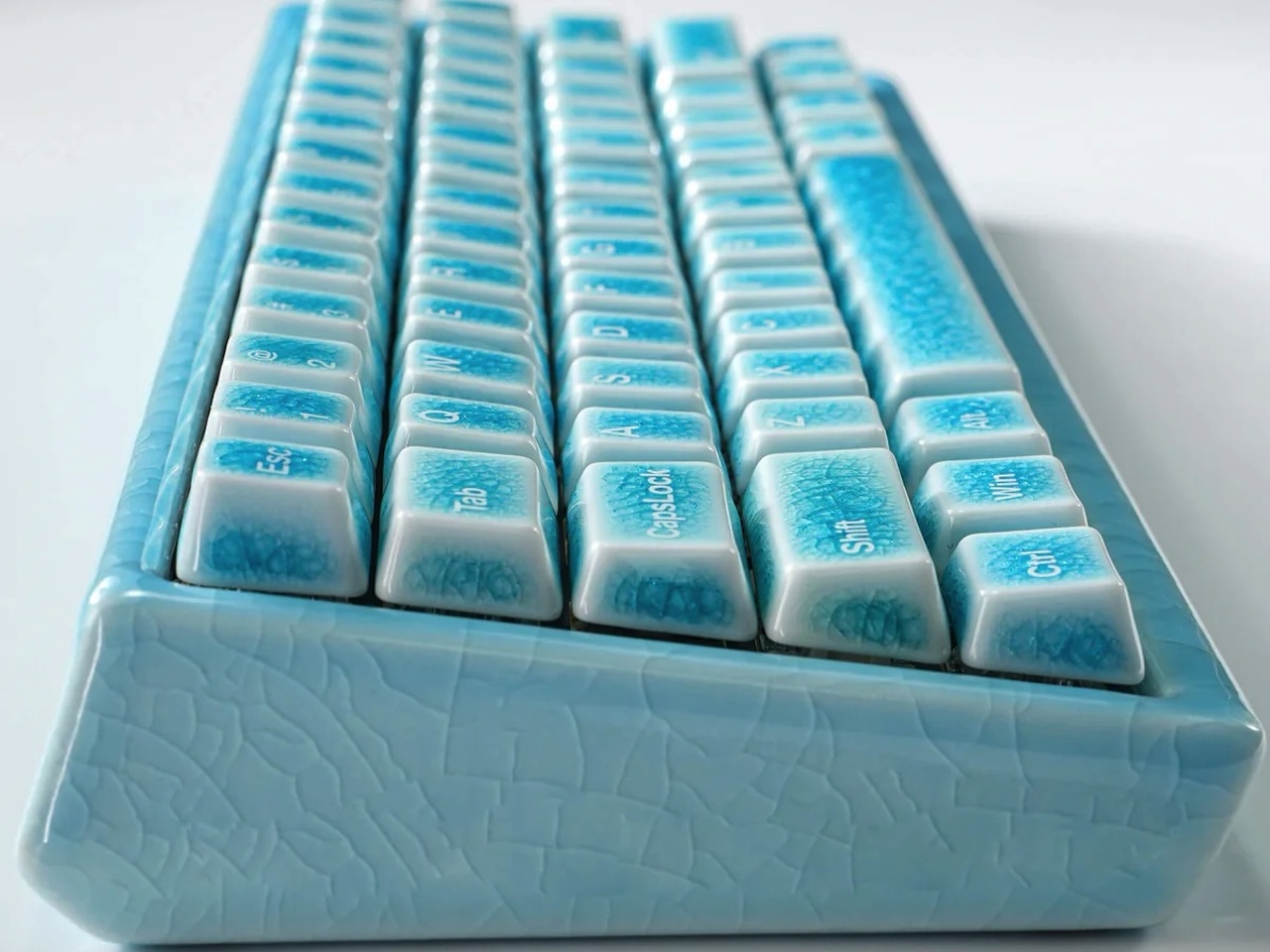
Cerakey’s handcrafted approach offers a different value proposition: lower entry prices and unique surface character in exchange for less uniformity. The Peak60 tests whether there’s sustained demand for ceramic cases beyond the custom keyboard community that’s historically driven interest in exotic materials.
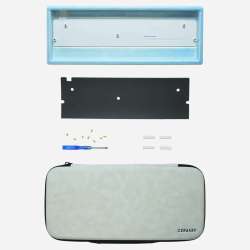
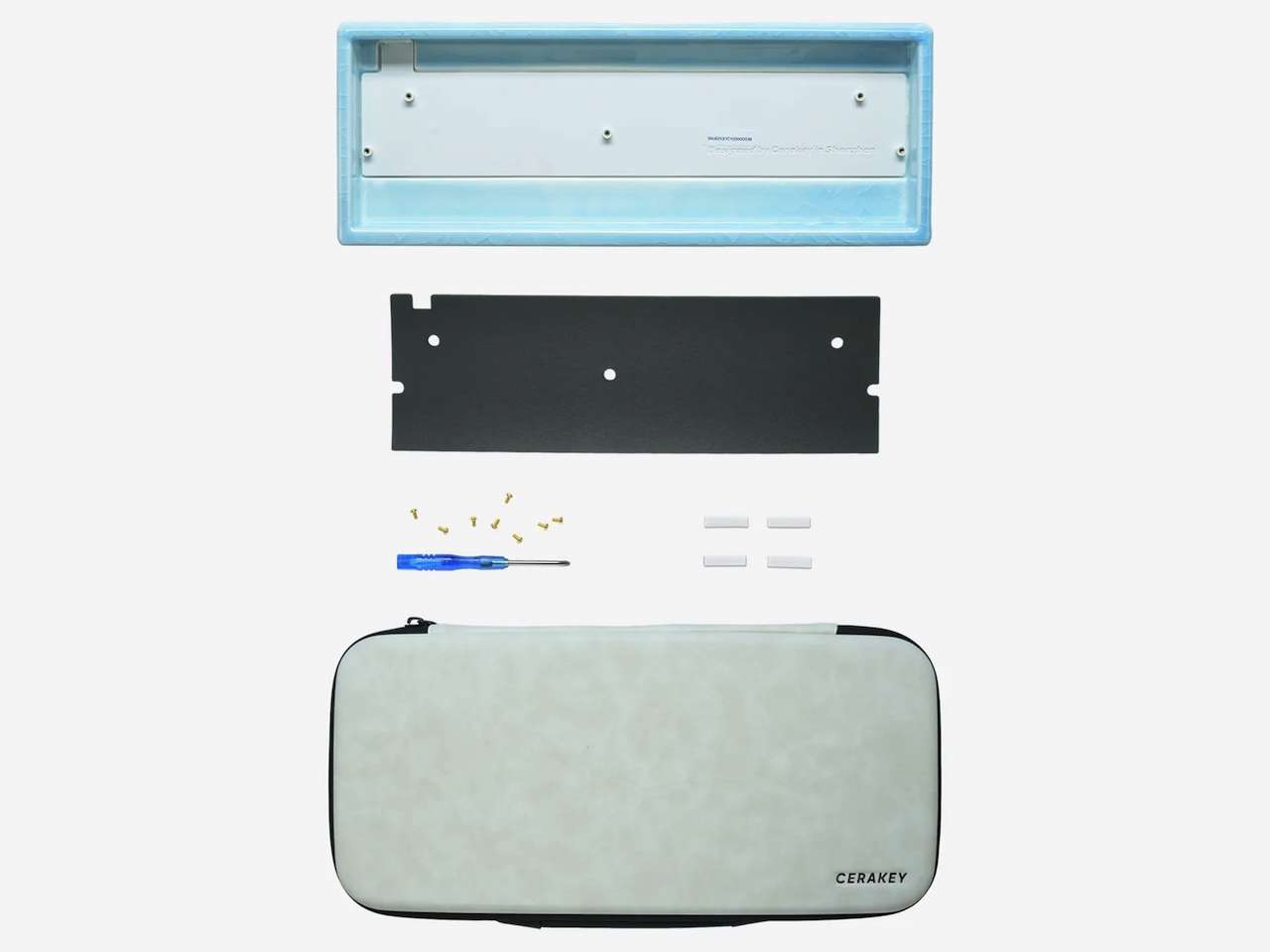
The Peak60 ships with brass inserts pre-set into the ceramic, a poron foam dampening sheet, a screwdriver, and silicone feet. Compatibility extends to any PCB following the GH60 standard, including the Wooting 60HE and 60HE v2, Gateron GT60 Pro+, and Geon Venom 60 HE. The brass inserts provide mounting points for PCB screws without putting stress directly on the ceramic material.
Who This Is For
The Peak60 targets keyboard enthusiasts who already own a GH60-compatible PCB and want to experiment with ceramic construction without the wait times or price tags typically associated with custom ceramic projects. The handcrafted kiln-firing process appeals to users looking for unique character over industrial uniformity.
Price: $107 (White) / $134 (White Crazed Glaze)
Where to Buy: Cerakey
Users who need consistent color matching across units or who frequently transport their keyboards should consider alternatives. Traditional kiln-firing introduces surface variation, and ceramic is more fragile than metal or plastic. Anyone without an existing compatible PCB will need to factor in the cost of the board, switches, and keycaps on top of the case price.
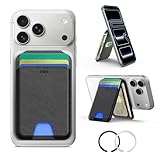
ESR for MagSafe Wallet with Stand, RFID Blocking w MagSafe Ring, 5 Card Holder for Phone Case, Slim Leather Magnetic Wallet for iPhone 17e/17/16/15/14/13/12 Series(Not for Mini),Selected Samsung,Black
(as of March 14, 2026 13:58 GMT -05:00 - More infoProduct prices and availability are accurate as of the date/time indicated and are subject to change. Any price and availability information displayed on [relevant Amazon Site(s), as applicable] at the time of purchase will apply to the purchase of this product.)
