
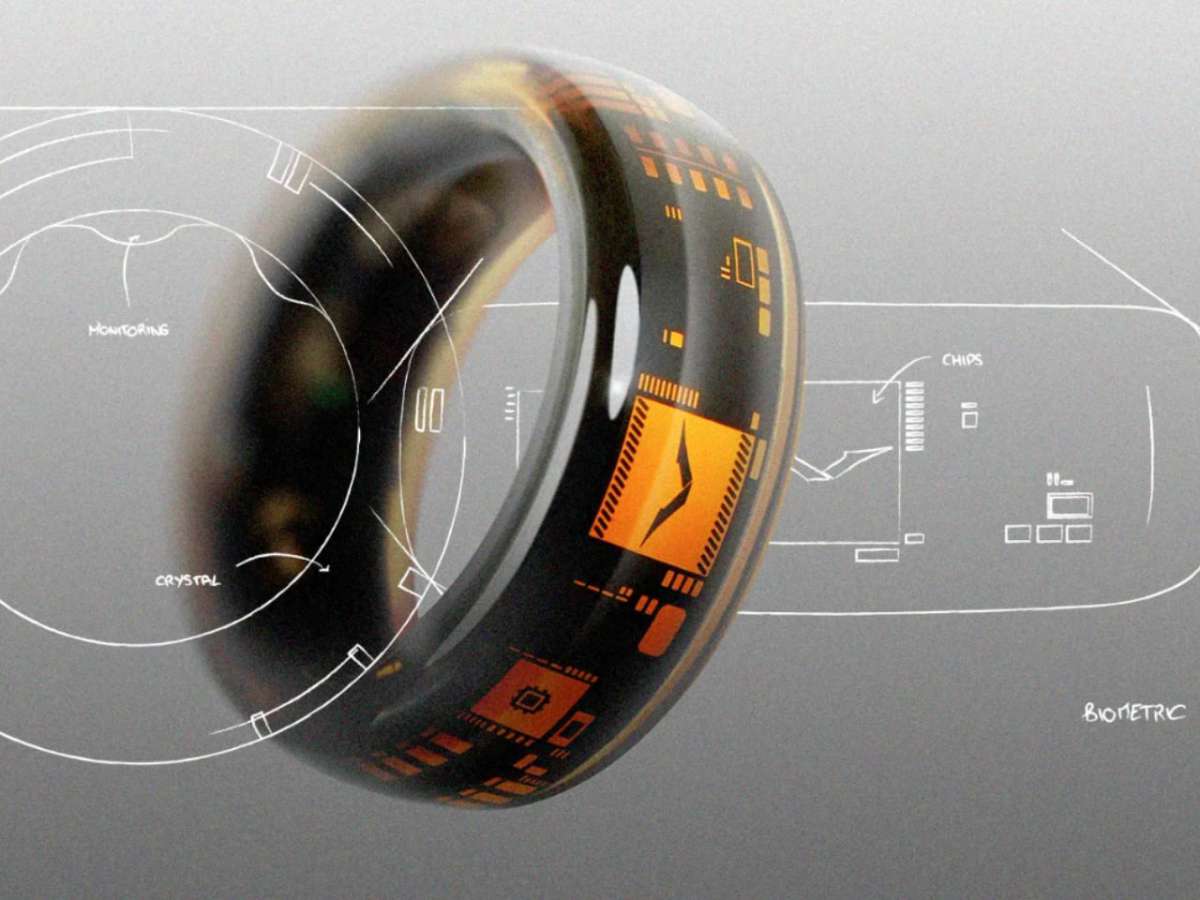
ARTICLE – Vertu built its reputation on ultra-luxury mobile phones, handsets that cost more than most people’s cars and came bundled with concierge services most tech companies would never consider. Now the brand is stepping into the smart ring category with the Meta Ring, and it arrives with an angle nobody else in this space is pushing: bundled human medical consultations with no recurring fees attached. In a market dominated by algorithmic coaching and tiered subscription models, that positioning feels deliberately contrarian.
Price: From $500
Where to buy: Vertu
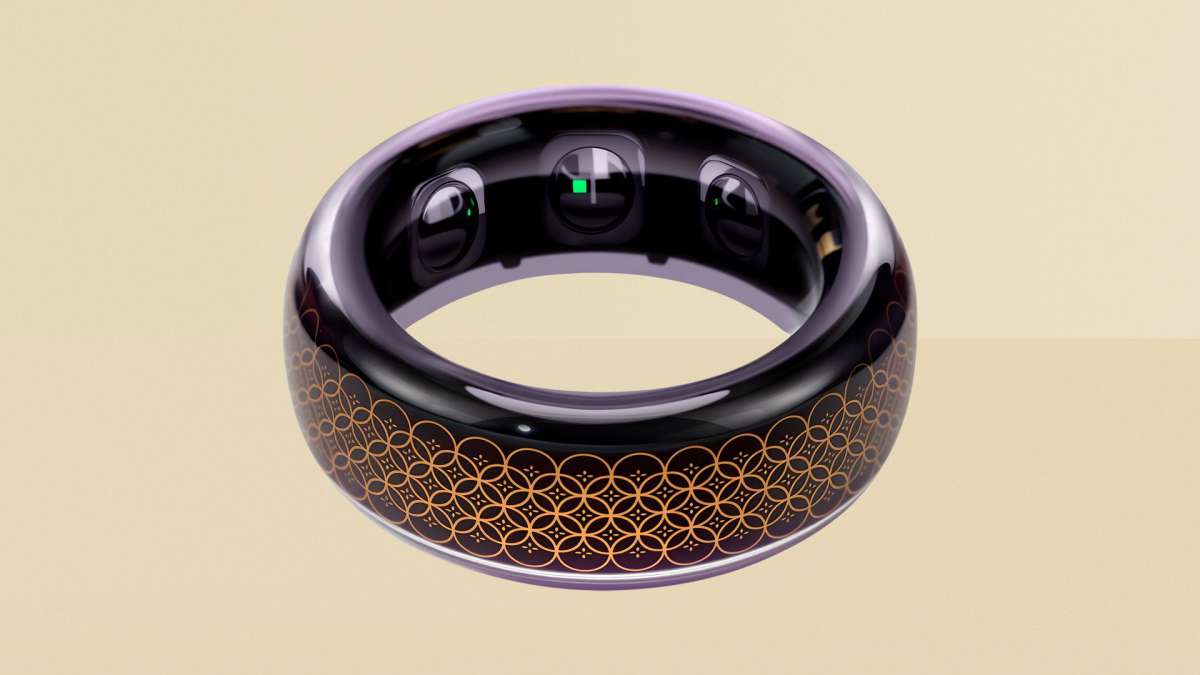
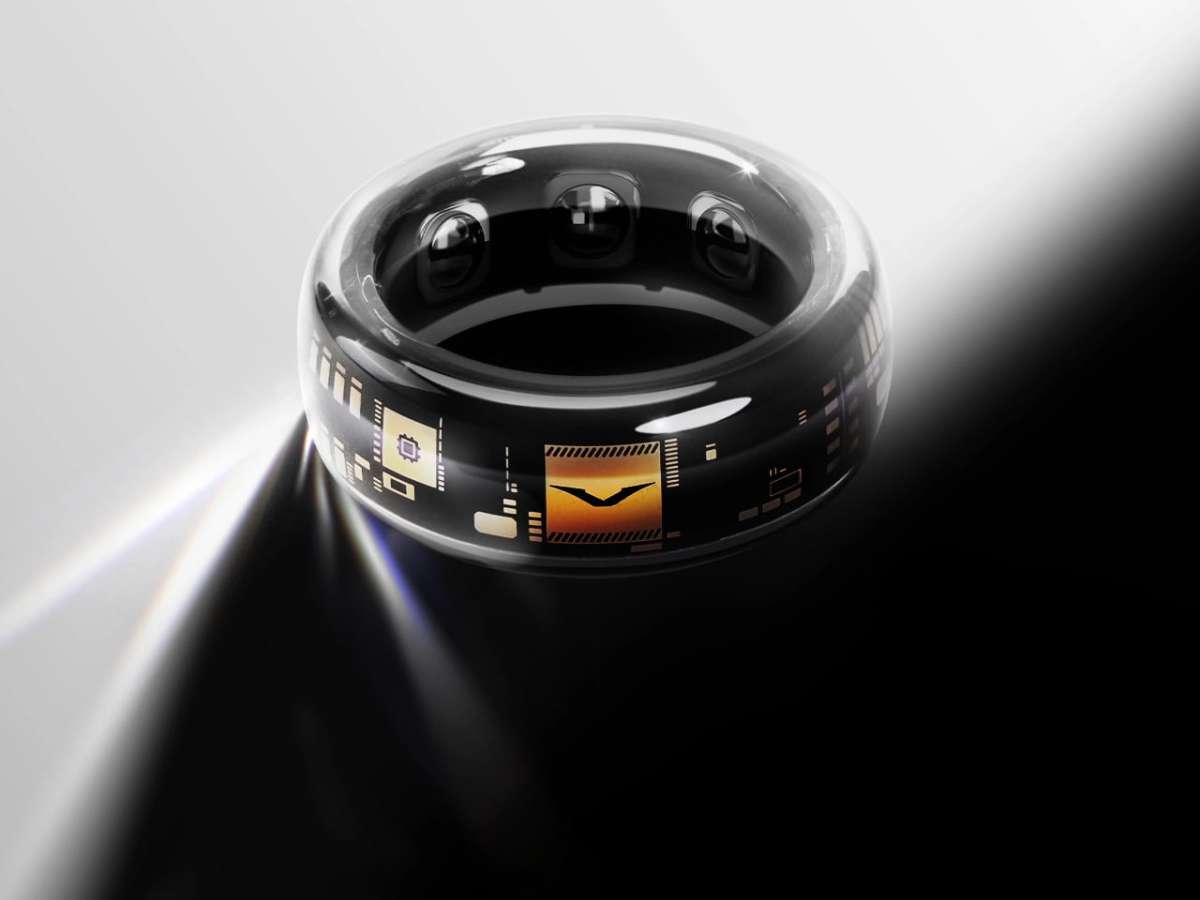
The ring itself looks nothing like the matte black fitness trackers crowding store shelves. A translucent crystal composite finish catches light in ways more reminiscent of jewelry than wearable tech, and gold-toned internal texturing adds visual richness that feels intentional rather than decorative. Where Oura and Samsung Galaxy Ring lean toward discrete, almost invisible design language, the Meta Ring announces itself. Vertu clearly wants this sitting next to a luxury watch rather than hiding under a shirt cuff.
Design That Commits to Luxury
Vertu claims each Meta Ring passes through roughly 20 artisanal finishing steps before shipping, a number that sounds excessive until the ring catches direct light. The translucent resin construction has genuine depth to it. Light passes through the outer layer and hits those gold accents underneath, creating a shimmer that shifts depending on viewing angle. The effect separates it immediately from competitors built around utilitarian matte finishes and titanium shells.
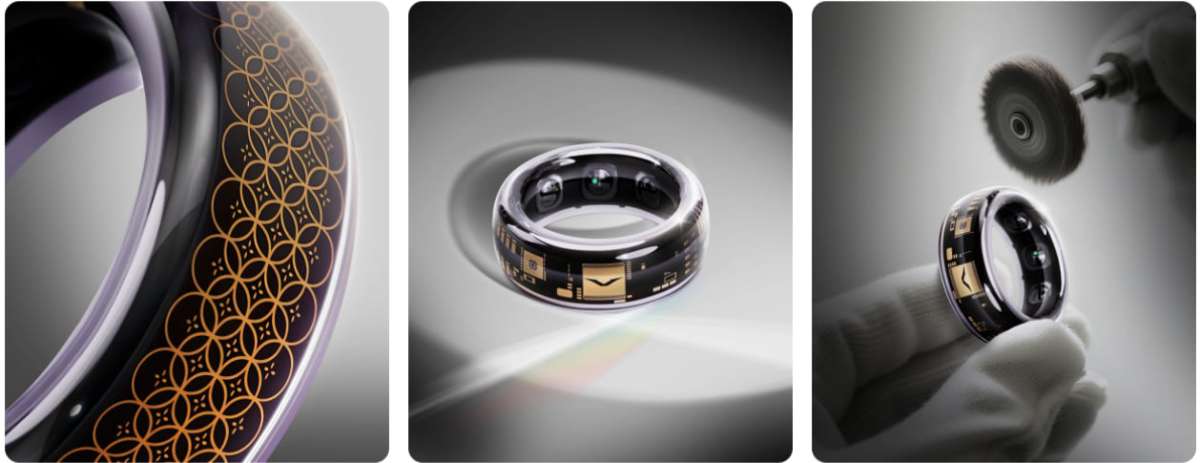
Weight remains critical for anything worn 24 hours a day, and Vertu lists the Meta Ring starting at just 5.7 grams depending on size. That figure lands in the same territory as the lightest smart rings currently available, including Oura Gen 3 at roughly 4-6 grams. The 5 ATM water resistance rating handles daily wear including showers and swimming without concern, though Vertu positions this as a lifestyle accessory rather than a dedicated swim tracker.
The charging case weighs 157 grams and doubles as a presentation box, a design choice that prioritizes unboxing experience over portability. It uses standard 5V/1A input and wireless charging. Battery life claims reach up to 10 days with roughly 15 days of onboard data storage before syncing becomes necessary. Those numbers sit within competitive range, though real-world performance with continuous health monitoring typically varies based on usage patterns and sensor polling frequency.
Health Tracking Without the Performance Pressure
Core metrics cover heart rate, sleep stages, blood oxygen, and general activity. Nothing in that list surprises anyone familiar with the category. The difference lies in how Vertu frames the data. There is no VO2max tracking, no training load calculations, no readiness scores pushing users toward specific workout intensities. Instead, the messaging focuses on “energy” patterns and long-term wellness trends.
The MetaSelf app aggregates sensor data into simplified daily and weekly views. Dense athlete dashboards and recovery optimization tools are absent by design. Vertu describes the experience as “quiet” health tracking, which sounds appealing to anyone exhausted by fitness wearables that treat every rest day like a missed opportunity. Whether those simplified insights carry enough depth to be genuinely useful remains unclear without extended real-world testing.
Vertu also highlights trend tracking for blood pressure and blood sugar, claiming high predictive accuracy through sensor fusion and something the brand calls “crystal energy.” That phrasing warrants significant skepticism. Noninvasive glucose monitoring remains one of the most challenging problems in wearable health technology, with major players including Apple reportedly struggling for years to deliver reliable results. No wrist-worn or finger-worn device has achieved FDA clearance for continuous glucose monitoring without a subcutaneous sensor. Until independent testing validates these predictions, treat the blood sugar claims as aspirational marketing rather than documented capability.
The Human Layer
This section represents what actually distinguishes the Meta Ring from its competitors. Every purchase includes 24/7 access to remote medical consultations directly inside the MetaSelf app. Biometric data collected by the ring pairs with live clinicians who can offer guidance based on tracked patterns. The model echoes Vertu’s historic phone business, where concierge access defined the brand experience more than hardware specifications ever did.
The app also supports optional family health sharing, allowing relatives to monitor selected health information. For adult children keeping track of aging parents or partners managing chronic conditions together, that feature addresses a real use case often ignored by fitness-focused competitors. It positions the Meta Ring as a care coordination tool rather than a personal performance tracker.
All services come bundled with the one-time purchase price. Vertu states explicitly that there are no subscription fees for app features, analytics, or medical consultations. In a market where Oura charges a monthly membership for full feature access and Samsung gates certain insights behind its Health platform, that structure offers a genuine alternative. The question becomes whether the service quality justifies the upfront investment, but the economic model itself stands apart.
The ideal user for this “human layer” skews toward non-athletes who want health awareness without self-optimization pressure, people managing or monitoring family wellness, and luxury consumers who expect bundled services rather than recurring fees. Competitive athletes and data-focused quantified-self enthusiasts will likely find the simplified metrics and absent performance coaching insufficient for their needs.
Software and Compatibility
The MetaSelf companion app runs on iOS 12.0+ and Android 8.0+, covering the vast majority of smartphones still in active use. The iOS version distributes through Apple’s App Store with standard review and update processes. The Android version routes through Vertu’s own download portal rather than Google Play, a distribution choice that may affect update frequency and could raise trust concerns for users who prefer verified app store delivery and automatic security patches.
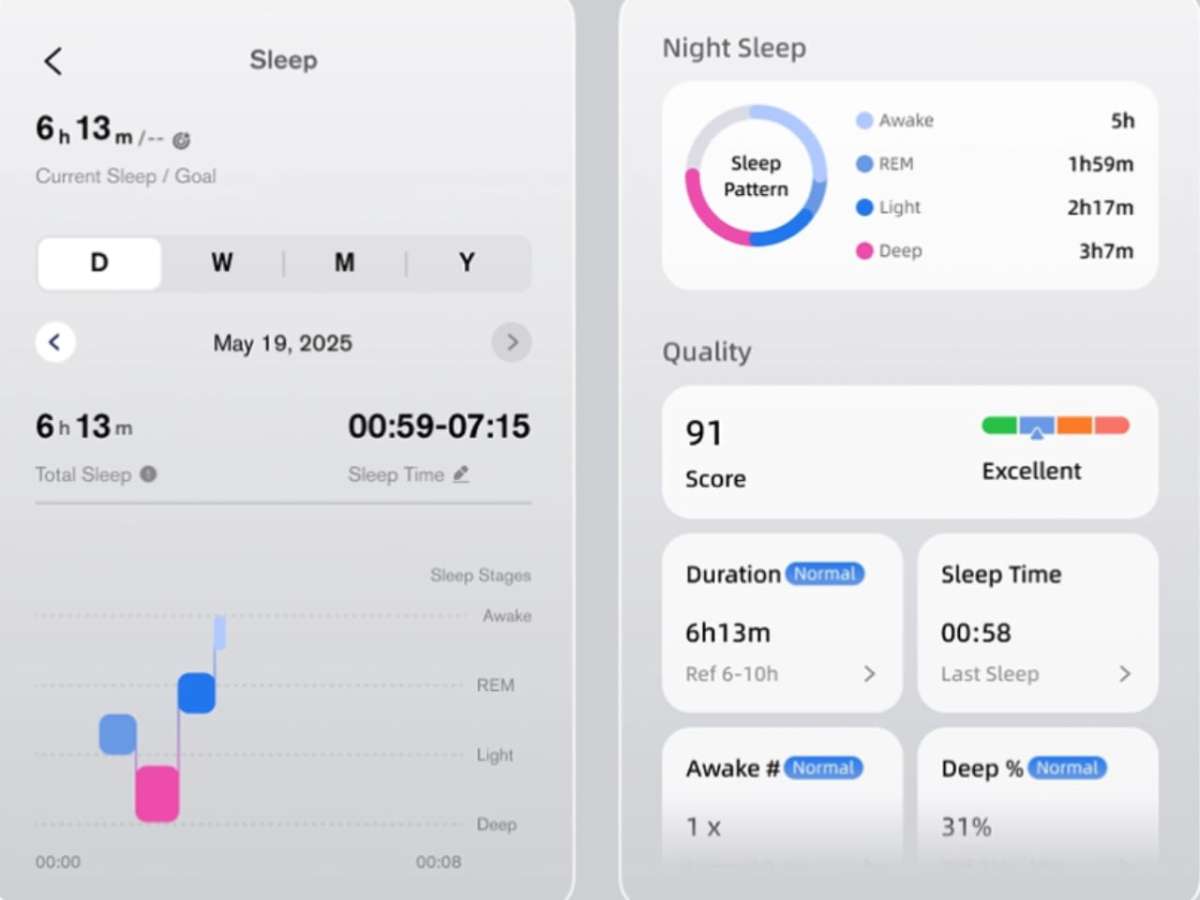
Interface design favors minimalist charts covering sleep patterns, heart metrics, oxygen saturation, and activity levels. Occasional AI-assisted insights surface without constant notification pressure. The software experience reinforces the hardware positioning: calm observation rather than aggressive coaching. Whether that restraint feels refreshing or limiting depends entirely on what a given user wants from health tracking.
What It Costs and Who It Is For
Official UK pricing starts at approximately £460. The package includes 5-7 business day shipping, a 7-day return window, a 15-day exchange policy, and a 1-year warranty covering manufacturing defects. That places the Meta Ring in premium territory while landing well below Vertu’s phone pricing, which historically climbed into five figures.
The purchase unlocks everything: full app access, all analytics features, and the 24/7 medical consultation service with no recurring fees attached. No other smart ring bundles clinician access into a single upfront price. That alone makes the Meta Ring structurally different from Oura, which charges monthly for its full feature set, and Samsung, which gates certain insights behind its Health platform tiers.
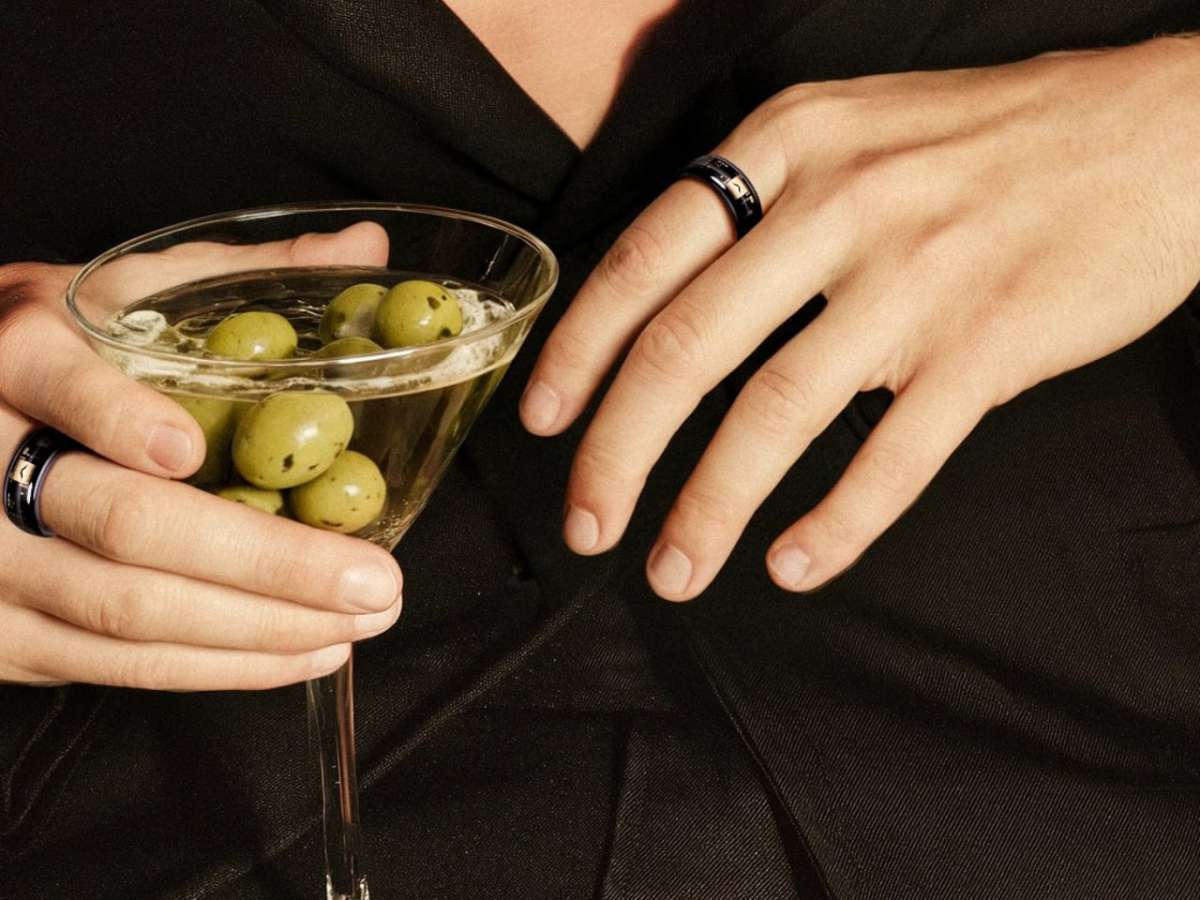
Vertu frames this explicitly as a long-term gift or status object that happens to track health. The luxury-first positioning makes sense given brand history, but it narrows the audience considerably. Fitness enthusiasts chasing detailed training analytics will look elsewhere. Tech buyers wanting tight ecosystem integration may find the standalone MetaSelf app limiting. The target customer values craftsmanship, bundled services, and jewelry-level aesthetics over raw data granularity.
The clearest strength is the concierge healthcare model and the subscription-free structure. The clearest compromise is data depth. Users accustomed to HRV analysis, recovery metrics, and training recommendations will find the simplified wellness focus underwhelming. The blood sugar and blood pressure prediction claims deserve continued skepticism until third-party validation emerges, because noninvasive glucose monitoring has defeated better-funded efforts than a luxury phone brand pivoting into wearables.
Price: From $500
Where to buy: Vertu
Still, the Meta Ring represents a genuine attempt to differentiate in a category where competitors have largely converged on similar sensors and similar subscription economics. Vertu is betting that a segment of the market values human connection and luxury materials over algorithmic precision. Whether that bet pays off depends entirely on execution, but the positioning itself is clear and defensible.

ESR for MagSafe Wallet, 5-Card Holder With RFID Blocking, MagSafe Sticker Included, Slim Magnetic Wallet for iPhone 17e/17/16/15/14/13/12 Series and Selected Samsung Devices, Not for 13/12 Mini, Black
(as of March 8, 2026 13:49 GMT -05:00 - More infoProduct prices and availability are accurate as of the date/time indicated and are subject to change. Any price and availability information displayed on [relevant Amazon Site(s), as applicable] at the time of purchase will apply to the purchase of this product.)
