The problem with a big week in tech is not a lack of announcements. It is separating the products that might change a daily habit from the ones that simply produce a nice spec-sheet headline.
This roundup focuses on latest tech launches that make a practical case for themselves. Some are available to buy, some are preorders, and one is developer software rather than a consumer gadget. The useful question is the same: what friction does it remove, and what evidence supports the pitch?
1. Google Gemini Robotics ER 2 Could Matter More Than the Next Robot Demo
Google’s Gemini Robotics ER 2 is not a household robot, and nobody can buy one. Google describes it as a high-level reasoning model that can interpret a natural-language task, break it into steps, and coordinate other action models or tools. The practical impact is less glamorous than a robot folding laundry, but potentially more important: a robot needs to understand when a job has changed, when it needs help, and when it should stop.

Google’s published benchmarks are company results, not independent testing, so they are evidence of progress rather than proof of reliable autonomy. ER 2 is worth watching because it focuses on the decision-making problem that hardware alone has not solved.
2. Dell’s $699 XPS 13 Looks Great Until You Reach the RAM
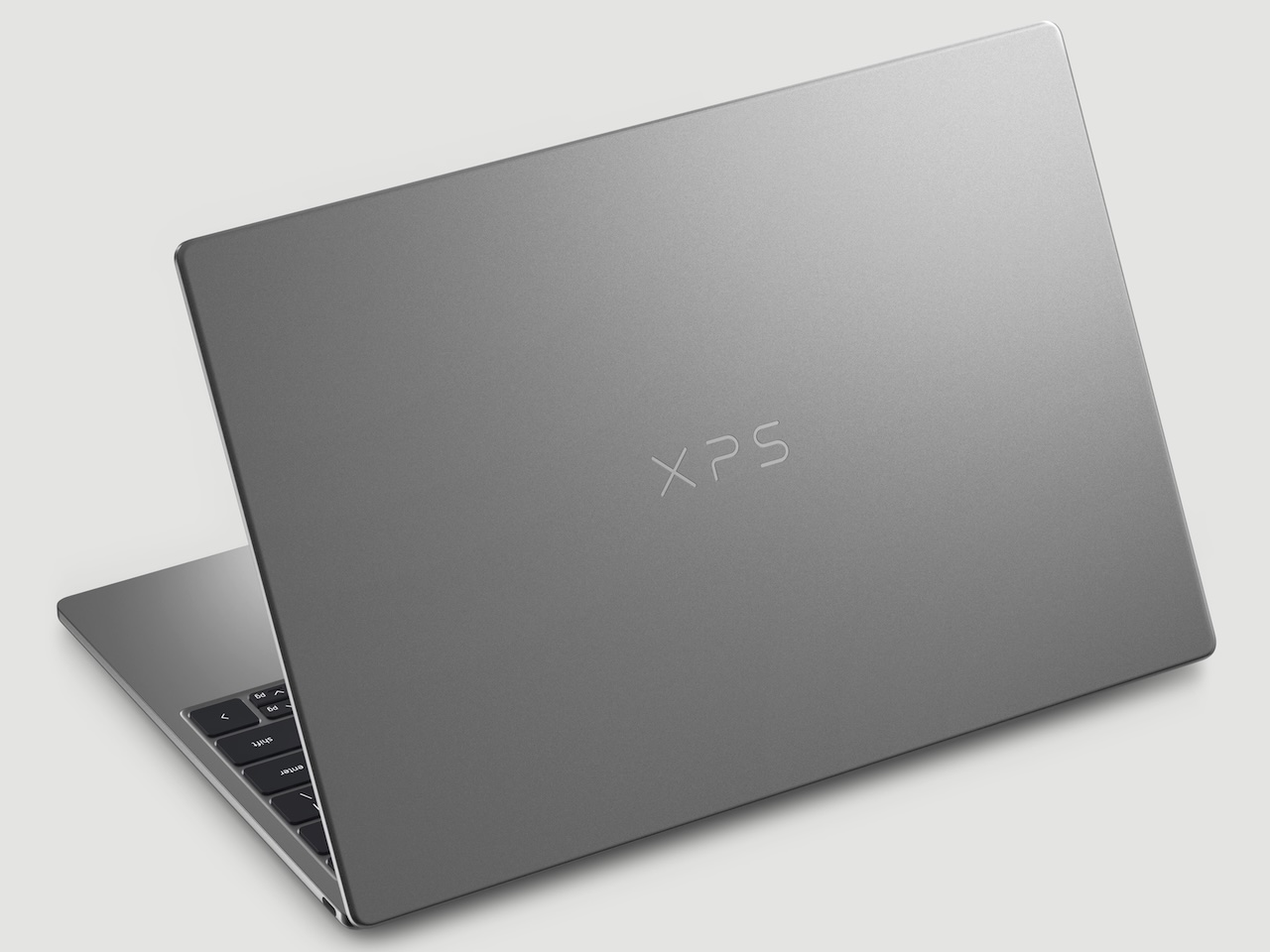
Dell’s new XPS 13 solves a familiar laptop-shopping problem: finding a small, premium-looking Windows notebook without immediately stepping into four-figure pricing.
The entry model starts at $699.99 and pairs a 13.4-inch 2.5K display, a 512GB SSD, Wi-Fi 7, a 2.2-pound aluminum chassis, and Intel’s Core 5 320 processor. But the base model has 8GB of soldered, single-channel LPDDR5X memory. Dell offers 16GB, but that model costs $200 more. Since the memory cannot be upgraded later, it determines how the laptop will feel after several years of browser tabs, video calls, apps, and background services.
The headline price is real, and the hardware is appealing. Buyers who expect to keep the laptop for years should treat the 16GB version as the meaningful comparison point.
💡Deal box: Dell XPS 13
Starting price: $699.99 | $599 for students
Where to Buy: Dell
3. Razer’s Huntsman V3 HE Magnetic Brings Esports Features Down to Earth
Razer’s Huntsman V3 HE Magnetic 8KHz keyboard is for players tired of premium gear that makes technical promises but offers little control over how it feels.
Razer’s new line uses Hall Effect magnetic switches, which allow adjustable actuation rather than relying on a fixed physical switch point. The company also lists 8,000Hz HyperPolling, Rapid Trigger, Snap Tap, and other movement-focused settings through Synapse. The practical benefit is customization: a player can set a lighter actuation point for fast inputs or a deeper one for regular typing.
The 8,000Hz figure is a manufacturer specification, not a guarantee that every player will feel a transformative difference. But magnetic switches and adjustable actuation are useful features for competitive players who know what they want to tune.

💡Deal box: Razer Huntsman V3 HE Magnetic
Price: $119.99 for the Mini 65%
Where to Buy: Razer
Best for: Competitive players who will use adjustable actuation and Rapid Trigger features
4. RISION Magic Makes Thermal Imaging Less Intimidating
A hidden water leak, a weak HVAC vent, or an overheating electrical connection can be difficult to diagnose because the evidence is invisible. The RISION Magic thermal camera plugs into a compatible phone, tablet, or Windows PC and combines thermal information with visible detail.
RISION lists a native 160 by 120 thermal resolution, software-enhanced 320 by 240 output, a 25Hz refresh rate, and a temperature range from minus 4 to 1112 degrees Fahrenheit. Those specifications make it more useful for finding temperature differences than for replacing professional inspection equipment. Thermal imaging can point toward a problem, but it cannot always identify the cause.

💡Deal box: RISION Magic
Price: $139
Where to Buy: Rision
Works with: Compatible Android, iOS, and Windows devices
Best for: Homeowners investigating insulation, HVAC, and electrical issues
5. GMKtec’s EVO-X1 Pro Makes a Mini PC More Expandable
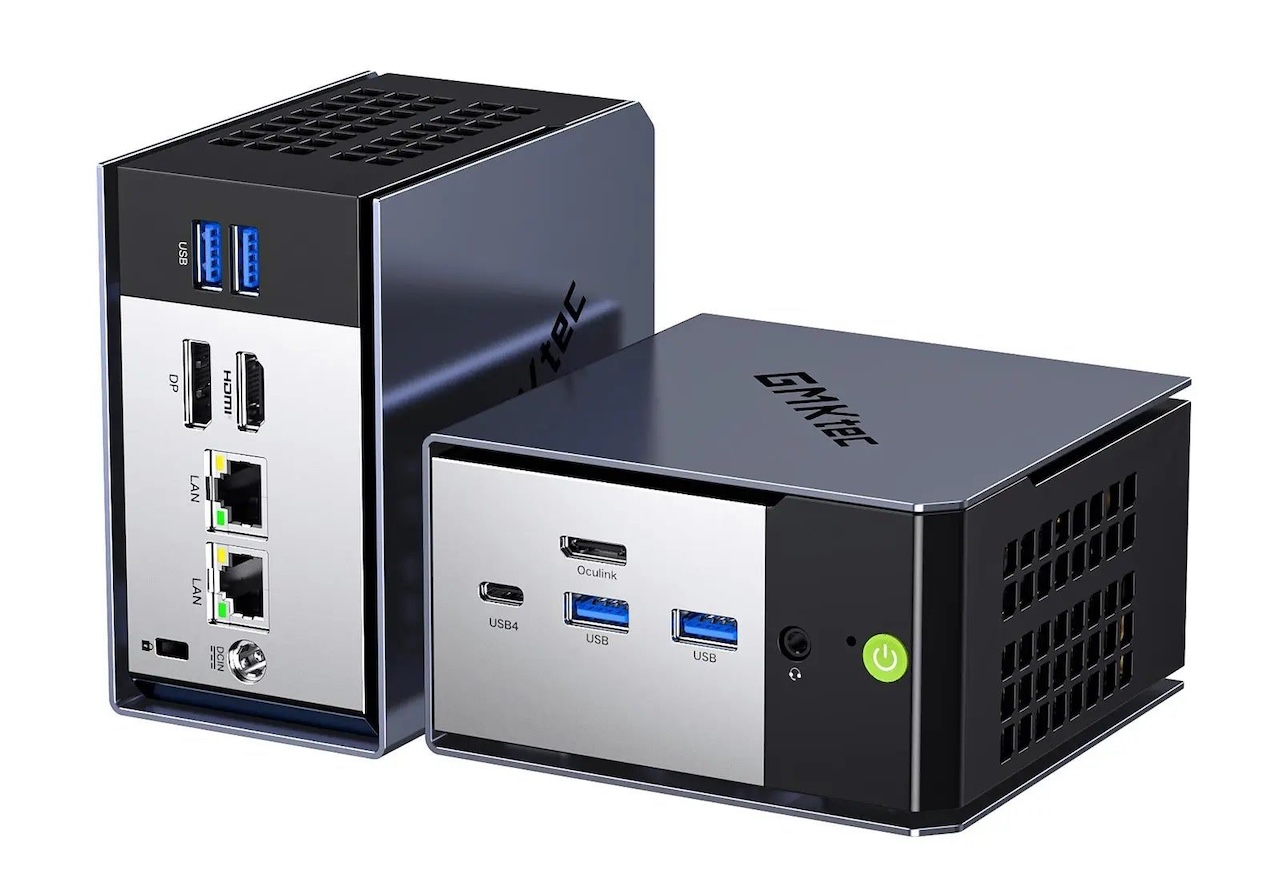
GMKtec’s EVO-X1 Pro tries to solve a compact-PC compromise with an OCuLink port for external GPU expansion.
GMKtec lists an AMD Ryzen AI 9 HX 470 processor, Radeon 890M integrated graphics, 64GB of LPDDR5 memory, and OCuLink PCIe 4.0 x4 support. That gives the system a strong foundation for productivity, local AI experiments, and light gaming, while leaving a path to an external graphics card. The distinction is between flexibility and value: a GPU, enclosure, cables, display, and desk space can turn a compact PC into an expensive ecosystem quickly.
💡Deal box: GMKtec EVO-X1 Pro
Price: $1,599
Where to Buy: GMKTec
6. The Segway MAX G3 Plus Has a Range Claim Worth Reading Carefully
Segway’s MAX G3 Plus aims at a reasonable commuter frustration: range estimates that look generous online but disappear once speed, hills, rider weight, and traffic become part of the ride.
Segway advertises up to 56 miles of range, but that number is tied to an economy-style test condition rather than normal high-speed commuting. The useful lesson is to read the conditions behind the maximum number. Until independent tests arrive, the range remains Segway’s claim, not a verified daily expectation.

💡Deal box: Segway MAX G3 Plus
Deal Price: $1,149.99
You Save: $350
Where to Buy: Amazon
7. DK-Optic’s Chiaro Lens Is for Photographers Who Want Character
The DK-Optic Chiaro 1.5-inch f/1.9 takes the opposite route from the modern pursuit of technical perfection. Designed for Leica M-mount cameras, the 38mm lens is a modern tribute to the Dallmeyer Super Six design from the 1930s.
Its attraction is a painterly rendering style and distinctive bokeh rather than clinical sharpness across every frame. That makes it a creative second lens, not a sensible universal recommendation for a photographer who needs predictable commercial results.

💡Deal box: DK-Optic Chiaro 1.5-inch f/1.9
Mount: Leica M
Price: $1,600
Where to Buy: DK-Optic
Best for: Photographers seeking vintage-style rendering and expressive bokeh
8. Kingbull’s Ranger Brings the Moped Look With Real Utility
The Kingbull Ranger makes sense for riders who like the relaxed posture and visual presence of a moped but want an e-bike’s pedals and simpler ownership model.
Kingbull lists a 750W rear hub motor, 1,300W peak output, an 864Wh battery, fat 20-inch tires, a 28mph top speed, and up to 80 miles of range under ideal conditions. It also lists an 88-pound weight and a 350-pound payload capacity. The claimed range is not a promise for every rider, and the weight means it is not a casual carry-up-the-stairs commuter. Still, it offers a passenger-ready, cargo-friendly profile some commuters actually want.

💡Deal box: Kingbull Ranger
Live offer: $799 for the bike-only version at Kingbull.
What you get: 864Wh removable battery, 750W rear-hub motor, hydraulic brakes, front and rear suspension, integrated lighting, signals, and horn.
Where to Buy: Kingbull
9. MANGMI’s Air Y Makes Vertical Handheld Gaming Interesting Again
The MANGMI Air Y stands out from a growing wave of Android handhelds by taking a vertical approach instead of copying a wide modern console.
The layout makes sense for people who grew up with Game Boy-style devices and want a more pocketable way to play retro titles, stream games, or use Android apps. The buyer warning is performance expectations. A device that feels excellent for older consoles may struggle with demanding GameCube, PlayStation 2, Switch, or modern Android games. Buyers should check exact game compatibility rather than assuming broad emulation performance from the word Android.

💡Deal box: MANGMI Air Y
Price: $89.99
Where to Buy: Mangmi
Best for: Classic games, streaming, and buyers who prefer a vertical handheld
10. HOVERAir Versa Wants to Replace Two Cameras With One
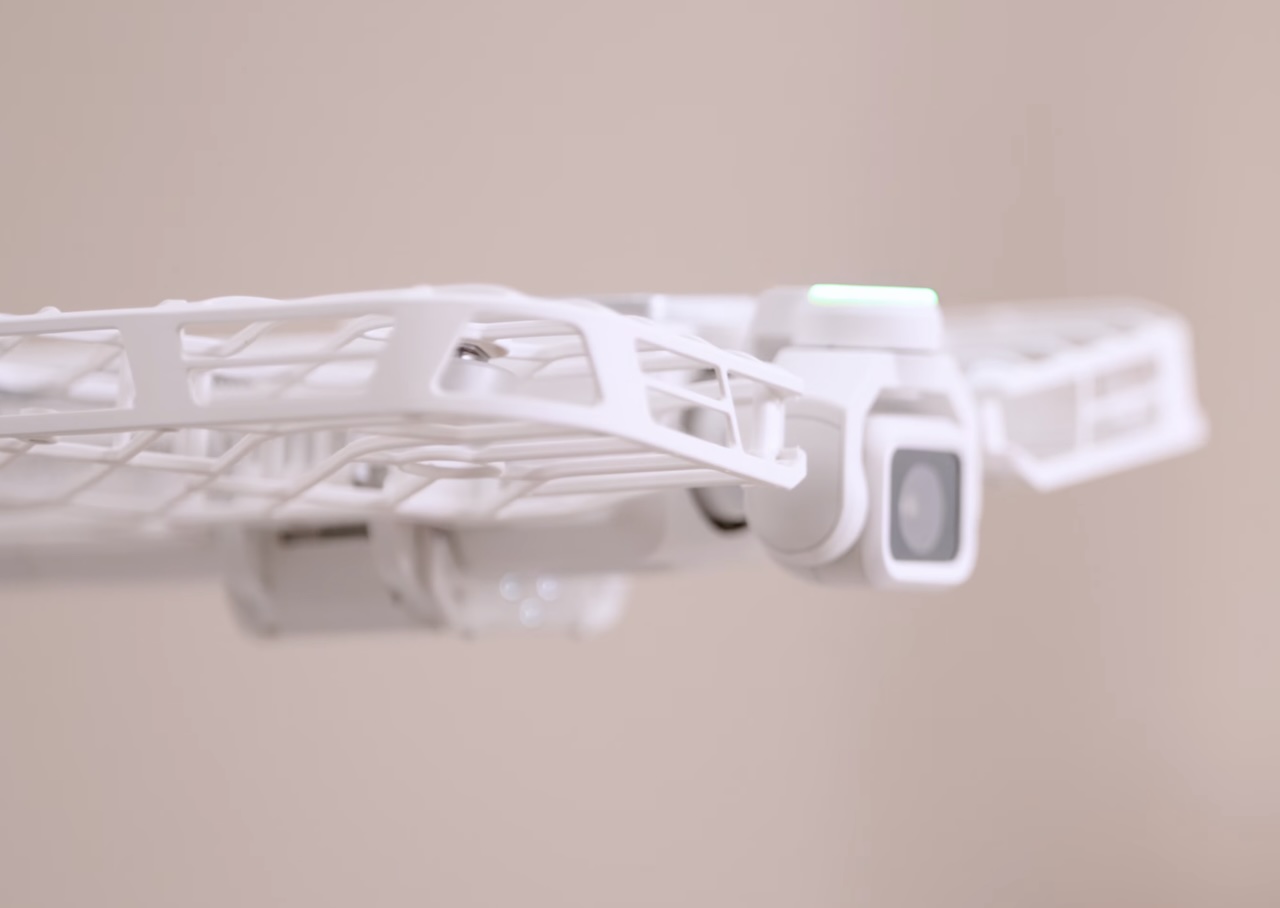
HOVERAir’s Versa addresses a problem content creators know well: a pocket gimbal camera is useful for handheld footage, while a drone gives a completely different view, but carrying both is not always realistic.
Versa is a modular camera system that can work as a three-axis gimbal camera and then attach magnetically to a flying module. HOVERAir says it can launch from the palm, autonomously track a subject, and capture aerial shots without the usual complicated drone setup. Flight time, image quality, weather tolerance, local drone rules, and the reliability of autonomous tracking all matter more than the concept video. Buyers should wait for independent reviews before assuming it replaces a dedicated drone and a dedicated pocket camera equally well.
💡Deal box: HOVERAir Versa
Price: TBD
Where to Buy: HOVERAir
Best for: Solo creators and travelers who want handheld and aerial footage in one kit
Which One Is Actually Worth Your Attention?
The best launch in this list is not necessarily the most powerful or expensive one. It is the one that cleanly solves a problem you already have.
Choose the RISION Magic if home troubleshooting is your thing. Consider the Dell XPS 13 only after deciding whether 8GB of non-upgradable memory is enough. Look at the Razer keyboard if input tuning affects the games you play. The GMKtec, Kingbull, and HOVERAir products offer more flexibility, but they also ask buyers to accept bigger costs or compromises.
That is what makes these latest tech launches worth more than a quick scroll: each has a real buyer fit. Choose the one that will still make sense once the launch excitement is gone.