For many older adults, the problem with an emergency device is not knowing it exists. It is having it within reach when it matters.
Price: $79.99
Where to Buy: Consumer Cellular
A pendant can stay on a nightstand. A smartphone can be in another room, out of battery, or too difficult to unlock under stress. Consumer Cellular’s new IRIS Ally Go takes a more direct approach: it is a wrist-worn personal emergency response device with an SOS button, two-way voice calling, and location sharing.
The premise is simple. The buying decision deserves more thought.
IRIS Ally Go costs $79.99, plus service starting at $25 per month. Consumer Cellular says the device connects users to live, U.S.-based emergency response specialists around the clock after they press and hold its SOS button. Because it works without a smartphone, it could be a more practical option than an app-based safety service for the right wearer.
The value is fewer steps during an emergency
IRIS Ally Go resembles a slim wristwatch, but Consumer Cellular positions it as a personal emergency response system rather than a conventional smartwatch. Its purpose is to keep a direct connection to help on the wearer’s wrist.
Consumer Cellular says pressing and holding the SOS button connects the wearer with a response specialist through the device’s built-in speaker and noise-canceling microphone. The specialist can speak with the wearer, contact designated emergency contacts, and, when appropriate, dispatch emergency services.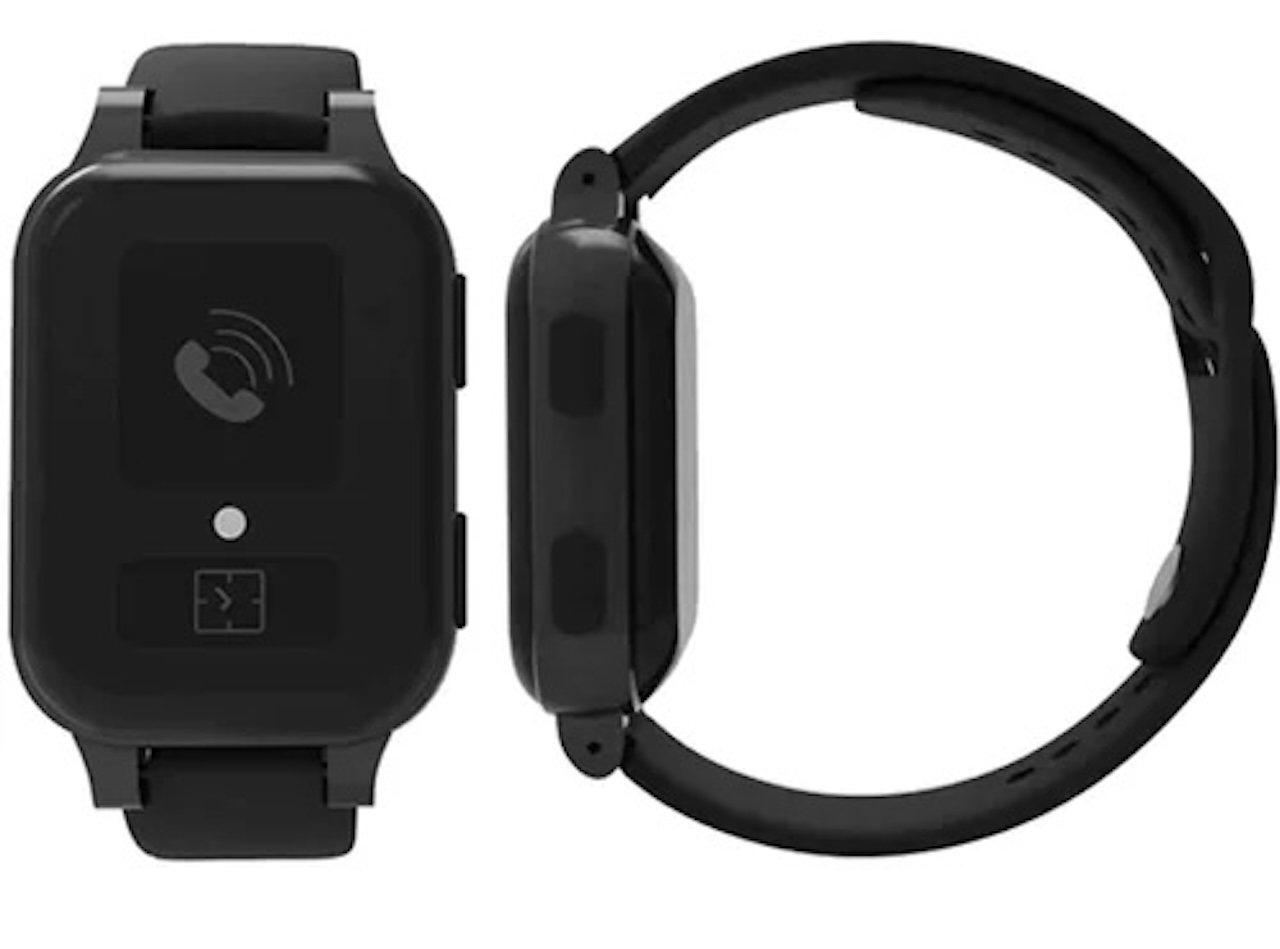
That process reduces the number of things that must go right during a stressful moment. The wearer does not need to find a phone, remember a passcode, open an app, or explain their location from scratch. Consumer Cellular says IRIS Ally Go uses GPS and Wi-Fi-assisted location technology to help responders locate the wearer indoors or outdoors.
For an older adult who lives independently, goes on daily walks, or has a condition that makes an unexpected medical event more concerning, that simpler process may be the product’s real advantage. It may also offer family members reassurance without asking them to constantly monitor a loved one through a smartphone app.
What Consumer Cellular says the device includes
Consumer Cellular says IRIS Ally Go combines a press-and-hold SOS button with 24/7 professional emergency support and two-way voice communication through the wearable itself. The company also lists GPS and Wi-Fi-assisted location tracking, designated emergency-contact notifications, up to 48 hours of typical battery life, and a pin-based charging cradle.
The company describes the device as a slim wrist-worn wearable that is shower-safe and water resistant. It requires activation on Consumer Cellular’s network. Its advertised $25 monthly service price includes a $5 credit for AutoPay and e-billing, while taxes and fees may apply.
The relatively low hardware price should not obscure the continuing service cost. This is not a one-time gadget purchase. It is an ongoing service relationship, much like a cellular watch or home security system.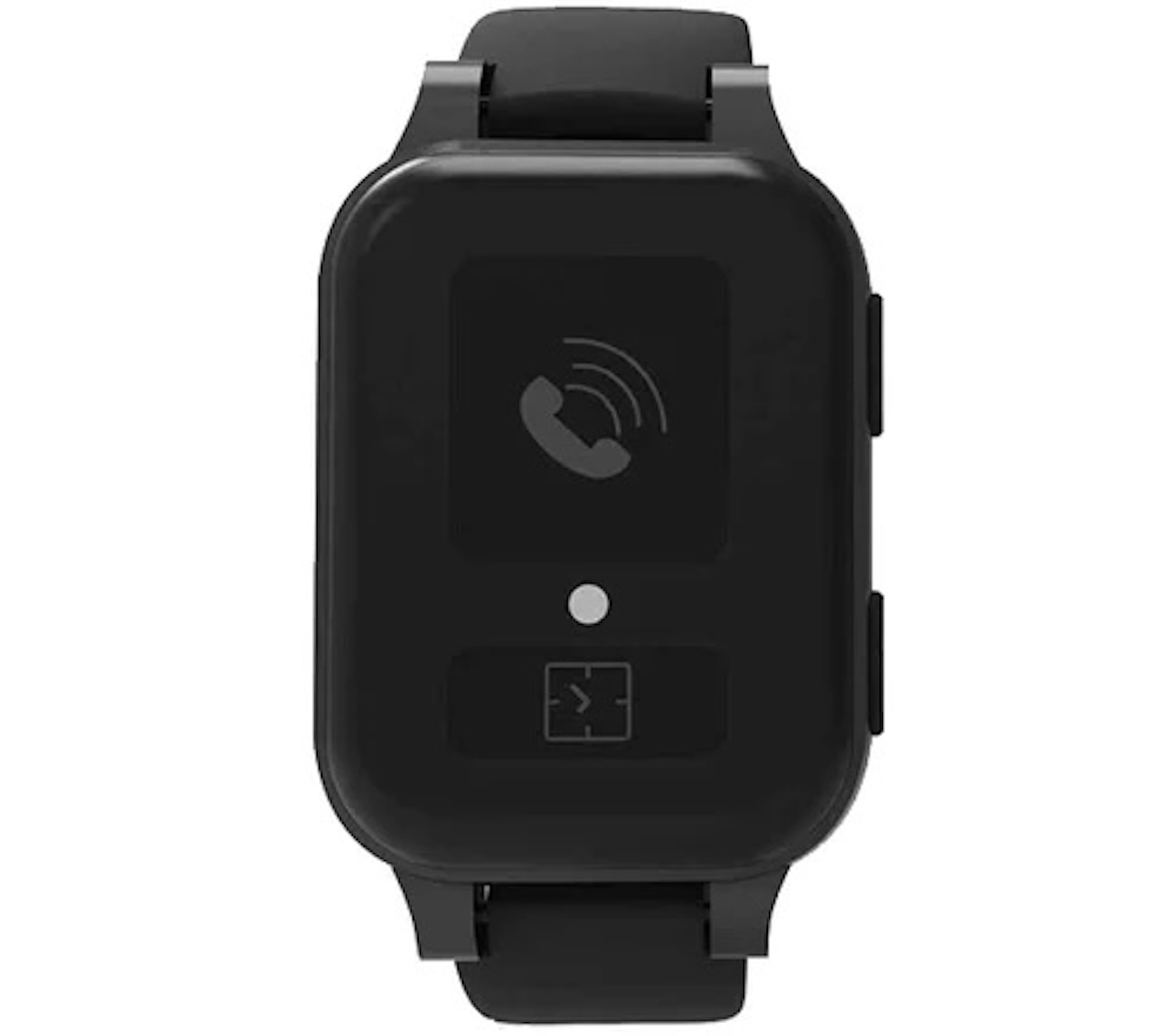
At the advertised rate, the first year works out to roughly $380 before taxes and fees: $79.99 for the device plus 12 months of $25 service. That may be reasonable for a person who will use it consistently, but it is worth evaluating as a recurring household expense rather than an impulse buy.
The critical limitation: no automatic fall detection
Consumer Cellular specifically says that IRIS Ally Go does not include automatic fall detection.
This point matters. If a wearer falls and cannot press the SOS button, the device will not automatically call for help based on the information Consumer Cellular has published.
Consumer Cellular also says IRIS Ally Go does not replace regular caregiving or another way to place an emergency call. Viiz Communications, Inc., an independent third party, provides the emergency response service.
These are not minor footnotes. They define the product’s limits. IRIS Ally Go may be useful when a conscious wearer has the device on, can activate the SOS function, and has adequate coverage. It does not guarantee help in every emergency.
Shower-safe does not mean waterproof
Consumer Cellular calls the device shower-safe and water resistant, but it says IRIS Ally Go is not designed to be submerged in water.
That means it may be suitable for hand washing, rainy walks, and showers, based on the company’s description. It does not mean the wearer should swim with it, wear it in a bath, or assume it will survive a drop into a pool.
Wearability matters because an emergency button only works while it is on the wrist. Buyers should think honestly about charging habits, water activities, comfort, and whether the intended wearer will keep it on every day.
Coverage and location still set the limits
Emergency technology depends on the connection behind it. Consumer Cellular says IRIS Ally Go requires adequate cellular and GPS coverage for proper operation, and that coverage is not available everywhere.
That is normal for a cellular safety device, but it should shape the purchase decision. Before buying, check Consumer Cellular coverage at the wearer’s home, favorite walking routes, and common travel destinations. If they spend time in rural areas, basements, remote parks, or buildings with weak reception, ask Consumer Cellular how the device behaves when it cannot establish a reliable cellular or location connection.
GPS and Wi-Fi-assisted location data may help responders find a person, but buyers should not treat that as a promise of precise location accuracy in every building or environment.
It is a safety wearable, not a smartwatch replacement
It is tempting to compare IRIS Ally Go with an Apple Watch or another cellular smartwatch, but the products solve different problems.
A smartwatch may offer fall detection, health tracking, apps, messaging, music, and other everyday features. It also usually requires more frequent charging, more setup, and more comfort with touchscreen menus. IRIS Ally Go focuses on one central task: giving the wearer a simple way to request help.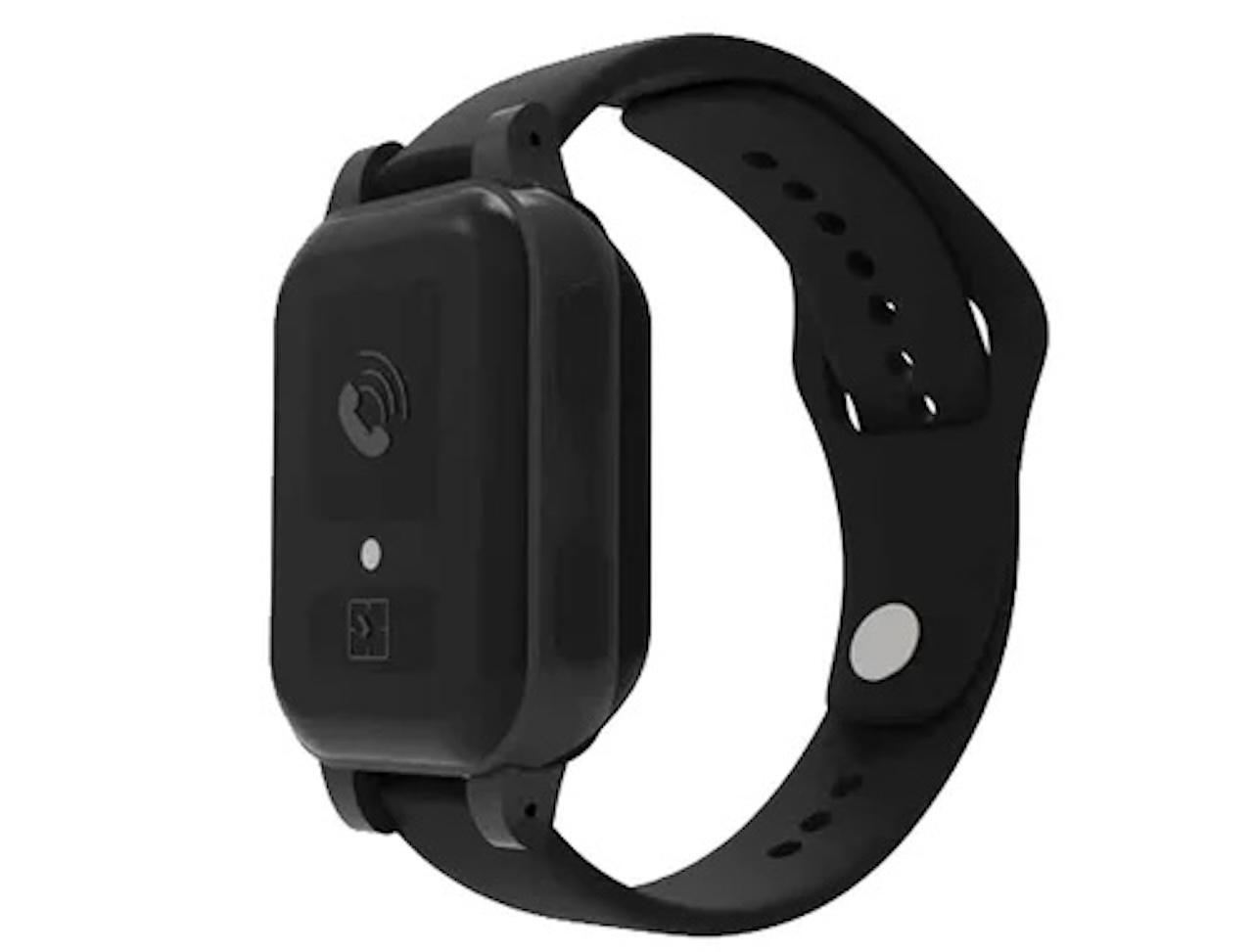
That narrow focus could be its biggest strength. Someone who does not want another complicated device to learn may find a dedicated SOS button more approachable than a feature-packed smartwatch. Someone who already uses a compatible smartwatch comfortably, however, may prefer a device that combines safety features with everyday functions.
Who should consider IRIS Ally Go?
IRIS Ally Go looks like a reasonable fit for an adult who wants a simple way to call for help without carrying a smartphone, especially if they already wear a watch daily. It may also suit families looking for a wrist-worn alternative to a pendant-style emergency button.
It is not the right choice for someone who needs automatic fall detection, spends much of their time outside reliable cellular coverage, dislikes recurring subscription costs, or expects a full smartwatch experience.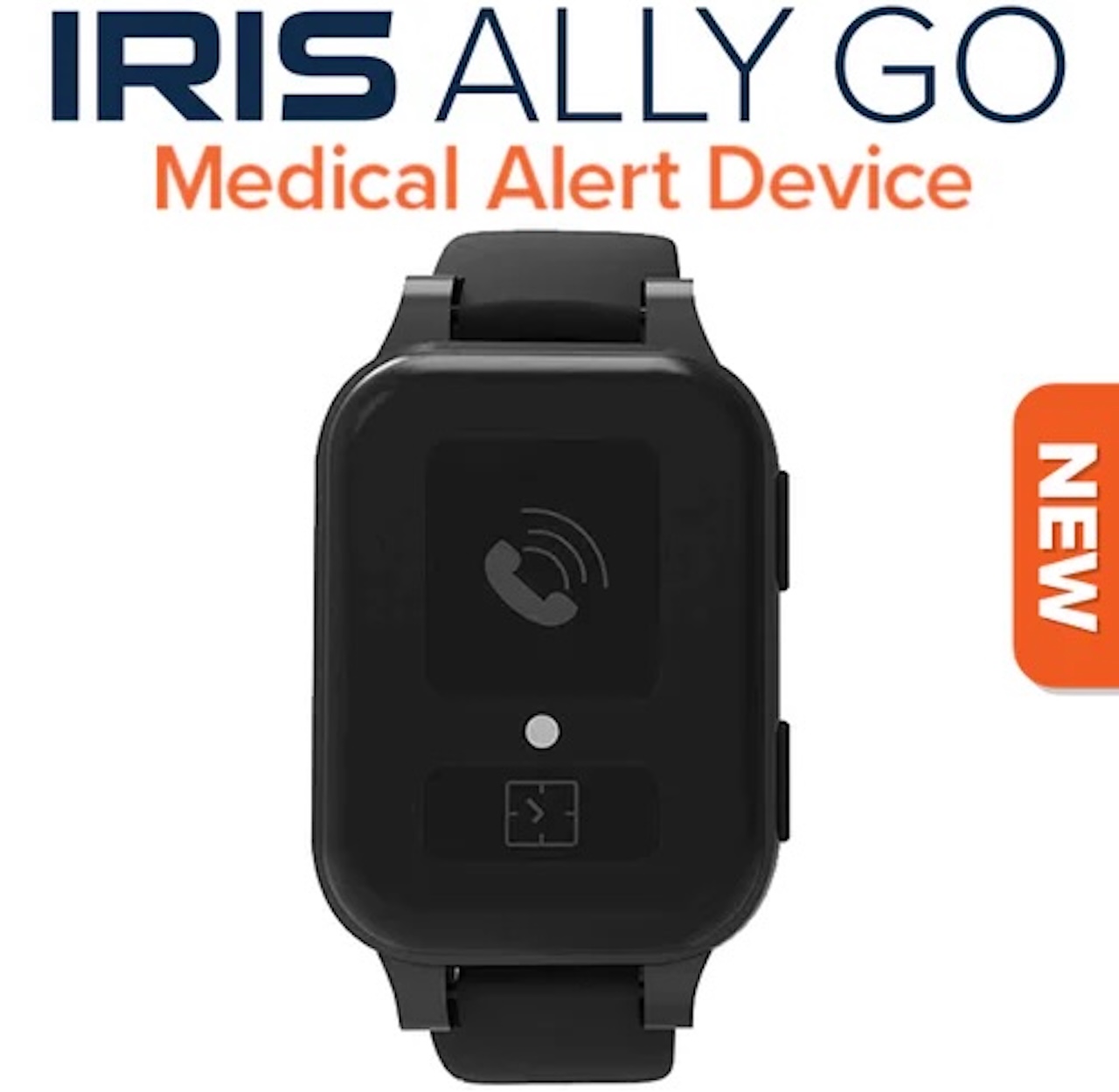
The key question is simple: will the person actually wear it every day?
If the answer is yes, IRIS Ally Go’s simple design could be more valuable than a long feature list. If it ends up in a drawer, even the best emergency-response plan cannot help.
Price: $79.99
Where to Buy: Consumer Cellular
IRIS Ally Go is available now from Consumer Cellular for $79.99, with service starting at $25 per month. Before buying, confirm the current monthly rate, applicable fees, coverage at the wearer’s usual locations, return policy, and whether the lack of automatic fall detection is acceptable for the person who will rely on it.