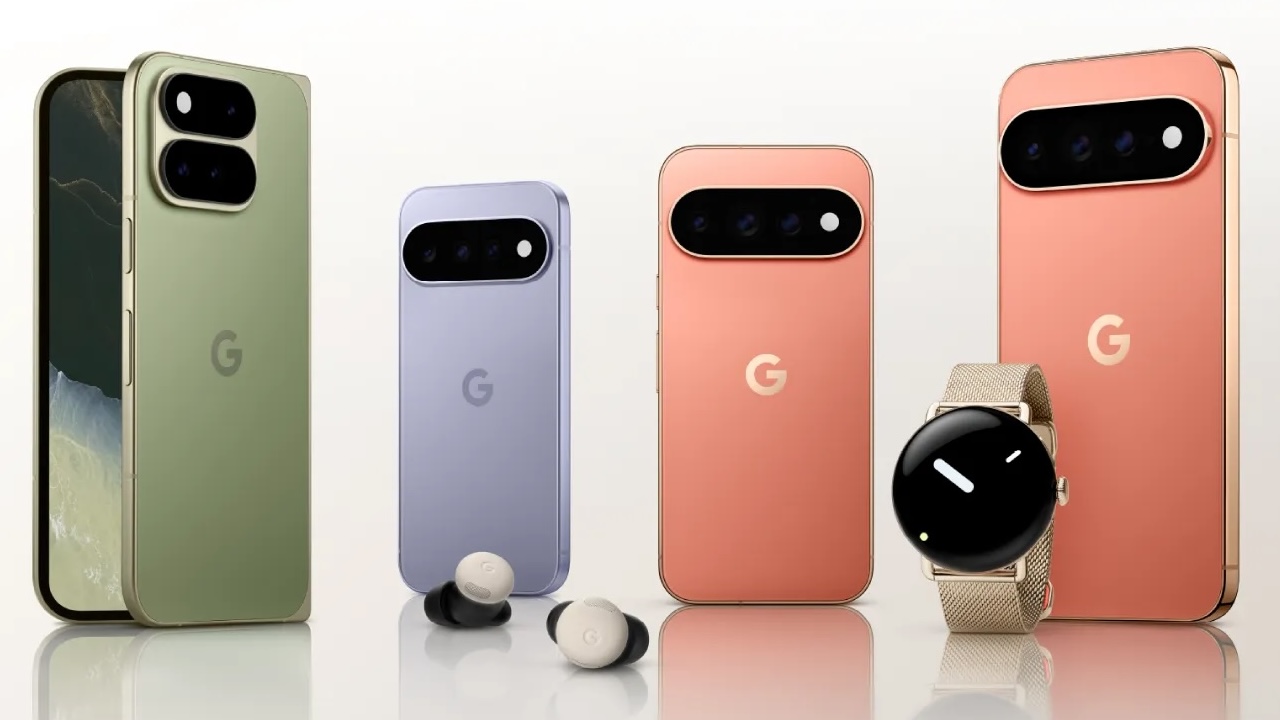
Google has refreshed its flagship phone family with four new Pixel 11 models: the standard Pixel 11, Pixel 11 Pro, Pixel 11 Pro XL, and the foldable Pixel 11 Pro Fold. This year’s changes are less about a radically different look and more about refinement, thinner hardware, upgraded cameras, new video tools, and Gemini features that Google hopes will feel useful instead of ornamental.
Pixel 11: $899 Buy on Amazon
Pixel 11 Pro: $1,219 Buy on Amazon
Pixel 11 Pro XL: $1,419Buy on Amazon
Pixel 11 Pro Fold: $1,899 Buy on Amazon
That is very much in keeping with the direction of the Pixel line. When we reviewed the original Google Pixel XL, the camera and clean Google software experience were central to the appeal. Nearly a decade later, Google is still leaning on those strengths, but it now wants AI to be part of the reason you upgrade.
Here are 11 things to know before deciding whether one of the new Pixels belongs in your pocket.
1. There are four Pixel 11 phones to choose from
Google is again offering four versions of its flagship phone: the Pixel 11, Pixel 11 Pro, Pixel 11 Pro XL, and Pixel 11 Pro Fold.
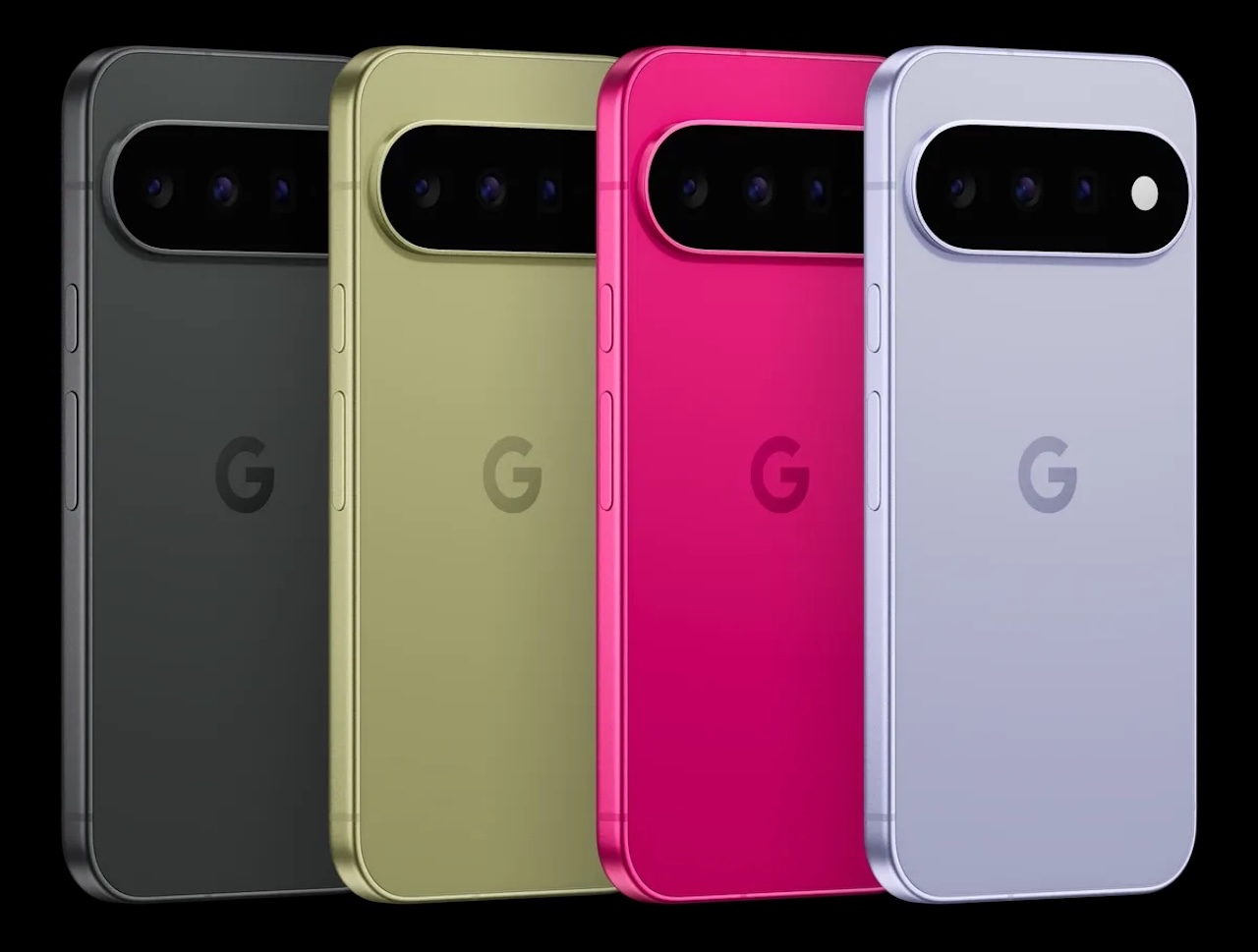
The standard Pixel 11 is the mainstream option, aimed at people who want the latest Google experience without spending Pro-level money. The Pixel 11 Pro brings Google’s higher-end camera system to a more compact phone, while the Pixel 11 Pro XL is the big-screen choice. The Pixel 11 Pro Fold is the expensive, productivity-oriented option for buyers who want a phone that can also act like a small tablet.
It is a familiar lineup, but that is helpful. Google is giving buyers a clear choice between value, camera capability, screen size, and foldable versatility with the new Google Pixel 11 Series.
2. Prices are up $100 across the lineup
In the U.S., the Pixel 11 starts at $899, the Pixel 11 Pro starts at $1,099, and the Pixel 11 Pro XL starts at $1,299. The Pixel 11 Pro Fold starts at $1,899.
Each model costs $100 more than its comparable Pixel 10 predecessor. That makes the base Pixel 11 harder to call an automatic value, especially for people whose current phone is still performing well. It also means trade-in offers, carrier promotions, and holiday discounts will matter more than usual.
The Fold is the most difficult one to justify on price alone. Nearly $1,900 is premium laptop territory, so its larger internal display needs to be a feature you will genuinely use, not simply something that looks cool in a product video.
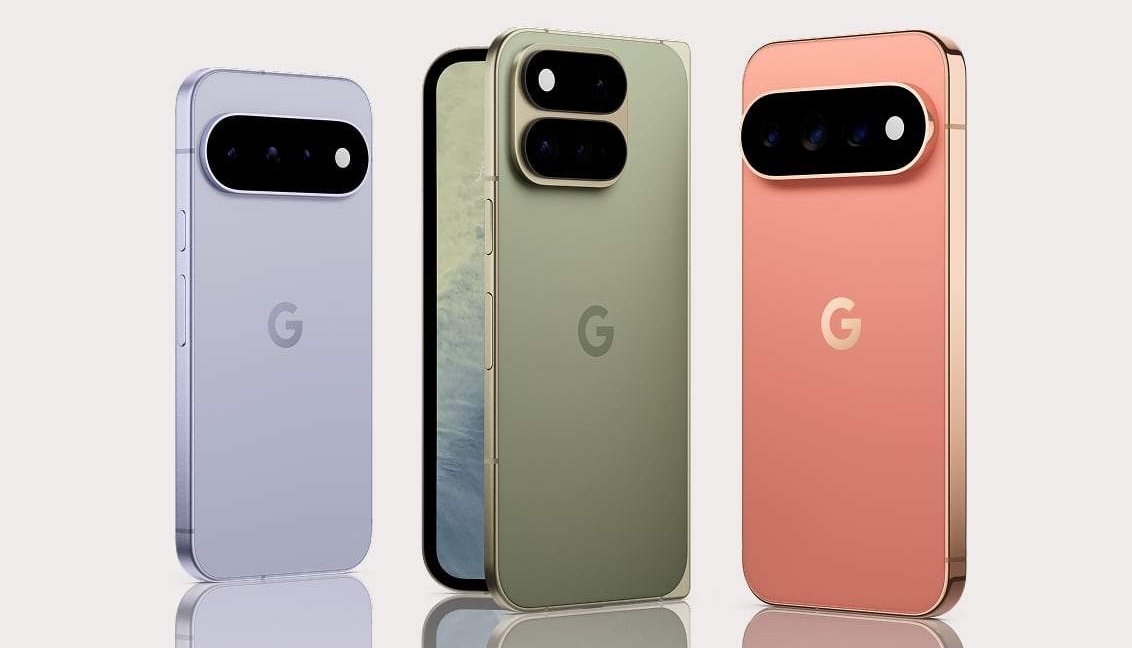
3. The standard Pixel 11 has a much thinner camera bar
Google has retained the familiar horizontal camera-bar design, but the standard Pixel 11 now uses an all-glass camera bar that the company says is more than 40% thinner than before.
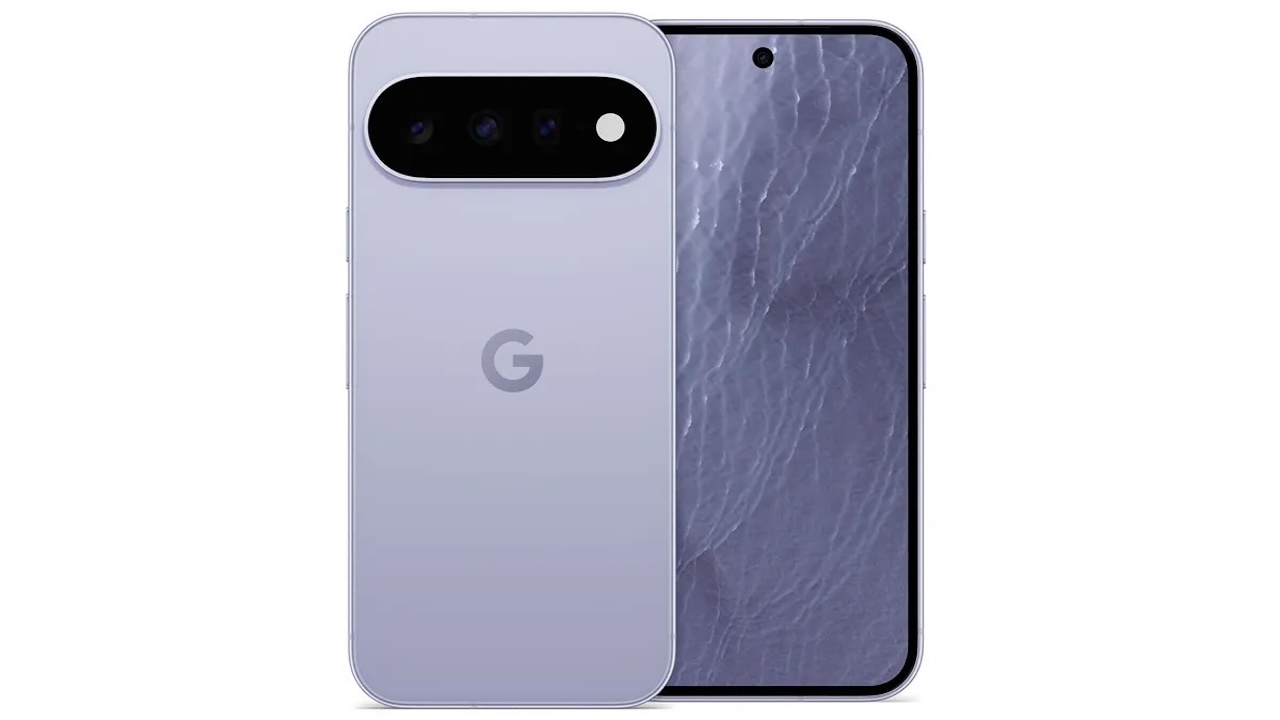
This is not a wholesale redesign, and that is fine. Pixel phones are recognizable at a glance, which is more than can be said for many current smartphones. The thinner camera bar should give the phone a cleaner, less bulky look without losing the design feature that makes it unmistakably a Pixel.
It is a subtle change, but hardware refinements often matter more after several months of ownership than the features that dominate a launch event.
4. Tensor G6 is inside every new Pixel
All four Google Pixel 11 Series phones are powered by Google’s Tensor G6 processor. Google says the chip can provide up to 20% better power efficiency, 25% faster web browsing, and 15% faster app loading than the previous generation.
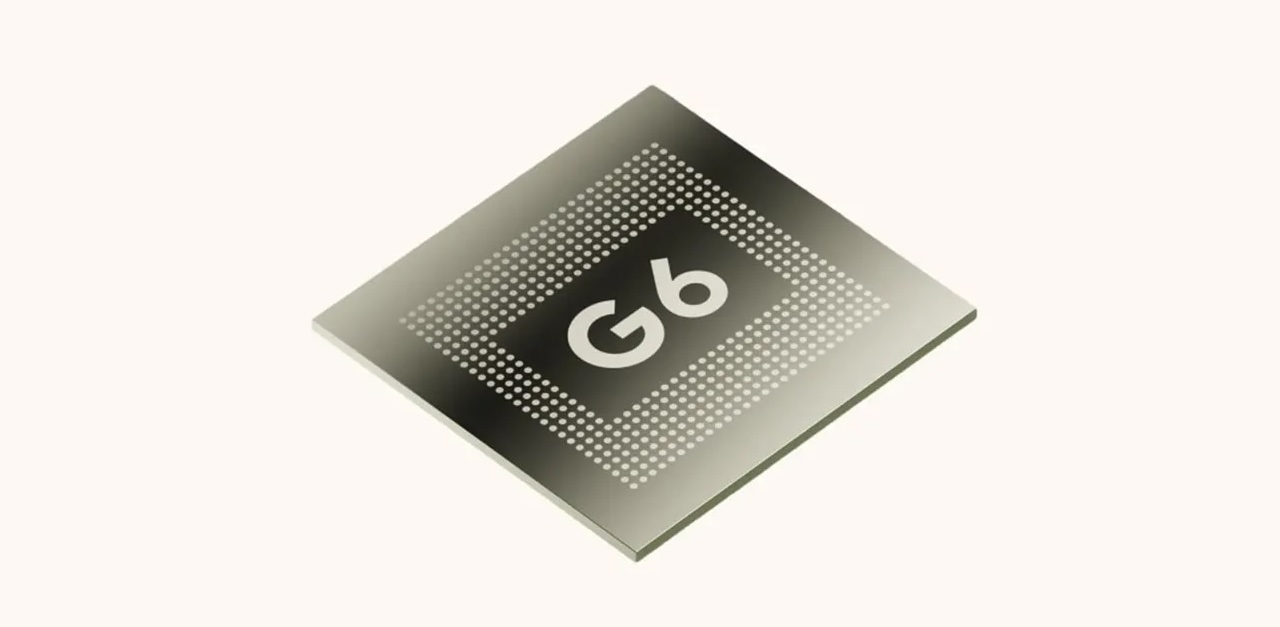 Those are company claims, not independent test results, so take them as a starting point rather than a final verdict. Still, Tensor G6 matters because it is the engine behind Google’s new camera processing, Gemini features, and other on-device AI tools.
The question is not simply whether apps launch faster. It is whether the chip makes the phone more helpful in everyday situations without draining the battery or getting in the way. That will need real-world testing.
5. Magic Capture is designed to rescue missed moments
Magic Capture is one of the more practical new camera features. With one tap, it takes a short sequence of photos and video. Google says the tool then analyzes roughly 500 frames, identifies the best moments, and applies light edits such as cropping, straightening, or unblurring.
This is not really about making a single, perfect still photo. It is about giving people a better chance of getting one. Anyone who has tried to photograph a toddler, a dog, a moving vehicle, or a group of friends knows how often the best expression happens immediately before or after the shutter is pressed.
If Magic Capture works as promised, it could be more useful than a long list of niche editing tricks.
6. The new Pixel lineup adds useful video tools
The Pixel 11 family adds a way to pull still images from video, improved video stabilization, and better speech-to-text. Google has also introduced a teleprompter feature.
 The teleprompter may sound like a creator-only tool, but it has wider appeal. It could help with product reviews, recipe videos, classroom assignments, work presentations, how-to clips, and social posts where you want to sound prepared without memorizing every line.
These additions point toward a more useful kind of phone camera upgrade. Rather than giving users a novelty filter they will try once, Google is trying to remove friction from the process of recording and sharing something worthwhile.
7. The Pro phones add HiLight LEDs
The Pixel 11 Pro and Pixel 11 Pro XL get an array of LEDs around the rear flash called HiLight. When the phone is face down, the lights can glow in a selected color for calls from favorite contacts. They can also indicate when Gemini is listening, thinking, or responding.
 HiLight is certainly a conversation starter, but it is not just decorative. Plenty of people place their phones face down during meals, meetings, or work. A discreet visual alert may be useful when you do not want the screen lighting up or an audible notification interrupting the room.
Whether the feature becomes indispensable or merely neat will depend on how customizable it is and how often it is actually useful.
8. Pixel 11 Pro and Pro XL remain the camera-first choices
The Pixel 11 Pro and Pixel 11 Pro XL are Google’s top-tier conventional phones. Both have a 50-megapixel main camera, a 48-megapixel ultrawide camera, and a 48-megapixel 5x telephoto camera. Google says their Super Zoom can reach up to 120x.
The biggest difference between them is physical size. The Pixel 11 Pro has a 6.3-inch display, while the Pixel 11 Pro XL has a 6.8-inch display. The smaller Pro is the better fit for people who prefer a phone that is easier to manage one-handed. The Pro XL makes more sense for buyers who watch a lot of video, read often, use split-screen apps, or simply want the largest available display.
The good news is that you should not have to buy the larger phone just to get the better camera setup.
9. The Pixel 11 Pro Fold addresses the right hardware issues
Google says the Pixel 11 Pro Fold is nearly 10% lighter, about 1 mm thinner, and more durable than last year’s foldable. It also gets an updated hinge, stronger rear material, and a new 48-megapixel main camera.
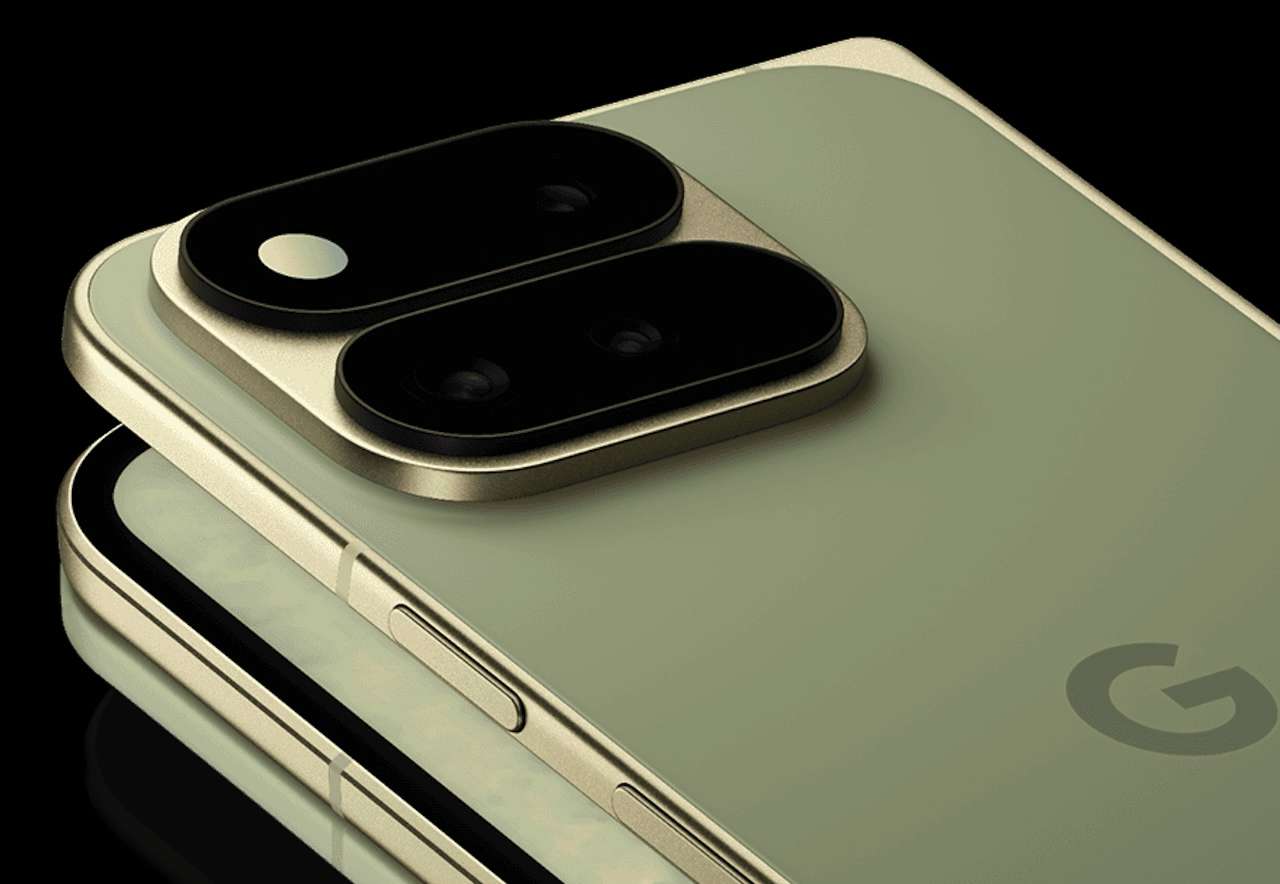 Those are the right places to focus. Foldables need to earn their place in a pocket before their larger unfolded screens can be treated as a bonus. Less weight, less thickness, stronger materials, and a better camera all make the Pro Fold easier to consider as an everyday phone.
It is still a premium purchase, though. Anyone who rarely multitasks, reads long articles, edits photos, or watches video on a phone may be better served by a Pro or Pro XL.
10. Google AI Pro is a Pro-model bonus
Google is bundling six months of Google AI Pro with Pixel 11 Pro and Pixel 11 Pro XL purchases.
That gives buyers a chance to explore Google’s higher-tier Gemini features without immediately committing to another subscription. It is a useful incentive, but it should not be the deciding reason to buy either phone. Before treating it as a major value add, consider the ongoing cost once the trial period ends and whether you will use the included features often enough to justify it.
The hardware should make sense on its own. The subscription should be a bonus.
11. The best Pixel 11 depends on your actual routine
The Pixel 11 is likely the best value for most people who want a current Google phone. The Pixel 11 Pro is the choice for buyers who want the premium camera system in a smaller form factor. The Pixel 11 Pro XL is for people who want the biggest traditional phone screen, while the Pixel 11 Pro Fold is the splurge for buyers who will take advantage of its expanded workspace.
Pixel 11: $899 Buy on Amazon
Pixel 11 Pro: $1,219 Buy on Amazon
Pixel 11 Pro XL: $1,419Buy on Amazon
Pixel 11 Pro Fold: $1,899 Buy on Amazon
The Pixel 11 series is less about one dramatic hardware leap than about how well Google can make its cameras, software, and Gemini tools work together. The higher prices raise the bar, so prospective buyers should wait for independent reviews, and watch for realistic trade-in or carrier offers, before preordering.