
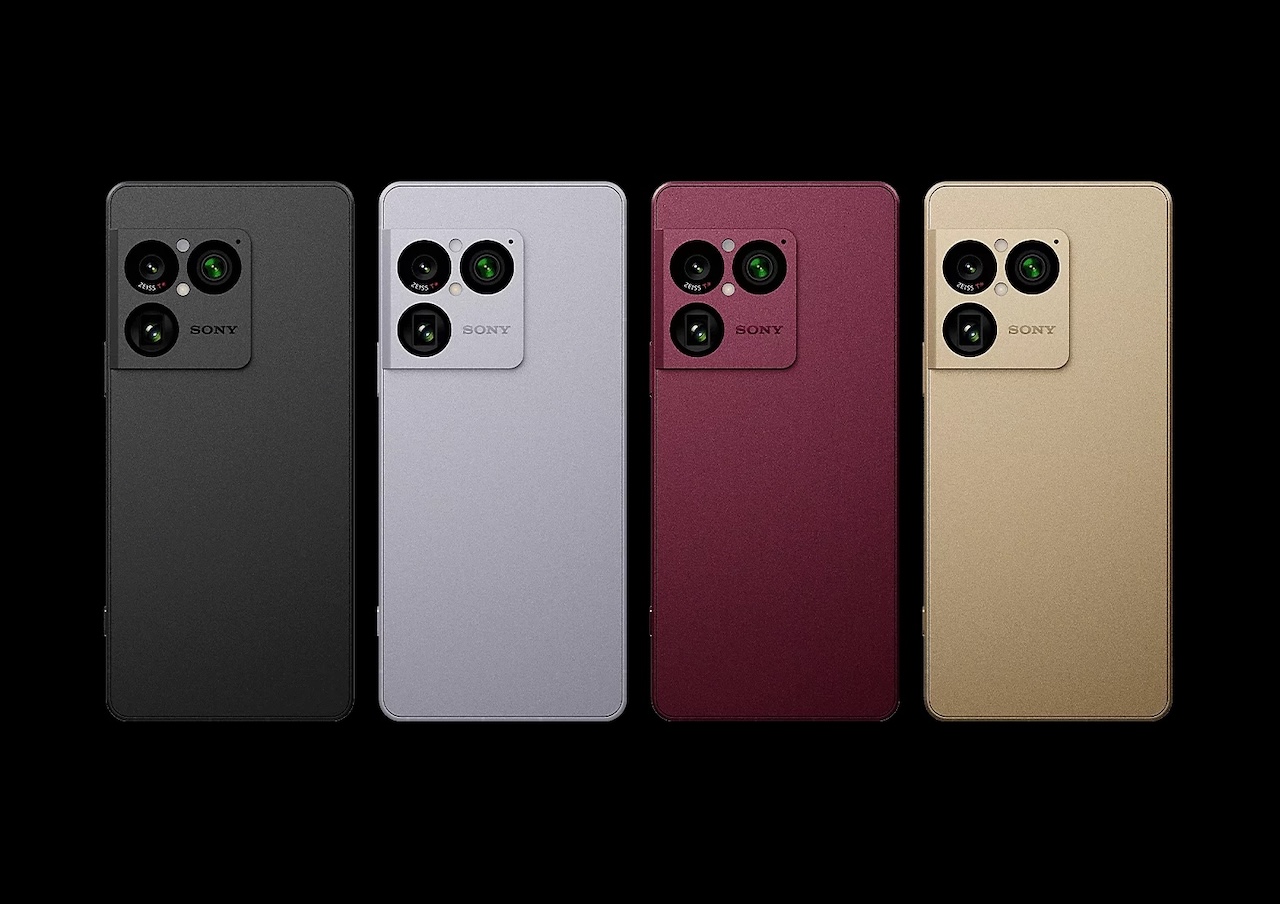
Sony’s quietly launching the Xperia 1 VIII across Europe this week at €1,499, and the spec sheet reads like a love letter to everything other flagship makers have abandoned. While Apple’s chasing thinness, Samsung’s chasing AI demos, and Google’s chasing whatever Pixel Studio wants to be this quarter, Sony’s making a phone for people who refuse to be told what to want. The Snapdragon 8 Elite Gen 5 and the new 48MP telephoto get the press release headlines. But the real story’s what Sony refused to cut.
Price: €1,499 ( $1,845.71)
Where to Buy: Amazon UK | Sony
Line the Xperia 1 VIII up next to any other 2026 flagship and you’ll spot the gaps in seconds. There’s a 3.5mm port on the bottom that hasn’t been on an iPhone since 2016, a slot inside the SIM tray that Apple never offered at all, and a dedicated shutter button that’s been missing from premium phones for the better part of a decade. Here are five features Sony kept on the Xperia 1 VIII that virtually every rival dropped years ago.
1. The Xperia 1 VIII’s 3.5mm Headphone Jack
Sony’s still building a flagship with a real headphone jack, and in 2026 that makes the Xperia 1 VIII something close to a unicorn. Apple killed the jack on the iPhone 7 back in 2016, Google followed with the Pixel 2 in 2017, and Samsung joined them with the Galaxy Note 10 in 2019. The Xperia 1 VIII keeps it because Sony’s audio crowd still wants to plug in IEMs and studio cans without juggling dongles or fighting Bluetooth latency. It’s also one of the cleanest signals that Sony’s not chasing the same buyer as everyone else.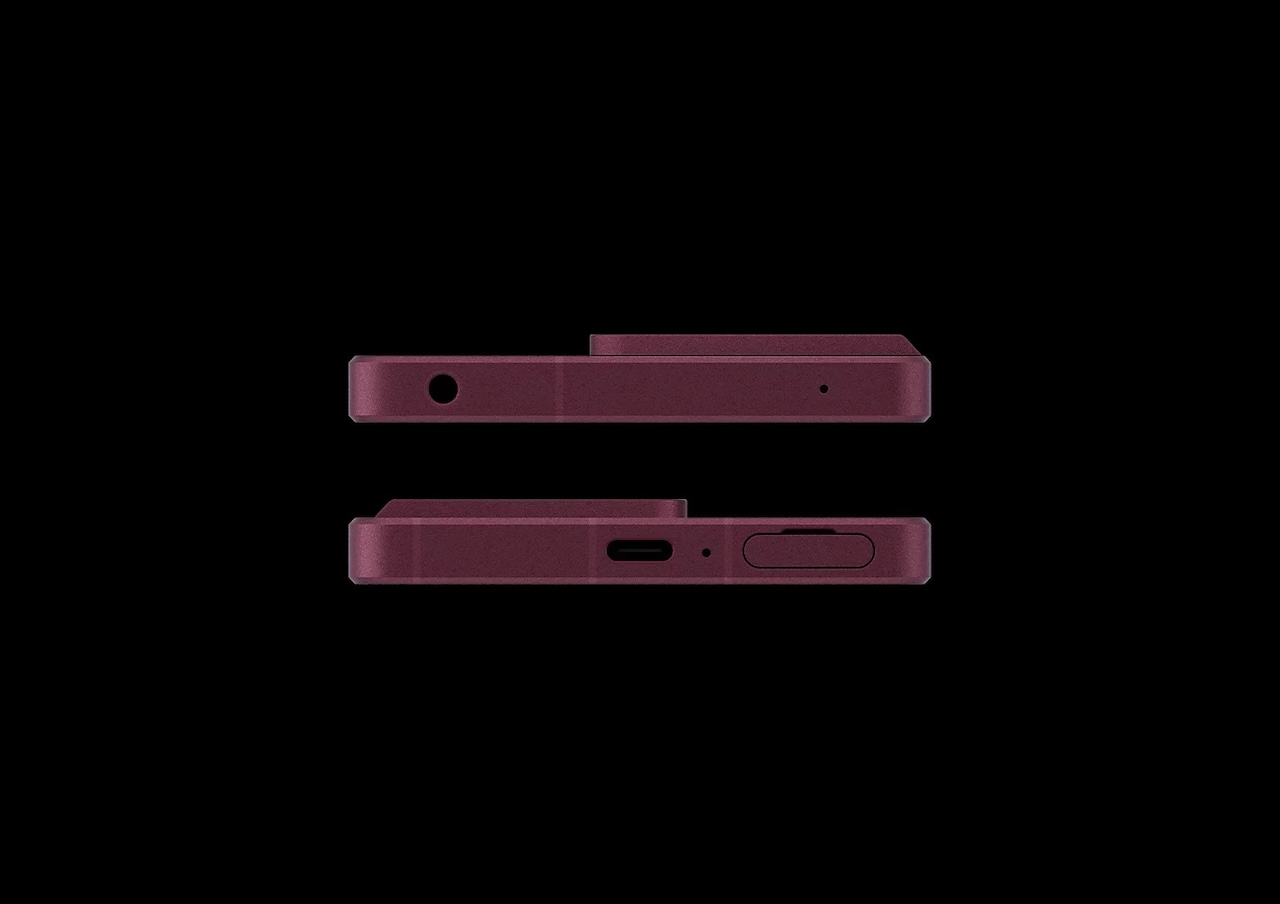
Wired audio bypasses Bluetooth codec compression entirely, which still trips up critical listeners on lossless source files. The Xperia 1 VIII gives that crowd a single device that doesn’t force them to choose between fidelity and convenience. Sony’s the only major brand still designing for ears that actually care what the signal chain looks like.
2. The MicroSDXC Slot on the Xperia 1 VIII
Expandable storage is another dead feature on most flagships, but the Xperia 1 VIII still takes microSDXC cards up to 2TB. That’s a real win if you shoot 4K video, carry a large lossless music library on-device, or just hate paying flagship prices for built-in storage upgrades. The catch is that the microSD card shares the SIM tray, so dual-SIM users will have to pick a lane. Single-SIM users in markets where eSIM is mature won’t notice the trade-off at all.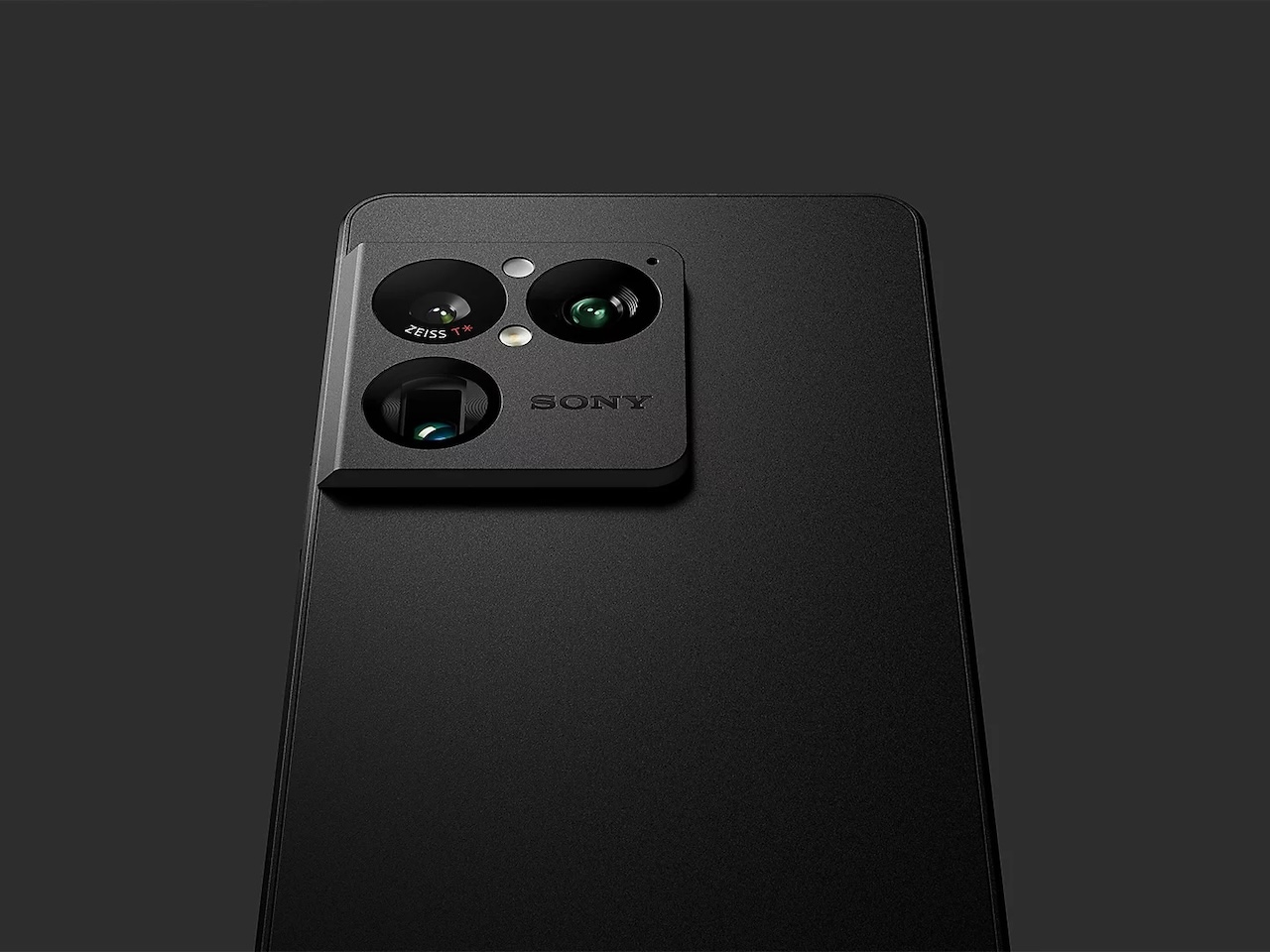
Apple and Google have never offered expandable storage on any flagship iPhone or Pixel. Samsung killed it on the Galaxy S21 back in 2021 and never brought it back. That leaves Sony as the only major brand still treating local storage as something the buyer should control.
3. The Xperia 1 VIII’s Physical Shutter Button
Sony’s two-stage shutter button has been a fixture on the Xperia 1 line for years, and it survives on the VIII. You half-press to focus, full-press to capture, just like a proper compact camera. Most rivals either dropped dedicated shutter keys long ago or never offered them at all. That leaves Sony’s flagship as one of the few phones still built like a tool for photographers, not just a glass slab that happens to have a camera.
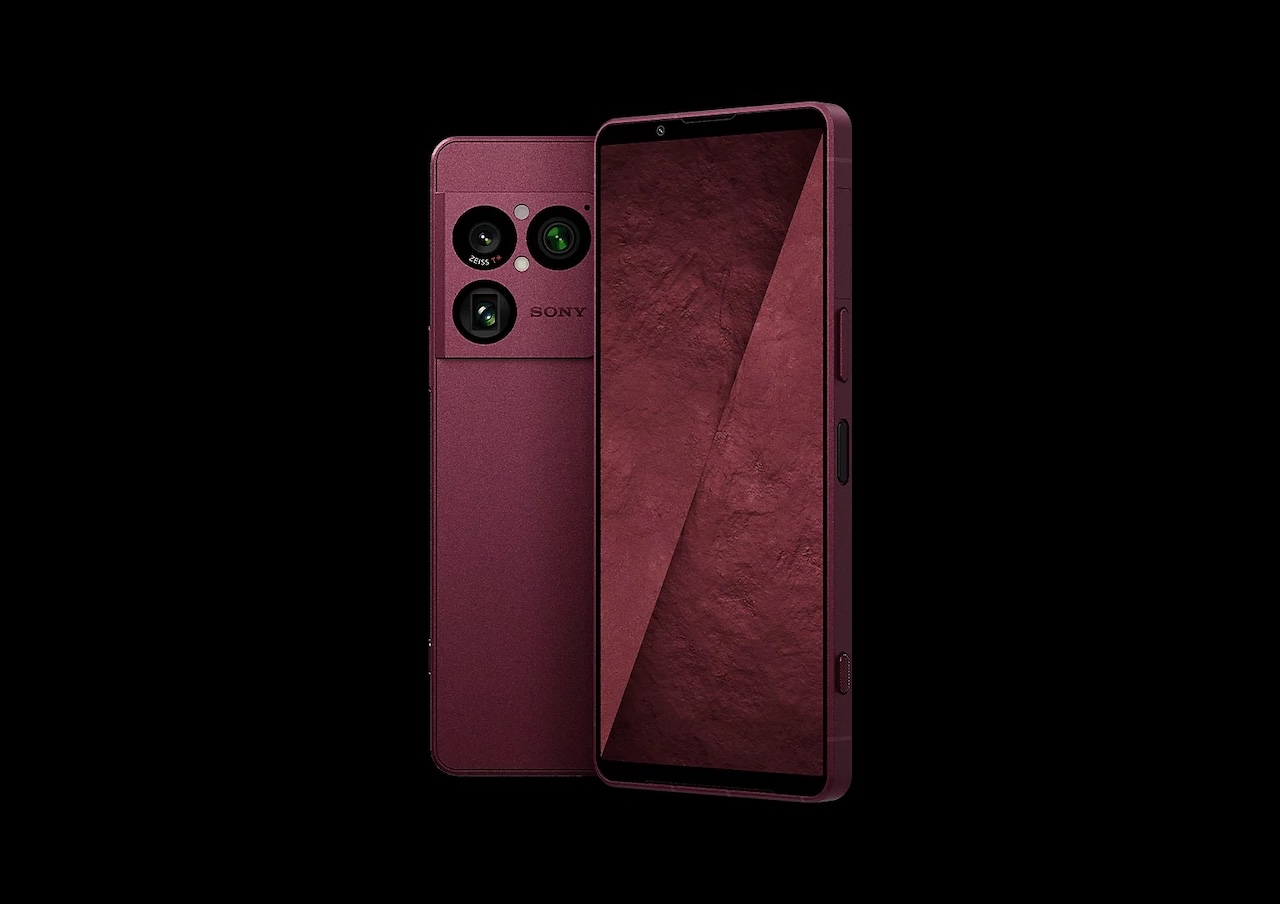 The shutter key also doubles as a camera launcher from sleep, which saves shots you’d otherwise lose fumbling through a lock screen. Sony’s Alpha camera team had clear input on the UI, and you can feel it in the way the app exposes manual controls. The phone treats photography as an intentional act rather than a tap-to-snap reflex.
4. Front-Facing Stereo Speakers on the Xperia 1 VIII
The Xperia 1 VIII keeps its front-facing stereo speakers, which point sound straight at you instead of firing it sideways from the bottom edge. Most flagships went hybrid years ago, mixing a down-firing speaker with the earpiece, and the result never quite matches true symmetrical stereo. Sony’s setup still wins for video, gaming, and any scenario where audio directionality matters. It’s also the layout most reviewers quietly prefer when testing speakerphone clarity and Dolby Atmos playback.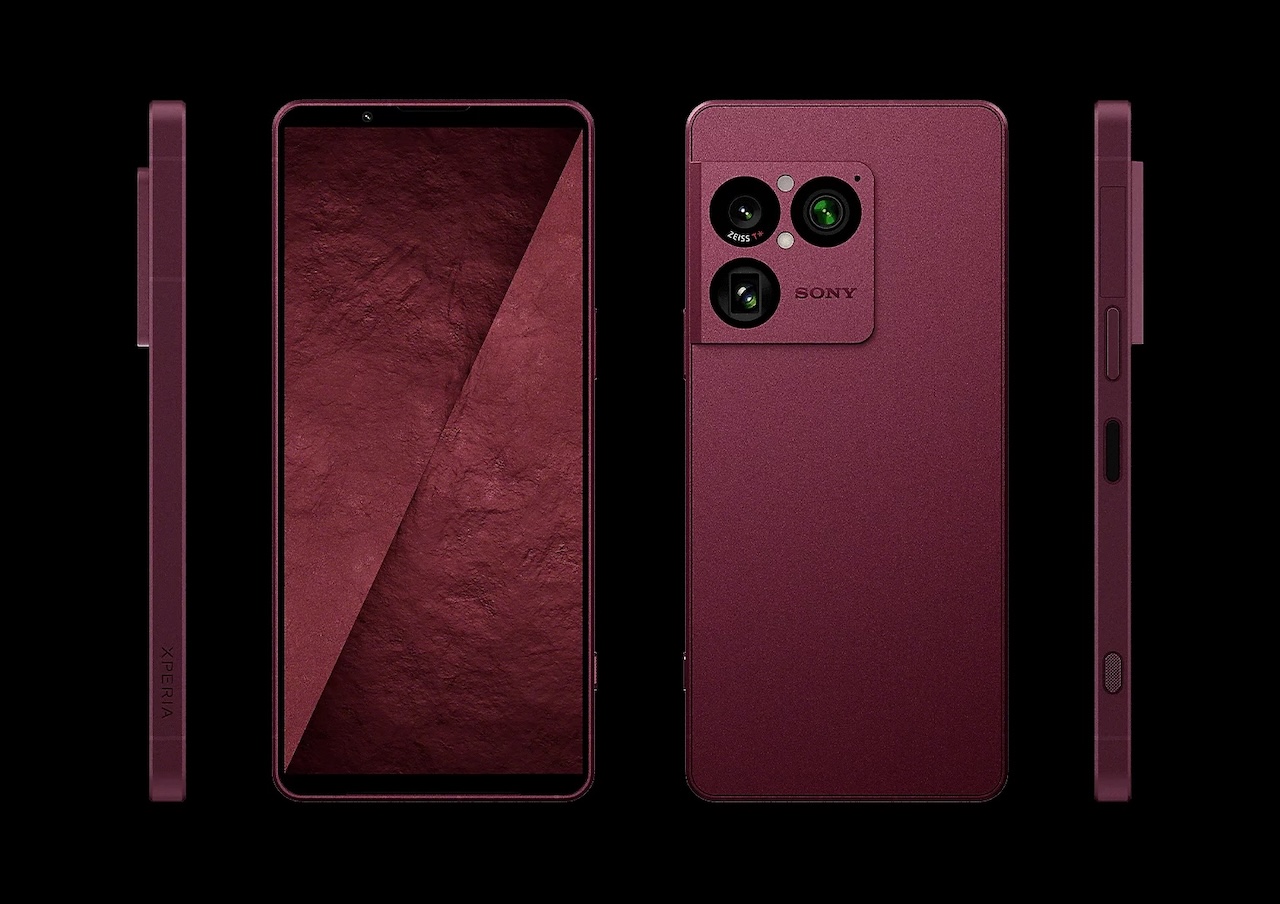
True front-firing stereo also makes the Xperia 1 VIII a stronger pick for handheld video calls and live streams. The earpiece-plus-bottom-firing combo on most rivals always sounds louder on one channel, and you can hear the imbalance the moment you rotate the phone. That asymmetry isn’t a deal-breaker, but it’s the sort of detail Sony refuses to ship.
5. The Xperia 1 VIII’s Hi-Res Audio Chain
Sony’s still treating audio as a headline feature, with Hi-Res Audio support, LDAC for wireless lossless playback, and DSEE Ultimate upscaling all built into the Xperia 1 VIII. The 360 Reality Audio compatibility carries over too, which pairs nicely with the headphone jack from earlier on this list. Apple, Samsung, and Google have all dialed back audio as a marketing pillar over the past few generations, treating it as a feature you check off rather than one you sell phones with. Sony’s still the only major flagship maker that treats sound quality as a category worth fighting for.
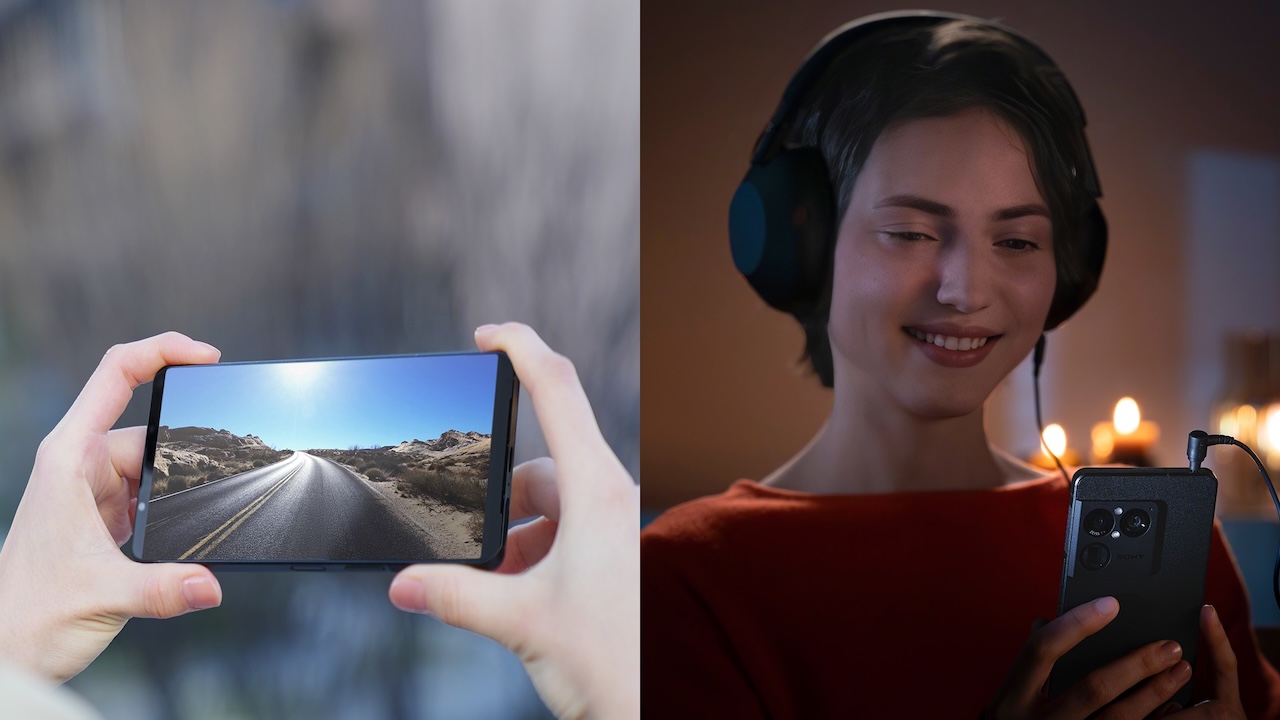 Pair the audio chain with the headphone jack and the Xperia 1 VIII becomes one of the few phones that can deliver wired Hi-Res playback without a dongle, an external DAC, or a workaround. For anyone who carries a portable hi-fi setup, that consolidation is the entire pitch. It’s a phone that puts actual hardware behind the audio claim.
Price:€1,499 ( $1,845.71)
Where to Buy: Amazon UK | Sony
What This Means for Buyers
The Xperia 1 VIII is a phone for people who refuse to be told what to want. If you’d rather have a headphone jack, expandable storage, and a real shutter button than a thinner profile or faster charging, this is the only flagship still building for you. Just don’t expect Sony to make it easy on your wallet, or to ship it to your door if you’re in the US. Europe and select Asian markets get the launch this cycle, and US buyers will once again need to import gray-market units or wait for whatever Sony decides to do next generation.
