
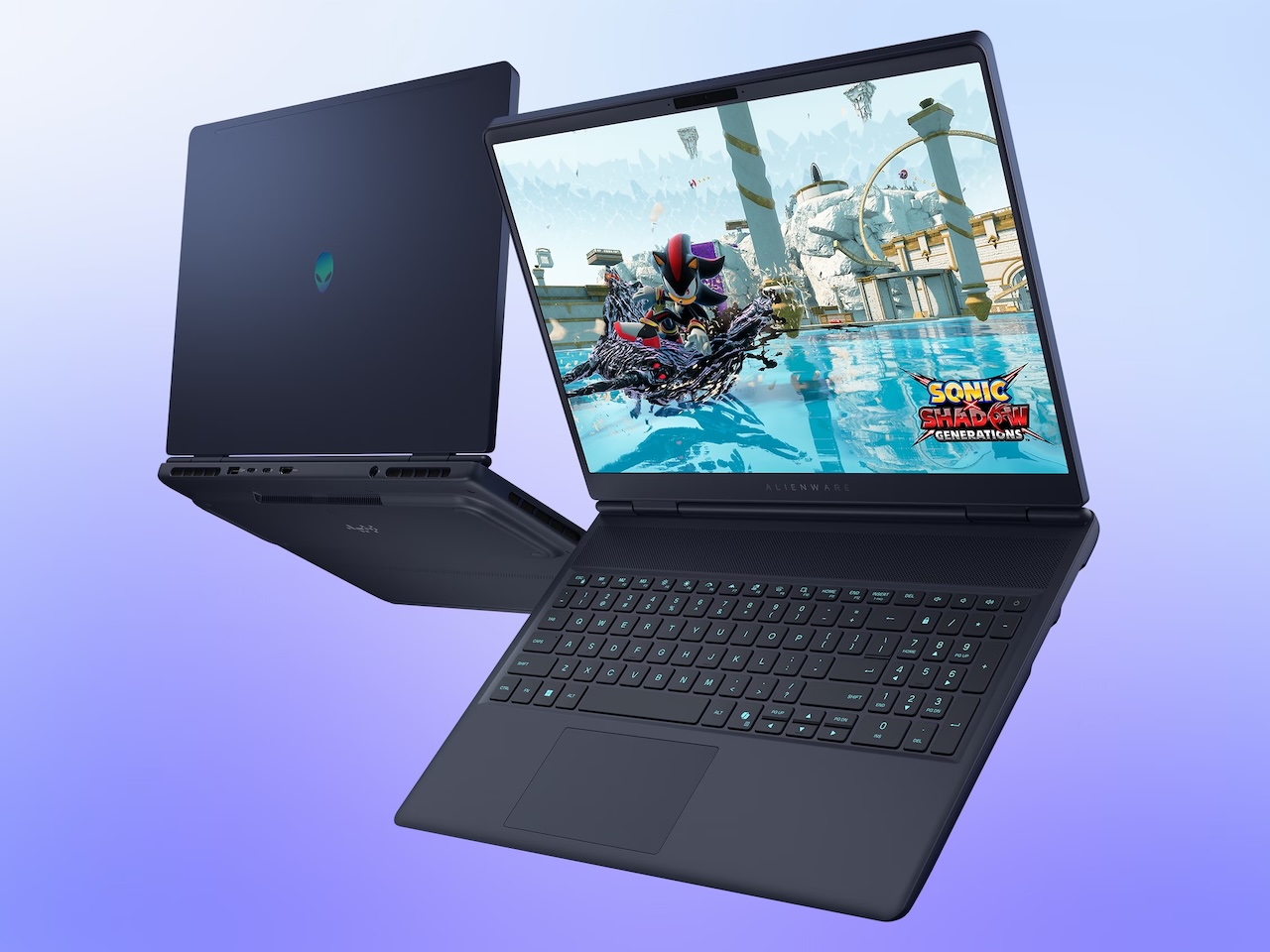
Alienware didn’t settle for a spec bump to mark its 30th birthday. The company overhauled the entire gaming laptop architecture for 2026, introducing three new machines that pair Intel’s latest Arrow Lake HX Plus processors with Nvidia’s full RTX 50-series GPU lineup inside a completely redesigned chassis. The Alienware 16X Aurora, Alienware 16 Area-51, and Alienware 18 Area-51 all went on sale March 17 after previewing at CES 2026 earlier this year, and they represent the most significant visual and thermal redesign the brand has shipped in years.
Price: From $1,649.99
Where to Buy: Philips
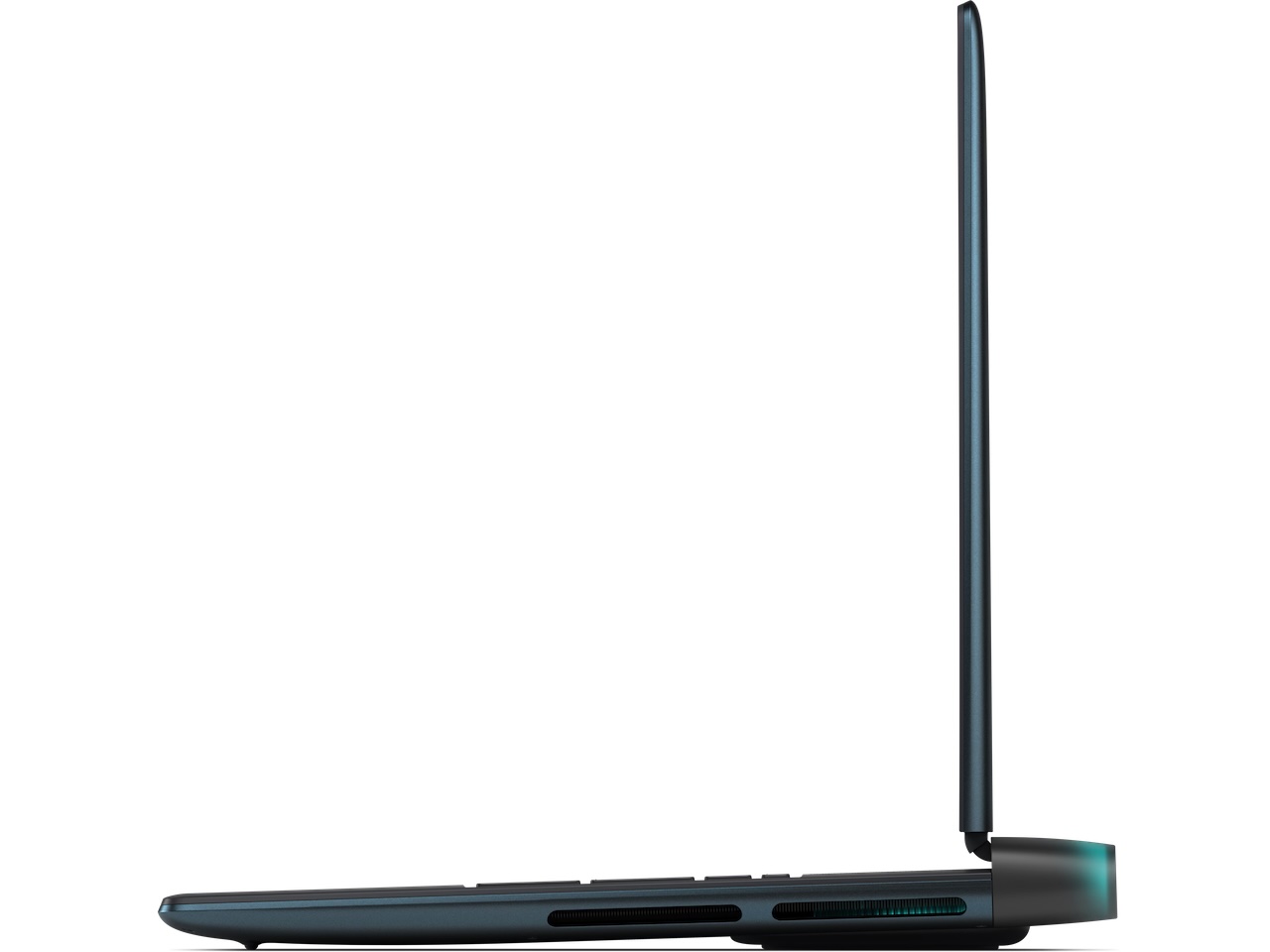
The “Alienware 30” design language replaces the sharp, angular chassis lines of previous generations with softer, rounded edges and a new hinge mechanism. It’s a meaningful departure for a brand that’s spent decades leaning into aggressive aesthetics, and the new look gives these laptops a distinctly modern silhouette that sets them apart from everything Alienware has produced before.
The Area-51 flagships cover the full RTX 50-series range
The Alienware 16 Area-51 and 18 Area-51 sit at the top of the new lineup with support for every RTX 50-series mobile GPU Nvidia currently offers. That means configurations running from the RTX 5060 all the way through the RTX 5070, RTX 5070 Ti, RTX 5080, and up to the RTX 5090, making these among the first gaming laptops shipping with Nvidia’s complete new mobile stack. Processor options on both models include Intel’s Core Ultra 7 255HX, the new Core Ultra 7 270HX Plus at 5.3 GHz, and the Core Ultra 9 275HX. The top-end choice is the Core Ultra 9 290HX Plus running at 5.5 GHz, Intel’s fastest mobile chip in the Arrow Lake HX Plus family.
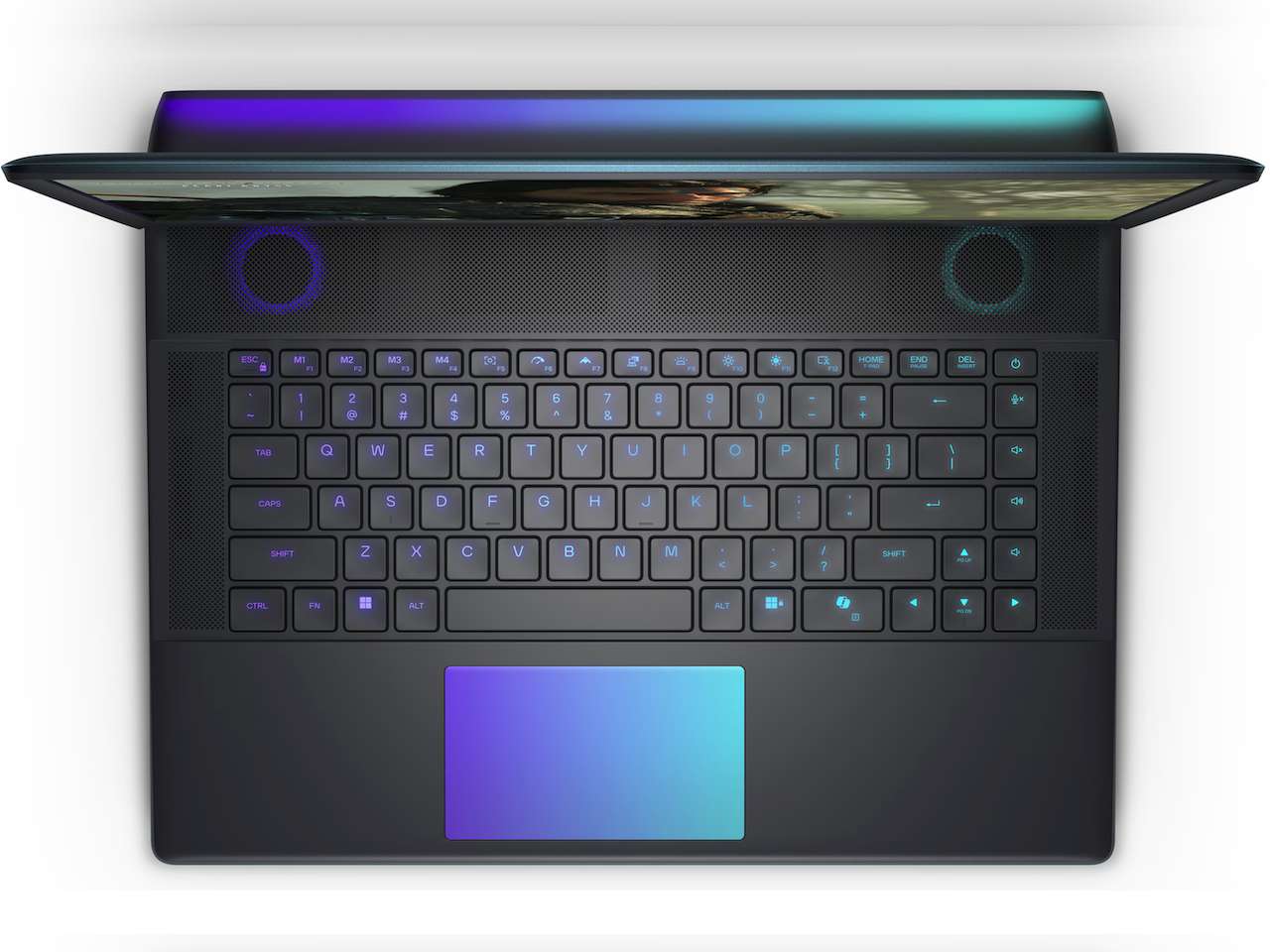
The 16-inch Area-51 delivers up to 240 watts of total gaming power and drives a 2560×1600 display at 240 Hz with 100% DCI-P3 color coverage, 500-nit brightness, G-SYNC, and Advanced Optimus. Dell offers LCD and OLED panel options on this model, giving buyers a choice between the refresh rate consistency of LCD and the per-pixel contrast that OLED delivers. The 18-inch variant pushes total gaming power to 280 watts and bumps the refresh rate to 300 Hz on its larger 2560×1600 panel, though it ships exclusively with LCD.
Both Area-51 models start with 32 GB of DDR5 memory at 6400 MT/s, expandable to 64 GB, paired with up to 2 TB of Gen 4 or Gen 5 PCIe NVMe storage. Port selection runs deep on both machines: three USB-A 3.2 Gen 1 ports, HDMI 2.1, an SD card slot, and a headset jack. The Thunderbolt situation splits by GPU tier, with RTX 5070 and below configurations getting two Thunderbolt 4 ports and RTX 5070 Ti and above upgrading to Thunderbolt 5. The 18-inch model adds a 5 GbE Ethernet port for wired networking that won’t bottleneck at gigabit speeds. Audio across both machines totals 8 watts through a woofer-and-tweeter arrangement supporting Dolby Atmos with IntelliGo noise reduction.
Intel Killer Wi-Fi 7 BE1750 handles wireless connectivity on both Area-51 models alongside Bluetooth 5.4. A 96 Whr battery powers each machine, and both ship in Liquid Teal with per-key AlienFX RGB lighting and a 2 MP FHD IR webcam with Windows Hello support.
The Aurora 16X goes all in on OLED
The Alienware 16X Aurora takes a different position in the lineup, trading the Area-51’s top-tier GPU options for a lighter chassis starting at 5.66 pounds. GPU choices include the RTX 5060 with 8 GB GDDR7, the RTX 5070, and the RTX 5070 Ti, keeping the machine in firmly capable territory without reaching for the 5080 or 5090 configs available in its bigger siblings. Processor options span from the Core Ultra 5 235HX through the Core Ultra 9 290HX Plus.
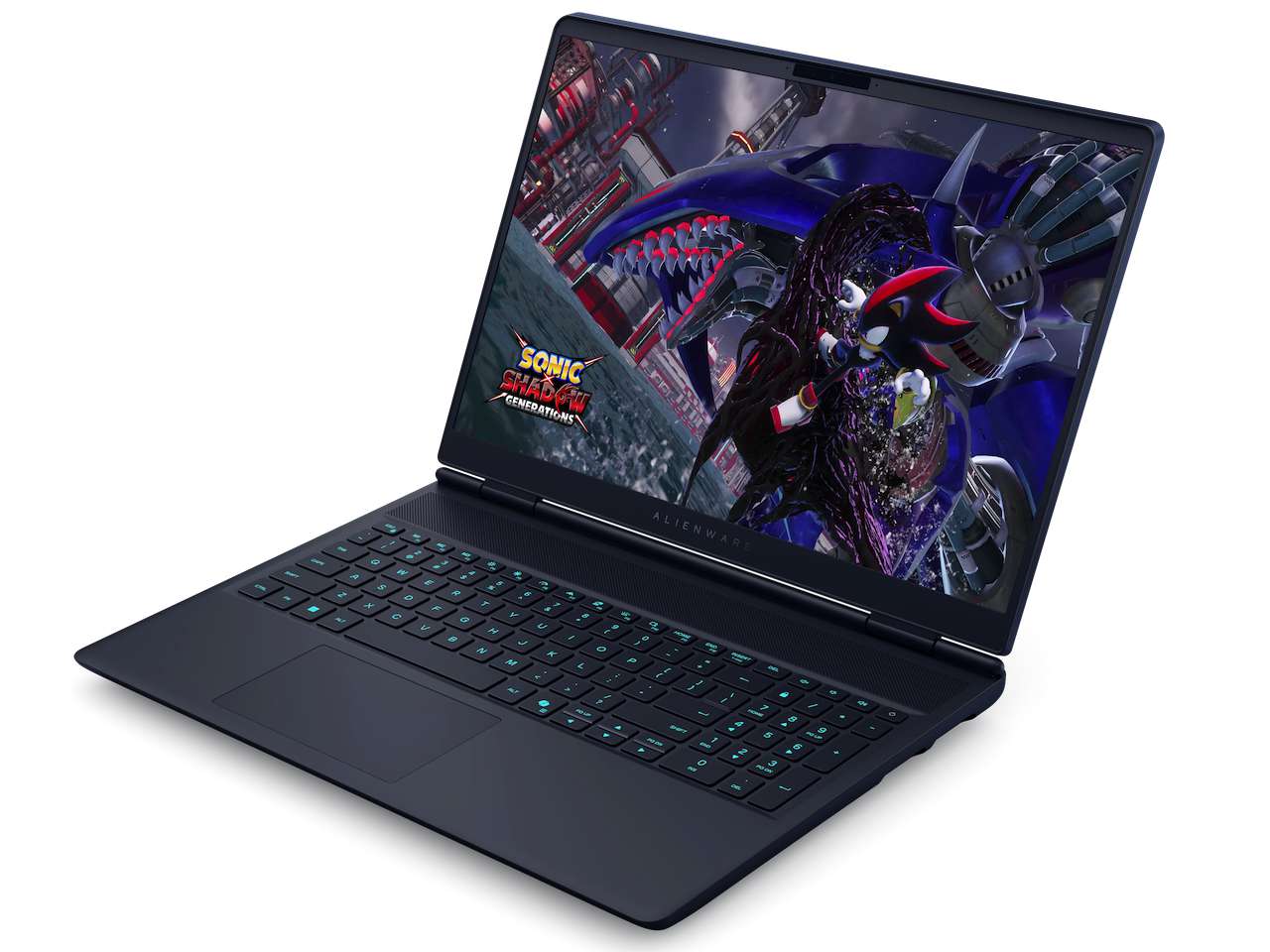
The display is where the Aurora carves out its own identity. All configurations ship with a 16-inch 2560×1600 panel at 240 Hz with G-SYNC, and Dell lists OLED as the signature option here. The anti-glare OLED variant pushes color to 120% DCI-P3 color volume with 620-nit HDR brightness, while base configurations come in at 100% DCI-P3 with standard brightness. It’s a good split that lets buyers choose how much display performance they want to pay for.
Memory starts at 32 GB of DDR5 at 5600 MT/s with expansion to 64 GB, and storage comes in 1 TB or 2 TB PCIe NVMe configurations. The port layout is leaner than the Area-51 machines: two USB-A 3.2 Gen 1, one USB-C 3.2 Gen 2, one Thunderbolt 4 with DisplayPort 2.1, HDMI 2.1, a headset jack, and a 1 Gbps Ethernet port. Audio output totals 4 watts through a dual-speaker setup, and a MediaTek Wi-Fi 7 MT7925 module handles wireless. The Aurora ships in Interstellar Indigo with a 1-zone AlienFX RGB keyboard and a 1080p HDR webcam.
Next-gen Cryo-Chamber cooling ties it all together
Alienware’s redesigned Cryo-Chamber thermal system is the engineering story underpinning all three models, and the improvements Dell is claiming warrant attention. The updated cooling architecture delivers 35% improved airflow compared to the previous generation while running 15% quieter, addressing two of the most persistent friction points in high-performance gaming laptops with a single engineering pass. The 18-inch Area-51 takes it further with a Cryo-Chamber fan that’s 20% larger than its predecessor, giving the biggest laptop in the lineup additional thermal headroom for sustaining loads at 280 watts.
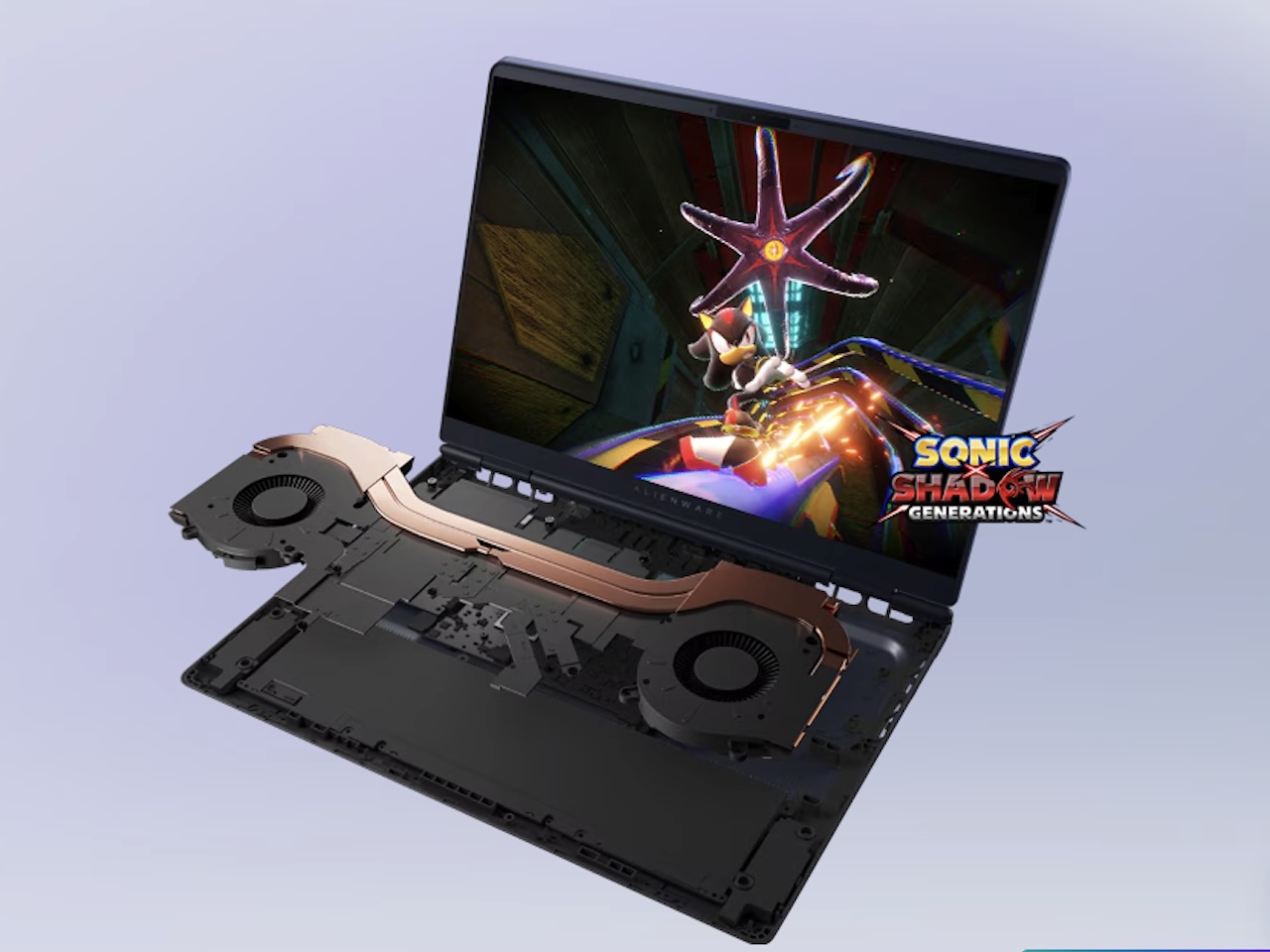
Those rounded chassis edges and the revised hinge design aren’t purely cosmetic decisions. They create more internal volume for airflow channels, letting the cooling system draw and exhaust air more efficiently than Alienware’s previous angular architecture allowed.
Price: From $1,649.99
Where to Buy: Philips
Pricing and availability
All three Alienware laptops are available now through Dell. The Alienware 16 Area-51 starts at $3,149.99 and runs up to $4,899.99, while the 18-inch model ranges from $2,349.99 to $4,999.99 depending on GPU and processor selection. The Alienware 16X Aurora starts at $1,649.99 through Dell’s custom configurator, with pre-built options beginning, also a $1,649.99.
