
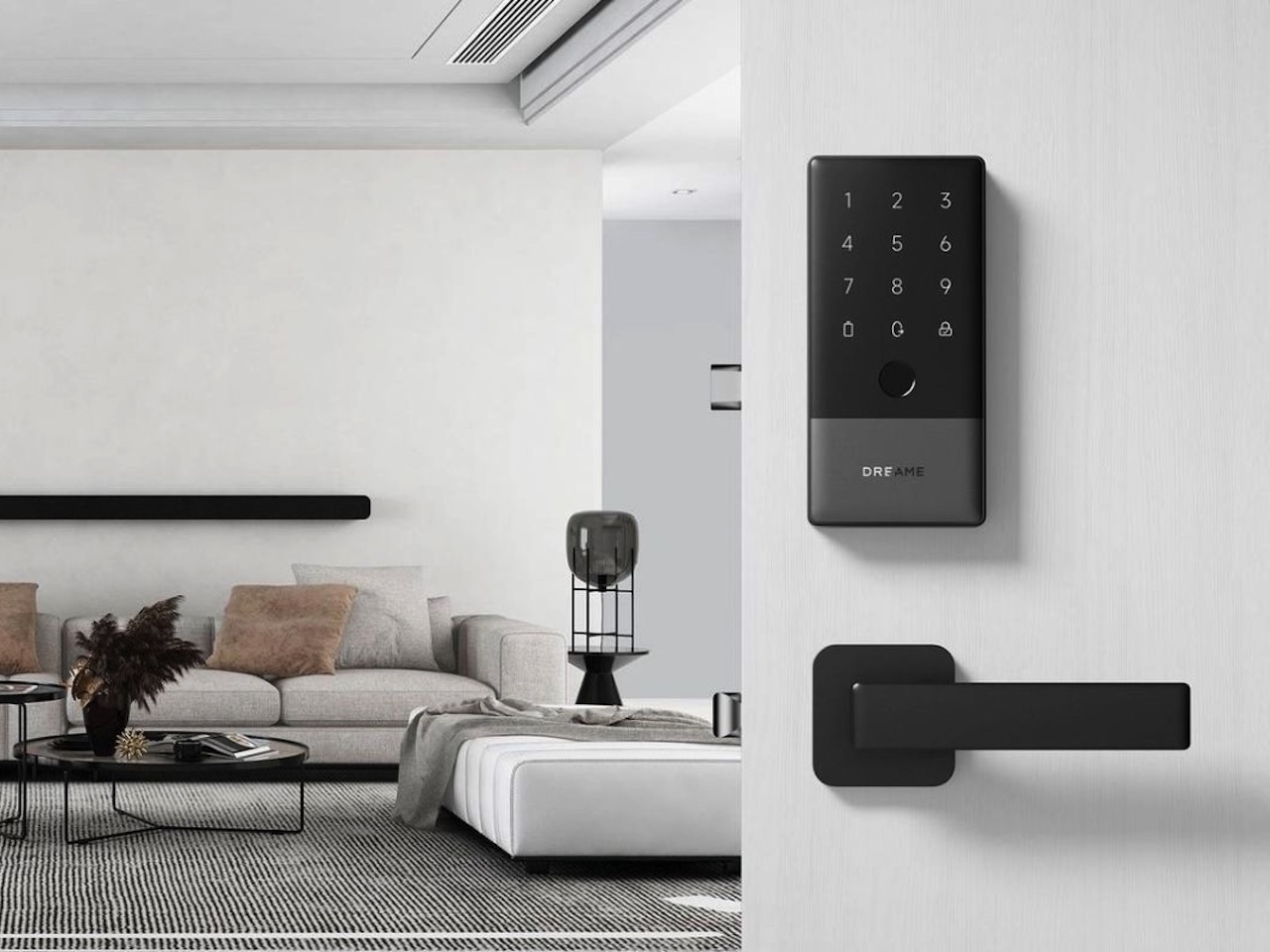
ARTICLE – Smart locks usually get Matter certification months after launch. Brands announce compatibility, ship the hardware, then file for certification when nobody’s watching. Dreame went the other direction with their Navo Smart Lock A10, which just appeared in the CSA’s official Matter device database before the company’s even confirmed pricing or availability.
That’s the opposite of what usually happens. The Dreame Navo Smart Lock A10 was shown at CES earlier this month as part of Dreame’s push into smart home hardware beyond robot vacuums. The company didn’t mention Matter support during the show. Now the CSA listing confirms it’s certified for Matter over Thread, not the Wi-Fi implementation that some brands use to claim compatibility without building for the mesh networking layer. Thread lets devices communicate directly with each other instead of routing everything through your router, which matters when you’re unlocking a door and don’t want lag. Dreame still hasn’t said when it’ll ship or what it’ll cost, but certification filing usually comes right before retail availability, so it’s likely close.
Dreame’s better known for robot vacuums that map rooms and dodge furniture. This is their first lock. The early Matter certification’s a smart move since it positions the hardware as platform-agnostic from the start.
What It Actually Does
The A10’s rated BHMA Grade 2, which sits between residential and commercial security standards. It’s built to handle regular use on a front door without degrading, but it’s not rated for high-security environments where forced entry’s a realistic threat. Dreame calls the unlocking mechanism “TurboForce Lightning Unlock,” which is marketing language for fast actuation, but there’s no published spec on how many milliseconds it takes compared to competitors like Yale or Schlage. What’s more concrete is the IP65 rating, which means the lock’s sealed against rain and dust well enough to survive outdoor installation in climates where temperature swings and moisture would corrode cheaper hardware. That’s expected for any outdoor smart lock, but it’s worth confirming since some budget models skip proper gasket sealing and fail after one wet winter.
The lock includes tamper detection. If someone tries to pry it open or remove it from the door, you’ll get a notification before they’ve finished the job. That’s a better outcome than coming home to find your door frame damaged and no record of when it happened. Battery life runs on a rechargeable system instead of disposable AAs, which saves you from swapping cells every few months and generating waste.
Dreame hasn’t published runtime specs yet, which is typical for pre-launch hardware, but rechargeable smart locks usually last between three and six months depending on how many times you unlock the door daily. What’s clear is you’ll need to plug in a USB-C cable occasionally instead of buying batteries. The lock includes a physical fingerprint scanner and numeric keypad built into the exterior panel, so you can unlock without pulling out your phone. Remote access runs through Dreame’s app, where you manage everything. You can check entry logs that timestamp every unlock and get alerts when someone accesses the door. The app also lets you lock or unlock remotely, which is useful if you’re letting in a contractor or need to secure the door after leaving in a rush.
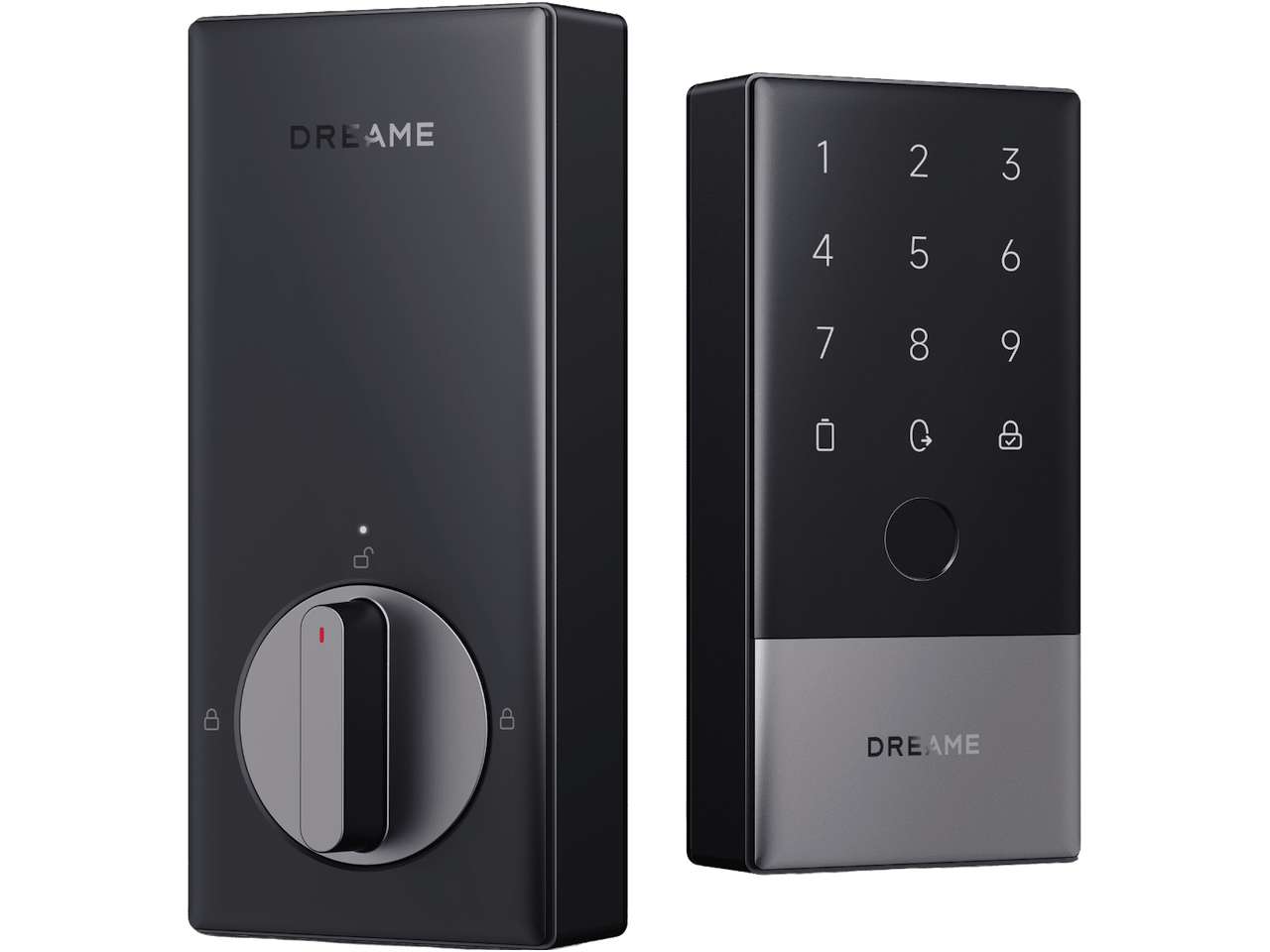
The Matter certification means the lock can integrate with Apple Home, Google Home, and Alexa without requiring separate apps for each platform. You can build automations that trigger actions across devices like turning on your entryway lights when you unlock the door at night or locking automatically when your security system arms. Those automations run locally through Thread instead of relying on cloud routing, so they’re faster and more reliable when your internet’s down or congested.
Traditional deadbolts don’t give you any of that functionality, which is fine if you just want a lock that works with a key. It’s a limitation if you’re already managing other smart home devices and want everything to communicate without adding another hub or app to your setup. Thread devices create a mesh network where each product acts as a signal repeater for the others. If you’ve already got Thread-enabled hardware like HomePod minis, Nest hubs, or Echo devices, the A10 will connect through those existing border routers instead of requiring you to buy another hub.
What Changed From CES
At CES, the Navo Smart Lock A10 was positioned as part of Dreame’s “All Dreams in One Dreame” ecosystem announcement alongside six other connected product categories including vacuums, air treatment, and kitchen appliances. The lock was shown as concept hardware with no confirmed specifications. Matter support wasn’t mentioned during the presentation. Now the CSA listing confirms the lock passed all required interoperability tests and is certified for Matter over Thread, not just the Wi-Fi layer that some brands use to claim compatibility without actually implementing the mesh networking protocol. That’s a meaningful shift from concept to certified product, since plenty of smart home devices showcased at CES never make it through certification or ship with limited platform support that doesn’t match what was promised at the show.
The certification clarifies that Thread is the primary wireless protocol, which matters for battery life and response time. Thread consumes less power than Wi-Fi because it’s designed for low-bandwidth communication between devices that need to stay online continuously without draining batteries in weeks. Thread’s also more responsive for instant actions like unlocking a door, since packets travel directly through the mesh instead of routing up to your router, out to the cloud, and back down to the device. Wi-Fi locks can lag when your network’s congested with other traffic, creating awkward delays when you’re standing outside waiting for the bolt to slide open.
Who This Is For
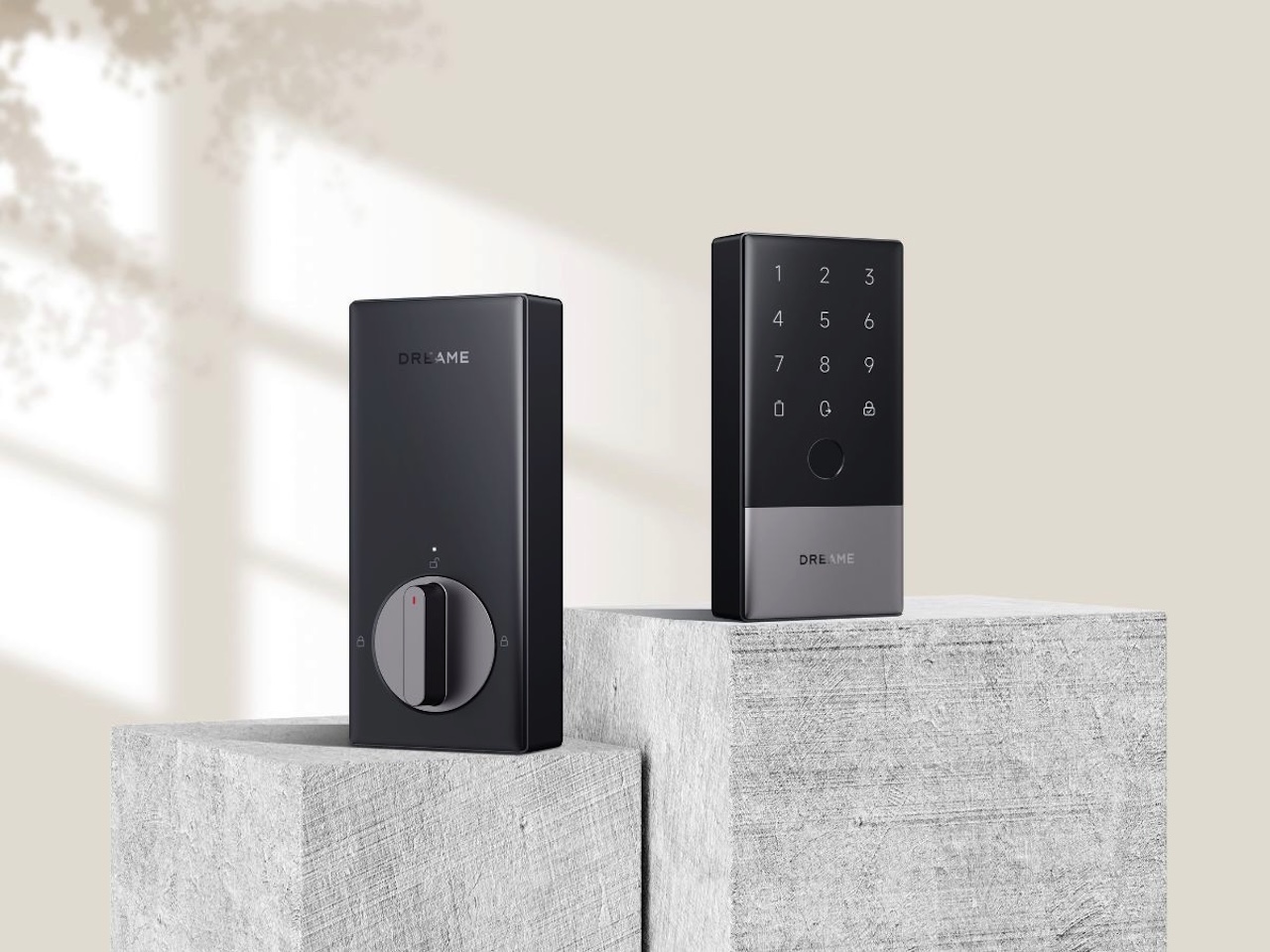
The A10’s worth tracking if you’re building a Matter-compatible smart home and want a lock that connects without adding another proprietary hub or forcing you into a single platform ecosystem. It’s also a solid fit if you’re already using Dreame products and want everything to communicate through one app, or if you care about reducing battery waste and prefer rechargeable hardware over disposable cells that end up in landfills every few months. The fingerprint scanner and keypad give you physical access options that don’t require pulling out your phone, which matters when your hands are full, when you’re lending access to someone who doesn’t have the app, or when you just don’t want to unlock your phone just to unlock your front door.
If you’re in a climate where temperature extremes kill disposable batteries faster or where rain and humidity corrode cheaper locks, the IP65 rating and rechargeable system make this more practical than budget models that skip proper sealing and force you to swap batteries monthly. Smart locks with Matter support and rechargeable batteries typically fall between $200 and $300 depending on features and build quality. The A10 will likely land somewhere in that range based on its specs. That’s not cheap, but it’s in line with other Thread-enabled locks and less than some premium models that charge extra for features the A10 includes as standard.
Dreame hasn’t announced pricing yet, but the early certification suggests availability’s coming soon. That positioning as a Matter-first device from day one is a smarter approach than trying to retrofit support months after launch when early adopters have already moved on.
Skip it if you need a high-security lock rated above BHMA Grade 2 for insurance requirements or environments where forced entry’s a realistic concern. If you’re not using Matter-compatible devices and don’t plan to build a smart home setup, the A10’s main advantages disappear. If you prefer traditional keys as your primary access method and want smart features as backup, this isn’t designed for that use case. Wi-Fi radios pull more current even when idle, which is why Wi-Fi smart locks often burn through disposable batteries faster than Thread models.
Auto Amazon Links: No products found.
