NEWS – A drone that won CES 2026’s Best of Innovation before hitting store shelves? That’s the Antigravity A1. Developed with backing from Insta360, this thing launches December 4, and Antigravity is positioning it as what the company calls the world’s first true 360 drone.
⬇︎ Jump to summary
Price: Not yet announced
Where to buy: Antigravity
Here’s what that actually means: instead of pointing your camera at something and hoping you nailed the shot, the A1 captures 8K spherical video of everything around it via dual fisheye lenses (top and bottom), processed through Insta360’s imaging pipeline. You frame your footage after you land. That perfect moment you missed? It’s still there in the recording, waiting for you to find it.
The pitch is accessibility meets creative freedom: a drone that anyone can fly, capturing footage that you can endlessly reframe. Whether that vision survives contact with real-world conditions remains to be seen.
Quick Specs
The A1 weighs 249 grams, sliding just under the 250g regulatory threshold that triggers stricter registration and flight rules in most countries. Flight time runs up to 24 minutes on the standard battery, or roughly 39 minutes with the high-capacity pack under ideal conditions.
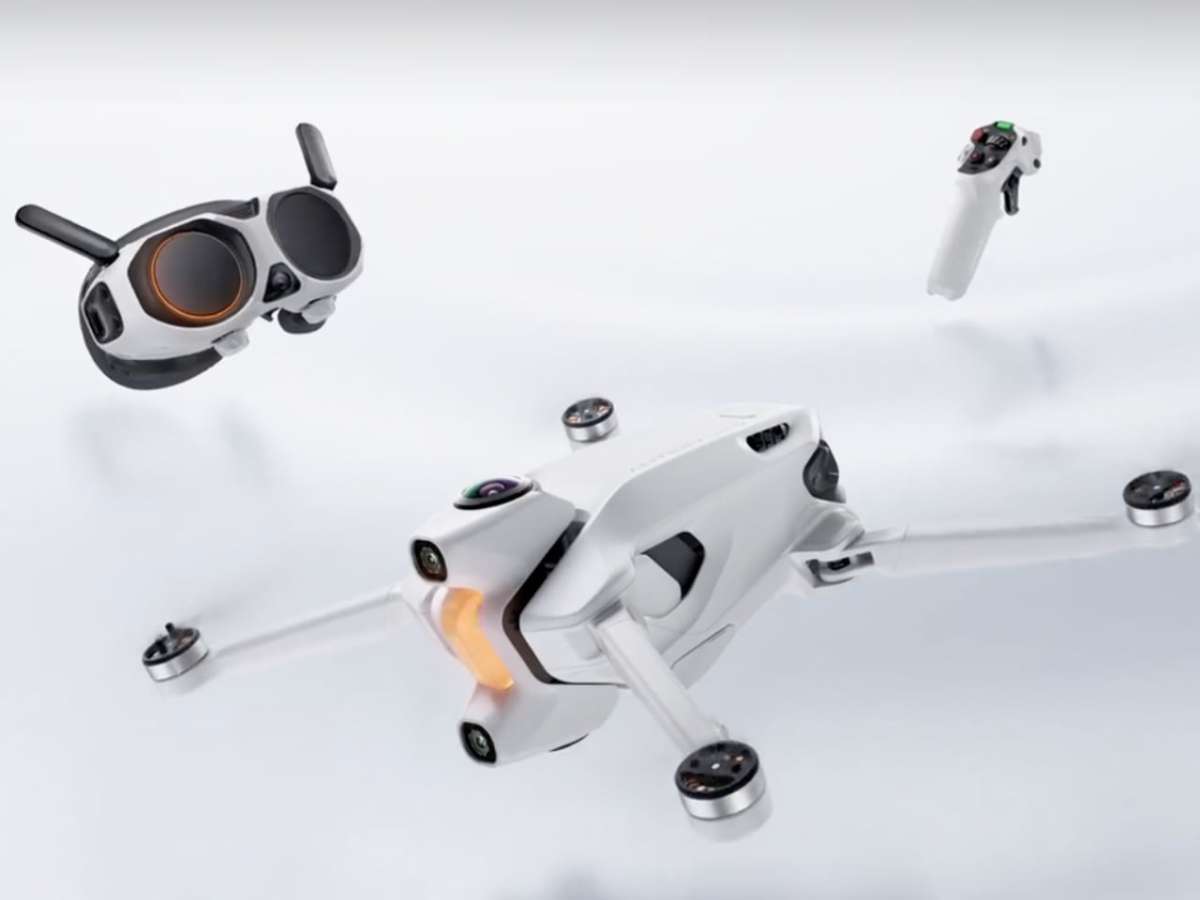
Performance numbers look solid for the category: max ascent and descent speeds around 8 m/s in Sport mode, with Level 5 wind resistance rated at 10.7 m/s. The control system uses O4 transmission for the goggles link, though Antigravity hasn’t published maximum range specs yet. Safety features include forward obstacle sensors, omnidirectional awareness from those dual fisheye lenses, return-to-home functionality, and downward vision for low-altitude stability.
Flying Without Piloting Skills
If you’ve ever watched someone fly a drone and thought “I’d definitely crash that into a tree,” Antigravity built the A1 for you.
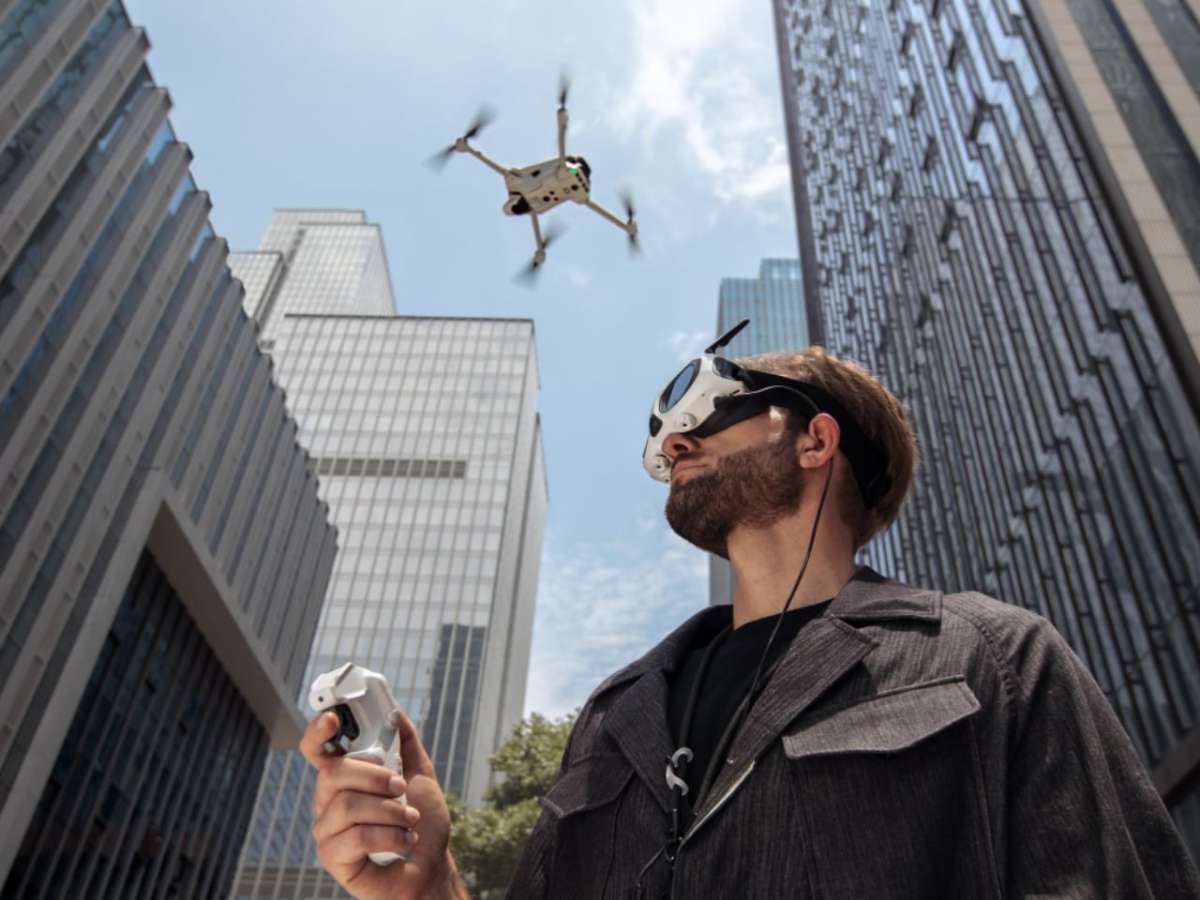
The control system pairs vision goggles with a Grip motion controller. Point where you want the drone to go, and it goes there. The FreeMotion system lets you decouple your viewing direction from your travel direction, meaning you can look around while the drone flies a different path. That’s a fundamentally different experience from traditional stick-based piloting.
Deep Track handles automatic subject following. Pick what you want the drone to focus on, and it stays locked throughout the flight. Sky Path lets you draw custom flight routes instead of piloting in real time. Both features aim to make complex aerial sequences achievable for people who’ve never touched a controller.
Here’s the catch: because the A1 relies on goggles and FPV-style immersion, pilots in many regions will still need a visual observer to stay compliant with aviation rules. The accessibility pitch is real, but the legal reality is more nuanced than “anyone can fly anywhere.”
The “Film Everything, Decide Later” Approach
Here’s a problem you’ve probably experienced: you come home from vacation with hours of footage and approximately zero motivation to edit any of it.
The A1 tackles this two ways. First, because it’s shooting 360 video, you’re not locked into whatever angle you pointed the camera. Second, auto editing (powered by Insta360’s app ecosystem) analyzes your footage and generates shareable clips without you touching a timeline. You fly, enjoy the moment, and let the software handle post-production. This opens up specific creative scenarios that traditional drones can’t match: mountain biking follow shots where you reframe to any angle after the ride, travel “glass orb” views that play with perspective, creator vlogs where you export vertical, horizontal, and ultra-wide crops from the same flight.
One trade-off worth noting: image quality will likely land closer to current 360 cameras than to a dedicated camera drone like a Mini 5-class aircraft. If you’re comparing this to traditional aerial rigs, calibrate expectations accordingly.
Staying Under the Regulatory Radar
The 249-gram weight isn’t random. In most countries, drones under 250 grams dodge the heavier registration requirements and flight restrictions that apply to larger aircraft. For the casual user Antigravity is targeting, that distinction matters more than any spec on the sheet.
What’s impressive is what they packed into that 249g airframe: 8K 360 camera, obstacle avoidance, motion controller ecosystem, and enough flight time to actually be useful. Every gram counts when you’re engineering to a regulatory threshold, and the feature list suggests they didn’t sacrifice much to hit it.
That engineering constraint also shapes who this drone is for. The sub-250g class has historically meant compromises in camera quality, flight stability, or range. Antigravity is betting that 360 capture changes the calculation enough to make those trade-offs worthwhile for a different kind of user.
How that bet plays out in real-world conditions is the question. Lab specs and controlled demos only tell part of the story. The tradeoffs (if any) will become clear once reviewers get hands-on time with production units.
Price: Not yet announced
Where to buy: Antigravity
Already Collecting Hardware
The A1 has already collected awards from TIME (Best Inventions 2025) and CES (Best of Innovation 2026, announced ahead of the January show) based on pre-production hardware.
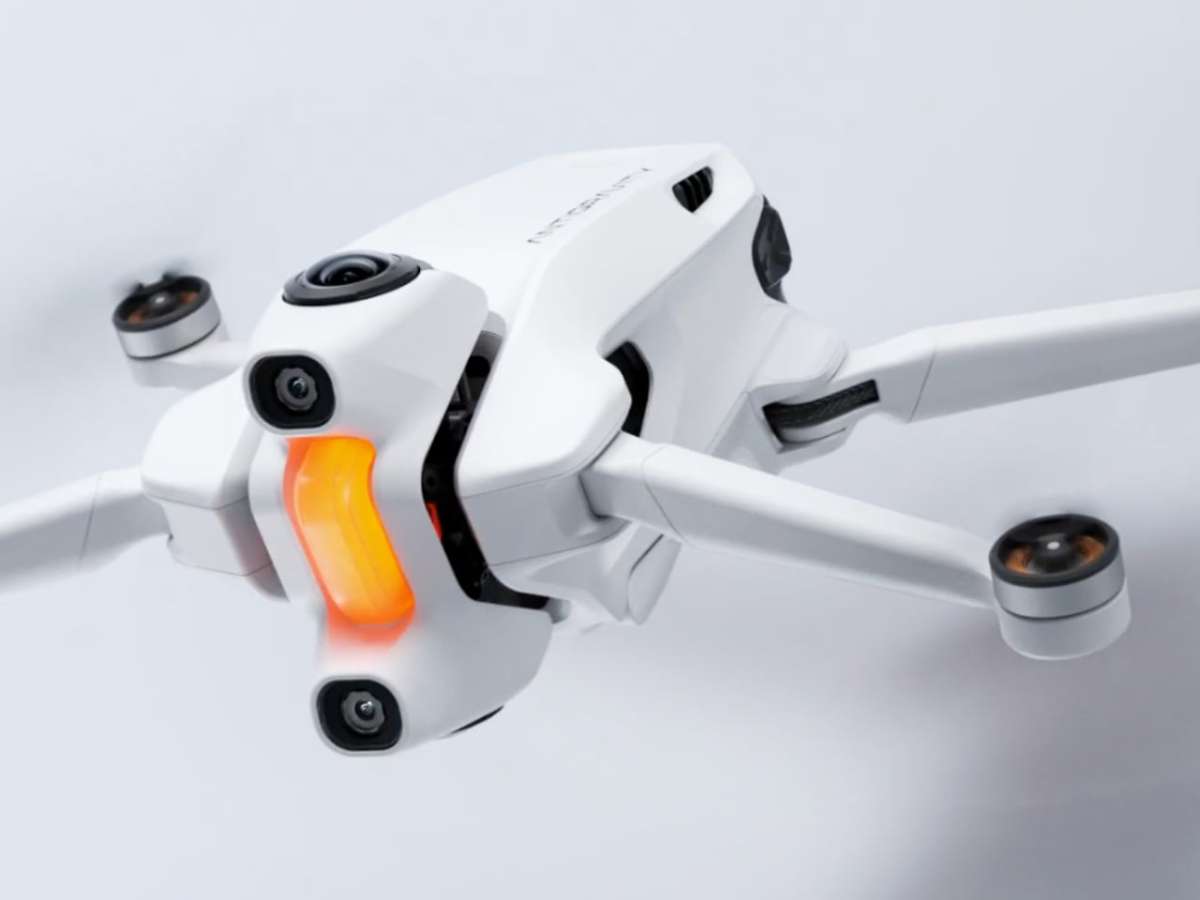
That’s a strong signal. Award judges at this level see hundreds of products annually and generally know the difference between genuine advancement and marketing theater. Double recognition from two respected programs suggests the underlying tech is solid.
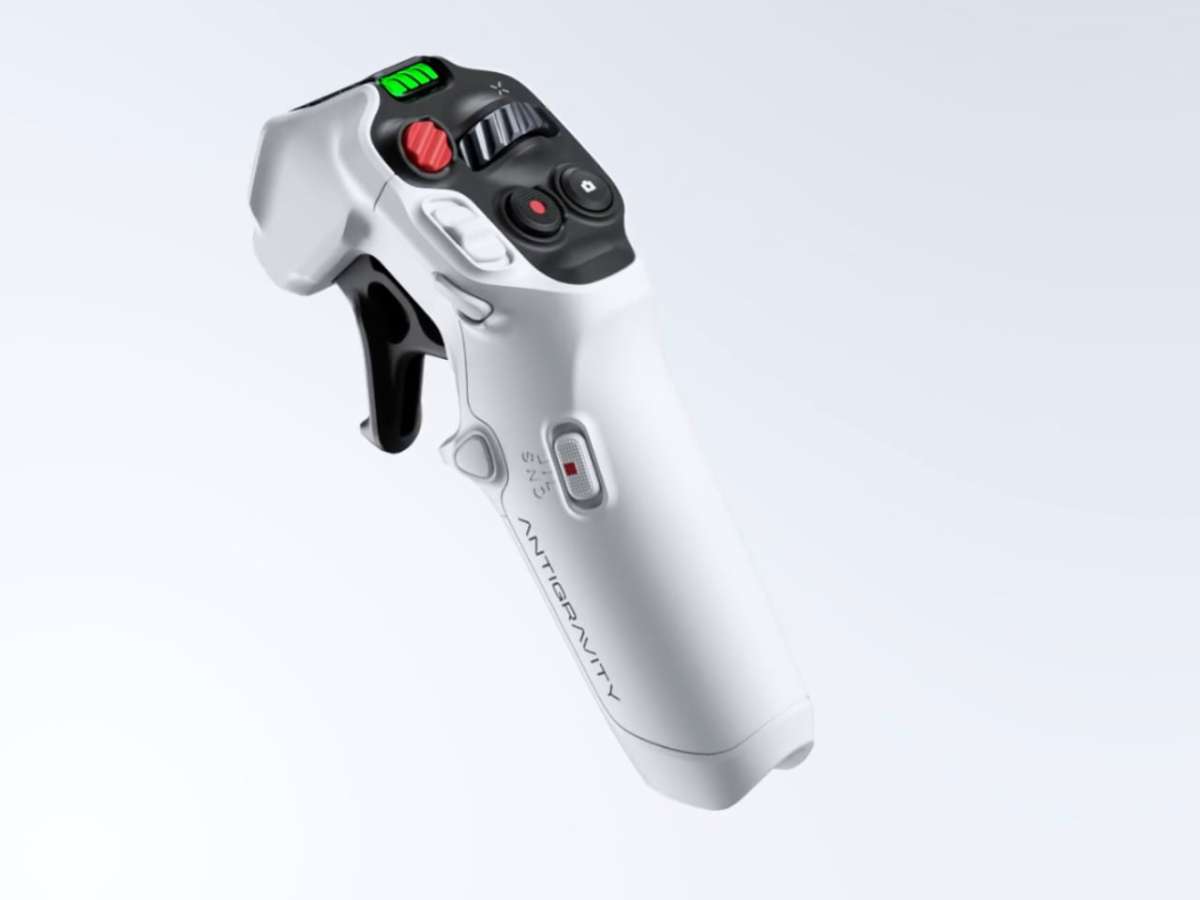
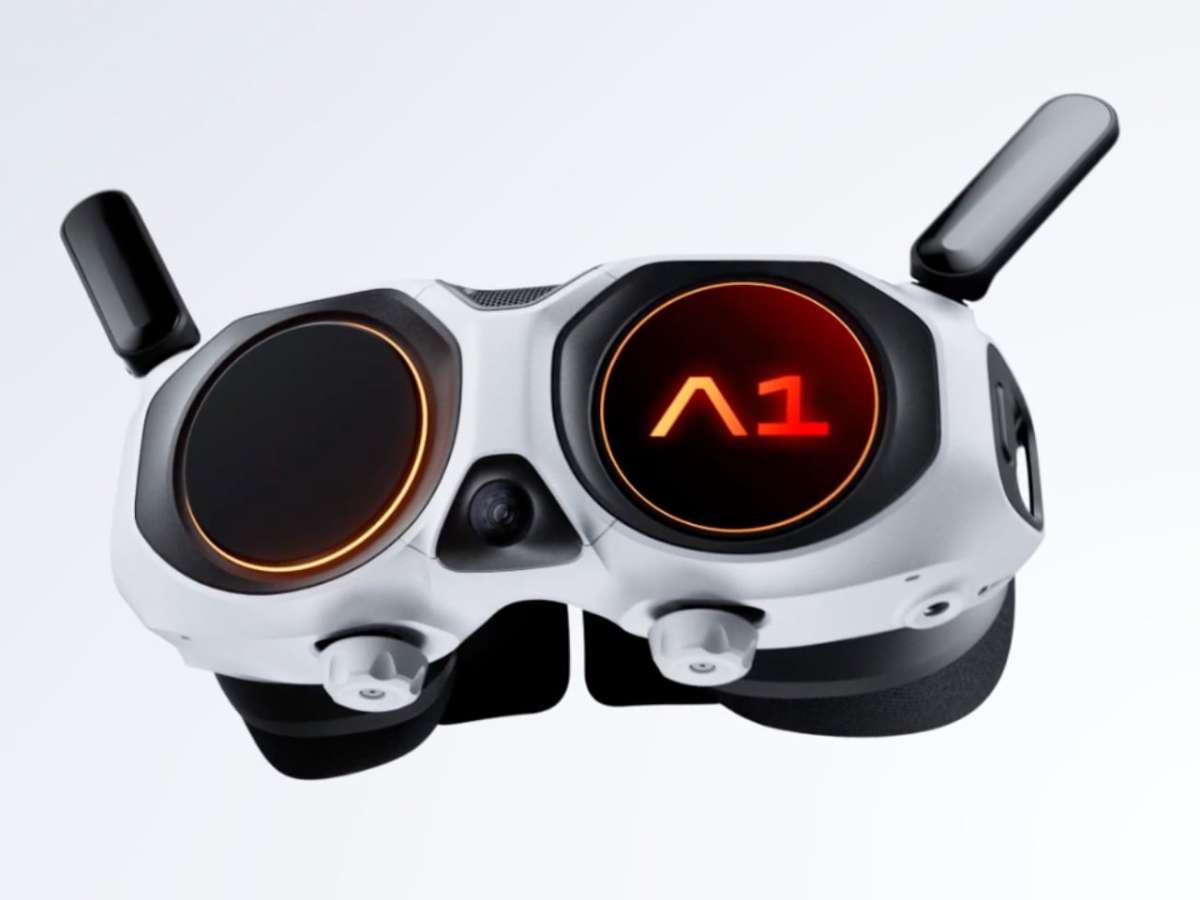
Whether the production version matches those prototypes is the question that December 4 begins to answer.