
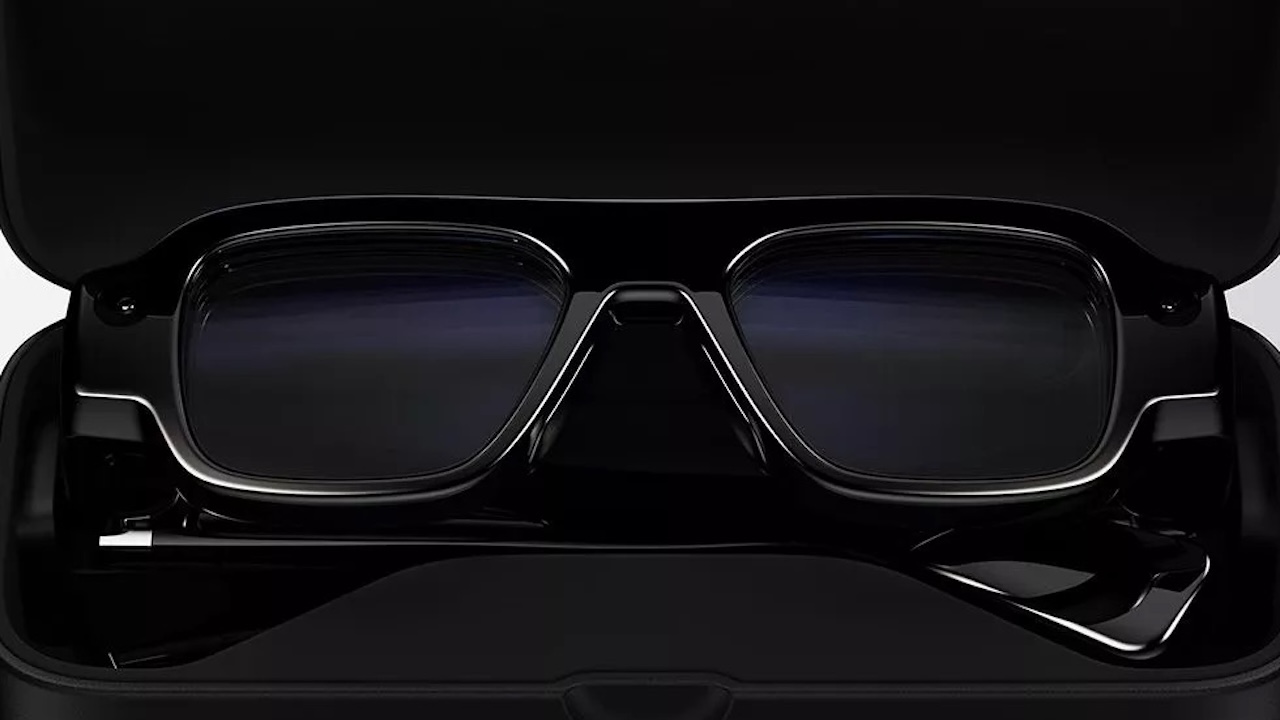
Augmented reality glasses have had the same problem for years. The demonstrations can look impressive, but once the novelty fades, you are left wondering what you would actually do with a computer strapped to your face.
Snap is trying to answer that question with a major expansion of SPECS, its $2,195 standalone AR glasses. The hardware was unveiled earlier this year and is available for preorder, but Snap’s latest update adds SPECS Intelligence, cellular connectivity, translation, navigation, entertainment, workplace tools, and more augmented reality experiences.
That does not suddenly make $2,195 glasses an easy purchase. It does make Snap’s vision considerably easier to understand.
SPECS Are Trying to Do More Than Show AR Demos
SPECS use transparent waveguide displays to overlay digital content on the real world, with a 51-degree field of view and 16 million colors. Unlike AR systems that rely on a separate puck, their computing hardware sits inside the glasses, powered by two Snapdragon processors and controlled mainly through voice and hand gestures.
What matters most is what Snap now wants people to do with them. SPECS can overlay navigation, translate speech into text, stream YouTube and HBO Max in a browser, connect wirelessly to a computer, and support Bluetooth accessories such as keyboards. Snap has also demonstrated shopping, education, fitness, gaming, and shared AR experiences.
The feature set is ambitious, but broader independent testing is still needed to see how reliably SPECS work in daily use.
SPECS Intelligence Could Be the Bigger Deal
The most ambitious addition may be SPECS Intelligence. Instead of behaving only like an AI chatbot waiting for a question, Snap describes SPECS Intelligence as an “anticipatory” AI service. With permission, it can use information from connected apps and tools to understand your goals, priorities, relationships, and routines.
The idea is that SPECS could eventually recognize when information would be useful and surface it without waiting for a conventional prompt.
 There is an important difference between that vision and what consumers can use today. An SPECS Intelligence preview is available through the SPECS iOS app in the U.S. for users 18 and older. Snap is separately running a waitlist for invitation-only early access to the fuller experience on Mac.
For now, SPECS Intelligence should be viewed as a developing platform feature rather than a proven reason to spend $2,195.
The Cellular Case Solves a Practical Problem
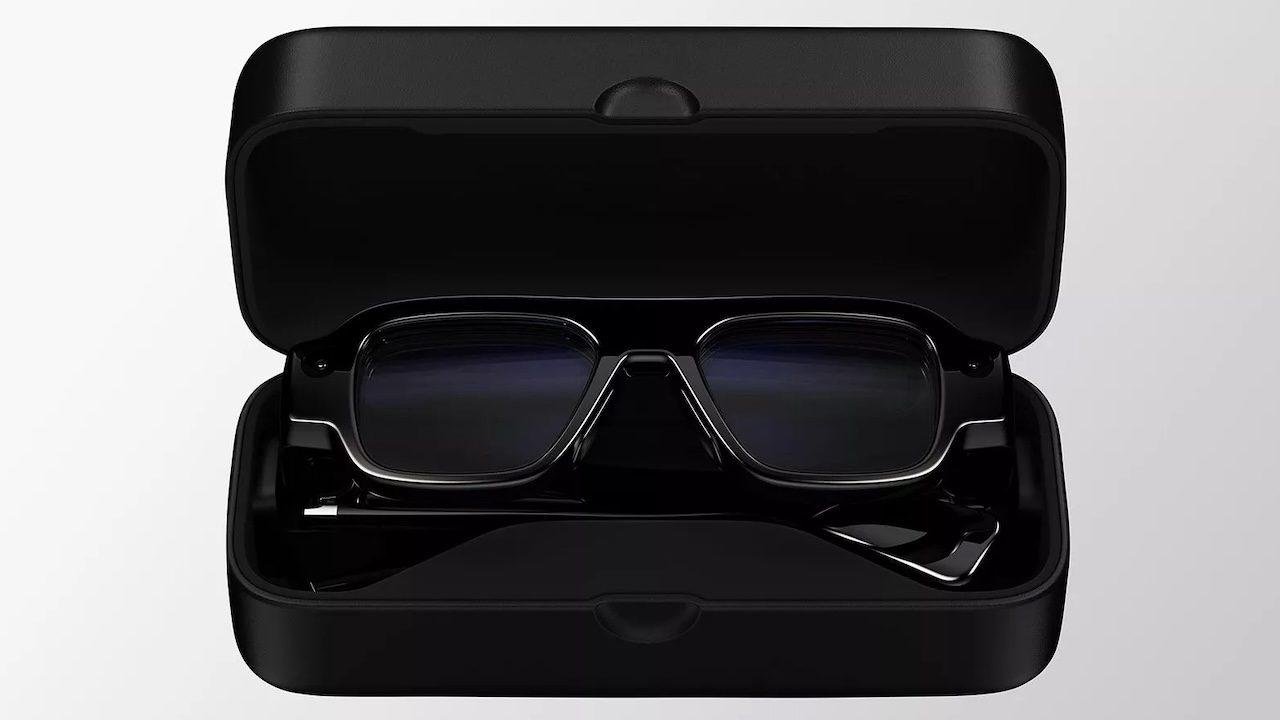
Standalone AR glasses become considerably less useful when they lose connectivity away from Wi-Fi. Snap’s new SPECS Charging Case with Cellular is designed to address that problem. The case adds cellular connectivity and provides four additional charges. Verizon is the U.S. carrier partner, with Orange supporting France and EE supporting the U.K.
Verizon plans to offer SPECS with the Connected Case for $2,395. Connected Wearable plans start at $10 per month for existing Verizon customers and $20 for non-Verizon customers.
Snap says the case will also be available separately but has not announced standalone pricing.
This accessory could make SPECS considerably more practical away from home or the office. It also demonstrates how quickly the price of the overall system can climb once connectivity is added.
The Hardware Is Still Hard to Ignore
SPECS are far larger and heavier than ordinary eyewear: the 47 mm version weighs 132 grams, while the 52 mm model reaches 136 grams. They use Swiss TR90 polymer frames, electrochromic lenses that shift from clear to tinted, and planned third-party prescription inserts for single-vision prescriptions from -8 to +2 diopters.
Privacy is another hurdle. Snap says SPECS do not use facial recognition or continuously record and save ambient audio, photos, or video; a prominent external LED illuminates when the wearer intentionally records.
Those measures make recording more visible, but they cannot guarantee social acceptance. People still have to be comfortable around camera-equipped computers pointed in their direction.
Who Should Buy SPECS?
SPECS are beginning to look less like an expensive AR demo and more like a real computing platform. Translation, navigation, virtual displays, shared AR, cellular connectivity, and contextual AI offer clearer answers to what people would actually do with them.
They are not, however, mainstream eyewear. At $2,195 before the optional cellular case and service plan, SPECS are best suited to AR enthusiasts, developers, early adopters, and professionals with a reason to experiment with spatial computing. Their 132-gram minimum weight, high price, and immature software put them in a very different class from lightweight smart glasses.
Snap no longer has to prove it can build sophisticated AR glasses. It has to show that putting navigation, communication, entertainment, work, and AI in your field of view makes everyday computing easier. SPECS now give the company a more convincing case.
