Smart rings are easy to forget about, which is partly their appeal. They quietly monitor sleep, heart rate, temperature, and activity without putting another screen on your wrist. The downside is that most of their usefulness happens in the background. You wear the ring all day, but you still need your phone when you want to do something with the information it collects.
Circular wants the Circular Ring 3 Pro to be more useful when you’re awake. Announced at IFA 2026 alongside the Ring 3 Slim, the new Pro adds NFC contactless payments and vibration alerts while retaining Circular’s more advanced health-tracking features. Circular has not announced pricing or preorder details yet, and availability is expected in early 2027.
That combination makes the Ring 3 Pro more interesting than a routine sensor upgrade. Payments give the ring an everyday job, while vibrations finally give a screenless wearable a direct way to get your attention.
Paying With Your Finger Could Be the Standout Feature
Both Ring 3 models include an NFC chip designed for contactless payments. Instead of pulling out your phone, smartwatch, or wallet at a checkout terminal, the idea is to bring your hand close to the reader and pay with the ring already sitting on your finger.
That is exactly the kind of interaction that makes sense on a smart ring. There is nothing to pull from a pocket and no display to wake before approaching the terminal. If Circular makes the payment experience reliable, I could see it becoming more useful day to day than some of the health technology receiving most of the attention.
The bigger question is whether Circular can make it reliable. The company has not yet provided enough information about compatible banks, cards, countries, or how payment setup will work to judge the feature properly. NFC payments are an announced capability, but whether they will work with the cards already in your wallet is still an open question.
 A Smart Ring That Can Get Your Attention
Circular is also bringing vibration alerts to both Ring 3 models. They can be used for silent wake-up alarms, medication reminders, health alerts, and guided breathing exercises. That may sound less futuristic than ECG or glucose tracking, but it addresses one of the basic limitations of a screenless wearable.
A typical smart ring can detect something important but has limited ways to tell you without involving your phone. A vibration motor changes that relationship. A silent alarm could wake you without disturbing someone sleeping beside you, while medication reminders become harder to miss when the alert is physically attached to your hand.
Those are small conveniences individually, but they give the Ring 3 Pro something many smart rings lack: a useful output rather than just another stream of input.
The Health Features Need More Careful Reading
The Ring 3 Pro carries forward the more advanced health capabilities of Circular’s previous generation, including an ECG feature with FDA-cleared AFib detection. Circular is also promoting blood-pressure trend tracking and glucose tracking alongside sleep and broader biometric monitoring.
The distinction between those features matters. FDA clearance for AFib detection does not automatically validate every health metric the ring produces, and blood-pressure or glucose information from a smart ring should not be treated as interchangeable with measurements from established medical devices. Those newer capabilities need independent testing before we know how useful they are outside Circular’s demonstrations and marketing.
That is particularly important because smart-ring health features can sound more medically authoritative than they actually are. For everyday wellness trends, an estimate may still be useful. For decisions involving your health, however, the standard should be considerably higher.
 Twelve Days Sounds Great, but It Is Still a Claim
Circular rates the Ring 3 Pro for up to 12 days of battery life, an increase from the seven-day maximum claimed for its predecessor. The wireless charging case is also supposed to recharge the ring five to six times before the case itself needs power.
Twelve days would be excellent for a device intended to monitor you around the clock, especially because removing a smart ring to charge it creates gaps in sleep and health data. For now, though, that figure is a manufacturer maximum rather than an independently tested result. Frequent vibration alerts and heavier health tracking could produce a different experience in normal use.
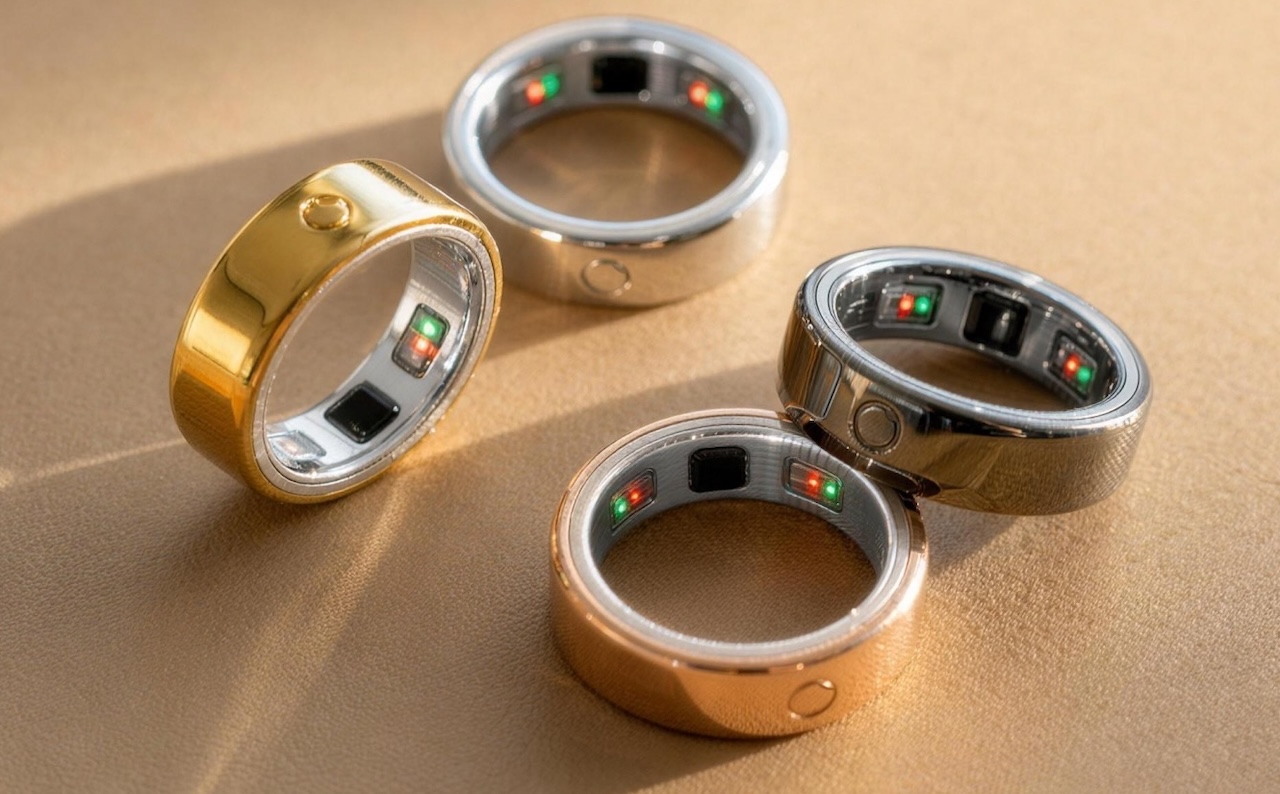
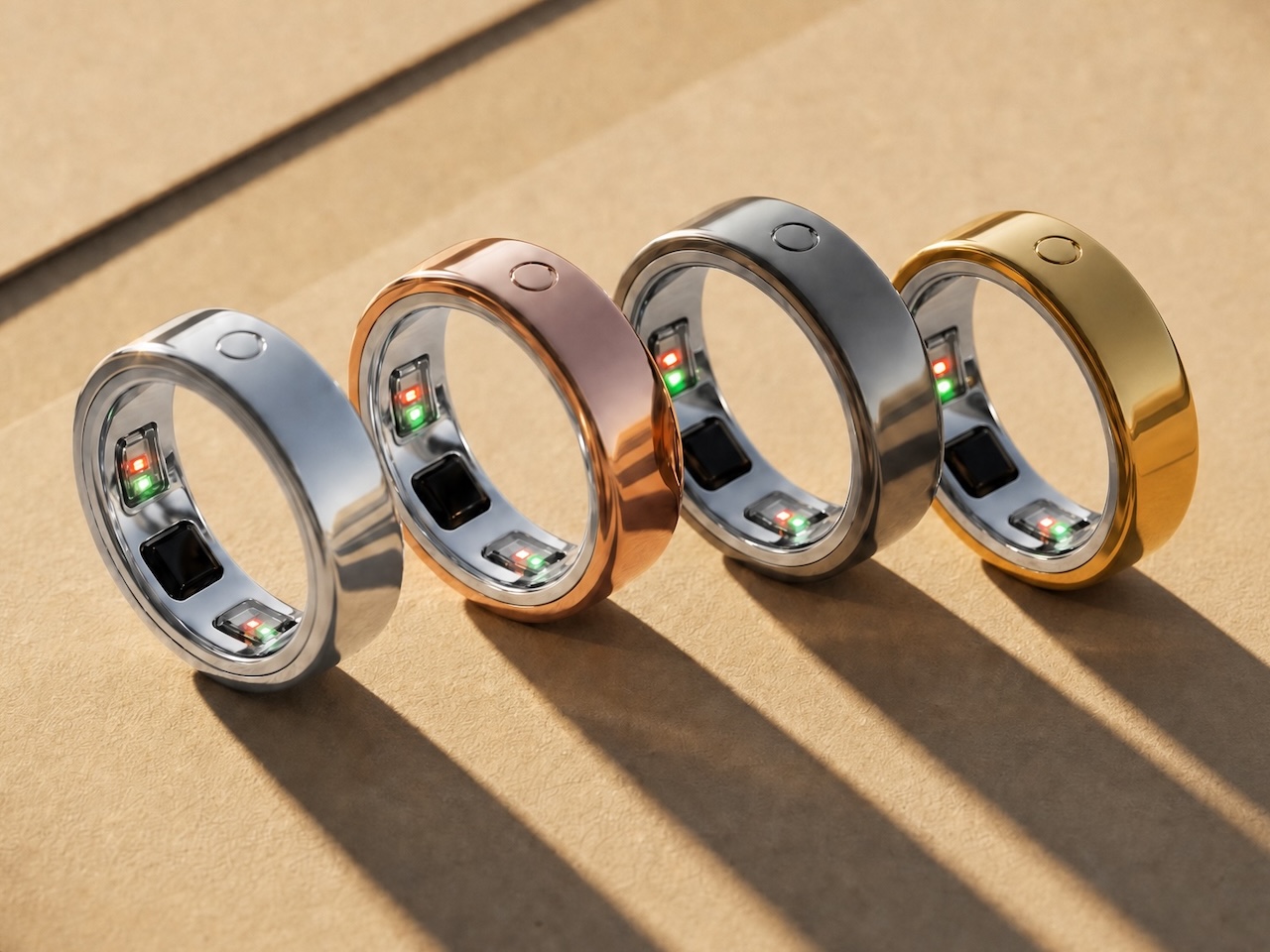
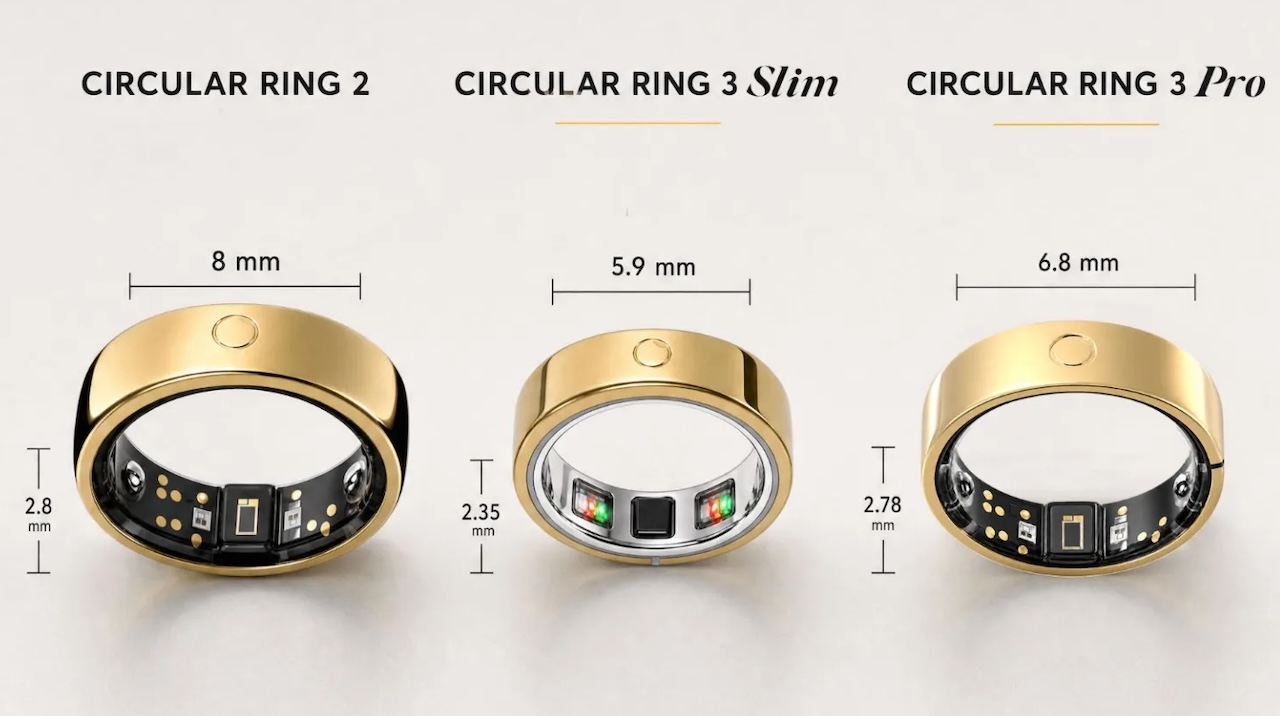
The Pro is also slimmer than its predecessor, comes in sizes 6 through 14, and will be available in gold, rose gold, silver, and black. Circular specifies 50-meter water resistance, which should make leaving the ring on during ordinary daily activities considerably easier.
Who Should Buy the Circular Ring 3 Pro?
The Ring 3 Pro looks most compelling for someone who likes the discreet health tracking of a smart ring but wants it to do something useful beyond collecting data. NFC payments give it an everyday purpose, while vibration alerts allow the ring to communicate without adding a tiny screen.
Health-focused buyers also get the Pro’s ECG and AFib capabilities, which the cheaper Ring 3 Slim lacks. The newer blood-pressure and glucose features deserve more caution until independent testing shows what their readings actually mean in practice.
The biggest unknown is price. Circular has not announced what the Ring 3 Pro will cost, and we still need details about payment compatibility before deciding whether NFC is a major advantage or a feature with regional limitations.
For someone who wants a smart ring that can quietly wake them, help them pay at a store, and track their health without adding another screen, the Ring 3 Pro has a compelling pitch. Buyers should still wait for pricing, payment compatibility, and independent testing before deciding whether Circular has delivered more than a promising spec sheet.