The quickest 0–60 mph run I’ve managed in a car was 2.9 seconds. Tesla reports 0.81 seconds for its Roadster demonstration. Under one second. I’m still trying to wrap my head around that.
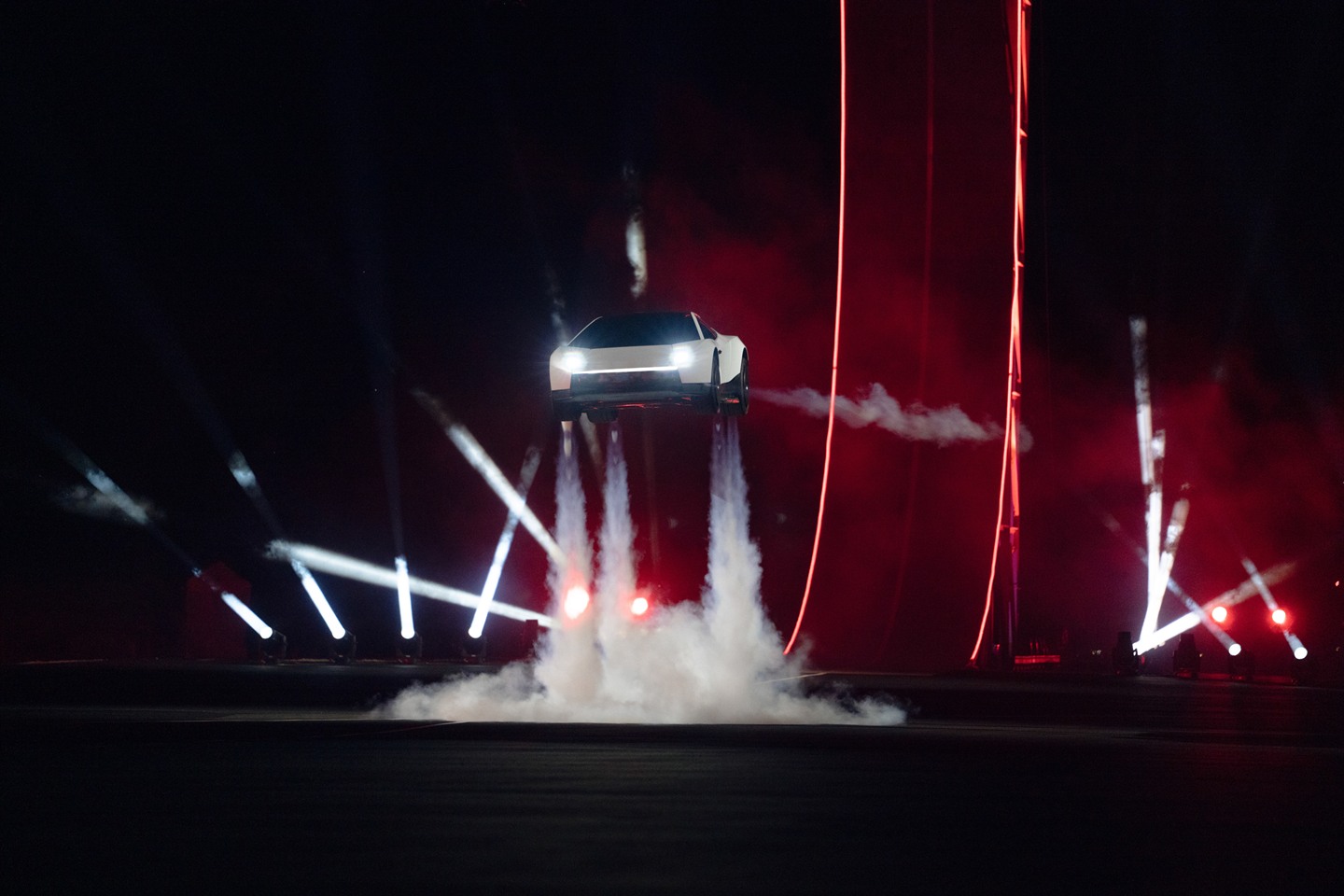
The new Roadster has the personality of a baby moon rover that found a rocket engineer’s toolbox. Its party tricks include powered suction, deployable aerodynamics and optional compressed-air thrusters, with a Rocket version intended to leave the ground.
The October 15 reveal in McGregor, Texas, gave the project a wonderfully excessive sense of purpose. Make driving feel exciting. Then see how much further the engineers can take it.
Seven short remarks from Elon Musk help explain the appeal. Together, they tell a story about the pleasure of building something ambitious, the hardware behind the spectacle and the different Roadsters Tesla now plans to offer.
“Better than any James Bond car”
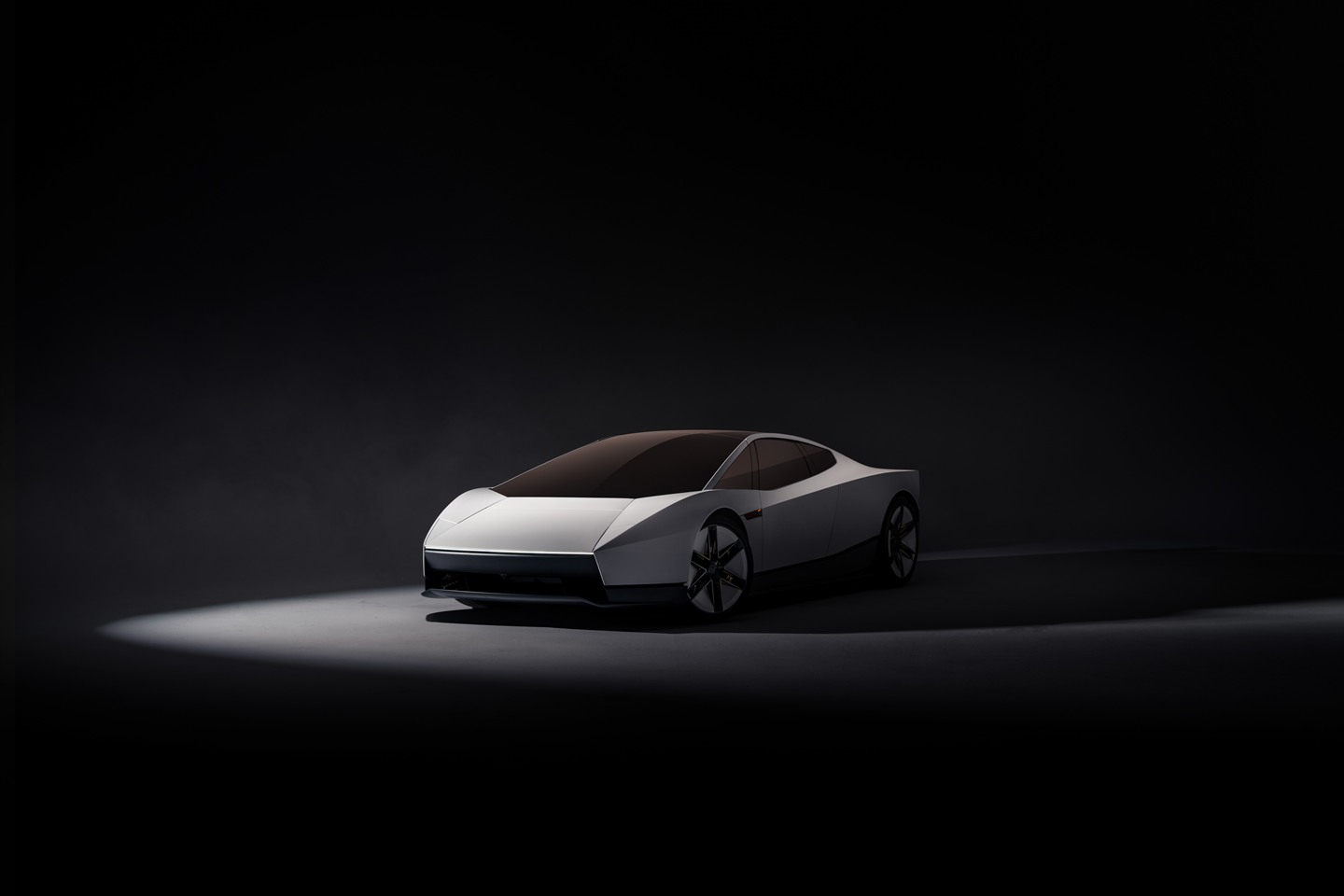
Musk’s movie-car comparison set the tone early. It is a cheeky target for a vehicle whose optional equipment includes rocket-style thrusters. A sports car can be desirable because it is beautiful, quick or involving to drive. This one also wants to be the car a kid would draw if nobody told them to be sensible.

The new design plays along: hidden headlights, a full-width taillight, flush aero surfaces and thin-spoke wheels. Ano White paint draws on aerospace inspiration; gold-tinted glazing evokes a spacesuit visor, with titanium accents completing the look.
Those details give the machinery a coherent setting. The space references continue beyond a badge or a special-edition color. They help explain why the new Roadster looks ready to roll into a science-fiction film before anything unfolds or fires.


All gallery images courtesy of Tesla, Inc.
“Way past the limits”
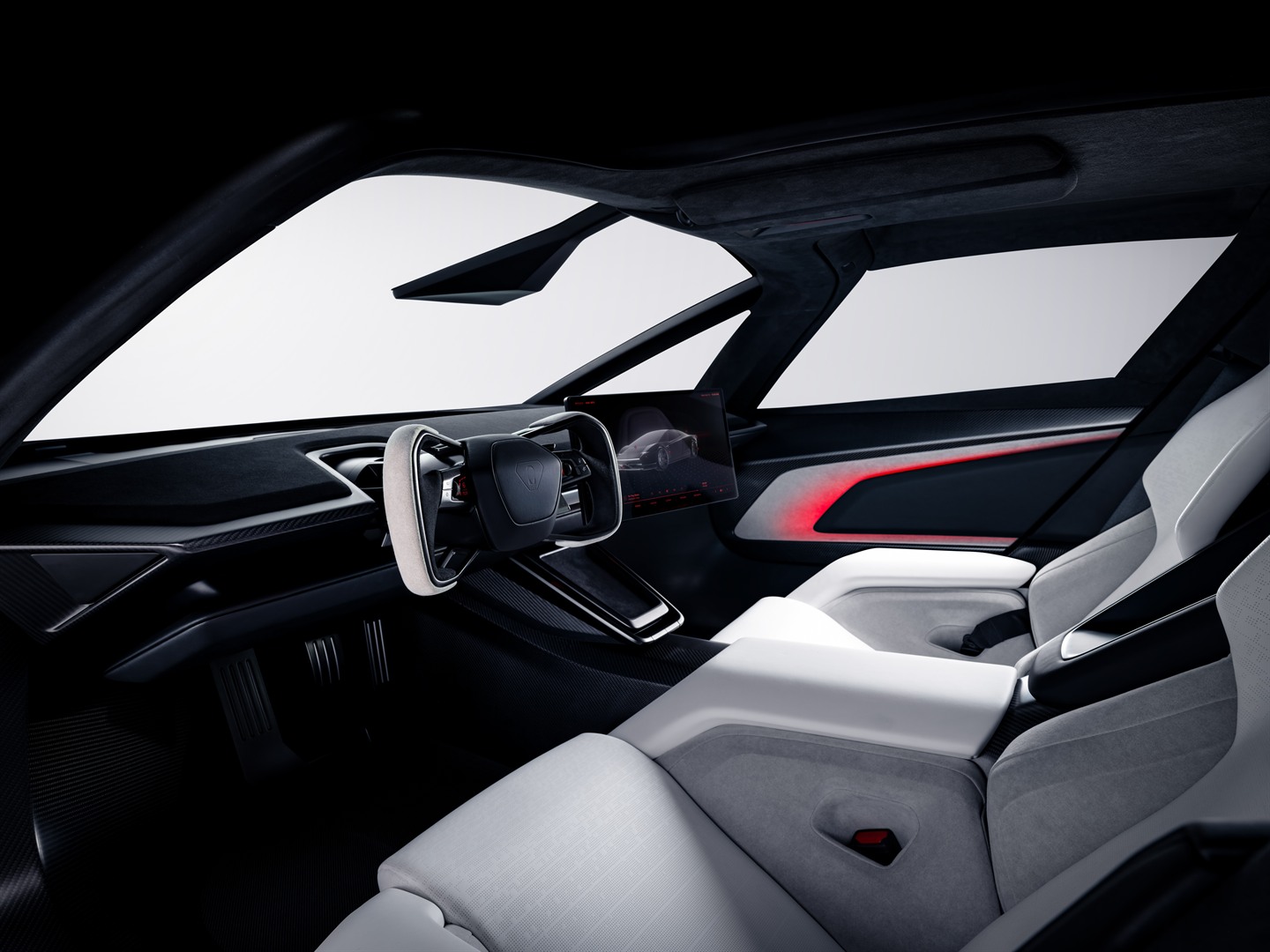
At 5:06, Musk described the ambition for a manually driven Tesla. The interesting part is the emphasis on the person inside. In a company closely associated with autonomous driving, a car built around driver involvement is an appealingly different project.
Tesla describes a fixed seat position, lightweight magnesium, titanium and carbon fiber, and a steer-by-wire yoke. The Ultrawhite cabin adds gray microsuede, grippy seat bolsters, a central touchscreen and two smaller forward displays.
The design presentation also describes seats molded into the chassis. That makes the driving position an interesting detail to explore when there is an opportunity to sit inside. For now, it is a revealing example of the car’s weight-conscious approach, and a good reason to look beyond the thrusters when studying the cabin.


All gallery images courtesy of Tesla, Inc.
“Well, it worked”
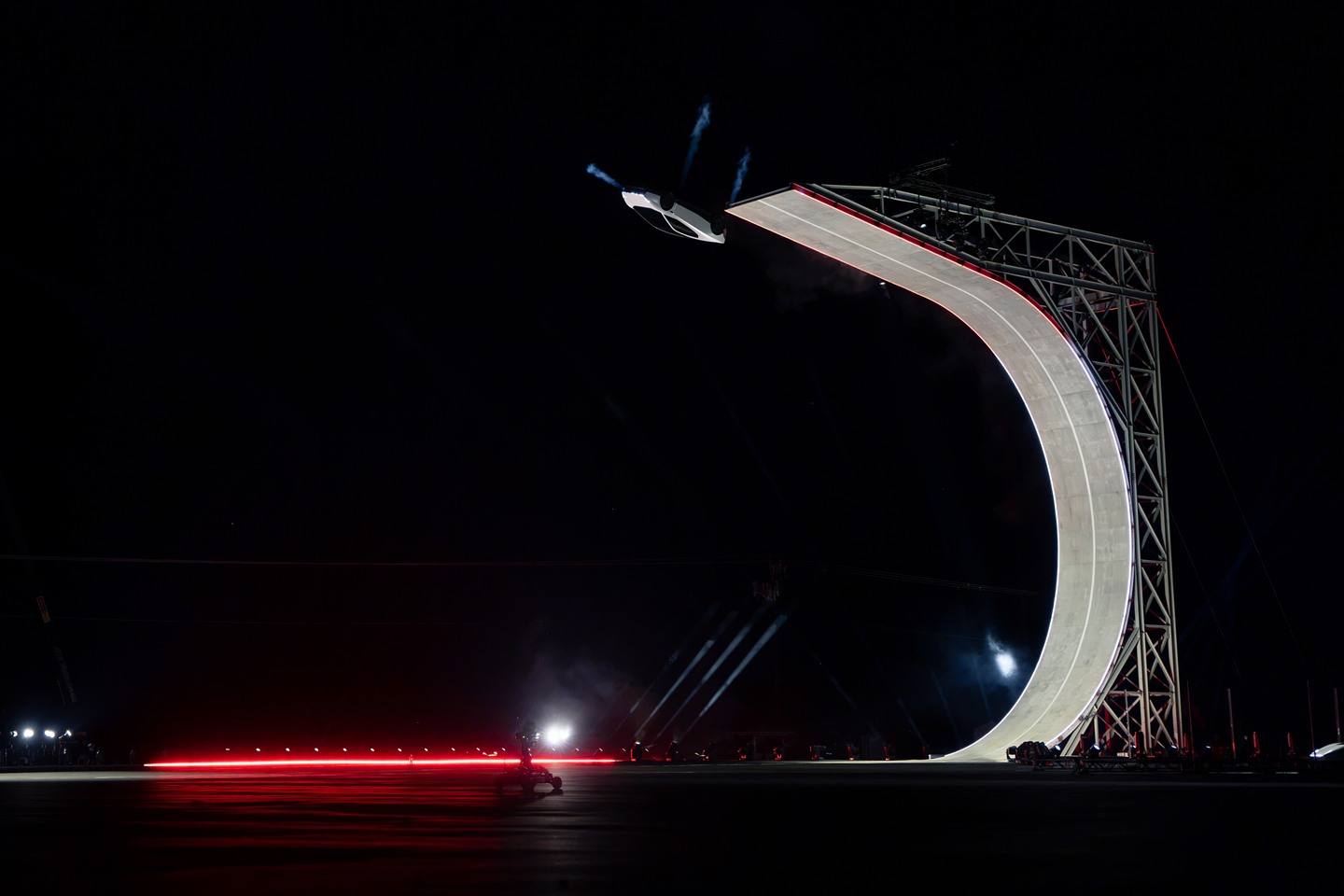
That reaction at 7:41 is refreshingly compact for such a complicated engineering exercise. The launch’s ramp demonstration gives the suction system its attention-grabbing job: keeping the car attached as the surface turns upside down.
Tesla says fans and an underbody seal create downforce even at rest. Its current page associates the inverted capability with the Rocket configuration. Track Mode changes ride height and suspension, while active aero provides high-downforce and low-drag settings.
The useful idea is easy to appreciate even if driving on a ceiling is absent from your weekend plans. Powered suction offers another way to load the tires at low speed, when conventional aerodynamic surfaces have less airflow to work with. The launch presentation also describes an automatically adjustable rear wing and different fan operating modes.
Fan-assisted performance already has a history, including specialized cars such as McMurtry’s Spéirling. Tesla’s fun is in the combination: suction, moving aero and a very literal rocket-assisted option.


All gallery images courtesy of Tesla, Inc.
The “fun meter” has three settings
Musk’s 10:32 remark provides the perfect organizing principle. Tesla’s current configurations make three very different propositions:
- Performance seats two and includes active aero and multi-mode suction. Tesla presents it as the road-oriented version.
- Thrust also seats two, adding rear cold-gas thrusters for acceleration. It is a limited-release option described for racing.
- Rocket seats one and adds the full flight system, with perimeter thrusters for upward movement and rotation. It is invitation-only and is not approved for public-road use.
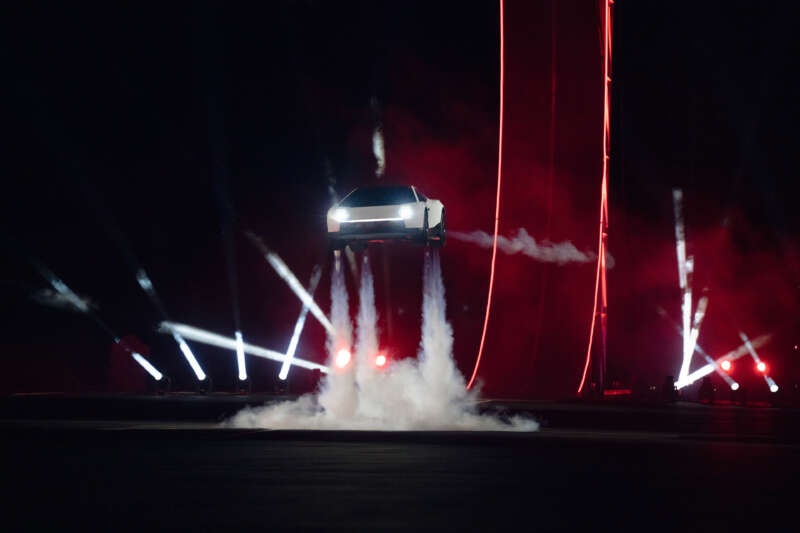
Rocket is where the Roadster’s gravity-defying promise becomes literal liftoff. The car still obeys physics; it uses thrust to lift its weight. That is a much more interesting explanation than magic, because the same engineering vocabulary describes everything from a tiny spacecraft adjustment to this spectacular automotive experiment.
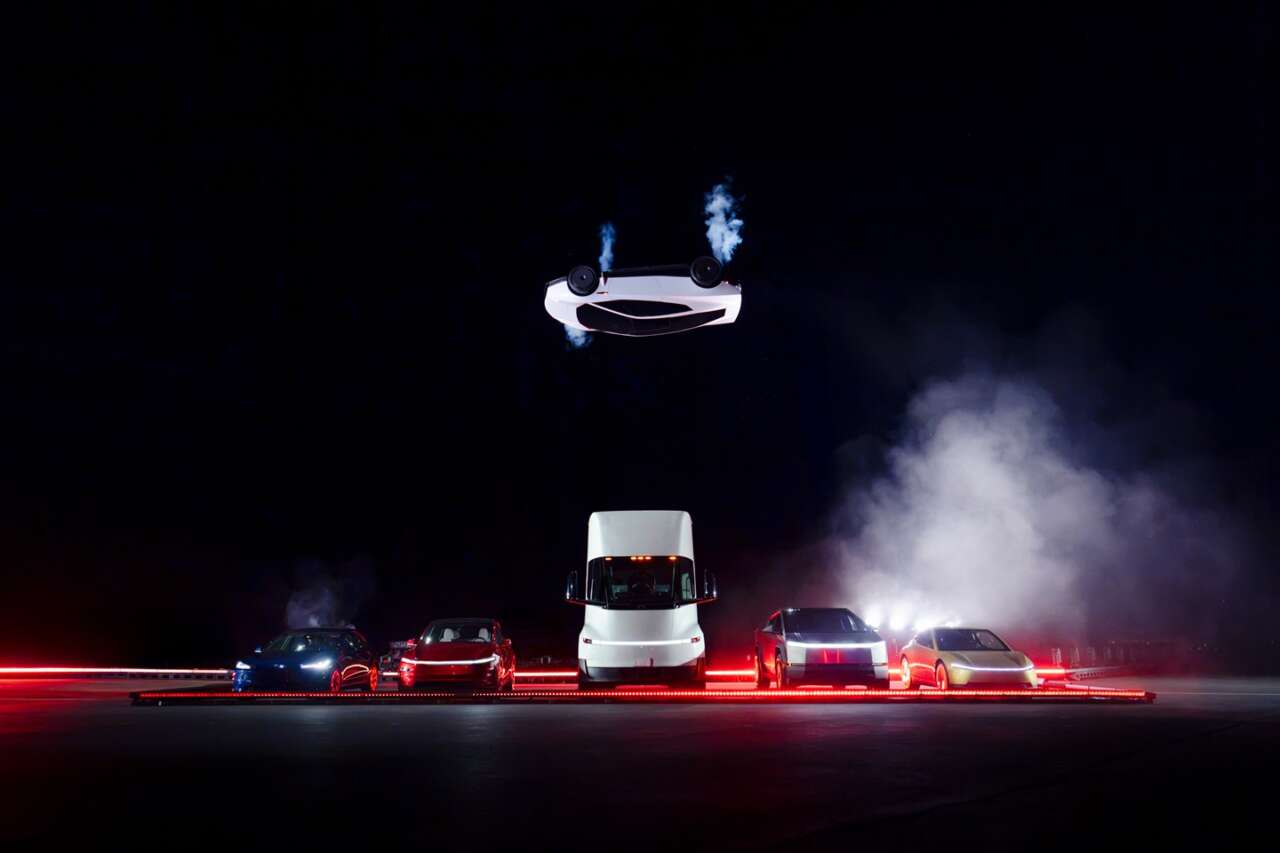
Tesla also describes electrically actuated thrusters making rapid corrections to stabilize flight. The kickflip segment is the place to see the launch’s airborne ambition. That airborne party trick belongs to the flight-equipped Rocket side of the family.


All gallery images courtesy of Tesla, Inc.
No “special propellant” required
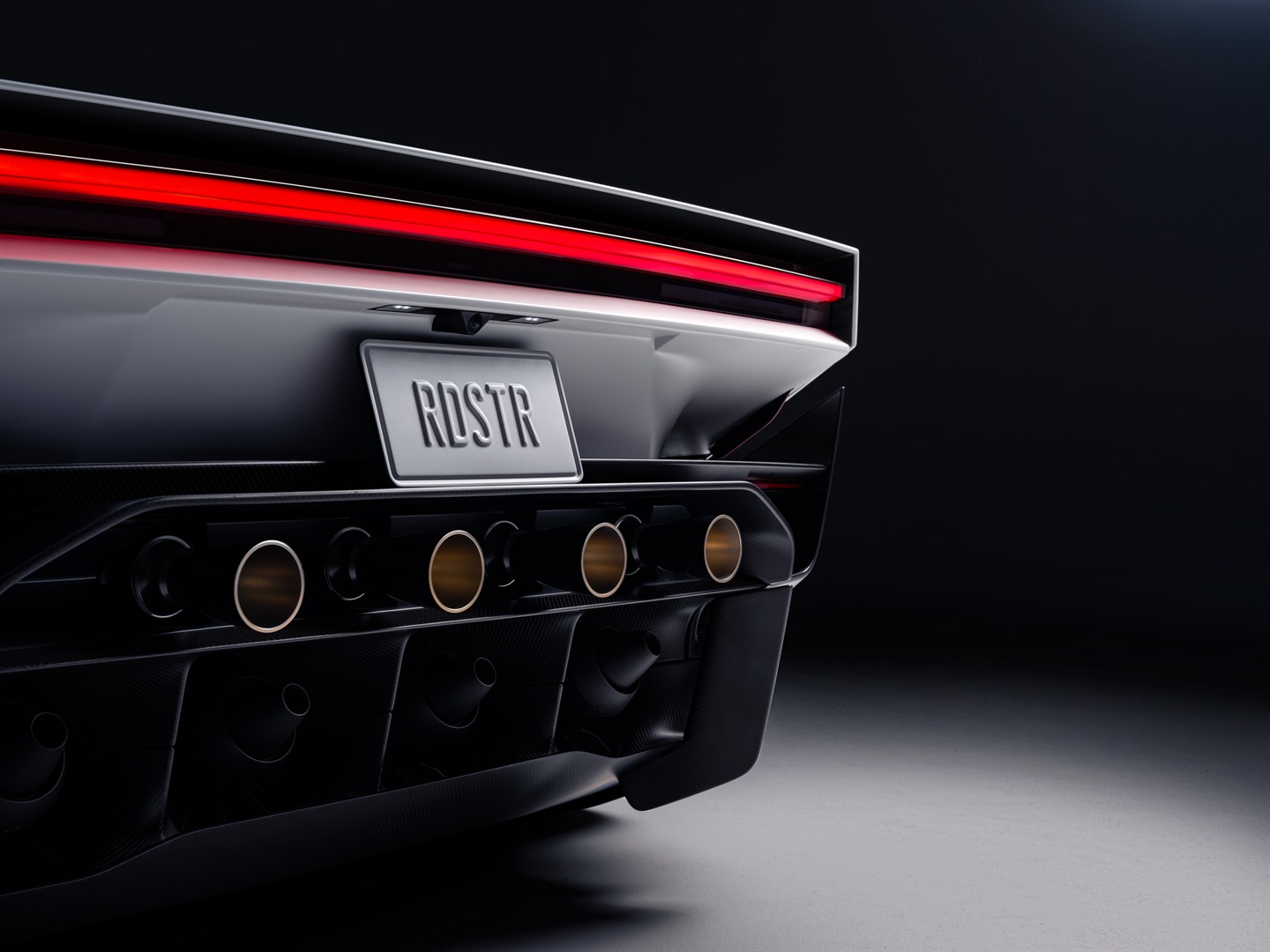
At 12:32, Musk explains that the car uses an air tank it can repressurize. The cold-gas system expels compressed air; it does not need a flame to create thrust.
Tesla described the demonstration system as two pressure vessels totaling 600 liters, about 250 kilograms of air and 10 nozzles.
That makes the baby-rocket comparison more than an aesthetic joke. Stored pressure, valves, nozzles and vehicle control all have to work together. It also raises practical questions worth exploring when Tesla supplies final operating details: recharge time, usable thrust duration and the restrictions surrounding each maneuver. Knowing those limits will make the engineering more fascinating, not less.
“Break 1 second”
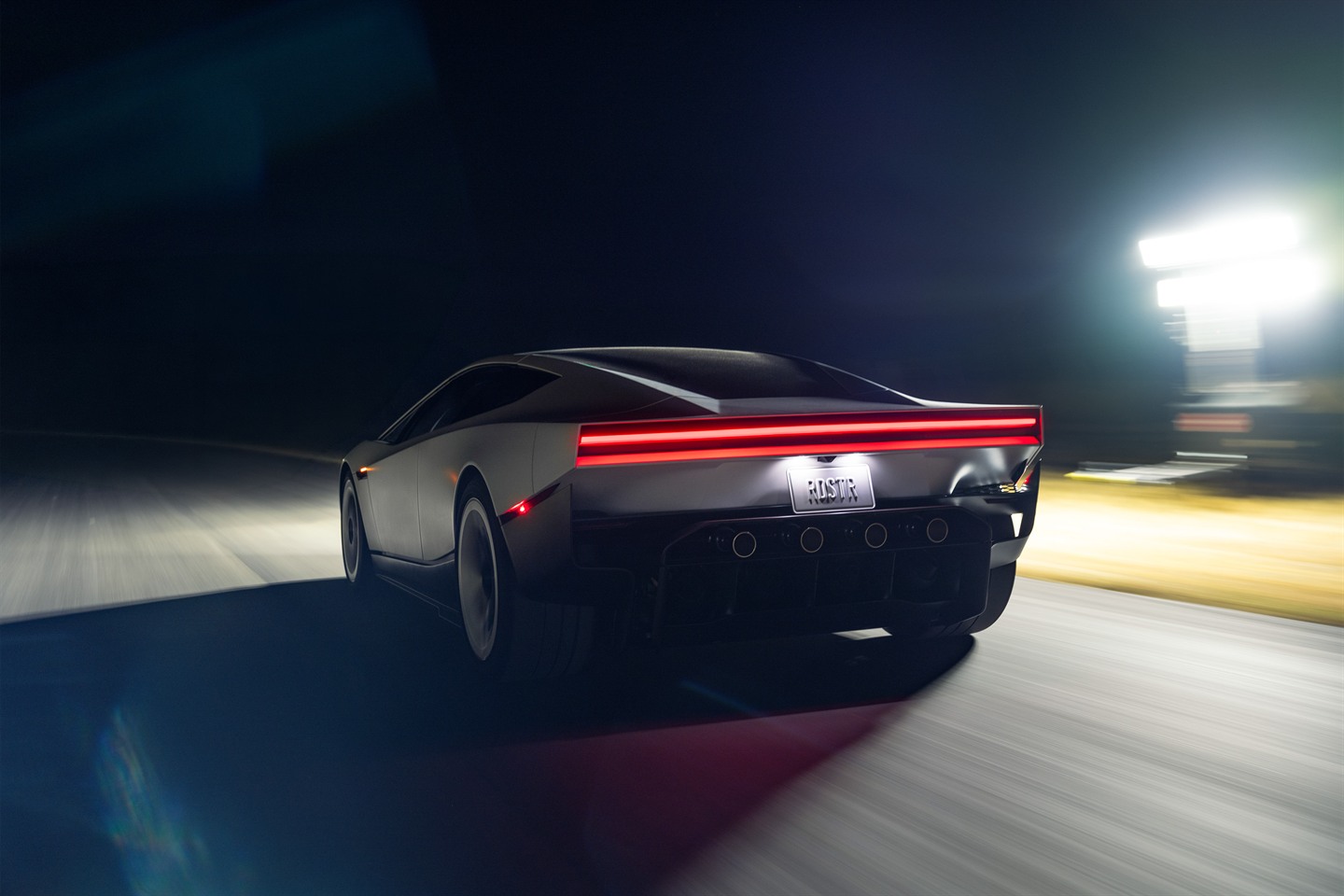
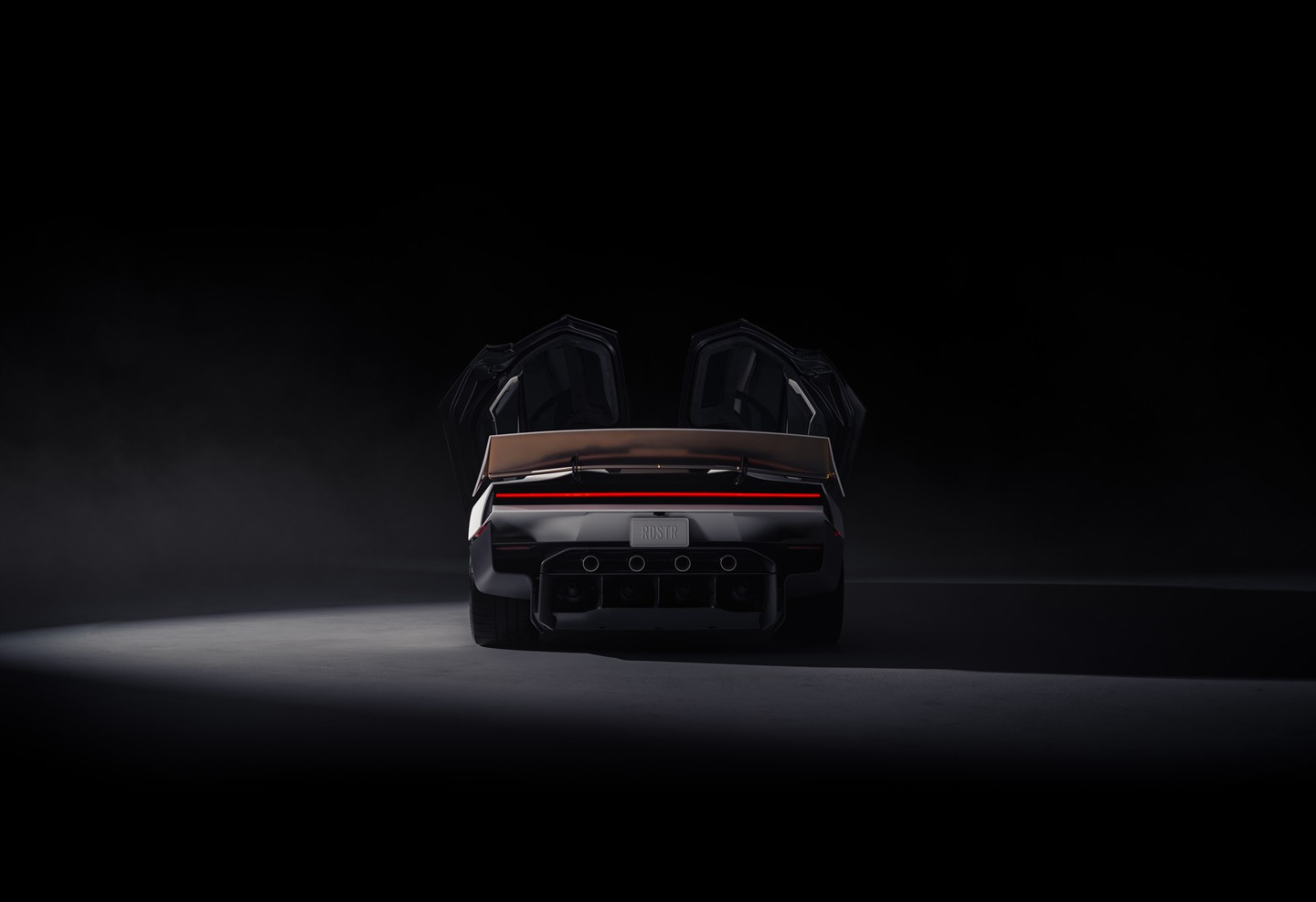
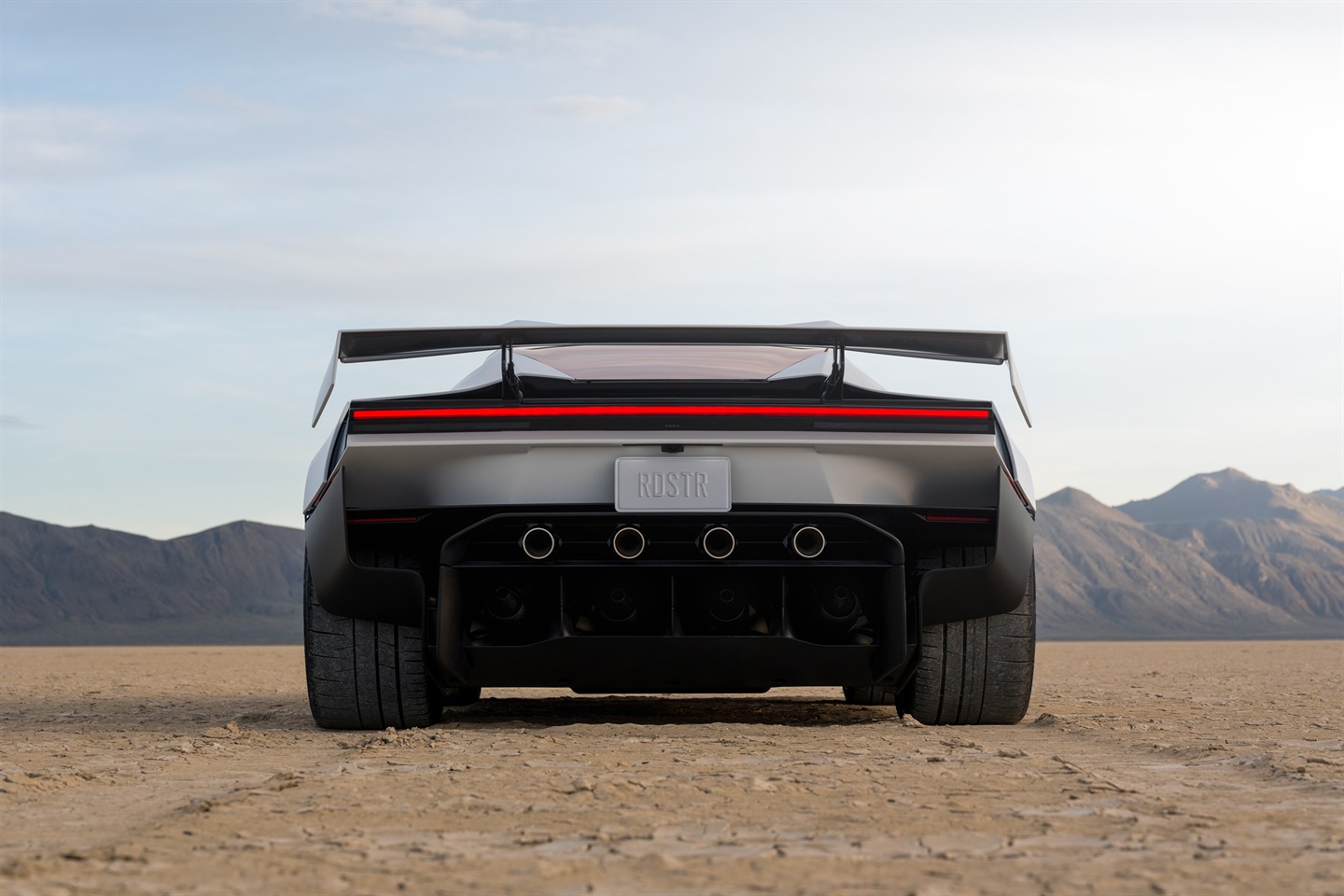
Musk’s 0–60 mph brief at 16:02 leaves little room for a modest target. The event later presents a 0.81-second result. The current product page promises under one second for Thrust.
There is a satisfying mechanical reason for adding those rear jets: thrust supplies an accelerating force beyond what the driven tires alone can transmit. During the presentation, Tesla also describes cornering above 2 g with the suction system. That remains a manufacturer claim for the showcased hardware.
A speed above 230 mph is another launch claim. For this feature, the more compelling story is the collection of tools being brought to the problem: reduce mass, manage airflow, increase grip and add thrust. Each is understandable on its own. Put them together and the Roadster becomes an unusually entertaining engineering lesson.
“For real”
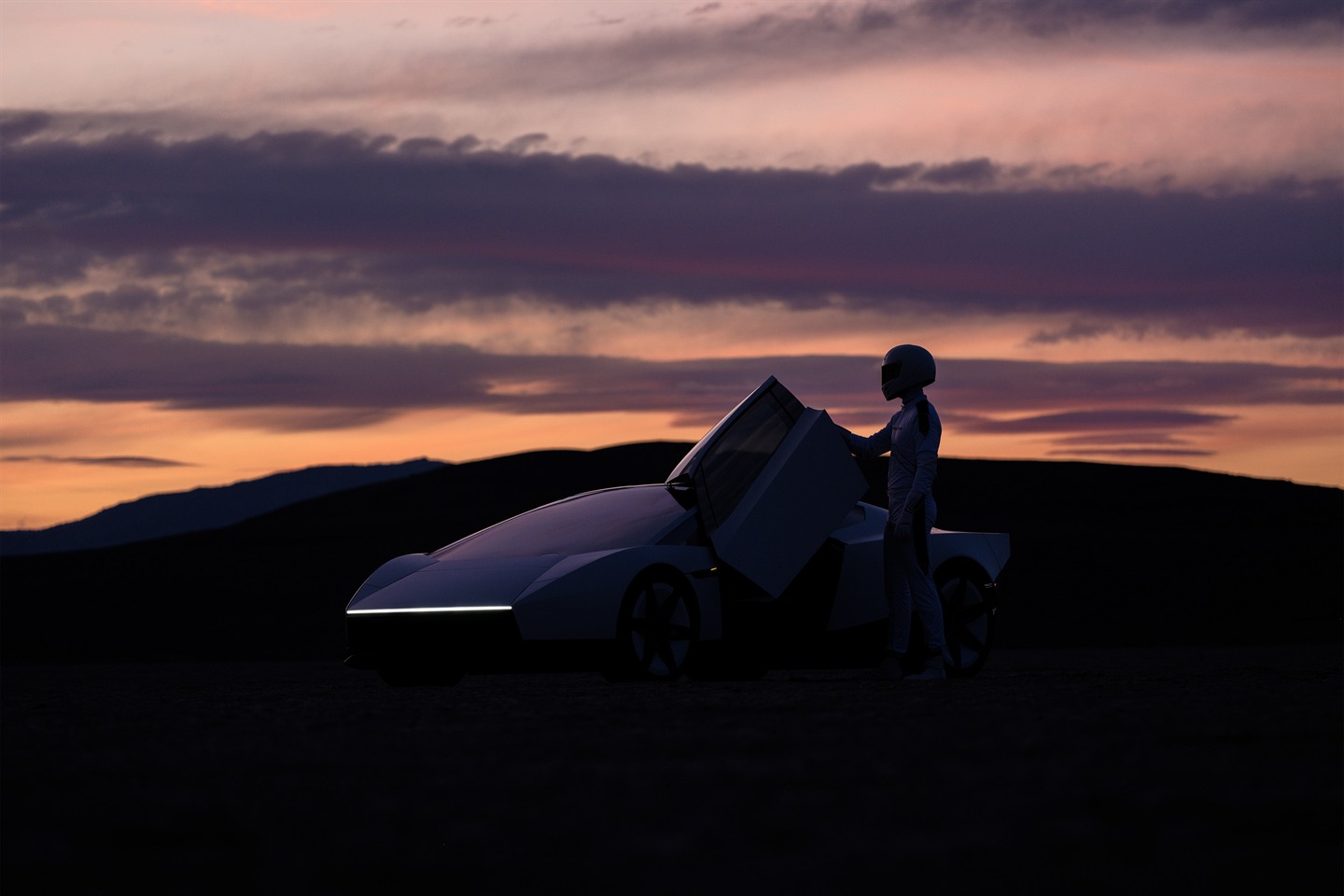
Musk adds that brief assurance at 21:17, after naming 2028 as the production target. That is the development milestone to watch; it is not a guaranteed customer-delivery date.
The US Performance reservation currently requires $5,000 initially and $45,000 within 10 days. That $50,000 secures a reservation, not the final purchase price. Tesla’s current agreement leaves final hardware, options, pricing and delivery timing unsettled.
For enthusiasts, there is plenty to enjoy before deciding whether to reserve anything. Watch the official launch, compare the configurations and look closely at how the systems work. The achievement worth celebrating today is the ambition made visible in the demonstration. Getting that ambition into customers’ hands will be the next chapter.
The new Roadster gives car people something wonderfully specific to argue about, learn about and replay. A baby moon rover? A rocket with a steering yoke? Either way, Tesla has made the engineering itself part of the entertainment.
Lead photograph courtesy of Tesla, Inc.