Samsung brought its intelligent eyewear back into focus at Galaxy Unpacked in London, showing how the Galaxy ecosystem could extend into glasses made with Gentle Monster and Warby Parker. The showcase builds on Samsung and Google’s earlier Google I/O 2026 first look, where the companies framed the project around Gemini, Android XR, and everyday wearability.
That partnership matters because Samsung is not trying to sell a headset that happens to sit on your face. It’s trying to make AI eyewear feel like glasses first, then a connected device second. That’s the difference between a gadget people notice and a pair of frames people might actually wear.
What Samsung Has Confirmed
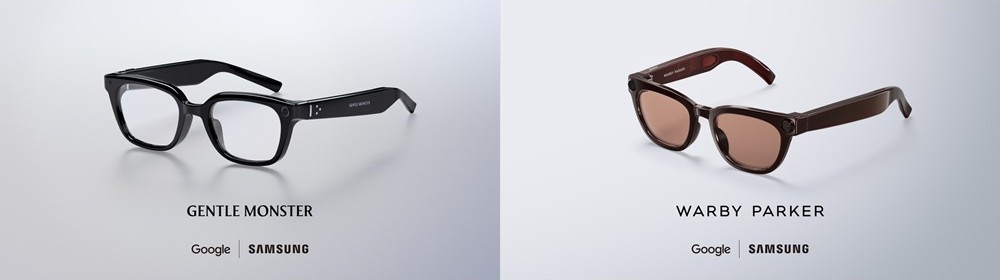
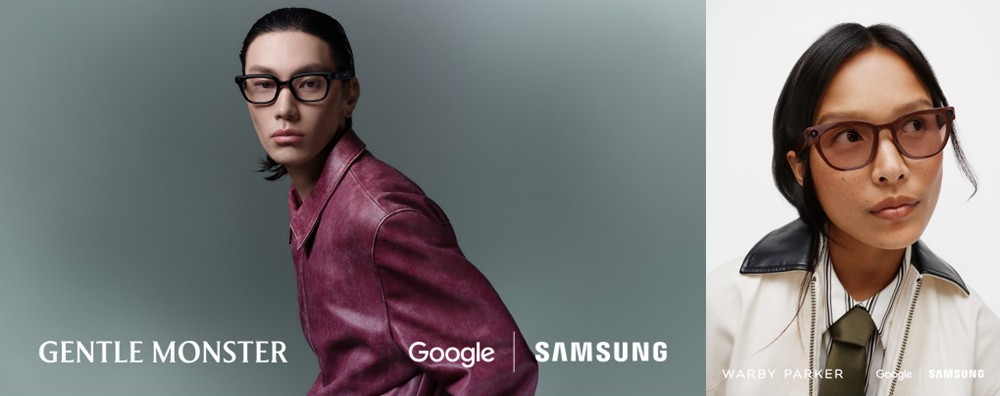
Samsung says the eyewear was created with Google, Gentle Monster, and Warby Parker. Gentle Monster is bringing a more expressive fashion angle, while Warby Parker is leaning on its everyday eyewear design language.
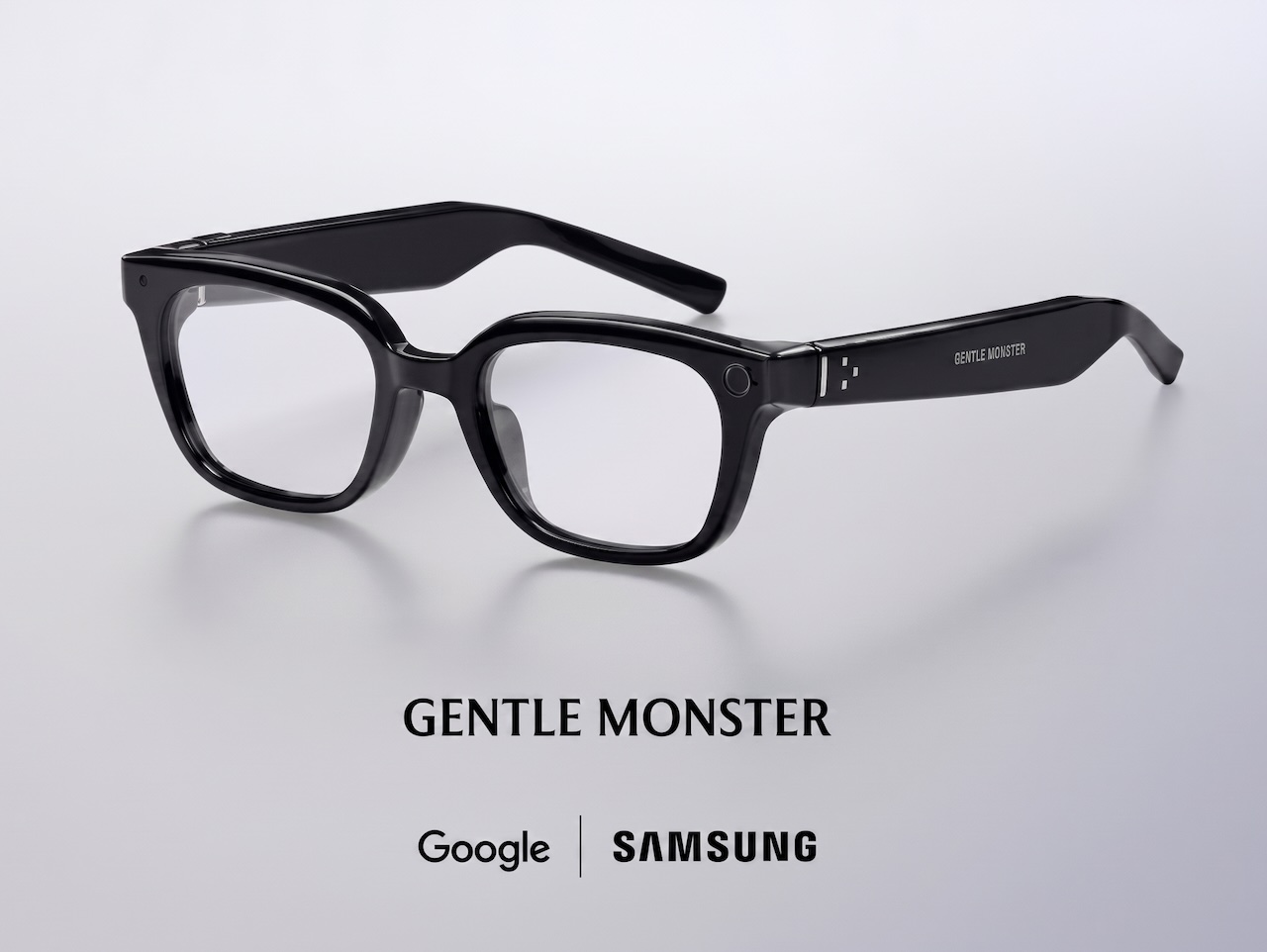
Samsung and Google also confirmed the broader platform story: Android XR, Gemini, and the Galaxy device ecosystem are all part of the pitch. The idea is to let the glasses understand what you are seeing and hearing, then help without forcing you to reach for your phone.
Samsung, Google, Gentle Monster, and Warby Parker are confirmed as the four partners behind the project. The platform runs on Android XR and Gemini, integrated with the broader Galaxy ecosystem. A fall 2026 launch is planned for select markets, though final pricing has not been announced.
Samsung’s Global Newsroom also confirms the core hardware details. The eyewear is built around a lightweight, slim-profile frame rated for up to nine hours of battery on a single charge, with the charging case adding up to seven additional full charges. A built-in camera feeds visual context into the Gemini experience, and the Snapdragon AR1 Gen 1 platform handles the AI workload with touch interaction, power efficiency, and thermal management all tuned for the compact frame.
What the Glasses Actually Do
The headline feature is hands-free Gemini access. Google says the glasses will support things like directions, sending texts, snapping photos, and getting help without taking out your phone.
Samsung’s newsroom materials also point to navigation assistance, personalized suggestions, real-time translation, and text translation for menus or signs in your line of sight. That makes the glasses less about replacing a phone and more about handling moments where looking down at a screen is awkward, unsafe, or disruptive.
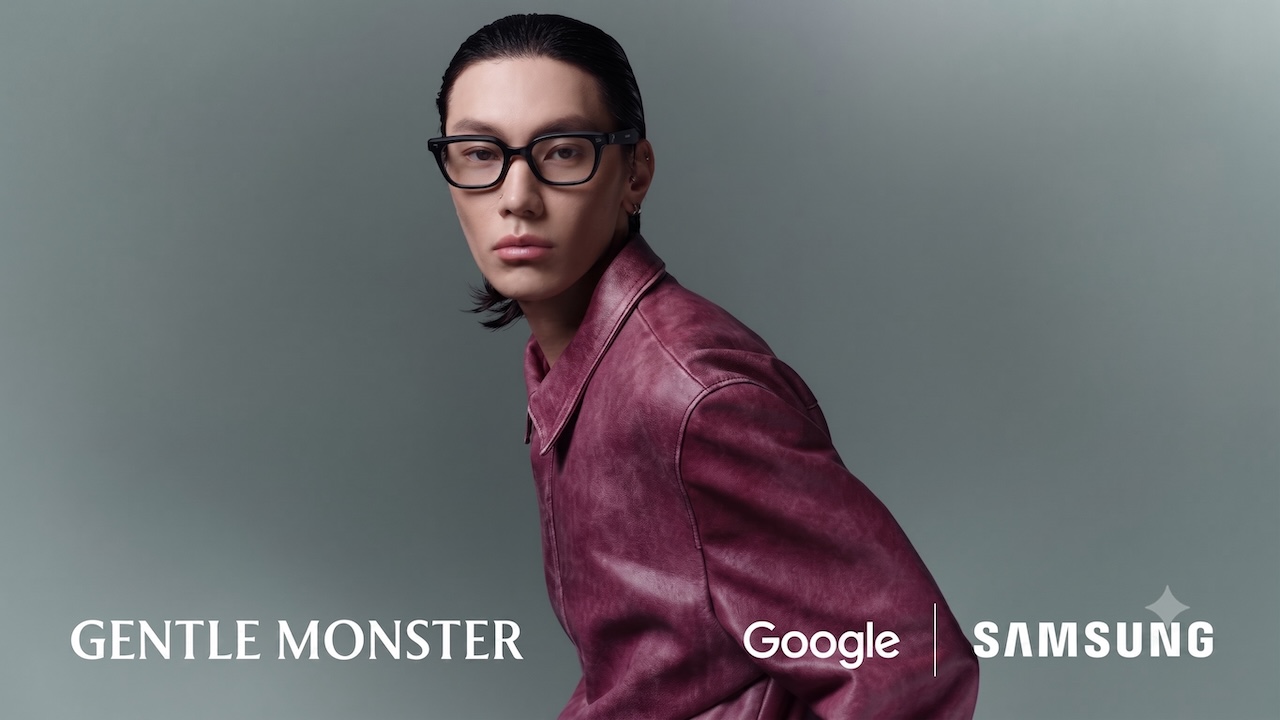
The most interesting use case is context. If Gemini can see and hear what you do, it can answer questions about your surroundings, translate what is in front of you, and help with quick tasks while your hands stay free.
Two Styles, Two Personalities
Samsung worked with both Gentle Monster and Warby Parker because smart glasses have a style problem before they have a software problem. People may tolerate a chunky headset at home, but eyewear has to survive daylight, meetings, errands, and being seen by other people.
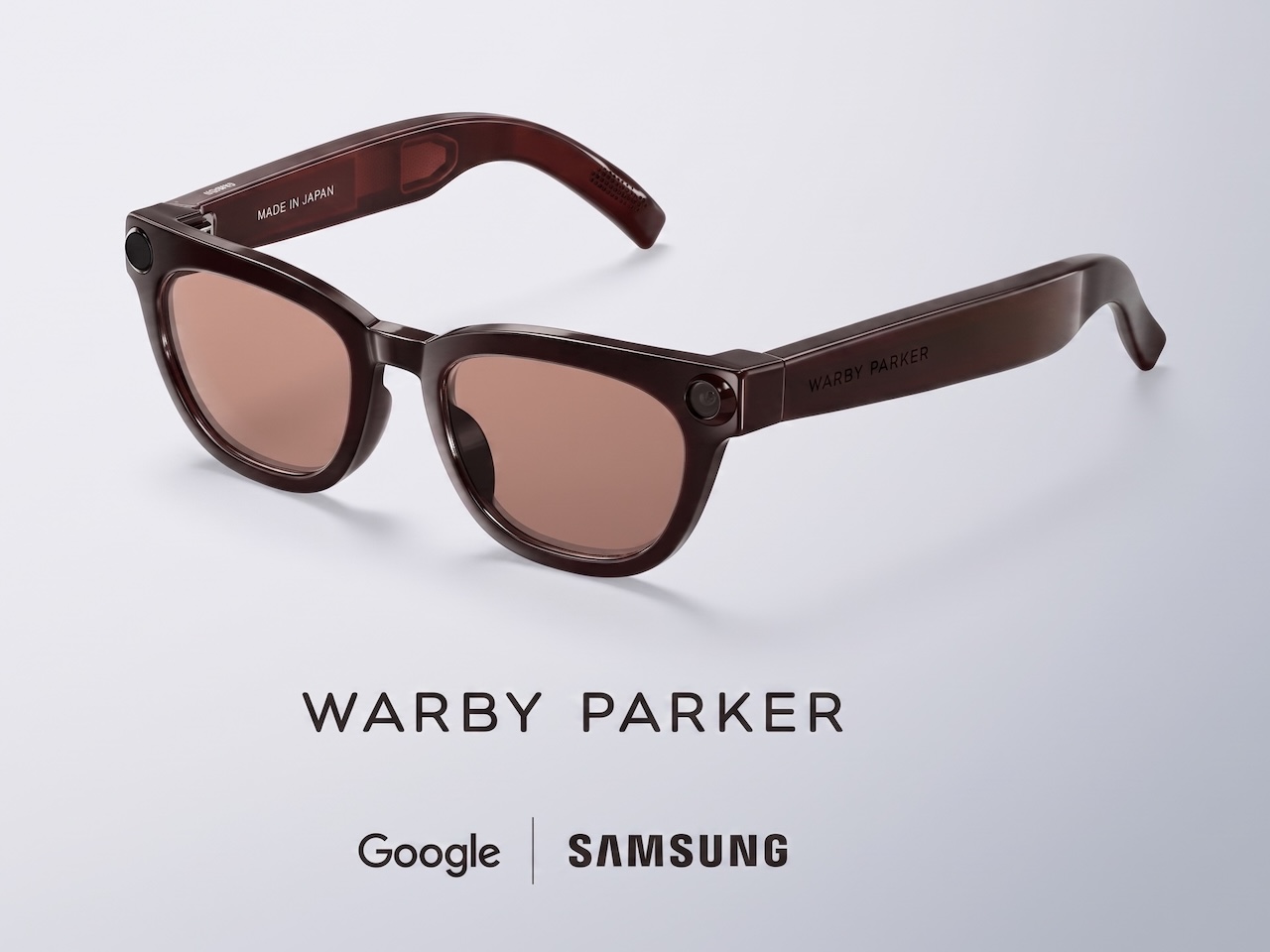
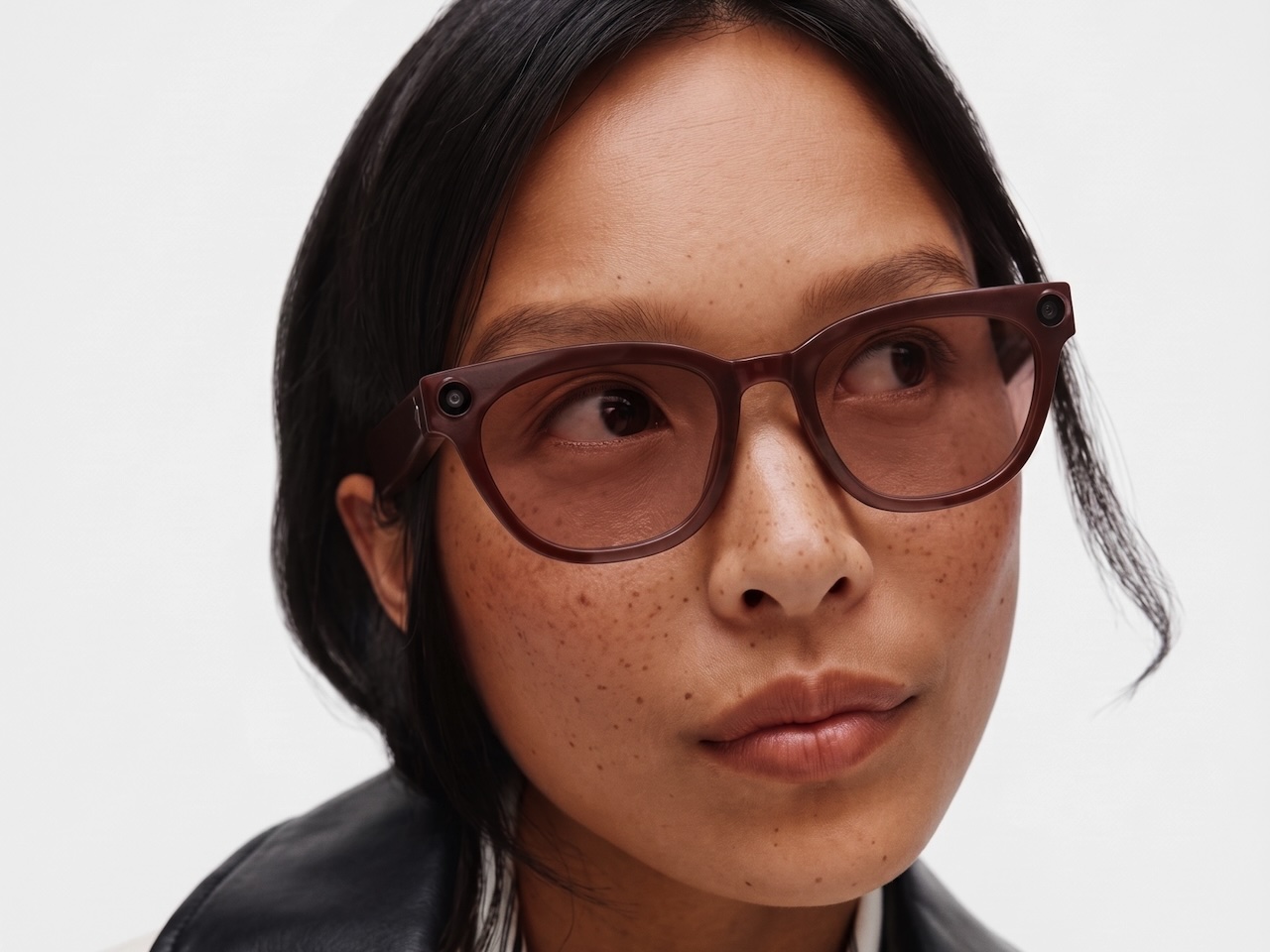
The Gentle Monster direction appears to lean more fashion-forward, fitting the brand’s reputation for bold eyewear, while Warby Parker’s version aims at a more familiar everyday look that could make the technology feel less intimidating. That dual-track approach is smart: if Samsung wants AI glasses to move beyond early adopters, it needs frames that work for different faces, wardrobes, and comfort levels, and the hardware has to disappear enough for the AI features to become the point.
The Display-Free Bet and the Warby Parker Advantage
One detail could set this apart from the usual smart glasses pitch. Several hands-on reports describe the eyewear as display-free, leaning on audio, the camera, and Gemini rather than an in-lens screen. Framed that way, skipping a display reads as a deliberate design choice aimed at lighter frames and all-day comfort, not a missing feature. That’s a different bet from rivals trying to fit a screen into the lens.
The Warby Parker partnership also points to an advantage that is easy to overlook. Warby Parker’s core business is prescription eyewear, with physical stores, eye exams, and lens fitting built in. If that infrastructure extends to the intelligent eyewear, Samsung could offer in-person fitting and prescription options that phone-first rivals cannot easily match. That would turn distribution and vision correction into a real edge rather than a footnote.
Android XR and the Google Partnership
The Android XR connection is what makes this more than another camera-equipped pair of glasses. Google has been positioning Gemini for glasses and headsets as a contextual assistant that understands what the wearer sees and hears, which gives Samsung a broader ecosystem play. Instead of treating eyewear as a standalone accessory, the company can connect it to Galaxy phones, wearables, apps, and services over time.
How This Changes the Smart Glasses Conversation
The smart glasses category has been stuck between two problems: products that look normal but do very little, and products that do more but look too much like gear. Samsung is trying to split the difference by putting the fashion brands up front.
That does not guarantee success. People still have to accept cameras, microphones, AI assistance, and battery limits in a device worn on the face. Those are social questions as much as technical ones.
The upside is clear, though. If the glasses look good enough and Gemini proves useful in short, real-world moments, Samsung could make AI eyewear feel less like a demo and more like a normal extension of the phone.
Availability
Samsung says the first collections of intelligent eyewear are scheduled to launch this fall in select markets. The company has not announced final pricing, exact release date, battery life, charging case capacity, or retail channels.
The safest read is that Samsung and Google have moved past vague concept talk, but not into final product details. Treat this as a confirmed fall launch window with several important specs still pending.